معرفی
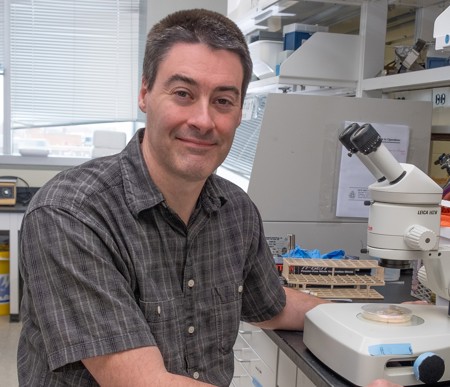
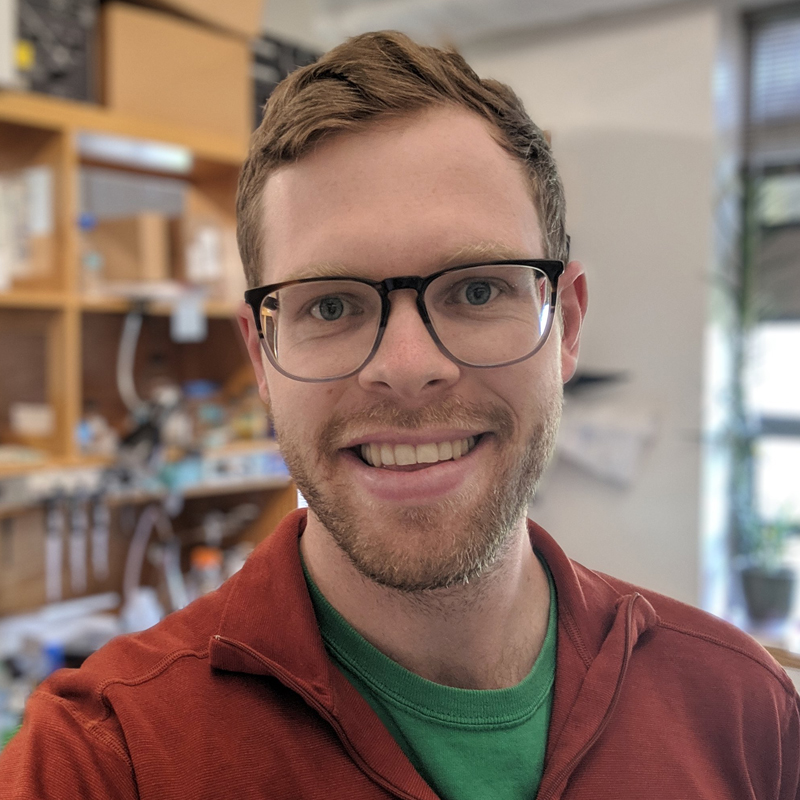
Drew Bridges is an Assistant Professor in the Department of Biological Sciences at Carnegie Mellon University, within the Mellon College of Science. His research focuses on understanding how bacteria make developmental decisions based on extracellular sensory information, with a specific emphasis on the formation and disassembly of bacterial biofilms in Vibrio cholerae. The Bridges Lab employs interdisciplinary approaches, including advanced imaging, genetics, biochemistry, and biophysics, to unravel the molecular mechanisms underlying biofilm dispersal and bacterial lifestyle transitions.
Bridges earned a Ph.D. from Dartmouth College and completed a postdoctoral appointment at Princeton University. His work has pioneered novel imaging techniques to study biofilm dynamics and has revealed key insights into signaling pathways, matrix digestion, and motility components that control biofilm dispersal. The lab aims to uncover general principles of microbial behavior and apply these findings to combat infections and inform strategies for manipulating bacterial communities.
Research interests extend to exploring how bacteria regulate lifestyle changes across scales—from molecular signaling to community-level behaviors. Future work seeks to expand studies to other microorganisms, identifying species-specific versus universal mechanisms. The lab also prioritizes fostering an inclusive, collaborative environment for trainees, emphasizing scientific rigor and innovation.
Recent publications highlight advancements in understanding two-component signaling systems, quorum sensing, and biofilm dispersal mechanisms in Vibrio cholerae. These studies underscore the lab's focus on integrating experimental and theoretical approaches to address complex biological questions.
Lab activities include managing a dynamic research group at the historic Mellon Institute building, established in 2022. Collaborative projects and grants are central to advancing their research, though specific grant details are not detailed in the provided texts. The lab website provides further information on ongoing studies and opportunities for trainees.