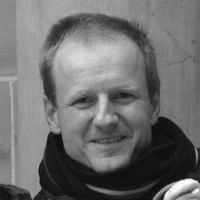
Prof. Waldemar Kolanus leads the Molecular Immunology and Cell Biology department at the University of Bonn's Life & Medical Sciences Institute (LIMES) . His research bridges immunoregulation , stem cell dynamics , and metabolic stress responses in immune cells. Unit 2 member at LIMES Principal investigator in SFB 704 and ImmunoSensation Cluster Leads a multidisciplinary lab with postdocs, PhD students, and technical staff His work focuses on intracellular signaling pathways connecting immune activation to tissue homeostasis, particularly through: Cytohesin proteins in integrin-mediated adhesion and migration TRIM71 in stem cell regulation and congenital hydrocephalus High-salt environments affecting macrophage function Publication trends show expertise in immune cell migration , genetic models , and chemical inhibition , with frequent use of mice and zebrafish for in vivo studies. Key articles explore: TRIM71's dual role in auditory development and germ cell maintenance Cytohesin family's Golgi regulation and insulin signaling Ruxolitinib's off-target migration inhibition of dendritic cells Contact details: Address: LIMES Institute, Carl-Troll-Straße 31, Bonn Email: kolanus.sekretariat@uni-bonn.de Phone: +49 228 73-62788
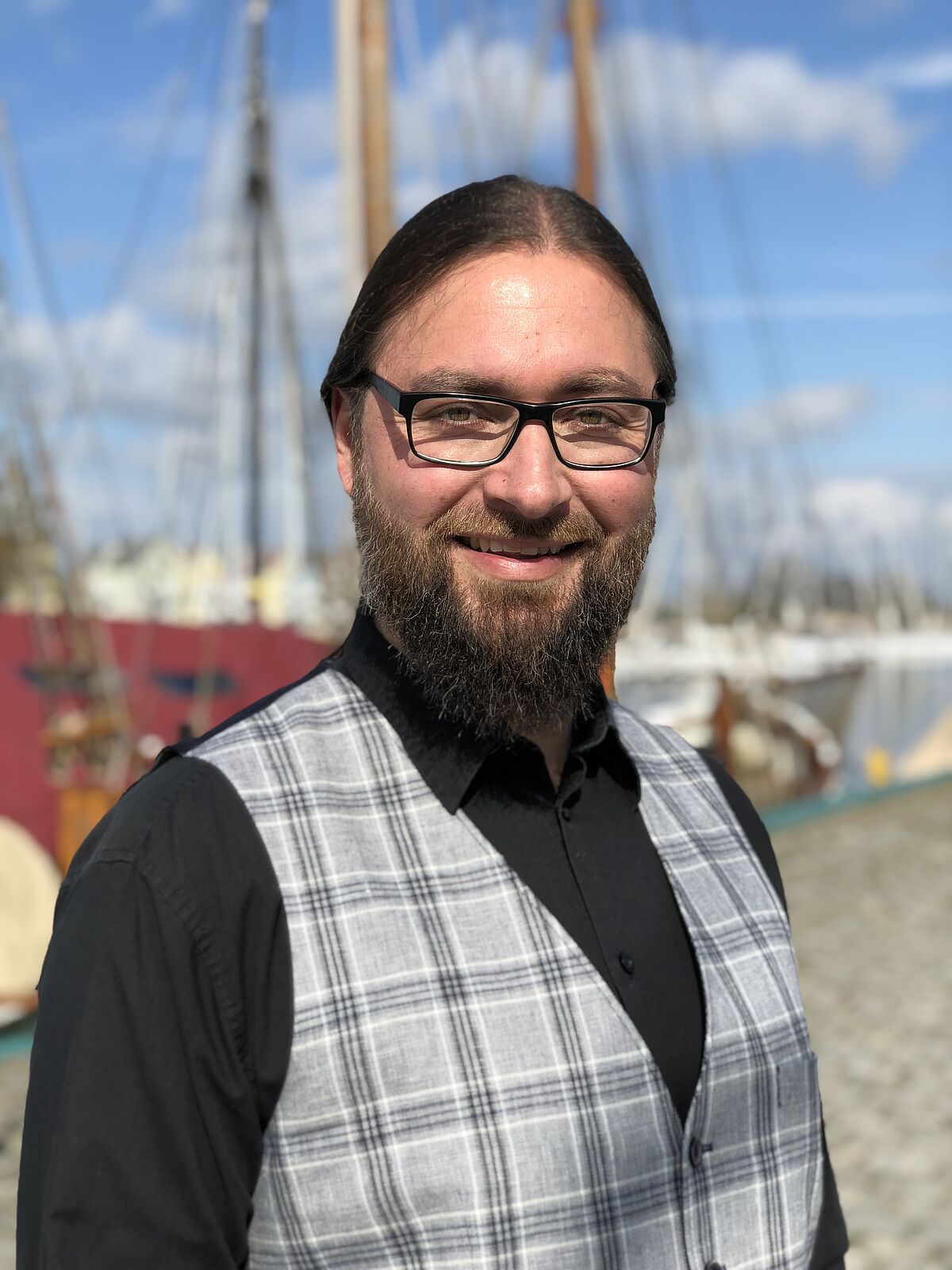
Prof. Johannes Barth, Ph.D. is a Professor and Chair of Applied Geology at the GeoZentrum Nordbayern (GeoCenter Northern Bavaria) within the Friedrich-Alexander-Universität Erlangen-Nürnberg (FAU). His office is located in Room O1.106 at Schlossgarten 5, 91054 Erlangen, Germany. With an extensive publication record spanning from 1997 to 2025, Prof. Barth has established himself as a leading researcher in hydrogeology and isotope geochemistry. Prof. Barth's research focuses on hydrogeology, isotope geochemistry, and environmental systems . His work investigates groundwater systems, carbon cycling in aquatic environments, and the application of stable isotopes to understand water-rock interactions. He has conducted significant research on karst aquifers, particularly in Sri Lanka, examining issues related to seawater intrusion, groundwater quality, and connections to public health concerns like Chronic Kidney Disease of unknown etiology (CKDu). His research often bridges fundamental geochemical processes with practical environmental and health applications. Analysis of Prof. Barth's recent publications (2023-2025) reveals a strong focus on tropical hydrogeology, isotope applications, and environmental health . His work demonstrates expertise in using stable isotopes (particularly oxygen and carbon) to trace water sources, understand biogeochemical processes, and address water quality issues. There's a notable emphasis on Sri Lankan groundwater systems and their connections to human health, as well as broader investigations of carbon cycling in freshwater ecosystems and lakes. Prof. Barth actively collaborates with researchers across multiple disciplines and countries, particularly with Sri Lankan scientists studying groundwater-related health issues. His work bridges geoscience with public health through the "One Health" approach, demonstrating the interdisciplinary nature of modern environmental research.
Philippe C. Baveye is a Professor at Rensselaer Polytechnic Institute, affiliated with the Department of Biological Sciences. He holds an MS in Rational Mechanics from Johns Hopkins University and an Agricultural Engineering degree from the Catholic University of Louvain (Belgium). His research spans interdisciplinary domains including soil science, environmental engineering, and climate change mitigation. His recent work focuses on ecosystem-scale soil carbon modeling, biochar economics, and environmental risks associated with enhanced rock weathering. He has contributed to debates on agricultural sustainability, scientific ethics, and the distinction between soil carbon storage and sequestration. His interdisciplinary approach integrates colloidal chemistry, continuum mechanics, and microbial dynamics. 2023: Ecosystem-scale soil carbon dynamics modeling 2023: Biochar application cost analysis 2023: Soil carbon vs. sequestration definitions 2023: Toxic trace element accumulation in soils 2022: Scientific integrity and conflict of interest Philippe Baveye actively collaborates with researchers across Europe, Brazil, and Asia, with 242,643 total profile views and 240 publications. His editorial contributions include 37 edited publications and 9 edited research topics.
Saeed Khajooie is a Researcher in the Teaching and Research Area Applied Structural Geology at RWTH Aachen University. His work focuses on subsurface geological systems, particularly in the context of energy storage and reservoir characterization. Research interests include: Underground hydrogen storage mechanisms Microbial activity impacts on reservoir rocks Reservoir compartmentalization analysis Geochemical-reservoir engineering integration Fluid dynamics in hydrocarbon systems Recent research trends demonstrate expertise in: Hydrogen-rock interaction studies Microbial permeability alteration Reservoir continuity evaluation Formation testing data interpretation Capillary pressure applications Fluid property modeling
Ronny Schönberg is a Professor of Isotope Geochemistry at the University of Tübingen's Faculty of Mathematics and Natural Sciences, Department of Geosciences. He leads the Isotope Geochemistry research group, focusing on geochemical interactions between atmospheric, terrestrial, and marine systems throughout Earth's history. His group utilizes cutting-edge analytical techniques including radiogenic isotopes (Sr, Nd, Pb) and non-traditional stable isotopes (Li, Cr, Fe, Cu, Zn, Mo) to investigate paleoenvironmental evolution and redox processes. Schönberg's research explores critical transitions in Earth's history, including the Great Oxidation Event and Neoproterozoic weathering patterns. Key projects examine microbial activity in hydrothermal systems, chromium isotope cycling in oceans, and the development of novel geochemical tracers. His work combines field studies with experimental kinetics to decode biogeochemical cycles from the Archean to modern environments. Recent publications (2021-2025) demonstrate his group's focus on Precambrian redox evolution, metal isotope systematics, and analytical method development. Articles frequently address oxygenation events, transition metal cycling, and isotopic proxies for early life. Common themes include the application of Cr, Zn, W, and Mo isotopes to reconstruct paleoenvironmental conditions and validate geochemical models. Schönberg directs laboratory facilities at Tübingen's Geoscience Center (GUZ) and collaborates internationally on projects ranging from Archean iron formations to modern environmental tracing. His team includes postdoctoral researchers, PhD candidates, and technical staff working on interdisciplinary geochemical challenges.
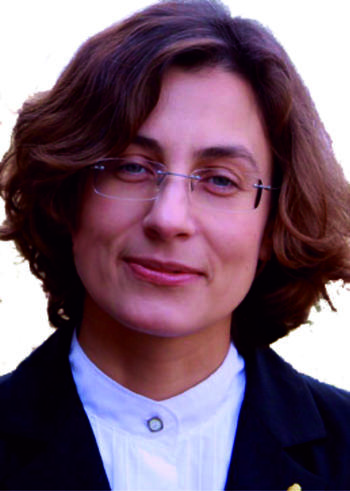
Prof. Dr. Barbara I. Kleine-Marshall is a Professor at the GeoZentrum Nordbayern , Friedrich-Alexander-Universität Erlangen-Nürnberg, specializing in Geochemistry and Mineral Geology . Her research focuses on fluid dynamics and geochemical processes in orogens, subduction zones, and rift systems, particularly the role of sulfur in crustal fluid-metal interactions. Education B.Sc. in Geoscience (Albert-Ludwigs-Universität Freiburg, 2006–2009) M.Sc. in Geology (Stockholm University, 2009–2010) PhD in Geology (Stockholm University, 2010–2015) Appointments Professor, FAU (2023–present) Adjunct & Postdoc, University of Iceland (2019–2023) Postdoc, NordVulk (2017–2019) Her work combines state-of-the-art analytical techniques (LA-ICP-MS, SIMS) with thermodynamic modeling (PhreeqC, GEMS) to study fluid sources, element mobilization, and global chemical cycles. Recent publications highlight sulfur cycling, hydrothermal alteration, and volatile fluxes in Iceland, Kenya, and Greece. Current projects include TraceS (DFG-funded study on sulfur fluxes in the Icelandic crust) and preparation for an EU HORIZON project on critical metal deposits. She actively collaborates with institutions in Iceland, Sweden, and Germany, contributing to understanding crustal fluid systems and anthropogenic sulfur sequestration.
Andre Banning is a Professor of Applied Geology at the University of Greifswald's Institute of Geography and Geology since April 2023. Previously, he served as a Lecturer in Environmental Science at University College Cork (2021-2023) and as a Senior Academic Councillor at Ruhr University Bochum (2019-2020). His academic career has been focused on hydrogeology and environmental geochemistry, with expertise in groundwater contamination and remediation. His educational background includes: Dipl.-Geol. (Diploma in Geology) from University of Münster (2006) Dr. rer. nat. (Doctor of Natural Sciences) from RWTH Aachen (2012) PD habil. (Habilitation) from Ruhr University Bochum (2019) Banning's research focuses on the occurrence and fate of toxicologically relevant inorganic trace elements in aquifer systems, particularly arsenic and uranium. His work integrates hydrogeochemical modeling, field studies, and laboratory experiments to understand contaminant transport and develop remediation strategies. He has made significant contributions to understanding denitrification processes, trace element mobility, and the impacts of mining activities on water quality. His publication record demonstrates expertise across multiple domains of environmental hydrogeology, with particular emphasis on groundwater contamination by geogenic elements. His recent work has increasingly focused on comparative studies across different European countries and on the application of advanced modeling techniques to understand spatio-seasonal variations in water quality. Throughout his career, Banning has supervised numerous research projects and students, though specific names are not provided in the available documentation. His work has involved collaborations with researchers across Europe, Mexico, Palestine, and Ethiopia, reflecting the global nature of hydrogeological challenges. Banning's research has practical applications for water resource management and protection, particularly in regions affected by agricultural nitrate pollution and geogenic contaminants. His laboratory work at the University of Greifswald continues to investigate the complex interactions between geological formations and groundwater chemistry.
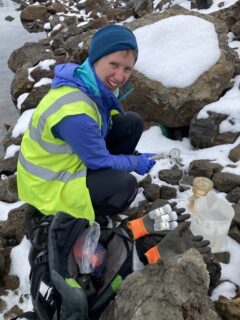
Jeffrey Paulo H. Perez (he/they) is a Discovery Research Fellow in the Organic Geochemistry section of the GFZ Helmholtz Centre for Geosciences since November 2022. As a queer, POC, and first-generation scientist, Dr. Perez is a strong advocate for LGBTQIA+ visibility and diversity in STEM fields. They co-founded the 'Out on the 'Berg' (Rainbow lunch) initiative for LGBTQIA+ individuals and allies at the Telegrafenberg scientific institutes GFZ-RIFS, AWI, and PIK, which recently partnered with the GFZ Diversity Team to launch the first 'Pride on the Hill' event in July 2024. Dr. Perez's research focuses on molecular-scale mineral-organic matter interface biogeochemical processes in polar soils and wetlands under future warming climate scenarios. They investigate the formation and transformation of iron-bearing minerals and their influence on nutrient (e.g., phosphorus, silicon) and toxic element (e.g., arsenic, chromium) cycling in oxygen-poor environments. Their interdisciplinary approach combines analytical techniques from geochemistry, materials chemistry, analytical chemistry, and nanoscience to understand iron biogeochemistry at nano- to atomic-scales. Dr. Perez's publication record demonstrates expertise across several interconnected research domains including polar biogeochemistry, iron mineral transformations, contaminant cycling, and climate change impacts on elemental cycles. Their work often bridges fundamental mineralogical processes with environmental applications, particularly in polar and wetland ecosystems vulnerable to climate change. Recent publications address nanoplastics in aquatic ecosystems, chromium behavior in mine waste, carbon export from peatlands, and the role of diversity in science. As a Handling Editor for the new community-led diamond open access journal, Advances in Geochemistry and Cosmochemistry, Dr. Perez contributes to advancing scholarly communication in the geosciences. They recently presented research on soil organic matter export from polar wetlands to aquatic ecosystems at ISMOM 2024, supported by the EAG Early Career Science Ambassador Program. Dr. Perez is actively engaged in community building through initiatives like Pride in STEM and LGBTQ STEM Berlin, working to increase LGBTQ+ visibility and create safe spaces in scientific communities. They also serve as a role model for underrepresented groups in STEM as a first-generation scientist and advocate for diversity, equity, and inclusion in scientific research.
Prof. Dr. Anna Gorbushina holds a dual academic role as a Full Professor of Earth Sciences at Freie Universität Berlin and Head of Department IV “Materials and Environment” at the Federal Institute for Materials Research and Testing (BAM). Her research bridges geomicrobiology, microbial ecology, and biogeochemistry, focusing on rock biofilms, microbial weathering, and genomics of extremophilic fungi. She has over 30 years of international experience, including roles at the University of Geneva and Oldenburg University’s Institute of Chemistry and Biology of the Marine Environment (ICBM). Education: 2006: Habilitation in Microbiology (Oldenburg University) 1992-1997: PhD in Mycology (Komarov Botanical Institute, Russia/ICBM, Germany) 1985-1991: Diplom in Biology/Biophysics (St. Petersburg State University) Research interests emphasize microbial interactions with geologic materials, including subaerial biofilm models, biomineralization, and microbial contributions to soil formation. Her work spans environmental microbiology, astrobiology, and cultural heritage preservation. Recent studies involve porosity modeling in reactive rock-fluid interactions and isotopic sulfur mobilization during serpentinite subduction. Awards include the Feodor-Lynen Fellowship (2008), DFG Research Fellowship (2001), and long-term recognition through the Dorothea Erxleben Scholarship (2001-2007). She serves as Associate Editor of the Geomicrobiology Journal and reviews for 14 ISI-listed journals. Professional activities include consultancy for international agencies like the Austrian Science Foundation FWF. Her research group at BAM focuses on interdisciplinary materials science, integrating microbial processes with engineering applications. Current projects include advanced microscopy techniques for biofilm analysis and field studies on Tepuis ecosystems in Venezuela. Recent lab acquisitions include a new microprobe for geochemical analysis (2023).
Prof. Ute Rößner is a Professor at the Technical University of Bingen since 2007, specializing in Water and Land Recycling, Geothermal Energy. Her research focuses on contamination remediation, water treatment, and sustainable urban development. She holds a doctorate from TU Karlsruhe and has extensive industry experience with institutions like the Dresden Groundwater Research Center and ahu GmbH in Aachen. Education: Studied Water Management at TU Dresden; Doctorate at TU Karlsruhe (1996). Research Interests: Public drinking water supply, geothermal energy applications, and eco-friendly infrastructure like green roofs. Her work bridges biochemical processes and environmental engineering. Publications span green infrastructure benefits, groundwater remediation, and nutrient management. Projects include EU-funded initiatives on climate adaptation and geothermal energy integration. She received the 1996 Groundwater Research Prize for contributions to hydrology and contamination science. Grants/Projects: Led projects on urban climate adaptation (2015-2016), semi-intensive green roofs (2018-2021), and geothermal nitrate pollution solutions (2018-2021). Labs/Teams: Active in TU Bingen's environmental engineering department, collaborating on interdisciplinary sustainability initiatives.
Marcel Lorenz is a Researcher at the Department of Soil Science , Trier University , Germany, since 2016. He serves as Administrative Manager of the DFG Schwerpunktprogramm 2322 "Systems Ecology of Soils" since 2021. His academic background includes a Doctorate (2021) in Soil Science M.Sc. in Physical Geography/Geoecology (2016), University of Leipzig B.Sc. in Geography (2012), University of Leipzig Lorenz's research focuses on Characterization of organic matter in forest and agricultural soils Tree species effects on microbial communities and organic matter Soil carbon dynamics post-land use change Soil genesis and classification His work integrates microbial ecology and thermodynamic perspectives to understand carbon and energy fluxes in soils. Recent publications emphasize Energy storage mechanisms in soil organic matter Microbial contributions to carbon stabilization Isotopic signatures in soil depth gradients Thermodynamic modeling of microbial activity Land use impacts on biogeochemical cycles Key methodologies include combustion calorimetry, isotopic analysis, and stoichiometric modeling. Lorenz is affiliated with Thiele-Bruhn Sören's Lab , Trier University Collaborations with UFZ - Helmholtz Centre for Environmental Research He actively participates in academic societies like the European Geosciences Union (EGU) and German Soil Science Society (DBG).
Florian Achilles is a Research Associate and doctoral student at the Professorship of Soil Science at Friedrich Schiller University Jena. Current affiliation: Friedrich Schiller University Jena (Soil Science department) Academic status: Researcher pursuing PhD in Soil Science Research Activities: Focuses on forest ecosystem biogeochemistry, disturbance event impacts on soil cycles, and historical forest conversion effects on ecological parameters in Central Germany. Educational Background: M.Sc. in Biogeosciences (2014) and B.Sc. in Biology (dates unspecified) with specialized research theses on soil ecology and microbial communities. Projects: Principal investigator for the "Green Eyes" project analyzing ecological stabilization from forest conversion, and "preFALL" studying premature needle fall effects under simulated drought conditions. Additional Roles: Vehicle representative, first aider, fire protection assistant, and CMS editor for the Soil Science department website. Memberships: Active member of the German Soil Science Society (DBG) and Working Group for Forest Site and Vegetation Science (AFSV).
Prof. Dr. Sabrina Hedrich serves as Professor and Head of the Institute of Biosciences at Technische Universität Bergakademie Freiberg within the Faculty of Resources. She leads the Microbiology and Biohydrometallurgy research group, directing cutting-edge investigations into microbial processes for sustainable metal recovery and environmental remediation. Her work bridges fundamental microbiology with industrial applications in resource extraction. Her research centers on extremophilic microorganisms, particularly acidophiles capable of iron/sulfur metabolism and sulfate reduction under extreme conditions. Key focus areas include bioleaching of primary ores and secondary resources (e-waste, mine tailings), selective metal recovery through biosorption/biomineralization, and microbial community dynamics in acidic environments. This work integrates physiology, taxonomy, and ecology to develop biotechnological solutions for circular economy challenges in mining and metallurgy. Analysis of her recent publications reveals intensifying research on hydrodynamic-biogeochemical controls in legacy mine waters, bioleaching of battery materials (lithium iron phosphate), and rare earth element recovery. Her work increasingly emphasizes process engineering integration (membrane filtration, bioreactor design) and molecular approaches to difficult-to-express proteins, demonstrating evolution from fundamental microbial studies toward applied industrial solutions. No scientific awards were documented in the source material. While specific student lists and grant details were not provided, her leadership of a major research group implies active supervision of doctoral candidates and postdoctoral researchers in biohydrometallurgy. Her work likely involves collaborative projects with mining industries and environmental technology firms focused on sustainable resource recovery. Prof. Hedrich directs the Microbiology and Biohydrometallurgy laboratory facilities, which specialize in culturing acidophilic microorganisms, conducting bioleaching experiments with metal sulfides and industrial wastes, and developing bioreactor systems for metal recovery. The group maintains advanced capabilities in microbial community analysis, protein expression, and process optimization for industrial applications.
Dr. Evelyn Krawczyk-Bärsch is a Researcher at the Helmholtz-Zentrum Dresden-Rossendorf (HZDR), Institute of Resource Ecology, Department of Radiation Research on Biological Systems, where she leads the Terrestrial Microbiology group. Her work focuses on microbial interactions with radionuclides in contaminated environments, particularly uranium biogeochemistry in former mining sites. Her primary research interests include microbial bioremediation of radioactive contaminants, uranium biomineralization processes, and biofilm formation in extreme environments. She employs multidisciplinary approaches combining microbiology, spectroscopy, and geochemistry to develop bioremediation strategies for uranium-contaminated mine waters, with significant implications for nuclear waste management and environmental cleanup. Analysis of her publications from 2004-2024 reveals consistent focus on uranium-microbe interactions, evolving from fundamental studies of cellular binding mechanisms to applied field assessments. Key themes include identification of microbial binding motifs (e.g., peptidoglycan), temperature effects on biomineralization, and development of biostimulation techniques for in-situ remediation. No scientific awards are listed in the provided information. Her research is conducted within HZDR's Terrestrial Microbiology group, which investigates microbial communities in radioactive environments and their application in bioremediation technologies, frequently utilizing the Rossendorf Beamline at ESRF for advanced characterization.
Dr. Katja Schmeide is a senior researcher at the Helmholtz-Zentrum Dresden-Rossendorf (HZDR) , specifically within the Institute of Resource Ecology and its Department of Actinide Thermodynamics . With a career spanning three decades, she specializes in actinide chemistry, focusing on redox reactions, complexation with organic ligands, and retention mechanisms in geological systems. Her work has direct applications in nuclear waste disposal safety assessments. Education : PhD in Chemistry (1995) from Technische Universität Dresden/Clausthal; MBA (1996) from City University of Seattle Her research explores actinide interactions with natural organic matter (humic/fulvic acids), redox-active minerals, and synthetic calixarene extraction agents. She investigates retention of uranium, neptunium, plutonium, and technetium on repository-relevant materials like clay rock, bentonite, and cementitious phases under evolving geochemical conditions. Key projects include RAMPEC (radionuclide mobility under perturbed conditions), GRaZ II (cement alteration phase interactions), CORI (actinide-organic-cement interactions), SE-FLECX (calixarene-based extraction agents), and long-term studies on actinide migration in saline systems and crystalline rock environments. Dr. Schmeide employs advanced techniques including TRLFS, EXAFS, NMR, and ATR FT-IR spectroscopy to characterize actinide speciation. She leads experimental campaigns on sorption/diffusion behavior and contributes to international collaborations with organizations like the European Commission and BMBF.