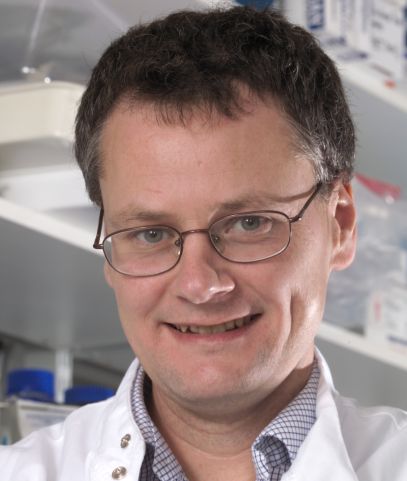
Yousef G. Amaarمشاهده پروفایل
عضو هیئت علمی
Yousef G. Amaar, PhD is an Assistant Research Professor in the General Surgery Division of the School of Medicine at Loma Linda University. His academic career spans over three decades with a focus on cancer biology and molecular mechanisms of tumor development. Education: PhD from Simon Fraser University (1997) Dr. Amaar's research primarily focuses on the RASSF1 gene family, particularly the RASSF1C isoform, and its role in cancer development and progression. His work has extensively explored how RASSF1C interacts with various molecular pathways including PIWIL1, DNA methylation, and microRNA regulation in lung and breast cancer. Earlier in his career, he also conducted significant research on osteoblast differentiation and insulin-like growth factor binding proteins. Analysis of Dr. Amaar's publication record from the last two decades reveals a clear research trajectory centered on cancer biology, particularly focusing on the RASSF1C protein's role in tumor development. His work demonstrates how RASSF1C influences key cancer processes including cell proliferation, apoptosis, epithelial-mesenchymal transition, and DNA methylation. His research has spanned multiple cancer types, with particular emphasis on lung and breast cancers, and has explored connections between RASSF1C and various molecular pathways including PIWIL1, IGFBP-5, and microRNA networks. Dr. Amaar has collaborated extensively with Dr. Reeves and other researchers at Loma Linda University, contributing to numerous publications in reputable journals such as Oncotarget, PLoS ONE, and the Journal of Bone and Mineral Research. His work has been consistently funded through institutional support and likely external grants, though specific grant details are not provided in the available information. While specific laboratory details are not extensively documented in the provided information, Dr. Amaar appears to lead or be a significant contributor to a research team focused on molecular cancer biology, particularly investigating the mechanisms by which RASSF1C influences tumor development and progression.