معرفی
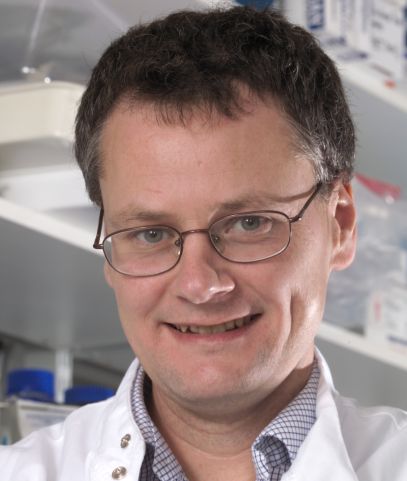
Professor Nick Coleman is Professor of Molecular Pathology at the University of Cambridge, Head of the Division of Cellular and Molecular Pathology, and a Fellow in Medicine at Downing College holding the Verjee Fellowship. His research focuses on translating molecular discoveries into improved cancer diagnostics and management.
His primary research areas include:
- Mechanisms of cervical neoplastic progression using the W12 cervical keratinocyte model
- Therapeutic targets in squamous cell carcinoma, particularly oncostatin M receptor (OSMR)
- Malignant germ cell tumors and pediatric cancers with emphasis on microRNA biomarkers
- Development of novel cancer diagnostic approaches through molecular pathology
Professor Coleman's publications reveal a consistent focus on HPV-related cervical cancer mechanisms, OSMR as a therapeutic target, and microRNA biomarkers for pediatric cancers. His group maintains extensive tissue archives and utilizes advanced molecular cytogenetic techniques including chromosome microdissection for identifying translocation breakpoints.
Scientific recognition:
- Fellow of the Academy of Medical Sciences (FMedSci)
Professor Coleman mentors numerous PhD students and leads a national translational study on germ cell tumors approved by the UK Children's Cancer and Leukaemia Group. His laboratory has discovered that microRNAs from the miR-371~373 and miR-302/367 clusters serve as universal biomarkers for malignant germ cell tumors, enabling development of serum-based diagnostic tests for childhood cancers. Current work focuses on translating these findings into clinical protocols for cancer diagnosis, prognostication, and monitoring.
His research group operates within Cambridge's Department of Pathology, collaborating closely with Professor Margaret Stanley on cervical cancer mechanisms and developing minichromosome maintenance (MCM) proteins as markers for identifying malignant and pre-malignant cells in various clinical samples.