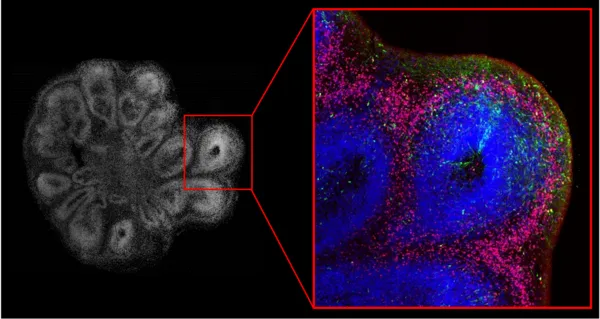
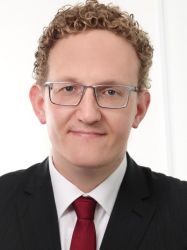
Prof. Dr. Simon Schäfer leads the Schäfer Lab at the Technische Universität München , focusing on engineering advanced organoid systems to study human brain development, disease modeling, and repair mechanisms. His work bridges stem cell biology, gene editing, and bioengineering to develop personalized therapies for brain disorders. Stem Cell & Organoid Technology Neurodevelopmental Mechanisms Neurodegenerative Disease Models Gene Editing & Neuroimmune Interactions Translational Neuroscience Recent research emphasizes brain organoid development, microglia phenotypes, and neurodevelopmental timing anomalies in autism. His team’s work also explores zika virus interactions with glioblastoma stem cells and neuronal plasticity in psychiatric disorders. Scientific awards and funding include support from the Deutsche Forschungsgemeinschaft (DFG), Brain & Behavior Research Foundation (BBRF), and Munich Cluster for Systems Neurology (SyNergy). Collaborations span institutions like the TUM Center for Organoid Systems. Advises 6 students (2 PhD, 1 MSc, 3 associated) Labs include Schäfer Lab, COS@TranslaTUM Contact: simon.schafer@tum.de
Michael Boutros is a Full Professor at Heidelberg University and Head of Division at the German Cancer Research Center (DKFZ). He currently serves as Dean of the Medical Faculty at Heidelberg University (since 2023) and Director of the Marsilius Kolleg (since 2020). He has held leadership roles including Coordinator of the Functional and Structural Genomics Program at DKFZ (2014–2023) and Acting Scientific Director (2015–2016). His academic base is within the Medical Faculty, focusing on molecular oncology and functional genomics. PhD, Witten/Herdecke University (1993–1996) Postdoctoral Research, Harvard Medical School (1999–2003) MPA, John F. Kennedy School of Government, Harvard University (1999–2001) Additional training: Cold Spring Harbor Laboratory, SUNY Stony Brook His research centers on Wnt signaling, functional genomics, and cancer pathways. He leads major research initiatives such as CRC 1324 on Wnt signaling and the ERC Synergy Grant DECODE. His work integrates high-throughput screening, CRISPR, and systems biology to dissect signaling networks in cancer and development. He has pioneered genome-wide RNAi and CRISPR screens to identify novel regulators of Wnt signaling across models. The 15 most recent articles reflect a strong focus on Wnt pathway regulation using functional genomics in both Drosophila and mammalian systems. Themes include high-throughput screening, CRISPR-based validation, cross-species conservation, and therapeutic targeting. Keywords span Cancer Biology, Systems Biology, and Signal Transduction, with subfields like RNAi, ubiquitination, stem cell regulation, and machine learning in image analysis. Michael Boutros has received numerous scientific honors: Elected member, Leopoldina National Academy of Sciences (2022) Elected member, Heidelberg Academy of Sciences (2022) EMBO Member (2013) ERC Advanced Grant (2012) Johann-Georg Zimmermann Research Award (2007) EMBO Young Investigator (2005) Member, 'Die Junge Akademie' (2003) He has been a recipient of the Emmy-Noether Program, McCloy Fellowship, Boehringer Ingelheim PhD Fellowship, Studienstiftung Fellowship, and Fulbright Fellowship. As a mentor and research leader, he has supervised numerous early-career scientists and coordinated large collaborative grants including the FP7 'CancerPathways' project. He currently serves as Speaker of the Research and Strategy Commission at Heidelberg University and Managing Director of the Health and Life Science Alliance Heidelberg Mannheim. He leads the CRC 1324 on Wnt signaling and is Coordinating PI of the ERC Synergy Grant DECODE. He is also Spokesperson of DFG Research Group 1036 and Coordinator of the former FP7 Coordinated Project 'CancerPathways'. His lab employs cutting-edge functional genomics tools to decode signaling networks in cancer and development.
Ralf Zimmer is a Full Professor for Practical Informatics and Bioinformatics at Ludwig Maximilian University of Munich (LMU) since 2001, affiliated with the Department of Informatics in the Faculty of Mathematica, Informatics and Statistics. He concurrently serves as Head of Section III and Head of the Research Group Network Regulation and Modeling / Machine Learning at the Leibniz Institute for Food Systems Biology at TUM (Leibniz-LSB@TUM) in Freising, Germany. His academic foundation includes a Diploma with distinction in Computer Science, Applied Mathematics and Operations Research from the University of Bonn (1981-1986), followed by a summa cum laude Doctorate in Computer Science and Applied Mathematics from CAU Kiel in 1990, where he received dual honors: the CAU Dissertation Award and Best Dissertation Award. Zimmer's research pioneers the integration of bioinformatics, systems biology, and machine learning to decode molecular food-consumer interactions. His group develops causal system models for biological networks, validated through in silico simulations and multi-omics perturbation experiments (transcriptomics/proteomics). Core methodologies include network regulation modeling, algorithmic bioinformatics, and database construction linking food compounds to biochemical networks and cellular phenotypes, with translational goals for food and biotech innovation. His 14 most recent publications (2012-2024) reveal dominant trends in multi-omics immunology and cardiovascular research, featuring computational innovations for high-throughput data analysis. Key themes include host-pathogen dynamics (viral infections), inflammatory disease mechanisms (atherosclerosis), and methodological advances in proteomics/transcriptomics, consistently bridging fundamental bioinformatics with clinical applications. Major scientific recognitions include: CAU Dissertation Award and Best Dissertation Award (1990) Director of LMU's Informatics Department (2010-2012) DFG Review Board membership for biomedical foundations (2008-2016) Leadership of the DFG Bioinformatics Munich Center (2001-2008) Academic Senate election at LMU München (2011) Zimmer directs LMU/TUM's joint B.Sc./M.Sc. bioinformatics programs since 2001 as founding architect of the DFG-funded Bioinformatics Munich initiative. His educational leadership spans spokesperson roles for international training groups (IRTG RECESS), collaborative research centers (SFB1123 Atherosclerosis), and elite programs (Data Science, Munich Center for Machine Learning). Grant stewardship includes directing the DFG Bioinformatics Munich Center and shaping national funding policy via the DFG review board. At Leibniz-LSB@TUM, his research group pioneers databases connecting food compounds to cellular phenotypes through molecular networks, collaborating with Munich universities, clinics, and biotech partners to develop high-throughput sequencing/proteomics applications for future food and health innovations.
Anne Schaefer is a Full Professor with Tenure at the Mount Sinai School of Medicine, currently serving as Managing Director at the Max Planck Institute for Biology of Ageing in Cologne, Germany. She co-directs the Center for Glial Biology within the Friedman Brain Institute, focusing on neuroscience and psychiatry. Education: Charité University Berlin (MD/PhD), Johannes Gutenberg University Mainz (undergraduate) Research Interests: Schaefer’s work bridges neuroscience , neuroimmunology , and epigenetics , with a primary focus on microglial biology, neuronal activity regulation, and mechanisms underlying neurodegeneration. Her studies explore how microglia interact with neurons to maintain brain homeostasis and drive plasticity. Scientific Awards: Max Planck Sabbatical Award (2019) Inaugural NINDS Landis Award for Outstanding Mentorship (2018) NIH Director’s New Innovator Award (2012) Kavli Frontiers in Science Fellow (2014) German Research Foundation DFG Research Fellowship (2006–2008) Summa cum laude, Charité University Berlin (2004) Grants & Funding: Schaefer has secured significant third-party funding, including an ERC Synergy Grant (2021–2027) for the project "Micro-'COPS' - Microglia-control of physiological brain states." Labs & Teams: She leads a research team at the Max Planck Institute for Biology of Ageing and collaborates closely with the Center for Glial Biology at Mount Sinai, where she has held leadership roles since 2017.
Dr. Hanna Taipaleenmäki is a Researcher and Group Leader at the Molecular Skeletal Biology Laboratory (MSB-Lab) within the University Medical Center Hamburg-Eppendorf in Hamburg, Germany. She holds a PhD from the University of Turku (Finland) and Odense University Hospital (Denmark), followed by postdoctoral research at the University of Massachusetts Medical School (USA) and UMC Hamburg-Eppendorf. Her research focuses on the role of osteoblasts in breast cancer-induced metastatic bone disease, particularly investigating microRNA regulation in bone physiology and pathology. Key areas include histomorphometry, in vivo models, and translational medicine. She is an active member of the ECTS and ASBMR scientific societies. Her work has been recognized through multiple awards and grants, though specific names are not listed. Technical strengths include in vivo methods and expertise in bone-cancer cross-talk mechanisms. Dr. Taipaleenmäki’s research aims to elucidate malignant interactions between bone and cancer cells in metastasis, with a focus on therapeutic targets in the bone microenvironment.
Dr. Aydan Bulut-Karslıoğlu is a Research Group Leader at the Max Planck Institute for Molecular Genetics in Berlin, where she leads the Bulut-Karslıoğlu Lab focused on gene-environment interactions in stem cells and development. Her work has significantly advanced our understanding of embryonic diapause and stem cell state transitions. Dr. Bulut-Karslıoğlu's educational background includes: B.Sc. in Chemical Engineering (major) and Biology (minor) from Middle East Technical University, Ankara, Turkey (2006) M.Sc. in Molecular Biology and Genetics from Bilkent University, Ankara, Turkey (2008) Ph.D. from Max Planck Institute of Immunobiology and Epigenetics, Freiburg, Germany (2013) Her research focuses on mechanisms regulating stem cell state transitions and fate commitment, particularly how cells communicate signals from their surroundings to the gene expression machinery. She has pioneered work on mammalian embryonic diapause - a reversible dormant state that gives embryos extra time to develop. Her lab uses a combination of functional perturbation methods in stem cells and early mouse embryos with omics, imaging, and biochemistry to reveal how genetic networks adjust to the status of the embryo. Analysis of her recent publications reveals a strong focus on the epigenetic and metabolic regulation of embryonic diapause, with particular emphasis on mTOR signaling, lipid metabolism, and DNA methylation dynamics. Her work bridges developmental biology, stem cell research, and metabolism, demonstrating how environmental cues like oxygen levels and nutrient availability influence developmental timing and cell fate decisions. Her notable scientific achievements include: Sofja Kovalevskaja Award (2018) ERC Starting Grant (2023) ERC Proof of Concept Grant (2025) GSCN Young Investigator Award (2025) Dr. Bulut-Karslıoğlu actively mentors the next generation of scientists, currently supervising multiple PhD students including Persia Akbari-Omgba, Anastasios Balaskas, Heleen Mallie, and Gunwant Patil. Her lab has received substantial funding through prestigious grants, including the Sofja Kovalevskaja Award, ERC Starting Grant, and ERC Proof of Concept Grant, enabling her team to pursue innovative research at the intersection of developmental biology and metabolism. The Bulut-Karslıoğlu Lab maintains a vibrant research environment with both computational and experimental scientists working together to unravel the mysteries of embryonic diapause and stem cell regulation. The lab actively participates in the International Max Planck Research School for Biology And Computation (IMPRS-BAC), contributing to the training of doctoral candidates at the interface of molecular life sciences and computational sciences.
Prof. Dr. Sven-Erik Behrens serves as a Professor in the Department of Microbial Biotechnology at the Faculty of Natural Sciences I of Martin Luther University Halle-Wittenberg. He is affiliated with the Protein Research Center 'Charles Tanford' and maintains an active research program focused on RNA biology, molecular virology, and biotechnological applications. His primary research interests encompass RNA-based plant protection strategies, viral replication mechanisms (particularly for flaviviruses and plant viruses), and innovative vaccine development using Kluyveromyces lactis yeast expression systems. Behrens' work investigates fundamental RNA-protein interactions, RNA chaperone activities, and the molecular basis of antiviral defense mechanisms in plants. His laboratory explores how RNA accessibility influences viral replication and how this knowledge can be harnessed for developing novel RNA-based antiviral strategies. Analysis of his recent publications (2021-2025) reveals a clear research trajectory focused on identifying accessible RNA sites for targeted antiviral applications, optimizing yeast-based vaccine platforms for both plant and animal pathogens, and investigating the role of non-coding RNAs in plant development and stress responses. His work spans multiple disciplines including plant virology, medical virology, and microbial biotechnology, demonstrating translational research from basic molecular mechanisms to practical applications. Prof. Behrens leads research in the Department of Microbial Biotechnology, collaborating with various groups working on plant-pathogen interactions and vaccine development. His laboratory employs advanced techniques including RNA structure probing, fluorescence-based assays for RNA chaperone activity, and plant in vitro systems for studying viral replication. The research demonstrates significant potential for developing novel approaches to combat viral diseases in both agricultural and medical contexts.
Stefan Hüttelmaier is a Full Professor of Molecular Cell Biology at Martin-Luther University Halle-Wittenberg, Germany. He leads the Core Facility Imaging at the Charles Tanford Protein Center and directs research into RNA-binding proteins' roles in cancer. His career includes postdoctoral work at Albert Einstein College of Medicine and leadership roles in the RTG 1591 research group. His work focuses on RAVER1 protein dynamics, perinucleolar compartments, and RNA metabolism in cancer progression. Education: PhD in Biotechnology (2000, University of Braunschweig), postdoctoral training at Albert Einstein College of Medicine (2001–2004). Academic milestones include Associate Professor (2009) and Full Professor (2014) positions. Research spans RNA-protein interactions, cancer biology, and translational mechanisms in tumors. Key research interests include RNA-binding proteins' roles in cancer (RAVER1, IGF2BP1), alternative splicing, and miRNA regulation. His lab investigates how these molecules influence cancer cell behavior, metastasis, and therapeutic resistance. Recent work highlights druggable targets like IGF2BP1 and mechanisms linking RNA modifications to oncogenesis. Leadership roles include RTG 1591 speaker and Core Facility director. Publications emphasize RNA biology in cancer, with contributions to understanding post-transcriptional control and therapeutic strategies targeting RNA pathways. His interdisciplinary approach combines molecular biology, biochemistry, and computational modeling to address clinical challenges in oncology.
Prof. Dr. Claude Becker is a faculty member at the Faculty of Biology, Ludwig Maximilian University of Munich , specializing in plant genetics and epigenetics. His research focuses on biochemical interactions in plant communities and the role of epigenetic marks in environmental adaptation. Specializations: Epigenetic regulation, allelopathy, plant-microbe interactions, DNA methylation dynamics Key Projects: Studying heritable phenotypic variation in clonal plants, analyzing stress-responsive epigenetic hotspots, and investigating gene cluster evolution in Oryza species. Recent publications highlight his work on transposable element dynamics, microbiome feedback mechanisms, and metabolic specialization in plant interactions. His research combines molecular biology with ecological perspectives to understand plant adaptation strategies. Contact: claude.becker@biologie.uni-muenchen.de
Professor Jochen Gaedcke is an active surgical oncology specialist at University Medical Center Göttingen's Faculty of Medicine, Department of Surgery. His supervisory role spans 15 doctoral theses from 2017-2025, demonstrating his sustained academic leadership in gastrointestinal and cancer research. Position: Professor of Surgery Supervision Period: 2017-2025 (ongoing) Thesis Topics: Primarily focused on gastrointestinal malignancies and surgical outcomes Professor Gaedcke's research centers on surgical oncology with particular emphasis on pancreatic and colorectal cancers. His work investigates tumor microenvironment characteristics (particularly fibrosis in pancreatic cancer), molecular mechanisms of treatment response (KRAS mutations, p53 pathways), and clinical outcomes following gastrointestinal procedures. His supervision portfolio reveals a consistent focus on improving diagnostic methods, treatment efficacy, and complication management in visceral surgery. Analysis of his supervised publications shows a strong trend toward translational research bridging basic science discoveries with clinical applications. Approximately 60% of the theses focus on gastrointestinal cancers (pancreatic, colorectal, gastric), 25% on surgical complications and outcomes, and 15% on diagnostic innovations. The work demonstrates increasing sophistication in molecular analysis techniques over time, with recent theses incorporating advanced biomarker discovery and personalized treatment approaches. Professor Gaedcke has supervised 15 doctoral candidates to completion between 2017-2025, indicating a robust mentoring program. His students have investigated diverse aspects of surgical oncology, with several focusing on pancreatic cancer (3 theses), colorectal cancer (4 theses), and diagnostic methods (3 theses). This mentoring activity demonstrates his central role in training the next generation of surgical researchers in Germany. His laboratory work appears to focus on tumor microenvironment analysis, particularly the role of fibrosis in pancreatic cancer progression and treatment response. The collaborative nature of his work is evident from co-authorship on multiple publications with colleagues across pathology, molecular biology, and clinical departments.
Julio Vera-González is a Professor at the Department of Dermatology, University Hospital Erlangen, focusing on cellular connections between cancer and aging. His research investigates DNA damage response pathways, particularly p53 signaling and cell cycle regulation. Education: PhD in Biochemistry and Molecular Biology, University of La Laguna (2002-2005) Post-doctoral researcher at University of Rostock (2005-2012) MSc in Life Sciences, University of La Laguna (2000-2002) His research develops mathematical models to study DNA damage response and protein interactions like 14-3-3sigma, aiming to identify therapeutic targets disrupted in cancer progression. Recent publications focus on cancer immunology, lncRNA regulatory networks, chemotherapy resistance mechanisms, and stem cell modeling, demonstrating consistent application of systems biology approaches to oncology. No awards or student advising details were provided in the source material.
Rene Jackstadt is a Junior Research Group Leader at the Heidelberg Institute for Stem Cell Technology and Experimental Medicine (HI-STEM) . His research focuses on cancer progression and metastasis , particularly in colorectal cancer , with a strong emphasis on stem cell biology , Wnt signaling , and epithelial-mesenchymal transition . He leads the Cancer Progression and Metastasis research group within the Normal and Malignant Stem Cells program. Position: HI-STEM Junior Research Group Leader Location: Im Neuenheimer Feld 280, Heidelberg, Germany Contact: r.jackstadt@hi-stem.de His work involves advanced organoid modeling and genetic manipulation to study tumor evolution and therapeutic vulnerabilities. Current projects explore: Stromal interactions in metastasis Immune checkpoint regulation Tumor microenvironment dynamics Signal transduction in oncogenesis Publications highlight his contributions to understanding: Wnt pathway in cancer MicroRNA regulation of MYC Stress-induced stem cell activation Tumor-immune co-evolution His team includes: PhD Students: Luisa Nader, Manuel Mastel, Gabriele Diamante, Nikolaos Georgakopoulos, Aitana Guiseris Martinez Research Assistant: Raja Flüchter
Dr. Francesco Siracusa is a researcher at the Department of General, Visceral and Thoracic Surgery at University Medical Center Hamburg-Eppendorf. His research focuses on the intersection of immunology, gut microbiota, and dietary influences on immune responses. He holds a Dr. Rer. Nat. degree and has established himself as a significant contributor to the field of mucosal immunology through his extensive publication record. Dr. Siracusa's research primarily investigates how dietary components and gut microbiota shape immune responses, with particular emphasis on T cell biology. His work spans multiple areas including the role of short-chain fatty acids in immune regulation, the impact of diet on mucosal immunity, and the characterization of T cell subsets in inflammatory conditions such as NASH and autoimmune diseases. His research combines molecular, cellular, and translational approaches to understand fundamental immunological mechanisms. His publication record shows consistent high-impact contributions to immunology journals, with recent work focusing on diet-immune interactions, T cell responses in liver disease, and methodological advances in metabolite quantification. His research demonstrates a cohesive trajectory exploring how environmental factors like diet modulate immune cell function and contribute to health and disease. Dr. Siracusa collaborates extensively with researchers across immunology, hepatology, and microbiology fields, reflecting the interdisciplinary nature of his work. His publications appear in top-tier journals including Nature Immunology, Science Immunology, and Trends in Immunology, demonstrating the significance and impact of his research contributions.
Lucie Carrier is a Professor at the Institute of Experimental Pharmacology and Toxicology , University Medical Center Hamburg-Eppendorf. She leads a research group focusing on cardiomyopathy mechanisms , particularly involving sarcomere proteins like cardiac myosin-binding protein C (MyBP-C) and their role in hypertrophic cardiomyopathy (HCM) . Her work explores ubiquitin-proteasome system dysfunction, autophagy , and gene therapy approaches for HCM. Key collaborators include Thomas Eschenhagen and Sandra Schlossarek . Research Interests : Sarcomere mutations, proteasome inhibition, RNA editing, cardiac remodeling, iPSC models, and microRNA regulation in HCM. Grants & Projects : Multiple studies on Mybpc3 -targeted mouse models, iPSC-derived cardiomyocytes, and pharmacological interventions (e.g., nebivolol, sacubitril/valsartan). Key Contributions : Discoveries about MyBP-C phosphorylation , ANKRD1 mutations , and tubulin detyrosination as therapeutic targets. She co-authored guidelines for autophagy assays and ESC consensus documents. Scientific Awards : No explicit awards mentioned in the text.
Wolfgang Bilger is a Professor of Plant Ecophysiology at the Christian-Albrechts-University of Kiel, Germany, where he has been a faculty member since 2001. He is affiliated with the Department of Plant Ecophysiology within the Faculty of Mathematics and Natural Sciences. Prior to his current role, he served as Full Professor and Associate Professor at the Norwegian Agricultural University, Ås, Norway. His academic journey includes a postdoctoral fellowship at the Carnegie Institution of Washington and research roles at Julius-Maximilians-University, Würzburg. His educational background includes: Habilitation (Dr. rer. nat. habil.), Julius-von-Sachs-Institute for Biosciences, University of Würzburg (1995) PhD (Dr. rer. nat.), Botanical Institute, University of Würzburg (1987) Master of Biology (Dipl. Biol.), Johann-Wolfgang-Goethe-Universität Frankfurt and University of Würzburg (1976–1982) Wolfgang Bilger's research focuses on plant responses to environmental stress, particularly UV radiation, temperature fluctuations, desiccation, and photoprotection mechanisms. His work investigates chlorophyll fluorescence, screening pigments like anthocyanins and hydroxycinnamic acids, and stress tolerance in plants, algae, and lichens. He has made significant contributions to understanding non-photochemical quenching and photoprotective strategies across diverse photosynthetic organisms. His recent publications (2014–2019) reflect a strong emphasis on plant-environment interactions, especially UV-B and low-temperature effects on photosynthesis and photoprotection. The studies span model plants like Arabidopsis, agricultural species, algae, and lichens, demonstrating a broad ecological and physiological scope. Common themes include pigment-based screening, stress-induced gene regulation, and the interplay between abiotic stressors and photosynthetic efficiency. His scientific awards include: Feodor Lynen Fellowship (Alexander von Humboldt Foundation) Carnegie Institution Fellowship Prize from the Unterfränkische Gedenkjahrsstiftung for his PhD thesis Recognition as an ISI highly cited researcher (h-index 31) Prof. Bilger has supervised several researchers, including M. Sci. Jana Stelzner and M. Sci. Fahimeh Khoramizadeh. He has served in key academic roles such as Managing Director of the Botanical Institute at Kiel and Chair of the Biology Examination Board. He is a Communicating Editor for the journal Trees – Structure and Function and has refereed for numerous high-impact journals and research foundations. His work is supported by active collaborations and service in the scientific community. He leads research in plant ecophysiology with a focus on stress adaptation mechanisms, contributing to both fundamental plant science and potential applications in agriculture and environmental monitoring.