Ronna Hertzano is a Clinical Professor at the Department of Otorhinolaryngology-Head & Neck Surgery, University of Maryland School of Medicine. Her research focuses on hearing science, inner ear biology, and multi-omic data integration. Established the Hearing Science Accelerator initiative Developed the gEAR portal for multi-omic data exploration Contributed to the BRAIN Initiative Cell Census Network Pioneered cochlear organoid models for hair cell differentiation studies Her work spans transcriptomic profiling of the inner ear, epigenetic mechanisms in hearing loss, and interdisciplinary collaborations with bioengineers and computational biologists. Recent publications emphasize noise-induced hearing loss , age-related auditory degeneration , and sex-specific differences in hearing biology. She serves as a key figure in the Neuroscience Multi-Omic Archive and has developed platforms like NeMO Analytics for Alzheimer's disease research. Her clinical focus includes cochlear implants , pulsatile tinnitus , and ototoxicity prevention. Notable contributions: Created the first cell type-specific transcriptomic atlas of the inner ear Developed 3D-biofabrication protocols for tissue engineering Advanced understanding of miR-96 and GFI1 roles in hearing Explored estrogen signaling for hearing protection
Matthew J. Will is an Associate Professor in the Department of Psychological Sciences at the University of Missouri-Columbia, where he leads the Behavioral Neuroscience Laboratory. His research focuses on motivational circuits underlying drug and natural rewards including food and exercise. Dr. Will earned his B.A. from St. John's University (MN), followed by his M.A. and Ph.D. from the University of Colorado, Boulder. He completed postdoctoral training at the University of Wisconsin, Madison. His laboratory applies behavioral neuroscience methods to study neural systems mediating motivational aspects of drugs of abuse and natural rewards. Research addresses these concerns through an integrative approach combining behavioral, pharmacological, and molecular biological techniques. Key research areas include investigating neural networks mediating homeostatic vs. hedonic feeding, motivational systems regulating voluntary exercise and drugs of abuse, prenatal influences on neurodevelopmental disorders, and sigma-1 receptor function in food and drug motivation. Analysis of Dr. Will's recent publications reveals consistent focus on sex differences in reward processing, with particular attention to opioid and dopamine pathways in the nucleus accumbens. His work increasingly incorporates genetic and epigenetic approaches while maintaining strong behavioral neuroscience methodology. Recent publications show expanded collaboration across engineering disciplines for advanced neural recording techniques. Dr. Will maintains active collaborations with researchers including Dr. Miller (sigma receptor research), Dr. Booth and Dr. Vieira-Potter (physical activity research), and Dr. Beversdorf (neurodevelopmental disorders research). His laboratory has produced numerous publications on the intersection of drug addiction and obesity research, with particular emphasis on sex-dependent mechanisms. The Behavioral Neuroscience Laboratory maintains four primary research projects: investigating neural networks mediating feeding behavior, studying motivational systems regulating exercise and drug rewards, examining prenatal influences on neurodevelopment, and exploring sigma-1 receptor function in reward processing. The lab employs animal models to understand how rewarding substances and events interact to produce dysregulated behaviors leading to addiction and obesity.
Dr. Thanasis Papas is a Visiting Assistant Professor in the Department of Medicine at the European University of Cyprus, specializing in Plastic Surgery. His academic journey includes a Medical Degree from Democritus University of Thrace (2001), an MD from Aristotle University of Thessaloniki (2011), and a Plastic Surgery Specialty from the Ministry of Health (2012). He is a Diplomate of the European Council of Plastic, Reconstructive & Aesthetic Surgery. His research spans plastic/reconstructive surgery , melanoma epidemiology , and aesthetic innovations , with publications emphasizing surgical techniques, outcome metrics, and oncological management. Recent work explores topics like perforator flaps, body contouring, and biomarkers for vascular anomalies. Dr. Papas received the 2013 Best Poster Award from the Hellenic Society of Plastic Surgery. He actively contributes to academic societies, serving as Treasurer for the Hellenic Society of Plastic Surgery and reviewer for PRS Open Global . He has participated in research projects on melanoma prognosis, breast implant safety, and post-bariatric quality of life (BODY-Q study). His clinical roles include prior positions at St George's University Hospitals NHS Trust (UK) and Coupure Center for Plastic Surgery (Belgium).
Matthew B. Frieman is the Alicia and Yaya Viral Pathogen Research Professor of Microbiology & Immunology at the University of Maryland School of Medicine. He holds a primary appointment in the Department of Microbiology and Immunology where he serves as a full Professor conducting cutting-edge research on viral pathogens of public health concern. Dr. Frieman's educational background includes: BA in Biology from Washington University in St Louis (1994-1998) PhD from Johns Hopkins University School of Medicine in the Cellular and Molecular Medicine Graduate Program, Department of Molecular Biology and Genetics (1998-2004) Post-doctoral fellowship at the University of North Carolina at Chapel Hill in the lab of Dr. Ralph Baric, Department of Epidemiology/Department of Microbiology and Immunology (2004-2009) Dr. Frieman's research focuses on understanding the interaction between viruses and their hosts to develop therapeutic interventions. His work has centered on highly pathogenic coronaviruses including SARS-CoV, MERS-CoV, and SARS-CoV-2/COVID-19, as well as Influenza virus. A key aspect of his research involves the development and characterization of mouse models for these viruses, which has enabled both basic understanding of disease mechanisms and therapeutic development. His laboratory employs innovative approaches including yeast-based screening techniques to identify host factors critical for viral replication and potential drug targets. Dr. Frieman has made significant contributions to understanding how comorbidities like diabetes affect viral pathogenesis, particularly with MERS-CoV. Analysis of Dr. Frieman's recent publications reveals a strong focus on SARS-CoV-2 research, with work spanning vaccine development, antiviral therapeutics, viral transmission dynamics, and host immune responses. His research bridges basic virology with translational applications, frequently collaborating with other experts to address the COVID-19 pandemic. The breadth of his work includes structural biology of viral proteins, immunological studies of vaccine responses, development of novel antiviral compounds, and epidemiological investigations of viral transmission. Dr. Frieman's scientific achievements have been recognized with several awards: HHMI Summer Research Fellowship (1994-1997) HHMI Summer Research Travel Award (1995-1997) UNC-CH Post-Doctoral Award for Research Excellence (2007) ASV Post-Doctoral Travel Scholarship (2007) Daily Record Innovator of the Year (2014) Teaching Commendation for Host Defenses and Infectious Diseases (2010, 2012, 2015-2019) As an active member of the scientific community, Dr. Frieman serves as a mentor to students and postdoctoral fellows. His research program has secured significant grant funding to support investigations into coronavirus pathogenesis and therapeutic development. He has established productive collaborations across multiple institutions, contributing to large-scale research initiatives addressing emerging viral threats. Dr. Frieman is also engaged in science communication, with his work featured in numerous media outlets including NPR, The New York Times, and Wired. Dr. Frieman leads a dynamic research laboratory that combines virology, immunology, and molecular biology approaches. His team has developed specialized mouse models for coronavirus research and employs innovative techniques including yeast-based screening systems to identify host factors involved in viral replication. The lab maintains strong connections with other research groups working on antiviral development and has contributed significantly to the understanding of coronavirus-host interactions during the COVID-19 pandemic.
Dr. Machteld Hylkema is an Associate Professor at the University of Medical Center Groningen's Faculty of Medical Sciences, Department of Pathology and Medical Biology. With expertise in immunology, epigenetics, and lung pathogenesis, she leads research on asthma and COPD, focusing on maternal environmental influences and epigenetic mechanisms. She co-authored over 110 publications and secured €2.5 million+ in research funding. University of Leiden - Biology (1991) University of Amsterdam - PhD in Immunology (1995) Her research spans: Maternal smoking effects on lung development Epigenetic editing for disease prevention Extracellular vesicles in COPD progression Lung tissue regeneration models Recent publications highlight: 3D airway modeling using extracellular matrix Autoantibody biomarkers in COPD Gut microbiota alterations from environmental exposure As Academic Director of the Erasmus+ IMIM program, she coordinates EU-funded education initiatives and serves on the Swedish Research Council for Medicine and Health.
Andrew M Smith is a Professor of Bioengineering, Medicine, and Technology Entrepreneurship at the University of Illinois Urbana-Champaign (UIUC) since 2021. He also serves as an Affiliate Faculty member in the Personalized Nutrition Initiative and Department of Materials Science and Engineering, and as a Full-Time Resident Faculty at the Micro and Nanotechnology Laboratory (MNTL). Previously, he was an Associate Professor at UIUC and Carle Illinois College of Medicine (2018–2023) and Associate Course Director of Hematology and Oncology (2017–2023) at Carle Illinois College of Medicine. Ph.D. in Bioengineering, Georgia Institute of Technology (2008) B.S. in Chemistry, Georgia Institute of Technology (2002) His research focuses on Targeted Therapeutics, Molecular Diagnostics, Quantum Dots, Single-Molecule Imaging, Macrophage Biology, and Cancer Biology , with applications in precision medicine and nanotechnology. Recent studies include nanocoding for single-cell RNA sequencing , acid-degradable lipid nanoparticles for mRNA delivery , and quantum dots for in vivo macrophage imaging . Key article trends: 15 recent publications span Nanotechnology (7), Bioengineering (5), Cancer Research (4), Immunology (3), and Medical Imaging (3), with subtopics like quantum dot surface engineering , lipid nanoparticles , STING pathway inhibition , and single-molecule tracking . Fellow, American Institute for Medical and Biological Engineering (AIMBE) (2022) Donald Biggar Willett Faculty Scholar Award (2020) UIUC Campus Distinguished Promotion Award (2018) NCI K99/R00 Pathway to Independence Award (2010–2015) Emory University Center for Cancer Nanotechnology Excellence Distinguished Fellowship (2008–2012) Smith leads the Smith Lab, which develops precision nanotechnologies for analyzing and controlling biological systems. His work bridges quantum dot engineering , macrophage-targeted therapies , and high-resolution imaging , with grants from NIH and industry partners. He has taught courses like Intro to Quantitative Pharmacology and Technologies for Cancer Diagnostics since 2019.
Dr. Ramsay Mcfarlane serves as Senior Lecturer in Biomedical Sciences (Medical & Molecular Genetics) at Bangor University's North Wales Medical School, where he concurrently holds positions as Research Group Leader and Deputy Head of School for Research. His work focuses on elucidating how cancer cells exploit germline and stem cell genes to manipulate cell proliferation and genome dynamics, with the ultimate goal of developing novel diagnostic tools and therapeutic interventions for cancer patients through the identification of druggable targets and biomarkers. Education: Ph.D. in Medical Genetics, Liverpool University, UK (Supervised by Prof. John Saunders) Dr. McFarlane's research program centers on cancer genetics and genome stability mechanisms, specifically investigating germ line genes, cancer testis antigens, meiosis, and telomere biology in human cancer cells, model organisms, and pluripotent stem cells. His group has demonstrated non-uniform DNA replication failure across the genome and identified conserved protein complexes governing telomere maintenance in cancer progression. This work has yielded significant discoveries in cancer-specific biomarker genes with direct applications for patient stratification, early diagnosis, and development of both conventional and immunotherapeutic drug targets. Analysis of his recent publications (2017-2022) reveals a cohesive research trajectory focused on molecular mechanisms of genome instability, with particular emphasis on Translin/Trax complexes, Brachyury signaling, and germ cell-specific gene networks like TEX19. These studies consistently bridge fundamental molecular biology with translational oncology, highlighting novel vulnerabilities in cancer cell regulation that inform therapeutic development. Scientific Awards: NIH Postdoctoral Fellowship at Fred Hutchinson Cancer Research Center, Seattle, USA Dr. McFarlane has supervised 30 research students and projects while securing major funding from the MRC, Wellcome Trust, Royal Society, BBSRC, North West Cancer Research, Cancer Research Wales, NHS, and the Saudi Arabian Government. Current initiatives include the Wales Cancer Research Centre (2020-2025) and the application of cancer-testis genes to address unmet clinical needs in oncology (2023-2027), demonstrating sustained impact in translational cancer research. He established the North West Cancer Research Institute at Bangor University in partnership with the regional cancer charity, creating a dedicated research ecosystem focused on genome dynamics in cancer. His laboratory features state-of-the-art facilities including human cancer/embryonic stem cell culture suites, confocal microscopy, fluorescence-activated cell sorting, and advanced molecular biology technologies, enabling comprehensive investigation of cancer stem cell mechanisms and therapeutic targeting.
Dr. Elpetra Timmermans-Sprang is a clinical researcher and teacher at the Department of Clinical Sciences within the Faculty of Veterinary Medicine at Utrecht University , where she has worked since completing her doctoral studies on Wnt signaling in canine mammary cancer in 2019. Her research focuses on: Canine mammary cancer mechanisms (Wnt/HER signaling, P-cadherin mutations, stemness) Pheochromocytoma and paraganglioma in dogs (organoids, transcriptomics, metabolomics) Hormone-related cancer pathways (GH/IGF1 axis, progesterone receptors) Key scientific contributions include 15 major publications spanning 2014-2025 on topics like: Wnt signaling in veterinary oncology Targeted therapies for canine cancers Endocrine disorder research She serves as official mentor for interns working on: Pheochromocytoma project Mammary carcinoma research
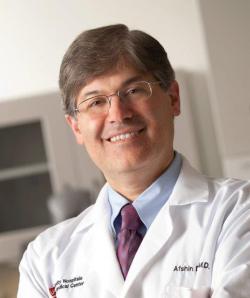
Afshin Dowlati, MD is a Professor at the Department of Medicine, Division of Hematology and Oncology at Case Western Reserve University School of Medicine . He serves as Associate Director for Clinical Research and Member of the Developmental Therapeutics Program at the Case Comprehensive Cancer Center . Education : University of Liege School of Medicine (MD) Training : Internal Medicine Residency (1996), Hematology/Oncology Fellowship (Case Western Reserve University) Research Focus : Target validation and drug development for small cell lung cancer (SCLC) and thoracic malignancies Genomic/transcriptomic analysis of SCLC via a retrospective database with >800 patients Investigation of STAT3 activation pathways and PIAS3 downregulation in mesothelioma Co-founder of a national SCLC consortium for collaborative research Elucidating molecular drivers of immune checkpoint response in SCLC Clinical Contributions : Leadership in Thoracic Oncology Program (2000-present) Principal investigator in phase I/II clinical trials (e.g., Tarlatamab) Development of preclinical models for translating therapies to clinic
Carolyn Sangokoya, MD, PhD, is a physician-scientist and board-certified pathologist at the University of California, San Francisco (UCSF) School of Medicine. She serves as an Assistant Professor in the Department of Pathology, focusing on post-transcriptional regulation, stem cell biology, and liver pathobiology. Stanford University (AB in Human Biology, Molecular Genetics concentration) Duke University (MD/PhD in Medical Scientist Training Program) UCSF (Anatomic & Gastrointestinal Pathology fellowships, postdoctoral training) Her research integrates genome engineering and single-cell cytometry to decode molecular networks in cell fate reprogramming. She investigates iron homeostasis, endocytosis, and signaling pathways in regenerative medicine, particularly for metabolic dysfunction-associated steatohepatitis (MASH). Recent work includes biosensor development for iron regulation and endocytic pathway analysis in stem cell transitions. Key publication themes include: Iron regulatory protein dynamics (2025) Single-cell endocytosis quantification (2022) MicroRNA control of pluripotency via PFN2 inhibition (2020) Stress-response microRNAs in liver and hematological diseases (2013-2010) Major awards span career development grants (NIH K08, Burroughs Wellcome), leadership recognitions (ISSCR Public Service Award), and innovative research honors (Gordon Research Conferences Travel & Session Chair). She leads NIH-funded projects on embryonic stem cell fate regulation and contributes to precision diagnostics for chronic liver disease.
Dr. Bruce Bissonnette is an Associate Professor at the University of Chicago Pritzker School of Medicine , specializing in Gastroenterology within the Department of Medicine. His clinical expertise spans diagnosis and management of gastrointestinal disorders such as Barrett’s esophagus Inflammatory Bowel Disease Colorectal Cancer Peptic Ulcer Disease and related conditions. Education & Training: Internship: Philadelphia Naval Hospital (1976) Residency: Hospital of the University of Pennsylvania (1980) Fellowship: Hospital of the University of Pennsylvania (1981) Clinical Staff Fellow: NIADDK, NIH (1984) Faculty: University of Chicago (1990–Present) Research Interests focus on colon cancer pathogenesis and chemoprevention , particularly the role of Western diets, fish oil, and signaling pathways (ADAM17-EGFR, CXCL12-CXCR4) using Animal Models Human Tissue Cultures Colonic Organoids In Vitro Systems His lab is developing a liquid biopsy for early CRC detection via 5-hydroxymethylcytosine biomarkers with Dr. Chuan He and Dr. Wei Zhang. He also investigates Ythdf1 in immune-mediated tumor suppression and the pro-renin receptor (Atp6ap2) in tumor suppression via vitamin D and RAS inhibition, collaborating with Dr. Yan Chun Li. Publication Trends span biochemistry , molecular biology , and cancer research , emphasizing Signal Transduction miRNA Regulation VDR-EGFR Cross-Talk Proteomic Interactions with over 15 high-impact studies since 2014.
Dr. Alexandra Dumitrescu is an Associate Professor in the Department of Medicine-Endocrinology at the University of Chicago. Her NIH-funded research program focuses on genetic disorders of thyroid hormone metabolism, including defects in hormone transport (MCT8), receptor function, and selenoprotein synthesis (SECISBP2). She leads multiple research grants including R01DK110322 investigating SBP2 deficiency syndromes and serves as Co-PI on R01DK015070 studying inherited thyroid disorders. Research Focus Dr. Dumitrescu's research examines: Thyroid hormone transport mechanisms across biological barriers Genetic basis of congenital hypothyroidism and thyroid hormone resistance Selenoprotein biology in thyroid function Therapeutic strategies for transport defects including gene therapy approaches Fetal thyroid physiology and placental transport mechanisms Publication Trends Her recent work demonstrates strong focus on: Novel therapies for MCT8 deficiency including combined drug treatments and AAV gene delivery Genetic characterization of thyroid disorders across diverse populations Role of non-coding mutations in thyroid regulation Advanced models including cerebral organoids for disease mechanism studies Prenatal interventions for inherited transport defects Research Funding R01DK110322 (PI): Mouse Sbp2 deficiency models (2016-2021) F32DK091016 (PI): Pathophysiology of SBP2 abnormalities (2011-2012) R01DK015070 (Co-I): Thyroid Physiology Studies (1979-2027)
Dr. Nathan Lawson is a Professor at UMass Chan Medical School within the T.H. Chan School of Medicine and Morningside Graduate School of Biomedical Sciences . He has multiple affiliations across departments including Molecular, Cell and Cancer Biology , RNA Therapeutics Institute , and Bioinformatics and Integrative Biology . BS in Zoology from University of Rhode Island (1994) PhD in Biology from Yale University (1999) Postdoctoral work at NIH studying zebrafish angiogenesis Joined UMass Medical School in 2002 Lawson's research focuses on developmental angiogenesis and endothelial differentiation using zebrafish models . His work explores: Vascular patterning mechanisms Endothelial cell heterogeneity Genetic models of vascular disease Development of knockout technologies His publications (2015-2025) show expertise in gene editing (CRISPR/Cas9, zinc-finger nucleases), vascular development , and computational genomics . He develops zebrafish disease models for conditions like congenital lymphedema and neurodegenerative disorders. Lawson's lab ( lawsonlab.umassmed.edu ) investigates: Vascular disease mechanisms Notch-VEGF signaling interactions Endothelial progenitor cell behavior Small molecule screening for vascular therapies
Dr. Lissa Baird is an Associate Professor of Neurosurgery at Harvard Medical School and holds multiple leadership positions at Boston Children's Hospital, including Co-Director of the Brain Tumor Center, Director of Neurosurgical Oncology, and the Christopher K. Fellows Family Chair in Pediatric Neurosurgery. She is an attending physician at the Dana-Farber/Boston Children’s Blood Disorders Center, specializing in pediatric neurological disorders with expertise in brain/spinal cord tumors, cerebrovascular malformations, and minimally invasive techniques. Dr. Baird completed her medical education at Columbia University (2004), followed by residency at UC San Diego Medical Center (2011) and fellowships in Skull Base Neurosurgery at Louisiana State University (2010) and Pediatric Neurosurgery at Boston Children's Hospital (2012). Her undergraduate studies were at Brigham Young University (1999). Her research focuses on: Pediatric neuro-oncology and clinical outcomes for brain tumors Minimally invasive surgical techniques for brain tumors and hydrocephalus Cerebrovascular malformations and complex spine disorders Development of novel therapies for pediatric high-grade gliomas Clinical applications of molecular profiling in tumor diagnosis Her recent publications demonstrate strong focus on pediatric neuro-oncology innovations, including molecular tumor profiling, AI-assisted diagnostics, immunotherapy approaches, and advanced surgical techniques for skull base and midline tumors. Research trends show integration of computational methods with clinical neurosurgery. Honors include the endowed Christopher K. Fellows Family Chair in Pediatric Neurosurgery . She is board-certified by the American Board of Neurological Surgery and contributes to national guidelines through the Congress of Neurological Surgeons where she serves on the Executive Committee. Dr. Baird leads neurosurgical oncology initiatives at the Brain Tumor Center and collaborates with multidisciplinary teams across Boston Children's Hospital and Dana-Farber Cancer Institute. Her clinical innovations include advancing endoscopic and minimally invasive approaches for pediatric neurosurgical conditions.
Prof. Bibekanand Mallick is a Professor at the National Institute of Technology Rourkela in the Department of Life Science . A Fellow of the National Academy of Biological Sciences (FNABS) and Member of the National Academy of Sciences, India (MNASc) , he leads the RNAi & Functional Genomics Lab focused on non-coding RNA biology in cancer. PhD in Molecular Biology (2008) from Indian Association for the Cultivation of Science Research spans RNA interference , gene silencing , and drug repurposing for cancers Editorial roles at Gene (Elsevier) and Communications Biology (Nature Portfolio) His interdisciplinary research combines molecular biology and high-throughput omics to study non-coding RNAs (microRNA, piRNA, lncRNA) in cancer progression and treatment resistance . Recent work highlights piRNA-mediated chemotherapy sensitization and microRNA networks in oncogenesis . Scientific leadership includes: 6 major research grants from Ministry of AYUSH, ICMR, DBT, and DST Author/editor of 3 books with Oxford, McGraw Hill, and Elsevier 15+ publications in 2024-2023, focusing on RNA regulatory circuits in tongue cancer and glioblastoma The lab develops computational tools like TarpiD for piRNA target prediction while exploring nano-biotechnology approaches for RNA delivery and natural compounds like Gomutra ark for cancer therapy.