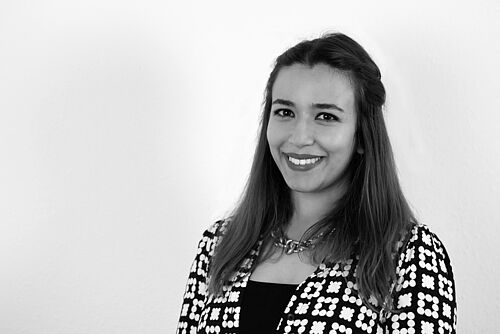
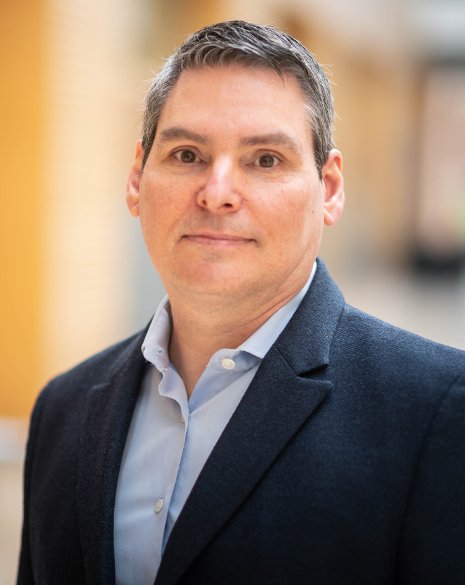
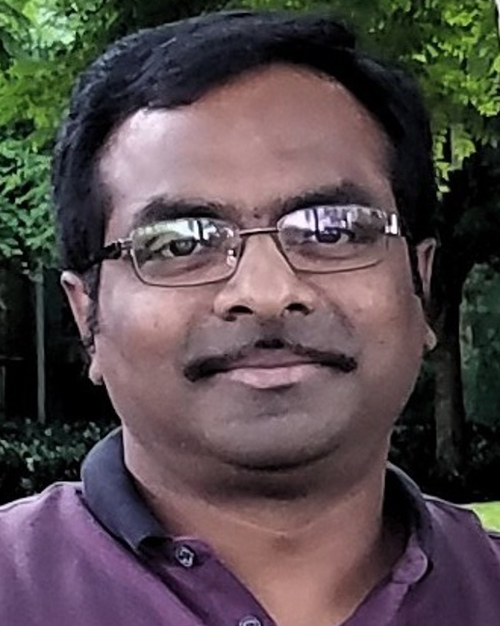
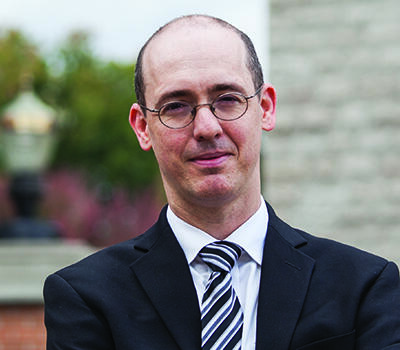
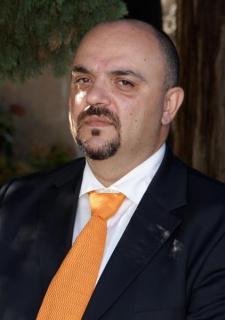
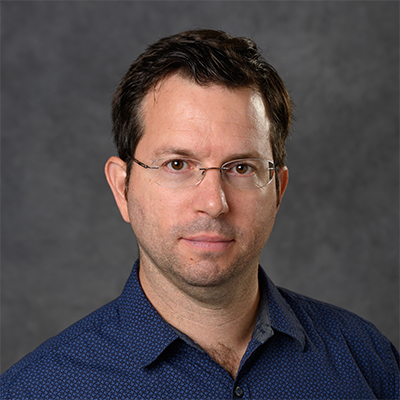
Assoc. Prof. Dr. Ayşegül Kuşkucu is an academic staff member at Yeditepe University Faculty of Medicine , Department of Medical Genetics . She holds a PhD in Genetics from Istanbul University (2008) and a specialization in Molecular Cytogenetics from Université Montpellier I (2009). Current research focuses on miRNA regulation in chordomas, cancer stem cells, and metabolic-genetic interactions in cancer models Key projects include TÜBİTAK-funded studies on PD-L1 CAR-NK cell therapy, caloric restriction epigenetics, and amniotic cell differentiation Her award includes First Place Oral Presentation at the International Medical Genetics Congress She supervises PhD and Master's theses on topics like obesity genetics, stem cell differentiation, and cancer epigenetics. Her work appears in journals such as Biological Research , Neurology India , and Gene , with recurring themes in oncomiR profiling , hypoxia-related polymorphisms , and genetic counseling . Administrative roles include Department Chair (2013) and Faculty Board Membership (2021). She actively participates in societies like the European Society of Human Genetics and Medical Genetics Association .
Hazal Kutluk is a Researcher at the Institute of Microtechnology , Faculty of Mechanical Engineering , Technische Universität Braunschweig. Her work intersects biomedical engineering and microtechnology for health applications. Academic Background: B.Sc. in Mechanical (Automotive) Engineering, Hacettepe University (2010-2015) M.Sc. in Microsystems Engineering, Albert-Ludwigs-Universität Freiburg (2015-2018) Research Focus: Developing organ-on-chip systems and microfluidic biosensors to study cellular biomechanics in bacterial infections and enable rapid biomolecule detection. Her work combines microfabrication , biomedical diagnostics , and infection mechanisms within the university's Engineering for Health initiative. Selected Publications explore trends in lab-on-a-chip diagnostics , ECM integration , and single-cell analysis , reflecting interdisciplinary approaches in biosensing and tissue engineering. Research Funding: Participated in the project Decoding Lyme Disease: From Microtechnology to Biomechanics (08/2020-02/2022), funded by 12plus6 (Faculty 4, TU Braunschweig).
Etienne Simon-Loriere is a researcher at the Department of Virology , Institut Pasteur , Paris. His work focuses on RNA virus discovery, evolution, and host-pathogen interactions, with a focus on arboviruses and respiratory viruses. He leads projects under Labex IBEID and INCEPTION initiatives, integrating biology, data science, and social sciences. Education: Master's in Microbiology, Université Paris VII – Denis Diderot (2004) PhD in Virology and Molecular Biology, Université Paris VI – Pierre et Marie Curie (2008) Postdoctoral Fellowship, The Pennsylvania State University (2009–2012) Research Interests: His group studies viral emergence mechanisms using genomic and molecular approaches, particularly for yellow fever resurgence , Zika susceptibility, and Zika host genetics . They deploy Oxford Nanopore sequencing for pathogen detection and collaborate with the Pasteur International Center for Emerging Infectious Diseases . Article Trends: Recent work includes SARS-CoV-2 variant evolution, antiviral resistance mechanisms, and cross-neutralizing antibody development. His team also investigates arbovirus transmission dynamics and host genetic factors in viral susceptibility. Collaborations and Grants: He leads the ANR JCJC Yellow Fever Resurgence project and contributes to multidisciplinary efforts like INCEPTION , which merges integrative biology, social sciences, and data science for disease emergence studies. Labs and Teams: His research unit collaborates with the Virus and Immunity Unit , Mouse Genetics Laboratory , and the Structural Virology Unit . He is part of the Virology Department and Labex IBEID.
Dr. François Jean is a Professor in the Department of Microbiology and Immunology at the University of British Columbia (UBC), with a research focus on cellular virology and host-virus interactions . As a leading expert in emerging human viruses , he investigates broad-spectrum antiviral agents targeting SARS-CoV-2, influenza A virus, and flaviviruses like dengue and zika. His lab employs high-content screening and AI-based image analysis to evaluate antiviral efficacy in 2D and 3D cell models derived from patients. Key Research Areas: Host-Directed Antivirals (HDAs), Proteomics, Viral Pathogenesis, Molecular Diagnostics Affiliations: Life Sciences Institute, CoVaRR-Net Pillar 10, FINDER (UBC Facility for Infectious Disease and Epidemic Research) Dr. Jean’s publications emphasize novel antiviral compounds such as N-0385 and cladoniamide A , derived from natural sources like B.C. sea sponges. His work has led to 25 invention disclosures and patents at UBC, with funding from CIHR , Genome BC , and CoVaRR-Net . Current students include PhD candidate Connor Thompson, and former trainees are listed in the lab’s alumni.
Gurunath Gurrala serves as an Associate Professor in the Department of Electrical Engineering at the Indian Institute of Science (IISc), Bangalore. His research focuses on power systems dynamics, high-performance computing applications, and renewable energy integration. He maintains active collaborations with international institutions including Oak Ridge National Lab and Texas A&M University. His research interests center on Power Systems Analysis and Control , with specialization in High Performance Computing Applications, Nonlinear and Intelligent Control, Weak Grid Integration of Renewables, Microgrid Protection, and Smart Grid Stability. His work bridges theoretical control systems with practical power grid challenges, particularly for renewable-rich grids. His recent publications demonstrate a strong interdisciplinary trend, spanning power systems (35%), control theory (25%), renewable integration (20%), and emerging applications in biomedical engineering and environmental systems (20%). Key recurring themes include grid stability under high renewable penetration, advanced protection schemes for microgrids, and computational methods for power system analysis. IEEE Power and Energy Society (PES) Outstanding Engineer Award 2018 Young Engineer Award 2015, Indian National Academy Engineers Best Conference Paper, IEEE PES General Meeting 2015 Best Ph.D Thesis Award (Prof.D.J.Badkas Medal) 2010 Elevated to Senior Member IEEE (2016) Professor Gurrala has secured competitive research funding including the Young Scientist Grant from DST (2015) and International Travel Support from SERB (2017). He actively mentors students through PhD and Master's programs while teaching advanced courses including Power System Dynamics and Control (E4 231), Computer Control of Power Systems (E4 233), and Selected Topics in Integrated Power Systems (E4 237). His research group collaborates with power utilities and international research labs on grid modernization challenges.
Roles and Affiliations: Professor of Computational Logic at the Department of Computing, Imperial College London. Part of the Faculty of Engineering. Active in research, teaching, and publication in computational logic, artificial intelligence, and formal systems. Research Interests: Focuses on computational logic with applications to knowledge representation, action and agency theories, temporal reasoning, normative systems, legal reasoning, and formal organization models. Recent work also intersects with bioinformatics and proteomics analysis. Publications: Over 50 publications since 1986, including foundational work on the Event Calculus, normative systems, and formal methods in multi-agent systems. Notable contributions span deontic logic, agent coordination, and applications in legal reasoning and bioinformatics. Recent work emphasizes logic-based approaches to activity recognition and proteomic profiling. Teaching: Taught advanced courses on modal and temporal logic (2008–2009) and knowledge representation (2017–2018). Course materials emphasize formal semantics, nonmonotonic reasoning, and logic programming. Labs/Teams: Involved in interdisciplinary projects on computational systems, including collaborations with bioinformatics researchers and multi-agent system developers.
Stephen Ramsey, an Associate Professor at Oregon State University, holds dual appointments in the School of Electrical Engineering and Computer Science (College of Engineering) and the Department of Biomedical Sciences (Carlson College of Veterinary Medicine). With a PhD in Physics from the University of Maryland, his postdoctoral training in computational genomics at the University of Washington, and professional experience at the Institute for Systems Biology and Center for Infectious Disease Research, Ramsey bridges computational methods with biomedical applications. Education : Ph.D., Physics, University of Maryland; M.S., Physics, University of Maryland; Sc.B., Mathematical Physics, Brown University Ramsey specializes in computational systems biology , focusing on bioinformatics , biomedical knowledge graphs , and precision medicine . His research integrates machine learning , gene regulatory network modeling , and multi-omics data analysis to address challenges in rare disease diagnostics , drug monitoring , and inflammatory disease mechanisms . Current work includes AI-driven biomedical translation and electrochemical biosensor development for non-invasive diagnostics . Recent publications highlight knowledge graph applications in translational biomedicine , causal network inference in clinical-environmental data integration , and cross-species cancer transcriptomics . His team develops tools like RTX-KG2 and PloverDB to standardize biomedical data sharing and semantic reasoning . Scientific Awards : 2019 Zoetis Award (Carlson College of Veterinary Medicine) 2016 NSF CAREER Award 2016 PhRMA New Investigator Award 2010 NIH K25 Mentored Quantitative Research Award Ramsey advises in computational biology courses (CS 446/546) and contributes to biomedical AI through projects like mediKanren for rare disease diagnostics . His NSF-funded research explores gene expression noise and regulatory network dynamics , while NIH and PhRMA grants support his translational medicine initiatives. He leads the Ramsey Laboratory , which develops graph-based reasoning tools for biomedical data translation and multi-omics integration . The lab's work spans comparative oncology models, electrochemical biosensors , and knowledge graph infrastructure for clinical decision support .
Dr. Vaia Lida Chatzi is Professor of Population and Public Health Sciences and Pediatrics at the Keck School of Medicine, University of Southern California. She serves as Director of the USC Center for Translational Research on Environmental Health (USC-R-TEN) and Deputy Director of the NIEHS-funded Southern California Environmental Health Science Center (SCEHSC). With over 20 years of experience in environmental health research, she leads an interdisciplinary program focused on advancing understanding of how environmental chemical exposures affect metabolic health, particularly in children and adolescents. Dr. Chatzi's research program centers on environmental health with particular emphasis on endocrine disruptors including perfluoroalkyl substances, organochlorine pesticides, phenols, phthalates, and metals. Her work integrates human population data with experimental study designs to investigate health effects on obesity, type 2 diabetes, and fatty liver disease. As a physician-epidemiologist, she employs multi-omics approaches to develop comprehensive understanding of exposure risk and disease development across the lifespan. Her recent publications demonstrate strong focus on PFAS exposures and metabolic consequences, air pollution effects on childhood obesity, and multi-omics methods for environmental health risk assessment. Her work frequently involves large international cohort studies with particular attention to Hispanic youth populations, reflecting commitment to health equity and translational research. Scientific Awards Fulbright Scholarship from Harvard Medical School (2014) Erasmus Fellowship from Centre for Environmental Research, Spain (2012) Marie Curie Fellowship from Department of Public Health, University of Sheffield, UK (2003) Dr. Chatzi maintains significant research funding through multiple R01s, R21s, and U01 grants supporting her environmental health research program. Her leadership roles in major research centers indicate substantial mentoring of graduate students and postdoctoral fellows, though specific advisees aren't listed in the available information. She has demonstrated strong career development through progressive leadership roles in environmental health research. Dr. Chatzi leads the USC Center for Translational Research on Environmental Health (USC-R-TEN), which integrates human population data and multi-omics methods to understand environmental pollutant impacts. Her work with the Southern California Environmental Health Science Center (SCEHSC) promotes bench-to-population team science, community-engaged solution-based research, and comprehensive training across all career stages in environmental health sciences.
Charalampos Spilianakis is an Associate Professor at the University of Crete with a research affiliation at the Institute of Molecular Biology and Biotechnology (IMBB) of the Foundation for Research and Technology - Hellas (FORTH). His work focuses on the three-dimensional organization of the genome and its critical role in gene regulation within immune cells, particularly T cells. Dr. Spilianakis earned his PhD in 2003 from the University of Crete in Biochemistry, Molecular Biology, Cellular and Developmental Biology. His academic career has been dedicated to understanding how nuclear architecture influences cellular function and gene expression patterns. His research program investigates both cis and trans regulatory mechanisms of gene expression, with particular emphasis on how protein complexes generate and maintain long-range chromosomal interactions in immune cell populations. His laboratory employs an integrated approach combining biocomputing, molecular techniques, biochemical assays, advanced imaging, and genetic analyses to explore the field of 3D epigenetics. This work has significant implications for understanding immune cell differentiation and function. Analysis of Dr. Spilianakis' publication record reveals a consistent research trajectory focused on chromatin architecture and transcriptional regulation in immune cells. His contributions include developing protocols for chromosome conformation capture in primary T cells, elucidating SATB1's role in shaping the 3D enhancer network during T cell development, and investigating the nuclear periphery's role in microRNA gene localization. His work bridges molecular biology, immunology, and genomics to advance spatial genomics understanding. Based at IMBB-FORTH (Office A251, Lab A204), Dr. Spilianakis leads a research group that serves as an important hub for investigating the relationship between nuclear architecture and gene expression in the immune system. His laboratory combines cutting-edge molecular and imaging technologies to address fundamental questions about genome organization and its functional consequences in health and disease.
Dr Shahnewaz Ali is a Postdoctoral Fellow in the Faculty of Engineering's School of Electrical Engineering & Robotics at Queensland University of Technology (QUT). He is affiliated with the Centre for Robotics and holds a PhD from QUT and an MSc in Computer Engineering from Politecnico di Milano. His research focuses on the intersection of robotics, artificial intelligence, and biomedical applications, emphasizing wearable technology, surgical robotics, and sensor systems. Key research interests include AI-driven medical imaging, robotic surgery systems, and biomarker detection using wearable devices. His work spans sensor technologies for robotics, real-time surgical scene analysis, and predictive performance monitoring. Recent projects include developing a wearable monitoring system for stress biomarkers and advancing arthroscopic surgical techniques through 3D mapping and deep learning. Education: PhD, Queensland University of Technology MSc (Computer Engineering), Politecnico di Milano Dr Ali's publications cover topics like surgical scene restoration, microRNA-based performance prediction, and sensor development for medical robotics. His research bridges engineering and healthcare, aiming to enhance diagnostic accuracy and robotic surgical precision. Collaborations include multidisciplinary teams at QUT and international institutions.
Christie M. Sayes is a Professor in the Department of Environmental Science at Baylor University's College of Arts & Sciences. She also holds adjunct professorships at Texas A&M University's College of Veterinary Medicine & Biomedical Sciences and the University of North Carolina at Greensboro's Joint School of Nanoscience. Her research is centered on environmental health and safety, particularly in nanotechnology and nanotoxicology, with a focus on exposure characterization, material behavior, and hazard assessment across biological and environmental systems. Her research interests lie at the intersection of advanced materials, human health & safety, and environmental exposure . Dr. Sayes investigates the fate, transformation, and biological effects of engineered nanoparticles using in vitro models such as lung and intestinal co-cultures at the air-liquid interface. Her work emphasizes material characterization, exposure kinetics, hazard identification, and mechanistic toxicology , aiming to develop safer nanomaterials and formulations. She has extensive experience in physicochemical analysis and toxicological screening of nanomaterials, microplastics, and disinfection byproducts. The trends in her recent publications highlight a strong focus on nanoparticle toxicity, microplastic impacts, inhalation toxicology, and water contaminant interactions . Her studies span antibacterial nanoparticles, oxidative stress mechanisms, cytotoxicity of vaping ingredients, and the biological effects of disinfection byproducts. She frequently employs advanced in vitro models to simulate real-world exposures and assess health risks, contributing significantly to regulatory science and environmental safety. Scientific Affiliations and Leadership: Adjunct Professor, Department of Veterinary Physiology and Pharmacology, Texas A&M University Adjunct Professor, Department of Nanoscience, University of North Carolina, Greensboro Past President, North Carolina Chapter of the Society of Toxicology Dr. Sayes has demonstrated leadership in collaborative research and technical guidance, mentoring students and technicians while contributing to interdisciplinary projects. She is actively involved in developing complex research initiatives and has co-authored studies on nanoparticle protein coronas, adverse outcome pathways, and safer nanomaterial design. Her laboratory, The Sayes Group , focuses on transformational research to enhance the safety and efficacy of advanced materials in real-world applications. Laboratory and Research Team: Dr. Sayes leads The Sayes Group at Baylor University, which conducts research on human and environmental health concerns related to nanomaterials. The team leverages interdisciplinary approaches to study nanoparticle interactions with biological systems, emphasizing training, laboratory services, and applied research .
Lorenzo Sempere is an Assistant Professor in the Department of Radiology at Michigan State University (MSU) and a faculty member of the Precision Health Program. His research focuses on microRNA-based diagnostics and therapies for breast and pancreatic cancer. Dr. Sempere earned his Ph.D. in Genetics from the Geisel School of Medicine at Dartmouth, followed by postdoctoral training there. He previously held faculty roles at Geisel School of Medicine and Van Andel Research Institute. His laboratory investigates translational approaches to cancer prevention and early detection, leveraging tools like 3D modeling, animal models, and high-content tissue analysis. Key areas include tumor heterogeneity, cancer-stroma interactions, and microRNA-regulated gene networks in disease progression. Recent work emphasizes microRNA-21 and miR-10b as therapeutic targets, alongside innovations in intraductal ablation techniques and multimodal imaging agents. The lab's research bridges basic science and clinical applications, aiming to improve precision medicine strategies. Despite his prolific output, no scientific awards or notable grants are explicitly mentioned in the provided texts. The Sempere Laboratory collaborates on projects involving nanomedicine, imaging technologies, and exosomal biomarkers, contributing to both academic and applied research.
José Antonio Del Río Fernández is a distinguished Professor and Group Leader at the Institute for Bioengineering of Catalonia (IBEC) , where he directs the Molecular and Cellular Neurobiotechnology group. His work bridges developmental neurobiology , neurodegeneration , and lab-on-chip technology , focusing on diseases like Alzheimer's and Parkinson's . He has been active in academic research for over 30 years, previously affiliated with institutions such as the University of Barcelona , Frankfurt University , and Imperial College London . Education : PhD , University of Barcelona (1994) Research Interests center on neurodegenerative disease mechanisms , particularly the spreading of tau and α-synuclein in conditions like Alzheimer's and Parkinson's, and axon regeneration after CNS injury. His group pioneers lab-on-chip devices to model neurobiological processes and test regenerative therapies. Collaborations span institutions such as Imperial College , i3A, Zaragoza , and Biodonostia Hospital . Scientific Contributions include over 170 publications, with a H-index of 48 (Web of Science) and 55 (Google Scholar), and significant advancements in understanding prion protein interactions in neurodegeneration. His recent work explores optogenetics for axon regeneration and multitarget compounds for Alzheimer's therapy. He has mentored 24 PhD students , 26 Master's students , and 15 postdoctoral fellows , reflecting a strong commitment to academic training. Scientific Awards : Fundación Francisco Cobos CSIC Award (2001) Generalitat of Catalunya Award of Young Researcher (2003) Research Trends demonstrate a focus on neurodegenerative disease mechanisms , lab-on-chip platforms , and axon regeneration strategies . His collaborations with institutions like Imperial College London and University of Zaragoza highlight interdisciplinary approaches integrating biomaterials , optogenetics , and computational modeling .
Andrew K. Godwin, Ph.D., is a Chancellor’s Distinguished Chair in Biomedical Sciences Endowed Professor, Division Director of Genomic Diagnostics, and Director of Molecular Oncology at the University of Kansas Medical Center (KUMC). He is Deputy Director of the NCI-Designated KU Comprehensive Cancer Center and Founding Director of the Kansas Institute for Precision Medicine, the Biospecimen Shared Resource, and the Center for Genomic Services and Health Equity. With over 550 peer-reviewed publications and an h-index of 144, his work bridges basic and clinical sciences to advance precision oncology. Chancellor’s Distinguished Chair in Biomedical Sciences Division Director, Genomic Diagnostics Deputy Director, KU Cancer Center Founding Director, Kansas Institute for Precision Medicine Director, Biospecimen Shared Resource Director, Center for Genomic Services and Health Equity Dr. Godwin's research focuses on early cancer detection , liquid biopsies , and molecular therapeutics . His laboratory investigates extracellular vesicle biology , biosample ascertainment , and companion diagnostics to improve patient outcomes in ovarian cancer , breast cancer , and Ewing sarcoma . Recent work emphasizes multi-omics approaches for biomarker validation and therapeutic development . His laboratory has produced groundbreaking studies on AKT2 activation in ovarian cancer , KRAS mutations in EGFR-targeted therapy , and circulating tumor cell diagnostics . Current research trends integrate spatial transcriptomics , mitochondrial DNA mutations , and immune microenvironment profiling across cancer types. Scientific honors include: Dolph C. Simons, Sr. Higuchi Award (2020) KU Mentoring Awards (2021, 2024) NIH/NIGMS COBRE Grant ($24M total) CELLSEARCH® Clinical Validation Leadership Dr. Godwin mentors over 150 trainees across career stages and leads KUMC's Clinical Molecular Oncology Laboratory (CMOL) and Biomarker Discovery Lab (BDL) , advancing team science and translational research infrastructure.
Prof. Dr. Claude Becker is a faculty member at the Faculty of Biology, Ludwig Maximilian University of Munich , specializing in plant genetics and epigenetics. His research focuses on biochemical interactions in plant communities and the role of epigenetic marks in environmental adaptation. Specializations: Epigenetic regulation, allelopathy, plant-microbe interactions, DNA methylation dynamics Key Projects: Studying heritable phenotypic variation in clonal plants, analyzing stress-responsive epigenetic hotspots, and investigating gene cluster evolution in Oryza species. Recent publications highlight his work on transposable element dynamics, microbiome feedback mechanisms, and metabolic specialization in plant interactions. His research combines molecular biology with ecological perspectives to understand plant adaptation strategies. Contact: claude.becker@biologie.uni-muenchen.de