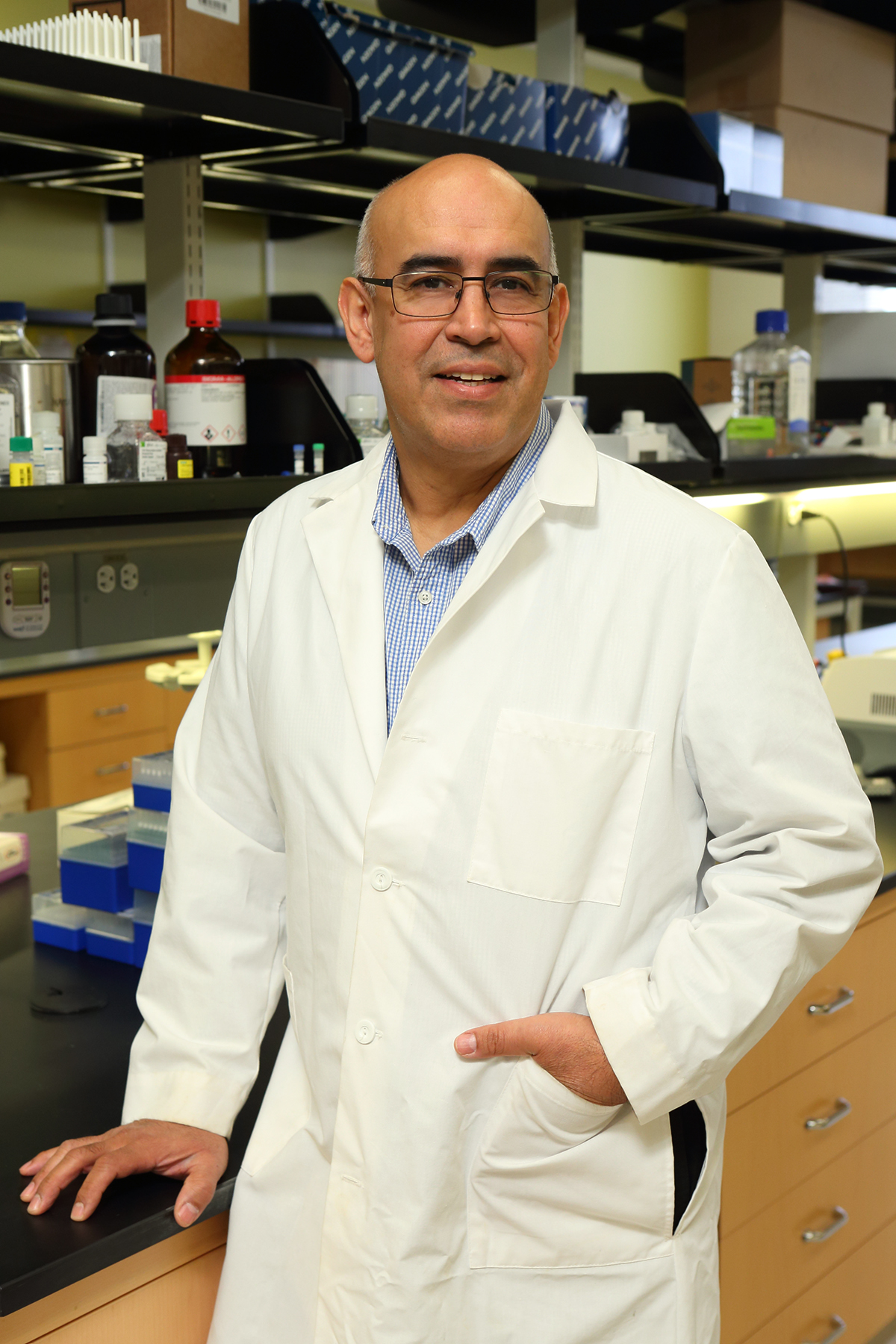
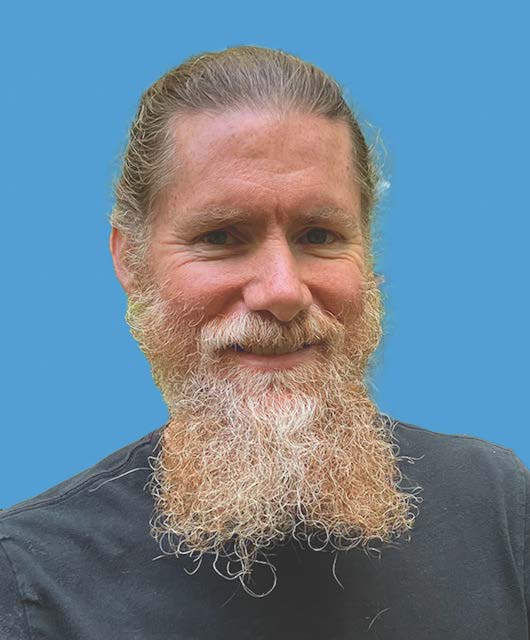
Daniel Eberl is a Professor in the Department of Biology at the University of Iowa , affiliated with the College of Liberal Arts and Sciences. His research focuses on the molecular and cellular mechanisms of hearing and auditory behavior using Drosophila and other insects. Research Areas : Genetics, Neurobiology, Auditory Neuroscience Model Systems : Drosophila melanogaster , mosquitoes, cicadas Research Highlights include: Investigating active hearing mechanisms through potassium/sodium channel studies Comparative analysis of mosquito auditory systems for conspecific recognition Identifying genetic correlations between insect and vertebrate deafness genes Developing genetically-encoded biosensors for neural activity monitoring Exploring evolutionary conservation of auditory molecular pathways Recent Publications (2024–2025) cover topics ranging from mosquito hearing systems to neurodevelopmental gene variants, with contributions to understanding human hearing loss through insect models. Lab News : Recent graduates Dylan Dolezal (medical school) and Eli (Carver College of Medicine) have advanced their research careers. The lab continues to publish first-author papers on auditory gene function and comparative sensory biology.
Peiquing Sun is a Professor at Wake Forest University School of Medicine, leading research on tumor-suppressing defense mechanisms in mammals. Their lab investigates signal transduction pathways, particularly the p38 MAPK pathway, and its role in oncogene-induced senescence using cell culture and animal models. Key discoveries include the tumor-suppressing function of p38 MAPK pathway components like PRAK and Tip60 Identified miR-17-92 cluster as a senescence-disrupting oncogenic microRNA Elucidated spatial-temporal separation of p38-PRAK pathway functions during cancer development Their work reveals a novel signaling circuit in tumor angiogenesis and provides therapeutic targets for cancer treatment. Current research focuses on Tip60-mediated acetylation mechanisms and functional analysis of senescence-disrupting microRNAs. Publications demonstrate sustained contributions to understanding how inflammation/stress pathways intersect with tumor suppression, with implications for both basic science and clinical applications.
Jan Wilhelm Kornfeld is a Professor at the Department of Biochemistry and Molecular Biology, University of Southern Denmark, leading a research group focused on epigenetic regulation of energy metabolism in cardiometabolic diseases. After obtaining his PhD in Cell Biology from the Boltzmann Institute for Cancer Research (2008), he conducted postdoctoral research with Jens Brüning in Germany (2013), where he pioneered studies on obesity-associated microRNAs and hepatic insulin resistance. His independent research at CECAD (2013) and Max Planck Institute for Metabolism Research (2014) has been supported by prestigious grants including the Emmy-Noether Grant (2014) and ERC Starting Grant (2015). Education: PhD in Cell Biology, Boltzmann Institute for Cancer Research, Austria (2008) Postdoctoral Training, Jens Brüning Lab, Germany (2013) The Kornfeld Lab investigates epigenetic regulatory processes such as non-coding microRNAs (miRNA) and chromatin modifications that impact organismal, tissue, and cellular energy balance. Their research integrates molecular genomics , transgenic animal models , and inter-organ crosstalk to uncover disease-associated molecular signatures in obesity and type 2 diabetes (T2D). Key projects include miRNA perturbation in vivo, nutritional intervention strategies, and development of adeno-associated virus (AAV) gene therapy tools . Recent publications highlight work on dietary sulfur amino acid restriction , mitochondrial dysfunction in brown adipocytes, and miR-let-7 in intergenerational metabolic decline. His research spans transcriptional regulation , metabolomics , and non-coding RNA mechanisms in metabolic diseases. Scientific Awards: Emmy-Noether Grant (2014) ERC Starting Grant (2015) The lab actively trains Bachelor, Master, and ISA students in hypothesis-driven research, focusing on RNA-mediated gene regulation , chromatin dynamics , and (patho)physiological analysis . Collaborations with global experts and industrial partners enhance translational impact.
Prof. Dr. Karin Würtz-Kozak is the Kate Gleason & Harvey J. Palmer Endowed Professor in the Department of Biomedical Engineering at Kate Gleason College of Engineering, Rochester Institute of Technology (RIT), with affiliate status in the Thomas H. Gosnell School of Life Sciences. She directs the Tissue Regeneration and Mechanobiology (TRAM) Laboratory, focusing on inflammation, fibrosis, and regenerative therapies for musculoskeletal, skin, and lung disorders. Education: Ph.D. in Human Biology, University of Ulm, Germany MBA in Leadership & Sustainability, University of Cumbria, UK M.S./B.S. in Pharmaceutical Sciences, University of Regensburg, Germany Research Interests: Her lab investigates molecular pathophysiology of degenerative diseases (e.g., intervertebral disc degeneration, scleroderma) using biomaterials, CRISPR genome editing, extracellular vesicles, and mechanobiology approaches. Key themes include anti-inflammatory biologics, TRP channel modulation, and 3D tissue models for drug testing and regeneration. Publication Trends: Recent work (2023–2025) emphasizes CRISPR-enhanced extracellular vesicles for disc regeneration, TRP channel roles in pain/fibrosis, plant-derived nanotherapeutics, and miRNA dysregulation in trauma-related bone disorders. Studies integrate molecular biology, advanced biomaterials, and preclinical models. Awards & Honors: Fellow, American Institute for Medical and Biological Engineering (AIMBE) Swiss National Science Foundation Professorship Award Advising & Grants: Mentors 6 PhD students in projects on gene editing, EV therapies, and mechanobiology. Secured >$8M in funding from NIH, NSF, DoD, and Eurospine, including: NIH R21AR081987 (CRISPR-engineered EVs for disc regeneration) DoD CDMRP SL20014 (TRPC6 inhibition for scleroderma) NSF FMSG 2229111 (Scalable EV biomanufacturing) Laboratory: Leads the TRAM Lab with competencies in primary cell culture, electrospinning, gene editing, and mechanotransduction assays. Collaborates with ETH Zurich, University of Syracuse, and industry partners.
Takashi Kato is a Professor at Waseda University in the Faculty of Education and Integrated Arts and Sciences, specializing in molecular physiology and hematology. His research primarily focuses on comparative hematology using amphibian models, particularly Xenopus laevis and Xenopus tropicalis. Dr. Kato holds a Doctor of Science degree from Waseda University, where he completed his graduate studies in Pure and Applied Physics. His academic journey began with undergraduate studies in the Department of Biology at Waseda University's School of Education. He has maintained continuous affiliation with Waseda University since 2002, while also holding positions at Japan Atomic Energy Agency since 2007. His research interests span Molecular Physiology, Hematology, Protein Chemistry, Cytokine, Interleukin, Hematopoiesis, and Growth factor studies. Dr. Kato has made significant contributions to understanding erythropoiesis and hematopoiesis in non-mammalian vertebrates, particularly amphibians, which has provided insights into evolutionary aspects of blood cell development. Analysis of his recent publications reveals a strong focus on comparative hematology, with particular emphasis on erythropoiesis, granulopoiesis, and thrombopoiesis in amphibian models. His work bridges molecular biology, physiology, and evolutionary biology, providing unique perspectives on conserved and divergent mechanisms of blood cell development across vertebrate species. Japanese Pharmacological Society Quantum Life Science Society Japanese Comparative Immunology Society International Society for Experimental Hematology The American Society of Hematology The Japan Society for Comparative Endocrinology The Japanese Biochemical Society The Japanese Society of Hematology The Zoological Society of Japan His laboratory has developed several innovative techniques for studying hematopoiesis in amphibians, including specialized antibodies for cell identification and novel models for studying physiological responses to environmental stressors. His work continues to advance our understanding of fundamental hematopoietic processes through comparative approaches.
Miguel Andrade is a Professor in the Faculty of Biology at the University of Mainz and serves as Adjunct Director at the Institute of Molecular Biology (IMB) since 2014. Previously, he was a Group Leader at the Max Delbrück Center for Molecular Medicine (2007-2014) and Assistant Professor at the University of Ottawa (2003-2007). His research focuses on computational analysis of protein sequences, particularly tandem repeats and low complexity regions, with applications in neurodegenerative diseases like Huntington's. His educational background includes: PhD in Biochemistry from Universidad Complutense de Madrid (1994) Professor Andrade's research spans bioinformatics and computational biology with emphasis on protein sequence evolution, structural implications of repetitive elements, and development of analytical tools. He investigates how tandem repeats and low complexity regions influence protein folding, aggregation, and interactions in diseases, while exploring evolutionary conservation across species. His work bridges computational methodologies with experimental validation in neurodegenerative contexts. Recent publications (2023-2025) demonstrate consistent innovation in protein sequence analysis, featuring computational tools for homorepeat detection, machine learning applications in proteomics, and multi-omics integration. Key themes include neurodegenerative disease mechanisms, immune system regulation, and evolutionary adaptations, with significant contributions to databases like RepeatsDB and tools such as REP2 and seqQscorer. No scientific awards were documented in the source materials. While specific student names and grant details are unlisted, his leadership at IMB indicates supervision of graduate researchers and postdoctoral fellows. His collaborative network spans immunology, cancer research, and neuroscience, evidenced by co-authorship on diverse projects from lipid-disease associations to T-cell differentiation studies. He directs a research group at IMB Mainz focused on computational genomics, developing algorithms for protein sequence analysis and maintaining community resources. The team actively investigates polyglutamine dynamics in neurodegeneration and applies machine learning to proteome-wide challenges, maintaining strong ties with experimental laboratories for biological validation.
Professor Salvador Nares is a leading academic in the field of Periodontics at the University of Illinois at Chicago (UIC) , where he serves as the Director of Periodontics Research. Holding dual expertise in clinical dentistry and molecular immunology, he combines translational research with advanced clinical applications. Dual board-certified Diplomate of the American Board of Periodontology and Implant Dentistry Fellow of the International Team for Implantology (ITI) Academic Background DDS, PhD, Certificate in Periodontics from Baylor College of Dentistry (Texas A&M) MBA from UIC Postdoctoral Fellowship at NIH's Oral Infection and Immunity Branch Research Focus Investigates post-transcriptional regulation of mucosal immunity via non-coding RNA, with particular emphasis on: Antigen-presenting cell dynamics in periodontal inflammation MicroRNA-mediated immune response modulation Viral miRNA interactions in oral pathogenesis Digital dentistry applications for implant diagnostics Recent Publication Trends His work demonstrates consistent leadership in periodontal immunology, with 2024-2025 studies on macrophage polarization and therapeutic bone signaling pathways, building upon his foundational work in miRNA regulation of implant inflammation (2019-2021) and early viral interaction studies (2017-2018). Scientific Recognition Earl Robinson Regeneration Award Nevins Teaching and Research Fellowship Research Impact His work bridges basic science and clinical dentistry through: - NIH/NIDCR-funded translational studies - American Academy of Periodontology collaborations - Interdisciplinary approaches combining bioinformatics and clinical trials
Dr. Terrence (Terry) Furey is a Professor in the Department of Genetics and Biology at the UNC School of Medicine. His research focuses on gene regulatory processes, particularly epigenetically controlled mechanisms, and their role in complex diseases like inflammatory bowel diseases (IBD). The Furey Lab specializes in computational analysis of genome-wide open chromatin, histone modifications, miRNA, and gene transcription data from high-throughput sequencing experiments. Key research areas: Epigenetics, Chromatin Biology, IBD Pathogenesis, Computational Genomics, Microbiome Interactions Specialized methodologies: Development of statistical and computational tools for genomic data analysis Research highlights include investigating genetic and epigenetic contributors to IBD through collaborations with Dr. Shehzad Sheikh, particularly analyzing chromatin reprogramming, miRNA expression, and microbial composition in both IL-10 knockout models and human intestinal tissues. The lab has identified distinct molecular signatures of Crohn's disease associated with clinical phenotypes. Article trends demonstrate expertise spanning Chromatin accessibility analysis in disease states MicroRNA biomarker discovery in IBD Computational tool development (ROCCO, DeFCoM, GSAASeqSP) Multi-omics integration in complex phenotypes Environmental-genetic interaction studies Translational IBD research Dr. Furey actively collaborates with researchers across the Center for Gastrointestinal Biology and Disease (CGIBD), including Drs. Sartor, Sheikh, and Rusyn. His work bridges clinical/translational research with microbiome studies , focusing on how epigenetic landscape alterations contribute to disease progression.
Hun-Way Hwang, MD, PhD, is an Associate Professor in the Department of Pathology at the University of Pittsburgh, with appointments in the Division of Experimental Pathology and Section of Laboratory Medicine. He directs the Hwang Lab, which is affiliated with the Cellular and Molecular Pathology (CMP) and Integrative Systems Biology graduate programs. His research program examines RNA processing mechanisms through three interconnected themes: Fundamental RNA biology : Alternative polyadenylation, microRNA regulation, and isoform-specific gene expression Technical innovation : Development of in vivo mapping tools (cTag-PAPERCLIP) and CRISPR screening approaches Disease mechanisms : Neurological disorders, hematological cancers, and liver pathology linked to RNA processing defects Publication analysis reveals consistent focus on post-transcriptional regulation across 22 papers (2005-2023). Recent work emphasizes: mTORC1 signaling in isoform balance (2023) DNA damage-responsive polyadenylation in chemoresistance (2021) Cell-type-specific poly(A) usage in microglia (2017) Non-canonical polyadenylation in miRNA targeting (2016) The lab employs genetically modified mouse models combined with high-throughput methods to identify disease-relevant mRNA isoforms and their functional consequences.
María Luisa Marina Alegre serves as a Professor and Member of the Advisory Council at the University of Alcalá, where she leads the Department of Analytical Chemistry, Physical Chemistry and Chemical Engineering. Her academic career spans over three decades with continuous research funding and significant contributions to analytical chemistry. Her research interests focus on chiral analysis , analytical methodologies for food quality and safety , metabolomics , sustainable analytical strategies , proteomics , and valorization of agri-food byproducts . These areas are interconnected through her expertise in capillary electrophoresis and advanced separation techniques, with particular emphasis on developing green analytical methods. Recent publication trends (2024-2025) demonstrate her leadership in sustainable extraction technologies, with 15 high-impact articles focusing on natural deep eutectic solvents, ultrasound-assisted extraction, and valorization of citrus and fruit byproducts. Her work bridges analytical chemistry with food science, pharmaceutical analysis, and environmental monitoring. She has successfully secured continuous research funding since the 1990s through competitive grants from Spanish national and regional agencies. Notable projects include PID2019-104913GB-I00 (€96,800) and multiple COMUNIDAD DE MADRID initiatives totaling over €1.5 million in funding. As coordinator of the 'Técnicas de (Micro)Separación' research group, she oversees a dynamic team working on innovative separation methodologies. The lab maintains strong connections with industry partners and international research groups, facilitating technology transfer and collaborative research in food safety and pharmaceutical analysis.
Dr. Mehtap KOPARAL is an Associate Professor in the Department of Surgical Medical Sciences at Adiyaman University Faculty of Medicine. She also maintains clinical practice at Adıyaman Training and Research Hospital in its university capacity since 2020, having previously worked there under the Ministry of Health from 2017-2020 and at Yozgat City Hospital from 2016-2017. She completed her medical education at Cumhuriyet Faculty of Medicine in 2011 and specialized in Ear, Nose and Throat Diseases from Cumhuriyet University Faculty of Medicine in 2016. Dr. KOPARAL's research focuses on the intersection of Otorhinolaryngology with multiple medical disciplines, particularly examining nasal physiology, mucociliary clearance mechanisms, and molecular biology aspects of ENT diseases. Her work bridges ENT with cardiology, psychiatry, and molecular oncology. She has published extensively on the relationship between nasal conditions and cardiac parameters, mucociliary clearance in psychiatric disorders, and molecular pathways in salivary gland tumors. Her recent publications (2021-2023) demonstrate a strong focus on innovative cross-disciplinary research, with numerous articles published in high-impact international journals. Her work shows particular emphasis on the impact of the COVID-19 pandemic on ENT practice, molecular mechanisms in salivary gland tumors, and the connection between nasal/sinus conditions and cardiovascular parameters. Key Scientific Contributions: 27 peer-reviewed journal articles in international and national journals 7 conference proceedings presented at national and international meetings 4 scientific books including 'Hearing Loss in Congenital, Neonatal and Childhood Infections' (Springer, 2023) and 'Steroid Use in Ear, Nose and Throat' (2021) Research leadership in molecular ENT diagnostics and therapeutics Dr. KOPARAL teaches multiple undergraduate courses in Otorhinolaryngology including Larynx Diseases, Upper Respiratory Tract Diseases, and approaches to common ENT complaints like hoarseness, nasal congestion, and sleep apnea. She currently leads several research projects investigating miRNA signatures in salivary gland tumors and molecular diagnostics for laryngeal cancer.
Igor Szczepan Babiak is a Professor at Nord University specializing in reproductive biology, genetics, and biotechnology of fish. His research focuses on molecular regulation of early development and germline development in fish, control of fish reproduction, and regulatory RNAs. Dr. Babiak has extensive supervision experience with 11 PhD students, 19 MSc students, 5 BSc students, and 10 postdoctoral researchers. He teaches courses including BI228F Biotechnology, BI210F Molecular Cell Biology, and BI132F Biochemistry and Cell Biology, demonstrating his commitment to education in molecular and cellular biology. His research centers on understanding how parental instruction contained in gametes executes into a complex multicellular organism, investigating the regulatory network consisting of genome, transcriptome and proteome. His work spans molecular developmental biology with applications in aquaculture and fisheries management, particularly using zebrafish, Atlantic cod, and Atlantic salmon as model organisms. Recent publications reveal strong focus on non-coding RNA functions, proteomics of embryonic development, and molecular tools for genomic analysis. Dr. Babiak has been actively involved in significant research projects including the NorthCod transnational project for sustainable development of cod farming, demonstrating his commitment to applied research with practical implications for the aquaculture industry. His work on egg quality indicators, sperm cryopreservation, and environmental effects on early development has direct applications for improving fish farming practices.
Phyllis A. Dennery is the Sylvia Kay Hassenfeld Professor of Pediatrics and Chair of Pediatrics at Brown University's Warren Alpert Medical School. She serves as Pediatrician-in-Chief at Rhode Island Hospital and Medical Director of Hasbro Children's Hospital. Dr. Dennery holds joint appointments in Molecular Biology, Cell Biology and Biochemistry. She obtained her B.S. from McGill University (1980) and M.D. from Howard University (1984), completing residency at Children's Hospital National Medical Center and fellowship in Neonatal-Perinatal Medicine at Case Western Reserve University. Her research focuses on neonatal lung injury mechanisms, particularly the roles of oxidative stress, mitochondrial bioenergetics, and circadian biology in bronchopulmonary dysplasia. She leads an NIH-funded Pediatric Clinical Trials Network (ECHO program) investigating respiratory disorders, prematurity outcomes, and health disparities. Current projects examine heme oxygenase signaling, metabolic reprogramming during lung repair, and the impact of hyperoxia on cellular senescence. Dr. Dennery's publication trends show: Focus on neonatal lung injury mechanisms (45% of recent publications) Metabolic regulation studies (30%) Molecular investigations of oxidative stress pathways (25%) Clinical translational work on prematurity complications (20%) Honors and Awards: Elected to National Academy of Medicine (2013) Marion Spencer Fay Award (2014) Association of American Physicians (2015) Fellow of Society for Free Radical Biology and Medicine (2013) Mentor of the Year, ESPR (2013) Werner and Gertrude Henle Endowed Chair (2005) She leads multiple NIH grants including: ISPCTN/ECHO Network ($283,306) Respiratory Research Training Program Alpert Medical Student Research Program Her laboratory investigates mitochondrial bioenergetics in neonatal hyperoxic injury and collaborates with Brown's Institute for Respiratory Diseases.
Dr. Alexander Haslberger is a Professor at the University of Vienna's Faculty of Life Sciences, Department of Nutritional Sciences, with an extensive research career spanning from 1985 to present. His work focuses at the intersection of nutritional science, molecular biology, and epigenetics, with particular emphasis on how diet influences human health through epigenetic mechanisms. With 165 publications to his name and leadership of multiple research projects, Haslberger has established himself as a leading researcher in personalized nutrition and gut microbiota interactions. Faculty of Life Sciences, Department of Nutritional Sciences 165 publications across 38 years (1985-2023) 4 major research projects completed 27 academic activities including lectures and presentations 6 media appearances discussing his research Haslberger's research primarily explores the epigenetic effects of nutrition on human health, with particular focus on gut microbiota composition, DNA methylation patterns, and microRNA expression. His fingerprint analysis shows strong expertise in Epigenetics (100%), Intestine Flora (88%), Microflora (82%), Methylation (58%), Faecalibacterium prausnitzii (58%), Interleukin 6 (54%), Probiotic research (49%), and Periplasm biology (47%). His work bridges molecular mechanisms with practical nutritional interventions, particularly examining how fasting, probiotics, and specific dietary components influence health outcomes through epigenetic regulation. Analysis of Haslberger's recent publications (2022-2025) reveals a clear trajectory toward personalized nutrition approaches, with increasing focus on sex-specific responses, biomarker development (particularly miRNA-based), and the integration of gut microbiome data into nutritional recommendations. His work connects fundamental epigenetic mechanisms with practical applications for healthy aging, depression management, and cancer prevention. The research demonstrates how dietary interventions like fasting, probiotic supplementation, and specific nutraceuticals can epigenetically modify gut microbiota composition and inflammatory responses. Visiting Professor award (2017) Haslberger has secured research funding for multiple projects including ROS damage studies (2013-2016), PHGEN II (2009-2012), and Advice on taking probiotics (2008-2011). His research activities include numerous lectures and presentations on topics such as fasting mimetics, gut microbiota composition, age-related inflammation, senolysis, and DNA stability. Media coverage of his work includes appearances in Kurier.at and OKTO TV discussing epigenetics, fasting, and microbiota research. While specific laboratory details aren't provided in the available information, Haslberger's research network shows extensive collaborations across multiple countries, with particular focus on epigenetic mechanisms related to nutrition, gut health, and aging. His work integrates molecular biology techniques with clinical nutrition approaches to develop personalized dietary recommendations based on individual epigenetic and microbiome profiles.
Dr. Sarah Withers is a Senior Lecturer at the University of Salford within the School of Science, Engineering & Environment. Her academic career spans over two decades since completing her PhD in 2005 at the University of Manchester, where she investigated the role of apoptosis in restenosis. She has established herself as a leading researcher in cardiovascular physiology with a specialized focus on perivascular adipose tissue function. Dr. Withers' research interests center on understanding the relationship between inflammation, adipose tissue, and vascular function across various disease states. Her work particularly examines how perivascular adipose tissue exerts anticontractile effects on blood vessels in healthy conditions and how this function is impaired in obesity, with implications for cardiovascular disease. She has made significant contributions to defining immune cell roles in adipose tissue function and identifying key signaling pathways involved in vascular regulation. Her publication record demonstrates consistent research productivity with 26 outputs spanning from 2014 to 2025, including high-impact journal articles in journals such as Physiological Reviews , Journal of Vascular Research , and Experimental Physiology . Her recent work shows expanding interests into host-pathogen interactions, antimicrobial resistance, and the connections between metabolic health and neurological conditions. Cardiovascular Physiology Research Perivascular Adipose Tissue Function Obesity-Related Vascular Dysfunction Host-Pathogen Interactions in Critical Care Translational Approaches to Metabolic Disease Dr. Withers actively supervises PhD students and teaches across multiple courses including Inflammation and Cardiovascular Diseases, Human Physiology, and Pharmacology. She has redesigned curriculum to better prepare students for contemporary research demands. Her public engagement efforts through initiatives like MicrobiHome demonstrate her commitment to science communication and making research accessible to broader audiences.