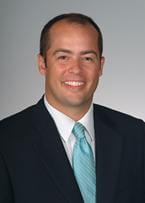
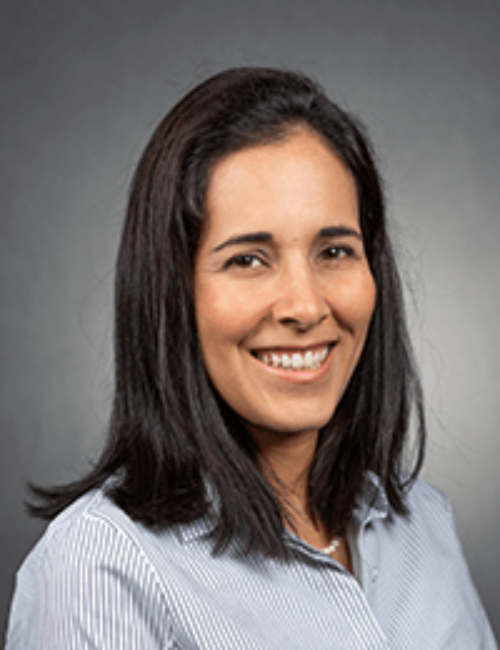
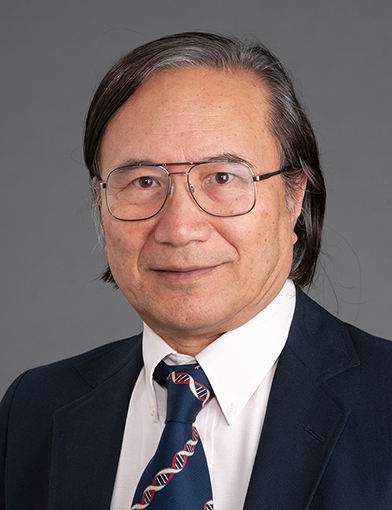
Andrew Goodwin, M.D., MSCR, is a Professor of Medicine and Section Chief of Critical Care at the Medical University of South Carolina (MUSC). His research focuses on clinical and translational studies to improve critical illness outcomes through electronic health record (EHR) innovations, clinical decision support systems (CDSS), and multicenter clinical trials. He leads MUSC’s ICU clinical trials program, collaborating with networks like PETAL, ACTIV, and STRIVE, and investigates EHR-driven adherence to ICU best practices and machine learning applications in clinical trials. Dr. Goodwin received his B.S. in Bioengineering from Syracuse University, M.D. from SUNY Stony Brook, and completed residency at Massachusetts General Hospital and fellowship in Harvard’s Combined Program. He joined MUSC faculty in 2011, where he directs research infrastructure through the CTSA program and trains early-career clinical trialists. Critical Care Clinical and Translational Research EHR-enabled Investigation Clinical Decision Support Systems Sepsis Respiratory Failure His recent publications span 2014–2024, addressing topics like EHR harmonization, CDSS for fluid prescribing, driving pressure in ARDS, and microRNA in sepsis. Awards include the Department of Medicine’s Research Faculty Mentor of the Year.
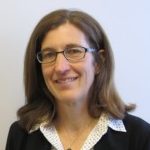
Melissa J. Moore, PhD, is Professor at the University of Massachusetts Chan Medical School, where she holds the Eleanor Eustis Farrington Chair of Cancer Research and serves in the RNA Therapeutics Institute. She also holds appointments in the T. H. Chan School of Medicine (Department of Chemical Biology) and the Morningside Graduate School of Biomedical Sciences (Departments of Biochemistry & Molecular Biotechnology, Interdisciplinary Graduate Program, and Translational Science). Additional affiliations include campus-wide programs in Bioinformatics & Integrative Biology and Chemical Biology. Education: BS in Chemistry/Biology, College of William and Mary PhD in Biological Chemistry, Massachusetts Institute of Technology Research Focus: Melissa Moore’s laboratory investigates post-transcriptional gene regulation in eukaryotes, with emphasis on three interconnected themes: (1) spliceosome structure and catalytic mechanism, (2) nuclear-to-cytoplasmic control of mRNA metabolism, and (3) quality control and clearance of defective ribosomal and messenger RNAs. The group combines biochemistry, single-molecule biophysics, RNA structural biology, and cell biology to dissect these processes at molecular and systems levels. Scientific Awards & Honors: Eleanor Eustis Farrington Chair of Cancer Research Funding & Collaborations: Work is supported by grants from the National Institutes of Health and involves ongoing collaborations with investigators at Brandeis University, MIT, University of Rochester, and other institutions. Rotation projects for graduate students are available in all active research areas. Laboratory & Team: The Moore laboratory is located in the RNA Therapeutics Institute at UMass Chan Medical School, 364 Plantation Street, Worcester, MA. The team employs state-of-the-art single-molecule imaging, mass spectrometry, and high-throughput sequencing to advance understanding of RNA biology and to translate insights into therapeutic RNA technologies.
Wendy P. Robinson is a Professor in the Department of Medical Genetics at the University of British Columbia Faculty of Medicine , and a Senior Scientist at the BC Children’s Hospital Research Institute . She holds the CIHR Sex and Gender Science Chair . Research Interests: Genetics and epigenetics of early human development, placental function in pregnancy complications (fetal growth restriction, preterm birth), DNA methylation, non-coding RNA, sex differences, and polymorphisms. Her lab employs genomic and bioinformatic tools to study placental health and its impact on newborn outcomes. Recent Publications (2025-2024) focus on X-chromosome inactivation patterns in placenta, cell-type specific DNA methylation, maternal socioeconomic effects on placental epigenetics, and modeling placental development with organoids. Key themes include sex-specific epigenetic regulation , maternal-fetal interactions , and human placental methylome . Awards: UBC Faculty of Medicine Distinguished Achievement Award (2018), with trainees receiving the James Miller Memorial Prize and Mary-Jane Carroll Trainee Award. Students & Collaborations: Supervised PhD/MSc students include Li Qing Wang, Icíar Fernández Boyano, Giulia Del Gobbo, Victor Yuan, and Magda Price. Collaborators span the Alex Beristain Lab and University of Toronto institutions. Laboratory Activities: Regular team-building events like mountain hikes, climbing outings, and kayaking trips, alongside providing open access to epigenetic tools (e.g., Bisearch, SeqDoc) for the research community.
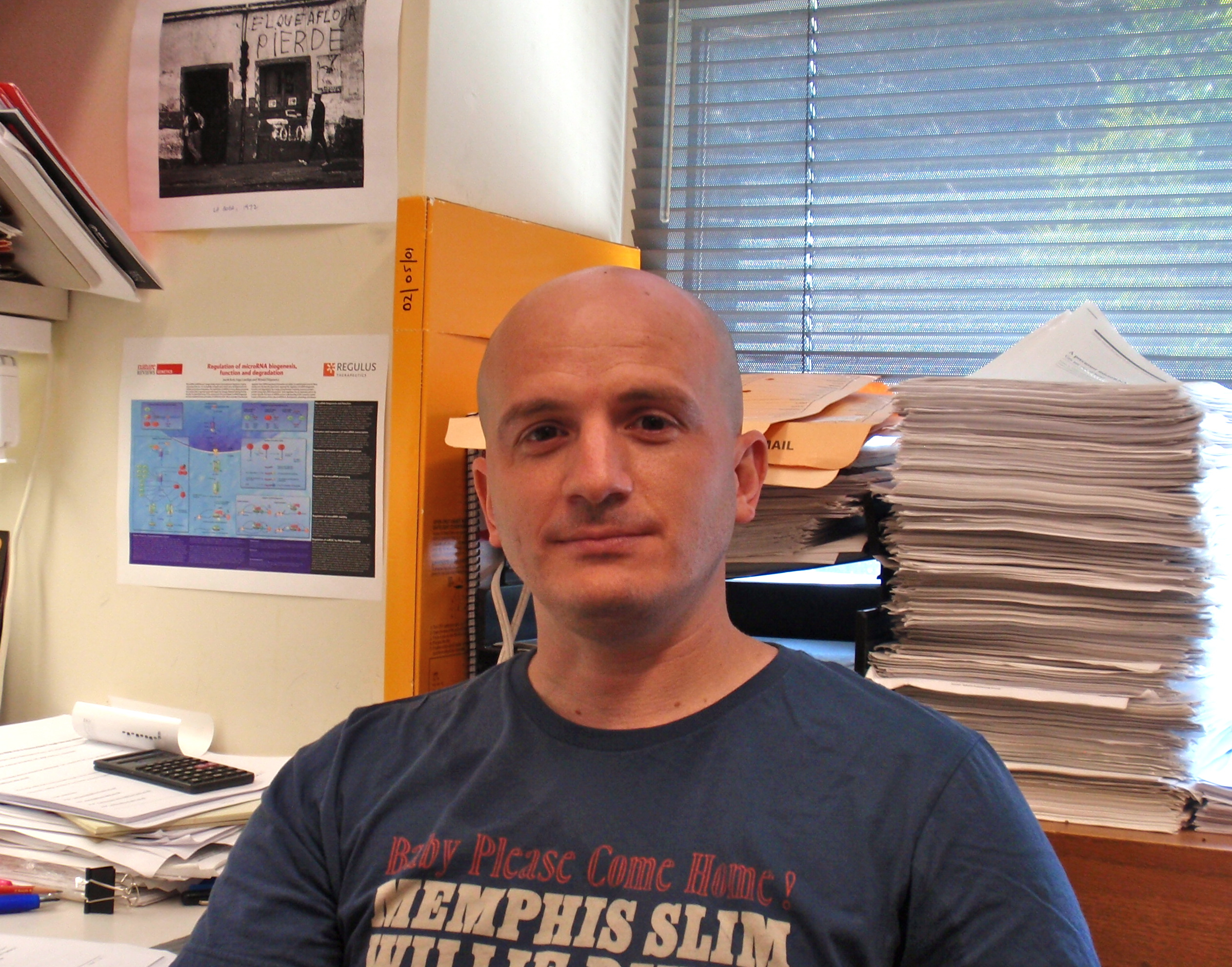
Demian Cazalla is an Associate Professor in the Department of Biochemistry at the University of Utah, focusing on the functional roles of non-coding RNAs (ncRNAs) in gene expression regulation. He is affiliated with the Molecular Biology Program and Biological Chemistry Program, contributing to interdisciplinary research in RNA biology. Education: M.Sc., University of Buenos Aires, Argentina Ph.D., Open University/MRC Human Genetics Unit, Edinburgh, Scotland Dr. Cazalla's research investigates how ncRNAs, particularly those expressed by oncogenic herpesviruses like Herpesvirus saimiri (HVS), regulate gene expression. His lab explores the structural and molecular mechanisms of viral ncRNAs (HSURs), their interactions with host miRNAs, and their role in viral oncogenesis through miRNA degradation and mRNA targeting. Current projects involve biochemical analysis of RNA-protein complexes and high-throughput sequencing to identify RNA targets. His recent publications highlight viral miRNA biogenesis pathways, ncRNA structural dynamics, and RNA-based regulatory networks. The work spans molecular virology, RNA biochemistry, and gene expression control in complex organisms.
Sonia Navas-Martin is a Professor in the Department of Microbiology & Immunology at Drexel University College of Medicine. She holds a PhD from Universidad Autónoma de Madrid (1997). Her research focuses on innate immunity mechanisms during viral infections and neurodegenerative diseases, with emphasis on CNS pathologies and cellular senescence. Education: PhD in Microbiology & Immunology, Universidad Autónoma de Madrid (1997) Research Interests: Dr. Navas-Martin investigates how innate immune pathways contribute to immunopathology in viral infections (e.g., coronaviruses), neuroinflammation, and neurodegenerative diseases like Alzheimer’s. Her work combines molecular biology, immunology, and animal models to identify therapeutic targets. Key areas include: Microglial responses to viral pathogens Role of non-coding RNAs (e.g., miRNAs) in immune regulation Cellular senescence in HIV-associated neurocognitive disorders Cross-talk between TLR signaling and viral replication Publications: Her recent work includes studies on SARS-CoV-2 antiviral strategies, microglial antiviral mechanisms, and HIV-HCV co-infection dynamics. The articles reflect a focus on innate immunity modulation, viral pathogenesis, and translational therapies. Awards: Curator, American Society for Microbiology’s COVID-19 Research Registry Grants & Mentorship: She oversees an NIH-funded neuroimmunology graduate position and mentors students in scientific excellence. Her lab is known for collaborative, open research environments fostering innovation. Labs & Teams: Active in the Institute for Molecular Medicine & Infectious Disease at Drexel, collaborating on coronavirus immunology and SARS-CoV-2 therapeutic development. Her research integrates virology, immunology, and neurobiology to address critical gaps in understanding viral CNS pathogenesis.
Gabriele Romano, PhD, is an Assistant Professor in the Department of Pharmacology & Physiology at Drexel University College of Medicine. His research focuses on cancer drug resistance mechanisms, leveraging mouse modeling, functional genomics, and computational biology. He leads the Romano Lab, which explores tumor-stroma interactions in minimal residual disease, tumor suppressor roles in therapy resistance, and HIV-cancer comorbidity. Education: PhD - Molecular and Translational Medicine, University of Milan, Bicocca (2015) MS - Medical Biotechnology, University of Milan, Bicocca (2012) BS - Biotechnology, University of Milan, Bicocca (2010) Research Interests: Cancer drug resistance mechanisms Immune evasion and tumor microenvironment Therapeutic strategies for HIV-associated cancers Functional genomics and nanoparticle delivery His work emphasizes developing novel therapies targeting residual tumor cells and improving outcomes for immunocompromised cancer patients. Key Awards: 2023 WW Smith Trust nominee (Cancer Research) 2022 Pew Biomedical Scholars competition nominee 2019 Maryanne Rosenstein Family Fellowship in Cancer Research Grants & Collaborations: Recipient of multiple institutional and foundation grants Collaborations with global institutions on translational projects Focus on mouse models, CRISPR screens, and bioinformatics Labs & Teams: Romano Lab at Drexel University Partnerships with MD Anderson Cancer Center and The Jackson Lab
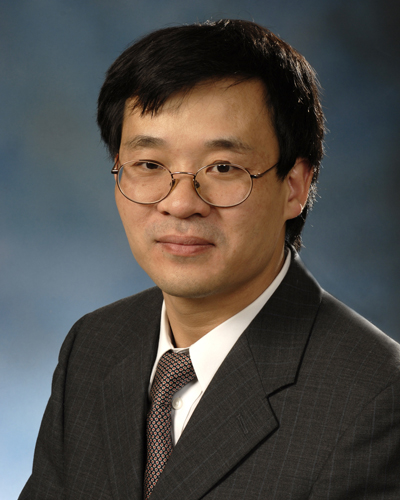
Dr. Peixin Yang is the Christopher R. Harman, MD Endowed Professor of Obstetrics, Gynecology, and Reproductive Sciences at the University of Maryland School of Medicine. He serves as Professor with tenure in the Department of Obstetrics, Gynecology and Reproductive Sciences and holds a secondary appointment in the Department of Biochemistry & Molecular Biology. Dr. Yang is the founding director of the Center for Birth Defect Research at the University of Maryland School of Medicine and leads multiple NIH-funded research projects totaling millions of dollars. Dr. Yang's educational background includes: B.S. in Animal Science from Zhejiang Agricultural University (1986-1990) M.S. in Animal Reproductive Sciences from Nanjing Agricultural University (1990-1993) Ph.D. in Biophysics from Tokyo University of Agriculture & Technology and Zhejiang University (1994-1999) Postdoctoral Research Associate at University of Nebraska Medical Center (1999-2002) BIRCWH scholar (NIH K12) at University of Maryland Baltimore (2008-2009) Dr. Yang has built an extensive research program focused on diabetic embryopathy, particularly examining how maternal diabetes induces neural tube defects (NTDs), congenital heart defects (CHDs), and kidney defects. His laboratory was the first to establish a mouse model of diabetic embryopathy and reveal the causal role of JNK1/2 in neural tube defects. He has made significant contributions to understanding the molecular mechanisms of cellular stress, endoplasmic reticulum stress, and autophagy in neural tube defect formation. Dr. Yang also investigates the effects of maternal obesity on placental function and has established the Maryland Maternal Health Research Center of Excellence. His recent work has expanded to include studies on SARS-CoV-2 infection in pregnancy and connections between insulin resistance signaling and Alzheimer's disease. Analysis of Dr. Yang's recent publications reveals a strong focus on the molecular mechanisms of diabetic embryopathy, with particular emphasis on epigenetic regulation, cellular stress signaling pathways, and placental function. His work consistently bridges basic science with clinical applications, developing potential therapeutic approaches for preventing birth defects. A significant portion of his recent research examines the intersection of maternal metabolic conditions (diabetes and obesity) with fetal development, while also expanding into novel areas like viral infections in pregnancy and connections to neurodegenerative diseases. Dr. Yang's notable scientific achievements include: The F. Clarke Fraser New Investigator Award from the Teratology Society (2013) BIRCWH scholar (NIH K12) (2008-2009) The Lalor foundation postdoctoral Fellowship (2002-2003) Dr. Yang currently directs a multi-million dollar NIH-funded research group with multiple active R01 grants. His current projects investigate the intersection of mTOR/p70S6K1 signaling and HIPPO-Yap tissue organizer in neurulation, heightened hypoxia and DNA methylation in heart defects of diabetic embryopathy, hyperglycemia-induced cardiac progenitor dysfunction, and epitranscriptomic alterations in diabetic embryopathy. He has developed a robust research program in maternal diabetes-induced heart defects, which was previously an understudied area. Dr. Yang is also leading efforts to establish the Maryland Maternal Health Research Center of Excellence, focusing on the adverse effects of obesity, placental accreta spectrum, and opioid use disorder. As the founding director of the Center for Birth Defect Research at the University of Maryland School of Medicine, Dr. Yang leads a multidisciplinary team of translational and clinical scientists. His laboratory has made original contributions to understanding the molecular mechanisms underlying maternal diabetes-induced structural birth defects. The team employs genetically modified mouse models, whole-embryo culture systems, and human placental studies to investigate the effects of metabolic conditions on fetal development. Dr. Yang's group has been instrumental in developing natural compounds as potential preventatives for diabetic embryopathy, including trehalose, epigallocatechin-3-gallate, and curcumin.
Dr. Angela Maria Gonella-Diaza is an Assistant Professor in Beef Cattle Reproduction at the University of Florida's North Florida Research and Education Center. Born in Colombia, her early exposure to agricultural production shaped her career in veterinary science and reproductive physiology. She earned her DVM from the National University of Colombia, followed by a Master's in Reproductive Physiology and a Ph.D. at the University of São Paulo, Brazil. Her postdoctoral research focused on molecular patterns of reproductive tract receptivity in beef cows. Dr. Gonella-Diaza's work emphasizes improving reproductive efficiency in Bos indicus breeds through molecular, metabolomic, and genetic approaches. Her research interests include heat stress mitigation strategies, embryo transfer optimization, and the role of metabolomics in bovine reproduction. She has developed protocols for estrus synchronization and pregnancy diagnostics, contributing to practical advancements in beef cattle management. Key themes in her work include understanding how environmental factors like temperature and dietary supplements influence reproductive outcomes and offspring health. Dr. Gonella-Diaza has published extensively on topics such as conceptus survival mechanisms, maternal-offspring metabolic interactions, and the application of microRNA profiling to predict placental phenotypes. Her research bridges fundamental biology with applied agricultural solutions, aiming to enhance livestock productivity and sustainability in subtropical climates.
Professor Niamh Forde serves as Professor of Molecular Reproductive Biosciences within the School of Medicine at the University of Leeds. She co-founded and co-directs LeedsOmics, a virtual research institute advancing interdisciplinary omics applications. Her work bridges human and animal reproductive sciences through comparative molecular physiology across mammalian species. Education: BA (Mod) Biochemistry from Trinity College Dublin PhD from University College Dublin Research Focus: Professor Forde pioneers investigations into embryo-endometrial molecular crosstalk during early pregnancy using multi-omics approaches. Her lab integrates in vivo studies with cutting-edge in vitro platforms including microfluidics, organoids, and extracellular scaffolds to dissect non-coding RNA mechanisms and protein signaling. Key emphases include species-comparative analysis (human, bovine, porcine, murine), maternal metabolic impacts, embryo sex effects, and extracellular vesicle-mediated communication—all with implications for fertility, food security, and developmental origins of health and disease. Publication Trends: Recent work (2022-2025) demonstrates consistent innovation in modeling conceptus-maternal interactions through engineered systems like endometrium-on-a-chip. Publications reveal growing emphasis on conserved molecular pathways (e.g., PDI/CAPG proteins), microRNA networks in implantation, and translational applications for livestock fertility and human reproductive health. Her team increasingly leverages cross-species genomic analyses to identify evolutionary innovations underpinning placental mammal pregnancy. Leadership and Collaboration: As Associate Editor for Reproduction and member of SSR/SRF/Biochemical Society, she shapes reproductive science discourse. Her affiliations with Leeds Institute of Cardiovascular and Metabolic Medicine and Multidisciplinary Cardiovascular Research Centre foster translational synergies. Current PhD projects focus on 3D uterine modeling and non-coding RNA function, training next-generation scientists in advanced reproductive technologies.
Gabriel Loeb, MD, PhD is an Assistant Professor at the University of California, San Francisco (UCSF) School of Medicine , where he operates as a physician-scientist specializing in genetic kidney diseases . His research integrates human genetics , genomics , and novel kidney disease models to identify molecular mechanisms in chronic kidney disease and Autosomal Dominant Polycystic Kidney Disease (ADPKD). Clinically, he focuses on familial and genetic kidney disease care at the UCSF Nephrology Faculty Practice . Education BS in Biology (2005), Stanford University MD (2015), Cornell PhD in Immunology (2015), Cornell/Rockefeller/Sloan Kettering Internal Medicine Residency (2018), Brigham and Women's Hospital/Harvard Medical School Nephrology Fellowship (2021), UCSF Research Interests center on leveraging human genetic variation to decode kidney disease mechanisms, with a focus on ADPKD and tubule epithelial regulatory elements . His work explores cell type-specific genomics , polycystin channel function , and urine multiomics for non-invasive diagnostics. Recent Publications highlight advancements in ADPKD mechanistic understanding , urine-based liquid biopsies , and genomic deep learning model limitations . Key journals include Nature Genetics , Nature Communications , and bioRxiv . Grants & Programs Laboratory for Genomics Research Innovation Award (2024–2025) Physician Scientist Scholars Program, UCSF (2021–2026)
Associate Professor Jean (Jiayu) Wen holds positions at The Australian National University (ANU), including Group Leader of The Wen Group, ARC Future Fellow, and Deputy Director of The Shine-Dalgarno Centre for RNA Innovation. She specializes in computational and molecular biology, focusing on RNA regulation, gene expression, and cancer genomics. Her affiliations include ANU’s Division of Genome Sciences and Cancer, and the Centre for Computational Biomedical Sciences. Education: BEng in Electronic Engineering (Beijing), MSc in Computer Science (Lakehead University), PhD in Computational Biology (ANU). Postdoctoral training at Copenhagen University and Memorial Sloan-Kettering Cancer Center. Research interests span RNA structures, microRNA biogenesis, transcriptome dynamics, and epigenetic regulation. Her work addresses intragenomic conflicts, cancer mechanisms, and neural development. Notable projects include RNA-based machine learning models for RNA-RNA interactions and immune cell differentiation studies. Publications highlight contributions to RNA interference pathways, tumor development, and Drosophila genetics. Awards include the ARC Future Fellowship. She leads interdisciplinary teams advancing computational and experimental approaches in genomics and systems biology.
Phillip D. Zamore serves as Chair and Professor of the RNA Therapeutics Institute at the University of Massachusetts Chan Medical School School of Medicine and is an Investigator of the Howard Hughes Medical Institute. He holds the Gretchen Stone Cook Professorship in Biomedical Sciences and leads pioneering research in RNA biology. Dr. Zamore earned his A.B. (1986) and Ph.D. (1992) in Biochemistry and Molecular Biology from Harvard University, followed by postdoctoral training at The Whitehead Institute for Biomedical Research. His research focuses on small RNA silencing pathways including RNA interference (RNAi), microRNA, and PIWI-interacting RNA (piRNA) mechanisms across eukaryotic and prokaryotic systems. Key investigations explore how Argonaute proteins achieve sequence-specific regulation of transcription and translation, with emphasis on piRNA biogenesis in germ cells and bacterial Argonaute functions. Analysis of his recent publications reveals dominant themes in transposon silencing, piRNA pathway evolution, RNA therapeutic development, and molecular mechanisms of gene regulation. His work bridges fundamental biochemistry with clinical applications, particularly in RNA-based therapies for genetic disorders. Notable scientific honors include: Chancellor’s Medal for Excellence in Scholarship (2015) Dean's Award for Research Mentoring (2011) Fellow of the National Academy of Inventors (2014) Election to the American Academy of Arts & Sciences, National Academy of Sciences, and National Academy of Medicine (2023) Dr. Zamore has co-founded multiple biotechnology companies including Alnylam Pharmaceuticals (2002), which developed the FDA-approved RNAi therapeutic ONPATTRO for hereditary transthyretin-mediated amyloidosis, and Voyager Therapeutics (2014). His laboratory has trained dozens of researchers now leading institutions worldwide, with over 150 publications and 119 patents reflecting his translational impact. Current research leverages biochemical and genetic approaches to develop RNA-guided therapies for diseases like Huntington's. The Zamore Laboratory operates within the RNA Therapeutics Institute at UMass Chan Medical School, utilizing advanced genomic, biochemical, and imaging technologies to study small RNA pathways in model organisms including Drosophila, mice, and bacterial systems.
Kounosuke Watabe is a Professor in the Department of Cancer Biology at Wake Forest University School of Medicine. He serves as Associate Director of Education and Training and Shared Resources at the Wake Forest Baptist Comprehensive Cancer Center. Research focus on tumor microenvironment, cancer stem cells, and non-coding RNAs in breast and prostate cancers Published over 150 papers with an h-index of 51 Director of T32 Translational Oncology Training Program and R25 cancer research promotion program Research Interests: The lab investigates molecular mechanisms of tumor metastasis, particularly in breast and prostate cancers. Key areas include: Tumor microenvironment interactions in bone and brain metastasis Non-coding RNA regulation of cancer progression Fatty acid metabolism in tumor initiation Cancer stem cell dynamics Development of immunotherapies to control metastasis Scientific Awards: Molecule of the Year (2011) by ISMCBBPR Top 100 Science Discovery (2013) in Discover Magazine Research Trends: Recent publications emphasize exosomal miRNAs (2021), nicotine's role in metastasis (2021), and multi-omics analysis of brain metastasis outcomes (2020). Earlier work established fatty acid synthase as a therapeutic target (2005-2008) and clarified microRNA regulation of cancer stem cells (2009-2013). Leadership & Funding: He has served on federal grant review panels and led team science projects across three institutions. His research has received continuous NIH and federal funding. Labs & Collaborations: The Kounosuke Watabe Lab collaborates with Wake Forest Institute for Regenerative Medicine (WFIRM), Maya Angelou Research Center for Healthy Communities, and Public Health Sciences departments.
Alan Dombkowski is a Professor of Pediatrics at Wayne State University School of Medicine, specializing in molecular mechanisms of neurological disorders through genomic and bioinformatic approaches. Key research focus: Epileptogenic potential of cortical tubers in Tuberous Sclerosis Complex (TSC) Methods: Next-gen sequencing, microarrays, proteomics, and epigenetic analysis of human brain tissue Current projects funded by federal grants examining microRNA regulation and therapeutic targets in epilepsy Recent publications span: 2024: Cisplatin-induced cochlear synaptic proteomics 2023: Multi-omic biomarkers for prostate cancer aggressiveness 2021: Exosomal miRNA in TSC epilepsy 2018: Neuroinflammatory mechanisms in pediatric epilepsy Collaborations include Harry Chugani (neuroimaging), Diane Chugani (neurochemistry), Eishi Asano (epileptology), and Paul Stemmer (molecular pharmacology).
Dr. Heather L. Wilson is a Senior Lecturer in Immunity & Cardiovascular Disease at the School of Medicine and Population Health, University of Sheffield. With a DPhil in Pharmacology from Oxford and postdoctoral experience in immune cell biology, she specializes in macrophage dysfunction in aging and inflammatory diseases. Research: her work explores how macrophage function declines with age, exacerbates atherosclerosis, and drives autoimmune responses in diseases like lupus. She investigates human primary blood cells and uses zebrafish models to study IL-1β mechanisms. Teaching: she leads the MBChB Phase 3a Student Selected Component, co-deploys the MSc Reproductive Medicine Social Aspects module, and trains PhD/MSc students in cardiovascular cell biology. Grants: BBSRC, MRC, British Heart Foundation, Horizon 2020 Marie Curie ITN, Vivensa Foundation Awards: RCUK Fellowship (2005-2010), Fellow of the Higher Education Academy