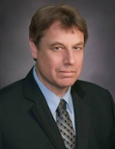
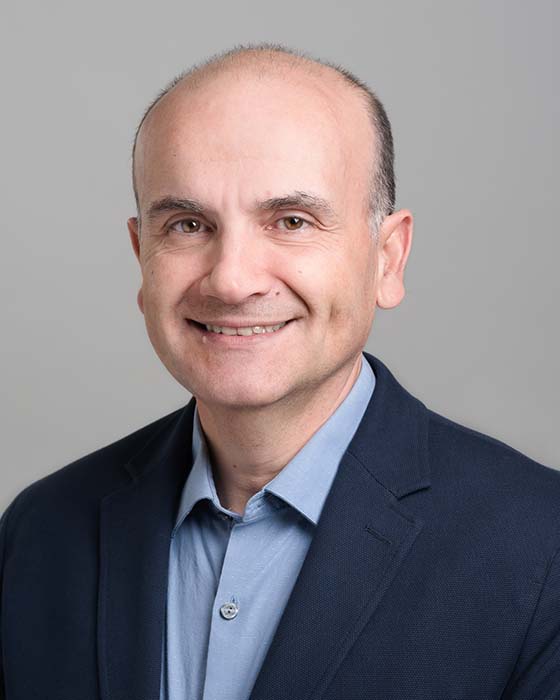
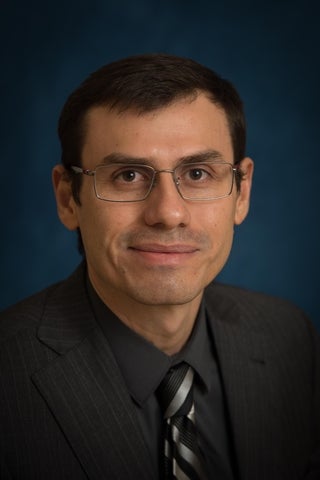
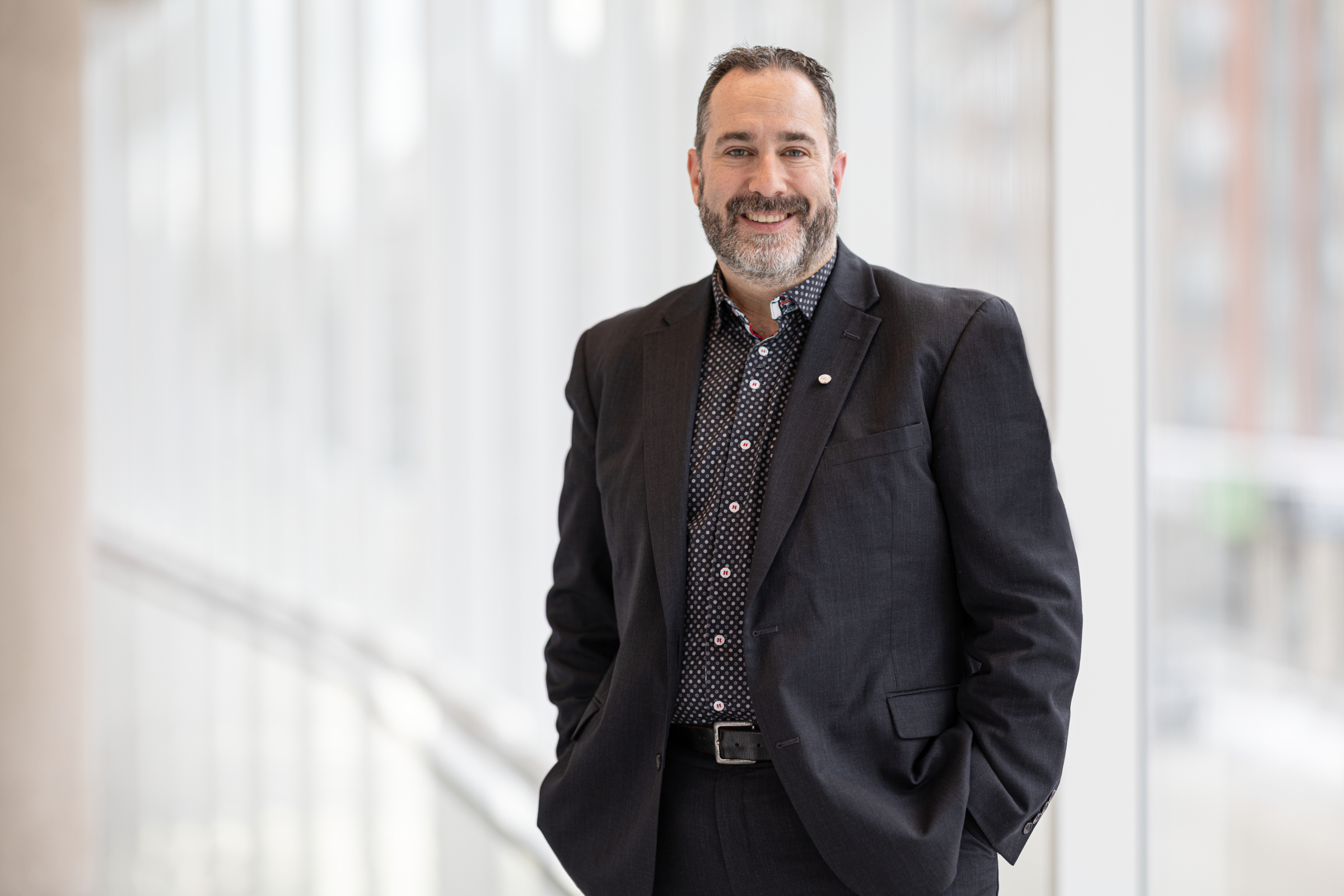
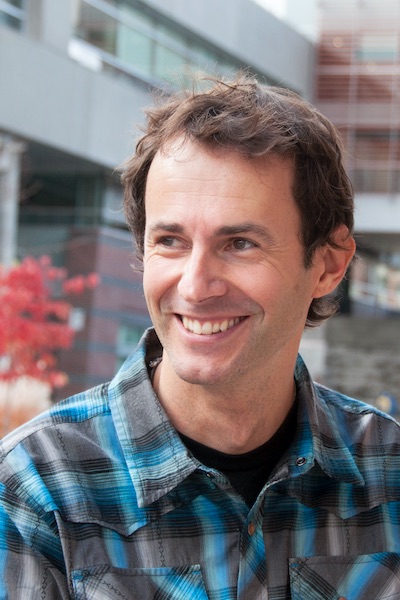
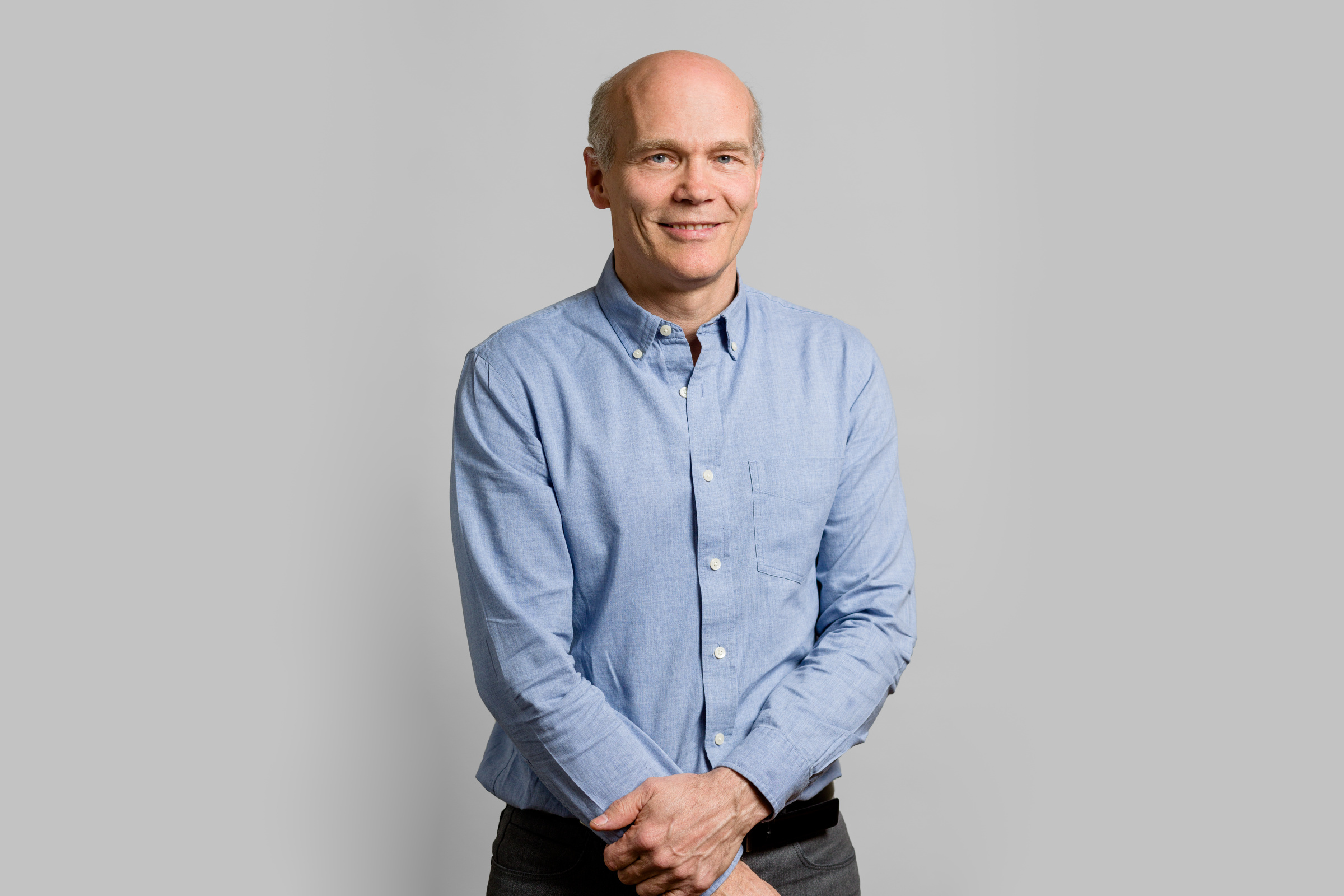
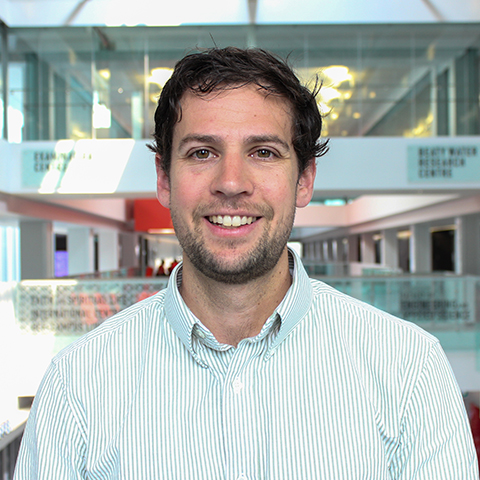
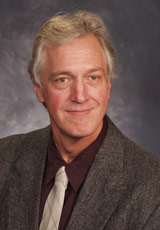
Peter Teertstra is an Associate Professor, Teaching Stream in the Department of Mechanical and Mechatronics Engineering at the University of Waterloo and Director of the Sedra Student Design Centre. He holds a PhD (2003), MASc (1992), and BSE (1990) from the University of Waterloo and Calvin College, respectively. His research focuses on thermal modeling for microelectronics/optoelectronics cooling, experimental heat transfer in micro/nano-scale systems, and predicting air cooling limits in electronics. He oversees the Sedra Student Design Centre, supporting teams in competitions through resource access and sponsorship. Teertstra teaches courses like GENE 199, ME 101, MTE 201, and PD 21, emphasizing engineering practice and thermodynamics. His publications (2006–2011) address thermal conductivity in fuel cells, convection modeling, and heat transfer in electronics enclosures. He is currently accepting graduate applications via an online process.
Dr. G.K. Knopf is a Professor in the Department of Mechanical & Materials Engineering at Western University, Canada. He holds a Ph.D. (1991), M.Sc. (1987), and B.E. (1984) from the University of Saskatchewan. His work bridges product design, advanced manufacturing, and bio-inspired technologies. Research Focus: Dr. Knopf’s research spans 3D shape reconstruction , laser microfabrication , micro-optics , and bioelectronic imaging arrays . Recent projects emphasize light-driven actuators , flexible electronics , and graphene-based inks for printing circuits on unconventional substrates like silk and paper. Publications: Over 150 peer-reviewed works, including two edited CRC Press volumes ( Smart Biosensor Technology , Optical Nano and Micro Actuator Technology ). Key contributions involve non-lithographic fabrication , bacteriorhodopsin photodetectors , and self-organizing feature maps for data visualization. Awards/Patents: Co-inventor of two U.S. patents (6,542,249 for 3D surface measurement; 7,573,024 for bioelectronic imaging arrays). Teaching: Leads graduate courses in Medical Device Design and Optomechatronic Systems , as well as undergraduate Mechatronics and Medical Device Development courses.
Alaa Alameldeen is an Associate Professor in the School of Computing Science at Simon Fraser University (SFU), part of the Faculty of Applied Sciences. Previously, he worked as a Research Scientist at Intel Labs (2006–2020) and held an Adjunct Faculty position at Portland State University (2008–2018). He earned a PhD in Computer Sciences from the University of Wisconsin-Madison (2006), and earlier degrees from Alexandria University, Egypt. His research focuses on computer architecture, including memory systems (processing-in-memory, cache/memory compression, security), energy-efficient architectures, and hardware-software co-design for machine learning. He advises PhD and MSc students in these areas and teaches advanced computing science courses. Key contributions include innovations in memory hierarchies, cache compression techniques, and mitigating hardware vulnerabilities. His work has been published in top conferences (e.g., ISCA, MICRO, HPCA) and patented in areas like near-memory processing and error correction. Alameldeen currently leads a research group exploring secure and high-performance memory architectures. He has supervised multiple graduate students, with many progressing to roles at leading tech companies and academic institutions.
Michael P. Bradley is a Professor in the Department of Physics and Engineering Physics at the University of Saskatchewan, affiliated with the College of Arts and Science. He holds a Ph.D. from MIT and is a Professional Engineer (P.Eng.). His research focuses on precision measurement techniques, plasma-based nanofabrication, and quantum metrology, including work on diamond NV-centre magnetometers and superconducting watt balance systems. He leads the University of Saskatchewan Plasma Physics Laboratory (U of S PPL) and has received a Canada-UK Joint Quantum Technology grant for quantum sensor development. Education BSc (Honours) in Applied Physics, University of New Brunswick Ph.D. in Physics, Massachusetts Institute of Technology (MIT) Research Interests Bradley specializes in quantum magnetometry , plasma processing , semiconductor nanostructures , and precision electromagnetic measurements . His lab develops novel techniques for materials characterization and fabrication, including plasma immersion ion implantation (PIII) for micro- and nano-scale engineering, graphene doping, and silicon photonics. Recent work includes advancements in diamond NV-centre magnetometry for quantum technologies. Grants & Collaborations Recipient of a prestigious Canada-UK Joint Quantum Technology grant (2023). Collaborated internationally, including at the Bureau International des Poids et Mesures (BIPM) in France, where he contributed to superconducting watt balance prototypes for redefining mass standards. Teaching Teaches courses in optics, thermodynamics, and planetary astronomy, including EP421: Optical Systems & Materials and ASTR104: Planetary Astronomy .
Andreas Moshovos is a Professor in the Department of Electrical and Computer Engineering at the University of Toronto's Faculty of Applied Science and Engineering. He holds a Bachelor's and Master's degree from the University of Crete, and a PhD from the University of Wisconsin-Madison. Previously, he taught at Northwestern University, École Polytechnique Fédérale de Lausanne, University of Athens, and Hellenic Open University. His research focuses on designing optimized computing hardware for performance, energy efficiency, and cost. Primary interests include: Deep Learning acceleration through value-based optimization (exploiting sparsity/precision variability) Hardware specialization for neural networks Efficient data management systems High-performance processor/memory architecture His publications demonstrate consistent focus on hardware acceleration techniques for deep learning, particularly leveraging value sparsity, dynamic precision adaptation, and ineffectual computation elimination to boost performance and energy efficiency in neural network processing. Significant Awards: ACM SIGARCH Maurice-Wilkes Award (2010) 2× IEEE MICRO Top Picks Awards (2006, 2010) 2× IBM Faculty Awards (2008, 2009) NSF CAREER Award (2000) MICRO Hall of Fame Award He leads the NSERC COHESA Network on Machine Learning Hardware Acceleration (19 researchers across 7 universities) and advises multiple PhD/Master's students in computer architecture and deep learning acceleration. His lab develops specialized hardware for computational imaging, gene sequencing, and neural network optimization.
Luis A. Ricardez-Sandoval is an Associate Professor in the Department of Chemical Engineering at the University of Waterloo and holds a Tier II Canada Research Chair in Multiscale Modelling and Process Systems. His research group develops advanced computational tools for optimizing chemical processes across multiple scales. Doctorate: Chemical Engineering, University of Waterloo (2008) MASc: Chemical Engineering, Instituto Tecnologico de Celaya (2000) BASc: Chemical Engineering, Instituto Tecnologico de Orizaba (1997) The research group focuses on multiscale modelling and process systems engineering , particularly for CO2 capture , energy systems , and heterogeneous catalysis . Their work combines advanced mathematics, machine learning , and uncertainty analysis to optimize chemical processes before physical implementation. Recent publications emphasize dynamic system optimization under uncertainty, multiscale simulation , and CO2 conversion technologies . Key methodologies include probabilistic uncertainty quantification and economic predictive control . Scientific Awards : 1997: First Place, XII National Creativity Contest 1998: Best Student Award, Instituto Tecnologico de Orizaba 1999: Third Place, XIV National Creativity Contest 2000: J.M. Smith Award for Best MASc Student He has collaborated with international institutions like CONACyT-Mexico, China Scholarship Council, and Universidad de Los Andes. His teaching includes graduate courses in process control, optimization, and computer-aided design.
J. Stewart Aitchison is a Professor at the University of Toronto's Department of Electrical & Computer Engineering, holding the Nortel Chair in Emerging Technology. He serves as Associate Scientific Director for the Network Centre of Excellence, IC-IMPACTS, fostering Canada-India research collaborations. Aitchison co-founded ChipCare Corporation, developing portable HIV monitoring systems, and previously directed the Emerging Communications Technology Institute. He received a BSc (1984) and PhD (1987) in Physics from Heriot-Watt University, UK, followed by a postdoctoral position at Bellcore. His research focuses on: Nonlinear optics and plasmonics for optical signal processing Micro/nano-scale photonic devices and integrated circuits Optical biosensors for healthcare applications (e.g., HIV monitoring) Algal biofilm photobioreactors for sustainable energy His 250+ publications emphasize semiconductor waveguides, quantum optics, and lab-on-chip systems, with recent work advancing polarization management, entanglement generation, and point-of-care diagnostics. Awards & Fellowships: Fellow of Royal Society of Canada, Royal Society of Edinburgh, AAAS, OSA, and Institute of Physics Professional Engineering Ontario Research Medal (2016) IEEE Photonics Society Distinguished Lecturer (2016-2017) University of Toronto Inventor of the Year (2012) NSERC Synergy Award (2006) He leads the Aitchison Group, supervising over 60 PhD/Master's students in photonics and microfabrication. His team collaborates globally and utilizes the Toronto Nanofabrication Centre. ChipCare, his spin-off, secured $7M+ funding for blood-testing platforms enhancing healthcare in remote communities.
Sylvain G. Cloutier is a Professor in the Department of Electrical Engineering at École de technologie supérieure (ÉTS) in Montreal, Canada, where he holds the Canada Research Chair in Inkjet-Printed Materials and Flexible Hybrid Electronic Devices. He also serves as an Adjunct Assistant Professor in the Department of Electrical and Computer Engineering at the University of Delaware. His research focuses on developing novel nanomaterials and fabrication techniques for printed electronics applications. Cloutier earned his Ph.D. in Engineering from Brown University in 2006, followed by an M.S. in Physics and B.Eng. in Engineering Physics from Université Laval in 2003 and 2001, respectively. He previously held a faculty position at the University of Delaware before joining ÉTS in 2011. His research interests span nanotechnologies, nanomaterials, nanostructures, nanofabrication, optical micro-spectroscopy, and optoelectronic devices including light-emitting diodes and photovoltaic cells. He has pioneered work in inkjet-printed materials and flexible hybrid electronic devices, with applications in solar cells, light-emitting diodes, photodetectors, thermoelectric converters, and sensors. His research integrates photonic processing techniques with printed electronics to create next-generation optoelectronic devices. Analysis of his recent publications reveals a strong focus on printed electronics, particularly using perovskite materials for solar cells, photonic curing techniques for material processing, flexible sensors, and integration of machine learning for device optimization. His work bridges fundamental nanomaterials research with practical applications in renewable energy and sensing technologies. Scientific Awards: Outstanding Thesis Award from Brown University (2006) DARPA Young Faculty Award (2009) Cloutier has supervised over 25 graduate students across various projects related to printed electronics, nanomaterials, and optoelectronic devices. His research has been supported by numerous grants from organizations including NSERC, FRQNT, NSF, and DOE. He regularly serves as an examiner for major research funding agencies in Canada and the United States. He leads the Canada Research Chair in Inkjet-Printed Materials and Flexible Hybrid Electronic Devices, which focuses on developing low-cost hybrid optoelectronic nanomaterials that can be integrated into simple device architectures for various applications. His research team develops new fabrication and characterization tools for studying optoelectronic materials, with emphasis on controlled nano-fabrication, large-scale manufacturing at low cost, and contact-free 3D micro-spectroscopy techniques.
Andrew Jirasek is a Professor at the Irving K. Barber Faculty of Science , University of British Columbia Okanagan , and serves as the Associate Dean for Graduate and Postdoctoral Training . He leads the Analytics in Medical Sciences (AiMS) Institute with a focus on Medical Physics and Radiation Oncology Physics , particularly utilizing Raman spectroscopy and 3D radiation dosimetry for cancer treatment verification. PhD from University of British Columbia His research involves developing polymer gel dosimeters for 3D radiation dose verification in complex therapies like volumetric modulated arc therapy (VMAT) , collaborating across physics, oncology, and engineering . He also investigates optical technologies to monitor biological responses during radiotherapy using Raman spectroscopy with machine learning for data analysis. Recent publications highlight advancements in 3D gel dosimetry , Raman spectroscopy for metabolic profiling , and iterative image reconstruction algorithms . His work spans dosimeter technology development , radiation therapy quality assurance , and clinical applicability studies for novel treatment verification methods.
Dr. Mohamed Elamien is an Assistant Professor in the Department of Electrical and Computer Engineering at McMaster University . His research focuses on automating high-performance integrated circuit (IC) design, addressing Power-Performance-Area (PPA) challenges in semiconductors, and developing self-powered platforms for emerging technologies like biomedical and IoT applications. He holds a BSc (Highest Honors) and MSc from the University of Sharjah (2015–2017), and a PhD in Electrical and Computer Engineering from the University of Calgary (2021). Prior to academia, he worked as a senior analog/mixed-signal circuit design engineer at Synopsys (2022). Education: BSc (Highest Honors) in Electrical & Electronics Engineering – University of Sharjah (2015) MSc in Electrical & Electronics Engineering – University of Sharjah (2017) PhD in Electrical & Computer Engineering – University of Calgary (2021) His research interests span analog and mixed-signal circuit design , CMOS integrated circuits , biomedical technologies , and energy-efficient systems . He has developed innovative designs for oscillators, filters, and low-power circuits with applications in IoT and healthcare. His work emphasizes automation and symbolic math tools to streamline circuit synthesis. Dr. Elamien has published extensively in top-tier journals like IEEE Transactions on VLSI Systems and IEEE Transactions on Microwave Theory and Techniques , focusing on topics such as all-pass filters , low-power oscillators , and AI-driven circuit design . His articles often address challenges in high-frequency communication systems and noise reduction . Awards: Alberta Innovates Graduate Student Award (2020 – Technology Category) Alberta Graduate Excellence Scholarship (2019–2020) 2022 Schulich School of Engineering Graduate Student Research Excellence Award He currently teaches ELECENG 2CJ4: Circuits and Systems and ELECENG 3TP3: Signals and Systems , emphasizing advanced circuit analysis and systems theory. His lab explores next-generation circuit architectures for energy-efficient and biomedical applications.
Yves Blaquière is a Professor in the Department of Electrical Engineering at École de Technologie Supérieure. He is affiliated with the Communications and Microelectronic Integration Laboratory (LaCIME), focusing on microelectronics, integrated circuit design, and power integrity in advanced electronic systems. His research spans VLSI/ASIC design, FPGA-based reconfigurable computing, MEMS for avionics, and radiation effects on electronics. Aeronautics and Aerospace Intelligent and Autonomous Systems Microelectronics and VLSI Power Integrity Modeling MEMS Switch Design Radiation-Resilient Circuits His recent publications highlight innovations in GHz-range power integrity for SiP, FPGA-based SHEPWM inverters, and MEMS switches for avionic power systems. Collaborations with researchers like Frédéric Nabki and Nicolas Constantin reflect his focus on industrial applications and technology transfer. Professor Blaquière co-supervises PhD candidates including Hachem Bensalem, Gabriel Nobert, and Abdurrashid Hassan Shuaibu, covering topics such as heterogeneous optimization, power converter modeling, and MEMS switch development. His work contributes to wafer-scale prototyping platforms like WaferBoard and advanced tools for radiation testing in FPGAs. LaCIME, under his involvement, emphasizes equity, diversity, and inclusion, offering students opportunities to engage in cutting-edge projects from materials to communication protocols. The lab's expertise includes micro/nanofabrication, photonic microsystems, and signal processing.
Assistant Professor Jackson Crane at Queen's University (Smith Engineering, Mechanical and Materials Engineering) specializes in renewable energy conversion technologies, electrocatalysis, and low-carbon combustion. His research spans detonation fundamentals for high-efficiency engines and CO2-reduction electrocatalysis for alternative fuel synthesis. Education: SB (MIT), MSc & PhD (Stanford), Postdoc (Queen's University) His research combines electrochemical CO2 conversion with detonation dynamics , focusing on multiphysics modeling and experimental validation. Current projects include: High-pressure CO2 reduction systems Detonation propagation in curved channels Pulse electrolysis for stable CO2 reduction Scientific awards include: Bernard Lewis Fellowship (2024) NSF Graduate Research Fellow (Stanford) Stanford Graduate Fellow
Dr. Shan Du is an Assistant Professor in the Department of Computer Science, Math, Physics & Statistics at the University of British Columbia Okanagan Campus. She holds a PhD in Electrical and Computer Engineering from UBC (2009) and has over 15 years of experience in image/video processing, computer vision, and machine learning. Previously, she worked as an Assistant Professor at Lakehead University and as a Research Scientist at IntelliView Technologies. Her research focuses on computer vision, deep learning, and biometrics, with applications in video surveillance systems and environmental monitoring. She has secured grants including NSERC Discovery, CFI JELF, and Alberta Innovates. Dr. Du is a Senior Member of IEEE and serves as an Associate Editor for IEEE Transactions on Circuits and Systems for Video Technology and the IEEE Canadian Journal of Electrical and Computer Engineering. Teaching interests include Image Processing, Computer Graphics, and Software Engineering. She advises graduate students and has published extensively on topics like gas leak detection, 3D face modeling, and medical image fusion.
R.E. Khayat is a Professor in the Department of Mechanical & Materials Engineering at Western University, specializing in fluid mechanics, heat transfer, and non-Newtonian fluid dynamics. He holds a Ph.D. in Chemical Physics from McGill University (1989) and has over 35 years of academic and research experience, including roles at NRC Industrial Materials Institute and McGill University. Education: B.Eng. (Honours) Mechanical Engineering (1980), M.Eng. Civil Engineering (1982), Ph.D. Chemical Physics (1989), all from McGill University. Research focuses on thermal convection, free-surface flows, and hydrodynamic stability, with contributions to chaos theory in non-Newtonian flows. Has supervised nearly 50 graduate students and published over 150 journal papers in prestigious journals like Journal of Fluid Mechanics and Physical Review Letters . Active in academic leadership roles, including Associate Chair (2003–2005) and Associate Professor (1998–2003) at Western University. His research group explores micro-scale thermal convection, nano-fluid dynamics, and multiphase flow phenomena, with applications in polymer processing and materials science. Collaborative projects include studies on viscoelastic jet behavior and hydraulic jump formation in complex fluids. Awards and recognitions include international acclaim for work on chaos theory in fluid dynamics. His lab focuses on computational modeling and experimental validation of fluid flow phenomena, supported by grants from NSERC and industry partnerships.
Gary Bowden is an Associate Professor of Sociology at the University of New Brunswick. He holds a PhD in Sociology from Carleton University and is based in Carleton Hall 134, Fredericton. His research focuses on the dynamics of stability and change in large-scale systems, environmental sociology, and complex adaptive systems theory. He has authored numerous publications in environmental policy, science studies, visual sociology, and disaster sociology. Research interests include the interplay between social and ecological processes, the role of ideology in shaping environmental attitudes, and the application of systems theory to sociological analysis. He has explored topics ranging from climate change discourse to the historical case of Norse Greenlanders' societal collapse. Bowden’s work bridges micro-level attitudes and macro-level systemic changes, with particular attention to technological solutions (e.g., geoengineering) and their societal implications. His recent publications emphasize the social dynamics behind emerging environmental policies and the limitations of human adaptation strategies in the face of ecological challenges. He has collaborated on edited volumes like The Chicago School Diaspora (2014) and contributed to interdisciplinary discussions on media ecology and disaster sociology. His teaching and supervision areas include environmental sociology, science and technology studies, and complex adaptive systems theory.