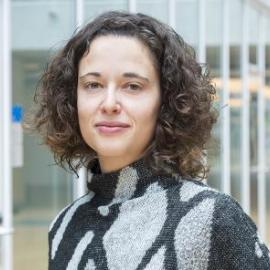
MARIA BLANCA IBAÑEZ ESPIGA is an Associate Professor at the Telematics Engineering Department of Carlos III University of Madrid , specializing in educational technology and immersive learning environments. Her research focuses on integrating augmented reality (AR), virtual reality (VR), and artificial intelligence (AI) into educational practices to enhance student engagement and learning outcomes. Research Focus: Dr. Ibañez Espiga explores the application of augmented reality in STEM education, gamification for learning activities, and learning analytics to model student behavior in immersive systems. She has developed tools like BabloXR for WebXR applications, XploRe for solar system education, and Reaq for chemistry tutoring, demonstrating her commitment to innovative pedagogical solutions. Publications: Recent work includes studies on generative AI in education , cloud-based universities , and AR simulations in problem-based learning . Her research spans from 2010 to 2025, showing sustained contributions to technology-enhanced learning methodologies. Labs & Teams: She is affiliated with the eMadrid Network , a research group focused on learning methodologies, gamification, and quality in educational technology. Her projects often involve interdisciplinary collaboration, leveraging telematics engineering to create scalable educational solutions.
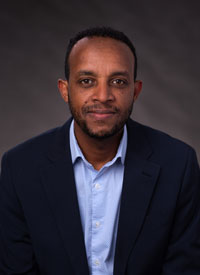
Seife Dendir is a development and applied micro-economist who has served on the faculty of Radford University’s Department of Economics since 2005. He teaches a full range of microeconomics, development, and managerial economics courses to undergraduate and MBA students. Education: Ph.D. & M.A. in Applied Economics, Western Michigan University B.A. in Economics, Addis Ababa University Research Interests: Dr. Dendir’s research lies at the intersection of economic development , applied microeconometrics , and education economics . He investigates intergenerational educational mobility, returns to schooling, intra-household resource allocation, and child labour in developing countries, notably Ethiopia and Sub-Saharan Africa. A secondary strand explores sports analytics and the effectiveness of online pedagogical tools in economics instruction. Across more than 20 peer-reviewed articles, his work exhibits three dominant themes: (i) rigorous empirical analysis of education, labour and health outcomes in developing economies; (ii) evaluation of teaching technologies and student performance in economics classrooms; and (iii) data-driven studies in soccer analytics. Recent publications (2022-2023) extend his development agenda to intergenerational mobility and COVID-19 mortality disparities, while simultaneously refining online-learning experiments. Scientific Awards: No awards or fellowships are listed in the provided sources. Advising & Grants: No graduate students, grants, or funded projects are mentioned in the supplied text. Labs & Teams: There is no indication of dedicated research labs or formal research teams.
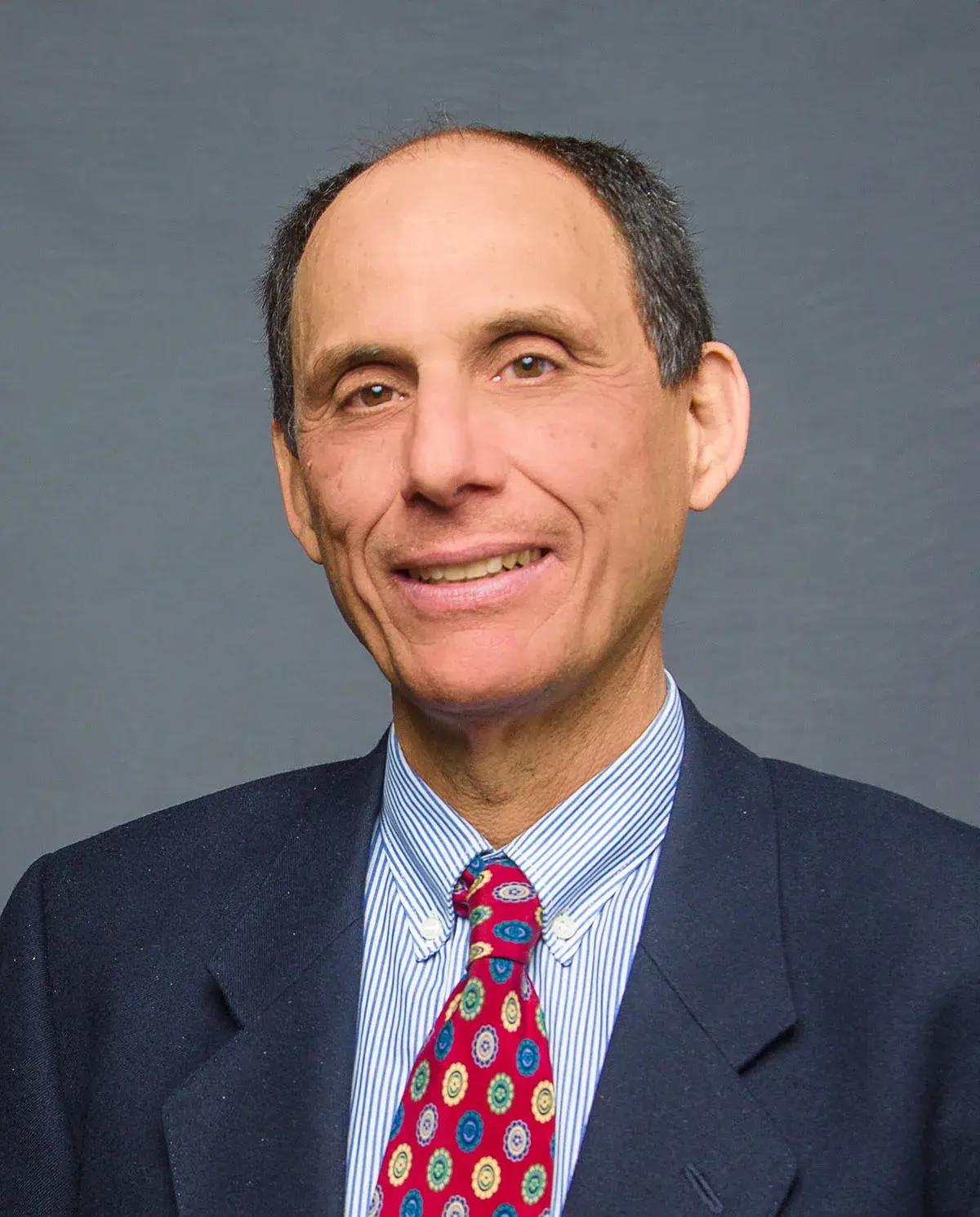
Dr. John D. Fryer is a Professor and the inaugural Director of the Center for Accelerated Nanotherapeutics at the Translational Genomics Research Institute (TGen) within the Bioinnovation and Genome Sciences Division. His research focuses on translational neuroscience with emphasis on Alzheimer's disease and related dementias, neuroinflammation mechanisms, and development of novel biologics including nanobodies and picobodies. Dr. Fryer's laboratory pursues NIH-funded research at the intersection of genetics, aging, and neuroinflammation. His work spans multiple critical areas of neuroscience including: Alzheimer's disease and related dementias, particularly the inflammatory aspects of neurodegeneration Nanobody and picobody development for therapeutic targeting of disease-critical proteins Sepsis and acute inflammation and their impact on brain function in aged individuals Psilocybin and mood disorders, studying differential brain responses to micro- versus macro-dosing Brain tumor interactions with the immune system and neurons, including the intriguing inverse relationship between Alzheimer's disease and brain tumor susceptibility Analysis of Dr. Fryer's publication record reveals a strong focus on APOE variants, microglial responses in neurodegeneration, and innovative biologics development. His research increasingly integrates multi-omic approaches including single-cell RNA sequencing and spatial transcriptomics to uncover novel therapeutic targets. His lab has developed searchable databases like www.fryerlab.com/ribotag and https://fryerlab.shinyapps.io/LBD_CWOW/ to share research data with the scientific community. Dr. Fryer has published extensively in high-impact journals including Nature Immunology, Nature Neuroscience, Science Translational Medicine, Science, and Neuron. His recent work on nanobody development for targeting Alzheimer's pathology represents a promising translational approach with potential clinical applications. His laboratory maintains active collaborations, as evidenced by the extensive co-author networks in his publications, and continues to secure NIH funding for innovative neuroscience research addressing critical challenges in neurodegenerative disease, brain inflammation, and novel therapeutic development.
Prof. Heinrich W. Origin serves as a Professor and Chair Holder in the Department of Economics at the University of Konstanz, Germany. His academic position centers on theoretical and empirical research within political economy and international economics, with institutional affiliation to one of Germany's leading research universities. His research program critically examines the intersection of political institutions and economic outcomes, specializing in international economic theory and the economic theory of politics. Core investigations include trade policy formation under political constraints, environmental policy in globalized economies, and the impact of political culture on economic performance. Methodologically, his work combines theoretical modeling with empirical analysis of political-economic interactions across diverse institutional settings. Analysis of his publication record reveals persistent thematic focus on political economy applications in international trade and environmental governance. His scholarship demonstrates consistent exploration of how constitutional structures, voter preferences, and political competition shape economic policies. The recurring analytical thread connects micro-level political behavior to macro-level economic outcomes, particularly in contexts of economic integration and institutional change.
Nuria Sanchez serves as Assistant Professor at the LIVES Centre (Interdisciplinary Centre for Research on Life Course and Vulnerabilities) within the University of Neuchâtel. Her academic profile centers on sociological investigations of family dynamics, temporal structures, and vulnerability during societal crises, with institutional affiliation to Switzerland's national research infrastructure for life course studies. Her research program critically examines time perception in family contexts, particularly focusing on life course transitions, work-family articulation among lone parents, and subjective well-being measurement. Methodologically, she integrates longitudinal panel data with qualitative life-course approaches to analyze how structural disruptions like pandemics reshape temporal agency and family practices, emphasizing gendered experiences and post-separation dynamics. Publication analysis (2021-2024) reveals three dominant trajectories: 1) Temporal reorganization during crises (pandemic lockdowns), 2) Conceptual innovations in life course theory (relative time frameworks), and 3) Methodological advances in well-being measurement. Her work consistently centers marginalized populations—particularly lone parents—while bridging micro-level time experiences with macro-social transformations through Swiss Household Panel data. No scientific awards were documented in available sources. While student supervision details remain unspecified, her active co-authorship with researchers like Laura Bernardi and Benjamin Moles-Kalt suggests collaborative mentorship within the LIVES network. No grant funding information appears in current records, though her Swiss Household Panel publications imply access to national research infrastructure. Sanchez operates within the LIVES Centre—a Swiss National Centre of Competence in Research (NCCR)—which facilitates interdisciplinary collaboration across 15+ Swiss institutions to study life course vulnerabilities through longitudinal methodologies, with particular emphasis on family transitions, health inequalities, and social policy impacts.
Hans Van Oosterwyck serves as a full Professor in the Department of Mechanical Engineering at KU Leuven's Faculty of Engineering Sciences. He leads the Prometheus-Mechanobiology subdivision and actively contributes to the iSi Health and LIMNI research institutes, driving interdisciplinary work at the engineering-biology interface. His research centers on cellular mechanobiology in vascular and musculoskeletal pathologies, with pioneering work in traction force microscopy and organ-on-chip systems . Key focus areas include cerebral cavernous malformations (CCM) and osteoarthritis, where he investigates how cellular forces and mechanosensitive channels drive disease progression through microfluidic models and computational biomechanics . Analysis of his 2023-2025 publications reveals a dominant trend toward 3D force measurement techniques in disease modeling, particularly using degradable hydrogels for chondrocyte studies and vessel-on-chip platforms for CCM. Over 60% of recent work targets CCM pathomechanics, emphasizing Piezo/TRPV channels and cellular force dynamics. Prof. Van Oosterwyck directs multiple FWO-funded projects including "Cerebrale caverneuze misvormingen op een chip" (2023-2026) and "De relatie tussen osteoarthritis en krachten" (2023-2027). His team develops advanced tools like the Confocal BioAFM nano-opto-mechanical platform for multiscale biological analysis. He heads the Prometheus-Mechanobiology subdivision within KU Leuven's Biomechanics unit, leveraging collaborations through iSi Health for physics-based in silico health modeling and LIMNI for micro-nano technology integration. This ecosystem enables translational research from cellular mechanics to clinical applications.
Dr. Naomi Carrard serves as Research Director at the Institute for Sustainable Futures (ISF) at the University of Technology Sydney, where she has held progressively senior research roles since 2006. With 20 years of applied research experience, she leads transdisciplinary research initiatives that co-produce knowledge with organizations across the Asia-Pacific to advance sustainable and inclusive water futures. Her academic journey includes positions as Research Consultant (2006-2008), Senior Research Consultant (2008-2012), Research Principal (2012-2018), and Research Director (2018-2024). Dr. Carrard's educational background features: PhD in sustainability transformations for water and sanitation from University of Technology Sydney Master of Environmental Law from University of Sydney Bachelor of Liberal Studies - Geography (Hons) and History from University of Sydney Leadership, Excellence, Accelerated Development (LEAD) Program at UTS (2024) Competence in Complexity training from International Futures Forum, Scotland (2022) Her research integrates systems thinking with practical implementation to address water security, circular economy applications, and climate resilience in water and sanitation services. Dr. Carrard specializes in gender-transformative approaches within WASH programming, having co-developed the WASH Gender Equality Measure (WASH-GEM) and advanced methodological frameworks for evaluating gender outcomes. Her work bridges governance frameworks with sustainable change, focusing particularly on inclusive service delivery in Global South contexts. Analysis of Dr. Carrard's publication record reveals a strategic evolution toward integrating circular economy principles with water and sanitation systems, developing frameworks for climate-resilient services, and advancing gender-transformative methodologies. Her recent work demonstrates increasing attention to knowledge co-production approaches that bring together diverse stakeholders to address complex sustainability challenges across multiple scales. Dr. Carrard has received recognition including the Endeavour Research Leadership Award (2019). She actively contributes to scholarly discourse through editorial work for journals including Frontiers in Water and Nature Water, and serves on the Institute Board at UTS (2022-2025). As a research leader, Dr. Carrard supervises Masters and PhD students and has secured significant funding from organizations including Department of Foreign Affairs and Trade, UNICEF, and SNV Netherlands Development Organisation. Her professional engagement extends to memberships in the International Water Association, Sustainable Sanitation Alliance, Global Alliance for Inter- and Transdisciplinarity, and Climate Resilient Sanitation Coalition, reflecting her commitment to addressing water and sanitation challenges through collaborative, interdisciplinary approaches that advance multiple UN Sustainable Development Goals.
Junior Professor Dr. Helena Kliche is a social-pedagogical researcher who, until 31 August 2025, held the junior professorship for Social Pedagogy in the Department of Social Pedagogy III, Faculty I (Educational Sciences) at the University of Trier, Germany. On 1 September 2025 she moved to the University of Klagenfurt, Austria. Her work centres on educational inequality, residential care and homelessness, using ethnographic and mixed-methods designs. Education Dr. phil., University of Siegen, Faculty II, July 2020 – Dissertation: "The social practice of school-related learning and practice in residential groups of child and youth welfare services" 1st State Examination for Teaching at Grammar Schools and Comprehensive Schools, University of Siegen, 2018 (Supplementary subject Social Sciences) 1st State Examination for Teaching at Grammar Schools and Comprehensive Schools, University of Siegen, 2014 (Educational Science, Pedagogy, German) Research Focus Helena Kliche’s research explores how formal education interacts with residential care, youth welfare services and homelessness. Employing ethnographic and biographical methods, she investigates homework practices, educational transitions, and the reproduction of social inequality within out-of-home care settings. Her work also examines eating habits of adolescents in residential care and cross-sector collaboration between schools and social services. Projects & Funding Formal Education and Homelessness – a biographical preliminary study , funded by the University of Trier Research Fund (2022-2023) PIONEERED – Pioneering policies tackling educational inequalities in Europe , EU Horizon 2020 (2021-2024, site associate scientist) Eating habits of adolescents in residential child care , DFG-funded mixed-methods study (2018-2022) Youth welfare institutions with schools & SchoolEducation in Educational Support , funded by MKW NRW and own funds (2015-2020) Scientific Awards & Recognition No specific awards are listed in the provided material; however, her 2024 positive interim evaluation of the junior professorship reflects institutional recognition. Teaching & Supervision At the University of Trier she taught seminars on social-pedagogical transitions, inequality reproduction, sexual violence in educational organisations, and support planning in child and youth services. She maintains consultation hours for thesis supervision and is deputy chair of the Educational Science Examination Board. Labs & Teams Helena Kliche collaborates within the Social Pedagogy III research unit and co-leads working groups such as "Homelessness as a crisis" and "The Temporality of Social Exclusions" . She is also deputy Equal Opportunities Officer for Faculty I and an active member of DGfE, IGFH/FICE and DGfPI.
Prof. Dr. Sascha Raithel is a Full Professor (W3) of Marketing at the School of Business and Economics, Freie Universität Berlin. His research focuses on the intersection of marketing and sustainability, particularly product safety risk management, brand equity, and corporate social responsibility. He has also founded the first dedicated research center for product recall management ( www.productrecallresearch.org ). Education: PhD in Business Administration (Doktor der Staatswissenschaften) from Ludwig-Maximilians-Universität München (2011) Master of Business Research from Ludwig-Maximilians-Universität München (2009) Diplom-Kaufmann Univ. in Business Administration from University of Augsburg (2003) Research Interests: Raithel’s work explores how product recalls and brand crises affect consumer trust, corporate reputation, and long-term organizational performance. His framework examines brand creation, monetization, and preservation, with a micro-level focus on customer behavior and macro-level analysis of societal accountability. Recent Publications: His 2024 article in Journal of the Academy of Marketing Science analyzes product recall effectiveness, while his 2022 study in the same journal investigates remedy strategies post-recall. He also examines sustainability-related anti-consumer behavior and CSR impacts on financial outcomes. Awards: Habilitation Thesis Award, Association of Friends of Ludwig-Maximilians-Universität Munich (2015) Dissertation Award, Forum Münchener Betriebswirte e.V. (2011) EIASM Conference Best Paper Awards (2018, 2009) Shelby D. Hunt AMSR Best Article of the Year (2024) Teaching: Raithel has taught courses on market analysis, empirical research methods, and brand management at institutions like Freie Universität Berlin and EMLyon Business School, emphasizing conceptual competence, analytical skills, and empirical methodologies in his lectures.
Prof. Avinoam Rabinovich is a faculty member at the School of Mechanical Engineering within The Fleischman Faculty of Engineering at Tel Aviv University. His research focuses on flow phenomena in subsurface formations, particularly related to oil and gas reservoirs, groundwater systems, and CO 2 storage in saline aquifers. His educational background includes dual B.Sc. degrees in Mathematics and Geophysics and Planetary Sciences (both Magna Cum Laude) from Tel Aviv University (2003-2007), followed by an M.Sc. in Geophysics (Magna Cum Laude) with a thesis on "Vorticity inversion and action-at-a-distance in stably stratified shear flow instability" (2007-2009), and a Ph.D. in Mechanical Engineering with research on "Heat and mass flow in heterogeneous media - characterization and effective properties" (2010-2014). Prof. Rabinovich's research interests span multiple areas of subsurface flow physics. His work primarily investigates multiphase flow in porous media , with specific focus on effective properties , upscaling for numerical flow simulations , core characterization , capillary heterogeneity effects , and oscillatory flow . His research approach is predominantly theoretical but incorporates experimental data analysis, with emphasis on developing practical tools for engineers while advancing fundamental understanding of flow mechanics. His publication record demonstrates consistent contributions to understanding subsurface flow phenomena, particularly in the areas of CO 2 storage modeling, effective properties in heterogeneous media, and oscillatory flow applications. His work bridges theoretical fluid mechanics with practical petroleum engineering and environmental applications, showing particular expertise in analytical solutions and upscaling techniques for complex flow scenarios. Prof. Rabinovich teaches graduate-level courses at Tel Aviv University including "Flow in Oil and Natural Gas Reservoirs" and "Reservoir Engineering - Basics of Natural Gas and Oil Production," contributing to the education of future engineers in this specialized field.
Zach Agioutantis is the Foundation Professor and Department Chair of Mining Engineering at the University of Kentucky's Stanley and Karen Pigman College of Engineering. He has held academic positions at the Technical University of Crete, Greece, from 1989 to 2014, including roles as Professor, Director of the Rock Mechanics Lab, and various faculty ranks. PhD, Mining and Minerals Engineering, Virginia Tech (1987) MSc, Mining and Minerals Engineering, Virginia Tech (1984) Diploma, Mining and Metallurgical Engineering, National Technical University of Athens (1982) His research spans Rock Mechanics, Geomechanics, Subsidence Engineering, Data Management, and Sustainable Mining . Recent work focuses on blast vibration modeling, groundwater flow simulation, and transitioning from open-pit to underground mining. He has pioneered LiDAR navigation in underground openings and developed software tools for mine design. Zach's 15 most recent publications (2025–2024) address dynamic subsidence prediction, coal pillar stability, autonomous mining systems, and environmental impacts of longwall mining. Key subfields include Blast Fragmentation , Geohazard Assessment , and Mine Automation . He has directed the Rock Mechanics Lab at Technical University of Crete and contributed to software development projects like Analysis of Coal Pillar Stability (ACPS). His work integrates machine learning and numerical modeling for methane gas forecasting and structural safety in mines.
Reinhold Schodl serves as Professor and Head of the Bachelor's program in Logistics and Transport Management at the University of Applied Sciences BFI Vienna, leveraging his engineering degree, business degree, and doctorate alongside international teaching and practical experience to shape logistics education. His academic foundation includes: Engineering Degree Business Degree Doctorate Professor Schodl's research centers on logistics management, supply chain management, and transport/traffic systems with specialized focus on logistics trends, sustainability integration, human resource challenges, e-commerce impacts, and urban logistics solutions. His work addresses critical industry transformations driven by digitalization and environmental pressures in global supply chains. Analysis of his publications reveals consistent investigation into urban logistics innovations, particularly micro-hub implementations and multimodal transport solutions. His research bridges practical industry applications with academic rigor, emphasizing sustainability metrics, regional impact assessments, and technological integration across European logistics networks. No scientific awards or fellowships were documented in the source material. He actively leads seven major research initiatives including alBOX (parcel segment business models), Logistics Concierge (micro-hub service integration), Inned (technology-driven network design), CommunityHub (shared urban logistics space), Q4 (multimodal freight nodes), Benchmark TransSped (vehicle data benchmarking), and Optihubs (water-segment logistics optimization), demonstrating strong industry engagement and practical research orientation. The available information does not specify dedicated laboratories or permanent research teams under his leadership, though his project portfolio indicates collaborative cross-institutional work.
Dr. Navid Bahrani is an Associate Professor and Graduate Coordinator in the Department of Civil and Resource Engineering at Dalhousie University's Faculty of Engineering in Halifax, Nova Scotia, Canada. With over 10 years of professional experience in mining geomechanics, he brings both academic expertise and practical industry knowledge to his teaching and research. Dr. Bahrani's educational background includes: Bachelor of Science in Mining Engineering from Azad University, Tehran, Iran (2006) Master of Science in Mining Engineering from University of Alberta, Edmonton, Canada (2009) Doctor of Philosophy in Natural Resources Engineering from Laurentian University, Sudbury, Canada (2015) Post-Doctoral Fellowship at the University of Toronto's Lassonde Institute of Mining (2015-2017) Dr. Bahrani's research focuses on mining geomechanics , with particular emphasis on rock mechanics, underground excavation support design, numerical modeling in geotechnical engineering, brittle fracture phenomena, and rock slope stability. His work bridges theoretical understanding with practical applications in mining and civil engineering projects. He employs advanced computational methods to simulate rock behavior under various loading conditions, with special attention to the mechanical response of jointed and defected rock masses. His research has significant implications for mine design, ground support systems, and slope stability analysis in both mining and civil engineering contexts. Analysis of Dr. Bahrani's publication record reveals a strong focus on the application of numerical modeling techniques to solve complex rock mechanics problems. His work demonstrates evolving expertise from fundamental rock mechanics characterization to sophisticated 3D modeling of mining-induced stress changes and support system behavior. A notable trend in his research is the development and validation of grain-based models that bridge the gap between continuum and discontinuum approaches in rock mechanics simulation. His publications consistently address practical engineering challenges while advancing theoretical understanding of rock mass behavior. Dr. Bahrani has received recognition for his scholarly contributions: Peter Cundall Honorable Mention Award for paper: 'Bahrani N. and Kaiser P.K. 2016. Integrated grain-based-DFN model for simulation of defected rock, Proceedings of the 4th Symposium on Applied Numerical Modeling, Peru.' As Graduate Coordinator for the Department of Civil and Resource Engineering, Dr. Bahrani oversees graduate programs and advises students in mining and geotechnical engineering. His research has been supported by collaborations with industry partners including MIRARCO's Geomechanics Research Centre and various mining operations across North America. He has been involved in numerous projects related to in situ stress measurement, rock mass deformation monitoring, laboratory testing, and numerical modeling for practical mining applications. Dr. Bahrani maintains active professional affiliations with several organizations including the International Society for Rock Mechanics (ISRM), Canadian Rock Mechanics Association (CARMA), Canadian Geotechnical Society (CGS), International Society of Explosives Engineers (ISEE), and The Canadian Institute of Mining, Metallurgy and Petroleum (CIM). His work connects with broader research communities focused on rock mechanics and geotechnical engineering applications in mining contexts.
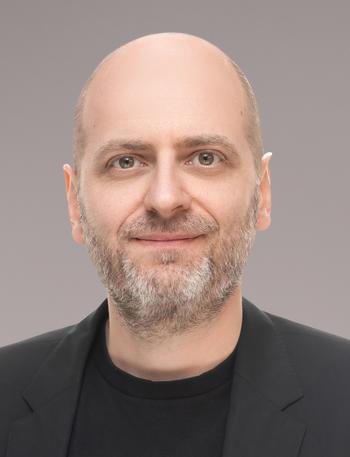
Dr. Jörg Pohle is a PostDoc researcher at the Humboldt Institute for Internet and Society (HIIG) where he heads the research programme 'Data, actors, infrastructures: The governance of data-driven innovation and cyber security' and the 'Global Privacy Governance' project. His interdisciplinary work bridges Informatics, Law, and Sociology, focusing on data protection theory and practice, privacy governance, and the societal implications of digital technologies. Pohle completed his doctorate at Humboldt-Universität zu Berlin with a dissertation on the history and theory of data protection and its implications for ICT system design. His academic background spans Law, Political Science, and Computer Science, with early work examining security of voting computers and related security discourse. His research interests include the intersections of Informatics and Law, Informatics and Sociology, modellification processes, and data protection by design. He has developed critical frameworks like 'Welt → Modell → Technik → Welt' for analyzing how power structures become embedded in sociotechnical systems. His work often takes historical perspectives on data protection debates while addressing contemporary challenges in technology governance. Analysis of his recent publications reveals a strong focus on translating data protection principles into practical applications, particularly in healthcare contexts like nursing care and pandemic response. His research increasingly addresses AI governance challenges, examining large language models' impact on scientific practices and developing legal design patterns for law-technology translation. He advocates for freedom-preserving approaches to digital governance and information separation of powers in digital environments. Pohle serves as a board member of the Working Group on Digitalization as a Challenge for Sociological Theory within the German Sociological Society. He has contributed to significant research projects including 'Strengthening Digital Skills through Micro-Credentials,' 'DUCAH @ HIIG,' and 'Making Repositories and AI Systems Usable in Everyday Nursing Care.' He is a prolific organizer of the annual Interdisciplinary Workshop on Privacy, Data Protection & Surveillance and regularly contributes to policy discussions through media appearances in Handelsblatt, Leipziger Volkszeitung, and specialized podcasts examining the intersection of IT and law.
Andreas Fagereng is a Professor of Finance at BI Norwegian Business School and a Senior Researcher at Statistics Norway. He serves as Co-director of the Centre for Household Finance and Macroeconomic Research (HOFIMAR) and is a member of the Research Policy Network on Household Finance at the Center for Economic Policy Research (CEPR). His academic career spans prestigious institutions including Statistics Norway, Norges Bank, and the European University Institute. Dr. Fagereng earned his PhD in Economics from the European University Institute in 2012 and his MSc in Economics from the University of Oslo in 2007. His research focuses on household finance and macroeconomics, particularly examining wealth inequality, consumption behavior, and the relationship between household financial positions and economic outcomes. His work frequently utilizes detailed Norwegian administrative data to investigate asset allocation patterns, investor behavior, and household responses to economic shocks. His extensive publication record reveals consistent themes in analyzing how households respond to income fluctuations, the heterogeneity in returns to wealth across different population segments, and the intergenerational transmission of economic advantage. Dr. Fagereng's research employs sophisticated methodologies including natural experiments, panel data analysis, and structural modeling to address fundamental questions in household finance. Among his notable recognitions is the prestigious ERC Starting Grant for his project 'Inequality in 3D – Measurement and Implications for Macroeconomic Theory (3D-In-Macro)' (2020-2025), which supports his innovative work at the intersection of micro-level household data and macroeconomic theory. Dr. Fagereng's research has significant policy implications for understanding wealth distribution dynamics, designing effective economic stabilization policies, and improving macroeconomic models that incorporate household heterogeneity. His collaborations with leading researchers worldwide have positioned him at the forefront of the growing field examining the connections between household financial decisions and broader economic outcomes.