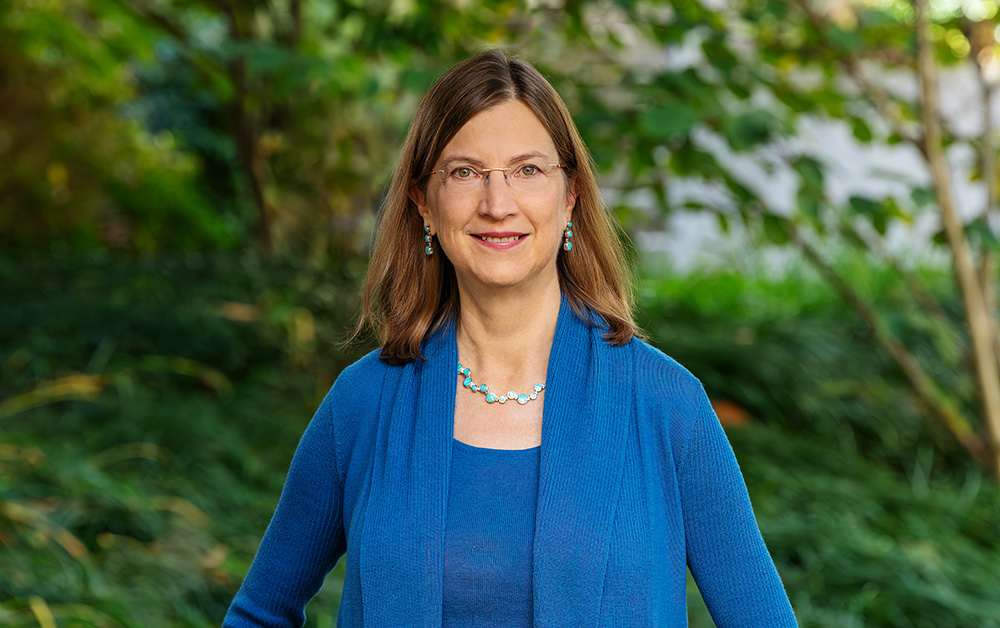
Prof. Pabitra Choudhury is a Professor and Department Chair of Chemical Engineering at New Mexico Tech. He leads the Nanosystems Modeling and Simulation Laboratory (NMSL), focusing on advanced materials for energy and environmental applications. His research spans multiscale modeling, additive manufacturing materials, catalysis, and proton transport membranes. Research Interests: Electrocatalysis for fuel cells and renewable energy systems Graphene-based nanomaterials and 2D materials engineering Hydrogen storage and proton-conducting membranes Surface engineering and single-atom catalysts Thermoelectric materials and interfacial phenomena in alloys His publications highlight innovations in non-precious metal catalysts, such as FePc-functionalized graphene for ORR applications, and atomistic insights into alloy dendrite growth. He has supervised over 20 graduate and undergraduate students, with a focus on advancing sustainable energy materials. Funding Sources: Semiconductor Research Corporation, American Chemical Society Petroleum Research Fund
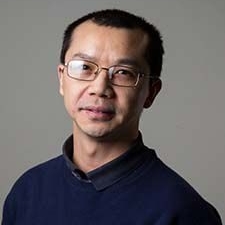
Xiaobo Chen is a Professor in the Department of Chemistry at the University of Missouri-Kansas City (UMKC), School of Science and Engineering, where he has been a faculty member since 2011. His research is focused on developing advanced nanomaterials for sustainable energy and environmental applications. Education: Ph.D. in Chemistry, Case Western Reserve University, 2005 M.S. in Chemistry, Dalian Institute of Chemical Physics, Chinese Academy of Sciences, 2001 B.S. in Chemistry, Peking University, 1998 Dr. Chen's research interests lie at the intersection of materials science and sustainable technology. He specializes in the synthesis and characterization of nanomaterials for energy conversion and environmental remediation. His work emphasizes photo- and electro-catalytic processes for hydrogen production , CO2 conversion into fuels (such as methane, formic acid, ethanol), and nitrogen fixation to produce ammonia and hydrazine. He also investigates materials for organic pollutant and metal ion removal , microwave shielding , and plastic reuse , aiming for a cleaner, more sustainable future. His expertise includes a wide range of materials characterization techniques, such as UV-vis absorption, fluorescence, Raman spectroscopy, X-ray diffraction (XRD), electron spin resonance (ESR), microwave dielectric and magnetic property analysis, and surface area/porosity measurements. This comprehensive approach allows for the rational design and evaluation of high-performance catalysts and functional materials. While no specific scientific awards are listed in the provided text, Dr. Chen's research trajectory suggests significant contributions to the fields of catalysis and nanomaterials. His work has the potential to impact clean fuel generation, rechargeable batteries, supercapacitors, and pollution control technologies. Dr. Chen advises graduate students in chemistry and materials science, guiding research in nanomaterial synthesis and catalytic applications. Although specific grants are not mentioned, his research scope indicates likely funding from federal and private sources supporting sustainable energy and environmental innovation. He leads a research group focused on developing next-generation materials for global challenges. Dr. Chen's laboratory is equipped for advanced nanomaterial synthesis and comprehensive physicochemical characterization. His team works on designing and testing novel photo/electro-catalysts for energy and environmental applications, operating at the forefront of sustainable materials engineering.
Dr. Charlie Beard is an Assistant Professor in Economic Geology at Utrecht University's Department of Earth Sciences. His research focuses on geodynamic and magmatic controls on mineralization of critical raw materials for renewable energy, integrating field, experimental, and theoretical approaches to optimize exploration strategies. Education: M.Sc. degrees from the University of Bristol (UK) and University of British Columbia (Canada), Ph.D. from McGill University (Canada, 2018). Previous positions included roles at British Geological Survey (Edinburgh), Université Grenoble Alpes/Sisprobe SAS, University of Brighton, and University of Cambridge. Research Interests: Specializes in alkaline-silicate REE-HFSE systems, magmatic processes in rift settings, and regolith-hosted REE deposits. Active in projects like the Gardar Rift REE belt and Arctic lake methane dynamics. Teaching: Leads courses in Petrology, Geochemistry, and Sustainable Mineral Resources across Utrecht University and Vrije Universiteit Amsterdam. Labs/Teams: Involved in interdisciplinary projects funded by NWO and EU initiatives, collaborating with institutions globally. Current group includes 3 BSc, 2 MSc students, and an upcoming PhD candidate.
Dr. Paul Carnell is a Senior Lecturer in the School of Science at RMIT University, specializing in natural capital assessment and ecosystem restoration. His research focuses on quantifying ecosystem services in marine and freshwater environments, particularly kelp forests, saltmarshes, and wetlands, using UN frameworks like the SEEA. He leads projects applying novel methods for ecosystem valuation and restoration, emphasizing practical applications in coastal management. Key Roles: Leading research on ecosystem accounting, advising government and NGOs on coastal restoration, and teaching environmental science courses. Research Interests: Blue carbon dynamics, biodiversity valuation, climate mitigation through restoration, and policy integration. His work bridges scientific research with real-world impact, including partnerships with organizations to implement restoration projects and policy frameworks. Recent publications highlight advancements in carbon sequestration quantification, permit streamlining for restoration, and the economic benefits of marine ecosystems. Dr. Carnell's articles emphasize interdisciplinary approaches, combining ecological data with economic modeling to demonstrate ecosystem services' value. He collaborates internationally, contributing to global blue carbon initiatives and regional policy development.
Christian Lamprecht is a PhD student and researcher at the University of Innsbruck's Department of Atmospheric and Cryospheric Sciences, focusing on urban air quality and atmospheric chemistry. He contributes to the Innsbruck Atmospheric Observatory (IAO), investigating pollution dynamics, volatile organic compounds (VOCs), and climate impacts in alpine urban environments. His work includes analyzing NOx, methane, and CO2 emissions, particularly during events like lockdowns, using advanced techniques like eddy covariance and proton-transfer reaction mass spectrometry. Lamprecht also organizes the International Mountain Conference Series and Summerschool and supports IAO lab operations. Education: MSc (not detailed here). His research spans urban meteorology, aerosol science, and environmental policy implications of emission changes. Recent projects address anthropogenic vs. biogenic VOC contributions and statistical modeling of methane flux gaps in urban settings. Key Research Areas: Urban pollution dynamics, climate-alpine interactions, lockdown emission impacts, and advanced measurement techniques. His studies highlight the role of NOx in ozone fluxes and methane sources in central Europe. Lab & Teams: Active in the IAO lab and collaborates with teams across atmospheric and ecological sciences. Technical roles include lab technician support and event organization.
Isaac Rodrigues Dos Santos is a Professor at the Department of Marine Sciences, University of Gothenburg. His research focuses on blue carbon ecosystems, including mangroves, seagrass meadows, and saltmarshes, with an emphasis on their roles in carbon sequestration and climate change mitigation. He was awarded a SEK 9.1 million grant from the Swedish Research Council in 2020 for the project 'Resolving the missing carbon sink in blue carbon ecosystems: Oceanic outwelling,' positioning Sweden at the forefront of this emerging field. His work integrates biogeochemical processes, submarine groundwater discharge, and coastal acidification dynamics. Key research interests include the aquatic pathways of carbon cycles, the impact of human activities on coastal wetlands, and the development of nature-based solutions for carbon sequestration. He leads projects combining field studies, radium isotope tracing, and advanced modeling to understand carbon fluxes in coastal systems. His team uses the research vessel Skagerak for fieldwork, enhancing data collection in Nordic and global marine environments. Notable achievements include pioneering studies on inorganic carbon outwelling from tidal wetlands and its effects on coastal acidification. His work addresses gaps in understanding carbon sinks, such as the role of porewater exchange and crab bioturbation in greenhouse gas emissions. He also collaborates internationally, contributing to datasets like EURO-CARBON and advancing methodologies for assessing blue carbon stocks globally. Recognition includes the Devendra Lal Medal 2023 for contributions to geochemistry. His research bridges environmental science and policy, advocating for the preservation of coastal ecosystems to combat climate change.
Einar Vargas Bello Pérez is a researcher specializing in animal science and livestock nutrition, focusing on sustainable feed solutions, methane reduction in ruminants, and the application of artificial intelligence in agricultural systems. His work spans improvements in animal productivity, environmental impact mitigation, and food safety through innovative feed additives and biotechnological approaches. Key research areas include dietary supplementation for sheep and goats, alternative protein sources, and the use of plant-derived compounds to enhance livestock performance and reduce emissions. He has contributed to cross-continental studies on dairy science and AI-driven agricultural practices. Collaborations involve institutions in Latin America, Europe, and Africa, addressing global challenges in ruminant production and food technology. Recent publications emphasize the role of bioactive compounds (e.g., Astragalus mollissimus, PVA-Nisin films) in enhancing feed efficiency and reducing pathogens in dairy products. His work also explores AI applications to optimize livestock management and improve decision-making in farming systems.
Dr. John Kirtley is an Associate Professor in the Department of Chemistry and Geochemistry at Montana Technological University, part of the Lance College of Mines & Engineering. His research is aligned with renewable energy, biomaterials, nanomaterials, and energy storage materials, with a focus on high-temperature chemical processes for environmental sustainability. Dr. Kirtley earned his Ph.D. in Chemistry from Montana State University in 2015, followed by a National Research Council Postdoctoral Fellowship at the US Naval Research Laboratory and a postdoctoral position at Washington State University. He joined Montana Tech in 2019 as a Visiting Assistant Professor and was promoted to Assistant Professor (2019–2023) and then Associate Professor (2023–present). His research centers on alternative energy technologies, particularly solid oxide fuel cells (SOFCs), where he integrates operando Raman, infrared, and thermal imaging techniques to study high-temperature electrochemistry. Earlier work involved biochar as a tunable platform for removing aqueous pollutants, reflecting a consistent theme of sustainable materials and environmental applications. His recent publications span topics in protonic ceramic fuel cells, anode characterization, spatially heterogeneous chemistry in SOFCs, and waste biomass valorization. These works reflect a strong interdisciplinary trend combining materials synthesis, spectroscopy, and energy conversion, with a focus on real-time, in situ analysis of dynamic chemical systems. Notable awards include the competitive National Research Council Postdoctoral Fellowship and repeated nominations for the Rose and Anna Busch Faculty Achievement Award. He also served as an alumni panelist for the Office of Naval Research in 2023. National Research Council Postdoctoral Fellowship (2016) Rose and Anna Busch Faculty Achievement Award Nominee (2022, 2023) Alumni Panelist, ONR NURP Review Meeting (2023) Dr. Kirtley has secured over $0.5 million in research funding through the Army Research Lab cooperative agreement, supporting both graduate and undergraduate researchers in the Materials Science and Engineering Ph.D. program. He actively mentors students and integrates them into high-impact research projects. He teaches core chemistry courses including Physical Chemistry, Inorganic Chemistry, and Computational Chemistry. He is a member of the American Chemical Society and the Electrochemical Society. His laboratory emphasizes advanced materials fabrication, electrochemical analysis, and the integration of optical spectroscopy for studying extreme-environment chemical processes.
Seth Lyman serves as Research Professor and Director of the Bingham Energy Research Center at Utah State University, holding dual appointments across Statewide Campuses (Vernal) and the College of Arts & Sciences, Department of Chemistry and Biochemistry (Logan). His work bridges energy research with environmental chemistry through field investigations in oil/gas regions. Dr. Lyman's research centers on atmospheric mercury speciation, ozone formation mechanisms, and hydrocarbon emissions from energy operations. His laboratory employs advanced measurement systems for reactive mercury compounds and utilizes multi-site field campaigns across western US basins. Key methodologies include membrane-based sampling, HYSPLIT trajectory modeling, and optical gas imaging for emission quantification. Analysis of his publication record reveals consistent focus on reactive mercury chemistry since 2006, with recent work emphasizing winter ozone dynamics in Utah's Uinta Basin and methane leakage from natural gas infrastructure. His 2020-2023 publications demonstrate methodological refinements in mercury measurement accuracy and multi-evidence approaches to atmospheric chemistry. No scientific awards were documented in the provided materials. Information regarding student advising or research grants was not specified in the available sources, though his directorship of the Bingham Energy Research Center implies oversight of funded projects related to energy-environment interactions. As Director of the Bingham Energy Research Center, Dr. Lyman leads interdisciplinary teams investigating air quality impacts from oil/gas production, particularly focusing on reactive pollutant formation during winter stagnation events. The center maintains field operations in the Uinta Basin and collaborates with state environmental agencies on emission characterization studies.
Prof. Dr. İzzet Karakurt , currently serving as an academic staff member at the Department of Mining Engineering , Faculty of Engineering, Karadeniz Technical University, specializes in areas including Abrasive Water Jet Rock Cutting , Energy Planning and Modeling , and Greenhouse Gas Emissions from Energy Sources . With a career spanning since 2003, he has been involved in 11 research projects funded by Karadeniz Technical University (2 as principal investigator, 8 as researcher). Education: B.Sc. in Mining Engineering, Karadeniz Technical University (2003) M.Sc. in Mining Engineering (2007) Ph.D. in Mining Engineering (2011) Academic Progression: Research Assistant, Karadeniz Technical University (2003-2007) Erasmus Student at Leoben University, Austria (2007) Assistant Professor (2012) Associate Professor (2015) Professor (2021) His research focuses on abrasive water jet cutting performance , energy planning and modeling , and CO₂/CH₄ emission assessments , with a notable emphasis on commercial and waste materials for abrasive applications. He contributes to international journals as a peer reviewer. Scientific Awards: Lisans Bölüm Birinciliği Ödülü (2003) Bilim Teşvik Ödülü (2014) Ar-Ge Proje Ödülü (2013) Bilimsel Performans Ödülü (2013) Outstanding Reviewer Ödülü (2014) Bilim Ödülü (2023) Stanford Üniversitesi Etkili Bilim İnsanları Listesi (2020-2023) AD Scientific Index 2022 Üretken Bilim İnsanları Listesi Advising: Supervised 2 Master's and 1 PhD theses Currently advising 1 PhD and 1 Master's student Contact: karakurt@ktu.edu.tr | Official Profile
Francesco Barracco is a Research Fellow at the Department of Energy (DENERG) and a PhD Student in Chemical Engineering at the Department of Applied Science and Technology (DISAT) of the Polytechnic University of Turin. His academic roles include serving as an External Teacher and Teaching Assistant at DISAT, contributing to Master's Degree Courses such as Sustainability in the Chemical Industry and Engineering and Management . PhD : Chemical Engineering, Polytechnic University of Turin (2021-2024) Barracco's research focuses on chemical and environmental engineering, particularly the pyrolysis of post-consumer plastic waste and its conversion into industrial resources for wastewater treatment. His work emphasizes kinetic and thermodynamic modeling , adsorption processes , and resource recovery . His publications highlight trends in environmental sustainability, including circular economy practices and green manufacturing . He investigates the lifecycle of waste-derived materials, such as methane-assisted energy recovery and MSWI fly ash valorization for glass-ceramic production. Barracco has earned the Open Badge Communicating Your Research to the Citizens from Polytechnic University of Turin on 01-07-2025. He actively collaborates on academic courses related to sustainable engineering and industrial management.
Michael Helmut Boy is a tenured Professor at the University of Helsinki, affiliated with the Institute for Atmospheric and Earth System Research. His work spans atmospheric chemistry, aerosol dynamics, and climate modeling, with a focus on biogenic volatile organic compounds and their role in nanoparticle formation. University of Helsinki (2022–present): Professor University of Helsinki (2009–2022): University Researcher Ludwig-Maximilians-Universität München (1998–present): Master in Meteorology His research integrates computational models with field measurements to understand atmospheric processes in boreal forests and urban environments. Key themes include: Secondary organic aerosol formation Climate feedback mechanisms OH and NO3 reactivity Forest-atmosphere interactions Urban pollution dynamics Recent publications highlight neural network emulators for atmospheric chemistry and studies on highly oxygenated molecules in boreal climates. Scientific awards include Academy Research Fellow at the Academy of Finland.
Lars Yde is a Specialist Consultant at SDU Life Cycle Engineering, affiliated with the Department of Green Technology (IGT) at the University of Southern Denmark. He actively contributes to research and teaching in biogas technologies, focusing on biomethanation, anaerobic digestion, and reactor engineering. His research explores nutrient optimization for biomethanation, microbial dynamics in thermophilic trickle bed reactors, and pyrolysis applications for waste valorization. He investigates CO conversion mechanisms, retention time effects, and microbiome interactions in biogas systems. Recent publications highlight his work on thermophilic CO2-to-methane conversion, pyrolysis scrubber liquids in anaerobic digestion, and microbial community analysis. His studies emphasize scalability, reactor performance, and environmental sustainability. Scientific Awards: SDU Innovation Prize (2022) TEK Innovation Prize (2022) Yde supervises research projects on trickle bed reactor design and mathematical modeling of biomethanation processes. He collaborates on initiatives like the BioTechCCU project (CO2 conversion to chemicals) and the eFuel project, which integrates bio-trickling filters with oxy-fuel reactor technologies.
Denise L. Mauzerall is a Professor at Princeton University with dual appointments at the Princeton School of Public and International Affairs (SPIA) and the Department of Civil and Environmental Engineering. She serves as Core Faculty at the Center for Policy Research on Energy and the Environment (C-PREE) and holds Associated Faculty roles at the Andlinger Center for Energy and the Environment, High Meadows Environmental Institute, Geosciences Department, Atmospheric and Oceanic Sciences program, Princeton Institute for International and Regional Studies, and Center on Contemporary China. Additionally, she chairs Executive Committees for the Andlinger Center and M.S. Chadha Center for Global India while directing SPIA's Doctoral Studies program. Her academic foundation includes a Ph.D. in Atmospheric Chemistry from Harvard University, an M.S. in Environmental Engineering from Stanford University, and a Sc.B. with honors in Chemistry from Brown University. Mauzerall's research integrates atmospheric science with policy development to address air quality and greenhouse gas mitigation. Her group rigorously analyzes co-benefits across climate, public health, and food security through sector-specific interventions in residential, transport, power, industrial, and agricultural systems—primarily in China but with global relevance. Notable work includes identifying methane leakage from abandoned oil/gas wells that directly influenced the $4.7 billion U.S. Infrastructure Law funding for well-plugging initiatives. Her approach emphasizes cross-disciplinary collaboration with energy, economic, health, and agricultural experts to translate scientific findings into actionable policy frameworks. Recent publications (2024-2025) reveal a strategic focus on energy system optimization, clean heating transitions, and pollution-climate interactions. Key trends include high-resolution modeling of electricity systems, smart meter adoption barriers in developing economies, atmospheric stagnation impacts on Indian air quality, and decarbonization pathways for Chinese urban heating—demonstrating consistent emphasis on data-driven policy solutions for global environmental challenges. Her scientific recognition includes: American Geophysical Union Fellow As SPIA's Doctoral Studies Director, Mauzerall oversees doctoral curriculum and advising while securing research grants for interdisciplinary environmental projects. Her funding portfolio supports policy-relevant work on methane mitigation, energy transitions, and air quality management, though specific grant details remain undisclosed in source materials. Mauzerall leads a C-PREE-based research group that functions as a policy incubator, bridging atmospheric science with real-world governance. Her team's identification of orphaned well methane emissions exemplifies their operational model: deploying rigorous scientific analysis to drive legislative action. Current collaborations span energy economists, climate modelers, and public health specialists focused on accelerating greenhouse gas mitigation with measurable co-benefits.
Berna Karali is a Professor in the Department of Agricultural and Applied Economics at the University of Georgia's College of Agricultural & Environmental Sciences, actively contributing to agricultural economics research and academic service as an Area Editor for the Journal of the Agricultural and Applied Economics Association. Her educational qualifications include: Ph.D. in Economics, North Carolina State University (2007) M.S. in Economics, North Carolina State University (2004) B.A. in Economics, Dokuz Eylul University, Izmir, Turkey (2000) Dr. Karali's research centers on Financial Economics, Futures and Options Markets, Agricultural Price Analysis, Applied Microeconomics, and Applied Econometrics. She investigates price dynamics, volatility transmission mechanisms, and the informational role of USDA reports in agricultural commodity markets, with increasing focus on climate policy intersections and carbon market efficiency. Analysis of her 2023-2025 publications reveals strong interdisciplinary trends: machine learning applications in yield-emission modeling, carbon policy impacts on agricultural markets, and behavioral analyses of industry forecasts. Her work consistently employs advanced econometric techniques to address market integration, price discovery, and extreme event responses in commodity systems. Professional service includes editorial responsibilities for the Journal of the Agricultural and Applied Economics Association. No information regarding student advising, research grants, laboratory facilities, or research teams is available in the provided sources.