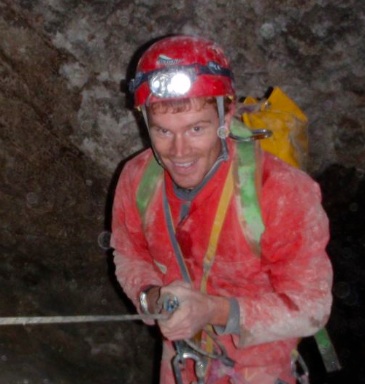
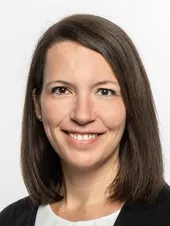
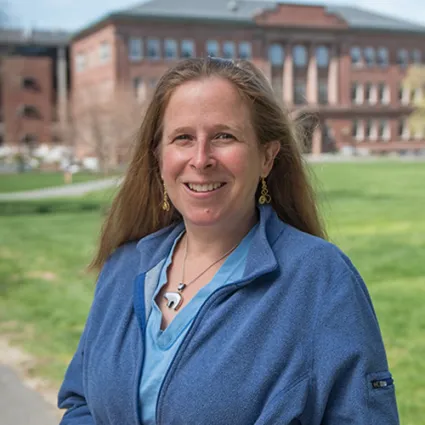
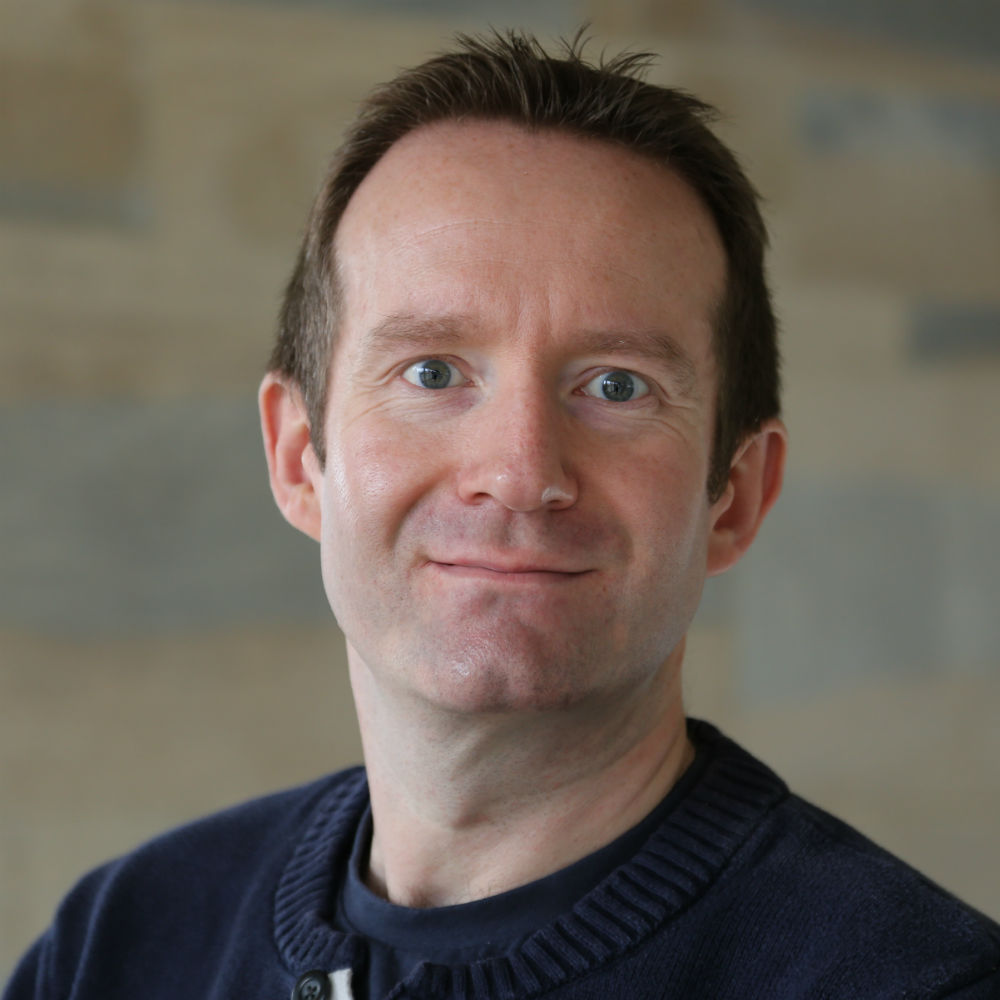
Paul F. Morris is a Professor in the Department of Biological Sciences at Bowling Green State University's College of Arts and Sciences. He holds a Ph.D. from Queen's University, Canada, and leads the Morris Lab, which focuses on oomycete genomics and polyamine metabolism in plants. His current research targets biocontrol solutions for Pythium pathogens threatening hydroponic agriculture, supported by an NSF Phase STTR award. Dr. Morris maintains active collaborations with plant pathology researchers in China and participates in the Oomycete Molecular Genetics Network. His research interests center on: Mechanisms of polyamine transport and biosynthesis in plant stress responses Genomic strategies of plant pathogens like Phytophthora capsici Development of bacterial biocontrol agents against oomycete pathogens Spatial organization of metabolic pathways in plants Analysis of his recent publications shows a strong focus on plant-pathogen interactions, enzymatic mechanisms in oomycetes, and polyamine metabolism. His work frequently employs molecular genetics, structural biology, and biochemical approaches to address fundamental questions in plant stress responses and pathogen virulence. Dr. Morris actively mentors graduate students, with advisees including Sheaza Ahmed (Ph.D.), Menaka Ariyaratne (Shanklin Award winner), and Nilanjana Chakrabarti. He secured significant funding through an NSF STTR grant for developing sustainable agricultural solutions. His outreach includes directing Kids' Tech University, a science education program for children aged 9-12 that has operated for seven years at BGSU.
Francesca Malfatti is an Associate Professor of Microbiology at the Department of Life Sciences (DSV) of the University of Trieste. She serves as a member of the Department's Board and multiple Boards of Studies for degree programs including Science and Technology for Environment and Nature (SM40), Biological Sciences and Technologies (SM51), Functional Genomics (SM53), and Marine and Coastal Environmental Science (SM44/SM44A). Her research focuses on environmental microbiology and genetics, particularly at the atmosphere-ocean interface. She leads the Environmental Microbiology Laboratory (EMLab) and serves as Principal Investigator for the FEMTO project (Focused rEsistome-Mobilome genes in aTmosphere-Ocean continuum), funded by the Italian Ministry of University and Research (2023-2025). Her work also encompasses Antarctic marine microbiology through the IBIZA project and viral-host interactions via the VirHoX initiative. Analysis of her recent publications reveals a strong emphasis on microbial gene transfer mechanisms, antibiotic resistance dynamics across environmental compartments, and the role of atmospheric processes in microbial dispersal. Her research bridges marine microbiology, atmospheric science, and genetic analysis to understand microbial community dynamics across interconnected environmental systems. Dr. Malfatti actively participates in multiple research initiatives including Ecosistema Innovazione iNEST, SAVEMAR, and several international collaborations focused on environmental microbiology and marine ecosystem health.
Professor Julian Marchesi holds the Chair in Digestive Health within the Department of Metabolism, Digestion and Reproduction at Imperial College London's Faculty of Medicine. With over 35 years of research experience, he leads the MAST Study investigating stool transplants for microbiome modification. His educational background includes a PhD in Biochemistry from Cardiff University (1992). Career trajectory: Post-doctoral research in molecular microbial ecology → Lectureship at University College Cork (2001) → Senior Lectureship at Cardiff University (2008) → Professor at Imperial College London (2016). Research focuses on gut microbiome interactions in health and disease using integrated 'omic' approaches. Key methodologies include metagenomics, metatranscriptomics, and metabonomics to study microbial roles beyond gastrointestinal disorders into systemic host diseases. Current work emphasizes therapeutic microbiome modification through fecal microbiota transplantation. Professional leadership includes: Chair, BSG Gut Microbiota for Health Expert Panel Chair, Microbiology Society Unlocking the Microbiome Working Group Senior Editor, ISME Journal Honors comprise Wellcome Trust Fellowship and editorial leadership in microbial ecology. Current research direction centers on the MAST Study's clinical applications for microbiome-based therapies.
Smruthi Karthikeyan is the Gordon and Carol Treweek Assistant Professor of Environmental Science and Engineering and a William H. Hurt Scholar at the California Institute of Technology (Caltech). Her research integrates microbial ecology, computational biology, and engineering to develop multi-omic approaches for understanding microbial communities. She focuses on translating microbiome data into biomarkers for environmental and human health, particularly through wastewater surveillance and soil microbiome dynamics. Education: B.Tech, Anna University (Chennai), 2012 M.S., Columbia University, 2014 Ph.D., Georgia Institute of Technology, 2020 Research Interests: Dr. Karthikeyan's lab pioneers culture-independent techniques to study microbial dark matter , employing isotopic tracer-based mass spectrometry, meta-omics, and single-cell analysis. Key areas include: Linking microbial identity to function at cellular/spatial levels Soil carbon flux responses to drought Antibiotic resistance evolution in environmental contexts Rhizosphere microbiome interactions Gut microbiome dynamics under antibiotic exposure Scientific Awards: Gordon and Carol Treweek Assistant Professorship (2023-) William H. Hurt Scholar (2023-) Her work has established innovative wastewater surveillance frameworks for public health, including early detection of SARS-CoV-2 variants and campus-wide monitoring systems. She leads active projects on microbial community responses to environmental stressors and develops computational tools for microbiome analysis.
Daniel Jones is an Assistant Professor of Geobiology in the Earth and Environmental Science department at the New Mexico Institute of Mining and Technology (NMT) and serves as Academic Director of the National Cave and Karst Research Institute (NCKRI). His research program integrates geomicrobiology and biogeochemistry to investigate microbial sulfur cycling and microbe-mineral interactions in cave systems, with extensions to mine waste, marine sediments, and wetland ecosystems. Dr. Jones specializes in extremophile microbiology within acidic cave biofilms, studying how microbial communities shape speleogenesis and secondary mineral formation. His work bridges geological processes and microbial metabolism, particularly focusing on sulfur-oxidizing bacteria in hypogenic caves. He examines biogeochemical cycles in contaminated environments like mine waste sites, exploring microbial potential for bioremediation while investigating mercury methylation pathways in freshwater sediments. Analysis of his recent publications reveals dominant themes in cave geomicrobiology (42%), mercury biogeochemistry (28%), and microbial community ecology (30%). His research employs metagenomic and metatranscriptomic approaches to study microbial functions in situ, with field sites including Lehman Caves and Carlsbad Cavern. Key methodologies involve high-throughput sequencing, biofilm incubation experiments, and biogeochemical modeling of cave formation processes. Dr. Jones actively mentors 10+ graduate and undergraduate researchers, with documented lab groups of 8 members (fall 2022) and 10 members (spring 2024). He integrates science communication into education, having students publish peer-reviewed articles on Sciworthy covering topics from antibiotic resistance to self-healing cement. His teaching portfolio includes Geomicrobiology, Environmental Microbiology, and specialized cave geology courses. His research operates through NMT's Earth and Environmental Science department with NCKRI collaboration, conducting fieldwork in Great Basin National Park and Carlsbad Cavern. The lab maintains partnerships with the University of Minnesota (where he serves as graduate faculty) and utilizes advanced molecular facilities for studying microbial communities in extreme environments.
Heather Craig Olins is an Associate Professor of the Practice in the Biology Department at Boston College, with an affiliation in the Environmental Studies Program. Her work bridges cutting-edge microbial research with innovative science education. Her educational background includes: B.A. from Wesleyan University M.A. from Wesleyan University Ph.D. from Harvard University Dr. Olins' research focuses on microbial ecology in extreme environments, particularly deep sea hydrothermal vents and freshwater wetlands . She investigates how inorganic factors shape microbial communities and how chemosynthetic activity influences environmental processes. Her expertise spans marine microbiology , geobiology , and biogeochemistry , with growing emphasis on science communication and pedagogical innovation. Her publication record reveals two distinct trajectories: foundational work on hydrothermal vent microbial ecosystems using integrated geochemical and molecular approaches, and recent expansion into biology education research examining course structure and student learning outcomes. Dr. Olins teaches the foundational Ecology and Evolution course, upper-level courses in microbial ecology and marine biology, and an advanced research lab course providing hands-on experience. She maintains active engagement with scientific communities through workshops and public outreach initiatives. Her laboratory employs high-throughput genetic sequencing, co-registered chemical measurements, and specialized colonization samplers to study microbial processes across diverse environments from deep-sea vents to local wetlands.
Leluo Guan is a Professor at the University of Alberta, affiliated with the Faculty of Agricultural, Life and Environmental Sciences and the Department of Agricultural, Food and Nutritional Science. His research focuses on functional genomics and microbiology, particularly bovine OMICS and microbial interactions. Degree: PhD in Pharmaceutical Science from Kyoto University Dr. Guan's research explores molecular mechanisms of host-microbial interactions in cattle through metagenomics, metatranscriptomics, and functional genomics. His work addresses associations between gut microbial ecology and feed efficiency, methane emissions, and gut immunity development, with applications to economically important traits in beef and dairy cattle. He teaches advanced courses such as AFNS575, ANSC479/ANSC499, and ANSC318. His lab includes postdoctoral fellows, PhD students, and technicians contributing to ongoing studies. Lab Members: Dr. Mi Zhou (Research Associate), Dr. Diming Wang (Postdoctoral Fellow), Dr. Martin Huenerberg (Postdoctoral Fellow), Xu Sun (Technician), Yanhong Chen (Technician)
Melanie Schirmer is a Professor at the Technical University of Munich (TUM) within the TUM School of Life Sciences , specifically the Translational Microbiome Data Integration focus group. She earned her PhD in 2014 at the University of Glasgow and completed postdoctoral work at the Broad Institute of MIT and Harvard. Appointed : Rudolf Mößbauer Tenure Track Professor (2023) Grants : ERC Starting Grant (2022), Emmy Noether Award (2020) Her research spans host-microbial interactions , microbiome , and multi-omics data to understand diseases like inflammatory bowel disease and cirrhosis . She utilizes computational biology to link microbial genes to metabolites and immune responses. Her recent publications focus on diurnal microbiome patterns , sex-specific microbial modulation , and ulcerative colitis mechanisms . Trends include microbiome-disease associations , metabolomic profiling , and multi-omics integration . Scientific Awards : Highly Cited Researcher (2021-2023) ERC Starting Grant (2022) Life Sciences Bridge Award (2022) Emmy Noether Award (2020) Career Development Award (2018)
Laura A. Katz is the Elsie Damon Simonds Professor of Biological Sciences at Smith College. Her research focuses on elucidating principles of eukaryotic evolution through phylogenetic reconstruction, community sampling, and genome evolution analyses. Key Research Areas: Phylogenomics of microbial eukaryotes Genome evolution in ciliates and testate amoebae Epigenetic mechanisms in evolutionary adaptation Biodiversity of understudied protist lineages Education: Ph.D., Cornell University A.B., Harvard College Recent publications highlight her work on lateral gene transfer in eukaryotes, virophage taxonomy, and the role of mobile genetic elements in genome evolution. Her lab employs advanced techniques like single-cell transcriptomics and amplicon sequencing to explore protist diversity in unique ecosystems such as New England bogs and pitcher plant microhabitats.
Kamran Shalchian-Tabrizi is a Professor at the Department of Biosciences, University of Oslo, affiliated with the Centre for Ecological and Evolutionary Synthesis. His research focuses on microbial biodiversity, evolution, and the interactions between microorganisms and their environments, with particular emphasis on soil health and sustainable agriculture. His research has evolved from investigating deep evolutionary relationships in protists to applied DNA-based ecology. He has made significant contributions to phylogenetic methods, DNA barcoding, and understanding major evolutionary transitions in life's history, including the origins of animals and plants from unicellular ancestors. His work on cellular organelle evolution, particularly chloroplasts through serial endosymbiosis, has provided insights into complex cellular structures. Shalchian-Tabrizi has developed advanced methods for high-resolution analysis of microbial communities using metagenomics, single-cell genomics, and transcriptomics. His current research focuses on soil health in agricultural systems, especially fruit production (apples, cherries, plums), where he leads several interdisciplinary projects including SICKSOIL and SOILHEALTH. These projects combine DNA sequencing with bioinformatics to address soil sickness and improve soil microbiota. He is also engaged in the innovative art-science collaboration 'Three Cells and Clay' with photographer Per Maning and architect Kristoffer Øyen, exploring the biological and symbolic relationship between humans and soil. This project represents his commitment to interdisciplinary approaches that bridge scientific understanding with artistic expression. Shalchian-Tabrizi actively collaborates with farmers, agricultural advisors, and public institutions, ensuring his research addresses real-world challenges in sustainable food production. His work demonstrates how scientific rigor combined with cross-sector collaboration can advance sustainable agricultural practices through microbiological insights.
Dr. Katrina M. Waters is a Distinguished Chief Scientist & Laboratory Fellow at the Pacific Northwest National Laboratory (PNNL) with joint faculty appointments at Oregon State University and the University of Washington. With over 25 years of experience, she leads groundbreaking research at the intersection of environmental exposures, infectious diseases, and human health through systems biology, bioinformatics, and computational toxicology approaches. Her work has established her as a national and international leader with more than 150 publications and significant contributions to major research programs including the DOE's National Virtual Biotechnology Laboratory program on COVID-19 transmission, the NIEHS Superfund Research Program, and the NIAID Centers for Predictive Modeling of Infectious Diseases. PhD in Biochemistry, University of Wisconsin (1996) AB in Chemistry, Ripon College (1992) National Research Service Award Postdoctoral Fellowship with Thomas C. Spelsberg, Mayo Graduate School of Medicine (1997-1999) Postdoctoral Fellowship with Kevin Gaido, Chemical Industry Institute of Toxicology Centers for Health Research (1999-2001) Dr. Waters' research focuses on pathway-based biomarker discovery for environmental exposure to toxicants, high-throughput screening approaches for hazard assessment, predictive modeling of viral infections including influenza, SARS, Ebola, and West Nile virus, and the development of computational tools for integration of genomics, proteomics, and metabolomics data. Her work in machine learning, biomarker discovery, and public health has had broad translational impact by influencing toxicological risk assessments and advancing public health protection. She has pioneered approaches for multi-omics data integration and modeling to elucidate complex disease processes and identify therapeutic strategies and interventions. Analysis of Dr. Waters' recent publications reveals a strong focus on environmental health and infectious disease research, with particular emphasis on polycyclic aromatic hydrocarbons (PAHs), PFAS toxicity, viral pathogenesis, and multi-omics data integration. Her work combines community-based exposure assessment with advanced computational approaches, demonstrating a consistent trajectory of innovation in linking environmental exposures to biological outcomes. The research spans from fundamental molecular mechanisms to population-level health impacts, with increasing emphasis on data science approaches for integrating complex biological datasets. Pacific Northwest Association of Toxicologists (PANWAT) Achievement Award (2024) Election as Fellow of AAAS (2023) Election to the Washington State Academy of Sciences (2021) Secretary of Energy Appreciation Award for NVBL COVID-19 response (2021) Laboratory Fellow, PNNL (2018) Secretary of Energy Appreciation Award for Ebola Task Force (2017) As a recognized global leader, Dr. Waters has served on multiple National Academy of Sciences committees and advisory boards, including the U.S. EPA's Board of Scientific Counselors. She is a Fellow of the American Association for the Advancement of Science and has held editorial positions for prominent journals including Scientific Data and Toxicology and Applied Pharmacology. Her leadership extends to major research initiatives including the DOE's National Virtual Biotechnology Laboratory program on airborne transmission of COVID-19 and the NIEHS Superfund Research Program. She has mentored numerous researchers and students through her joint faculty appointments at Oregon State University and the University of Washington. Dr. Waters leads research teams focused on systems biology, computational toxicology, and environmental health sciences at PNNL. Her work involves multidisciplinary collaborations across national laboratories, universities, and government agencies to address complex environmental health challenges. She directs efforts in multi-omics data integration, predictive modeling of disease processes, and development of computational tools for environmental exposure assessment and risk characterization.
Dr. Klaus Valentin is a researcher at the Alfred Wegener Institute Helmholtz Centre for Polar and Marine Research in Bremerhaven, Germany, working in the Section of Polar Biological Oceanography. His research focuses on polar marine ecosystems using molecular approaches to understand biodiversity and ecological processes in extreme environments. Dr. Valentin specializes in sea ice communities, particularly examining eukaryotic organisms and their transcriptional activities in Arctic and Antarctic environments. He has led multiple significant research projects funded through Infrastructure Priority Programmes, with research spanning from molecular biodiversity analysis to genomic signatures of evolutionary processes in key marine organisms like Fragilariopsis kerguelensis. His scientific contributions include investigations into the functional biodiversity of polar sea ice communities, macroalgal forest responses to global change, and nutrient effects on coccolithophore growth and calcification.
Professor Alex Dumbrell is a Professor at the University of Essex in the School of Life Sciences. His research focuses on community ecology, particularly with microbial systems, theoretical ecology examining biodiversity models, and molecular ecology utilizing next generation sequencing technologies. He has been at the University of Essex since 2009, progressing from Lecturer to Senior Lecturer and ultimately to Professor in 2019. Professor Dumbrell's educational background includes: Ph.D. (2002-2006) from the University of York M.Sc. (2001-2002) from the University of Wales, Bangor B.Sc. hons (1998-2001) from the University of Wales, Bangor Professor Dumbrell's research spans multiple ecological domains with a strong emphasis on microbial communities. His work examines spatial and temporal patterns of biodiversity, biodiversity-ecosystem service relationships, and species abundance distributions. He specializes in next generation sequencing technology and bioinformatics applied to ecological research, with particular focus on metagenetics, metagenomics, and metatranscriptomics. His research also explores soil biodiversity and function, as well as arbuscular mycorrhizal fungi and other symbiotic systems. He actively supervises doctoral and master's students in environmental and biological sciences. Professor Dumbrell's recent publications demonstrate a strong focus on climate change impacts on ecological systems, microbial community dynamics, and innovative methodologies in ecological research. His work frequently employs advanced molecular techniques to study biodiversity patterns across various ecosystems. He has substantial collaborative research involving international teams studying topics from coral reefs to high-latitude stream ecosystems. His research bridges theoretical ecology with empirical field studies, particularly examining how warming affects biodiversity and ecosystem function. Professor Dumbrell has secured numerous research grants from prestigious funding bodies including the Natural Environment Research Council, European Commission, and The Pew Charitable Trusts. His funded projects address critical environmental challenges such as: Climate REEFS: Integrating Risks, Evolution, socio-Economics for Fisheries Sustainability on coral reefs Implications of glacier retreat for aquatic biodiversity in the Himalayas REWilding and restoration of intertidal sediment ecosystems for carbon sequestration Quantifying ecological effects of grassland management above and below ground Professor Dumbrell currently supervises multiple doctoral and master's students working on diverse ecological projects. His supervision portfolio includes research on environmental sciences, marine biology, microbiology, and biological sciences. He teaches courses such as "Biodiversity: From Genes to Ecosystems," "Arctic Ecology Field Course," and professional skills courses for ecological and marine scientists.
Dr. Efthymios Ladoukakis is a Postdoctoral Research Assistant in Bioinformatics at Queen Mary University of London's Wolfson Institute of Population Health, specifically within the Centre for Cancer Screening, Prevention and Early Diagnosis. His work focuses on epigenetic research for cervical, prostate, and colorectal cancers. Previously, he held roles at the National Hellenic Research Foundation (NHRF) and National Technical University of Athens (NTUA), where he explored metagenomics, metatranscriptomics, and epigenomics related to environmental pollutants and enzyme discovery. Education: Chemical Engineer (NTUA, specializing in Biotechnology) with a PhD in Bioinformatics from NTUA. His research interests span Bioinformatics, Machine Learning, Cancer Epigenetics, and Multi-omic analysis. Research contributions span diverse areas including automated metagenomic pipelines (ANASTASIA), environmental pollutant effects on leukemia, and carbon capture storage via prokaryotes. His recent work emphasizes epigenetic biomarkers for cancer prediction and mechanisms linking microbial dysbiosis to prostate cancer. Advising: No formal advisees listed. Collaborations include the NIHR School for Primary Care Research and international cohorts. Active in developing computational tools for genomic data analysis and epidemiological studies. Labs/Teams: Part of the Wolfson Institute's Cancer Screening team, contributing to translational epigenetic research for clinical applications.
Professor Gene Tyson is an internationally recognized expert in microbial meta-omics and bioinformatics at Queensland University of Technology (QUT). He holds the position of Professor and Australian Laureate Fellow in the School of Biomedical Sciences , Faculty of Health . His research focuses on understanding microbial communities in clinical and environmental systems, including pioneering work on metagenomics, metatranscriptomics, and metaproteomics. He has contributed significantly to identifying microbial lineages regulating Earth's carbon cycle and developing widely used bioinformatic tools for meta-omic data analysis. Education: PhD in Microbiology. Research Interests : - Meta-omics approaches (metagenomics, metatranscriptomics, metaproteomics) - Microbial community structure and function - Development of bioinformatic tools for microbiome analysis - Applications in environmental and clinical microbiology Publications Overview : Over 100 peer-reviewed articles, including high-impact papers in Nature , Science , and Nature Microbiology . Recent work includes studies on permafrost methane dynamics, anaerobic methane oxidation, and gut microbiome associations with health conditions like preeclampsia and autism. Awards : - Australian Laureate Fellow (2020) Grants & Industry : Co-founder of Microba Life Sciences, a company commercializing microbiome-derived diagnostics and therapeutics. This venture employs over 50 people globally and operates in seven countries. Labs & Affiliations : - Centre for Microbiome Research (QUT) - Collaborations with international institutions on permafrost microbiology and microbial biotechnology.