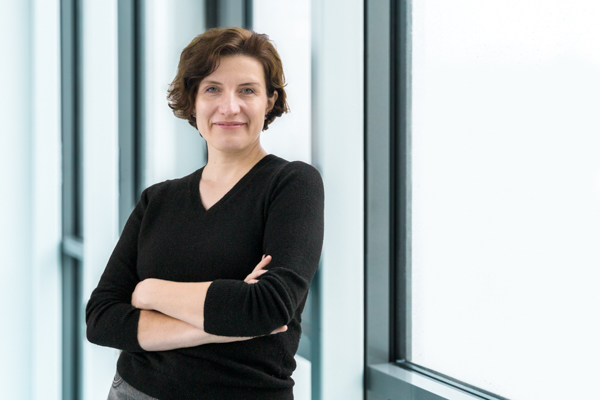
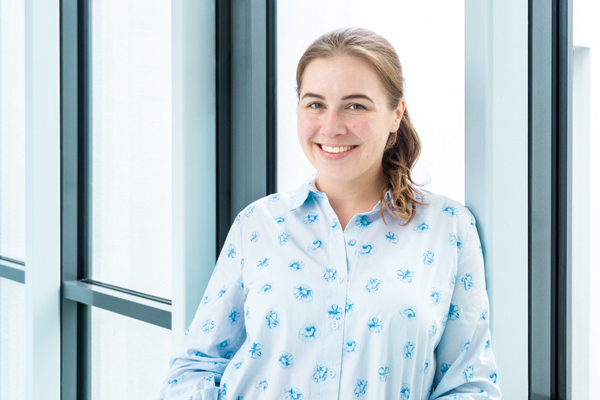
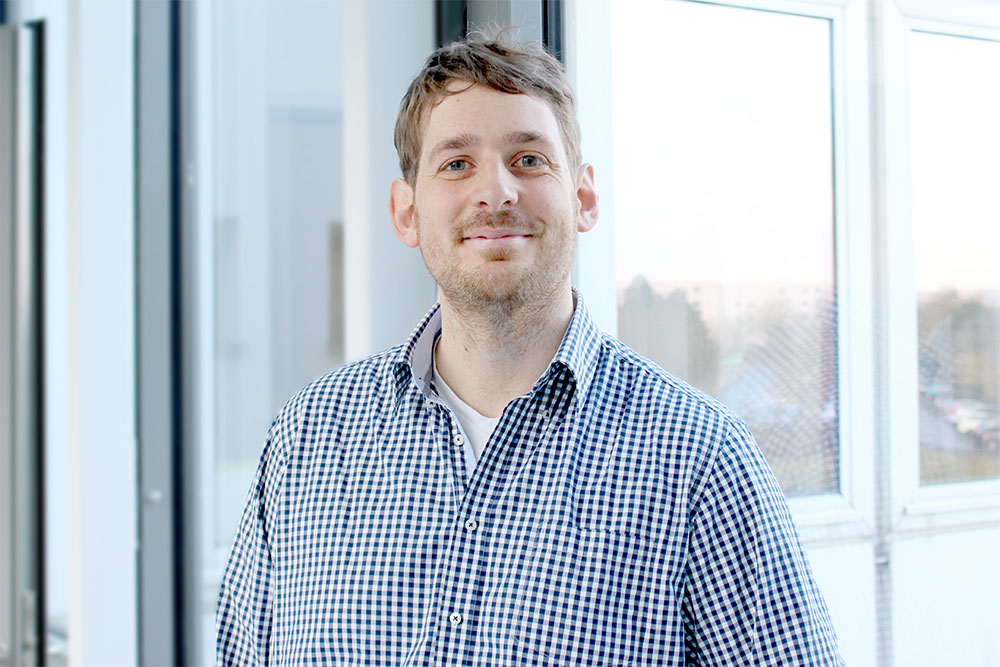
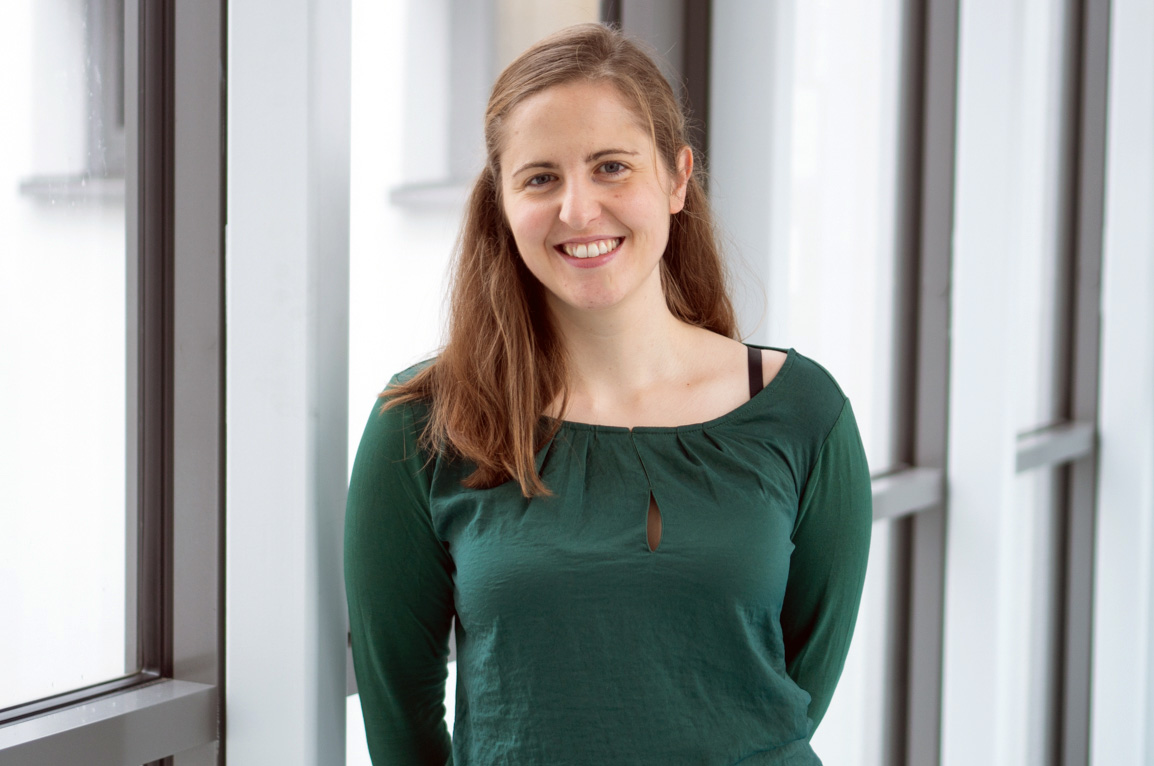
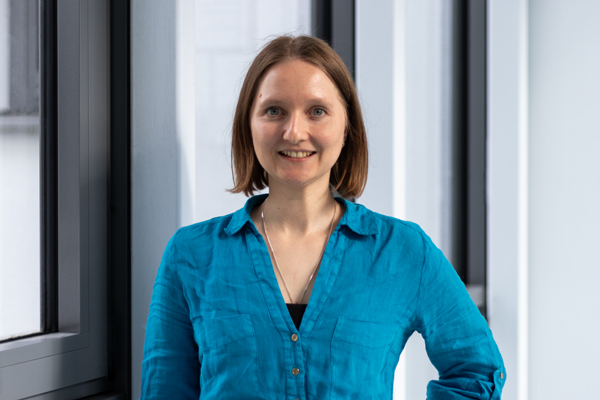
Kinga Maria Bierwiaczonek is a Junior Professor (Assistant Professor) in Metascience at the University of Oslo's Department of Psychology, Norway. She holds a dual PhD in Psychology from Vrije Universiteit Amsterdam (Netherlands) and ISCTE–University Institute of Lisbon (Portugal). She was a Visiting Scholar at Stanford University's Meta-Research and Innovation Center (2023–2024) and has been a Researcher at the University of Oslo since 2020. Research Interests: Meta-analysis, metascience, conspiracy beliefs, intergroup relations, and acculturation. Her work employs advanced statistical methods to study societal phenomena like conspiracy theories and cross-cultural adaptation. Her research bridges social psychology with methodological rigor, addressing gaps in understanding human behavior across cultures and contexts. Grants & Projects: Principal Investigator (PI) of the Research Council of Norway-funded project Antecedents of cross-cultural adaptation: A meta-analysis 1988–2025 under the Young Research Talent grant scheme. Collaborates with institutions like ZPID (Leibniz Institute for Psychology) through labs such as the Metascience Lab and Psychological Metascience . Labs/Teams: Active in interdisciplinary teams including the Science Reception Lab , Social Influence Lab , and Moral Computing Lab , focusing on metascience, social dynamics, and data-driven psychological research.
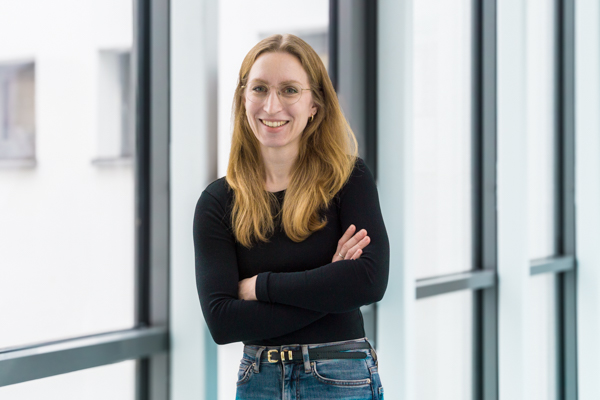
Carole J. Lee is a Professor in the Department of Philosophy at the University of Washington, with additional affiliations as Adjunct Professor at the Information School (iSchool) and Affiliate Faculty at multiple interdisciplinary centers including the Center for an Informed Public, Center for Statistics and the Social Sciences, eScience Institute, Center for Studies in Demography and Ecology, and Society + Technology Program. Her research focuses on the social structure of science, examining biases in peer review, disparities in grant funding (particularly Black-white and gender gaps), and emerging norms in scientific credit allocation. She engages with both normative and empirical questions in metascience, publishing in venues like Science , Philosophy of Science , and Plos ONE . National Science Foundation National Institutes of Health Mellon Foundation Career Enhancement Fellowship Lee has received notable awards, including the First Prize for NIH's Peer Review Challenge and the Philosophy of Science Association's Prize in Philosophy of Science & Race. She also holds leadership roles at Rapid Science and previously advised on the Transparency and Openness Promotion (TOP) Guidelines.
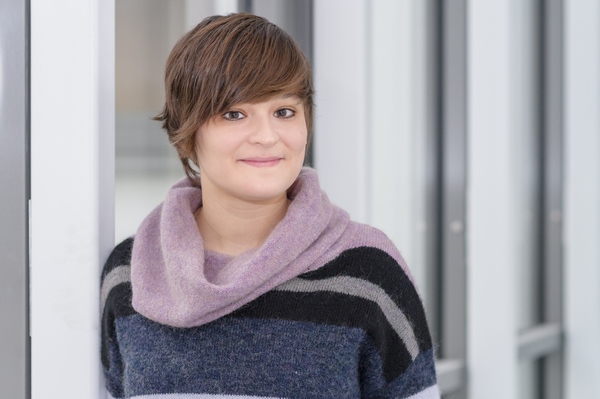
Marlene Altenmüller is a Junior Professor (Assistant Professor) in Science Acceptance at the Leibniz Institute for Psychology Information (ZPID), holding a PhD from Ludwig-Maximilians-Universität München (LMU Munich). She previously served as a Research Associate at LMU’s Social Psychology Chair from 2018 to 2024. Her academic journey includes a Master’s and Bachelor’s in Psychology and a Bachelor’s in Art History from Philipps University of Marburg (2012–2018). Her research focuses on Trust in science and science communication Metascience analyzing social processes within academia Psychological aspects of art reception and museum experiences Social justice and fairness perceptions Key projects include the BMBF-funded Trust in Citizen Science (TiCS) and the Templeton Religion Trust-supported Art-BEAT initiative. Her work bridges theoretical insights with practical recommendations, such as optimizing science communication strategies and understanding science-religion dynamics. She leads the Science Reception Lab and contributes to interdisciplinary teams like the Social Influence Lab and Metascience Lab at ZPID. Grants include collaborations with TU Braunschweig and Berlin’s Museum für Naturkunde.
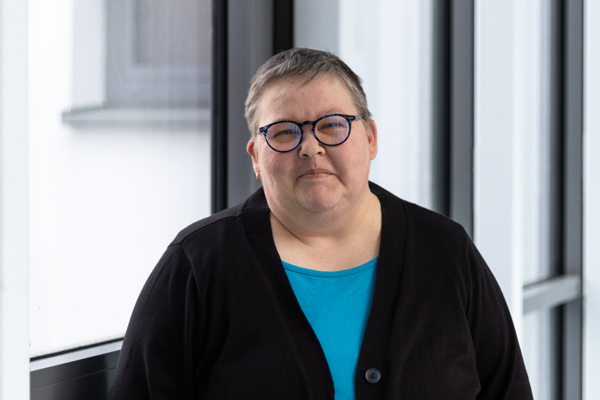
Dr. Martin Kerwer is a Researcher and Manager of the KLARpsy service at the Leibniz Institute for Psychology Information (ZPID) since 2023. He oversees initiatives to translate psychological evidence into accessible formats, such as plain language summaries for meta-analyses. His role includes managing the KLARpsy platform and guiding projects like PLan Psy, DDP-Bildung, and DataWiz. With a PhD in Psychology (Dr. rer. nat.) from Trier University (2021), his work bridges academic research and public understanding of science. Education: PhD in Psychology (Dr. rer. nat.) from Trier University, Germany (2021) Research Interests: Science Communication: Developing guidelines for accessible research summaries Epistemic Beliefs: Exploring how individuals perceive and trust scientific evidence Data Management: Creating standards for psychological research data handling Key Contributions: Co-developed KLARpsy guidelines for German-language plain language summaries of meta-analyses Conducted randomized controlled trials evaluating the effectiveness of plain language summaries Authored over 50 peer-reviewed publications on science communication and epistemic cognition Grants & Projects: Third-party funded projects at ZPID include work on data management plans and science literacy initiatives Collaborated with institutions like the Swiss Society of Early Childhood Research and the German Psychological Society (DGPs) Labs/Teams: Active in ZPID's Science Reception Lab and Metascience Lab, focusing on improving research communication and science policy.
Markus Huff serves as a Full Professor of Applied Cognitive Psychology and head of the Applied Cognitive Psychology group at the Eberhard Karls University of Tübingen since 2020. He concurrently leads the Perception and Action research group at the Leibniz Institute for Knowledge Media (IWM). His research program investigates perception and action processes within digital environments through a perception-oriented framework that examines how media-mediated content influences human cognition and behavior. Dr. Huff earned his academic foundation in psychology, mathematics, and computer science at the University of Tübingen. Following his psychology degree, he completed his doctorate (Dr. rer. nat.) at the IWM and University of Tübingen with groundbreaking research on verbal influence on visual memory, which earned him the prestigious Leibniz Young Researcher Award in 2007. His academic trajectory includes postdoctoral positions at IWM, University of Tübingen, and Washington University in St. Louis, followed by a junior professorship in general psychology at Tübingen before heading the Department of Research Infrastructures at the German Institute for Adult Education. Professor Huff's research spans four primary interconnected domains. His Multimodal Perception research investigates how humans process and mentally organize media content across various formats including texts, images, comics, and videos. The Perception and Interaction in Social Networks focus examines the complex interplay between attitudes, knowledge, and metacognition during information reception and social interaction in digital spaces. His work on Perception and Action with Digital Agents explores human-AI communication dynamics, while his research on Risk Perception of Artificial Intelligence addresses the psychological dimensions of human responses to emerging digital technologies. Additionally, he conducts significant metascientific research examining policy effectiveness in the research process, with notable findings on research data policies. Analysis of Professor Huff's recent publication record reveals a clear trajectory toward increasingly sophisticated investigations at the intersection of cognitive psychology and digital technology. His work demonstrates methodological rigor across visual perception, audio-visual integration, event comprehension, and the cognitive impacts of digital environments. A particularly noteworthy trend is his expanding focus on AI-related perception and risk assessment, reflecting the growing importance of human-AI interaction in contemporary cognitive science. His research consistently bridges theoretical cognitive frameworks with practical applications in educational technology, health communication, and digital media design. Leibniz Young Researcher Award by the Leibniz Association (2007) Professor Huff directs a multidisciplinary research group comprising members from both the Applied Cognitive Psychology group at the University's Department of Psychology and the Perception and Action group at the Leibniz Institute for Knowledge Media. His research program has secured substantial funding, evidenced by his prolific publication record in high-impact journals spanning psychology, cognitive science, human-computer interaction, and educational technology. His grant portfolio reflects strong interest in understanding human cognition in digital contexts, with particular emphasis on educational applications, health communication, and human-AI interaction. His laboratory work employs advanced experimental methodologies including eye-tracking, behavioral experiments, and computational modeling to investigate how people process information across various media formats and interact with increasingly sophisticated digital agents. The research environment fosters collaboration between cognitive psychologists, computer scientists, and educational researchers, creating a rich interdisciplinary context for advancing understanding of human perception and action in our rapidly evolving digital landscape.
Dr. Tanja Burgard is a Senior Researcher in Psychological Metascience at the Leibniz Institute for Psychology Information (ZPID). She has been at ZPID since 2017 and served as acting head of the Research Synthesis department from 2021 to 2024. Burgard holds a PhD in Empirical Social Research (Dr. rer. pol.) from Trier University (2021). Her work focuses on meta-analytic methods, research synthesis, and open science practices, particularly through platforms like PsychOpen CAMA. She has contributed to developing guidelines for accessible meta-analysis summaries and tools to streamline systematic reviews using machine learning. Education: PhD in Empirical Social Research (Dr. rer. pol.), Trier University (2021) Key Roles: Senior Researcher in Psychological Metascience, Acting Head of Research Synthesis Department (2021–2024) Research Interests: Her research emphasizes improving the rigor, transparency, and accessibility of psychological research through meta-analyses, community-augmented methods, and open science initiatives. She explores topics like response rates in surveys, panel conditioning effects, and cumulative evidence synthesis. Publications: Burgard has authored/co-authored over 20 peer-reviewed articles on meta-analytic methods, open science infrastructure, and psychological methodology. Her work bridges theoretical advancements with practical tools for researchers. Labs/Teams: Member of the Psychological Metascience Lab and ForSynData project, advancing FAIR data standards for research synthesis.
Lena Hahn is a Senior Researcher at Trier University and an associated member of the Leibniz Institute for Psychology (ZPID). She holds a PhD in Psychology (Dr. rer. nat.) from Trier University (2024) and completed her undergraduate and graduate studies there between 2014 and 2020. Her research focuses on cognitive conflict, network analysis, metascience, and attitude formation. She is actively involved in metascience initiatives, including presentations at the META-REP 2024 conference and the German Psychological Society (DGPs). Her work also explores ambivalence in health-related contexts, such as vaccination and environmental policies. Key contributions include developing the TUNA database for complex attitude measurement and assessing the quality of preregistrations in psychological research. She collaborates with interdisciplinary teams and has contributed to open science efforts, including co-authoring strategies for reproducible research training. Lena leads the Social Influence Lab and participates in the Metascience Lab, advancing methodological practices in psychology.
Dr. Janine Kesselheim is a Senior Researcher in the Metascience research group at the Leibniz Institute for Psychology (ZPID). She holds a Ph.D. in Neuroscience from the University of Copenhagen (2020), an M.Sc. in Biomedical Engineering from the University of Applied Sciences Saarbrücken (DE) and University Hospital Bergen (NO) (2014), and a B.Eng. in Bioprocess Engineering from the University of Applied Sciences Frankfurt am Main (2012). Her research focuses on metascience , leveraging data analytics to study neuroplasticity and electrophysiological mechanisms. Key interests include non-invasive brain stimulation techniques such as transcranial magnetic stimulation (TMS) and transcranial alternating current stimulation (tACS), with applications in understanding cortical excitability and neural modulation. Her recent publications analyze mechanisms of TMS/tACS in motor cortex function, including frequency-dependent effects and neuromodulation outcomes. Kesselheim collaborates with interdisciplinary teams and contributes to consensus-building in neurostimulation research methodology. She leads the Metascience Lab and is affiliated with the Psychological Metascience research unit at ZPID, advancing methodological rigor in neuroscience through big data and reproducibility studies.
Dr. Anita Chasiotis is a Researcher at the Leibniz Institute for Psychology Information (ZPID), where she has been a staff member since 2016. She holds a PhD in Psychology (Dr. rer. nat.) from Trier University (2020). Her primary role involves managing the KLARpsy service (klarpsy.de), which develops plain language summaries of psychological meta-analyses to enhance public understanding of science. She previously led the PLan Psy research project (2021-2022). Key responsibilities include content curation for journal articles, development of evidence-based guidelines for plain language summaries, and promoting science communication through workshops and conferences. Her research focuses on science communication efficacy, health information seeking behaviors, and empowering marginalized groups to access scientific evidence. In recent work, she has demonstrated how plain language summaries improve user knowledge retention and trust in science through randomized controlled trials. Her team's KLARpsy guidelines (2024) are now widely used in German-speaking psychology circles. Collaborations span institutions like the German Psychological Society (DGPs) and Swiss Society of Early Childhood Research. She actively participates in initiatives like the Psychology Communication Network (PsyComm) to bridge research and public engagement. Chasiotis has authored over 50 peer-reviewed publications, with a focus on metascience and health communication. Her work has been presented at major conferences including EARLI, ECP, and DGPs Congresses. She frequently delivers invited talks on science communication strategies and serves on advisory boards for research synthesis initiatives like PSYNDEX.
Dr. Tina Keil serves as Technical Manager for PsychOpen GOLD at Leibniz Institute for Psychology (ZPID) and holds a Senior Research Associate position at Lancaster University since 2022. She earned her PhD in Psychology from the University of Exeter in 2018. Her work focuses on technical infrastructure for open science platforms, psychological measurement tools, and intergroup contact research. Education: PhD in Psychology, University of Exeter, 2018 Senior Research Associate appointment, Lancaster University, 2022–present Research interests include: Development of open science technologies Quantitative methods for measuring intergroup interactions Psychological applications of smartphone technology Analysis of racism discourse in political contexts Key publications span topics like police legitimacy perception, gratitude platform usage, and intergroup contact measurement through mobile apps. She has contributed to major projects like the Contact Logger application and analysis of Brexit-related populism. Grants and collaborations involve third-party funded projects at ZPID, though specific grant details aren't documented here. She advises technical implementations for academic publishing standards and supports stakeholders across editorial and authorship workflows. Labs/teams affiliated with include Science Reception Lab, Social Influence Lab, and Metascience Lab at ZPID, focusing on psychological metascience and big data applications.
Dr. Thomas Wegner is a Researcher at the Leibniz Institute for Psychology (ZPID), focusing on metascience, ethical research practices, and computational approaches to social science. He leads the project 'Ethiktool,' a software solution for ethical assessment in interdisciplinary research. His work bridges psychological metascience with practical applications in research ethics. Research Interests: Psychological Metascience Ethical frameworks for human-participant studies Computational tools for research ethics Social influence dynamics in science Projects: "Ethiktool" – Software-based ethical assessment for research projects Contributions to labs: Science Reception Lab, Social Influence Lab, Metascience Lab, Moral Computing Lab Grants & Collaborations: Involved in third-party funded projects at ZPID, though specific grants are not detailed in the text.
Dr. Cornelia Günauer serves as a Scientific Management Consultant and Scientific Advisor to the Management at the Leibniz Institute for Psychology Information (ZPID). Her work focuses on advancing metascience, science reception, and social influence through interdisciplinary research. She leads initiatives in big data analysis, moral computing, and psychological methodologies. Key areas of interest include analyzing the societal acceptance of science, leveraging computational tools for psychological research, and optimizing scientific management practices. Günauer collaborates across ZPID's labs, including the Science Reception Lab, Social Influence Lab, and Moral Computing Lab, to drive innovation in psychological metascience. She oversees third-party funded projects and contributes to institutional strategy as part of her advisory role. Her contact details include cg@leibniz-psychology.org and +49 (0) 651 201-1701.
Prof. Dr. Tina Seidel holds the Friedl Schöller Endowed Chair of Educational Psychology at TUM's School of Social Sciences and Technology. She leads the TUM Center for Educational Technologies, directing the Evidence in Practice department and the Clearing House for Instruction since 2023. Her research focuses on digital educational technologies, simulation-based learning, and teacher professional vision. She earned her doctorate from the IPN in Kiel (2002) and held prior positions at Stanford University and the University of Jena. Key awards include the AERA Review of Research Award (2008) and Jacobs Foundation Young Talent Award (2005). Her work bridges cognitive theory with practical educational applications, emphasizing evidence-based teaching practices. Current projects explore AI in education, adaptive learning systems, and teacher training innovations. She advises the Bavarian Business Association’s Action Council for Education and contributes to national education policy.
Prof. Dr. Anne-Laure Boulesteix is an Associate Professor (W2, tenured) at the Department of Medical Informatics, Biometry and Epidemiology, Faculty of Medicine, Ludwig Maximilian University of Munich (LMU). She holds a PhD in Statistics from LMU Munich (2005) and a Habilitation (HDR) from the University of Évry Val d'Essonne, France (2011). Her research focuses on biostatistics, machine learning, metascience, and evaluation of methods, with a particular emphasis on reproducibility and Open Science. She has held roles including Junior Professor (W1, 2009–2012) and Visiting Professor of Biostatistics (2008). Affiliations: Head of the Biometry in Molecular Medicine research group, Steering Committee member of the STRATOS initiative, and President of the German Region of the International Biometric Society. Awards: Chikio-Hayashi-Award (2013), Gay-Lussac-Humboldt Award (2011). Research Interests: Methodological research in statistics, validation of methods, simulation studies, and addressing challenges in clinical prediction models. Her work emphasizes rigorous validation, transparency, and reproducibility in methodological research. She has authored over 150 peer-reviewed publications and contributes to editorial roles in journals like Statistics in Medicine and Journal of Classification .
Prof. Kai Sassenberg is Director at the Leibniz Institute for Psychology (ZPID) and former full professor at the University of Tübingen (until 2023). He held a prior position as associate professor at the University of Groningen. His research focuses on social influence mechanisms, bias mitigation, and metascientific issues in psychological research. Sassenberg earned his PhD in Psychology (Dr. rer. nat.) from the University of Göttingen in 1999. Research Interests : Psychological mechanisms underlying social influence and persuasion Development of bias reduction strategies in decision-making Methodological advancements in psychological research transparency Applications of metascience to improve research practices Recent Work Trends : Recent publications emphasize interdisciplinary approaches to conspiracy theory dynamics, public acceptance of renewable energy technologies, and leadership behavior in organizational contexts. His work consistently bridges theoretical insights with practical interventions. Labs & Teams : Leads the Science Acceptance Lab, Social Influence Lab, and Metascience Lab at ZPID, fostering collaborative research initiatives in psychological science.