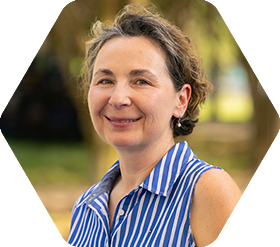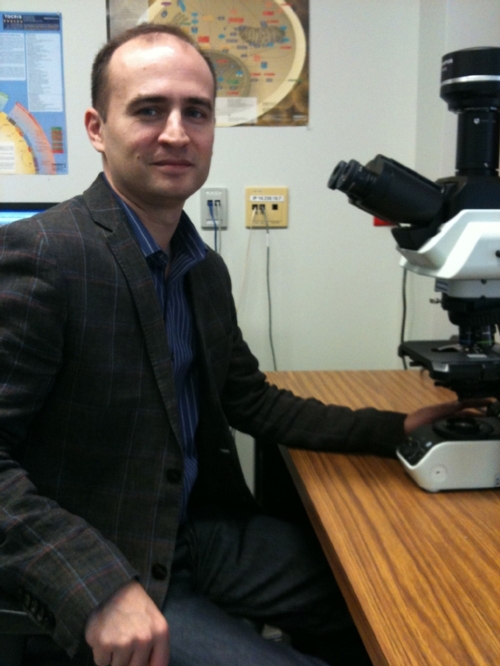
Olivier Barbier is a Full Professor and currently serves as Vice-Dean for Research and Graduate Studies at the Faculty of Pharmacy, Université Laval. His academic career spans over 15 years with significant contributions in pharmacology, particularly in the field of glucuronidation and its role in liver diseases, cardiovascular disorders, and prostate cancer. As Vice-Dean, he oversees research initiatives and graduate programs at one of Canada's leading pharmacy faculties. Dr. Barbier's educational journey began with a Bachelor's degree in cell biology and physiology from François-Rabelais University in Tours, France, followed by a Master's degree in environmental sciences from Bordeaux I University. He completed his DEA in toxic interactions from University of Paris VII, earned his Doctorate in Physiology-Endocrinology from Laval University, and conducted post-doctoral research in lipidology and atherosclerosis at INSERM Unit in Lille, France. His research focuses on three primary areas: glucuronidation and liver diseases, cardiovascular diseases, and prostate cancer. Dr. Barbier's laboratory investigates how UDP-glucuronosyltransferase (UGT) enzymes metabolize bile acids, bilirubin, and androgens, with the goal of identifying novel therapeutic approaches. His work has demonstrated that fibrates and LXR activators stimulate bile acid glucuronidation in human liver cells, potentially offering new treatments for cholestatic liver diseases. He has also explored how omega-3 fatty acids and their derivatives like Protectin DX can enhance therapeutic responses to existing medications. Analysis of Dr. Barbier's recent publications reveals a strong emphasis on bile acid metabolism, particularly the role of glucuronidation in detoxification processes. His research increasingly incorporates nutraceutical approaches, combining omega-3 fatty acids with conventional therapeutics to improve treatment outcomes for liver diseases. There's also a growing focus on environmental toxicology, examining how metal exposure affects kidney function, particularly in pediatric populations. Dr. Barbier has successfully secured funding from major sources including the Canadian Institutes of Health Research (CIHR), Heart and Stroke Foundation of Canada, Pharmaceutical Research and Manufacturers of Canada (Rx&D), and Pfizer Canada. His laboratory supports numerous graduate students and research professionals, contributing significantly to the training of the next generation of pharmacologists and toxicologists. As head of the Molecular Pharmacology Laboratory and co-director of the Bioanalytical Services with Dr. Chantal Guillemette, Dr. Barbier oversees sophisticated analytical capabilities including HPLC, GC/MS, and LC/MS/MS systems. His laboratory provides specialized services for hormone quantification and drug metabolism studies, supporting both academic and pharmaceutical research. The lab's expertise in measuring steroid hormones and their metabolites at picogram levels represents a significant technical achievement in the field of bioanalysis.