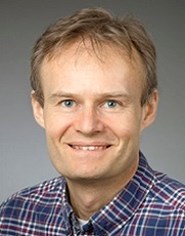
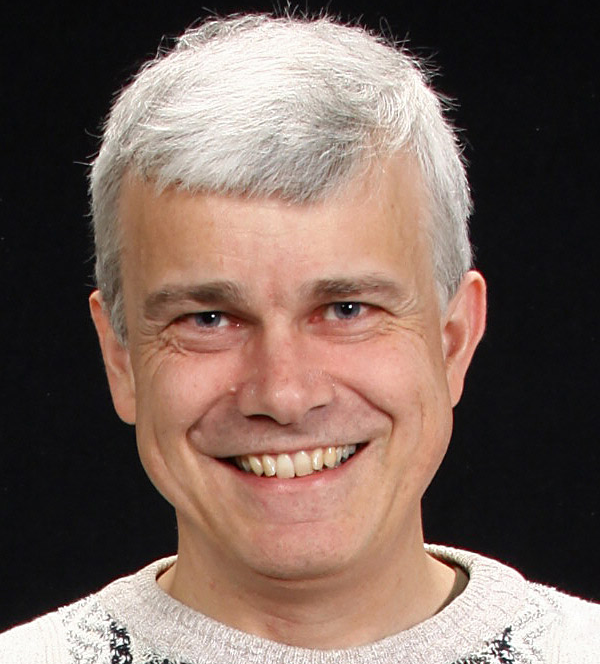
Marc Habash is an Associate Professor at the School of Environmental Sciences, University of Guelph. His work focuses on microbial interactions in environmental systems, particularly pathogen detection, microbial biofilms, and water quality. He holds a BSc in Cellular and Molecular Biology from the University of Toronto, an MSc in Microbiology and Immunology from the University of Western Ontario, and a PhD in Environmental Biology from the University of Guelph. Research interests include molecular and culture-based detection of waterborne pathogens, microbial source tracking using Bacteroidales spp., and biofilm formation studies involving probiotics. Collaborative efforts examine proteomic analysis via mass spectrometry techniques. His lab is located in the Edmund C. Bovey Building (Room 3238). Publications emphasize environmental microbiology applications: from yeast tolerance mechanisms to advanced PCR methods for microbial viability quantification. Recent work explores bacterial surface dynamics, insect pest diapause induction, and enzymatic dehalogenation processes. Research consistently bridges fundamental microbiology with practical environmental monitoring solutions. No scientific awards are listed. Advising and grants sections remain unpopulated in available records. His interdisciplinary approach connects environmental engineering, molecular biology, and ecological systems analysis.
Anders Hofer is an Associate Professor and Docent in Medical Biochemistry at Umeå University's Department of Medical Biochemistry and Biophysics, serving as Director of Studies. His research focuses on nucleotide metabolism in pathogens and mammalian cells, with an emphasis on enzymes like ribonucleotide reductase and nucleoside kinases. His work targets pathogens such as Trypanosoma brucei (African sleeping sickness), Giardia intestinalis, and Borrelia burgdorferi (Lyme disease), aiming to develop drugs exploiting their metabolic vulnerabilities. His lab employs techniques like GEMMA analysis, mass photometry, and nucleotide quantification methods. Recent grants include a three-year strategic research grant from the Medical Faculty in 2023. Key projects include studying nucleotide salvage pathways in pathogens and developing adenosine analogues as antiparasitics. Collaborations span structural biology, enzymology, and drug discovery. His work addresses antibiotic resistance by targeting unique pathogen features.
Derek S. Tan is a Professor in the Department of Biochemistry and Biophysics at Weill Cornell Medical College, holding a Tri-Institutional Professor position effective from 2025. His research integrates chemical synthesis with biological applications, focusing on drug discovery, enzyme mechanisms, and therapeutic engineering. He maintains an active research program with continuous NIH funding. Education: Ph.D., Harvard University (2000) B.S., Stanford University (1995) Research Focus: Professor Tan's work spans chemical biology, medicinal chemistry, and microbiology. He designs bioactive molecules targeting bacterial permeability, enzyme inhibition, and cellular therapeutics. Key areas include ubiquitin pathway biochemistry, antibiotic development against Mycobacterium tuberculosis and Plasmodium falciparum , and engineered T-cell therapies for cancer. His interdisciplinary approach bridges synthetic chemistry with translational applications. Publication Trends: Recent articles (2021-2024) demonstrate three primary themes: 1) Development of mechanistic probes for enzyme systems (ubiquitin pathway, aminoacyl-tRNA synthetases), 2) Antibacterial/antiparasitic agent design leveraging bacterial permeability studies, and 3) Cellular engineering strategies including CAR-T micropharmacies for targeted drug activation. The work consistently combines synthetic chemistry innovation with biological validation. Grants: As Principal Investigator of the Tri-institutional PhD Program in Chemical Biology (NIH/NIGMS funded), he leads initiatives spanning 2020-2025 and 2025-2030. This underscores sustained commitment to interdisciplinary training at the chemistry-biology interface.
Luigi Bruno is an Associate Professor of Machine Design at the Department of Mechanical, Energy and Management Engineering (DIMEG), University of Calabria. He has held this position since 2014, following 12 years as an Assistant Professor at the same institution and Visiting Professorships at IIT Gandhinagar (2012), University of Alabama at Birmingham (2013-2017), and Free University of Bozen-Bolzano (2021). 1999 : Master's in Mechanical Engineering, University of Calabria (110/110 cum laude) 2003 : PhD in Mechanical Engineering, University of Pisa His research interests span: Experimental Mechanics : Pioneering speckle interferometry for micro-displacement measurement and residual stress analysis. Materials Science : Elastic characterization of anisotropic materials, biomedical applications of soft substrates, and 3D-printed composites. Biomedical Engineering : Mechanical behavior of biological tissues, ocular biomechanics, and dental implant material testing. Recent research trends focus on: Integrating artificial muscles into rehabilitation devices Advancing full-field optical measurement via microCT/DVC Optimizing 3D printed polymer adhesion for industrial components Exploring neuronal biomechanics on soft surfaces Scientific contributions include: CS2007A00010 patent for dual-focus speckle interferometers Deputy Editor of Optics and Lasers in Engineering (2019-present) Guest Editor for special issues on optical methods in experimental mechanics and nanobiotechnology Academic leadership extends to coordinating Mechanical Engineering committees (2021-present), serving on editorial boards, and organizing international conferences like AIAS National Conference (2018). He has secured multiple MIUR research grants and industry collaborations with Alfagomma, 3DNA, and Ferrovie della Calabria. His laboratory, Mechanics of Materials and Structures , supports both research and teaching activities with advanced optical measurement systems and computational tools for mechanical design.
Nancy C. Horton is a Professor in the Department of Molecular and Cellular Biology at the University of Arizona, with joint faculty appointments in Biochemistry. Her research focuses on understanding the structures and mechanisms of proteins involved in DNA and RNA processing, particularly enzymes that modulate their activity through filament formation. She leads the Horton Lab, which employs structural techniques like X-ray crystallography, NMR, and cryo-electron microscopy alongside biochemical and high-throughput methods. Dr. Horton received her B.S. in Chemistry from Southern Illinois University (1986) and Ph.D. in Biological Chemistry from the University of Pennsylvania (1994). She completed postdoctoral training at The Upjohn Company and the University of California, Santa Barbara, before establishing her independent lab at the University of Arizona in 2001. Her work has contributed significantly to understanding enzyme filamentation in cellular defense mechanisms and host-virus interactions, particularly with Human Parvovirus B19. Research interests include structural biology, biophysics, and the functional implications of protein filaments. Her lab has elucidated the structural basis of enzyme activation via filamentation and its role in DNA cleavage specificity. She also engages in education initiatives, teaching courses on the molecular basis of life and professional development for graduate students. Key contributions include the discovery of enzyme filamentation as a regulatory mechanism and structural studies of SgrAI and NS1 proteins. The lab collaborates broadly, leveraging multi-scale modeling and experimental approaches to study macromolecular complexes. Dr. Horton’s work bridges basic science and translational research, with implications for antiviral drug development and understanding fundamental biological processes.
Sophia Lunt is a Professor in the Department of Biochemistry & Molecular Biology and Chemical Engineering & Materials Science at Michigan State University , where she has been since 2015 (Assistant Professor 2015-2021, Associate Professor 2021-2025, Professor 2025-present). She leads the Lunt Lab , focusing on cancer metabolism , particularly metabolic reprogramming in tumor proliferation, heterogeneity, and metastasis . Her work combines mass spectrometry , genetic cancer models , cell biology , and fluorescent agents to develop targeted cancer therapies . Ph.D. (2010) & B.S. (2005) in Chemistry Postdoctoral Fellow at MIT (2010-2015) NSF CAREER awardee (2019) 20+ peer-reviewed publications since 2007 Research Focus : Cancer metabolism (Warburg effect, PHGDH heterogeneity, TIGAR regulation) Photodynamic therapy (counterion-tuned agents, metal halide nanoclusters) Metabolomics (tumor-immune interactions, microbiome effects) Selected Scientific Awards : 2022 MSU College of Natural Science Teacher-Scholar Award 2022 MSU BMB Teaching Award 2020 MANA Young Investigator Award 2019 NSF CAREER & METAvivor Early Career Investigator Awards Her teaching includes BMB 101: Frontiers in Biochemistry (curriculum overhaul for freshman success) and BMB 461: Advanced Biochemistry I , covering metabolic regulation and pathways.
Guruswami (Ravi) Ravichandran is the John E. Goode, Jr., Professor of Aerospace and Mechanical Engineering at the California Institute of Technology (Caltech). He has held roles including Director of the Graduate Aerospace Laboratories (2009–2015), Division Chair of Engineering and Applied Science (2015–2021), and currently serves as the Booth Leadership Chair (2015–2021). His academic journey includes a B.E. from the University of Madras (1981), followed by advanced degrees from Brown University (Sc.M. in Solid Mechanics, Applied Mathematics, and Ph.D. in 1987). He joined Caltech as an Assistant Professor in 1990, advancing through ranks to his current endowed chair. Ravichandran’s research focuses on deformation mechanisms, dynamic material behavior, wave propagation, and biomaterials. His work bridges micro/nano-scale mechanics with macroscopic material responses, including studies on composites, active materials, and cellular systems. Recent breakthroughs include insights into cell mechanics through mechanical topology and shock compression dynamics in advanced materials. Key achievements include the 2023 ASME Timoshenko Medal, 2024 Brown Engineering Alumni Medal, and election to India’s National Academy of Engineering and Academia Europaea. His experimental methodologies, such as 3D velocity measurements via stereo imaging, advance diagnostics in high-strain-rate mechanics. Ravichandran has pioneered shock compression studies in metallic alloys and polymeric lattices, contributing to energy absorption and failure prediction in aerospace systems. Leadership roles include steering interdivisional research at Caltech’s Graduate Aerospace Laboratories and fostering interdisciplinary collaborations. His work has implications for next-gen materials in aerospace, biomedical engineering, and geomechanics.
Young-Hee Lee is a Ph.D. candidate and Lecturer at the Technical University of Munich (TUM), affiliated with the TUM School of Engineering and Design and the Institute for Communications and Navigation. Her research focuses on proteomics, with emphasis on protein citrullination dynamics, phosphoproteomics in cancer diagnostics, and advanced mass spectrometry techniques. Her recent work includes the development of high-throughput proteomic workflows for ischemic stroke biomarker discovery and the application of deep learning to enhance citrullination identification. She contributes to methodological innovations in peptide extraction and single-cell proteomics sensitivity. Lee is part of the Chair of Communication and Navigation led by Prof. Christoph Günther, located at Theresienstraße 90, Munich. Her research bridges computational biology and biochemical analysis, with applications in cancer, neuroscience, and viral proteomics.
Christoph J. Fahrni is a Professor at the School of Chemistry and Biochemistry, Georgia Institute of Technology. He earned his M.S. from the Federal Institute of Technology (ETH) in Zurich and a Ph.D. in Chemistry from the University of Basel in 1995. After postdoctoral work at Northwestern University, he joined Georgia Tech in 1999, where his research focuses on metal ion biochemistry, particularly copper and zinc, using fluorescent probes and X-ray fluorescence imaging. Education: M.S., Federal Institute of Technology (ETH), Zurich Ph.D., University of Basel, 1995 His research integrates synthetic fluorescent probes and X-ray fluorescence microscopy to study intracellular metal ion dynamics, including copper trafficking, zinc homeostasis, and their roles in diseases like Menkes syndrome. The lab develops high-affinity ligands for copper buffering, investigates P-type ATPase transporters, and uses 3D X-ray tomography to map metals in zebrafish embryos. Key methodologies include ratiometric two-photon microscopy and bioorganometallic catalyst design. Recent publications highlight advancements in subzeptomolar copper probes, dynamic zinc imaging during development, and metal chelation therapy applications. Collaborative projects with Prof. Robert Dickson explore low-background fluorescent protein imaging. The Fahrni group trains graduate students like Daisy Bourassa and Adam McCallum, focusing on biochemical copper/zinc interactions and probe development.
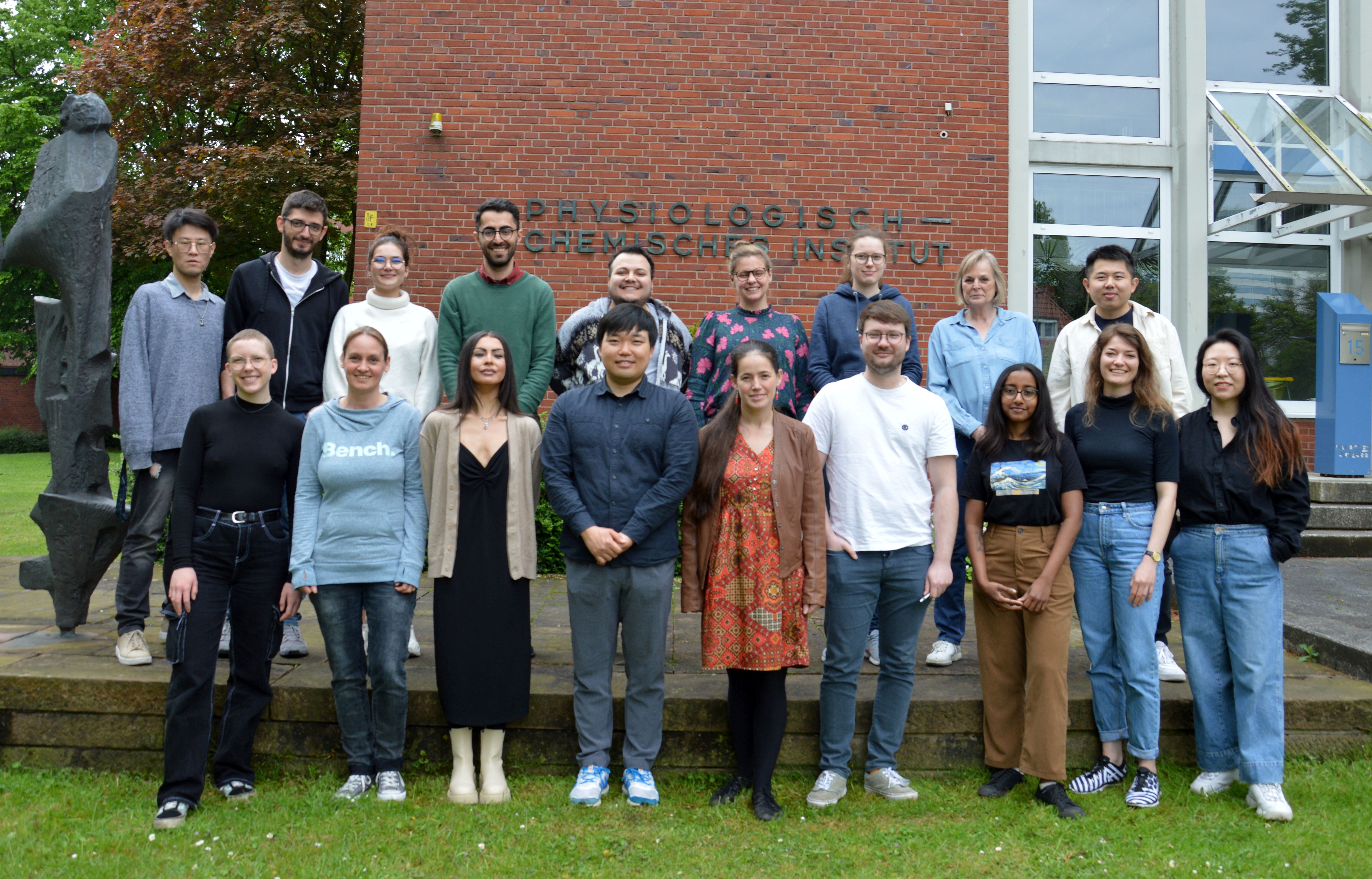
Seraphine V. Wegner is a Full Professor at the Institute of Physiological Chemistry and Pathobiochemistry within the Medical Faculty of the University of Münster. She leads an active research group focused on the spatiotemporal control of cell-material and cell-cell interactions using visible light. Her work bridges synthetic biology, cell biology, and photochemistry to create innovative approaches for tissue engineering and minimal cellular systems. Dr. Wegner's educational background includes a PhD from the University of Chicago (2005-2010) and undergraduate studies at Middle East Technical University in Turkey (2002-2005). Her career path has taken her through prestigious institutions including the Max Planck Institutes in Mainz and Heidelberg, where she established her independent research before joining the University of Münster as a Full Professor in 2019. Her research spans several interconnected areas including light-controlled minimal cellular systems, photoswitchable cell-cell interactions for tissue engineering, light-controlled cell-material interactions, and engineering designer biofilms with light. These research themes share a common thread of using light as a non-invasive tool to precisely control biological processes with high spatial and temporal resolution. Dr. Wegner's publication record shows consistent high-impact output across leading journals in cell biology, synthetic biology, and materials science. Her recent work demonstrates increasing sophistication in multi-color light control systems and applications in both fundamental biological questions and potential therapeutic approaches. ERC Consolidator Grant (2024): LIGHTHOUSE - Light as a signal for nonchemical cell-to-cell communication ERC Starting Grant (2018): ARTIST - Artificial cell-cell interactions for light switchable cell organization and signaling Young Leaders in Science Program, Schering Foundation (2016) MaxSynBio Independent Group Leader, BMBF/MPG (2015) Her research group actively collaborates across disciplines, with projects spanning from fundamental biophysics of cell adhesion to potential medical applications in tissue engineering and bacterial therapeutics. Dr. Wegner has established herself as a leader in the emerging field of optogenetic control of multicellular systems.
Sanjiv Sinha is a Professor in the Department of Mechanical Science and Engineering at the University of Illinois, serving as the Associate Head for Undergraduate Programs. He is also affiliated with the Micro and Nanotechnology Lab. His research focuses on thermal conductivity, nanomaterials, thermoelectrics, energy storage, and advanced manufacturing. Key contributions include innovations in thermochemical energy storage systems, nanowire thermal properties, and hybrid material fabrication techniques. Sinha has been recognized with prestigious awards including the DARPA Young Faculty Award (2011) and NSF CAREER Award (2010). His recent work spans hydrogel thermal characterization, nanoporous crystalline materials, and intracellular thermometry. Articles highlight interdisciplinary approaches to energy systems, environmental engineering, and biomedical applications. Ongoing projects include developing smart water management systems and advanced thermal interfaces for electronics cooling. Collaborations emphasize sustainable technologies and nuclear materials science. Research Highlights: Thermoelectric materials, nanostructured phase change systems, and ultrasonic welding of metal-polymer composites. Grants & Funding: Supported by DARPA, NSF, and industry partnerships focused on thermal energy storage and nanofabrication. Labs & Teams: Leads the Micro and Nanotechnology Lab, collaborating with interdisciplinary teams in materials science and energy engineering.
Joseph Cotruvo is a Professor of Chemistry at the Department of Chemistry, Pennsylvania State University. His research focuses on understanding metal selectivity in biological systems, particularly lanthanides and transition metals, with applications in biotechnology, environmental science, and disease mechanisms. He leads the Cotruvo Lab, which develops biochemical and chemical biology tools to study metal ion acquisition, trafficking, and utilization in bacteria and human pathogens. Education: Ph.D., Chemistry, Massachusetts Institute of Technology (2012); A.B., Chemistry, Princeton University (2006). Research interests include lanthanide-dependent enzymology, protein engineering for rare earth element separations, and transition metal roles in neurodegenerative diseases. The lab designs fluorescent sensors, genetically encodable tools, and protein-based systems for metal detection and recovery. Recent work emphasizes actinide/lanthanide speciation, biohydrometallurgy, and biomolecular mechanisms of metal ion transport. Notable achievements include the discovery of lanmodulin—a highly selective lanthanide-binding protein—and its application in rare earth element recovery. His lab pioneered protein-based approaches for high-purity rare earth separations and developed manganese(II) fluorescent sensors. Research also explores iron-responsive riboswitches and copper-regulated lipid metabolism. Awards: Faculty Scholar Medal (2025), Blavatnik Finalist (2024), Eli Lilly Award (2024), Sloan Fellowship (2021), DOE Early Career Award (2020). Grants: NSF CAREER Award, Charles E. Kaufman Foundation, Jane Coffin Childs Memorial Fund. Labs/Teams: Cotruvo Lab (Penn State); collaborations with National Synchrotron Light Source, Lawrence Livermore National Laboratory. Future work targets scalable rare earth recovery systems, actinide-biomolecule interactions, and transition metal roles in infectious diseases.
Aleksandra Radenovic is a Full Professor at École Polytechnique Fédérale de Lausanne (EPFL) holding multiple positions across the institution. She is a Full Professor at the Laboratory of Nanoscale Biology (LBEN) within the School of Engineering (STI), a Full Professor in Teaching at the School of Life Sciences (SV), and a Full Professor in Teaching at the School of Engineering (STI). Additionally, she serves as Co-Director of both the IBI-STI and IBI-SV administrative units, and is a Member of both the STI School direction and SV School direction. Dr. Radenovic received her PhD from the University of Lausanne in 2003, where she worked with Prof. Dietler in the Laboratory of Physics of Living Matter. Prior to that, she studied physics at the University of Zagreb from 1994-1999, and completed her baccalaureate at a Classical gymnasium in 1994. She conducted postdoctoral research at the University of California, Berkeley from 2004-2007 in the group of Prof. Liphardt. Her research focuses on single molecule biophysics, with particular emphasis on developing techniques and methodologies based on optical imaging, biosensing, and single molecule manipulation. Her laboratory works on three major research directions: (i) developing and using nanopores as platforms for molecular sensing and manipulation, particularly solid-state nanopores in glass nanocapillaries and 2D-material membranes; (ii) studying biomolecular function, especially protein and nucleic acid interactions, using force-based manipulation techniques like optical tweezers and Anti-Brownian Electrokinetic traps; and (iii) developing super-resolution optical microscopy based on single molecule localizations for quantitative cellular imaging. Her work bridges physics, engineering, and biology to create innovative tools for understanding molecular processes at the nanoscale. Analysis of her recent publications reveals a strong focus on nanofluidics, 2D materials (particularly MoS 2 and hBN), nanopore sensing, super-resolution microscopy, and the development of novel instrumentation for biophysical applications. Her research demonstrates increasing interdisciplinary collaboration, integrating materials science, nanotechnology, and biological applications to address fundamental questions in molecular biophysics. Dr. Radenovic has received numerous prestigious awards and grants, including: 2021: ERC Advanced Grant 2021: Optica Fellow 2016: CCMX Materials challenge award 2015: SNSF-ERC Consolidator Grant 2010: ERC Starting Grant 2003: SNSF Fellowship She has successfully advised numerous PhD students whose research spans single molecule biophysics, nanofluidics, and optical techniques. Her laboratory, the Laboratory of Nanoscale Biology (LBEN), is well-equipped for advanced biophysical research, with capabilities in nanopore fabrication, optical trapping, super-resolution microscopy, and 2D materials characterization. Dr. Radenovic has secured significant research funding through competitive grants, including multiple ERC grants, which have supported her innovative research program at the intersection of physics, engineering, and biology.
Dr. Andrey Molotnikov is an Associate Professor in Additive Manufacturing and Director of the RMIT Centre for Additive Manufacturing at RMIT University's School of Engineering. His expertise spans additive manufacturing, computational materials science, and multi-material 3D printing. He leads a research team of 8 academics, multiple postdocs, and 10 PhD students, focusing on innovations like multi-material printing, high entropy alloys, and in-process quality assurance. Key research themes include architectured materials, computational modeling of solidification processes, and fatigue analysis of additively manufactured components. His work has resulted in over 80 publications (h-index 29) and several patents, with industry collaborations driving technology adoption. Recent publications (2022–2025) emphasize advancements in laser-based processes, defect detection via machine learning, and biomedical applications of additive manufacturing. He actively supervises research projects on topics such as hierarchical lattice structures and hybrid materials, supported by ARC grants and industry partnerships. Dr. Molotnikov’s labs and teams prioritize cross-disciplinary collaboration, aiming to bridge computational modeling with practical manufacturing solutions. His research addresses challenges in material compatibility, process optimization, and structural integrity of AM components.
Professor Yun-Bao Jiang is a full Professor in the Department of Chemistry, College of Chemistry and Chemical Engineering, Xiamen University, China. Since obtaining his PhD from the same university in 1990 he has built an internationally recognized research programme in supramolecular photochemical sensing, chiral amplification and single-molecule fluorescence spectroscopy, publishing >200 papers and accumulating >7 000 citations. Education BS 1984 – Xiamen University MS 1987 – Xiamen University PhD 1990 – Xiamen University (Advisor: Prof. Chen Guozhen) Research interests Jiang’s group develops photo-induced electron/proton-transfer systems for fluorescence sensing and biomolecular recognition. Core themes include: (i) signal amplification via controlled aggregation; (ii) chiral induction, memory and amplification in helical supramolecular polymers; (iii) single-molecule detection by fluorescence correlation spectroscopy; and (iv) designer chemosensors for saccharides, amino-acids, anions and heavy-metal ions. Recent work Recent articles (2022-2025) exploit π-conjugated molecular tubes, Ag(I)-thiol coordination polymers and peptide-derived azamacrocycles to create unprecedented anti-S-shaped CD-ee correlations, heterochiral β-turn scaffolds and 2-D supramolecular arrays, pushing the envelope of chiral sensing and optical imaging. Honours & awards Ministry of Education Natural Science Second Prize Chinese Chemical Society Young Chemist Award China Youth Science & Technology Award (5th) Fok Ying-Tong Young Teacher Award Fujian “Yunsheng” Youth Science & Technology Award State Council Special Government Allowance Humboldt Foundation Fellowship Volkswagen Foundation Research Grant Fellow of the Royal Society of Chemistry (2014) Grants & advising He currently leads three ongoing NSFC projects (2023-2026) on sub-nanometre Ag + -thiol coordination polymers, 2-D π-tube arrays and precision construction of multi-level chiral materials. A 30-member team (post-docs, PhD and Master candidates) operates in four contiguous laboratories (Rooms 531-538) equipped with home-built nanosecond lifetime spectrometers, FCS setups and modern synthetic facilities. Editorial & outreach roles Jiang serves on the editorial/advisory boards of ACS Sensors , Supramolecular Chemistry , Photochem. Photobiol. Sci. , Analytical Chemistry and several Chinese journals, and is a council member of the Chinese Chemical Society.