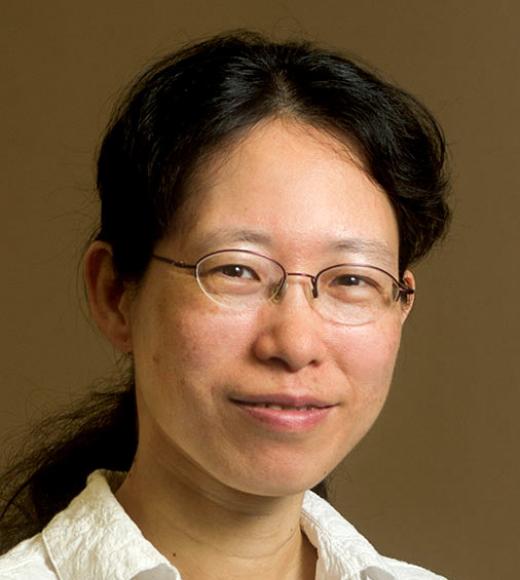
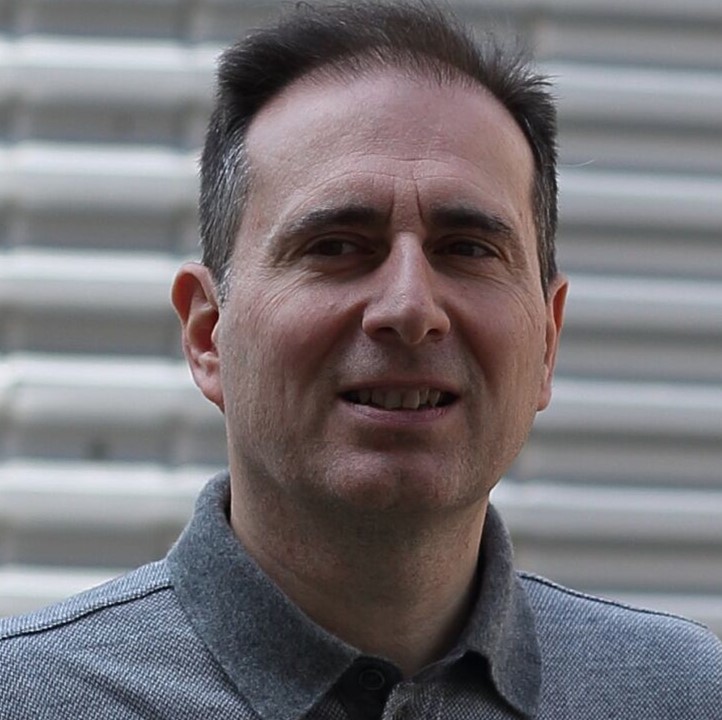
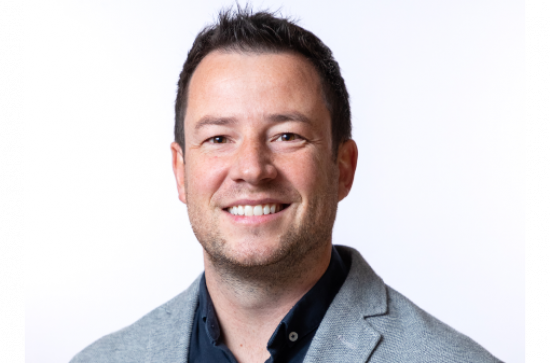
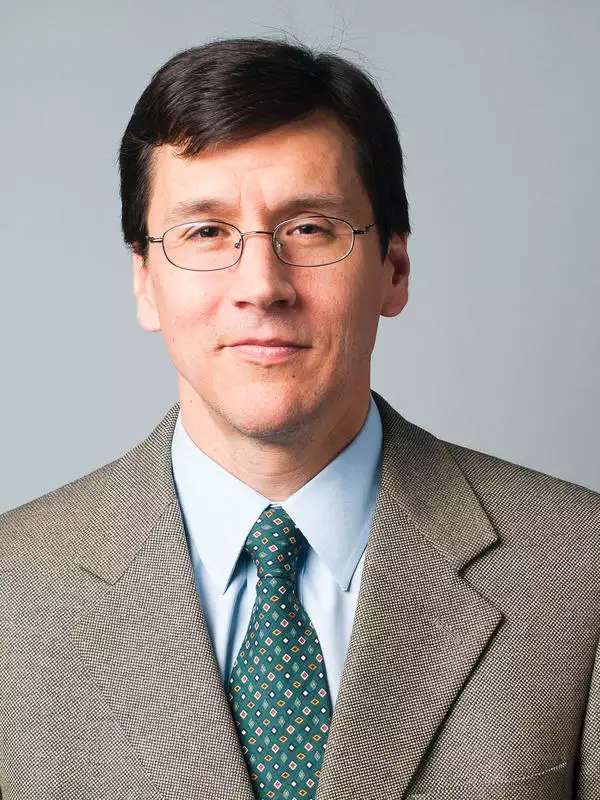
Prof. Dr. rer. nat. Lothar Elling is a University Professor and director at the Helmholtz Institute for Biomedical Engineering, RWTH Aachen University, Germany. His research focuses on biomaterials, glycoengineering, and enzymatic synthesis of carbohydrates and glycoconjugates. Institution: RWTH Aachen University Research Unit: Helmholtz Institute for Biomedical Engineering Academic Rank: Full Professor Prof. Elling's research interests include: Glycoengineering of biomaterials Enzymatic synthesis of glycans Glycosyltransferase immobilization Glycan-protein interactions Biocatalytic cascade reactions Biomedical applications of glycomaterials His recent publications demonstrate strong expertise in: - Automated enzymatic glycan synthesis - Multi-enzyme cascade systems for nucleotide sugar production - Glycosyltransferase engineering - Galectin-targeted glycomaterials - Microgel-based biosensors
Dr. Xi Chen is a Professor in the Department of Chemistry at the University of California, Davis, where he has been a faculty member since 2003. His research spans carbohydrate chemistry, glycobiology, and cancer biology, with notable contributions to chemoenzymatic methods for glycoconjugate synthesis. Dr. Chen's work focuses on developing hybrid chemical-enzymatic approaches to synthesize complex carbohydrates and glycoconjugates, characterizing glycosyltransferase mechanisms, and designing enzyme mutants for improved catalysis. He also investigates carbohydrate-based diagnostics and therapeutics, particularly in cancer and inflammatory diseases. His recent publications highlight interdisciplinary studies linking carbohydrate metabolism to p53 tumor suppression pathways and RNA-binding protein regulation in cancer. Awards include AAAS Fellow (2015), ACS Isbell Award (2012), and NSF CAREER Award (2006). He earned his Ph.D. at Wayne State University (2000) and B.S. at Xiamen University (1994). Scientific Awards American Association for the Advancement of Science Fellow (2015) Dean's Team Award for Excellence (2013) Carbohydrate Research Award for Creativity (2013) ACS CARB Horace S. Isbell Award (2012)
Simon Webb is a Professor of Organic Chemistry at the University of Manchester, leading the Organic Chemistry Group within the School of Chemistry. His research focuses on molecular self-assembly to create biomimetic materials, with key themes including membrane recognition, synthetic ion channels, and magnetically responsive biomaterials. He earned his PhD from the University of Cambridge and has held academic positions since 2002. His work bridges organic chemistry, nanotechnology, and biomedicine, contributing to sustainable development through advanced materials in medicine and biotechnology. Education: B.Sc./M.Sc. Chemistry, Auckland University (1990–1994) PhD, University of Cambridge (1994–1997) Research Interests: Membrane communication via synthetic ion channels Magnetic nanoparticle-vesicle assemblies for drug delivery Peptide-based foldamers for signal transduction His lab develops materials that mimic biological membranes, such as magnetically triggered drug delivery systems (MNPVs) and foldamer-based sensors. Collaborations span advanced materials, biotechnology, and medical research. Current projects include exploring cooperativity in multivalent ligand binding and lipid raft dynamics. Publications highlight innovations in foldamer design, supramolecular arrays, and enzyme-responsive materials. His work is supported by grants and contributes to UN Sustainable Development Goals in health and advanced materials.
Tristan Clemons is an Assistant Professor in the School of Polymer Science and Engineering at the University of Southern Mississippi. His research integrates polymer chemistry, supramolecular assembly, and biomaterials for therapeutic applications. Current projects focus on antioxidant polymers, peptide-polymer hybrids, photoresponsive materials, and nanoscale drug delivery systems. The Clemons Lab develops biomimetic materials for applications in cancer therapy, neural regeneration, antiviral strategies, and tissue engineering. Recent publications demonstrate innovations in functional polymer design, including dynamic biomolecular condensates, amyloid-based composites, and supramolecular antiviral agents. Materials are characterized for mechanical, biological, and therapeutic properties.
Giacomo Parigi is an Associate Professor of Chemistry at the University of Florence, affiliated with the Magnetic Resonance Center and the Department of Chemistry. His work focuses on paramagnetic effects in NMR, MRI contrast agents, and protein dynamics. He holds a Physics degree (1992) and a Chemistry PhD from the University of Florence, with postdoctoral and research roles at CERM since 1999. Research Interests: Parigi’s research explores paramagnetic effects in biological molecules, including protein structure determination, MRI contrast agent design, and relaxometry. He co-authored seminal books on NMR of paramagnetic molecules and pioneered methods for studying protein dynamics via field-cycling NMR. His lab integrates computational biology, bioinformatics, and experimental NMR to address biomedical challenges. Publications & Trends: Recent work emphasizes machine learning-enhanced NMR analysis, novel MRI probes (e.g., Mn-based nanogels), and structural studies of metalloproteins. His articles highlight innovations in paramagnetic NMR restraints, dynamic aggregation imaging, and low-field MRI applications. Awards & Grants: No explicit awards mentioned, but his extensive publications reflect significant contributions to NMR methodology. Active in securing grants for structural biology and biomedical imaging projects. Labs & Teams: Leads the Magnetic Resonance Center’s NMR group, collaborating on interdisciplinary projects involving biomaterials, drug design, and protein engineering. His team develops cutting-edge tools for in-cell NMR and metabolomics analysis.
Daniel W Armstrong is a Professor at the University of Texas at Arlington in the Department of Chemistry and Biochemistry. With over 35 years of experience, he is a pioneering figure in chiral recognition, enantiomeric separations, and the biological relevance of D-amino acids. His work has led to over 740 publications, 35 patents, and 560 invited seminars worldwide. Developed first chiral recognition mechanism by cyclodextrins First to use macrocyclic antibiotics as chiral selectors Synthesized most new ionic liquids (ILs) globally Created ultra-fast separation techniques now standard in analytical chemistry Contributed to FDA 1992 guidelines on chiral drug separation His research focuses on chiral separations, ionic liquids, and the role of D-amino acids in biological systems. He has commercialized over 30 HPLC and GC columns, transforming analytical chemistry and pharmaceutical analysis. Recent publications demonstrate continued innovation in chiral chromatography, biomarker analysis, and AI-driven separation optimization. His grants include industry collaborations with Merck, Alcon, and Sigma-Aldrich, emphasizing practical applications of his work. Scientific honors include multiple lifetime achievement awards, fellowships in the Royal Society of Chemistry and American Chemical Society, the Chirality Medal, and induction into the National Academy of Inventors. He has mentored over 100 PhD students, many from first-generation college backgrounds.
Noemi Stefanía Csaba is a Professor at the University of Santiago de Compostela, affiliated with the Department of Pharmacology, Pharmacy and Pharmaceutical Technology within the Faculty of Pharmacy. She is also part of the Center for Research in Molecular Medicine and Chronic Diseases (CIMUS). Her research focuses on nanotechnologies applied to drug delivery systems, particularly in the development of gene therapy carriers, vaccines, and targeted therapies for cancer and infectious diseases. She earned her PhD in 2005 with a thesis on genetic vaccine delivery systems under the supervision of Dr. María José Alonso Fernández and Dr. Alejandro Sánchez Barreiro. Her research interests encompass nanomedicine, biomaterials engineering, and mucosal drug delivery. She has pioneered studies on protamine nanocapsules, chitosan-based systems, and polyphosphazene derivatives for targeted drug delivery. Her work addresses challenges in overcoming biological barriers (e.g., nasal-to-brain, pulmonary, intestinal) and enhancing therapeutic efficacy through nanoparticle design. Notable contributions include the development of semisynthetic pneumococcal nanovaccines, hybrid peptide-polymer platforms for cancer immunotherapy, and lymphatic-targeted anticancer nanocarriers. Her articles highlight advancements in gene delivery for glioblastoma, ocular tumor treatment, and macrophage-targeted pulmonary therapies. While no specific awards are listed, her prolific publication record (spanning 2002–2025) reflects sustained innovation in pharmaceutical nanotechnology. She collaborates widely on projects integrating biomaterials, molecular medicine, and translational drug delivery systems. Her lab (NANOBIOFAR research group) focuses on translational nanomedicine, emphasizing practical applications such as ready-to-use dry powders for pulmonary delivery and plant-derived sporopollenin microcapsules for drug encapsulation. Current work includes optimizing nanoparticle stability, improving vaccine adjuvants, and addressing barriers in intestinal and transmucosal drug absorption.
Dr Joseph Byrne is a Lecturer/Assistant Professor in Bioinorganic Chemistry at University College Dublin's School of Chemistry, appointed in January 2023. He also holds a Conway Fellowship at the UCD Conway Institute from August 2023 to July 2026. Previously, he was a Science Foundation Ireland Starting Investigator at University of Galway where he held positions as an Adjunct Lecturer and Honorary Research Lecturer. Dr Byrne's research focuses on the intersection of carbohydrate chemistry and coordination chemistry, specifically developing carbohydrate-functionalized metal complexes as diagnostic and therapeutic tools against bacteria and other pathogens. His work addresses antimicrobial resistance by targeting bacterial lectins with metal-based glycoconjugates that function as molecular sensors and anti-adhesives. The research is funded by Irish Research Council, Science Foundation Ireland, and the Higher Education Authority/Shared Island Fund, with support from CÚRAM Centre for Medical Device Research. His group is also part of the Innogly and GlycoNanoProbes COST Action network. His recent research has demonstrated significant findings including Ru(II) btp complexes with anti-biofilm effects, europium(III) dpa complexes with activity against Pseudomonas aeruginosa, and galactoside Tb(III) complexes that function as luminescent lectin sensors. His work spans fundamental chemistry to potential biomedical applications in pathogen detection and treatment. Science Foundation Ireland Starting Investigator Research Grant Marie Skłodowska–Curie Individual Fellowship RSC Mobility Grant Dr Byrne has supervised several graduate students including Dr. Karolina Wojtczak (PhD, thesis on metal-based glycoconjugates), Dr. Rosy Polisicchio (PhD, thesis on lanthanide-functionalized vitamin B12 probes), and Thomas Rabbitte. His research group actively participates in scientific conferences, most recently presenting multiple papers at ECC-9 in Dublin (July 2024). Beyond research, Dr. Byrne co-organized the first-ever 'Ceimic as Gaeilge' event discussing chemical research through the Irish language and participates in STEM outreach activities including hosting school students for hands-on chemistry experiences.
Jennifer Fernández Alarcón serves as a Research Collaborator at IQS (Institut Químic de Sarrià), part of Universitat Ramon Llull's School of Engineering and Technology. Her work focuses on nanomedicine applications for cancer therapy and immunomodulation. Her research interests prominently feature Nanoparticle Drug Delivery , Cancer Immunotherapy , and Macrophage Targeting , with specific expertise in glycoconjugate-functionalized gold nanoparticles. The fingerprint analysis reveals strong activity in Macrophage biology (100%), Nanoparticle pharmacology (86%), Neoplasm research (60%), and Gold Nanoparticle applications (50%). Recent publications demonstrate consistent focus on therapeutic nanoparticle systems, particularly examining cellular uptake mechanisms, liver macrophage polarization, and cancer cell targeting. Her work bridges nanotechnology with immunology through innovative glycopeptide and diterpenoid modifications. She actively participates in collaborative projects including TECARN (2024-2026), focused on mRNA analysis for vaccination. Her advising role includes supervision of multiple research outputs across nanomedicine and gene therapy domains.
Robert Elmes is an Associate Professor and Associate Dean of Research in the Faculty of Science & Engineering at Maynooth University, where he leads research in the Department of Chemistry. He earned his B.A. Mod. in Medicinal Chemistry and PhD in Medicinal and Supramolecular Chemistry from Trinity College Dublin, followed by postdoctoral work at Trinity College and the University of Sydney focusing on anion recognition and sensing platforms. His research integrates supramolecular chemistry , chemical biology , and medicinal chemistry to develop biomimetic materials for diagnostic tools, drug delivery systems, antitumor therapeutics, and environmental sensors. Key themes include anion recognition, fluorescent probes, self-assembling amphiphiles, and enzyme-responsive theranostics. His group specializes in designing functional molecules like squaramide conjugates and metal complexes for biological and environmental applications. Analysis of his 15 most recent publications (2021-2024) reveals strong emphasis on: Chemical sensors for anions, metals, and biomolecules Supramolecular drug delivery systems and ion transporters Fluorescence-based bioimaging and diagnostics Antimicrobial and anticancer therapeutic strategies Stimuli-responsive nanomaterials Structure-activity relationships in functional molecules Scientific Awards & Honors: Teaching Hero Award (2021) Visiting Researcher at Scripps Research, California (2021) Czarnik Emerging Investigator Award for Molecular Sensors (2020) Visiting Professorship at Université d'Orleans, France (2022) Trinity Trust Travel Award (2009) Nature Chemistry Best Multidisciplinary Poster (2009)
Christian Rojas is Professor of Chemistry at Barnard College, where he has been a faculty member since 1997. He is affiliated with the Department of Chemistry and contributes to the First Year Foundation program. His research focuses on synthetic organic chemistry, particularly the development of methods for nitrogen incorporation and the synthesis of amino sugars. Education: B.A. (With Distinction), University of Virginia Ph.D., Indiana University Professor Rojas's research lies at the intersection of synthetic methodology and carbohydrate chemistry. His work emphasizes nitrogen atom transfer reactions and the construction of 2-amino sugar building blocks , which are crucial in medicinal chemistry and glycobiology. He employs transition metal catalysis, particularly rhodium and iron systems, to achieve stereoselective transformations in glucal and allal derivatives. His group has developed innovative amidoglycosylation strategies using metallanitrenes and acyl nitrenoids, enabling efficient access to biologically relevant glycosides. His recent publications reveal a strong trend in nitrogen-based functionalization of carbohydrates , with a focus on metal-catalyzed C–H activation , photochemical reactions , and molecular rearrangements . These studies contribute to the broader fields of drug discovery and chemical biology by providing new tools for glycoconjugate synthesis. Scientific Service and Recognition: Editor, Molecular Rearrangements in Organic Synthesis (Wiley, 2016) Contributor to Name Reactions series and eEROS NIH-funded research (NIGMS, 2014–2017) Professor Rojas has actively mentored undergraduate researchers, many of whom have pursued advanced degrees and careers in science, medicine, and education. His research has been supported by federal grants, and he has contributed significantly to chemical education through scholarly editing and curriculum development. He is currently on sabbatical but remains engaged in research and academic leadership. He is associated with research groups and collaborative science initiatives at Barnard, particularly within the Chemistry Department and the Summer Research Institute, which supports women in STEM.
Dr. Graeme Turnbull is an Assistant Professor of Chemistry in the Department of Applied Sciences at Northumbria University. His work bridges academic research and industrial applications, with key projects involving bioMérieux (microbial diagnostics) and Sterling Pharma Solutions (industrial biocatalysis Knowledge Transfer Partnership). Based at the Ellison Building (City Campus, Newcastle upon Tyne), he leads research on chromogenic/fluorogenic enzyme substrates and chemical synthesis for biomedical applications. PhD in Chemistry (Northumbria University, 2012) BSc (Hons) in Chemistry (Northumbria University, 2009) Research interests include industrial biocatalysis , microbial diagnostics , and materials chemistry . His recent articles focus on enzyme substrates for pathogen detection, chemical synthesis for pharmaceuticals, and luminescent metal complexes. Publications highlight collaborations between academic research and industry needs in biotechnology. Fellowship of the Higher Education Academy (FHEA) 2018 Chartered Chemist (CChem) 2016 Chartered Scientist (CSci) 2016 Member of the Royal Society of Chemistry (MRSC) 2014 Supervises postgraduate researchers like Bernardo Santos Velosa (2024), Niamh Oliver (2022), and Audrey Perry (2021) in microbial detection methods and biocatalysis. Professional activities include invited talks on industrial biocatalysis at conferences since 2011 and participation in enzyme immobilization workshops.
Valentina OLIVERI is an Associate Professor in General and Inorganic Chemistry (SSD CHIM/03) at the Department of Chemical Sciences, University of Catania. She works on bio-inorganic and supramolecular systems involving Cu, Zn, and Fe, with applications in targeted oncotherapy and neurodegenerative disorders. She has contributed to projects like PRIN PNRR 3DVOCE and PRIN 2022 NESTOR. PhD in Chemical Sciences, University of Catania (cum laude) National Scientific Qualification as Associate Professor (2017, sector 03/B1) Research Interests: Copper and Zinc ionophores for anticancer/antimicrobial therapy Cuproptosis induction in cancer cells Supramolecular cyclodextrin-based drug delivery systems Metal ion dysregulation in diseases Scientific Awards: Italfarmaco-De Santis Award for glycoconjugate research
Thomas J. Meade is the Eileen M. Foell Professor of Chemistry, Molecular Biosciences, Neurobiology, Biomedical Engineering, and Radiology at Northwestern University. He also serves as Director of the Center for Advanced Molecular Imaging. His research focuses on inorganic coordination chemistry applied to molecular imaging, theranostics, and electronic biosensors, with emphasis on transition metal complexes for MRI contrast agents and drug delivery systems. The Meade Lab develops advanced imaging probes for applications in cancer, neurodegeneration, and regenerative medicine. Key recent work includes self-immolative probes for β-galactosidase imaging and Gd(III)-Pt(IV) theranostic agents. Research interests span: Molecular imaging of gene expression and intracellular messengers Transition metal enzyme inhibitors Electronic biosensors for DNA/protein detection Theranostic nanoparticles for combined therapy and imaging Bioresponsive MR probes for real-time tracking Current projects emphasize: Senescence detection in osteoarthritis AAV gene therapy monitoring Targeted imaging of prostate cancer (PSMA) Nanoparticle-based MRI contrast agents Lab infrastructure includes facilities for organic/inorganic synthesis, X-ray crystallography, cell culture, and advanced imaging techniques. Group members engage in interdisciplinary collaborations across chemistry, engineering, and medicine.
France-Isabelle Auzanneau is a Professor in the Department of Chemistry at the University of Guelph. Her research focuses on the synthesis and conformational analysis of carbohydrate-based antigens, particularly those associated with tumor cells and bacterial infections. She investigates how these antigens interact with the immune system, aiming to develop immunotherapeutics. Educational Background: B.Sc., Paris-Sud Orsay University (1985) M.Sc., Paris-Sud Orsay University (1986) Ph.D., Paris-Sud Orsay University (1989) Her work involves advanced techniques such as nuclear magnetic resonance (NMR) spectroscopy, molecular dynamics simulations, and organic synthesis for glycosylation reactions. She studies Lewis blood group antigens and their analogues, exploring their roles in immune responses and potential applications in vaccine design. Recent publications highlight her contributions to understanding glycan stability, self-assembly of carbohydrate networks, and the development of dimeric antigen fragments. Her lab at the University of Guelph (MACN 226/239) is equipped with modern instrumentation for chromatography, molecular modeling, and biointerface studies. She has mentored numerous graduate students and postdoctoral researchers, fostering expertise in carbohydrate chemistry and immunological applications. Her collaborations span disciplines, including food science and microbiology, reflecting a broad impact in glycosciences.