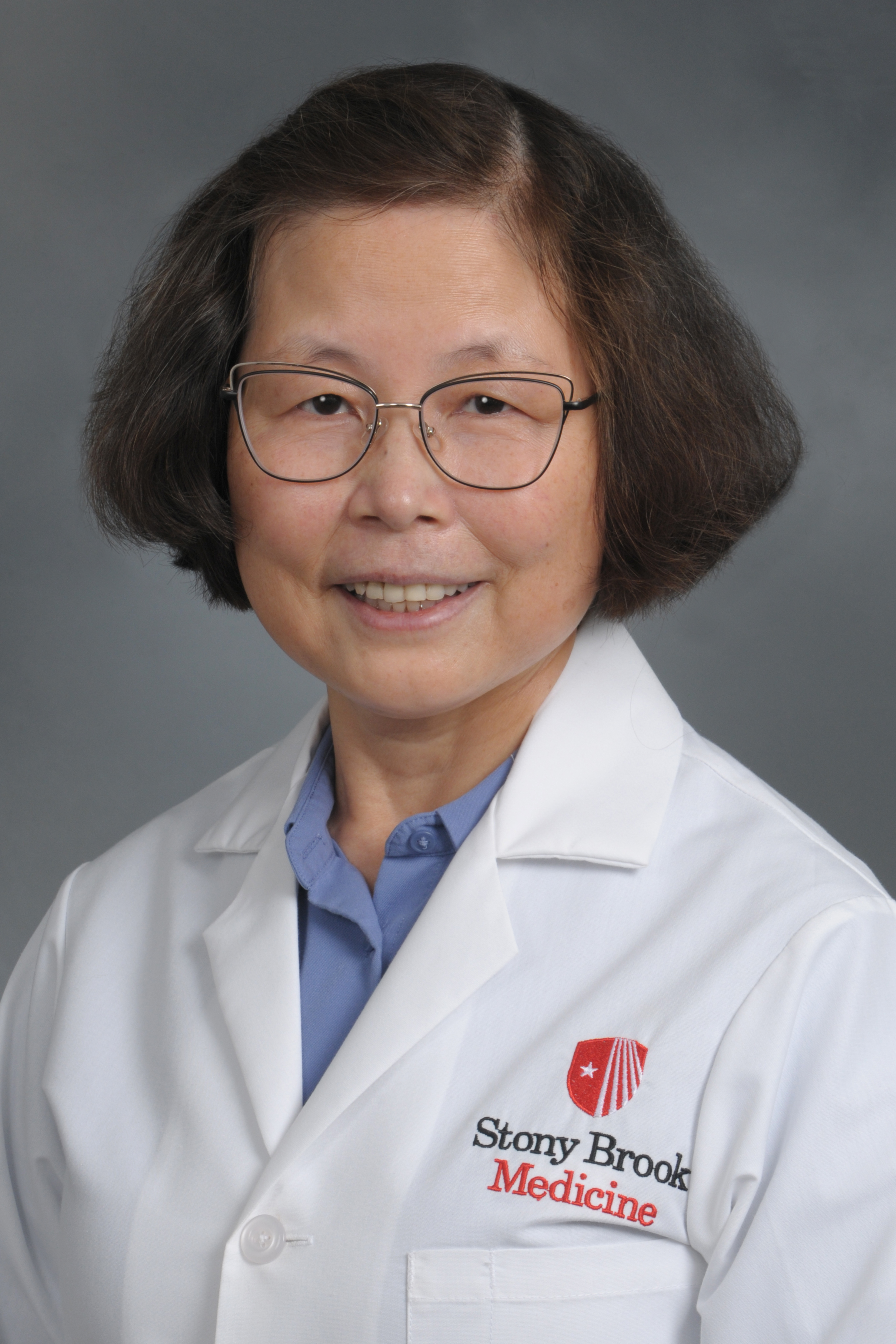
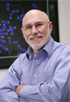
G. Petur Nielsen, MD is a Professor of Pathology at Harvard Medical School and serves as Subspecialty Head, Bone and Soft Tissue Pathology at Massachusetts General Hospital . With a clinical focus on bone and soft tissue tumors, his expertise spans diagnostic pathology, molecular genetics of neoplasms, and ancillary testing applications. Research interests center on Pathology and biology of bone/soft tissue tumors Molecular genetics of bone and soft tissue neoplasms Chordoma and sarcoma research Epithelioid vascular tumor differentiation Mesenchymal tumors of the female genital tract His work includes landmark studies on tumor misdiagnosis rates, immunohistochemical profiling, and genomic analysis of chordomas. Scientific contributions appear in leading journals like Nature and American Journal of Surgical Pathology , with major emphasis on Molecular tumor classification Mutational signature analysis Translational oncology Diagnostic accuracy improvement Genomic instability mechanisms
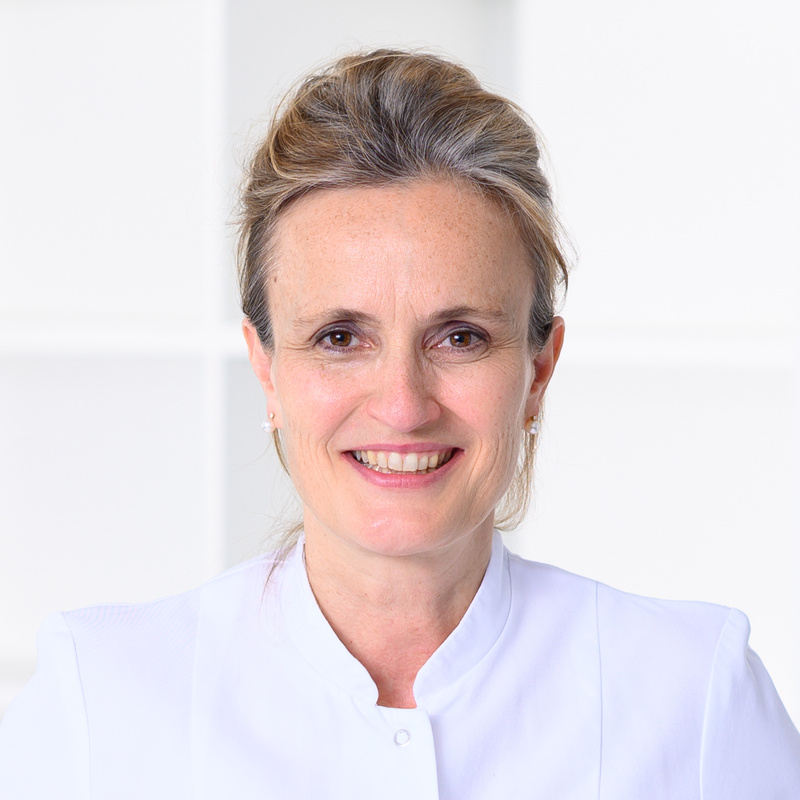
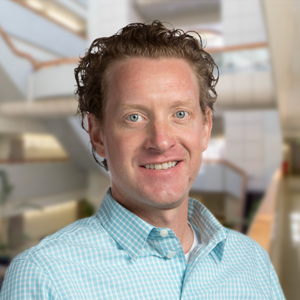
Kathryn E. Dickerson, M.D., M.S.C.S., is an Assistant Professor in the Department of Pediatrics at UT Southwestern Medical Center, specializing in the Division of Hematology and Oncology. She holds dual appointments as a 2015 Translational Research Scholar in the UTSW Center for Translational Medicine and as an NIH KL2 scholar. Her clinical focus is pediatric hematology, emphasizing bone marrow failure disorders, cancer predisposition syndromes, and thalassemia/dyserythropoietic anemias. Her research investigates epigenetic regulation of myeloid malignancies, clonal hematopoiesis in childhood cancer survivors, and molecular mechanisms underlying acute myeloid leukemia (AML), myelodysplastic syndromes (MDS), and myeloproliferative disorders (MPD). Education: Bachelor's in Biochemistry (Indiana University), minor in Spanish Medical degree (Indiana University School of Medicine) Masters of Science in Clinical Sciences (UT Southwestern Center for Translational Medicine) Training: Pediatric residency with research pathway (Ohio State University/Nationwide Children’s Hospital) Pediatric hematology-oncology fellowship (UT Southwestern) Dr. Dickerson’s research bridges basic science and clinical practice, leveraging CRISPR-based epigenetic editing, genomic analysis, and translational studies to understand disease mechanisms. Key projects include interrogating enhancer dysregulation in leukemia, studying metabolic reprogramming in cancers, and evaluating clonal hematopoiesis in survivors of childhood cancers. Her work has advanced understanding of EZH2’s role in AML and identified therapeutic vulnerabilities in myeloid malignancies. Awards: 2015 Translational Research Scholar (UTSW Center for Translational Medicine) NIH KL2 Career Development Award Grants/Initiatives: NIH-funded investigator-initiated study on clonal hematopoiesis Industry/consortia-sponsored trials for bone marrow failure and rare blood disorders She collaborates with the Children’s Research Institute and North American Pediatric Aplastic Anemia Consortium, contributing to clinical trials and translational initiatives. Her lab focuses on developing biomarkers for disease severity (e.g., immature platelet fraction in pediatric COVID-19) and therapeutic strategies targeting epigenetic dependencies in leukemia.
Noël J-M Raynal is a Professor in the Department of Pharmacology and Physiology at the Université de Montréal and a researcher at the CHU Sainte-Justine Research Center. His expertise lies in epigenetic pharmacology of cancer and drug discovery, particularly using 3D cell culture models to study pediatric and adult cancers. He has held senior research awards from the FRQS and has led multiple projects funded by CIHR, CRSNG, and others. His work focuses on developing novel therapies targeting epigenetic modifications in cancers like neuroblastoma, sarcomas, lung cancer, and triple-negative breast cancer. Education: Ph.D. in Biology (INRS-IAF, 2008), Postdoctoral training at MD Anderson Cancer Center and Temple University. Teaching roles include courses in pharmacology and physiology. Research affiliations: GRUM (University Research Group on Medicine), Azrieli Research Center at CHU Sainte-Justine Awards: Senior FRQS Scholar (2024–2028), Junior FRQS Awards (2016–2024) Supervised 15+ students in M.Sc. and Ph.D. programs, focusing on epigenetic drug discovery and 3D tumor modeling Active in grants: Over 20 projects funded by CIHR, FRQS, and industry partnerships Research highlights include repurposing drugs like disulfiram for neuroblastoma and developing CDK9 inhibitors. His lab innovates in 3D co-culture models to better mimic tumor environments and improve drug screening accuracy.
Anders Hofer is an Associate Professor and Docent in Medical Biochemistry at Umeå University's Department of Medical Biochemistry and Biophysics, serving as Director of Studies. His research focuses on nucleotide metabolism in pathogens and mammalian cells, with an emphasis on enzymes like ribonucleotide reductase and nucleoside kinases. His work targets pathogens such as Trypanosoma brucei (African sleeping sickness), Giardia intestinalis, and Borrelia burgdorferi (Lyme disease), aiming to develop drugs exploiting their metabolic vulnerabilities. His lab employs techniques like GEMMA analysis, mass photometry, and nucleotide quantification methods. Recent grants include a three-year strategic research grant from the Medical Faculty in 2023. Key projects include studying nucleotide salvage pathways in pathogens and developing adenosine analogues as antiparasitics. Collaborations span structural biology, enzymology, and drug discovery. His work addresses antibiotic resistance by targeting unique pathogen features.
Simbarashe Mazambani is an Assistant Professor of Instruction in the Department of Biological Sciences at the University of Texas at Dallas (UTD), affiliated with the School of Natural Sciences and Mathematics. His academic preparation includes a Ph.D. in Molecular and Cell Biology from UTD (2023), an M.S. in Biological Sciences from Texas A&M University-Commerce (2017), and a B.S. in Biological Sciences from the same institution (2014). Dr. Mazambani's research focuses on cancer metabolism, biochemistry, and functional genomics, with a particular emphasis on metabolic vulnerabilities in squamous cell carcinomas and the role of glucose-insulin signaling pathways in tumor growth. His work integrates oxidative stress mechanisms, epigenetic regulation, and xenobiotic detoxification pathways to elucidate cancer progression and therapeutic strategies. Notable publications include groundbreaking studies on targeting the glucose-insulin axis in head and neck squamous cell carcinoma, the role of Hedgehog signaling in lung adenocarcinoma suppression, and epigenetic control of breast cancer via xenobiotic pathways in agouti mouse models. His research spans disciplines such as oncology, cell signaling, and metabolic reprogramming, with implications for precision medicine and cancer therapy. Dr. Mazambani currently does not accept undergraduate or graduate students, focusing instead on instructional and research activities. His work is supported by experimental models and collaborative studies, though specific grants or lab affiliations are not detailed in the provided materials.
Eduardo N. Chini, M.D., Ph.D., is a Professor at Mayo Clinic with primary and joint appointments in the Department of Anesthesiology and Perioperative Medicine and the Department of Cancer Biology. He is based in Rochester, Minnesota, and leads a research program focused on NAD metabolism, aging, and their roles in diseases such as cancer, obesity, and kidney disease. Education: BS in Biology, Centro Educacional de Niteroi-RJ MD, Universidade do Rio de Janeiro PhD in Biological Chemistry, Universidade do Rio de Janeiro Fellow, Department of Physiology and Biophysics, Mayo Clinic Resident in Anesthesiology, Mayo Clinic College of Medicine Research Interests: Eduardo N. Chini's research investigates the central role of nicotinamide adenine dinucleotide (NAD) in cellular metabolism, aging, and disease. His lab has made foundational discoveries in NAD catabolism, identifying CD38 as the primary enzyme regulating NAD levels in mammals. His work explores SIRT1 regulation via CD38 and DBC1, NAD metabolism in cancer, and its implications in polycystic kidney disease. He is particularly interested in how NAD signaling influences aging, metabolic syndrome, and organ dysfunction. Recent Research Trends: His recent publications (2023–2025) reveal a strong focus on the role of CD38 in aging, immune function, and tissue metabolism. Key themes include NAD+ depletion triggering inflammatory responses, CD38 inhibition as a therapeutic strategy for cardiotoxicity and metabolic aging, and the interplay between senescence, stem cell function, and mitochondrial health. His work increasingly integrates translational models with molecular mechanisms in aging and cancer. Scientific Awards: Florida Investigator of the Year, Mayo Clinic (2024) Glenn/AFAR Breakthroughs in Gerontology Award (2007) Edward C. Kendall Award, Mayo Clinic Alumni Association (2002) Directors Award for Aging Research, Kogod Center on Aging (2018) Distinguished Scientist Seminar Series, Georgetown Medical School (2022) Grants and Leadership: Dr. Chini is a co-Principal Investigator on multiple NIH-funded grants, including projects on CD38 in scleroderma, CLL, and male reproductive aging. He is Co-Director of the Mayo Clinic Mitochondrial Care Center and Associate Director of the Robert and Arlene Kogod Center on Aging. He has served on numerous national review panels and advisory councils, including the NIH Hepatobiliary Pathophysiology Study Section and AFAR's National Scientific Advisory Council. Labs and Teams: Dr. Chini leads a research laboratory at Mayo Clinic focused on NAD metabolism and aging. His team collaborates extensively with experts in cancer biology, mitochondrial medicine, and aging research. He is affiliated with the Mayo Clinic Comprehensive Cancer Center, the Kogod Center on Aging, and the Robert M. and Billie Kelley Pirnie Translational PKD Center.
Zhishan Wang, MD, PhD is a Research Professor in the Department of Pathology at Stony Brook University's Renaissance School of Medicine . His work focuses on environmental carcinogenesis , particularly mechanisms of cancer biology and cancer therapy , with a specialization in metal-induced carcinogenicity. Research Interests: Environmental Carcinogenesis Epigenetic and Epitranscriptomic Mechanisms Tumor Microenvironment Remodeling Metal Toxicity Pathobiology Non-Coding RNA Regulatory Networks Scientific Contributions: Analysis of 15 recent publications reveals expertise in: Metal-Induced Oncogenic Pathways (e.g., NF-κB activation, Hedgehog signaling) RNA Modification Dynamics (m6A, lncRNA-splicing interactions) Stem Cell Plasticity in Carcinogenesis Multi-Carcinogen Synergy Mechanisms Epigenetic-Genotoxic Interplay Transcriptomic Reprogramming by Toxicants
Professor Sabine Eming is a Principal Investigator at the Department of Dermatology & FMNS at the University of Cologne, affiliated with the CMMC and collaborating with CECAD. Her research focuses on the molecular basis of age-related skin pathologies and regenerative responses. Investigates tissue regeneration, immunometabolism, and TOR signaling Develops therapeutic strategies for injured/aging tissues Uses cross-species models (mice, zebrafish, Drosophila, humans) Her work bridges basic science and clinical expertise to translate findings into therapeutic approaches, particularly examining: Metabolic reprogramming in wound healing Immune system's role in regeneration vs. scarring Lipid synthesis and filaggrin processing in skin barrier formation Scarless repair mechanisms in zebrafish vs. mammals She leads research into molecular control systems including: Cell death regulation (FADD-RIPK3 pathways) Nutrient-sensing TOR pathway in skin aging Glutamine metabolism in stem cell maintenance Her group develops genetically modified mouse models and collaborates on clinical trials for impaired healing conditions.
Hokyung Kay Chung, PhD is an Assistant Professor in the Department of Cell Biology and Physiology at the University of North Carolina at Chapel Hill School of Medicine and a member of the UNC Lineberger Comprehensive Cancer Center. Her research program integrates synthetic biology, immunology, and cancer biology to engineer T cells for enhanced anti-tumor efficacy. Dr. Chung's research focuses on harnessing synthetic biology to reprogram T cell differentiation states for cancer immunotherapy. Her laboratory employs protein engineering, next-generation sequencing, CRISPR screening, and bioinformatics to develop three core platforms: (1) Transcription factor recipes for T cell programming using multiomics atlas-based analysis and in vivo CRISPR screening; (2) Synthetic toolkits for designer immunity including drug-inducible transcription factor circuits and signal rewiring platforms; (3) Hijacking tumors via engineered oncolytic viruses to encode immune modulators. Her work aims to create context-specific cell state programming that enhances T cell therapy efficacy across diverse cancer types. Her publication portfolio demonstrates significant contributions to synthetic immunology, with high-impact papers in Science, Nature Chemical Biology, Cell, and Immunity covering protease-based control systems, T cell differentiation engineering, and tumor microenvironment remodeling. Recent work includes developing sonogenetic CAR-T cells controllable by ultrasound and elucidating metabolic mechanisms of T cell exhaustion. K01 Research Scientist Development Award, NIH, 2023 Keystone Symposia Future of Science Fund Scholarship, 2020 Damon Runyon Fellowship Award, 2019 Salk Women & Science Special Award, 2019 Hans Neurath Outstanding Promise Travel Award, 2017 Dr. Chung leads the Chung Lab at the UNC Lineberger Comprehensive Cancer Center, where she directs research on synthetic T cell engineering. Her lab utilizes advanced techniques including single-cell CRISPR screening, protein engineering, and oncolytic virology to develop next-generation immunotherapies. Current projects focus on creating artificial T cell differentiation pathways and engineering the tumor microenvironment to support persistent anti-tumor immunity.
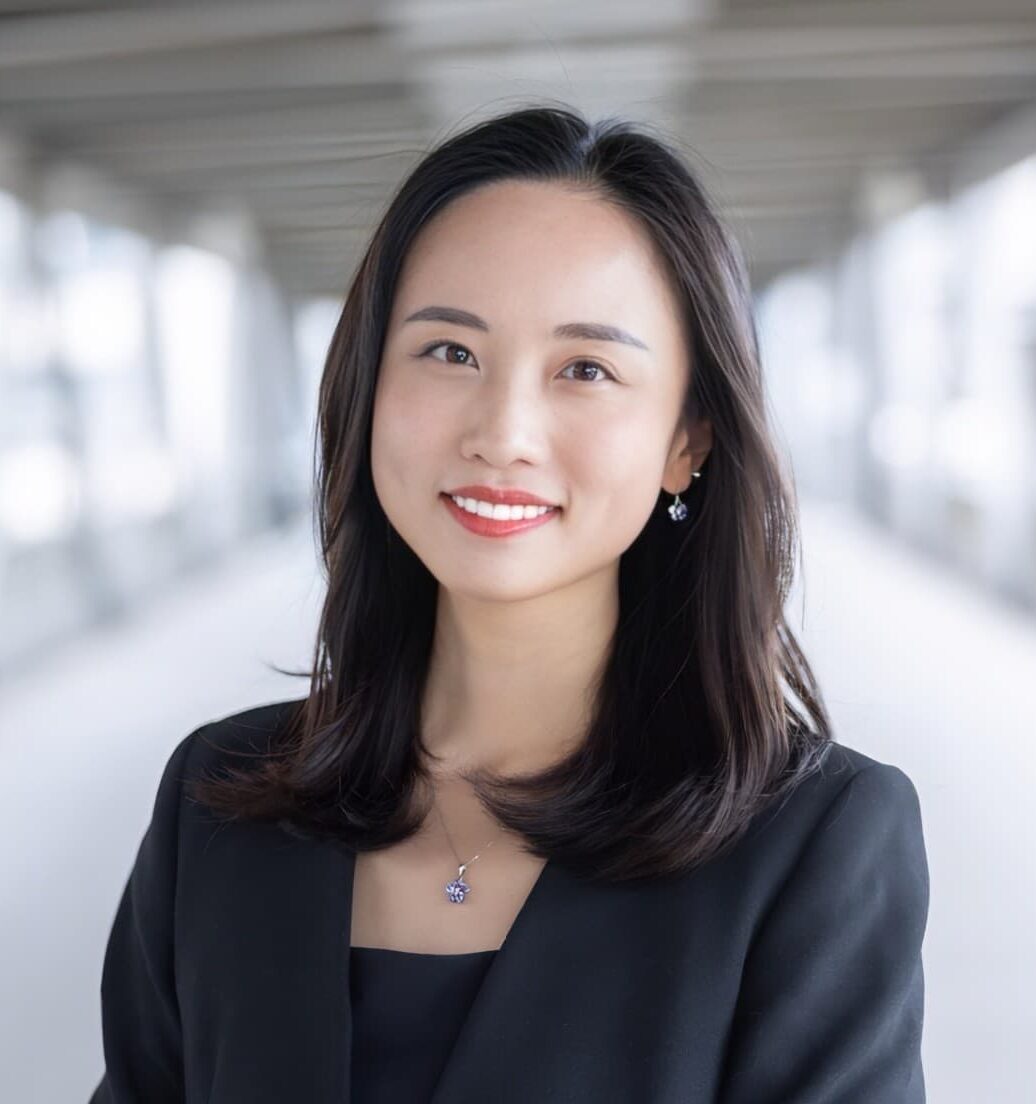
Vivian Li is a Senior Group Leader and Assistant Research Director at The Francis Crick Institute in London, UK, leading a research group focused on intestinal stem cell biology and colorectal cancer mechanisms. Dr. Li earned her PhD from the University of Hong Kong's Department of Pathology in 2008, researching molecular mechanisms of human colonic development and tumorigenesis, for which she received the Gold Medal Prize. She then completed postdoctoral training with Hans Clevers at the Hubrecht Institute in the Netherlands, funded by the Croucher Foundation Fellowship, focusing on Wnt pathway proteomics and intestinal stem cell genes using transgenic mouse models. Her research program investigates how stem cells maintain healthy gut tissue and what goes wrong during cancer development, with particular emphasis on Wnt signaling pathways. Dr. Li's laboratory utilizes advanced organoid technology ('mini-guts') to study stem cell behavior in three-dimensional cultures, gene editing techniques, and state-of-the-art imaging approaches. Her work spans developmental biology, stem cell research, and cancer biology with significant translational implications. Analysis of her recent publications (2022-2025) reveals a strong focus on cancer stemness mechanisms, intestinal regeneration pathways, Wnt signaling components, and innovative organoid modeling approaches for colorectal cancer. Her research consistently bridges basic science with potential clinical applications in gastrointestinal medicine. Gold Medal Prize for PhD thesis Croucher Foundation Fellowship Dr. Li established her independent laboratory at the MRC National Institute for Medical Research in February 2013 and transitioned to the Francis Crick Institute in 2015. Her research aims to develop tumor-specific therapies for bowel cancer and grow replacement human gut tissue for transplantation or drug testing platforms. She leads a multidisciplinary team utilizing cutting-edge techniques including reverse mouse genetics, ex vivo organoid cultures, and advanced genomic and proteomic analyses to investigate stem cell regulation in health and disease. Her laboratory at the Crick Institute operates within the Biological Research Facility and collaborates extensively with other research groups both within the institute and internationally, contributing significantly to understanding intestinal stem cell niche dynamics and cancer development mechanisms.
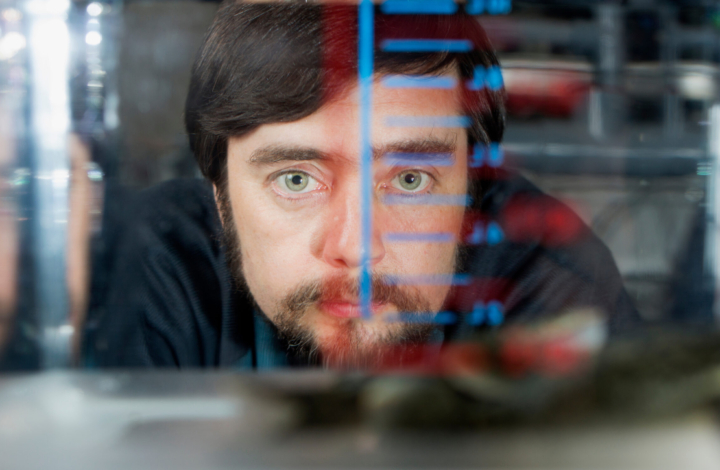
Michael Levin is a Distinguished Professor at Tufts University in the Department of Biology within the School of Arts and Sciences. He serves as Director of both the Allen Discovery Center at Tufts University and the Tufts Center for Regenerative and Developmental Biology. His laboratory investigates the intersection of developmental biology, artificial life, bioengineering, synthetic morphology, and cognitive science. Allen Discovery Center at Tufts Tufts Center for Regenerative and Developmental Biology Tufts/UVM: ICDO Harvard Wyss Institute Stibel Dennett Consortium for Brain and Cognitive Science The Proteus Institute MIT Science and Technology Center EBICS Levin's research focuses on understanding diverse intelligence in evolved, designed, and hybrid complex systems. His lab combines developmental biophysics, computer science, and behavioral science to study how cognition scales up from cellular competencies to organism-level behaviors. A key specialty is developmental bioelectricity—the study of how somatic electrical networks store, process, and act on information to control large-scale body structure. His team creates tools to read and edit the bioelectric code guiding proto-cognitive computations in the body. Levin's publications reveal a strong focus on bioelectricity, morphogenesis, and non-neural cognition across multiple model systems including Xenopus, planarians, and synthetic living constructs. His recent work explores collective intelligence as a unifying concept across biological scales, the development of microfluidic devices for measuring electrical connectivity, and optical estimation of bioelectric patterns in living embryos. His research spans fundamental developmental mechanisms to potential biomedical applications in regeneration and disease treatment. As an editor, Levin serves as Co-Editor-in-Chief of Bioelectricity and Founding Associate Editor of Collective Intelligence. He has mentored numerous post-doctoral fellows and graduate students who have gone on to establish their own research programs. His lab has received significant attention for creating novel biological machines (xenobots) and demonstrating that cells can store and transmit behavioral memory outside the brain. The Levin Lab maintains several significant research initiatives including the Allen Discovery Center at Tufts, the Tufts Center for Regenerative and Developmental Biology, and collaborations with the Wyss Institute at Harvard. The lab employs a multidisciplinary approach combining wet lab experiments with computational modeling to investigate how living systems achieve goal-directed behavior and pattern formation.
Heather R. Christofk is a Professor in the Department of Biological Chemistry at the David Geffen School of Medicine at UCLA. Her research focuses on the intricate relationship between cellular metabolism and various biological processes, particularly in the contexts of cancer development, stem cell function, and viral infections. Education: PhD in Cell and Developmental Biology from Harvard University (2007) BS in Molecular, Cell, and Developmental Biology from UCLA (2001) Dr. Christofk's research program centers on understanding how metabolic pathways regulate cellular processes in both normal physiology and disease states. Her laboratory has made significant contributions to understanding how cancer cells reprogram their metabolism to support rapid growth and proliferation, with particular focus on glucose metabolism, amino acid utilization, and metabolic adaptations in tumor microenvironments. She has also pioneered work on the metabolic regulation of stem cell function, especially in hair follicle stem cells, demonstrating how metabolic pathways control stem cell activation and differentiation. Her research has important implications for developing novel therapeutic approaches that target cancer metabolism while preserving normal tissue function. Analysis of Dr. Christofk's recent publications reveals a strong focus on metabolic heterogeneity across different biological contexts. Her work spans cancer metabolism (particularly in liposarcoma, melanoma, and hepatocellular carcinoma), stem cell metabolism (especially hair follicle stem cells), viral metabolism (including Epstein-Barr virus and Zika virus), and developmental metabolism (fetal development and organogenesis). A recurring theme is how metabolic pathways serve as regulatory nodes that control cell fate decisions, tumor progression, and therapeutic responses. Selected Research Funding: Metabolic Control of Hair Follicle Stem Cell Homeostasis and Tumorigenesis (NIH R01AR070245, 2018-2023) - Co-Principal Investigator Nutrient regulation of cancer cell growth (NIH R01CA215185, 2017-2022) - Principal Investigator Regulation of the Warburg Effect in Cancer (NIH DP2OD008454, 2011-2016) - Principal Investigator Dr. Christofk's laboratory maintains active collaborations across multiple disciplines, working with clinicians, basic scientists, and computational biologists to address complex questions in metabolism and disease. Her team employs a range of cutting-edge techniques including metabolomics, stable isotope tracing, molecular biology, and in vivo models to investigate metabolic regulation in health and disease.
Shengyu Mu is an Associate Professor in the Department of Pharmacology and Toxicology at the University of Arkansas for Medical Sciences (UAMS) College of Medicine. His research focuses on the pathogenesis of hypertension and its progression to heart failure, with a particular emphasis on immune mechanisms in renal salt retention. Mu holds an M.D. from TianJin Medical University (2004) and a Ph.D. from the University of Tokyo (2011). His research portfolio includes NIH-funded projects investigating T cell homing to the kidney and immune memory in hypertension. Current grants span NIH-NHLBI (2R01 HL146713), American Heart Association (AHA23TPA1076467), and USDA-NIFA collaborations. Completed projects include studies on renal lymph-angiogenesis and macrophage metabolism in diabetes/tuberculosis comorbidity. Research areas integrate physiology, molecular genetics, and epigenetics to bridge basic science and clinical applications. The Mu Lab includes Assistant Professor Yunmeng Liu, Ph.D. candidates Christoph Mora and Kathrine Deck, and research team members recognized for awards like the AHA Predoctoral Fellowship and APS Research Recognition Awards. Key themes include CD8+ T cell activation, IFNγ signaling, and macrophage transition in hypertension pathogenesis.
Jerry W. Shay is a Professor in the Department of Cell Biology at UT Southwestern Medical Center, holding the Southland Financial Corporation Distinguished Chair in Geriatric Research. He also serves as Associate Director for Education and Training at the Harold Simmons Comprehensive Cancer Center. His research focuses on telomere biology, aging, and cancer therapy development, with an emphasis on targeting telomerase in cancer treatment and understanding age-related disease mechanisms. Shay earned his BA in Zoology/Cell Biology from the University of Texas at Austin (1966), MA in Cell Biology from the University of Kansas (1968), and PhD in Developmental Biology from the University of Colorado Boulder (1975). He joined UT Southwestern in 1975, advancing from Assistant/Associate Professor to full Professor in 1993. His research interests include telomere dysfunction-induced anti-tumor immunity, cancer therapy resistance, and the role of telomerase in cellular aging. Key projects involve developing therapies like 6-thio-dG, which targets telomerase-dependent cancers, and studying the interplay between environmental toxins and colorectal carcinogenesis. Awarded numerous honors including the UT Regent’s Outstanding Teaching Award (2012) and the Piper Professorship (2013), Shay has contributed to over 30 patents, including methods to detect telomerase activity and compounds targeting cancer cell adhesion. His lab collaborates with companies like Maia Biotechnology and Reata Pharmaceuticals to translate research into clinical applications. Shay’s work bridges basic science and translational research, with ongoing projects in radiation-induced cancer progression, immune modulation in cancer treatment, and telomere measurement technologies like the TeSLA assay.
Professor Luke Lairson leads the Lairson Laboratory at The Scripps Research Institute (TSRI), focusing on chemical biology to study cell fate mechanisms in disease. His work spans small molecule discovery targeting cancer stem cells, tumor microenvironment modulation, and myelination enhancement using primary human and rodent cell models. Education: PhD in Chemistry (2007, University of British Columbia), BS in Biochemistry (2002, University of Guelph). Professional roles include Assistant Professor at TSRI (2010–present), Principal Investigator at the Genomics Institute of the Novartis Research Foundation (2010–2011), and Director of High Throughput Discovery at California Institute for Biomedical Research (2016–2017). Research Interests: Chemical approaches to cancer immunotherapy, drug discovery for neurodegenerative diseases, and modulation of immune checkpoint proteins. Key projects include STING agonist development, HSP90 inhibitors, and metabolite-driven oligodendrocyte maturation. Publications: Over 50 peer-reviewed articles, including high-impact work in PNAS , Nature Chemical Biology , and Cancer Research . Recent focus areas include microbiota-derived STING activators and JAK-inhibitor immunotherapy combinations. Awards: Canadian Society for Chemistry Boehringer Ingelheim Thesis Award (2010), Royal Society Short Visit Award (2007), and multiple scholarships for organic chemistry innovation. Lab Activities: Integrates high-content screening, medicinal chemistry, and proteomics to identify mechanism-based therapies. Current initiatives include repurposing drugs for remyelination and developing non-nucleotide STING agonists for systemic cancer immunotherapy.