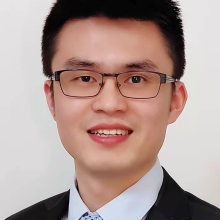
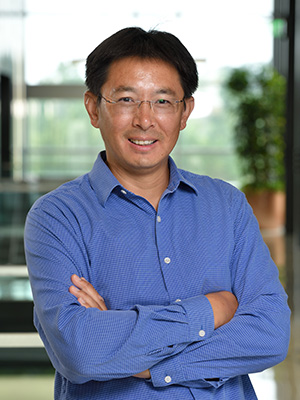
Martin Jastroch is a Professor at Stockholm University's Department of Molecular Biosciences, The Wenner-Gren Institute. His research focuses on the physiology and molecular mechanisms of energy metabolism from organism to molecule level. His primary research interests include: Energy metabolism physiology and molecular mechanisms Obesity and metabolic aspects Adipose tissue biology Mitochondrial mechanisms Thermogenesis and brown fat function Metabolic regulation in health and disease Professor Jastroch's research spans multiple disciplines, connecting molecular mechanisms with whole-organism physiology. His work on mitochondrial bioenergetics and thermogenesis has contributed significantly to understanding how energy metabolism is regulated across different biological scales. Recent publications show a growing interest in the evolutionary aspects of thermogenesis and the role of brown adipose tissue in metabolic diseases, with particular focus on UCP1 function, mitochondrial adaptations, and metabolic reprogramming in disease states. His scientific contributions include important findings on: UCP1 (Uncoupling Protein 1) function and regulation Mitochondrial bioenergetics in different tissue types Evolutionary aspects of mammalian thermogenesis Metabolic regulation in obesity and related disorders Links between mitochondrial dysfunction and neurodegenerative diseases Professor Jastroch leads 'Group Jastroch' at Stockholm University, where his team investigates the complex interplay between cellular energy metabolism and whole-body physiology, with implications for understanding and treating metabolic disorders.
Kunihiko Kaneko is a Professor at the Niels Bohr Institute, University of Copenhagen, with a distinguished career in theoretical biophysics and complex systems. He received his PhD and MSc in Physics from the University of Tokyo, and has held leadership roles at the Universal Biology Institute and Center for Complex Systems Biology. PhD Physics, 1984 - University of Tokyo MSc Physics, 1981 - University of Tokyo His research spans five primary areas: Universal Biology, Evolutionary Constraints, Ecosystem Dynamics, Neural Cognition, and Universal Anthropology. He has published extensively on multi-level consistency principles, dimensional reduction in biological systems, and reciprocity between robustness and plasticity across scales. Recent publications show strong focus on microbial ecosystems (2025), evolutionary game theory (2025), neural modular architectures (2024), and dimensional reduction in cellular systems (2024). His work bridges physics and biology through dynamical systems theory applied to diverse phenomena from protocells to human societies.
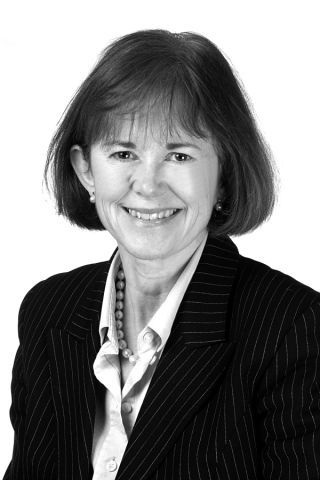
Professor Faye Rogers serves as Professor of Therapeutic Radiology at Yale University School of Medicine, holding multiple leadership positions including Associate Cancer Center Director for YCC Collaborative Excellence, Vice Chair for Collaborative Excellence in Therapeutic Radiology, Associate Director of the Yale MD-PhD Program, and Director of the Yale BioMed Amgen Scholars Program. Her work bridges radiation oncology, DNA repair mechanisms, and cancer therapeutics within Yale's comprehensive cancer research ecosystem. PhD from University of Maryland at Baltimore (1998) Postdoctoral Fellow at Yale School of Medicine Dr. Rogers' research focuses on the intersection of DNA repair mechanisms and cancer therapeutics, with particular expertise in triplex DNA structures, genomic instability, and targeted cancer therapies. Her work explores how DNA damage responses can be leveraged for therapeutic benefit, especially in breast neoplasms and other malignancies. Through her leadership in the DNA Damage and Genome Integrity program, she investigates novel approaches to disrupt cancer cell survival mechanisms while sparing healthy tissue. Her research has significant implications for radiation oncology, particularly in developing more precise and effective radiation-based treatments. Analysis of Dr. Rogers' publication record reveals a consistent trajectory in DNA repair mechanisms and cancer therapeutics, with increasing focus on translational applications. Her work demonstrates expertise in triplex DNA structures, RAD51 inhibition, and synthetic lethality approaches. Recent publications show a shift toward more clinically applicable research, particularly in targeting DNA repair pathways in specific cancer subtypes like IDH1-mutant cancers and PTEN-deficient glioblastomas. Her collaborative work with Peter Glazer and others demonstrates strong interdisciplinary connections between radiation oncology, molecular biology, and drug development. Leadership in Diversity, Equity & Inclusion Award (Yale School of Medicine, 2022) Translational Science Research Prize (Yale Cancer Center, 2022) Kingsley Fellowship in Medical Research Carl Storm Underrepresented Minority Fellowship NCI Research Supplement to Promote Diversity in Health-Related Research As Associate Director of the Yale MD-PhD Program and Director of the Yale BioMed Amgen Scholars Program, Dr. Rogers plays a pivotal role in mentoring the next generation of physician-scientists and supporting underrepresented minorities in biomedical research. Her leadership in collaborative excellence initiatives demonstrates commitment to fostering interdisciplinary research teams across Yale's scientific ecosystem. Through the YCC Collaborative Excellence program, she has secured significant funding for innovative cancer research that bridges basic science and clinical applications, particularly in the areas of DNA repair targeting and radiation oncology. Dr. Rogers leads research within Yale's Therapeutic Radiology department, with strong connections to the Radiobiology program and the Yale Cancer Center. Her work is integrated with the Program in Translational Biomedicine and the Yale Combined Program in the Biological and Biomedical Sciences. Through the BioMed Amgen Scholars Program, she provides critical research opportunities for undergraduate students, particularly those from underrepresented backgrounds, fostering talent in DNA repair research and cancer therapeutics.
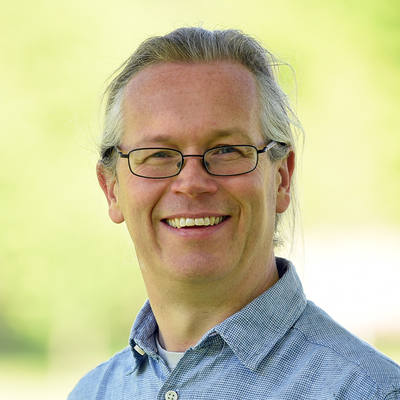
Prof. Dr. Soeren Lienkamp is an Assistant Professor at the Institute of Anatomy , Faculty of Medicine , University of Zurich . His work bridges digital education and genetic research , focusing on enhancing medical teaching through innovative formats. Research Interests : Genetics, developmental biology, kidney disease modeling, CRISPR applications, digital medical education, and advanced microscopy. Methodologies : Combines Xenopus tropicalis models, deep learning , and bioengineering to study genetic kidney disorders and improve diagnostic tools. Publication Trends : His recent articles highlight predictable genome editing , 3D imaging technologies , and mechanistic insights into kidney and eye development. Earlier works focus on ciliary function , Wnt signaling , and metabolic stress in renal cells.
Wen Xue is a Professor at UMass Chan Medical School, affiliated with the RNA Therapeutics Institute within the T.H. Chan School of Medicine. She holds multiple additional roles across departments such as the Program in Molecular Medicine, Cancer Biology, and Biochemistry and Molecular Biotechnology at the Morningside Graduate School of Biomedical Sciences. Her research focuses on developing genetic models for liver and lung cancer using CRISPR/Cas9 and RNAi tools. Key areas include CRISPR-mediated genome editing for cancer gene discovery, KRAS inhibition mechanisms, and miRNA networks in lung cancer. She has secured grants from NIH, American Cancer Society, and others. Awards include the NIH Director’s New Innovator Award and Lung Cancer Research Foundation grants. Her lab actively recruits postdoctoral researchers and offers rotation projects in CRISPR technology and cancer biology. Education: B.S. and M.S. in Biochemistry from Nanjing University; Ph.D. in Biochemistry from State University of New York, Stony Brook. Research Interests: Wen Xue’s lab employs CRISPR tools to accelerate cancer gene validation and therapeutic target identification. Projects include: CRISPR-based liver cancer gene correction and oncogene deletion studies. Investigating KRAS inhibition resistance via RNAi and CRISPR in lung cancer models. Characterizing miRNA networks using TCGA data to identify therapeutic miRNA candidates. Her work bridges functional genomics with precision medicine, emphasizing in vivo and in vitro platforms. Publications: Over 100 peer-reviewed articles, including high-impact studies on CRISPR applications in gene therapy and cancer modeling. Recent work explores prime editing, base editing, and viral/non-viral delivery systems for lung diseases. Grants & Awards: NIH grants (P01HL131471, DP2HL137167), American Cancer Society (RSG-16-093), and industry partnerships like the Cystic Fibrosis Foundation. Collaborations include projects on CFTR mutation repair and AAV vector development. Labs/Teams: Xue Lab focuses on cancer genetics and gene editing, with interdisciplinary collaborations in molecular medicine and bioengineering. Ongoing projects aim to translate CRISPR-based therapies into clinical applications.
Prashant Mali is a Professor in the Department of Bioengineering at the University of California, San Diego . His research bridges genome engineering, RNA biology, and biomedical applications, with a focus on CRISPR-Cas systems and ADAR-mediated RNA editing. Education : Ph.D. in Bioengineering Key Affiliations : UC San Diego, Altman Clinical and Translational Research Institute Dr. Mali's work centers on CRISPR-Cas9 technology , RNA editing , and human pluripotent stem cells . His lab develops tools for programmable gene regulation, synthetic lethal screens, and metabolic pathway analysis in disease contexts. Recent publications highlight innovations in circular RNA engineering , ADAR activity mapping , and metabolic reprogramming in cancer . His team employs multi-omics approaches and in vivo models to translate genome editing into clinical applications. Students and Collaborators Current Lab Members : Sami Nourreddine (Postdoc), Amir Dailamy (Graduate), Andrew Portell (Graduate), Michael Tong (Graduate) Alumni : Kyle Ford (PhD 2022), Nathan Palmer (PhD 2022), Udit Parekh (PhD 2021) Research Themes CRISPR Screens : Synthetic lethal interactions, oncogenic pathways, metabolic vulnerabilities RNA Editing : ADAR engineering, circular guide RNAs, clinical translation Tissue Engineering : Vascularized organoids, cardiac maturation, ex vivo models
Professor Forest M. White is a faculty member at MIT's Department of Biological Engineering , where he holds the Ned C. and Janet Bemis Rice Professorship . He is affiliated with the Koch Institute for Integrative Cancer Research and the MIT Center for Precision Cancer Medicine . His research focuses on systems biology and computational modeling of signaling networks in cancer, particularly at the tumor-immune interface . Education: B.S. in Chemistry (Framingham State College, 1993), Ph.D. in Analytical Chemistry (Florida State University, 1997) Professional Journey: Postdoc at University of Virginia, Research Scientist at MDS Proteomics, Assistant Professor at MIT (2003), Mitsui Career Development Professor (2005-2008) White employs high-resolution mass spectrometry to analyze protein phosphorylation and antigen presentation in cancer models, complementing genomic/transcriptomic approaches. His lab has identified chronic stress response enzymes linking high-fat diets to metabolic dysfunction and discovered resistance mechanisms in cancer therapies through phosphoproteomics . Scientific Awards: Mitsui Career Development Professorship (2005-2008) Ruth and Joel Spira Award for Excellence in Teaching (2010) Fellowship from the Ludwig Center at MIT The White Lab actively recruits trainees (undergraduates, graduates, postdocs) through programs like MSRP , CSB , and HST . His work is supported by grants from Break Through Cancer and Ludwig Center , with collaborations spanning Cima Lab , Swanson Biotechnology Center , and MIT Koch Institute .
Zhiming Cai is a Visiting Professor at the National Cancer Institute (NCI) and holds multiple leadership roles in China, including President of Shenzhen Medical Association, Deputy Director of Carlson International Oncology Center at Shenzhen University, and Director of the Guangdong Key Laboratory of Systemic Biology and Synthetic Biology in Genitourinary Oncology. As an Outstanding Principal Investigator at the Chinese Academy of Science's Institute of Synthetic Biology, he leads groundbreaking research in cancer genomics and synthetic biology. Doctor Philosophiae Honoris Causa, The National Academy of Science of Ukraine Fellow, American Institute for Medical and Biological Engineering (AIMBE) His research focuses on synthetic biology applications for cancer therapy , including engineered cell treatments and artificial gene circuits for tumor targeting. Notable work includes the "Remodeling Tumor Suppressor Theory" and CRISPR-based signal transduction systems that earned recognition from Nobel laureates and top-tier journals. With over 330 publications and an H-Index of 36, Cai's work has appeared in Nature , Cell , and European Urology . His research team has successfully treated over 200 advanced tumor patients using synthetic biology approaches, demonstrating clinical translation of cutting-edge technology. Guangdong Medical Natural Science Award (First Class) May 1st Labor Medal (China's highest worker award) State Council Special Allowance Expert National Model Worker International Genetically Engineering Machine Competition Gold Award Cai directs multiple high-profile research institutions including the National Tumor Genome Application Engineering Laboratory and the Academic Committee of the National and Local Joint Medical Synthetic Biology Engineering Laboratory. His work bridges basic research with clinical applications in genitourinary oncology through systematic biology approaches.
Professor David Ackerley (Victoria University of Wellington) is a leading microbiologist and enzyme engineer specializing in directed evolution of bacterial enzymes for biotechnological applications. As Biotechnology Programme Director since 2006, he lectures in foundational courses like BTEC101 and BTEC201. Academic rank: Professor of Biotechnology Institutional affiliation: Victoria University of Wellington Research focus areas: Microbial Biotechnology, Drug Discovery, Synthetic Biology His research employs Darwinian evolutionary principles to engineer enzymes with enhanced activities, particularly targeting non-ribosomal peptide synthetases and nitroreductases for antibiotic development and cancer therapy. Recent work explores metagenomic domain substitution in pyoverdine biosynthesis and Purpuramine R from marine sponges. Key publications demonstrate innovations in metagenomic library construction , CRISPR screening for regeneration genes, and structural characterization of engineered enzymes. His team has developed NTR 2.0 , a high-efficacy nitroreductase for targeted cell ablation. Current research projects include: Clean solutions from dirty genes: Plastic-degrading enzyme discovery Engineering enzymes for CAR T-cell-chemotherapy synergy Repurposing niclosamide against Gram-negative superbugs Grants from the Health Research Council of New Zealand, Royal Society of New Zealand, and Cancer Society of NZ support his work. Collaborations span biomedical research, synthetic biology, and environmental applications.
Guojun Chen is an Assistant Professor at the Department of Biomedical Engineering and a member of the Rosalind & Morris Goodman Cancer Institute (GCI) at McGill University . His research focuses on engineering intelligent biomaterials for precision medicine , with emphasis on non-viral genome editing , cold atmospheric plasma (CAP) therapy , and biomaterials-mediated immunotherapy . The lab operates in a multidisciplinary environment , integrating principles from materials science , chemistry , biology , and health sciences . Education : Ph.D. from University of Wisconsin-Madison (2017), Postdoc at UCLA (2020) Research Themes : Genome Editing Delivery : Designing non-viral vectors for efficient CRISPR/Cas9 delivery in vivo. CAP-mediated Immunotherapy : Developing portable cold plasma devices to synergize with immune checkpoint blockade and study CAP’s immunological mechanisms. Biomaterials-based Immunotherapy : Reprogramming tumor microenvironments using bioresponsive materials to enhance immune responses. Publication Trends : Recent work spans responsive nanomaterials , genomic editing systems , and plasma oncology , with a focus on cancer immunotherapy , diabetes diagnostics , and bioinspired medical devices . Scientific Awards : Canada Research Chair (2024, 2025) McGill's President's Prize for Emerging Researchers (2025) FRQS Chercheurs-boursiers (2022) Chinese Association for Biomaterials Young Investigator Award (2022) NSERC Discovery Grant (2021) Advising & Grants : Supervises 14 current graduate and undergraduate students. Secured $5M+ in funding from CIHR , NSERC , CCS , and CFI , including multi-institutional collaborations with Dr. Morag Park , Dr. Réjean Lapointe , and Dr. Ian Watson .
Dr. Alison Holloway is a Professor at McMaster University's Faculty of Health Sciences, specializing in environmental toxicology and reproductive health. Her research focuses on the effects of environmental contaminants (e.g., oil sands pollutants, pesticides, endocrine disruptors) on maternal and child health, metabolic disorders, and developmental outcomes. She has conducted studies on naphthenic acids, synthetic food additives, and maternal exposure to pharmaceuticals like fluoxetine. Key research areas include: Environmental contaminants' impact on reproductive systems and placental function Metabolic disturbances caused by chemical exposures during critical developmental windows Neurobehavioral and gastrointestinal effects of prenatal drug exposure Assessment of urban air pollution on in vitro fertilization (IVF) success rates Her recent work highlights the role of the tryptophan-kynurenine pathway as a biomarker of environmental stress and the obesogenic effects of bisphenol analogs and food additives. Collaborations involve interdisciplinary teams addressing environmental health, with studies published in high-impact toxicology and public health journals. Dr. Holloway's research has informed policies on chemical safety and maternal health, emphasizing cross-species markers for organismal health and risk assessment of emerging contaminants like cannabis derivatives.
Moira Whyte serves as Sir John Crofton Professor of Respiratory Medicine and Head of Edinburgh Medical School at the University of Edinburgh, while directing the MRC University of Edinburgh Centre for Inflammation Research. Her leadership spans clinical academia and major research initiatives focused on respiratory pathophysiology. Her educational background includes a 1st Class B.Sc. (1981), M.B., B.S. (1984), and Ph.D. (1993) from the University of London, complemented by professional qualifications: M.R.C.P. (1987), F.R.C.P. (1998), and F.Med.Sci. (2005) from the Academy of Medical Sciences. Whyte's research centers on neutrophil biology, macrophage function, and hypoxia signaling pathways in respiratory diseases. Her work explores how oxygen-sensing mechanisms like HIF pathways regulate immune cell function in COPD, pulmonary fibrosis, and bacterial infections, with particular focus on cellular metabolism and inflammation resolution. Analysis of her 15 most recent publications reveals consistent focus on neutrophil and macrophage biology within respiratory diseases, with growing emphasis on metabolic regulation of immune responses. Her work bridges basic science (using zebrafish models) with clinical applications, particularly in COPD and pulmonary fibrosis. Her scientific recognition includes: 2014 OBE for Services to Respiratory Medicine 2014 Foundation Fellow of the European Respiratory Society 2005 Fellow, Academy of Medical Sciences 2002 Tudor Edwards Lecturer of the Royal College of Physicians 1994 Wellcome Trust Advanced Fellowship 1989 MRC Clinical Training Fellowship Whyte directs substantial research funding, including a £6.4M Wellcome Trust Clinical PhD Programme (ECAT-Plus) and multiple grants investigating macrophage function in COPD, hypoxia pathways in pulmonary fibrosis, and neutrophilic inflammation regulation. Her collaborative approach is evident in multi-institutional projects like the EME-TIPAC study on pulmonary fibrosis. As Director of the MRC Centre for Inflammation Research, she leads a multidisciplinary team investigating fundamental mechanisms of inflammation across multiple disease contexts, with particular strength in respiratory immunology and translational applications.
Anna G Orr serves as Nan and Stephen Swid Assistant Professor of Frontotemporal Dementia Research and Assistant Professor of Neuroscience at Weill Cornell Medical College's Brain and Mind Research Institute since 2016, leading pioneering research on astrocyte biology in dementia pathogenesis. Her educational background includes: Ph.D. from Emory University (2008) B.S. from Allegheny College (2002) Dr. Orr's research program centers on astrocytic-neuronal interactions , mitochondrial signaling , and neuroimmune mechanisms through three interconnected pathways: neuroimmune , oxidative , and G protein-coupled signaling . Her lab investigates how these mechanisms influence neuroinflammation, protein aggregation, synaptic function, and behavioral outcomes in dementia, with parallel therapeutic discovery efforts targeting astrocytic pathways for novel dementia treatments. Analysis of her 15 most recent publications (2025-2010) reveals escalating focus on astrocyte-specific dementia mechanisms , particularly mitochondrial ROS signaling, sex-dimorphic memory effects, TDP-43 pathology interactions with antiviral pathways, and lipid dysregulation in neurodegeneration. Her work consistently bridges molecular discoveries with therapeutic applications, demonstrating increasing NIH funding support for translational approaches. Key scientific recognitions include: NIH K99/R00 Pathway to Independence Award (2017) Leon Levy Fellowship in Neuroscience (2021) Nan and Stephen Swid Endowed Professorship (2021) Outstanding Neuroscience Teaching Award (2021) Dr. Orr actively mentors eight trainees across career stages, including Ph.D. candidates Evelyn Hardin and Constance Zhou, while securing major NIH grants as Principal Investigator for projects like Uncovering Dementia-Related Lipid Alterations in Astrocytes (NIA 2024-2026) and Mitochondrial Complex III Free Radicals in Dementia Pathology (NIA 2020-2026), alongside collaborative awards from the Alzheimer's Association. Her Orr Lab maintains a dual focus on mechanistic astrocyte biology and therapeutic translation, with current projects examining astrocytic TDP-43 dysregulation, mitochondrial complex III signaling, and sex-specific memory mechanisms using advanced in vivo techniques and disease models.
Dr. Andrew Bassett serves as Head of the Cellular and Gene Editing Research group at the Wellcome Sanger Institute, where he develops cutting-edge genome engineering techniques using human pluripotent stem cells to investigate neurodegenerative diseases including Alzheimer's and Parkinson's. His work focuses on scaling genetic screening approaches and improving CRISPR specificity for modeling complex disease mechanisms. His academic training includes: PhD at the MRC Laboratory of Molecular Biology (MRC-LMB) with Andrew Travers on chromatin remodelling in heterochromatin formation Postdoctoral research with David Baulcombe at the University of Cambridge studying small RNA roles in chromatin modification Additional postdoctoral work with Chris Ponting at the MRC Functional Genomics Unit (MRC-FGU) in Oxford, where he pioneered CRISPR applications in Drosophila Bassett's research program centers on developing advanced genome engineering methodologies for precise modulation of gene expression networks during development and neurodegeneration. His group specializes in creating complex editing events (SNPs, paired knockouts, enhancer perturbations) within iPSC-derived models, with particular emphasis on epigenetic regulation and transcriptional control. Current projects integrate single-cell 'omics and phenotypic assays to decode genetic causes of neurodegenerative disorders through the OpenTargets consortium. Analysis of his 15 most recent publications reveals dominant trends in CRISPR technology development (35%), neurodegenerative disease modeling (30%), and single-cell functional genomics (25%). His work consistently bridges methodological innovation with disease mechanism studies, increasingly incorporating multi-omics approaches and expanding into cancer immunology and infectious disease applications since 2022. As group leader, Bassett mentors postdoctoral researchers and PhD students while securing major funding for genome engineering initiatives. His team operates within the Sanger Institute's Cellular Operations division and maintains critical partnerships with the OpenTargets consortium for therapeutic target validation. The laboratory specializes in high-throughput screening platforms using iPSC-derived neural and microglial models, with recent methodological advances including scSNV-seq and ONE-STEP tagging systems that significantly enhance precision genome editing capabilities.
Honglei Chen is the MSU Foundation Professor in the Department of Epidemiology and Biostatistics at Michigan State University . With a career spanning over two decades, Dr. Chen specializes in neuroepidemiology with a focus on Parkinson's disease, dementia, and healthy aging. His research leverages large prospective cohorts to investigate environmental risk factors and prodromal stages of neurodegenerative diseases. Key methodologies include assessing olfactory dysfunction, REM sleep behavior, and inflammatory mechanisms as early markers of disease progression. Recent publications highlight his work on Environmental triggers in Parkinson's disease Genetic risk scores for neurodegeneration Inflammatory pathway modulation in macrophages Olfactory dysfunction as aging biomarker