University of Illinois Urbana-ChampaignUnited States
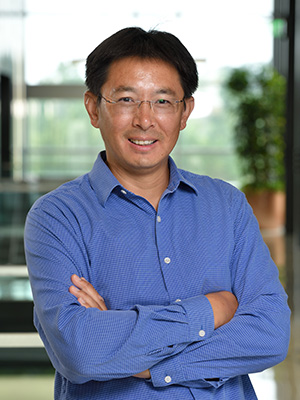
Ting Lu is an Associate Professor at the University of Illinois at Urbana-Champaign in the School of Biomedical and Translational Sciences, focusing on microbial synthetic biology and systems biology. Their research bridges biology, engineering, and physics to reprogram cellular functionalities through gene regulatory networks. Ph.D. in Biophysics, University of California at San Diego (2007) B.S. in Physics, Zhejiang University (2002) Ting Lu's work explores microbial ecosystems, synthetic gene circuits, and their applications in biotechnology and medicine. By combining experimental approaches with mathematical modeling, they investigate bacterial communication networks, metabolic pathways, and spatial dynamics in microbial communities. Selected research trends include microbial consortia engineering for bioremediation and bioproduction, complexity reduction in microbiomes, and predictive modeling of synthetic gene networks. Their publications span high-impact journals such as Nature Communications , Nature Chemical Biology , and eLife . Fellow, American Institute for Medical and Biological Engineering (2022) Future Insight Prize (2021) Donald Biggar Willett Faculty Scholar (UIUC) (2020) NIH Maximizing Investigators' Research Award (2019) NSF CAREER Award (2015) AHA National Scientist Development Grant (2012) Ting Lu's lab has received grants from NIH, NSF, ONR, and industry partners. They offer undergraduate research opportunities in synthetic and systems biology, and teach advanced courses such as BIOE 430 - Intro Synthetic Biology and BIOE 432 - Systems Biology .
University of California, Los AngelesUnited States
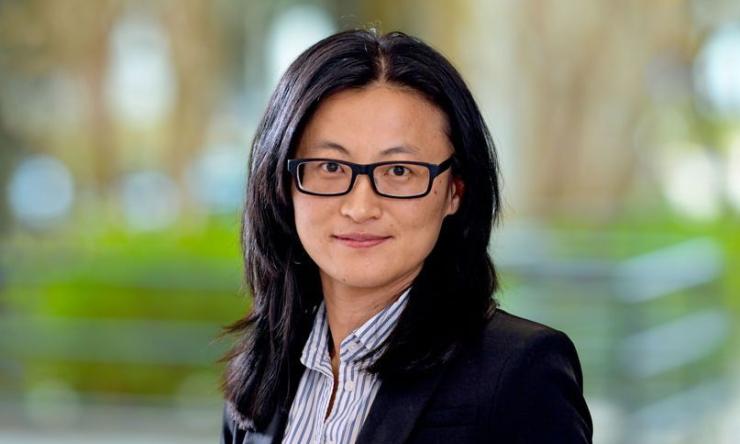
Dr. Steven G. Clarke is a Distinguished Professor at UCLA Department of Chemistry & Biochemistry and director of research at the Molecular Biology Institute . His work bridges protein chemistry , methylation biology , and aging research through studies of spontaneous protein damage and its repair mechanisms. Education: BA in Chemistry and Zoology, Pomona College (magna cum laude, Phi Beta Kappa) PhD in Biochemistry and Molecular Biology, Harvard University (NSF Fellow) Postdoctoral Fellowship at UC Berkeley (Miller Fellow) Dr. Clarke's research focuses on protein isoaspartyl repair via PCMT1/PIMT enzymes , ribosomal protein methylation in Saccharomyces cerevisiae , and PRMT family characterization including PRMT7 and PRMT9. His lab combines biochemical assays , genetic models , and structural analysis to investigate aging mechanisms and disease implications. Recent publications highlight: COQ5 structure-function analysis in coenzyme Q biosynthesis PCMTD1 ubiquitin ligase interactions PRMT7 substrate specificity in histone H2B Protein isoaspartyl impacts on T cell function in lupus Novel PRMT inhibitors for cancer therapy Methionine addiction in osteosarcoma malignancy Major scientific awards: American Chemical Society Ralph F. Hirschmann Award in Peptide Chemistry NIH MERIT Award Ellison Medical Foundation Senior Scholar Award William C. Rose Award, ASBMB UCLA Distinguished Teaching Award (Eby Award winner) Current lab members include PhD candidates Eric Pang (UCSB) and Sining "Cindy" Wang (UCLA), while undergraduates Celeste Medina-Seymoure , Elizabeth Oroudjeva , Olivia Pacheco , and Jasmine Winter contribute to ongoing proteostasis studies. Collaborations with Profs. Jose Rodriguez and Catherine Clarke demonstrate interdisciplinary research approaches.
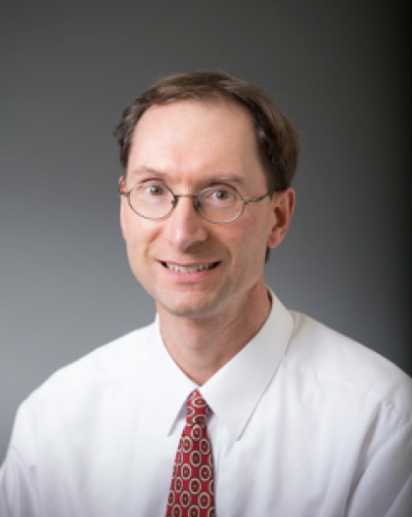
Lauren Andrews serves as Associate Professor and Marvin and Eva Schlanger Faculty Fellow in the Department of Chemical Engineering at the University of Massachusetts Amherst. Her research integrates synthetic biology and genetic engineering to develop programmable cellular systems for biotechnological applications. Education: Postdoctoral Training: Massachusetts Institute of Technology (Biological Engineering and Broad Institute of MIT and Harvard) PhD: University of Colorado Boulder, Chemical Engineering (2012) MS: University of Colorado Boulder, Chemical Engineering (2009) BS: Cornell University, Chemical Engineering (2006) Dr. Andrews' research focuses on establishing genetic design rules for reprogramming cellular regulation and metabolism. Her lab pioneers synthetic gene networks, genetically-encoded biosensors, and high-throughput methodologies for optimizing genetic designs in both model and non-model bacteria. This work enables precise control of cellular sensing, memory, and environmental responses through multiplexed DNA assembly and next-generation sequencing. Analysis of her 15 most recent publications reveals dominant themes in bacterial biosensor development (particularly for bioremediation), quorum sensing engineering, and programmable genetic circuits for probiotic applications. Her research consistently bridges fundamental genetic circuit design with practical implementations in bacterial consortia and non-model organisms. Scientific Awards: Marvin and Eva Schlanger Faculty Fellowship NSF CAREER Award (2020) for "Programmable synthetic microbial consortia for complex multicellular functions" Her grant portfolio demonstrates significant funding for collaborative research in bacterial communication systems and model-guided design of synthetic ecosystems. The Andrews Lab maintains active partnerships with the MIT-Broad Foundry and Cold Spring Harbor Laboratory, where she co-founded the Synthetic Biology Summer Course. Current projects focus on CRISPR-based regulation in non-model bacteria and algorithmic programming of sequential logic in probiotic strains. The Andrews Lab operates within the Life Science Laboratories at UMass Amherst, utilizing advanced facilities for genetic prototyping and high-throughput screening. Her team develops multiplexed tools for exploring genetic design spaces, with particular emphasis on soil bacteria and Gram-positive pathogens for environmental and therapeutic applications.
Xiaoyu Cai is an Assistant Professor at the Department of Medicine, Loyola University Chicago, specializing in lung regeneration, aging biology, and stem cell plasticity. Her research focuses on the molecular mechanisms governing alveolar type 2 (AT2) stem cell dynamics during aging and chronic lung diseases. Education: Bachelor of Medicine (Peking University, 2012), Master of Science (Peking University, 2015), PhD in Biology of Aging (USC & Buck Institute, 2021) Key Research Areas: Lung regeneration, inflammation resolution, stem cell aging, 3D organoid cultures Methodologies: Single-cell multiome, mouse genetics, multicellular organoid systems Collaborations: Translational partnerships with clinical teams for bench-to-bedside applications Dr. Cai's recent work explores lineage plasticity in aged lung stem cells, ferroptosis suppression via CRISPR screens, and cellular aging atlases across species. She previously held a postdoctoral position at Genentech Inc. and maintains a professional lab website. Contact: xcai2@luc.edu | Office: CTRE 123
Memorial Sloan Kettering Cancer CenterUnited States
Dr. Christina Leslie is a Research Professor and Member of the Computational & Systems Biology Program at Memorial Sloan Kettering Cancer Center (MSK). She leads an active research laboratory focused on developing computational approaches to understand complex biological systems. Dr. Leslie earned her PhD from the University of California, Berkeley and has established herself as a leading computational biologist in cancer research and immunology. Computational & Systems Biology Program, Memorial Sloan Kettering Cancer Center Gerstner Sloan Kettering Graduate School of Biomedical Sciences Dr. Leslie's research focuses on developing novel computational methods to study cellular biological systems from a global and data-driven perspective. Her lab exploits diverse high-throughput functional and genomic data to understand molecular networks underlying fundamental cellular processes, including transcription regulation, pre-mRNA processing, signaling, and post-transcriptional gene silencing. Her algorithmic methods draw heavily on machine learning to build accurate predictive models from noisy and high-dimensional biological data. Key areas of interest include modeling cell-type specific transcriptional programs and dissecting co- and post-transcriptional regulation, particularly microRNA-mediated gene regulation. Analysis of Dr. Leslie's publication record over the last five years reveals a strong focus on computational approaches to cancer genomics, immunology, and epigenetics. Her work bridges multiple disciplines, with a particular emphasis on developing machine learning methods to interpret complex biological data. The publications demonstrate increasing sophistication in integrating multiple data types (genomic, transcriptomic, epigenomic) to understand cancer biology and immune responses. Recent work shows a growing emphasis on single-cell technologies and spatial analysis of tumor microenvironments. Introduction of string kernel methodology for SVM classification of biological sequences Development of algorithms for predictive modeling of gene regulation First systems-level analyses of competition between microRNAs and between target transcripts Dr. Leslie actively mentors numerous graduate students and research associates, with current lab members including Vianne Gao, Alireza Karbalaghareh, Erik Ladewig, and several others. Her lab has received significant research funding to support their work on computational approaches to cancer biology and immunology. The Leslie Lab maintains close collaborations with multiple experimental groups at MSK, facilitating the translation of computational insights into biological understanding. The Leslie Lab operates within the Computational & Systems Biology Program at MSK, with strong ties to both the research and clinical missions of the institution. The lab maintains state-of-the-art computational infrastructure for analyzing large-scale genomic and proteomic datasets and collaborates extensively with wet-lab researchers to validate computational predictions experimentally.
Bérénice Benayoun, PhD is an Associate Professor at the USC Leonard Davis School of Gerontology , with secondary appointments in the Department of Molecular and Computational Biology (USC Dornsife College of Letters, Arts and Sciences) and the USC Norris Comprehensive Cancer Center . Her research bridges aging biology , epigenetics , and sex differences using vertebrate models like the African turquoise killifish and machine learning . Education : École Normale Supérieure (BSc, MSc), Paris Diderot-Paris 7 University (PhD in Genetics and Cell Biology) Her lab investigates epigenome and transcriptome remodeling during aging , focusing on how biological sex influences these processes. Key themes include inflamm-aging , genomic instability , and immune senescence , with applications in neurodegeneration and reproductive longevity . Recent publications highlight sex-dimorphic gene regulation in neutrophils , macrophages , and brain aging , alongside novel insights into transposable elements and MOTS-c mitochondrial signaling . She pioneers the use of single-cell transcriptomics and multi-omics in aging research. Scientific awards include: 2024 Vincent Cristofalo Rising Star in Aging Research Award 2023 AGHE Rising Star Early Career Faculty Award 2023 USC Mentoring Award 2023 Rising Star in Reproductive Biology 2021 Nathan Shock New Investigator Award 2019 Rosalind Franklin Young Investigator Award Her editorial roles include Geroscience , Translational Medicine of Aging , and eLife . She mentors students across PhD programs in Biology of Aging , Neuroscience , and Molecular Medicine , as well as Master's and undergraduate trainees.
Professor Faye Rogers serves as Professor of Therapeutic Radiology at Yale University School of Medicine, holding multiple leadership positions including Associate Cancer Center Director for YCC Collaborative Excellence, Vice Chair for Collaborative Excellence in Therapeutic Radiology, Associate Director of the Yale MD-PhD Program, and Director of the Yale BioMed Amgen Scholars Program. Her work bridges radiation oncology, DNA repair mechanisms, and cancer therapeutics within Yale's comprehensive cancer research ecosystem. PhD from University of Maryland at Baltimore (1998) Postdoctoral Fellow at Yale School of Medicine Dr. Rogers' research focuses on the intersection of DNA repair mechanisms and cancer therapeutics, with particular expertise in triplex DNA structures, genomic instability, and targeted cancer therapies. Her work explores how DNA damage responses can be leveraged for therapeutic benefit, especially in breast neoplasms and other malignancies. Through her leadership in the DNA Damage and Genome Integrity program, she investigates novel approaches to disrupt cancer cell survival mechanisms while sparing healthy tissue. Her research has significant implications for radiation oncology, particularly in developing more precise and effective radiation-based treatments. Analysis of Dr. Rogers' publication record reveals a consistent trajectory in DNA repair mechanisms and cancer therapeutics, with increasing focus on translational applications. Her work demonstrates expertise in triplex DNA structures, RAD51 inhibition, and synthetic lethality approaches. Recent publications show a shift toward more clinically applicable research, particularly in targeting DNA repair pathways in specific cancer subtypes like IDH1-mutant cancers and PTEN-deficient glioblastomas. Her collaborative work with Peter Glazer and others demonstrates strong interdisciplinary connections between radiation oncology, molecular biology, and drug development. Leadership in Diversity, Equity & Inclusion Award (Yale School of Medicine, 2022) Translational Science Research Prize (Yale Cancer Center, 2022) Kingsley Fellowship in Medical Research Carl Storm Underrepresented Minority Fellowship NCI Research Supplement to Promote Diversity in Health-Related Research As Associate Director of the Yale MD-PhD Program and Director of the Yale BioMed Amgen Scholars Program, Dr. Rogers plays a pivotal role in mentoring the next generation of physician-scientists and supporting underrepresented minorities in biomedical research. Her leadership in collaborative excellence initiatives demonstrates commitment to fostering interdisciplinary research teams across Yale's scientific ecosystem. Through the YCC Collaborative Excellence program, she has secured significant funding for innovative cancer research that bridges basic science and clinical applications, particularly in the areas of DNA repair targeting and radiation oncology. Dr. Rogers leads research within Yale's Therapeutic Radiology department, with strong connections to the Radiobiology program and the Yale Cancer Center. Her work is integrated with the Program in Translational Biomedicine and the Yale Combined Program in the Biological and Biomedical Sciences. Through the BioMed Amgen Scholars Program, she provides critical research opportunities for undergraduate students, particularly those from underrepresented backgrounds, fostering talent in DNA repair research and cancer therapeutics.
Kara McKinley is an Assistant Professor of Stem Cell and Regenerative Biology at Harvard University , joining the department in 2021. She is a Principal Faculty member at the Harvard Stem Cell Institute , an Associate member of the Broad Institute of MIT and Harvard , and a Freeman Hrabowski Scholar at the Howard Hughes Medical Institute . Her research focuses on the regenerative capacity of the human uterus , particularly the endometrium, which undergoes ~400 cycles of tissue remodeling, shedding, and repair during the reproductive lifespan. Using rodent models , genetic, molecular, and live microscopy tools, her lab investigates cellular and molecular mechanisms of regeneration, defects leading to diseases like endometriosis, and applications in regenerative medicine . Her work also explores cell division , centromere biology , and CRISPR genome engineering . Current research trends in her publications include epithelial zonation in the small intestine , mechanisms of endometrial regeneration , macropinocytosis in Hydra , and academic mentorship strategies . Her studies span cellular biomechanics , mitotic regulation , and translational approaches for tissue repair. NIH Director’s New Innovator Award (terminated in 2025 litigation with federal government) Freeman Hrabowski Scholar (Broad Institute) Kara mentors Harvard undergraduates, graduate students, and postdoctoral fellows through rotations and research opportunities. Her lab is based at Harvard’s Bauer 306 and advocates for gender equity in life sciences faculty via the Leading Edge initiative. Funding includes a now-terminated NIH New Innovator grant aimed at menstrual health research.
University of Massachusetts Chan Medical SchoolUnited States
Wen Xue is a Professor at UMass Chan Medical School, affiliated with the RNA Therapeutics Institute within the T.H. Chan School of Medicine. She holds multiple additional roles across departments such as the Program in Molecular Medicine, Cancer Biology, and Biochemistry and Molecular Biotechnology at the Morningside Graduate School of Biomedical Sciences. Her research focuses on developing genetic models for liver and lung cancer using CRISPR/Cas9 and RNAi tools. Key areas include CRISPR-mediated genome editing for cancer gene discovery, KRAS inhibition mechanisms, and miRNA networks in lung cancer. She has secured grants from NIH, American Cancer Society, and others. Awards include the NIH Director’s New Innovator Award and Lung Cancer Research Foundation grants. Her lab actively recruits postdoctoral researchers and offers rotation projects in CRISPR technology and cancer biology. Education: B.S. and M.S. in Biochemistry from Nanjing University; Ph.D. in Biochemistry from State University of New York, Stony Brook. Research Interests: Wen Xue’s lab employs CRISPR tools to accelerate cancer gene validation and therapeutic target identification. Projects include: CRISPR-based liver cancer gene correction and oncogene deletion studies. Investigating KRAS inhibition resistance via RNAi and CRISPR in lung cancer models. Characterizing miRNA networks using TCGA data to identify therapeutic miRNA candidates. Her work bridges functional genomics with precision medicine, emphasizing in vivo and in vitro platforms. Publications: Over 100 peer-reviewed articles, including high-impact studies on CRISPR applications in gene therapy and cancer modeling. Recent work explores prime editing, base editing, and viral/non-viral delivery systems for lung diseases. Grants & Awards: NIH grants (P01HL131471, DP2HL137167), American Cancer Society (RSG-16-093), and industry partnerships like the Cystic Fibrosis Foundation. Collaborations include projects on CFTR mutation repair and AAV vector development. Labs/Teams: Xue Lab focuses on cancer genetics and gene editing, with interdisciplinary collaborations in molecular medicine and bioengineering. Ongoing projects aim to translate CRISPR-based therapies into clinical applications.
Prashant Mali is a Professor in the Department of Bioengineering at the University of California, San Diego . His research bridges genome engineering, RNA biology, and biomedical applications, with a focus on CRISPR-Cas systems and ADAR-mediated RNA editing. Education : Ph.D. in Bioengineering Key Affiliations : UC San Diego, Altman Clinical and Translational Research Institute Dr. Mali's work centers on CRISPR-Cas9 technology , RNA editing , and human pluripotent stem cells . His lab develops tools for programmable gene regulation, synthetic lethal screens, and metabolic pathway analysis in disease contexts. Recent publications highlight innovations in circular RNA engineering , ADAR activity mapping , and metabolic reprogramming in cancer . His team employs multi-omics approaches and in vivo models to translate genome editing into clinical applications. Students and Collaborators Current Lab Members : Sami Nourreddine (Postdoc), Amir Dailamy (Graduate), Andrew Portell (Graduate), Michael Tong (Graduate) Alumni : Kyle Ford (PhD 2022), Nathan Palmer (PhD 2022), Udit Parekh (PhD 2021) Research Themes CRISPR Screens : Synthetic lethal interactions, oncogenic pathways, metabolic vulnerabilities RNA Editing : ADAR engineering, circular guide RNAs, clinical translation Tissue Engineering : Vascularized organoids, cardiac maturation, ex vivo models
Massachusetts Institute of TechnologyUnited States
Professor Forest M. White is a faculty member at MIT's Department of Biological Engineering , where he holds the Ned C. and Janet Bemis Rice Professorship . He is affiliated with the Koch Institute for Integrative Cancer Research and the MIT Center for Precision Cancer Medicine . His research focuses on systems biology and computational modeling of signaling networks in cancer, particularly at the tumor-immune interface . Education: B.S. in Chemistry (Framingham State College, 1993), Ph.D. in Analytical Chemistry (Florida State University, 1997) Professional Journey: Postdoc at University of Virginia, Research Scientist at MDS Proteomics, Assistant Professor at MIT (2003), Mitsui Career Development Professor (2005-2008) White employs high-resolution mass spectrometry to analyze protein phosphorylation and antigen presentation in cancer models, complementing genomic/transcriptomic approaches. His lab has identified chronic stress response enzymes linking high-fat diets to metabolic dysfunction and discovered resistance mechanisms in cancer therapies through phosphoproteomics . Scientific Awards: Mitsui Career Development Professorship (2005-2008) Ruth and Joel Spira Award for Excellence in Teaching (2010) Fellowship from the Ludwig Center at MIT The White Lab actively recruits trainees (undergraduates, graduates, postdocs) through programs like MSRP , CSB , and HST . His work is supported by grants from Break Through Cancer and Ludwig Center , with collaborations spanning Cima Lab , Swanson Biotechnology Center , and MIT Koch Institute .
Anna G Orr serves as Nan and Stephen Swid Assistant Professor of Frontotemporal Dementia Research and Assistant Professor of Neuroscience at Weill Cornell Medical College's Brain and Mind Research Institute since 2016, leading pioneering research on astrocyte biology in dementia pathogenesis. Her educational background includes: Ph.D. from Emory University (2008) B.S. from Allegheny College (2002) Dr. Orr's research program centers on astrocytic-neuronal interactions , mitochondrial signaling , and neuroimmune mechanisms through three interconnected pathways: neuroimmune , oxidative , and G protein-coupled signaling . Her lab investigates how these mechanisms influence neuroinflammation, protein aggregation, synaptic function, and behavioral outcomes in dementia, with parallel therapeutic discovery efforts targeting astrocytic pathways for novel dementia treatments. Analysis of her 15 most recent publications (2025-2010) reveals escalating focus on astrocyte-specific dementia mechanisms , particularly mitochondrial ROS signaling, sex-dimorphic memory effects, TDP-43 pathology interactions with antiviral pathways, and lipid dysregulation in neurodegeneration. Her work consistently bridges molecular discoveries with therapeutic applications, demonstrating increasing NIH funding support for translational approaches. Key scientific recognitions include: NIH K99/R00 Pathway to Independence Award (2017) Leon Levy Fellowship in Neuroscience (2021) Nan and Stephen Swid Endowed Professorship (2021) Outstanding Neuroscience Teaching Award (2021) Dr. Orr actively mentors eight trainees across career stages, including Ph.D. candidates Evelyn Hardin and Constance Zhou, while securing major NIH grants as Principal Investigator for projects like Uncovering Dementia-Related Lipid Alterations in Astrocytes (NIA 2024-2026) and Mitochondrial Complex III Free Radicals in Dementia Pathology (NIA 2020-2026), alongside collaborative awards from the Alzheimer's Association. Her Orr Lab maintains a dual focus on mechanistic astrocyte biology and therapeutic translation, with current projects examining astrocytic TDP-43 dysregulation, mitochondrial complex III signaling, and sex-specific memory mechanisms using advanced in vivo techniques and disease models.
Honglei Chen is the MSU Foundation Professor in the Department of Epidemiology and Biostatistics at Michigan State University . With a career spanning over two decades, Dr. Chen specializes in neuroepidemiology with a focus on Parkinson's disease, dementia, and healthy aging. His research leverages large prospective cohorts to investigate environmental risk factors and prodromal stages of neurodegenerative diseases. Key methodologies include assessing olfactory dysfunction, REM sleep behavior, and inflammatory mechanisms as early markers of disease progression. Recent publications highlight his work on Environmental triggers in Parkinson's disease Genetic risk scores for neurodegeneration Inflammatory pathway modulation in macrophages Olfactory dysfunction as aging biomarker
Xia Gao is an Assistant Professor in the Department of Pediatrics-Nutrition and the Department of Molecular and Cellular Biology at Baylor College of Medicine. She leads the Gao Lab, based at the USDA/ARS Children's Nutrition Research Center in Houston, Texas, where she investigates the role of nutrition and metabolism in diseases such as cancer and obesity. Her research focuses on amino acid metabolism, particularly the impact of dietary methionine and serine restriction on cancer progression and therapy efficacy. She employs in vivo mouse models and in vitro systems combined with metabolomics, molecular biology, and immunology techniques. The most recent publications from her lab reveal a strong trend in cancer metabolism, especially in prostate and liver cancers, with a focus on dietary interventions, metabolic reprogramming, and immune cell metabolism. Her work bridges nutritional science and precision oncology, aiming to develop effective dietary therapies. Dietary methionine influences therapy in mouse cancer models and alters human metabolism (Nature, 2019) HNF4α regulates sulfur amino acid metabolism and confers sensitivity to methionine restriction in liver cancer (Nature Communications, 2020) Targeting glutamine metabolism in therapy-resistant prostate cancer (Oncogene, 2022) Dr. Gao is supported by competitive grants, including a CPRIT award (RP210056) on dietary methionine restriction to enhance chemotherapy, and an NIH/NCI R00 grant on methionine metabolism in cancer. These grants underscore her role as an independent investigator with significant research funding. The Gao Lab is part of the USDA/ARS Children's Nutrition Research Center, a premier research facility equipped with advanced laboratories, a metabolic kitchen, and interdisciplinary teams focused on child and adult nutrition and disease prevention.
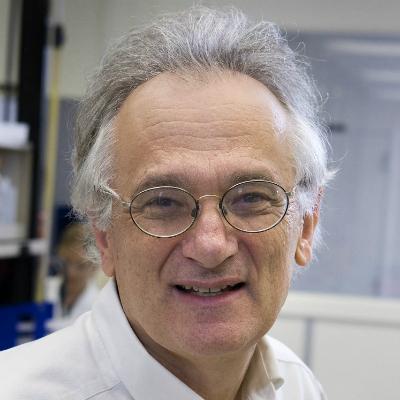
Edward J. Usherwood is a Professor of Microbiology and Immunology at the Geisel School of Medicine, Dartmouth College. His research focuses on T cell-mediated immune surveillance in persistent virus infections and cancer, aiming to develop novel immunotherapies by understanding T cell memory and metabolic regulation. Department: Microbiology and Immunology Address: 630E Borwell Building, One Medical Center Drive HB 7556, Lebanon, NH 03756 Contact: 603-650-7730 (office), 603-650-7760 (lab), Edward.J.Usherwood@dartmouth.edu His work explores how persistent viruses interact with the immune system and how T cells can be reprogrammed to enhance memory differentiation for adoptive immunotherapy. Current projects include optimizing T cell metabolism to combat tumor microenvironments and identifying molecular requirements for T cell subpopulation maintenance. Recent publications highlight studies on genetic variation in immune responses, memory CD8 T cell differentiation mechanisms, and metabolic triggers for glycolytic activation. These works emphasize broad themes in immunology, genetics, and cellular bioenergetics. The lab trains graduate students and postdoctoral researchers, with alumni now holding academic and industry positions, including Joshua Obar (Geisel), Rameeza Allie (University of Pennsylvania), and Zhuting Hu (ElevateBio). Collaborations span programs like the Norris Cotton Cancer Center and American Association of Immunologists.


.png)