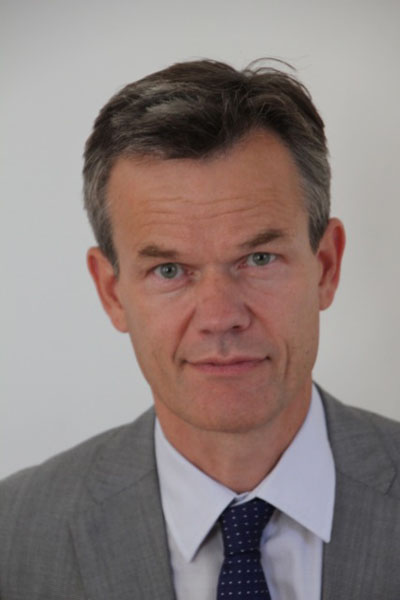
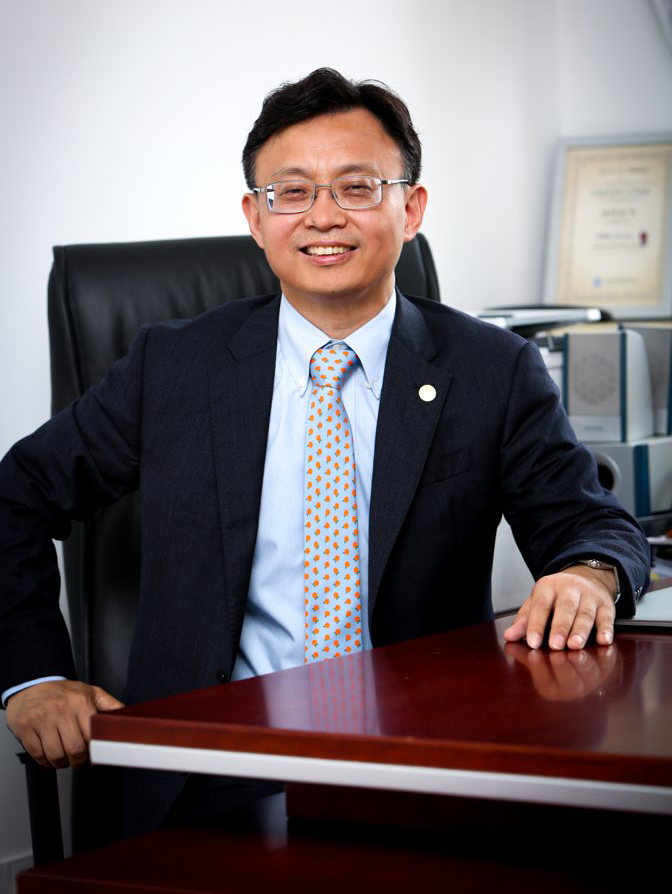
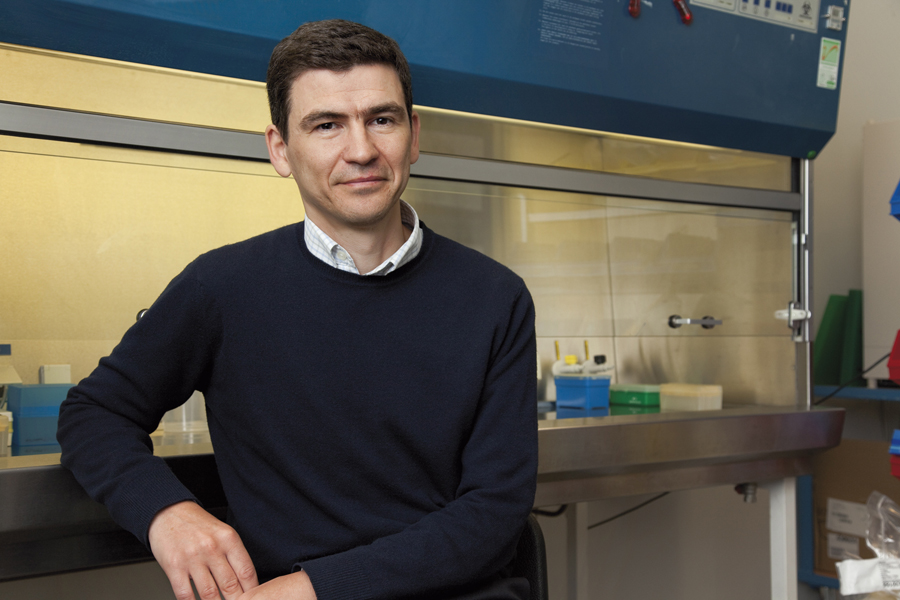
Kristian Helin is Chief Executive and President of The Institute of Cancer Research (ICR), London, and a Professor with affiliations at the University of Copenhagen and Memorial Sloan Kettering Cancer Center. He founded/directed the Biotech Research & Innovation Centre (BRIC), Centre for Epigenetics, and Danish Stem Cell Center. His research focuses on epigenetic regulation, cancer biology, and stem cell differentiation. Education: Ph.D. Molecular Biology, University of Copenhagen (1991) M.Sc. Chemical Engineering, Technical University of Denmark (1988) Research Interests: Helin's work deciphers molecular mechanisms in cancer, emphasizing epigenetic drivers (e.g., H3K4/H3K36 methylation), transcriptional control, and therapeutic targeting. His lab identified E2F transcription factors, linked epigenetic dysregulation to leukemia/lymphoma, and develops drugs targeting kinases/epigenetic enzymes. Research spans acute myeloid leukemia, B-cell lymphoma, and solid tumors using CRISPR screens and preclinical models. Publication Trends: Recent articles (2023-2025) focus on epigenetic therapy, chromatin remodeling, and kinase signaling in cancer. Key themes include targeting NSD1/KDM5C/RIOK2 enzymes, combination therapies (EZH2/DOT1L inhibitors), and metabolic regulation in leukemia. Studies bridge basic mechanisms (enhancer regulation, insulator accessibility) with translational applications. Awards: Anders Jahre Prize (2014), ERC Advanced Grant (2011), Novo Nordisk Prize (2008) Memberships: Academia Europaea, Royal Danish Academy, EMBO Leadership: Helin co-founded EpiTherapeutics (acquired by Gilead) and leads the Epigenetics and Cancer lab at ICR. His team investigates AML pathogenesis and chromatin complexes like HUSH/NURF. Grants include ERC funding and innovation prizes.
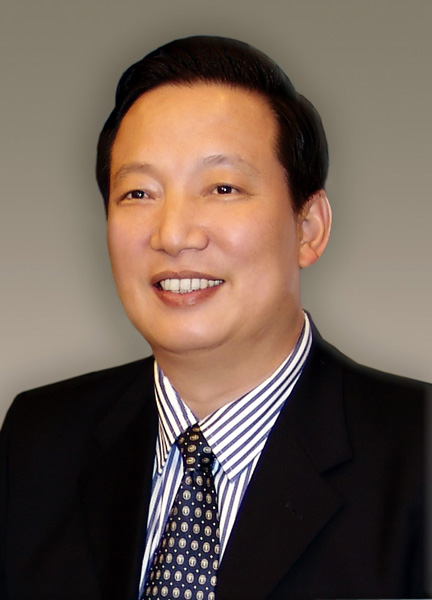
Zhiming Cai is a Visiting Professor at the National Cancer Institute (NCI) and holds multiple leadership roles in China, including President of Shenzhen Medical Association, Deputy Director of Carlson International Oncology Center at Shenzhen University, and Director of the Guangdong Key Laboratory of Systemic Biology and Synthetic Biology in Genitourinary Oncology. As an Outstanding Principal Investigator at the Chinese Academy of Science's Institute of Synthetic Biology, he leads groundbreaking research in cancer genomics and synthetic biology. Doctor Philosophiae Honoris Causa, The National Academy of Science of Ukraine Fellow, American Institute for Medical and Biological Engineering (AIMBE) His research focuses on synthetic biology applications for cancer therapy , including engineered cell treatments and artificial gene circuits for tumor targeting. Notable work includes the "Remodeling Tumor Suppressor Theory" and CRISPR-based signal transduction systems that earned recognition from Nobel laureates and top-tier journals. With over 330 publications and an H-Index of 36, Cai's work has appeared in Nature , Cell , and European Urology . His research team has successfully treated over 200 advanced tumor patients using synthetic biology approaches, demonstrating clinical translation of cutting-edge technology. Guangdong Medical Natural Science Award (First Class) May 1st Labor Medal (China's highest worker award) State Council Special Allowance Expert National Model Worker International Genetically Engineering Machine Competition Gold Award Cai directs multiple high-profile research institutions including the National Tumor Genome Application Engineering Laboratory and the Academic Committee of the National and Local Joint Medical Synthetic Biology Engineering Laboratory. His work bridges basic research with clinical applications in genitourinary oncology through systematic biology approaches.
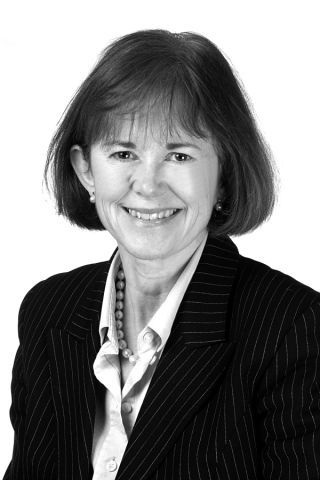
Moira Whyte serves as Sir John Crofton Professor of Respiratory Medicine and Head of Edinburgh Medical School at the University of Edinburgh, while directing the MRC University of Edinburgh Centre for Inflammation Research. Her leadership spans clinical academia and major research initiatives focused on respiratory pathophysiology. Her educational background includes a 1st Class B.Sc. (1981), M.B., B.S. (1984), and Ph.D. (1993) from the University of London, complemented by professional qualifications: M.R.C.P. (1987), F.R.C.P. (1998), and F.Med.Sci. (2005) from the Academy of Medical Sciences. Whyte's research centers on neutrophil biology, macrophage function, and hypoxia signaling pathways in respiratory diseases. Her work explores how oxygen-sensing mechanisms like HIF pathways regulate immune cell function in COPD, pulmonary fibrosis, and bacterial infections, with particular focus on cellular metabolism and inflammation resolution. Analysis of her 15 most recent publications reveals consistent focus on neutrophil and macrophage biology within respiratory diseases, with growing emphasis on metabolic regulation of immune responses. Her work bridges basic science (using zebrafish models) with clinical applications, particularly in COPD and pulmonary fibrosis. Her scientific recognition includes: 2014 OBE for Services to Respiratory Medicine 2014 Foundation Fellow of the European Respiratory Society 2005 Fellow, Academy of Medical Sciences 2002 Tudor Edwards Lecturer of the Royal College of Physicians 1994 Wellcome Trust Advanced Fellowship 1989 MRC Clinical Training Fellowship Whyte directs substantial research funding, including a £6.4M Wellcome Trust Clinical PhD Programme (ECAT-Plus) and multiple grants investigating macrophage function in COPD, hypoxia pathways in pulmonary fibrosis, and neutrophilic inflammation regulation. Her collaborative approach is evident in multi-institutional projects like the EME-TIPAC study on pulmonary fibrosis. As Director of the MRC Centre for Inflammation Research, she leads a multidisciplinary team investigating fundamental mechanisms of inflammation across multiple disease contexts, with particular strength in respiratory immunology and translational applications.
Rainer Schuhmacher is a Full Professor for Plant and Microbe Metabolomics at the University of Natural Resources and Life Sciences, Vienna (BOKU), affiliated with the Department of Agricultural Sciences and the Institute of Bioanalytics and Agro-Metabolomics in Tulln an der Donau. His research focuses on metabolomics, analytical chemistry, and plant-microbe interactions, with emphasis on fungal secondary metabolites, mycotoxin resistance, and environmental stress responses in crops. He leads projects funded by the Austrian Science Fund (FWF), European Commission, and national agencies. Research interests span: Metabolomic profiling of plant-pathogen interactions (e.g., Fusarium -wheat systems) Stable isotope-assisted techniques for metabolic pathway analysis Cold stress mitigation in plants using Antarctic bacteria Development of computational tools for untargeted metabolomics data processing His work integrates analytical chemistry, bioinformatics, and molecular biology to study metabolic crosstalk in agricultural systems. Awards include the Fritz-Feigl-Preis (2012) and Dr.-Wolfgang-Houska-Preis (2005). He has supervised multiple PhD projects and leads the Plant-Microbe Metabolomics group, managing core metabolomics platforms and international collaborations. Key projects: Chemical crosstalk in mycoparasitic interactions (FWF) Metabolomics of cold stress tolerance mediated by psychrotolerant bacteria Extension of metabolomics platforms for plant-pathogen studies
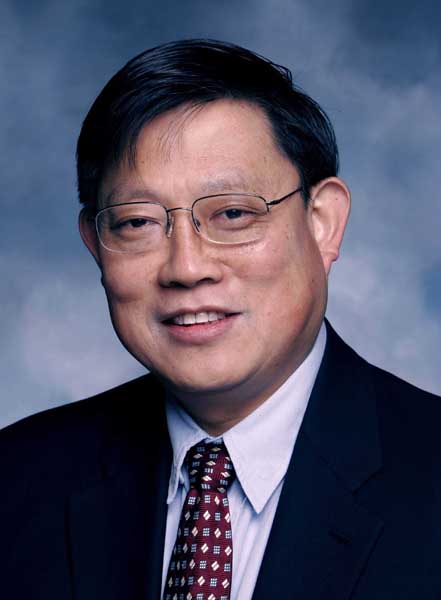
Zhimin Lu is a Professor and Dean of the Institute of Translational Medicine at Zhejiang University, China, and holds the Kuancheng Wang Distinguished Chair. Previously, he served at The University of Texas MD Anderson Cancer Center for 18 years as a Professor and Director of the Cancer Metabolism Program. Education : MD from Taishan Medical College, PhD from City University of New York, and postdoctoral training at The Salk Institute. His research focuses on cancer metabolism , signal transduction , and molecular mechanisms of tumor progression . He pioneered discoveries on the non-metabolic roles of metabolic enzymes in cancer, including the protein kinase activity of PKM2, Warburg effect mechanisms, and histone modifications driven by metabolic enzymes. His publications (over 120 peer-reviewed articles, including 40+ in Cell, Nature, and Science sister journals) reveal trends in oncogenic signaling, metabolic reprogramming, and epigenetic regulation. Key subfields include PKM2 dynamics, Warburg effect, tumor microenvironment, and metabolic-epigenetic crosstalk. Scientific Awards : Fellow of AAAS (2017), Dallas/Fort Worth Living Legend Award (2016), James S. McDonnell Foundation Scholar (2012), American Cancer Society Research Scholar (2009), and multiple MD Anderson awards. He serves as Chief Editor for Metabolic Discovery and Visualized Cancer Medicine , Deputy Editor for the Journal of The National Cancer Center , and editorial board member for over 10 journals. His work has transformed understanding of cancer metabolism and its diagnostic/therapeutic applications.
Joseph Strauss is a Full Professor at the University of Natural Resources and Life Sciences Vienna (BOKU), leading the Institute of Microbial Genetics. With a career spanning over three decades, he has focused on fungal genetics, epigenetics, and bioactive metabolite discovery, particularly in filamentous fungi and pathogens. His work bridges fundamental research with applications in agriculture, medicine, and environmental biotechnology. Research Focus: Epigenetic regulation of fungal secondary metabolism, chromatin dynamics, bioactive compounds, nitrate signaling, and microbial interactions. Projects: Leads multiple grants from Austrian Science Fund (FWF), European Commission, and industry partners, including studies on chromatin engineering, fungal biotechnology, and toxin biosynthesis. His recent publications highlight advancements in chromatin proteomics, fungal pathogenicity, and novel bioactive molecules like luteapyrone and rasfonin. Articles emphasize broad disciplines such as Fungal Genetics, Epigenetics, and Natural Product Discovery, with subfields including secondary metabolite clusters, histone modifications, and stress response mechanisms. Scientific Awards: 2021 - Keratinophyton straussii fungal species named after him 1999 - START Preis 1995 - EMBO Stipendium 1994 - OTTO LOEWI Stipendium He has supervised over 69 theses and contributed to 186 publications, reflecting his leadership in fungal genomics and its applications. Projects like 'Bioaktive Mikrobielle Metaboliten' and 'TASSMATA' underscore his commitment to translating research into sustainable solutions.
Thomas Carell is a Professor of Organic Chemistry at the Faculty of Chemistry and Pharmacy, Ludwig Maximilian University of Munich, Germany, a position he has held since 2003. He has established himself as a leading researcher in the fields of epigenetics, DNA repair mechanisms, and prebiotic chemistry. His work bridges chemistry and biology, with significant contributions to understanding epigenetic modifications and the origins of life. Dr. Carell's educational background includes chemistry studies at Münster and Heidelberg Universities, where he completed his PhD under Professor Staab. He then pursued postdoctoral research at MIT with Professor J. Rebek, focusing on chemical compound libraries and projects bridging chemistry and biomedicine. Professor Carell's research interests center on the chemical analysis of epigenetic modifications and processes, particularly focusing on DNA/RNA lesion processes using nucleotide analogues, tracers, and high-end mass spectrometry. His laboratory has made groundbreaking contributions to understanding prebiotic chemistry and the origins of life, developing innovative technologies for non-canonical nucleoside and nucleotide synthesis. A significant portion of his work explores the organic chemistry of modified nucleosides and nucleotides, with implications for understanding fundamental biological processes and potential therapeutic applications. His research has evolved from early work on nucleic acid chemistry at ETH Zurich to pioneering studies on photolyase reactions and DNA repair at Marburg, culminating in his current work on epigenetic control mechanisms and prebiotic chemistry at LMU Munich. His extensive publication record demonstrates a consistent trajectory of high-impact research, with articles appearing in top-tier journals including Nature, Science, and Cell. The research themes span from fundamental organic chemistry to biological applications, with a particular emphasis on epigenetic mechanisms and prebiotic chemistry. His most recent work suggests an early RNA-peptide world, potentially revolutionizing our understanding of life's origins, building on his earlier discoveries regarding DNA lesion-induced mutations, DNA repair mechanisms, and epigenetic control via oxidative DNA methylation. Professor Carell's scientific achievements have been recognized with numerous prestigious awards: Supervisory Board member of BASF SE (2019) Alexander Todd-Hans Krebs Lectureship, Royal Society of Chemistry (2017) Windaus Memorial Lecture, Göttingen (2017) Inhoffen-Medal for Excellence in Natural Product Research of the Helmholtz Society (2016) Gait-Lecture Award, Royal Society of Chemistry (2014) Werdelmann Lecture, University-Essen Duisburg (2013) Melvin Calvin Lecture in Organic Chemistry, University of California, Berkeley (2011) Šorm Award of the Academy of Sciences of the Czech Republic (2011) Order of Merit from the Federal Republic of Germany (2010) Van 't Hoff Lecture, Royal Dutch Academy of Sciences (2009) Ferdinand Lecture, University of Sheffield (2008) Otto Bayer Award, Bayer Schering Foundation (2008) Philip Morris Research Award (2006) Gottfried Wilhelm Leibniz Award of the DFG (2004) Lady Davis Award, Technion, Israel (2004) Pasteur Medal of the JCO, Ecole Polytechnique (2001) Professor Carell leads an active research group (the Carell Group) at LMU Munich, supervising numerous PhD and Master's students working at the intersection of chemistry and biology. His laboratory has secured significant research funding to support their innovative work on epigenetic modifications, DNA repair mechanisms, and prebiotic chemistry. The group maintains strong international collaborations, as evidenced by Professor Carell's numerous visiting professorships at institutions worldwide, including University Descartes in Paris, Australian National University, Consiglio Nazionale delle Ricerche in Bologna, and Technion Israel Institute of Technology. The Carell laboratory operates state-of-the-art facilities for organic synthesis, mass spectrometry, and molecular biology, enabling their interdisciplinary research approach. The group consists of chemists, biochemists, and molecular biologists working collaboratively to address fundamental questions in chemical biology. Professor Carell's election to the Supervisory Board of BASF SE in 2019 highlights the translational impact of his research and his standing in both academic and industrial chemistry communities.
Dr. Yufang Shi is a tenured Professor at the University of Rome Tor Vergata since 2019, serving as Secretary of the TOR Centre of Excellence. He also holds leadership roles at Soochow University (Vice President of its First Affiliated Hospital and Director of Translational Medicine Institutes since 2014) and Shanghai Institutes for Biological Sciences, CAS (Professor since 2008). His career spans institutions in North America, China, and Europe. Professor, University of Rome Tor Vergata (2019-present) Vice President, First Affiliated Hospital of Soochow University (2014-present) Director, Soochow University Institutes for Translational Medicine (2014-present) Editor-in-Chief, Cell Death & Disease (2010-present) Dr. Shi's research focuses on immune regulation by mesenchymal stromal/stem cells (MSCs) , including their role in tumor microenvironments and inflammatory disease therapies. He pioneered the "inflammation licensing" and "cell empowerment" theories for MSC-based treatments, with groundbreaking work on T cell apoptosis, opioid-induced immunosuppression, and neuro-immune interactions. His publications in Nature , Science , and Cell journals reveal MSC plasticity in immunomodulation (2014), species-specific mechanisms of MSC immunosuppression (2009), and tumor-MSC-macrophage interactions (2012). Articles consistently address apoptosis pathways , inflammatory signaling , and metabolic reprogramming in immune cells. Scientific accolades include: 2019 - Distinguished Professor, University of Rome Tor Vergata 2016 - Excellence in Translational Stem Cell Research Award 2012 - Excellence Award, All-China Federation of Overseas Chinese 1999 - Outstanding Young Scholar, Chinese Natural Science Foundation As policy advisor and journal editor, he shaped China's 973 National Research Plan on Reproduction and Development (2010-2019) and led international collaborations between European and Chinese institutions. He has organized 12 global conferences and serves on PhD committees at Tor Vergata since 2015.
Jörg Menche holds a full Professor position (Univ.-Prof.) at the University of Vienna, with dual appointments in the Faculty of Mathematics, Department of Mathematics, and Max Perutz Labs, Department of Structural and Computational Biology. His work bridges mathematical modeling and biomedical research through network-based approaches to complex disease mechanisms. Primary research interests include Network Biology, Computational Systems Medicine, and Immunometabolism, with specific focus on proteomic signatures in neuropathic pain, metabolic reprogramming in obesity, and autoimmunity networks. He develops innovative computational tools like VRNetzer for virtual reality network analysis and BioProfiling.jl for high-content imaging data integration, targeting intersections between metabolism, immunity, and environmental exposures. Recent publications (2019-2024) reveal a dominant trend in multi-omics network medicine, particularly in autoimmunity (AutoCore framework), cardiometabolic diseases, and rare genetic disorders. His work demonstrates exceptional translational impact, with multiple papers highlighted by news outlets and patents (e.g., 3 patents referencing 2021 research). While the text indicates involvement in one project (2016) and 13 activities, grant specifics and student mentoring details remain undisclosed. His collaborative network spans immunology, neuroscience, and toxicology, evidenced by co-authorships with clinical and computational teams. Menche operates within Max Perutz Labs, a premier molecular biology research center in Vienna. His team integrates computational biologists, cell biologists, and clinicians to develop network cartography methods for disease module identification, with strong emphasis on virtual reality interfaces and multi-omics validation.
Barbara Maier is a Principal Investigator at CeMM (Center for Molecular Medicine of the Austrian Academy of Sciences), specializing in tumor immunology and the tumor microenvironment (TME). Her research focuses on immune suppression mechanisms, antigen-presenting cell (APC) dynamics, and T cell exhaustion in cancer, aiming to enhance immunotherapy strategies like immune checkpoint blockade (ICB). Education: Studied molecular biology at the University of Vienna and earned a PhD from MedUni Vienna, investigating type I interferon in pulmonary inflammation under Professor Sylvia Knapp. Barbara Maier’s work explores how tumor-associated APCs and myeloid cells shape T cell responses, using integrative approaches such as single-cell transcriptomics and high-throughput cell culture. Her research addresses critical questions about T cell dysfunction in the TME and draining lymph nodes, with the goal of developing next-generation immunotherapies targeting these pathways. Her recent publications highlight studies on APC subsets in ICB response, spatial T cell exhaustion programs, and myeloid cell-based therapies. She leads the ERC Starting Grant 'REWIRE' (2024–2028) to manipulate lymph node niches for T cell reactivation and an FWF Stand-Alone Project (2024–2027) to enhance T cell immunity in tumor-draining lymph nodes.
Elke H. Heiß is an Associate Professor at the University of Vienna , affiliated with the Faculty of Life Sciences and the Department of Pharmaceutical Sciences, Division of Pharmacognosy . Her research focuses on molecular mechanisms of natural products in cellular stress resistance, redox balance regulation, and metabolic immunomodulation. Key research areas include: AMPK-Nrf2 signaling crosstalk in cellular homeostasis Impact of biogenic compounds on glucose homeostasis and cellular bioenergetics Metabolic regulation of macrophage polarization Molecular pharmacology of indirubin derivatives in cardiovascular disease Current projects investigate: FWF Project P33778 (2021-2026): AMPK-mediated phosphorylation of Nrf2 targets FWF Project P32600 (2019-2024): Metabolic immunomodulation by natural products FWF Project P29392 (2016-2019): AMPK-Nrf2 interactions in stress response Her work combines chemical biology approaches with metabolic profiling to uncover novel therapeutic strategies for chronic diseases and aging-related conditions.
Zheng Jialin is currently the Dean of Tongji University School of Medicine and holds the rank of Distinguished Professor in Neurology, Regenerative Medicine, and Neuroscience at Tongji University in Shanghai, China. He previously served in leadership roles at the University of Nebraska Medical Center (UNMC), including Associate Vice Chancellor for Academic Affairs and Director of the Asia Pacific Rim Development Program. His research focuses on Alzheimer’s disease, neurodegeneration, neuropharmacology, and stem cell therapies. Dr. Zheng’s educational background includes a Bachelor of Medicine from Xuzhou Medical University, an MS in Pharmacology from Nanjing Medical University, and a PhD in Clinical Neurology from Shanghai Jiao Tong University School of Medicine (awarded retrospectively in 2008). He completed postdoctoral training at SUNY Buffalo and UNMC, focusing on neurovirology and neuroimmunology. His research spans synaptic transmission, neuroinflammation, and mitochondrial dysfunction in neurodegenerative diseases. He has secured over $11M USD and 28M RMB in grants, including NIH funding and China’s 973 Program. Notable awards include the 2023 European Academy Membership and recognition as one of Tongji University’s top advisors. Administratively, he leads the Tongji Medical School and has held key roles in graduate education and international collaborations. His community contributions include leadership in Chinese academic associations and advising Nebraska governors’ trade missions to China.
Susanne Zeilinger-Migsich is a Universitätsprofessorin (Full Professor) and Director of the Institute of Microbiology at the University of Innsbruck's Faculty of Biology. She leads the Molecular Mycology and Mycoparasitism research group, focusing on Trichoderma species as biocontrol agents against plant pathogens. Her work integrates molecular genetics, chemical ecology, and systems biology to dissect fungal interactions. Her research centers on molecular mycology with emphasis on: Mechanisms of mycoparasitism and fungal biocontrol Signal transduction in Trichoderma during host interaction Secondary metabolite biosynthesis (particularly 6-pentyl-α-pyrone) Fungal volatile organic compound communication Nutrient regulation and stress response pathways Current work leverages CRISPR-Cas9, metabolomics, and live-cell imaging to visualize molecular interactions in real-time. Analysis of her 15 most recent publications reveals strong thematic continuity in Trichoderma molecular mechanisms, with increasing methodological sophistication in genome editing (CRISPR), real-time VOC analysis (PTR-MS), and spatial metabolomics (MALDI imaging). Key research threads include TOR and MAPK signaling pathways, epigenetic regulation of mycoparasitism, and light-dependent metabolic reprogramming. Scientific recognition includes: Associate Editor for Frontiers in Fungal Biology Editorial Board Member for Biocontrol Science and Technology Editorial Board Member for Pathogens journal Leadership of the DK Bio-Interactions doctoral program Member of Faculty Council for Biology Her group actively mentors PhD students (including Baldin, Pierson, Flatschacher) who lead projects on CRISPR applications, antioxidant systems, and nanoparticle biosynthesis. Major funded projects include WWTF's 'BIOGEN: from genes to biocontrol' and FWF's 'TRICHO-TOR: TOR kinase signaling in Trichoderma atroviride', reflecting strong institutional support for her research program. Public engagement includes frequent media appearances in Der Standard, ORF, and Tiroler Tageszeitung discussing fungal applications in agriculture and biotechnology.
Georg Winter, PhD, is an Adjunct Principal Investigator at CeMM (Research Center for Molecular Medicine of the Austrian Academy of Sciences) since 2016 and Life Science Director of AITHYRA, a new Research Institute for Biomedical AI (2025). His research bridges chemical biology with oncogenic gene regulation, focusing on targeted protein degradation (TPD) and proximity-inducing pharmacology. Affiliation: CeMM (2016–present), AITHYRA (2025–present) Academic Rank: Researcher (Principal Investigator) Winter's work challenges the paradigm that 80% of human proteins are 'undruggable' by reimagining small-molecule design. His group pioneered molecular glue degraders (MGDs) and heterobifunctional degraders (PROTACs), aiming to program biology beyond evolutionary constraints. Key areas include: Targeted Protein Degradation (TPD) Ubiquitin-Proteasome System Reprogramming Chemoproteomics and Artificial Intelligence Cancer Transcription Regulation DNA Damage Response His recent publications highlight advancements in dual-ligase recruitment, degrader prediction via AI, and Golgi-targeting strategies. Winter has received the Tetrahedron Young Investigator Award , Wilson S. Stone Memorial Award , and Elisabeth Lutz Award , among others. His group is supported by ERC Starting/Consolidator Grants, Cancer Grand Challenge, and the Mark Foundation Aspire Award. Students in his lab include predoctoral researchers exploring transcription rewiring, epigenetic modulation, and proteolytic logic. The lab collaborates with institutions like Dana-Farber Cancer Institute, Harvard Medical School, and the University of Vienna, leveraging CRISPR/Cas9 screens and deep mutational scanning to map proteome interactions at single-amino-acid resolution.
Mihai Netea is Professor of Experimental Medicine at the Department of Internal Medicine, Radboud University Nijmegen Medical Centre, The Netherlands. A leading immunologist elected to the Academy of Europe in 2015, his work bridges infectious diseases, immunology, and metabolic regulation with over 525 PubMed-indexed publications and 16,000+ citations. His educational trajectory includes an MD from Cluj University, Romania (1987-1993), Dutch medical licensure (1994), PhD training at Radboud (1994-1998), and specialty certification in Internal Medicine/Infectious Diseases (2000-2006). MD: University of Cluj, Romania (1987-1993) Dutch MD License: Radboud University (1994) PhD: Radboud University Medical Centre (1994-1998) Specialty Training: Internal Medicine & Infectious Diseases (2000-2006) Netea's research revolutionized understanding of innate immunity through the discovery of 'trained immunity' – metabolic and epigenetic reprogramming of innate cells after pathogen exposure. His work spans cytokine networks in sepsis, genetic susceptibility to fungal infections (particularly Candida), and immunometabolic crosstalk in inflammatory diseases. Current investigations focus on how β-glucan exposure induces long-term epigenetic changes in monocytes and the role of mTOR/HIF1α pathways in immune memory. Analysis of his 525+ publications reveals dominant themes: trained immunity mechanisms (35%), fungal immunology (25%), genetic susceptibility to infections (20%), and immunometabolism (15%). His 2014 Science papers established the metabolic basis of trained immunity, while genome-wide studies identified key SNPs in candidemia susceptibility. Recent work explores evolutionary adaptations in immune genes and clinical applications for vaccine development. His scientific recognition includes: 16 major awards including Vidi (2005) and Vici (2010) Research Awards ERC Consolidator Grant (2012) and European Society for Clinical Investigation Award (2013) Member of the Young Academy of the Royal Netherlands Academy of Arts and Sciences Visiting Professorship at Cluj University, Romania Netea has mentored 8 PhD students (4 graduating Cum Laude) and secured €11.6M in major grants including ZonMW Vidi (€600K), Vici (€1.5M), ERC Consolidator (€1.5M), and CVON consortium funding (€8M) as co-coordinator. His laboratory pioneered methods for studying innate immune memory in human monocytes and developed translational models for fungal vaccine development. He leads the Experimental Medicine research group within Radboud's Department of Internal Medicine, collaborating with the Nijmegen Institute for Infection, Inflammation and Immunity (N4i). Current projects investigate trained immunity in sepsis survivors, metabolic reprogramming in autoimmune diseases, and evolutionary immunology of Toll-like receptors across human populations.