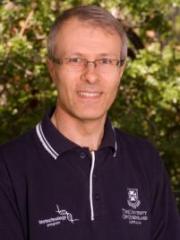
Professor Vito Ferro specializes in synthetic carbohydrate chemistry and drug design at The University of Queensland's School of Chemistry and Molecular Biosciences. His pioneering work focuses on glycosaminoglycan mimetics for treating cancer, inflammation, viral infections, and lysosomal storage disorders. Key achievements include developing clinical-stage heparanase inhibitors like PI-88 and PG545. Research explores heparan sulfate-protein interactions, pharmacological chaperones for Sanfilippo syndrome, and novel synthetic routes to rare sugars. Current projects span antiviral heparinoids, antifungals, and radical approaches to L-sugar synthesis. Honors include: SCMB HDR Supervision Excellence Award (2023) Fellowship of the Royal Australian Chemical Institute SCMB Engagement Award (2014) Leads multidisciplinary collaborations across 16 countries and maintains extensive industry partnerships. Secured significant funding from NHMRC, ARC, and philanthropic organizations for translational drug discovery programs. Directs a research team advancing peptide therapeutics through innovative synthetic and analytical approaches.
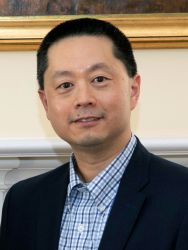
Yibin Kang is the Warner-Lambert/Parke-Davis Professor of Molecular Biology at Princeton University, an Associate Director of the Rutgers Cancer Institute of New Jersey, and a founding member of the Ludwig Institute for Cancer Research Princeton Branch. He earned his bachelor's degree from Fudan University (1995), a PhD from Duke University (2000), and completed postdoctoral training at Memorial Sloan-Kettering Cancer Center. His research focuses on breast cancer metastasis mechanisms, including tumor-stromal interactions, cancer stem cells, and therapeutic development. Dr. Kang has authored over 200 publications and received numerous accolades, including the AACR Award, Vilcek Prize, and AAAS Fellowship. Education: Bachelor’s degree, Fudan University (1995) PhD in Molecular Biology, Duke University (2000) Research Interests: Dr. Kang’s work explores molecular mechanisms driving metastasis, immune evasion, and treatment resistance in breast cancer. His lab investigates tumor microenvironment dynamics, cancer stem cell regulation, and drug development targeting metastatic pathways. Recent studies highlight the role of microbiome metabolism, macrophageal niches, and biomolecular condensates in cancer progression. Publications: His recent work emphasizes metabolic reprogramming, EMT plasticity, and therapeutic targeting of MTDH-SND1 complexes. Articles focus on translating molecular insights into clinical strategies, such as PI3K inhibitor efficacy modulation and bone metastasis suppression via niche modulation. Awards: American Cancer Society Research Scholar Award (2005) Department of Defense Era of Hope Scholar Award (2006) 2011 Vilcek Prize for Creative Promise in Biomedical Sciences AACR Award for Outstanding Achievements (2012) Fidler Innovation Award (2014), Fuller Albright Award (2014), AACR Outstanding Investigator Award (2014) AAAS Fellow (2016), American Cancer Society Research Professor (2019) Grants & Teams: As a leader in metastasis research, Dr. Kang chairs key AACR committees and directs interdisciplinary projects at the Ludwig Institute. His lab collaborates on preclinical models of bone metastasis and develops novel therapies targeting tumor-stromal interactions. Labs/Teams: His research group at Princeton integrates molecular biology, pharmacology, and systems biology to address metastasis at the Ludwig Institute and Rutgers Cancer Institute.
Martin Fergie is a Lecturer in Healthcare Sciences at the University of Manchester's Division of Informatics, Imaging & Data Sciences. His research focuses on applying machine learning and computer vision to medical imaging for disease outcome prediction, including breast cancer risk assessment via mammograms and multiplex immunofluorescence imaging for cancer outcomes. He holds a PhD in machine learning from the University of Manchester (2008–2012), followed by roles as CTO at DigitalBridge and CEO at Spotlight Pathology Ltd. He is actively involved in the InnovateUK ICURe program to reduce pathologists' workload through AI in digital pathology. Education: PhD in Machine Learning (University of Manchester, 2013), MSc/Molecular Pathology Teaching Role. Research interests include predictive modeling for disease outcomes, AI-driven pathology tools, and imaging biomarker development. Key projects include breast cancer risk prediction from mammograms and histology-based clinical outcome modeling for follicular lymphoma and head/neck cancers. Recent articles highlight advancements in AI for breast density assessment, extracellular matrix phenotyping, and H&E-to-multiplex immunohistochemistry translation. His work contributes to UN Sustainable Development Goals related to health and innovation. Awarded the 2023 Teaching Excellence Award (Highly Commended) for contributions to medical education. Collaborates on projects like the 'Developing targeted strategies for precision breast cancer prevention' initiative. External roles include Non-executive Director at VREvo Ltd and CEO at Spotlight Pathology Ltd. Associated with research platforms like Digital Futures and the Lydia Becker Institute.
Allen Milligan is an Associate Professor in the Department of Botany and Plant Pathology at Oregon State University. His research focuses on phytoplankton physiology, nutrient metabolism, and the application of remote sensing and stable isotopes to understand oceanic ecosystems. He is affiliated with the Phytoplankton Ecophysiology Lab and has a PhD from the University of British Columbia (1998). Research interests include algal physiology, trace metal interactions, and the light/dark reactions of photosynthesis. Key themes involve linking cellular-scale studies to large-scale oceanographic processes using satellite data and stable isotopes. His work addresses how environmental variables influence element cycling and ecosystem function. Main publication trends span phytoplankton physiology, iron limitation dynamics, and model development (e.g., CAFE model). Recent studies explore photoacclimation strategies, diatom evolution, and the ecological niche of phytoplankton under climate change. Notable awards include the Kit Malkin Award (1997) and DIALOG III Program participation (2000). Awards: DIALOG III Program Participant (2000) Kit Malkin Award for Academic Excellence (1997) Kenneth P. Staudte Award (1990) He advises students in marine microbial ecology and collaborates on grants related to phytoplankton carbon dynamics and iron fertilization studies. The Phytoplankton Ecophysiology Lab focuses on experimental and field-based research integrating biochemical and remote sensing approaches.
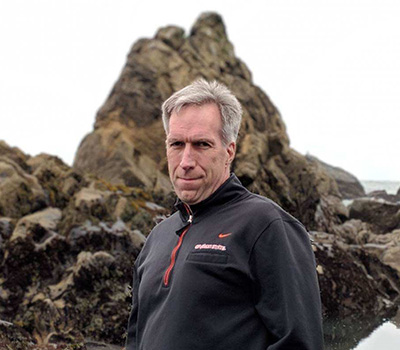
Burke Hales is a Professor in the College of Earth, Ocean, and Atmospheric Sciences at Oregon State University, serving as Chief Scientist for PacWave with expertise in Biogeochemical Oceanography. His research focuses on coastal carbon cycling and ocean acidification dynamics in estuarine and shelf systems. Dr. Hales earned his educational degrees from the University of Washington: BS in Chemical Engineering (1988) MS in Chemical Oceanography (1992) PhD in Chemical Oceanography (1995) His research spans critical oceanographic domains: Ocean-Margin Carbon Cycling: Investigating carbonate chemistry processes in coastal waters and their impacts on acidification and hypoxia Coastal Oceanography: Analyzing physics-biology-chemistry interactions using high-speed sampling systems Mesoscale Surface Processes: Studying surface ocean dynamics through advanced observational techniques Analytical Environmental Chemistry: Developing robust sensors for ocean chemistry measurements Benthic Biogeochemistry: Conducting in situ sediment porewater studies and transport modeling Recent publications (2021-2024) reveal strong emphasis on coastal acidification mechanisms, SOCAT database development, Arctic productivity studies, and biological responses to changing carbonate chemistry. His work integrates field observations with experimental approaches to address anthropogenic impacts on marine systems. No scientific awards were documented in the provided materials. Information regarding student advising and research grants was not specified in available documentation. As PacWave Chief Scientist, Dr. Hales leads wave energy research while maintaining active field programs in coastal upwelling zones and estuaries, utilizing specialized high-resolution measurement technologies for carbonate system analysis.
Henk-Jan Guchelaar is a Professor of Clinical Pharmacy at Leiden University Medical Center (LUMC) and the Leiden Academic Center for Drug Research (LACDR), part of Leiden University's Faculty of Science. He holds dual appointments across the Faculty of Medicine and Faculty of Science, reflecting his interdisciplinary focus in clinical pharmacy and translational research. As Chair of the Department of Clinical Pharmacy & Toxicology at LUMC, he leads research in personalized therapeutics and pharmacogenomics. He directs Leiden University’s Translational Drug Discovery and Development research profile and coordinates the EU-funded Horizon 2020 project Ubiquitous Pharmacogenomics (UPGx), advancing pre-emptive pharmacogenomic testing. His education includes a Pharmacy degree from Rijksuniversiteit Groningen, followed by specialization as a hospital pharmacist and clinical pharmacologist. He has authored over 540 peer-reviewed articles (H-index=51) and co-developed the Master of Pharmacy program at LUMC. His leadership roles include membership in the Dutch Medicines Evaluation Board, the Royal Dutch Academy of Sciences’ Council for Medical Sciences, and former vice-chairmanship of the Dutch Society for Clinical Pharmacology and Biopharmacy (NVKFB). Research interests focus on optimizing drug therapy through pharmacogenetic insights, particularly in oncology and personalized medicine. Notable projects include genotype-guided dosing of fluoropyrimidines and tamoxifen metabolism studies in breast cancer. Awards include the 2018 PGRN Featured Investigator and NVKFB Education Award. Professional activities include advisory roles for the Dutch Medicines Evaluation Board and EU consortia. He has led national and international initiatives, such as the CYPTAM study on tamoxifen pharmacogenetics, and founded the Leiden Network for Personalised Therapeutics (LNPT). His work bridges clinical practice, academia, and policy to improve drug safety and efficacy through precision approaches.
Paul Urayama is Professor and Chair of the Department of Physics at Miami University , where he has been a faculty member since 2003. He received his Ph.D. in Physics from Princeton University (2001) and dual B.S. degrees in Physics and Biological Sciences from UC Irvine (1994). Urayama's research focuses on experimental biological physics , particularly fluorescence-based metabolic sensing under high hydrostatic pressure with applications in mitochondrial function and biomedical imaging . His recent publications in Analytical Chemistry , Journal of Biophotonics , and RSC Advances highlight student co-authorship and development of spectral phasor approaches for cellular metabolic monitoring . His work demonstrates strong trends in high-pressure biophysics , autofluorescence analysis , and optical sensing for mitochondrial studies in turbid media containing collagen or hemoglobin . Key subfields include fluorescence lifetime imaging , metabolic pathway differentiation , and biomedical applications of spectral phasor analysis . Scientific awards include the College of Arts and Science Distinguished Educator Award . Students interact with him through the National Fellowships Committee and Goldwater Scholarship representation. His lab graduates pursue doctoral programs in physics , biophysics , and medical school , or enter technical employment . He has secured grants from the National Science Foundation and Research Corporation for biological physics research involving students. The lab actively trains undergraduates and master's students in high-pressure biophysics and fluorescence-based sensing , with members presenting at national conferences like the Biophysical Society Annual Meeting and SPIE Photonics West .
Robert Sharwood is a Senior Lecturer in Translational Photosynthesis and Vice-Chancellor's Senior Research Fellow at Western Sydney University. His research focuses on improving crop resilience to climate change through enhancing photosynthetic efficiency in plants like cotton, wheat, and Eucalyptus. He leads projects on Rubisco biochemistry, C3/C4 photosynthesis pathways, and synthetic biology applications for crop adaptation. His expertise spans chloroplast RNA biology, plant physiology, and biotechnology. Notable grants include the Australian Research Council Discovery Program (2023–2024) and collaborations with the Cotton Research and Development Corporation. Awards include the Excellence in Teaching Award (2024) and recognition as a Top Botany Research Leader in Australia (2018). Key research themes include developing heat/drought-resistant crops, optimizing CO2 assimilation, and advancing protected cropping systems. His work bridges fundamental plant science with applied agricultural solutions, aiming to future-proof global food production.
Prof. Dunja Bruder is a university professor of infection immunology at the Institute of Medical Microbiology and Hospital Hygiene at Otto von Guericke University (OVGU) and Head of the Immune Regulation Research Group at the Helmholtz Center for Infection Research (HZI). She obtained her PhD in immunology from TU Braunschweig and completed postdoctoral training at Harvard Medical School and Yale University School of Medicine. Her research focuses on immune regulation in respiratory viral infections, chronic inflammatory lung diseases, and mucosal immunity. She leads two research groups and holds leadership roles in the Research Focus on Respiratory Viral Infections (HZI), the CRC 854, and the Otto-von-Guericke Graduate Academy. Her work integrates innate and adaptive immunity, with particular emphasis on T-cell responses, microbiota interactions, and vaccine development. She also contributes to teaching in master's programs and human medicine. Education Bachelor/Master: Biotechnology, Technical University of Braunschweig PhD (1996–1999): Immunodominance and T-cell responses to bacterial toxins, HZI Habilitation (2009): Immunology, Hannover Medical School Research Interests Bruder’s work examines immune responses to respiratory pathogens like influenza and SARS-CoV-2, the role of epithelial-T-cell interactions in asthma, and the modulation of immune defenses by microbiota. She investigates vaccine strategies using defective interfering particles and antigen-targeting approaches. Her studies also address antitumor immune training via viral infections and metabolic control of T-cell function in asthma endotypes. Key Contributions She pioneered the analysis of alveolar macrophage dysfunction in chronic lung diseases and demonstrated the protective role of IL-33 in microbiota-mediated antibacterial defenses. Her team developed predictive models for influenza infection using hematological data and identified CD47 as a critical regulator of antiviral macrophage activity. Labs/Teams Leads the Immune Regulation Group at HZI and collaborates with the Institute of Medical Microbiology at OVGU. Active in the HZI’s Respiratory Viral Infections Research Focus and the CRC 854.
Dr. David Natale is an Associate Professor in the Department of Obstetrics and Gynaecology at Queen's University, with a cross-appointment in the Department of Biomedical and Molecular Sciences. His research focuses on placental development, particularly in pregnancies complicated by maternal disease (e.g., pre-eclampsia, diabetes) or exposures (e.g., cannabis). He uses mouse and rat models to study trophoblast stem cell differentiation and placental dysfunction. Education: Ph.D. in Physiology and Pharmacology (University of Western Ontario, 2003), B.Sc. (University of Western Ontario, 1996). Postdoctoral training under Dr. Jay Cross (University of Calgary) and later appointments include Assistant Professor roles at the University of Calgary (2008–2013) and University of California San Diego (2013–2019). Research interests span cell biology, regenerative medicine, and placental biology. His lab investigates how trophoblast populations and interactions are altered under compromised conditions, with recent emphasis on cannabinoid effects and maternal-fetal outcomes. Grants and funding include support from CIHR, NIH/NICHD, and UCSD/UCLA Diabetes Research Center. Current supervision includes postdoctoral fellow Samantha Benton. Labs/Teams: Queen's University placental research group, collaborations with human placenta research teams.
John Hoal is a Professor of Architecture and Urban Design at Washington University in St. Louis (WashU), where he previously chaired the Urban Design program (2007-2019) and founded the Doctor of Sustainable Urbanism degree (2015-2019). He is a faculty fellow at WashU’s Institute for Public Health and directs the Master of Urban Design program. His work bridges urban design activism, evidence-based practice, and ecological urbanism, focusing on livable, equitable cities. Hoal co-founded St. Louis’ first urban design department, led H3 Studio Inc. (a global planning firm), and advises on climate adaptation strategies for cities like New Orleans and international hubs in South Africa and Australia. Research interests include climate adaptation in river basins, public space activation, and sustainable urban metabolism. He collaborates internationally on projects like the “Living with the Great Rivers” initiative and the Mississippi River Delta restoration. Hoal’s interdisciplinary approach integrates urban morphology, ecological design, and community engagement to address planetary urbanization challenges. Awards: S.ARCH International Architecture Awards (2017), Changing Course Competition Winner (2015). Grants: Nature-Based Infrastructure Grant (APA, 2020–24), HUD Choice Neighborhoods Grant (2014–16). Hoal lectures globally and serves on design excellence committees, including the Walton Family Foundation’s Northwest Arkansas program. His recent work emphasizes flood resiliency in small towns and sustainable international education frameworks.
Theresa E. Gildner is an Assistant Professor of Biological Anthropology at Washington University in St. Louis. Her research focuses on biocultural health determinants, with a particular emphasis on how environmental and lifestyle factors influence disease outcomes. She investigates soil-transmitted helminths among the Shuar of Amazonian Ecuador and leads the Rural Embodiment and Child Health (REACH) Study examining child health in low-resource U.S. regions. She also contributed to the World Health Organization's SAGE study on aging and co-founded the CARE Study on pandemic impacts during pregnancy. Education: B.S., University of Notre Dame (2011); M.S. and Ph.D., University of Oregon (2013, 2018). Research interests include parasitic disease epidemiology, immune function, and the intersection of structural racism with health outcomes. She explores evolutionary mismatch theory and the design of culturally appropriate interventions. Current projects address intestinal inflammation, maternal-child health disparities, and the long-term effects of environmental exposures. Her work emphasizes ethical data-sharing practices and community engagement, particularly with Indigenous populations. Recent findings include associations between lead exposure and urban flooding, and the role of social support in mitigating postpartum mental health challenges during the pandemic. Affiliations include the American Association of Biological Anthropologists and the Human Biology Association. She collaborates with multidisciplinary teams on global health equity initiatives and has published extensively on topics ranging from helminth immunology to pandemic reproductive health impacts.
Syma Iqbal, MD, is an Associate Professor of Clinical Medicine at the University of Southern California's Keck School of Medicine and Norris Comprehensive Cancer Center. She holds leadership roles as Medical Director for Inpatient Services at Norris Cancer Hospital, Medical Director of Ambulatory Services/Infusion Center, and Associate Cancer Physician in Chief. Dr. Iqbal chairs the Norris Clinical Investigations Committee and is a national thought leader in systemic therapy for esophageal and gastric cancers, including roles as co-Chair of the Southwest Oncology Group Esophago-Gastric Committee and Chair of the National Cancer Institute’s Esophago-Gastric Task Force. Dr. Iqbal graduated from the Keck School of Medicine of USC in 1995 and completed a Hematology and Oncology Fellowship in 2001. Her research focuses on clinical trials for gastrointestinal malignancies, pharmacogenomics in colorectal cancer, and molecular markers for treatment response and survival. Key publications highlight anti-HER2 therapies, PD-1 inhibitors, and genomic profiling in oncology. Her clinical trials span phase I-III studies in gastric, esophageal, colorectal, and pancreatic cancers, emphasizing drug combinations, resistance mechanisms, and biomarker-driven approaches. While no scientific awards are explicitly mentioned, her work has shaped national guidelines through leadership in cancer research consortia.
Karla Heidelberg is a Professor of Biological Sciences and Environmental Studies at the University of Southern California (USC), affiliated with the USC Dornsife College of Letters, Arts and Sciences. She serves as Director of USC Sea Grant Program and RTPC Faculty in the Natural and Social Sciences Divisions. Her research focuses on marine microbial ecology, mixotrophy in protists, and coastal ecosystem dynamics. She holds appointments at the Wrigley Institute for Environmental Studies and collaborates with institutions like the J. Craig Venter Institute. Education: Ph.D. in Marine-Estuarine Environmental Science (1999, University of Maryland), B.A. in Individualized Major (1988, Maryville College). Postdoctoral training at University of Maryland (1999–2001). Research Interests: Investigates microbial eukaryotes, zooplankton ecology, and environmental impacts on marine systems. Current projects include mixotrophic protist behavior, microbial diversity in hydrothermal vents, and coastal sediment nitrogen cycling. Past projects include studies on Lake Tyrrell hypersaline ecosystems and Antarctic microbial adaptations. Awards: Includes NSF Director’s Award (2022), multiple USC teaching awards (2017–2013), and U.S. Department of State honors (2004–2003). Recognized for contributions to microbial ecology education and outreach. Advising & Grants: Mentored over 10 graduate researchers. Active in educational outreach through USC Wrigley Institute programs, including REU sites for coastal sustainability and K-12 STEM engagement. Collaborates on NSF-funded initiatives to broaden geosciences diversity. Labs & Affiliations: Leads research at USC Wrigley Marine Science Center on Catalina Island. Affiliated with Microbiome editorial board and Frontiers in Aquatic Microbiology (2010–2019). Co-leads projects on microbial metagenomics and ocean time-series analysis.
Jaap Keijer is a Full Professor and Chairholder in the Department of Human and Animal Physiology at Wageningen University & Research. His research focuses on metabolic physiology, particularly energy metabolism, mitochondrial function, and the interplay between diet, aging, and chronic metabolic diseases. He leads projects investigating nicotinamide nucleotide transhydrogenase (NNT) in energy metabolism, galactose's effects on metabolic programming, and the role of environmental factors like hypoxia in muscle physiology. He serves on the editorial board of Molecular Nutrition and Food Research and advises the German Institute of Human Nutrition. His work integrates molecular, cellular, and whole-organism approaches to understand health and disease mechanisms. Key research themes include metabolic adaptations in obesity, mitochondrial dysfunction in aging, and translational biomarker development for physical activity and metabolic health. Dr. Keijer teaches courses on molecular nutritional physiology, model organisms for lifespan research, and dissection-free human/animal physiology. His projects address clinical challenges such as sarcopenia, atrial fibrillation, and nutrient interventions for metabolic disorders. Recent studies explore dietary galactose's programming effects on intestinal metabolism and the impact of NNT deficiency on cardiac health. His lab employs advanced techniques like single-cell transcriptomics and Seahorse extracellular flux analysis to study metabolic pathways in humans and animal models. Publications emphasize mitochondrial dysfunction, metabolic biomarkers, and translational models for aging and disease. His work bridges basic research and clinical applications, aiming to improve metabolic health through dietary and lifestyle interventions. Current initiatives include developing a human gut-on-a-chip model and validating integrative biomarkers for physical activity in adolescents.