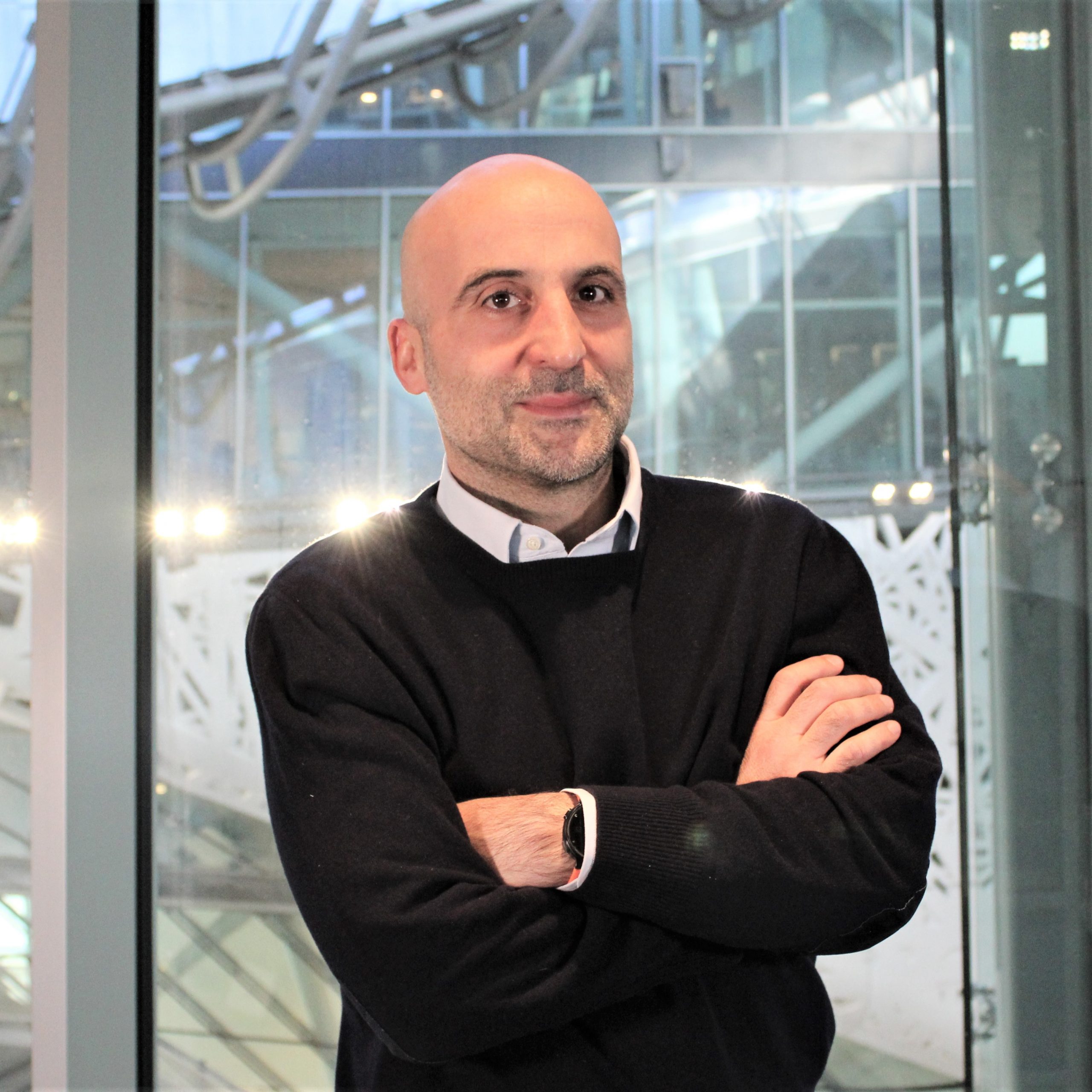
Sebastien Verel is a Researcher at the Laboratoire d'Informatique de l'Université du Littoral Côte d'Opale (LISIC) . His work focuses on complex systems, combinatorial optimization, evolutionary computation, and fitness landscape analysis. Research Interests: Multiobjective optimization, metaheuristics, adaptive algorithms, and simulation-based modeling Collaborations: Active in international conferences (GECCO, EvoCOP, PPSN) with teams from UK, Italy, Australia, and Morocco Key Publications (2023-2025) address topics like: Pareto local optimal networks for multiobjective landscapes Surrogate-assisted optimization using Walsh decomposition Fitness landscape analysis across ML models and protein engineering Urban mobility benchmarks (bus spacing in Calais)
Miguel Bessa is an Associate Professor of Engineering at Brown University's School of Engineering. His research focuses on computational mechanics, materials science, machine learning, and multi-scale modeling. He develops advanced numerical methods and integrates machine learning techniques to optimize materials and structures. Notable projects include topology optimization for energy absorption, neural network-based material models, and frameworks for predictive materials modeling. His work often bridges theory and application, leveraging data-driven approaches to solve complex engineering challenges. His office is located at Barus & Holley 731. He has contributed to software tools like f3dasm and CRATE, advancing data-driven design and simulation. Bessa’s research emphasizes interdisciplinary collaboration, combining computational methods with experimental validation to enhance material performance and structural reliability. Recent work highlights include scalable photonic crystal designs, fracture-resistant topology optimization, and meta-learning frameworks for knowledge infusion. His methodologies address uncertainty quantification, multi-fidelity modeling, and continual learning, reflecting a commitment to advancing both fundamental science and practical engineering solutions.
Paul-Christian Bürkner is a Professor of Computational Statistics in the Department of Statistics at TU Dortmund University, appointed since June 2023. His educational background includes a Dr. rer. nat. in Psychology and an M.Sc. in Mathematics from the University of Münster and University of Hagen respectively, complemented by dual bachelor's degrees in Mathematics and Psychology. His research focuses on five core areas: Uncertainty Quantification, Prior Specification, Simulation-Based Inference, Model Comparison, and Machine-Assisted Workflow. These domains bridge Bayesian statistics with computational efficiency challenges, emphasizing practical implementations for complex model environments. Recent publications (2023-2025) demonstrate consistent themes in Bayesian methodology innovation, including advances in surrogate modeling, amortized inference techniques, and statistical workflow optimization. Over 70% of his latest articles involve collaborative work on uncertainty-aware computational methods. As former leader of an independent junior research group at the Stuttgart Cluster of Excellence SimTech (2020-2023), he developed research programs combining theoretical statistics with applied computational frameworks. Current work continues this trajectory through TU Dortmund's statistics department infrastructure.
Yanlai Chen is a Professor in the Department of Mathematics at the University of Massachusetts Dartmouth and serves as Chief Research Officer. He holds a PhD (2007) and MS (2007) from the University of Minnesota Twin Cities, and a BS (2002) from the University of Science and Technology of China. His research integrates numerical analysis, scientific computing, and machine learning. Research interests focus on numerical PDEs, model reduction, machine learning applications in scientific computing, uncertainty quantification, and high-performance computing algorithms. His work bridges theoretical mathematics with practical computational challenges. His publications demonstrate consistent focus on physics-informed neural networks (2021-2024), model reduction techniques (2019-2024), and computational methods for differential equations. Recent work shows increased emphasis on machine learning integration with traditional numerical methods. He has supervised 6 doctoral dissertations and leads the NSF-funded ACCOMPLISH program supporting STEM education through contextualized computing curricula.
Keith Abrams is an Honorary Professor at the University of York's Centre for Health Economics and Partner/ Director at Visible Analytics. Previously, he held a Professorship in Medical Statistics at the University of Leicester, leading the Biostatistics Research Group. His work focuses on methodological advancements in Health Technology Assessment (HTA), including Bayesian statistical methods for clinical trials, evidence synthesis, natural history modeling for rare diseases, and analysis of large-scale electronic health records (EHR). He has extensive involvement with UK regulatory bodies like NICE (National Institute for Health and Care Excellence), serving on multiple committees including the Technology Appraisals Committee and Diagnostics Advisory Committee. His methodological contributions are supported by grants from ESRC, MRC, and industry partnerships. Research interests emphasize statistical innovations for HTA, particularly in oncology, rare diseases, and multimorbidity. He has authored/co-authored seminal books on meta-analysis, Bayesian approaches, and evidence synthesis in healthcare. Recent work includes evaluating surrogate endpoints in Alzheimer's disease and prostate cancer trials, analyzing pandemic impacts using EHR data, and developing natural history models for Duchenne Muscular Dystrophy (DMD). His cross-disciplinary collaborations bridge academia, industry, and policy, addressing evidence-based decision-making challenges in healthcare. Key accolades include NIHR Senior Investigator Emeritus status, Royal Statistical Society Fellowship, and Chartered Statistician designation. His research spans 20+ years, with over 200 peer-reviewed publications and methodological guidelines influencing international HTA practices.
Emanuele Di Angelantonio is a Professor of Clinical Epidemiology at the University of Cambridge , leading the Health Data Science Centre and the Di Angelantonio & Ieva Group. His work focuses on big data analytics applied to chronic diseases, cardiovascular risk prediction, and integration of omics/genetic data with electronic health records (EHRs). He has held roles at NHS Blood and Transplant, WHO, and the European Society of Cardiology. Education: M.D. in Medicine (Italy/France) Master's in Medical Statistics (London School of Hygiene & Tropical Medicine) PhD in Epidemiology (University of Cambridge) Research Interests: Development of risk prediction models for non-communicable diseases, molecular epidemiology, personalized medicine via omics/EHR integration, and causal inference in healthcare. His group bridges genotype-to-phenotype gaps using advanced analytics for biomarker discovery and therapeutic targeting. Key Publications Trends: Focus on cardiovascular risk prediction (e.g., SCORE2 algorithms), alcohol/alcoholism impacts, obesity epidemiology, and epigenetic biomarkers (DNA methylation). Recent work explores AI-driven radiomics and precision medicine applications in oncology and cardiology. Awards: Fellow of Royal College of Physicians (2018) Viviane Conraads Achievement Award (2019) National Institute for Health Senior Investigator (2022) Academy of Medical Sciences Fellowship (2023) Advising & Labs: Mentors 10+ PhD students/postdocs in Cambridge's Health Data Science Centre. Active in multidisciplinary teams developing novel statistical methods (e.g., functional Cox models) and translational tools like the MOTox chemotherapy toxicity score.
Charles Audet is a Full Professor in the Department of Mathematical and Industrial Engineering at Polytechnique Montréal , with affiliations to the Institute for Data Valorization (IVADO) and Research Group in Decision Analysis (GERAD) . Specializing in optimization and derivative-free methods, his work focuses on algorithm development for complex engineering problems characterized by black-box functions, nonconvexity, and nonsmooth constraints. B.Sc. (Ottawa), M.Sc./Ph.D. (Polytechnique Montréal) Joint supervisor with multiple institutions and researchers His research spans algorithmic improvements in pattern search methods (GPS/MADS), global optimization for structured nonconvex problems, and blackbox optimization applications. Current projects involve multidisciplinary design and categorical variable handling in optimization frameworks. Recent publications emphasize mixed-variable domains and robust algorithm design . The NOMAD software ecosystem, which he co-developed, remains central to derivative-free optimization implementations. Key scientific contributions include: Advances in mesh adaptive direct search algorithms Structural exploitation in bilevel/quadratic programming Parallel decomposition techniques Robustness in noisy function optimization Students under his supervision have explored applications in hydroelectric resource modeling , compressor blade redesign , and telecommunication frequency assignment .
Kristian Thorlund is a Part-Time Lecturer at McMaster University's Michael G. DeGroote School of Medicine, affiliated with the Department of Health Research Methods, Evidence, and Impact. He specializes in network meta-analysis, Bayesian statistics, and real-world evidence synthesis, with particular focus on clinical trial methodology and health technology assessment. 2016 recognition as one of McMaster's most cited researchers Developed the Highly Efficient Clinical Trials Simulator (HECT) Active contributor to GRADE guidelines and Cochrane systematic reviews His research spans multiple domains including: Advanced statistical methods for indirect treatment comparisons Adaptive clinical trial designs for rare diseases Artificial intelligence applications in evidence synthesis Real-world data integration for regulatory decision-making Thorlund's recent publications (2022-2025) demonstrate methodological innovations in: COPD combination therapy analysis COVID-19 treatment evaluation Personalized oncology outcome measurement AI-driven literature review systems Surrogate endpoint validation Key contributions include: Developing bias quantification frameworks Advancing living network meta-analysis methodology Improving patient data management systems Standardizing master protocol reviews Thorlund collaborates extensively with: Global health organizations Pharmaceutical companies AI development teams International clinical trial networks
Dr. Yilun Sun is an Assistant Professor in the Department of Population and Quantitative Health Sciences at Case Western Reserve University's School of Medicine, and a member of the Population and Cancer Prevention Program at the Case Comprehensive Cancer Center. His research focuses on developing statistical methodologies for precision medicine, causal inference, and individualized treatment regimens, with a strong emphasis on oncology data science and clinical trial design. Dr. Sun holds a PhD in Biostatistics (2019) and MS in Biostatistics (2015) from the University of Michigan, and a BS in Chemistry (2011) from Peking University. His work bridges biostatistical innovation with practical applications, particularly in prostate cancer treatment optimization, real-world data integration, and addressing healthcare disparities through collaborative projects. Research Interests: Missing data imputation and causal inference frameworks Machine learning for interpretable prediction models Optimization of treatment regimens using multi-source data Collaborative oncology trials and biomarker development Addressing healthcare inequities in clinical research Publications highlight his contributions to prostate cancer treatment analysis (e.g., HYDRA meta-analysis, TRANSPORT study), drug interaction studies, and methodological advancements in clinical trial design. Dr. Sun serves as a Statistical Editor for the International Journal of Radiation Oncology, Biology, Physics. Key collaborations include the MARCAP consortium for prostate cancer data aggregation and the NAVAH trial addressing African-American breast cancer care disparities. His work emphasizes translating statistical rigor into actionable clinical insights while advocating for equitable healthcare access through evidence-based policy recommendations.
Dr. Sevvandi Kandanaarachchi is an Associate Professor in the School of Science at RMIT University's City Campus, Australia. Her research focuses on environmental data analytics, hydrology, and civil engineering applications. Key areas include water quality monitoring, sediment transport modeling, and algorithm development for environmental systems. Her work integrates machine learning with environmental science, addressing challenges in early event detection, anomaly identification, and predictive modeling for water resources. Notable contributions include frameworks for high-frequency sensor data analysis and meta-modeling approaches for stream turbidity prediction. Dr. Kandanaarachchi collaborates on interdisciplinary projects involving civil engineering, atmospheric sciences, and computational methods. She holds a PhD and has published extensively in peer-reviewed journals such as Hydrological Processes and PLOS One . No specific grants, awards, or student advisees are listed in the provided information.
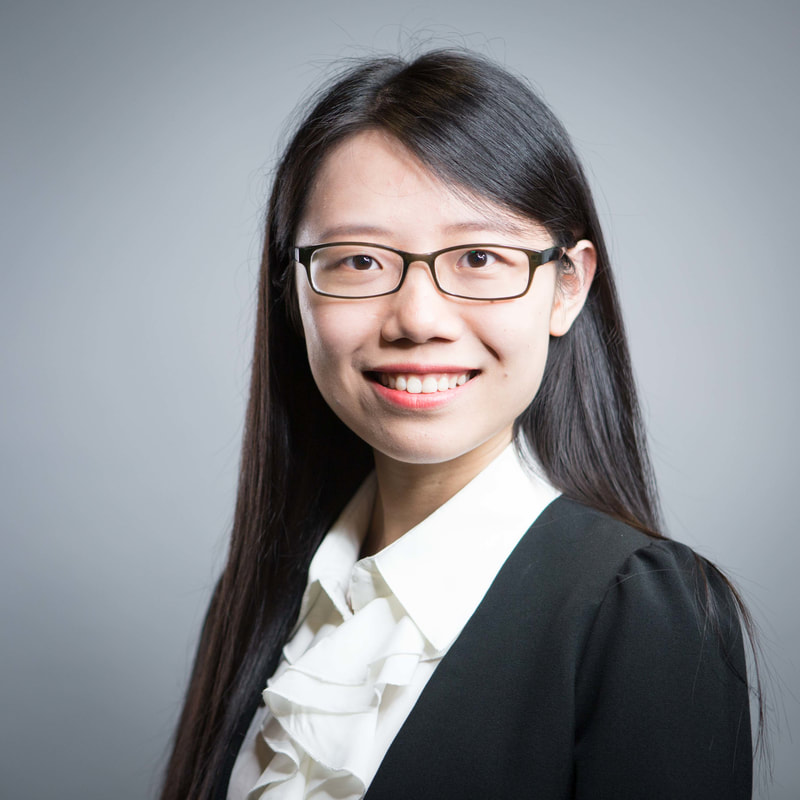
Xu Shi is an Associate Professor in the Department of Biostatistics at the University of Michigan. Previously, they were a postdoctoral fellow at Harvard's Data Science Initiative. They hold a Ph.D. in Biostatistics from the University of Washington and a B.S. in Mathematics and Applied Mathematics from Zhejiang University, China. Research focuses on statistical methods for administrative healthcare data, including EHR curation, causal inference, and scalable pipelines for distributed healthcare systems. They co-lead the FDA Sentinel Initiative's Causal Inference Core, developing methods to monitor medical product safety. Key areas include EHR harmonization, negative control applications, and addressing unmeasured confounding in observational studies. Publications span causal inference methodologies, vaccine effectiveness, post-stroke outcomes, and synthetic EHR data generation. They emphasize interdisciplinary collaboration, particularly with the FDA and distributed healthcare networks. Education history includes: B.S. in Mathematics and Applied Mathematics (Zhejiang University, China) Ph.D. in Biostatistics (University of Washington) Postdoctoral Fellowship (Harvard University) Labs/Teams: Leadership in the FDA Sentinel Initiative's Causal Inference Core and collaborations with institutions like Partners HealthCare and Veterans Health Administration.
Gautam Dasarathy is an Associate Professor in the School of Electrical, Computer, and Energy Engineering at Arizona State University, where he also holds a courtesy appointment in the School of Computing and Augmented Intelligence. Additionally, he serves as an Amazon Scholar, working on machine learning and optimization problems relevant to Amazon Last Mile. His academic journey spans prestigious institutions including Rice University, Carnegie Mellon University, and the University of Wisconsin-Madison. Dasarathy's educational background reflects a strong foundation in electrical engineering and machine learning: Ph.D. in Electrical Engineering, University of Wisconsin-Madison (2014) M.S. in Electrical Engineering, University of Wisconsin-Madison (2010) B.Tech. in Electronics and Communication Engineering, VIT University, India (2008) Dasarathy's research lies at the intersection of machine learning, statistics, information processing, and networked systems. He specializes in developing data- and compute-efficient learning algorithms for resource-constrained environments, with a particular focus on interactive learning where algorithms decide what data to collect next. His work frequently leverages structural constraints such as graphs, manifolds, or physical laws to inform both inference and data acquisition. His expertise spans multiple domains including Machine Learning, Network Science, Phylogenetics, Signal Processing and Communications, Statistics, and Systems and Control Theory. Recent applications of his research include power grid monitoring, neuroscience, meta-science, circuit design, and epidemiological forecasting. Dasarathy's recent publications demonstrate a consistent focus on graph-based learning, active learning methodologies, and resource-constrained machine learning. His work spans theoretical foundations in statistical learning and practical applications across diverse domains. A notable trend is the integration of domain-specific constraints (particularly graph structures) into learning algorithms to improve efficiency and accuracy. His research increasingly addresses challenges in federated learning, Bayesian optimization, and meta-science applications. Dasarathy has received numerous prestigious awards recognizing both his research and teaching excellence: 2024 Top 5% Teaching Award from ASU's Fulton Schools of Engineering 2022 IEEE Transaction on Haptics Best Application Paper Award Distinguished Alumni Award (Academics) from VIT University NSF CAREER Award for research on graph structure learning AISTATS 2021 Oral Paper (top ~3% of submissions) Multiple papers accepted to top-tier conferences including NeurIPS, ICASSP, and ECCV Dasarathy actively mentors graduate students, with Parth Thaker recently completing his thesis on bandits, interactive learning, multi-agent systems, and nonconvex optimization. His research program is supported by significant funding from multiple federal agencies. He serves as PI or co-PI on grants from NSF (including CAREER, RAPID, and PIPP programs), DARPA (Geometries of Learning program), ONR (Active Meta Learning), and NIH (Graphical Model Selection from Partial Measurements). His collaborative projects span disciplines from power grid monitoring to epidemiological forecasting, demonstrating the broad applicability of his methodological contributions. Dasarathy leads a research group focused on machine learning and networked systems at ASU. His team works on both theoretical foundations and practical applications of learning algorithms. He is part of several interdisciplinary initiatives at ASU, including collaborations with the Learning and Teaching Hub on AI in education. As an Amazon Scholar, he bridges academic research with industry applications, particularly in last-mile delivery optimization.
Ruth Stephen is a Visiting Researcher at the Institute of Clinical Medicine, School of Medicine, University of Eastern Finland , affiliated with the Faculty of Health Sciences . Her work focuses on Alzheimer's disease prevention , dementia risk scores , biomarkers , and multidomain lifestyle interventions . She actively participates in the Finland-United Kingdom Brain Network (UEF-NBN) and the FINGER study , contributing to global dementia prevention strategies. Research Interests : Prevention of neurodegenerative diseases through clinical and radiological biomarker analysis Development and validation of dementia risk prediction models (CAIDE, ANU-ADRI) Investigation of oral health (periodontitis, tooth count) as cognitive decline indicators Global implementation of WHO guidelines for dementia risk reduction Neuroimaging studies (MRI, PET) in lifestyle intervention trials Health equity considerations in dementia prevention across low- and middle-income countries Scientific Collaborations : Co-author in Alzheimer's & Dementia , Journal of Clinical Periodontology , and Frontiers in Neurology publications Contributor to World Health Organization guidelines on cognitive decline prevention Researcher in the European Task Force for Brain Health Services
Rafael Emilio de Feria Cardet is a Research Fellow at the Centre for Health Economics Research and Evaluation (CHERE) within the Faculty of Health at the University of Technology Sydney. He holds a master's degree in health economics and Pharmacoeconomics from Universitat Pompeu Fabra and a PhD in Health Economics from the University of Technology Sydney. His research focuses on evaluating methods used in pharmaceutical and medical device submissions to government bodies including the Pharmaceutical Benefits Advisory Committee (PBAC) and the Medical Services Advisory Committee (MSAC) in Australia, as well as the Agency for Care Effectiveness (ACE) in Singapore. He has particular expertise in surrogate outcomes and their incorporation into economic models, with methodological experience spanning decision analytical modelling in healthcare, survival analysis and meta-analysis. As an AI enthusiast, he actively explores how artificial intelligence can transform decision-making processes in healthcare economics and policy. Dr. de Feria's research outputs demonstrate strong trends in health technology assessment, particularly focusing on imaging technologies in oncology, prostate cancer diagnostics, and radiation therapy. His work frequently employs economic modeling approaches to evaluate the cost-effectiveness of medical interventions, with special attention to surrogate endpoints and their role in reimbursement decisions. His publication on PSMA PET/CT imaging for prostate cancer has accumulated significant citations, reflecting its impact in the field. He has been actively involved in multiple funded research projects including: "Applying Generative AI in Pharmaceutical Evaluation in Australia: Developing a Conversational AI assistant" (2025) "Development of a generalisable evaluation framework for high upfront-cost therapies" (2023-2027) "Provision of Services to review existing Health Technology Assessment processes" (2023-2025) "Health- and Pharmaco-economic National Technical Service" (2022-2027) His collaborative network spans multiple institutions working on health economics and technology assessment projects across Australia and internationally, reflecting his growing influence in the field of health economic evaluation.
Dr Md Hamidul Huque is a statistician and research fellow at the School of Psychology, University of New South Wales (UNSW) . His work focuses on dementia risk reduction through lifestyle modifications and advanced statistical analysis of health data. PhD in Statistics from University of Technology Sydney Postdoc at Murdoch Children’s Research Institute Bachelor's and Master's in Statistics from University of Dhaka Former research statistician at icddrb, Bangladesh His research involves: Rigorous evaluation of multiple imputation techniques for longitudinal studies Statistical frameworks for n-of-1 trials Spatial regression models with covariate measurement error correction Publications highlight his contributions to: Dementia risk assessment algorithms (CogDrisk-ML) Population-level cognitive health analysis Gender differences in cognitive development Digital aging research methodologies Scientific Recognition: 2023 UNSW Faculty of Science Dean’s Award for Research Impact


/prod01/production-cdn-pxl/media/umassdartmouth/profiles/arts-and-sciences/mathematics/250221-UMD-SMAST-VIP-TOUR-01_Yanlai-Chen.jpg)