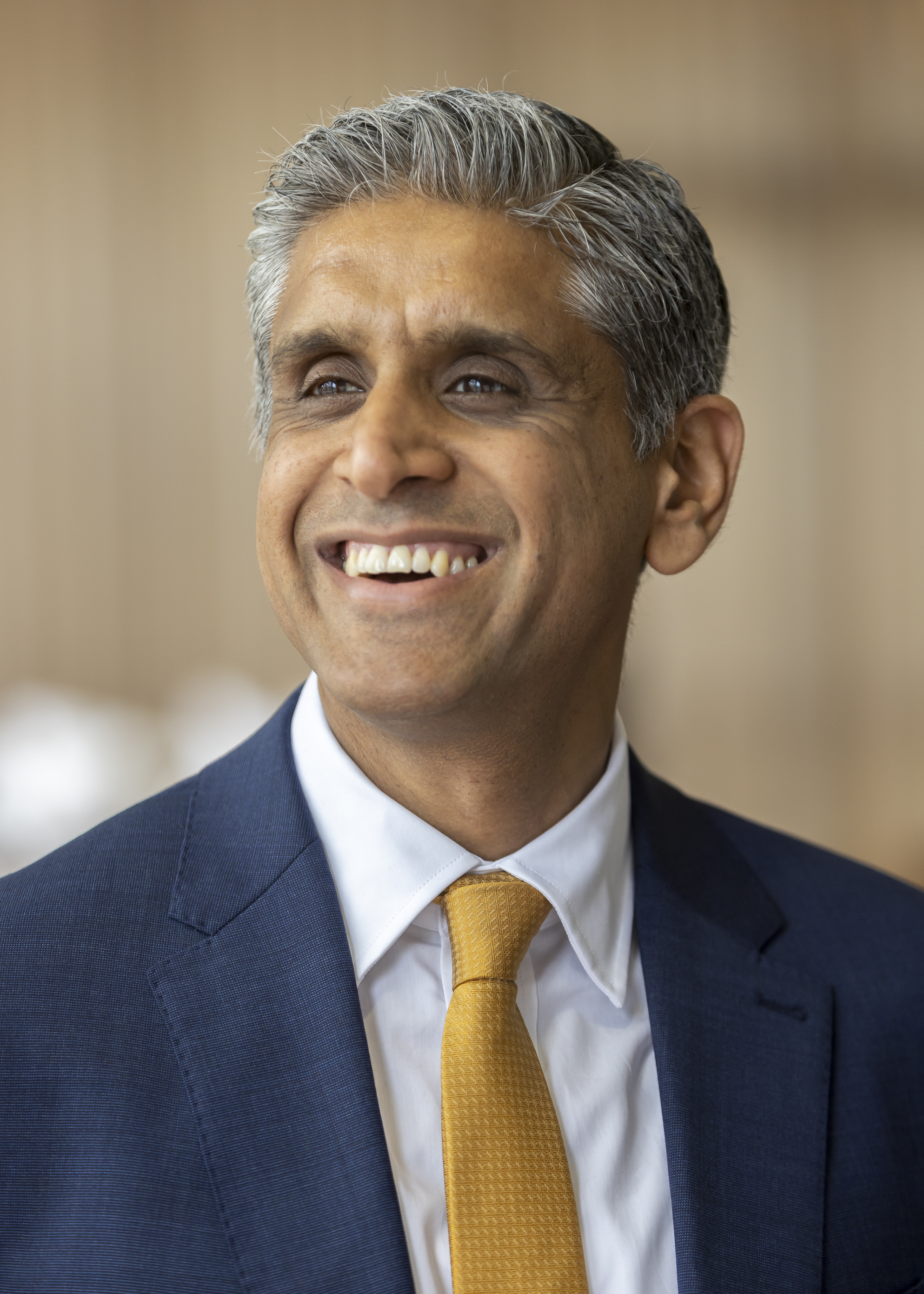
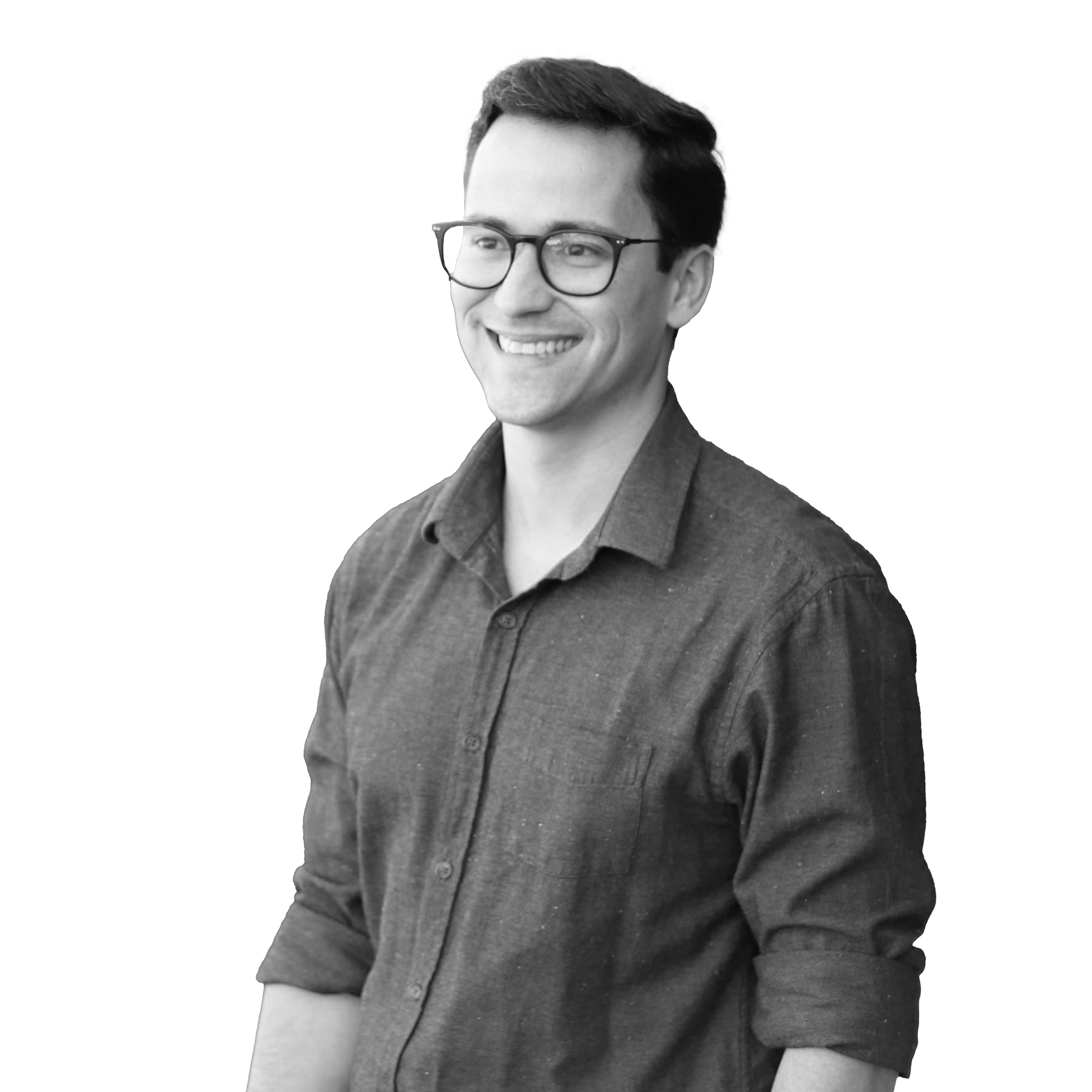
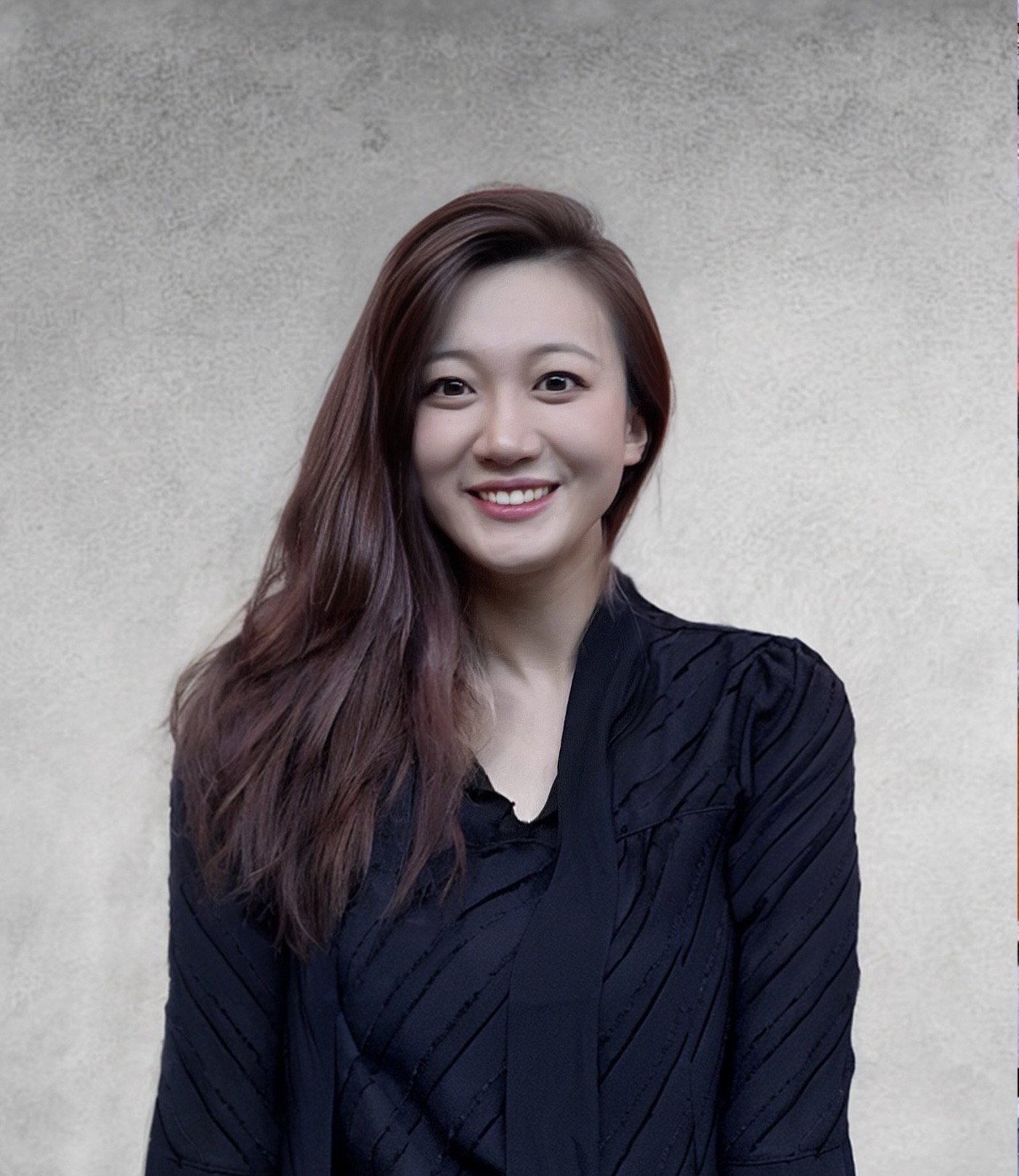
Professor Mohammad FARD is a faculty member at RMIT University's School of Engineering, specializing in Mechanical Engineering and Intelligent Systems. He leads research in autonomous vehicles, crash safety, and driver monitoring using AI. His industry experience includes six years at Nissan Technical Centre, focusing on vehicle body design. He holds a PhD from Tohoku University and has collaborated across Engineering, Health, and Science disciplines, achieving international media coverage for work on driver drowsiness and road safety. Research Interests: Autonomous Vehicles Advanced Crash Safety Driver State Monitoring AI in Noise/Vibration Human Factors/Ergonomics Teaching & Projects: Teaches Advanced CAE, Vehicle NVH, and research supervision in areas like crash simulation and vibration control. Current projects include Formula One safety barriers and driver education for autonomous vehicles. Awards & Labs: No awards listed. Active in cross-disciplinary teams and labs addressing automotive innovation and safety.
Terry C. Lansdown is an Associate Professor in the School of Social Sciences and Department of Psychology at Heriot-Watt University. His expertise lies in Human Factors, particularly focusing on driver safety, workload management, and attentional distraction in transportation contexts. Prior to his academic role, he worked as a senior researcher at the Transport Research Laboratory, contributing to numerous EU-funded and government-sponsored projects. His research integrates ergonomics principles with real-world applications, addressing issues like automated driving systems, social distractions in vehicles, and occupational health in construction industries. Key research interests include: Driver behavior and road safety Human factors in automated systems Workload and attentional demands in complex tasks Health and safety in small-to-medium enterprises (SMEs) He has led studies on pandemic response strategies, such as the CHARIS project analyzing behavioral adherence during the COVID-19 crisis. Lansdown’s work frequently bridges psychological theory with practical interventions, including text messaging campaigns to improve construction worker safety and experimental designs to evaluate automation failure responses. Collaborations span academic and industrial sectors, with publications addressing topics ranging from UV exposure in outdoor workers to the cognitive impacts of in-vehicle distractions. His contributions align with UN Sustainable Development Goals related to health (SDG 3) and sustainable cities (SDG 11).
Vishal Ahuja is an Associate Professor and Corrigan Research Professor at Southern Methodist University's Cox School of Business, with adjunct faculty status at University of Texas Southwestern Medical Center. He focuses on decision analytic tools for healthcare improvement through operations management. PhD, University of Chicago Booth School of Business MBA, University of Chicago Booth School of Business His research interests span healthcare operations, service optimization, and AI applications in clinical decision-making. He collaborates with the Department of Veterans Affairs, Parkland Hospital, and pediatric institutions to address care quality and delivery efficiency. Recent publications emphasize predictive modeling for chronic disease management, adaptive clinical trial design, and regulatory healthcare policy. Awards include the Dlin/Fischer Clinical Research Award (2021), INFORMS Pierskalla Award (2012), and 2025 AI75 recognition for Dallas-Fort Worth AI leadership. D CEO Excellence in Healthcare Award - Outstanding Healthcare Innovator (2023) NSF Game Changer Academies for Advancing Research Innovation (2022) C. Jackson Grayson Faculty Innovation Award (2022-23) At SMU, he teaches graduate courses in operations, supply chain, and service management, integrating corporate sector experience from chemical and consumer goods industries. His work has been cited by the FDA in safety labeling changes workshops.
Prof. Daniel Memmert is a Professor at the German Sport University Cologne, leading research in Sport Informatics and Sports Games within the Institute of Exercise Training and Sport Informatics. His work focuses on cognitive aspects of sports performance, decision-making, and data-driven analysis in football (soccer) and other sports. He has published extensively on topics like penalty kick strategies, home advantage dynamics, artificial intelligence applications in coaching, and route-setting in climbing. Memmert's research bridges sports science, computer science, and psychology, with over 550 publications and 41 projects to his name. He frequently engages with media, explaining complex sports phenomena to the public. Key Research Areas: Football analytics, cognitive psychology in sports, sports technology, decision-making under pressure Media Contributions: Over 50 media features discussing topics such as AI in coaching, referee bias, and athlete creativity Projects: Includes initiatives on sports data visualization, performance metrics, and prevention of sports betting addiction His work emphasizes translating academic findings into practical tools for athletes, coaches, and sports organizations, combining rigorous data analysis with real-world applications.
Krzysztof Z Gajos is a Gordon McKay Professor of Computer Science at Harvard University’s Paulson School of Engineering and Applied Sciences. He leads the Intelligent Interactive Systems Group, focusing on human-AI interaction, accessible computing, and behavioral research at scale. His work integrates technical innovation with ethical and societal considerations, emphasizing equity-centered design. Education: Ph.D., University of Washington M.Eng. and B.Sc., Massachusetts Institute of Technology (MIT) Research Interests: His research spans AI for public services , health informatics , design for equity , and behavioral research platforms like LabintheWild.org. He investigates how AI can augment human decision-making while addressing biases and ethical challenges. Recent Trends in Articles: Recent work emphasizes human-AI collaboration in healthcare , explainable AI , and equity-centered design . Key themes include reducing overreliance on AI, improving transparency in algorithmic decisions, and centering marginalized communities in technology development. Scientific Awards: Sloan Fellowship Best Paper Awards at ACM CHI, COMPASS, and IUI Advising & Grants: His federal grants support AI ethics and healthcare projects, though recent terminations have prompted efforts to secure alternative funding. He advises students on projects like AI for humanitarian negotiations and digital phenotyping. Labs & Teams: Leads the Intelligent Interactive Systems Group , collaborating with organizations on AI for social good and accessible technology.
Magnus Liebherr is a Professor at the University of Duisburg-Essen , focusing on Technology Acceptance , Artificial Intelligence , and Sustainable Transportation . His work bridges Business Administration with Human-Computer Interaction , exploring how users adapt to emerging technologies like autonomous vehicles and AI systems. Key research areas include: Acceptance of AI applications in mobility Business model development for climate-neutral transportation Cognitive and psychological factors in technology interaction Digital media effects on adolescent well-being Trust calibration in automated systems His recent publications examine Large Language Model dependency , gamified language learning , and mental workload metrics for autonomous vehicles. While no formal awards are listed, his interdisciplinary work spans psychology , engineering , and business strategy .
Kari Ingstad is a Professor of Sociology at the Faculty of Nursing and Health Sciences, Nord University, and currently serves as Vice-Dean for Research. Her work bridges academia, clinical practice, and policy, focusing on healthcare organization, leadership, and innovation in Norway's health sector. She holds a PhD in Sociology from NTNU (2011) and has extensive clinical experience in municipal and specialist healthcare. Education: PhD in Sociology, NTNU, 2011 Nursing background from municipal and specialist healthcare sectors Research Interests: Workforce planning and staffing strategies in healthcare Impact of shift scheduling on employee well-being and patient safety Integration of artificial intelligence in healthcare operations Cross-sectoral collaboration and innovation in health services Recent Research Trends: Her 2024 publications emphasize strategic staffing solutions, AI-driven shift planning, and long-shift work-life balance. Key projects include the OptiCare-AI initiative (Norwegian Research Council-funded), exploring AI applications for optimizing healthcare resource allocation. Leadership & Grants: Leads the Acute Care, Innovation and Patient Safety (AKIP) research group Principal Investigator on OptiCare-AI (2023–present) Labs/Teams: Active collaborations with the AKIP group and national/international networks on healthcare workforce issues.
Yang (Gilbert) Ye is an Assistant Professor in the Department of Civil and Environmental Engineering at Northeastern University, joining in January 2025. His research focuses on human-AI/robot teaming, automation in engineering, and assistive technologies, with a particular emphasis on human-centric robotics and sensorimotor processes. He holds a PhD in Civil Engineering from the University of Florida (2024), advised by Dr. Eric Jing Du. **Affiliations**: Member of ASCE, IEEE, and HFES. His work integrates VR/AR, robotics (e.g., drones, exoskeletons), and AI to enhance civil engineering workflows and workforce training. He leads the Ye Lab, actively recruiting PhD students and postdocs with coding experience (Python/C++/C#) and backgrounds in engineering or computer science. **Key Research Themes**: Human-robot interaction, construction automation, exoskeleton training, and delayed feedback mitigation in teleoperation. Over 20 peer-reviewed publications in journals like ASCE JoCEN, IEEE Access, and Advanced Engineering Informatics. **Lab Opportunities**: PhD/postdoc applicants require strong academic records (GPA ≥3.5) and coding skills. Undergrad/master students can apply for thesis/research roles. Funding covers tuition, insurance, and stipends.
Eduardo Velloso is a Professor of Computer Science at the University of Sydney , focusing on interaction design for emerging technologies . His work explores novel user experiences through input modalities, interaction devices, and AI/ML integration in systems. Education: PhD in Computer Science (Lancaster University, UK), Bachelor in Computer Engineering (Pontifical Catholic University of Rio de Janeiro, Brazil) Research Interests: Interdisciplinary work combining Human-Computer Interaction , Augmented/Virtual Reality , Eye Tracking , Wearable Computing , and Machine Learning . Publication Trends: Recent work addresses methodology in HCI , AR/VR applications , AI integration , and sensor-based interaction . Scientific Awards: Best Paper Award at CHI Best Paper Award at UIST Best Paper Award at TOCHI Best Paper Award at TEI Supervision: Actively supervises PhD students and collaborates with companies/government on projects like VR training systems and AI mediation tools . Labs/Teams: Affiliated with institutions in Australia (University of Sydney) and Brazil (PUC-Rio), with global co-authors in projects involving mixed reality , wearables , and AI ethics .
Qiaoning Carol Zhang serves as Assistant Professor of Human Systems Engineering within The Polytechnic School at Arizona State University's Ira A. Fulton Schools of Engineering. Her research investigates the critical intersection of human perception, social contexts, and emerging technologies including artificial intelligence, robotics, and automated vehicles, with emphasis on creating intuitive, user-friendly, and inclusive systems. Her academic foundation includes: Ph.D. in Information, University of Michigan (2023) M.S. in Industrial and Operations Engineering, University of Michigan (2018) B.S. in Industrial Engineering, Hunan University (2016) Dr. Zhang's research program centers on understanding how individual differences and social dynamics shape technology interactions. Key focus areas include Human-AI Collaboration , Human-Robot Interaction , Human Factors in Automated Vehicles , and User Experience Design . Her work employs interdisciplinary methodologies to ensure technology adapts to diverse user needs across complex socio-technical environments, particularly in transportation and healthcare robotics. Analysis of her 15 most recent publications (2021-2025) reveals dominant themes in trust dynamics within automated vehicles, with significant attention to explainable AI interfaces. Research consistently examines how voice characteristics (gender, similarity), explanation modalities, and individual differences (age, personality) impact cognitive and affective trust. Recent work extends to healthcare robotics for elderly populations using Kano model analysis to identify critical user requirements. No scientific awards are documented in the provided materials. Dr. Zhang actively recruits Ph.D. candidates and undergraduate/master's researchers with backgrounds in human-computer interaction, data science, and interdisciplinary fields (design, computer science, cognitive science). She emphasizes opportunities in transportation technology, healthcare robotics, AI, and UX research/design, requiring applicants to submit CVs, research statements, and representative work samples. While specific grants aren't detailed, her research scope indicates substantial funding in human factors and emerging technology domains. Her research team focuses on developing empathetic technology through projects examining trust calibration in automated vehicles and healthcare robot design for older adults. Current initiatives include voice interface optimization for diverse user groups and Kano model applications in home healthcare robotics, aiming to bridge technical capabilities with human-centered design principles.
Dr. Todd D. Murphey is a Professor of Mechanical Engineering at Northwestern University's Robert R. McCormick School of Engineering and Applied Science. He serves as Director of Transformative Research and Director of the Master of Science in Robotics Program at Northwestern, leading initiatives in computational dynamics, control systems, and robotics. His work bridges engineering, neuroscience, and biomedical applications, with a focus on developing systems that interact effectively with humans and their environments. Dr. Murphey received his Ph.D. in Control and Dynamical Systems from the California Institute of Technology in 2002, with a thesis titled "Control of Multiple Model Systems." Prior to that, he earned a B.S. in Mathematics, summa cum laude, from the University of Arizona in 1997. Dr. Murphey's research centers on computational methods in dynamics and control, with applications spanning neuroscience, health science, robotics, and automation. His work in the Interactive & Emergent Autonomy Lab focuses on computational models of embedded control, biomechanical simulation, dynamic exploration, and hybrid control. The group develops mathematical approaches that lead to orders of magnitude improvement in computational efficiency for real-time implementation. Key application areas include assistive exoskeleton control, stabilization of energy networks, bio-inspired active sensing, entertainment robots, robotic exploration, and software-enabled stroke rehabilitation. Analysis of Dr. Murphey's recent publications reveals a strong emphasis on human-swarm interaction, algorithmic matter, and control of cyber-physical systems in uncertain environments. His work increasingly integrates information theory with physical systems, exploring how both autonomous and biological systems interact with environments to learn and improve behaviors. Recent trends show growing applications in rehabilitation technology, with particular focus on human-machine interaction in biomedical devices and embodied intelligence. Dr. Murphey has received numerous honors and awards for his contributions to robotics and engineering: Named Director of Transformative Research at Northwestern University (2025) Appointed IEEE Robotics and Automation Society Vice President of Publication Activities (2022) Co-recipient of Best Paper Award for IEEE Transactions on Robotics (2020) Appointed to Air Force Scientific Advisory Board (2019) Recipient of ABB Best Student Paper Award for CPL-SLAM research (2019) Cole-Higgins Award from Northwestern Engineering (2015) Dr. Murphey has supervised numerous graduate students including Taosha Fan, Giorgos Mamakoukas, and Ian Abraham, with research spanning robotic exploration using electrosense and mechanical contact, human-in-the-loop control, and shared control for rehabilitation devices. His lab has secured significant funding from the National Science Foundation, DARPA, and industry partners including Siemens and Ekso Bionics, supporting research in algorithmic matter, emergent behavior, and human-swarm collaboration. The Interactive & Emergent Autonomy Lab, led by Dr. Murphey, investigates how both autonomous systems and biological systems interact with their environments to learn and improve behaviors. Current projects include active learning and data-driven control, active perception in human-swarm collaboration, algorithmic matter and emergent computation, control for nonlinear and hybrid systems, cyber physical systems in uncertain environments, harmonious navigation in human crowds, information maximizing clinical diagnostics, reactive learning in underwater exploration, robot-assisted rehabilitation, and software-enabled biomedical devices. The lab collaborates with researchers across Northwestern and institutions including Georgia Tech, MIT, and industry partners.
Professor Eduardo Velloso is an academic staff member at the School of Computer Science , University of Sydney . He is a member of the Centre for AI Trust and Governance and holds a PhD in Computer Science from Lancaster University and a Bachelor of Computer Engineering from Pontifical Catholic University of Rio de Janeiro. Teaches COMP4447/5047 - Pervasive Computing and INFO1111 - Computing Professionalism Research Interests focus on distributed collaboration in mixed reality , human-AI interaction , and HCI theory and methodology . His work integrates Engineering, Design, and Psychology to explore gaze interaction, adaptive agents, and multimodal interfaces. Key projects include Blended Whiteboard for remote MR collaboration and GazeGrip for mobile accessibility. Publication Trends show expertise in Virtual Reality , Mixed Reality , and Human-AI Interaction , with recent work on Algorithmic Recourse and Immersive Educational Tools . Awards include ACM Best Paper Awards at CHI, UIST, TOCHI, and DIS venues. Scientific Awards 2024 ACM CHI & DIS Honorable Mentions 2022 UoM-FEIT Teaching & Learning Award 2019 UoM-CIS Excellence in Research Award 2015 ACM UIST Best Paper Award Advising includes supervision of research students Marvin, Tinghui LI, and Wendi YU in projects on asynchronous MR collaboration , situationally-induced impairments , and physical environment integration . His lab explores AI-assisted interaction and context-aware computing through projects like SpinalLog and LiftSmart .
Jianhua Zhang is a Professor of Computer Science and founding deputy head of the AI Lab at the Department of Computer Science, OsloMet - Oslo Metropolitan University, Norway. He holds affiliations with the Faculty of Technology, Art and Design. His career includes roles as Scientific Director at Vekia (France), Head of Machine Learning Lab, and Professorships at East China University of Science and Technology and Beijing University of Technology. He has held visiting positions at TU Berlin, TU Dresden, and the University of Catania. Educations: PhD in Electrical Engineering and Information Sciences (Ruhr University Bochum, 2005), Postdoctoral Research at the University of Sheffield (2005-2006). Research focuses on artificial intelligence, computational intelligence, cognitive human-machine systems, neuroergonomics, affective computing, and AI-driven neuroergonomics. Applications span engineering, biomedicine, finance, and business. He has led over 20 large-scale projects and published extensively (4 books, 13 chapters, ~200 papers). Leadership roles include Chair of IFAC Technical Committee on Human-Machine Systems (2017-2023), Vice Chair of IEEE Norway Section, and editorial roles at journals like Frontiers in Neuroscience and Cognitive Neurodynamics . He organized major conferences like IFAC HMS2025 (Beijing) and ICMLT 2024 (Oslo). Awards: Stanford/Elsevier Top 2% Scientists (2023/2024), Senior Research Fellowship (CSC, 2012), Max Planck Fellowship (2011), Shanghai Pujiang Talent (2007), DAAD Scholarship (2002-2004). Grants and advising: PI for 20+ projects, advising PhD students in AI, machine learning, and control systems. Teaching includes courses on computational intelligence, IoT, and fuzzy systems at both undergraduate and graduate levels. Labs/Teams: AI Lab at OsloMet, Machine Learning Lab (Vekia), and collaborations with institutions globally. Current work emphasizes AI ethics, neuroergonomics in smart cities, and adaptive human-machine systems.
Sara Zaniboni is an Associate Professor in Work and Organizational Psychology at the University of Bologna's Department of Psychology 'Renzo Canestrari'. Her research focuses on workplace diversity, age-related issues, and organizational inclusion. She holds a PhD and has led international research initiatives, including the 'Age in the Workplace Meeting' conference. Her work bridges psychological theory with practical applications, addressing challenges like age discrimination, mental health, and work design. She has contributed to EU and national grants (e.g., PRIN, PNRR), and serves on editorial boards such as Work, Aging and Retirement . Awards include the 2015 outstanding paper award and 2018 outstanding author contribution award. She has held visiting roles at institutions like ETH Zurich and the University of Essex, emphasizing global collaboration. Her research explores how organizational policies can enhance diversity outcomes, reduce stereotypes, and support older workers. Key areas include uncertainty mindset development, workaholism effects, and workplace accommodations for people with mental health challenges. She advocates for policies promoting sustainable careers and inclusive work environments. Key Projects: LeverAge (EU network), Age in the Workplace Meeting Grants: PRIN, PNRR, EU grants International Collaboration: Visiting positions at 6+ universities, including ETH Zurich Editorial Roles: Work, Aging and Retirement , among others
Andrea Stevenson Won is a researcher at Cornell University in the Department of Communication , focusing on virtual reality (VR), human-computer interaction, and social dynamics in immersive environments. Her work explores avatar embodiment , nonverbal behavior , and accessibility in VR for users with disabilities. Research Themes : Virtual embodiment and its psychological effects Accessibility solutions for blind and low-vision users in social VR Nonverbal communication analysis in immersive environments Pro-social behavior through VR interventions Collaborative VR systems and AI integration Recent Article Trends : 2024: Investigated avatar behavior transformation in mixed reality ( MRTransformer ), AI-guided accessibility tools, and nonverbal cue adaptations 2023-2022: Focused on educational VR applications, 360° video narratives, and longitudinal team dynamics 2021-2014: Pioneered avatar embodiment studies, anxiety detection via movement tracking, and homuncular flexibility in VR