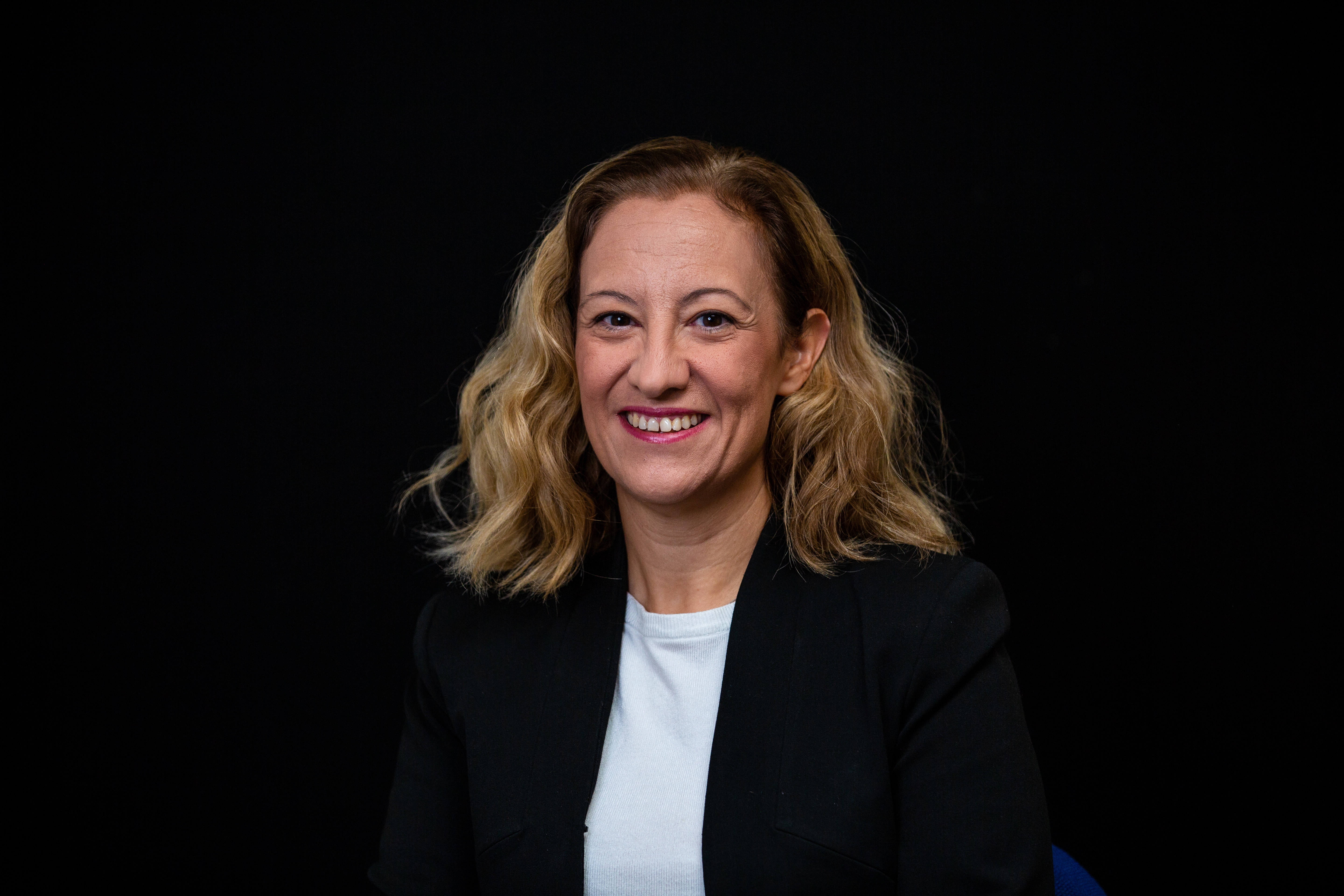
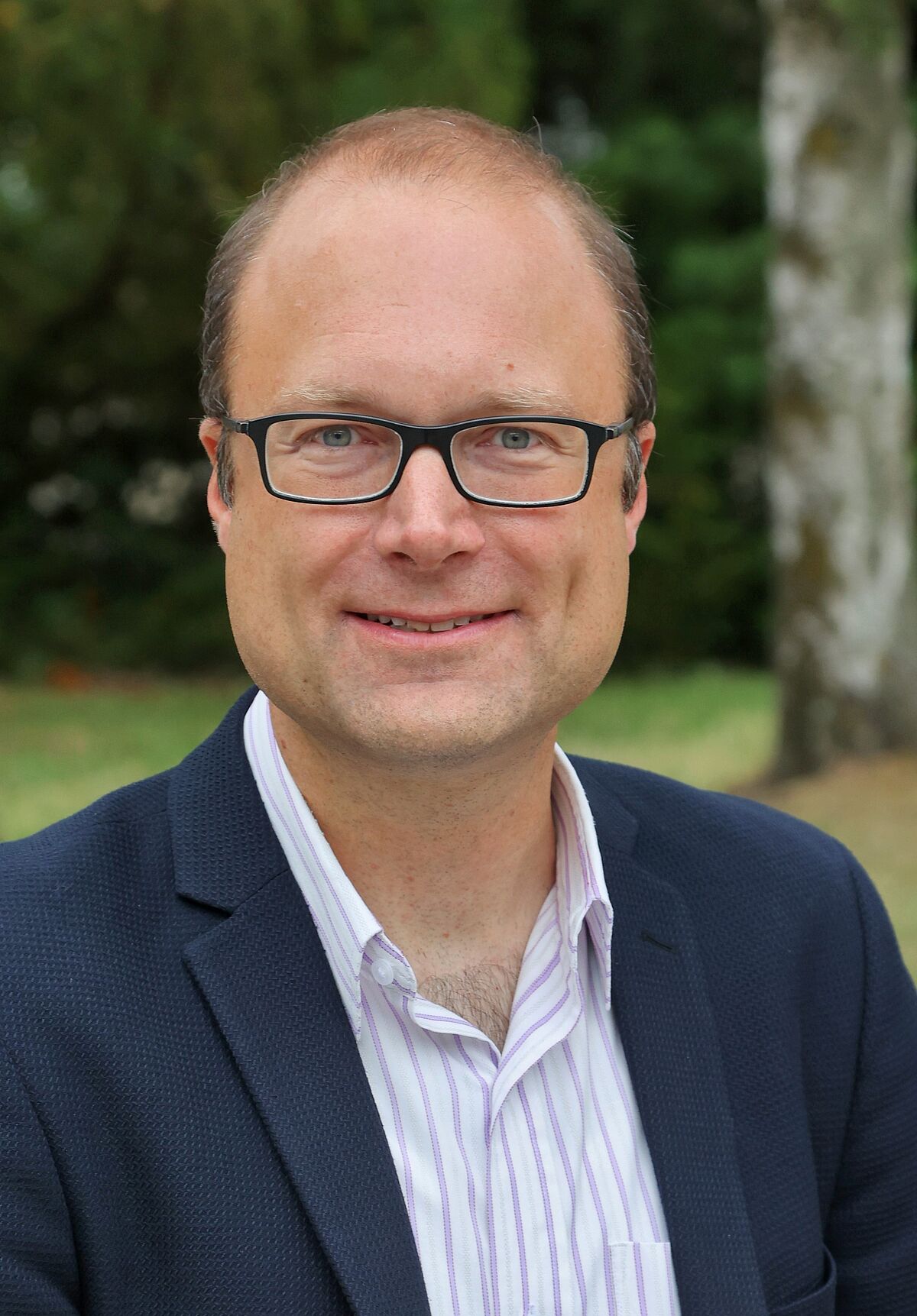
Professor Irem Dikmen is a leading academic in Construction Engineering and Management at the University of Reading, where she serves as School Director of Internationalisation in the Chancellor's Building. Her research integrates engineering, management, and information sciences to advance construction project risk management, particularly focusing on climate resilience, digital technologies, and social value in infrastructure systems. PhD, MSc, and BSc in Civil Engineering from Middle East Technical University Her work leverages systems thinking, artificial intelligence, and digital tools to develop decision-support frameworks for megaprojects and climate adaptation. Recent publications highlight innovations in NLP contract analysis, energy performance ontologies, and risk visualization techniques. She supervises students on topics spanning IoT lifecycle management, ESG risks, and NLP defect detection. Key collaborations include the Climate and Finance Research Cluster and Walker Institute , with contributions to digital construction technologies and sustainability risk assessment. Teaching modules include Construction Risk Management, Economics, and Business Organisation.
Fulong Wu holds the prestigious Bartlett Chair of Planning at University College London's Bartlett School of Planning since 2011. This distinguished position has previously been held by notable figures including Sir Patrick Abercrombie, Sir William Holford, Lord Richard Llewelyn-Davies, Sir Peter Hall, and Mike Batty FRS. Professor Wu's appointment represents a significant moment for the school to redefine planning discipline in global terms for a new generation. Wu received his BSc and MSc degrees from Nanjing University and completed his PhD at the University of Hong Kong. Prior to joining UCL, he taught at the Universities of Southampton and Cardiff. His academic journey reflects a deep commitment to urban planning scholarship with a specific focus on Chinese urban contexts. BSc, Nanjing University MSc, Nanjing University PhD, University of Hong Kong Professor Wu's research centers on urban development in China and its social and sustainable challenges. His work critically examines the Chinese model of urban governance, state entrepreneurialism, and the financialization of Chinese cities. He has made significant contributions to understanding migration patterns, spatial inequalities, suburbanization, neighborhood governance, and urban poverty in Chinese cities. His research provides valuable insights that challenge Western-centric planning theories while enriching global urban studies with Chinese perspectives. His recent publications reveal a clear trend toward analyzing the evolving relationship between statecraft and urban governance in China, particularly in the context of post-pandemic recovery and financialization processes. A significant portion of his recent work examines how Chinese cities manage crises, with several studies focusing on the Shanghai lockdown experience. His ERC-funded project on rethinking China's model of governance serves as an intellectual anchor for much of this research, demonstrating how Chinese urban governance represents both a distinctive model and a critical lens for understanding global urban transformations. Professor Wu's scholarly recognition includes: Fellow of the Academy of Social Sciences (2016) ESRC 2013 Outstanding International Impact Award Fellow of the Higher Education Academy (2002) British Academy Fellow As Principal Investigator of a European Research Council (ERC) Advanced Grant project titled 'Rethinking China's Model of Governance,' Professor Wu leads significant research funding that supports his team's work. He co-founded and coordinates the China Planning Research Group (CPRG) at UCL with Professor Fangzhu Zhang, which has become an influential research cluster generating substantial impact within and beyond the university. His mentorship extends to supervising PhD students and collaborating with early-career researchers on China-focused urban studies. The China Planning Research Group (CPRG), jointly coordinated by Professor Wu and Professor Zhang, serves as a vital hub for research on Chinese urban development. This group has produced influential work on topics including rural migrants in urban China, Chinese land and housing development, urban neighborhoods, and regional governance systems. The CPRG's research output has significant policy implications and contributes to global debates about alternative urban development models beyond neoliberal paradigms.
Dr. Amir Ghanbaripour is a Discipline Lead in Planning, Property, and Project Management at Bond University's Faculty of Society & Design, with a PhD in Construction Project Management (2020). He teaches postgraduate courses and leads the Project Management program. His expertise spans project management methodologies, systems thinking, organizational maturity, and gender equality in projects. He is an active member of the Project Management Institute (PMI) as Associate Director for Academic Outreach. Education: PhD in Construction Project Management (Bond University, 2020), MSc in Civil Engineering (Iran University of Science and Technology, 2012), BSc in Civil Engineering (Amirkabir University of Technology, 2009). Research focuses on project success models, agile methodologies, and technology integration in construction education. He leads research projects on megaprojects, sustainable practices, and gender diversity in the industry. Grants include the 2023 FSD Research Project Grant (focusing on construction project strategies) and the 2023 FSD Deans Award (exploring robotics in manufacturing). He supervises PhD candidates and collaborates with national/international organizations on project management innovation.
Iris D. Tommelein serves as the Roy W. Carlson Distinguished Professor in the Civil and Environmental Engineering Department at the University of California, Berkeley's College of Engineering, where she directs the Project Production Systems Laboratory (P2SL). A globally recognized pioneer in Lean Construction, she has revolutionized architecture-engineering-construction (AEC) practices through research, industry workshops, and leadership since co-founding the Lean Construction Institute in 1997. Her educational foundation spans multiple disciplines: Ph.D. in Civil Engineering (Construction Engineering and Management), Stanford University, 1989 M.S. in Computer Science (Artificial Intelligence), Stanford University, 1989 M.S. in Civil Engineering (Construction Engineering and Management), Stanford University, 1985 B.S. (5-year degree) in Civil Engineer-Architect, Vrije Universiteit Brussel, Belgium, 1984 Professor Tommelein's research centers on transforming construction processes through Lean principles and digital innovation . Her work pioneers takt planning for workflow reliability, industrialized construction for labor and sustainability challenges, and mistakeproofing to eliminate errors. She integrates digital twins , AI , and optimization to develop practical decision-support systems for supply chains, logistics, and production management. Recent focus includes modular offsite construction and Industry 4.0 applications. Analysis of her 2023-2025 publications reveals intensifying research on takt planning maturity models and industrialized construction feasibility , with growing emphasis on mass timber automation and visual management systems. Her work consistently bridges lean theory with practical implementation across megaprojects, subcontracting networks, and heavy civil engineering. Her exceptional contributions have earned: Lean Pioneer Award (Lean Construction Institute, 2015) National Academy of Construction induction (2019) PPI Technical Achievement Award (2022) Robert B. Harris Award (University of Michigan, 2024) ASCE Construction Management Award (2024) - first woman recipient in 51 years Through the P2SL, she leads industry-collaborative research on production system design, mistakeproofing frameworks, and digital transformation. Her grant-funded projects develop assessment tools for industrialized construction adoption and takt planning methods adaptable to diverse project types. She actively mentors graduate students and drives knowledge transfer via workshops and the annual Construction Innovation Day. The Project Production Systems Laboratory (P2SL) operates as a global hub for construction innovation, partnering with owners, contractors, and suppliers to implement lean production systems. Current initiatives include developing serious games for mistakeproofing training, optimizing work density methods for heavy civil projects, and creating digital twins for real-time construction management.
Dr Bhishna Bajracharya is an Associate Professor of Urban Planning at Bond University's Faculty of Society & Design. He previously taught at Queensland University of Technology (QUT) for over 12 years and worked as a post-doctoral fellow at the Australian National University. His research focuses on urban sustainability, disaster resilience, and master-planned communities. Education: PhD in Urban Planning, University of Hawaii (200?) MURP in Urban Planning, University of Hawaii BArch in Architecture, Delhi University Research Interests: Smart cities and infrastructure Disaster management and community resilience Transit-oriented development Climate change adaptation Sustainable campus design Knowledge-based regional economies Recent Research Trends: His recent work emphasizes cross-border planning (e.g., Gold Coast Airport integration), megaproject governance, and innovative disaster management frameworks. He frequently collaborates with governments and NGOs to bridge research and policy gaps. Awards & Grants: Australian Research Council (ARC) Linkage Grant for community narratives in urban planning Emergency Queensland grant for disaster governance research Advising & Partnerships: Supervising PhD students in urban planning Collaborations with QUT's Creative Industries faculty Member of Bond University's Sustainability Committee Labs & Teams: Affiliated with the Centre for Comparative Construction Research at Bond University, focusing on global urban challenges.
Bent Flyvbjerg is a Professor at the IT University of Copenhagen , affiliated with the Software Engineering Research Center for Public IT and the Danish Institute for IT Program Management . His research focuses on megaprojects, cost overruns, behavioral biases, and digitalization’s intersection with climate action. Research Interests : Megaproject governance, cost-benefit analysis, behavioral economics, climate mitigation through digitalization. Projects : Leads the Villum Kann Rasmussen Professorship (2022–2027) on IT project management. Media Impact : Frequently cited in press/media (203 mentions), including Harvard Business Review and Project Management Journal.
Giuseppe Tipaldo is an Associate Professor at Politecnico di Torino's Department of Control and Computer Science (DAUIN), with affiliations to the SmartData@PoliTO Big Data and Data Science Laboratory and the DBDM Database and Data Mining Group. His interdisciplinary work bridges Sociology, Science and Technology Studies, and Digital Media Research. Research interests focus on epistemic instability, technoscientific conflicts (anti-vax, pseudoscience, infrastructure opposition), and methodological innovations in Computer-Assisted Text Analysis. He explores intersections between postmodern relativism and contemporary epistemic wars, examining truth negotiation in political decision-making and Gen-AI's impact on research methodologies. Recent publications analyze: 2024: Vaccine hesitancy trust dynamics in Europe 2023: Epistemic authority transitions in social media and science-society relations 2022: Xylella fastidiosa epidemics as epistemic wars and pandemic expert discourses He contributes to editorial boards (Italian Review of Sociology, Sinapsi) and serves on advisory panels for Circular Economy symposia. Teaching spans Master's and Doctoral programs in Management Engineering, Cybersecurity, and Communication Sciences.
Professor Mohamed Naim is a distinguished academic at Cardiff Business School, Cardiff University, where he holds the position of Professor in Logistics and Operations Management. He has served in several leadership roles, including former Head of the Logistics and Operations Management Section and former Deputy Dean at the Business School. He was also the founding director of the Centre for Advanced Manufacturing Systems at Cardiff (CAMSAC). He is actively engaged in high-impact research and industrial collaboration, currently leading a Knowledge Transfer Partnership (KTP) with Tower Cold Chain Solutions Ltd. and contributing to major research programs such as ASTUTE, ASTUTE2020, and AFAIR. His research interests center on the development of business systems engineering approaches to resilient supply chains, with a focus on sustainability, circularity, and flexibility in lean and agile systems. He has made significant contributions to supply chain dynamics, particularly in engineer-to-order (ETO) sectors such as construction and shipbuilding. His recent work explores digital transformation in logistics, including 5G-enabled smart ports, building information modelling (BIM), and AI-driven decision-making. The analysis of his recent publications reveals a strong trend toward interdisciplinary research, integrating operations management with healthcare (trauma systems), digital technologies, and sustainable industrial practices. His work frequently employs system dynamics, simulation, and empirical case studies to address complex supply chain challenges. Scientific Awards: Institution of Electrical Engineers' Manufacturing Division Premium (1996) Royal Academy of Engineering Global Research Award (2003) Professor Naim is actively involved in research supervision and has contributed to two Research Excellence Framework (REF2021) impact cases on innovative procurement and financially sustainable supply chains. He is a founding member of the Logistics Systems Dynamics Group (LSDG) and has led and co-directed multiple large-scale research initiatives. His work is characterized by strong industry engagement, particularly through Knowledge Transfer Partnerships and collaborations with public sector bodies like the Welsh European Funding Office (WEFO). Research Centers and Teams: Logistics and Operations Management Section, Cardiff Business School Centre for Advanced Manufacturing Systems at Cardiff (CAMSAC) Logistics Systems Dynamics Group (LSDG) ASTUTE / ASTUTE2020 / ASTUTE East programmes AFAIR project (Expert Advisor)
Susann Baez Ullberg is an Associate Professor and Senior Lecturer in Cultural Anthropology at Uppsala University's Department of Cultural Anthropology and Ethnology. She holds a PhD in Social Anthropology from Stockholm University and is an affiliated researcher at the CNDS Centre of Natural Hazards and Disaster Science. Her work focuses on environmental and disaster anthropology, with a regional emphasis on Latin America, particularly Argentina and Peru. She currently leads the C-URGE project, a Marie Skłodowska-Curie Actions-funded initiative training climate anthropologists across Europe. Her research explores disaster memoryscapes, crisis temporality, and groundwater politics, combining ethnographic fieldwork with interdisciplinary collaborations. Notable projects include studying water infrastructure in Peru's Majes Siguas Project and analyzing recovery processes after wildfires in Sweden. She coordinates Uppsala University's Water Initiative and directs the undergraduate program in Cultural Anthropology. Awarded for her 2013 thesis on Santa Fe's flood management, she supervises three PhD students and contributes to policy-relevant research on climate resilience. Her publications span environmental governance, megaprojects, and the socio-political dimensions of disasters.
Alexander Budzier is a Research Fellow in the Department of Technology and Operations Management at Saïd Business School, University of Oxford. He specializes in managing projects across IT, infrastructure, energy, and mega-events, with a focus on risk mitigation and systems thinking. His roles include teaching on the MSc for Major Programme Management, MBA, and the Major Project Leadership Academy. Education: PhD from Saïd Business School (2014). Prior experience includes roles at T-Mobile International and McKinsey's Business Technology Office in Düsseldorf and Chicago, advising on IT and operations strategy. Research interests center on IT-enabled change, project setups, and risk analysis. Notable contributions include work on cost overruns in IT projects, the uniqueness trap in project management, and sustainable development via mega-events like the Olympics. Publications span journals like Harvard Business Review , iScience , and Event Management , with a focus on megaprojects, risk, and digital transformation. He has advised governments and corporations on infrastructure investments and project governance, emphasizing evidence-based decision-making.
Katrin Leifels is a Lecturer in Construction Management at RMIT University's School of PCPM. Her research focuses on occupational health, stress prevention, mental wellbeing, and psychosocial work aspects. She also explores human resource management, cultural diversity in teams, and workplace safety. Katrin holds a PhD and has received scholarships during her postgraduate studies, alongside industry-focused research grants. She has extensive teaching experience across RMIT and universities in Germany and China, and previously led projects at a German research institute, with industry experience in automotive and aviation sectors. Her teaching responsibilities include courses such as 'The Psychosocial Work Environment' and 'Work Health and Safety Intervention Project.' Katrin actively presents at international conferences and collaborates with industry partners. Her work spans construction safety, intercultural teamwork dynamics, and the impact of university environments on staff wellbeing. She is open to supervising Masters and PhD students. Research highlights include analyzing stressors in multicultural teams, cultural intelligence in global workforces, and systematic reviews on psychological harm in construction. Her contributions emphasize practical solutions for workplace mental health and safety, bridging academic research with industry applications.
Professor Aris Syntetos is a Distinguished Research Professor and DSV Chair of Logistics and Manufacturing at Cardiff Business School, Cardiff University. He is the founder and Director of the PARC Institute of Manufacturing, Logistics and Inventory, which includes the RemakerSpace, and leads the university’s strategic partnership with DSV. Previously, he held faculty positions at the University of Salford and Copenhagen Business School. His research focuses on the integration of forecasting and inventory optimization, particularly in the context of intermittent demand, spare parts, closed-loop supply chains, and additive manufacturing. He is renowned for the Syntetos-Boylan Approximation and the Syntetos-Boylan-Croston classification method. His work is driven by sustainability and social impact, aiming to reduce inventory obsolescence and support circular economies. The 15 most recent publications highlight a strong trend toward integrating forecasting with inventory and maintenance decisions, with increasing emphasis on sustainability, social good, and advanced analytics. His work spans healthcare, automotive, retail, and humanitarian logistics, often employing machine learning and empirical validation. 2024 Goodeve Medal (Operational Research Society) 2016 Cardiff University Outstanding Doctoral Supervisor Award 2016 & 2019 Cardiff University Innovation and Impact Awards He has secured over £5 million in research funding as Principal Investigator from EPSRC, Innovate UK, and the Welsh Government, leading projects on remanufacturing, 3D printing, and sustainable supply chains. He advises major firms like Ocado, BT, and DSV, and his methods are used in commercial software. He supervises PhD students and actively promotes knowledge transfer. He is Editor-in-Chief of the IMA Journal of Management Mathematics and serves as Vice-President of the International Society for Inventory Research (ISIR). He has taught in the UK, China, Colombia, Denmark, France, Greece, Italy, and Latvia, primarily in Operations Management and Applied Statistics.
Daniel Schiller is a Professor of Economic and Social Geography at the University of Greifswald, where he has been employed since April 2016. He currently serves as Vice Rector for Research and Transfer (since April 2025) and has held several significant administrative positions including Managing Director of the Institute of Geography and Geology (2020-2024) and Vice Dean of the Faculty of Mathematics and Natural Sciences (2020-2023). His academic affiliations include leadership roles at the Steinbeis Research Center for Regional Economics and membership in the Northeast Regional Working Group at the Academy for Spatial Development. Professor Schiller's research focuses on knowledge-based and sustainable regional development, transformation of regional economies, spatial justice, and futures of globalization, with regional expertise in Germany, the Baltic Sea region, and East and Southeast Asia. His work bridges theoretical economic geography with practical regional development challenges, particularly examining innovation systems, bioeconomy transitions, and the spatial dimensions of sustainability. His publications reveal a strong emphasis on how regions navigate economic transformation, with particular attention to the role of institutions, networks, and governance in shaping regional development trajectories. His recent publications demonstrate a clear trend toward examining sustainability transitions in regional contexts, with increasing focus on bioeconomy development, One Health approaches, and the spatial dimensions of innovation. The geographical scope of his work spans from local German regions to East Asian contexts, particularly China's innovation systems. Methodologically, his work combines qualitative case studies with spatial analysis and theoretical frameworks from economic geography and innovation studies. Scientific Prize 'Human Geography' of the Prof. Dr. Frithjof Voss Foundation for Geography (2013) Professor Schiller has secured substantial research funding from multiple sources including BMBF, DFG, EU, and regional programs, leading major projects such as Plant³ RIIS, RegioTransformOH, and ChiKUBIG. His research portfolio demonstrates strong international collaboration, particularly with Chinese institutions. As Chair of Examination Boards for M.Sc. programs in Regional Development and Tourism and Bioeconomy, he plays a significant role in academic program development and student education. His leadership extends to the WIR! innovation alliance Plant³, where he serves as spokesperson since 2019. Through his work at the Steinbeis Research Center for Regional Economics and various research projects, Professor Schiller leads teams examining regional innovation systems, economic transformation, and sustainable development pathways. His current research agenda focuses on the intersection of bioeconomy development, spatial justice, and regional transformation, with particular attention to how regions can navigate the complex challenges of sustainability transitions while addressing socio-spatial inequalities.
James Wood serves as an Associate Teaching Professor in Political Economy within the Department of Politics and International Studies (POLIS) at the University of Cambridge, where he is also affiliated with the Faculty of Human, Social, and Political Science. Additionally, he holds a Staff Fellowship in Politics at Trinity Hall, Cambridge, where he serves as the HSPS Director of Studies and Undergraduate Tutor, having previously served as Acting Senior Tutor of the College. University of Sussex: B.A. in Economics (2010-2013) King's College London: M.A. (2014) and Ph.D. in International Political Economy (2017) Wood's research focuses on political economy with particular emphasis on innovation policy, housing systems, and crisis construction across the United States, United Kingdom, and European Union. His work examines how housing functions as an asset-based welfare system, the political dimensions of innovation policymaking, and the construction of economic crises in contemporary democracies. He investigates the role of megaprojects in regional development and the political economy of welfare state transformation, particularly examining housing as what he terms the 'fifth pillar' of the welfare state. His recent publications reveal a strong focus on polycentric governance approaches to innovation, the political dynamics of housing policy, and the comparative analysis of economic policy responses to crises. Wood's research connects theoretical political economy with practical policy analysis, often examining how economic policies are constructed and legitimized in different political contexts. Co-convenor of the Political Studies Association's British and Comparative Political Economy Specialist Group Associate Editor of the Cambridge Journal of Regions, Economy and Society Before entering academia, Wood spent nearly a decade working at one of the largest mortgage joint ventures in the United States, providing him with practical industry experience that informs his academic research on housing finance and asset-based welfare systems. His research bridges academic theory with real-world policy challenges, particularly in the areas of housing affordability, innovation ecosystems, and the political management of economic crises.
Fatih Eren is an Associate Professor in the Department of Urban and Regional Planning at Istanbul Technical University's Faculty of Architecture. He holds a PhD from the University of Sheffield (2007-2013), focusing on Istanbul's real estate market internationalization. His career includes roles as Director of the Urban Studies Center at CESRAN (2010-2016) and Editor-in-Chief of the International Journal of Architecture and Planning (ICONARP). Expertise: Urban Planning, Real Estate, Digital Twin Cities, Platform Urbanism Leadership: Over 20 years in academia, managing projects on AR technology, psychometric tests, and urban acupuncture Research Interests : GIS-driven urban data management Property market dynamics Innovative urban redevelopment strategies Awards : Emerald Outstanding Reviewer (2023), Autodesk DesignNext Award (2014), and multiple teaching/research grants (EELISA, Erasmus+). Recent projects include strategic planning for Çayırova and digital platform analysis of Istanbul's urban morphology. Active in international conferences and serves on editorial boards for journals like ICONARP.