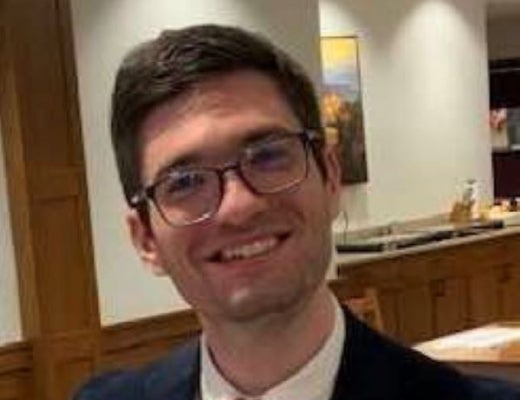
Patrick Skeba is a Teaching Assistant Professor at the University of Pittsburgh's Department of Computer Science within the School of Computing and Information. He holds a PhD in Computer Science from Lehigh University (2022) and bachelor's degrees in Cognitive Science and Computer Science from Johns Hopkins University (2017). His research focuses on internet privacy, AI ethics, and the responsible use of data. He teaches courses in machine learning and programming. Research Interests: Skeba's work bridges technology and societal impact, emphasizing privacy risks in data systems, algorithmic fairness, and user-centric privacy frameworks. His recent studies explore informational friction in data collection, community-based privacy strategies, and lay-expert disparities in understanding privacy-enhancing technologies (PETs). Publications: His articles analyze privacy dynamics in digital spaces, from pandemic-era discourse on r/privacy to methodological approaches for categorizing technology non-use. His earlier work includes breakthroughs in sleep disorder diagnostics, particularly periodic leg movement (PLM) analysis and telemedicine applications for neurological conditions. Awards: No scientific awards listed. Grants and advising details are currently unspecified. Labs/Teams: No specific lab affiliations mentioned in provided materials. His teaching and research emphasize collaboration across computational and social domains.
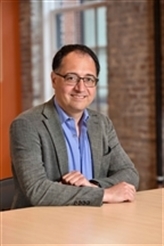
Mark Iscoe, MD, MHS is an Assistant Professor of Emergency Medicine and Biomedical Informatics and Data Science at Yale School of Medicine. He holds fully joint appointments in both the Department of Emergency Medicine and the Department of Biomedical Informatics & Data Science, reflecting his interdisciplinary work at the critical intersection of clinical emergency care and health informatics innovation. Dr. Iscoe completed his medical degree at Johns Hopkins University School of Medicine in 2017, followed by residency training in Emergency Medicine at New York University / Bellevue Hospital in 2021. He further specialized with a Master of Health Science (MHS) in Clinical Informatics from Yale School of Medicine in 2023. He is board certified in both Emergency Medicine (2022) and Clinical Informatics (2024). His research spans several interconnected domains with a focus on optimizing the interface between emergency physicians and health information technology. Key areas include electronic health record (EHR) optimization, artificial intelligence applications in emergency settings, clinical decision support systems, and medication safety protocols. His 2024 JAMA Network Open publication 'Benchmarking Emergency Physician EHR Time per Encounter Based on Patient and Clinical Factors' represents a significant contribution to understanding the digital burden on emergency clinicians. More recently, he has pioneered work applying large language models to emergency medicine challenges, with multiple 2025 publications on AI applications for deprescribing, symptom identification, and risk stratification. His research trajectory shows a clear evolution from foundational EHR usage studies toward increasingly sophisticated AI implementations that bridge theoretical informatics with practical clinical tools in high-pressure emergency settings. YCCI Scholar Award for AI Research on Drug Reactions (2024) Dr. Iscoe has received research funding from multiple prestigious sources including the National Institute on Drug Abuse (NIDA), the American Medical Association (AMA), the National Institutes of Health, and Yale New Haven Health System. His collaborative network includes prominent researchers such as Andrew Taylor (6 joint publications), Ted Melnick (5 joint publications), and Rohit Sangal (4 joint publications), reflecting his work's multidisciplinary nature spanning clinical departments, informatics specialists, and data scientists.
Dana Small, PhD is a Senior Scientist at the RI-MUHC and Professor in the Department of Neurology and Neurosurgery at McGill University . Her research is centered in the Metabolic Disorders and Complications Program within the Centre for Translational Biology . Her research focuses on understanding how body and mind work together to optimize behavior, particularly through neuroimaging, metabolic, and behavioral studies of ingestive behavior. She investigates how modern food environments affect brain evolution and eating behavior. The 15 most recent publications show a consistent focus on food reward mechanisms (2025), nutrient-brain interactions (2024), addiction-genetics relationships (2023), and neural processing of taste and reward (2020-2023). These works appear in high-impact journals like Cell Metabolism and Science .
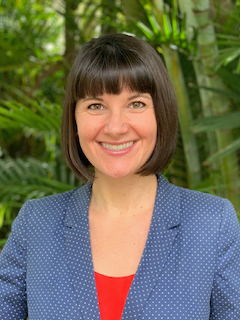
Dustin Scheinost is an Associate Professor at Yale School of Medicine, affiliated with the Department of Radiology & Biomedical Imaging, Yale Child Study Center, Department of Statistics, and Yale Biomedical Imaging Institute. His research focuses on connectomics , machine learning , and neuroinformatics through the Multi-modal Imaging, Neuroinformatics, & Data Science (MINDS) Lab. Radiology & Biomedical Imaging (Primary) Child Study Center (Secondary) Statistics (Secondary) Wu Tsai Institute Yale Stress Center Research Interests include developing novel statistical and machine learning methods for functional connectivity in big neuroscience data, leading the BioImage Suite Web (BISWeb) platform, and advancing early life neuroimaging through the Fetal, Infant, Toddler Neuroimaging Group (FIT’NG). His work is supported by grants from NIMH, NIAA, NIDA, and NHLBI. Selected Scientific Contributions span functional connectivity in laterality preferences, anti-racist AI governance in psychiatry, self-citation trends in neuroscience, and predictive modeling of mood disorders. He collaborates extensively with Todd Constable and others on multimodal neuroimaging studies.
Jennifer Mitchell, PhD is a Professor in the Departments of Neurology and Psychiatry & Behavioral Sciences at the University of California, San Francisco (UCSF) School of Medicine. She serves as the Associate Chief of Staff for Research and Development at the San Francisco VA Medical Center. Dr. Mitchell is affiliated with the UCSF Weill Institute for Neurosciences and is a member of both the UC Berkeley Center for the Science of Psychedelics and the UCSF Neuroscape Psychedelics Division. Dr. Mitchell's research focuses on identifying and developing novel therapeutics for drug and alcohol abuse, PTSD, stress, anxiety, impulsivity, and depression. Her work examines the neural mechanisms responsible for these disorders through translational neuroscience research that bridges psychology, behavioral pharmacology, and neuroanatomy. She has made significant contributions to the field of psychedelic therapeutics, particularly in developing MDMA for PTSD treatment and psilocybin for demoralization and depression. Dr. Mitchell's research portfolio demonstrates a strong emphasis on human and animal pharmacology, hypothesis-driven neuroscience, human proof-of-concept studies, translational models, and clinical trials. Her work on MDMA-assisted therapy for PTSD has reached phase 3 clinical trial status, representing a significant advancement in the field. Her recent publications show a consistent focus on psychedelic therapeutics, with particular attention to MDMA for PTSD treatment, but also extending to policy considerations, cost-effectiveness analyses, and the broader application of psychedelic compounds for various psychiatric conditions. Dr. Mitchell has received multiple DoD grants for the Institute for Translational Neuroscience from 2007 through 2014, demonstrating sustained funding support for her research program. Her work has been published in high-impact journals including Nature Medicine, Neuropsychopharmacology, and JAMA Neurology. As an advisor and mentor, Dr. Mitchell has contributed to the training of numerous researchers in the field of neuroscience and psychedelic therapeutics. Her laboratory work combines behavioral pharmacology with neuroimaging techniques to understand the mechanisms underlying addiction and stress-related disorders.
Dr. Payam Sheikhattari is a tenured Professor of Public Health in the School of Community Health & Policy at Morgan State University with nearly two decades of experience in community-based participatory research. He is the founder of the Morgan CARES network and former director of the Prevention Sciences Research Center, fostering sustainable collaborations between academia and community organizations to address health disparities in underserved communities. His educational background includes a Post-Doctoral Fellowship from Johns Hopkins Bloomberg School of Public Health, an MD from Uromia University of Medical Sciences in Iran, and an MPH from Tehran University of Medical Sciences. This diverse training informs his approach to public health research and practice. Dr. Sheikhattari's research focuses on advancing health equity through community engagement, with particular emphasis on tobacco cessation programs, health disparities in marginalized populations, and innovative community-academic partnerships. His work consistently centers on community-based participatory research methods that empower communities to be active partners in the research process. His publication portfolio demonstrates expertise across tobacco control, health disparities, and community engagement, with recent work examining gender differences in quit rates, electronic cigarette use among youth, and intersectional approaches to tobacco advertising exposure. His 2022 book "Practitioner Research for Social Work, Nursing, and the Health Professions" represents a significant contribution to methodological approaches in community health. $41 million (over 10 years) NIH U54 award for ASCEND Training Model $18 million (over 5 years) NIH U54 award for RCMI@Morgan $749k (over 4 years) AHA funding for IMPACT project $226k (over 2 years) Morgan State University funding for Community & Stakeholder Engagement Certificate Program As a dedicated mentor, Dr. Sheikhattari has supervised numerous undergraduate research students through programs like ASCEND and has been instrumental in developing training models to enhance biomedical research opportunities for underrepresented minorities. His leadership extends to establishing physical infrastructure for community engagement through the Morgan CARES initiative, which has become a model for academic-community partnerships in public health research.
Kuo-Fen Lee, PhD is a Professor at the Salk Institute for Biological Studies, holding the prestigious Helen McLoraine Chair of Molecular Neurobiology. He leads the Clayton Foundation Laboratories for Peptide Biology, where his research focuses on nerve regeneration, spinal cord injury, and molecular mechanisms underlying neural development and neurodegenerative diseases. His work bridges basic neuroscience with potential therapeutic applications for conditions like ALS, paralysis, and Alzheimer's disease. Dr. Lee received his educational training from multiple prestigious institutions: a degree in Plant Pathology from National Taiwan University; an MS in Cancer Enzymology and Cell Differentiation from National Yang-Ming Medical College, Taiwan; a PhD in Endocrinology from Baylor College of Medicine, Houston; and completed his postdoctoral training at the Whitehead Institute for Biomedical Research. His primary research interests center on understanding why humans cannot regenerate damaged nerves while many other animals can. Dr. Lee has made significant discoveries regarding the p45 protein, which promotes nerve regrowth in mice but is absent in humans (who instead have p75, which inhibits nerve growth). His laboratory also studies neuregulin signaling, neuromuscular synapse formation, and the role of various proteins like nestin in neural development and maintenance. His work often employs mouse models to investigate spinal cord injury, pain pathways, and neurodegenerative conditions. Analysis of Dr. Lee's recent publications reveals a consistent focus on molecular neurobiology with particular emphasis on neural signaling pathways, synaptic maintenance, and nerve regeneration mechanisms. His research spans from basic molecular mechanisms to potential therapeutic applications, with increasing attention to pain pathways, Alzheimer's disease models, and the intersection of neuroscience with immunology and metabolism in recent years. As holder of the Helen McLoraine Chair of Molecular Neurobiology, Dr. Lee has received significant institutional recognition for his contributions to neuroscience. While specific awards aren't detailed in the provided text, his sustained funding and leadership position indicate substantial peer recognition in his field. Dr. Lee's research program involves extensive collaboration with other neuroscience laboratories, as evidenced by his numerous co-authored publications across various neuroscience subdisciplines. His work has been consistently funded, allowing for the maintenance of an active research laboratory focused on nerve regeneration and molecular neurobiology. The Clayton Foundation Laboratories for Peptide Biology serves as the primary research environment for Dr. Lee's team, where they investigate molecular mechanisms of nerve development, regeneration, and degeneration using advanced genetic, molecular, and cellular approaches. The laboratory maintains active research programs in multiple areas of neural signaling and development.
Aileen Nielsen is a Ph.D. Candidate at ETH Zurich's Center for Law & Economics and a Fellow in Law & Tech. She holds a J.D. from Yale Law School, a B.A. in Anthropology from Princeton University, and advanced degrees in Applied Physics (Columbia) and Comparative Human Development (University of Chicago). Her research focuses on regulatory and judicial responses to technological innovation, particularly in AI governance, data privacy, and medical technology. She has practiced law in NYC and worked in tech startups across healthcare and political organizations. Education: Ph.D. Candidate (ETH Zurich), J.D. (Yale), M.S. Applied Physics (Columbia), M.A. Comparative Human Development (Chicago), B.A. Anthropology (Princeton) Her work combines empirical and experimental methods to address challenges like algorithmic fairness, AI liability in medicine, and public perceptions of data markets. Recent findings explore regulatory frameworks for AI systems and the ethical implications of algorithmic surveillance. She teaches courses on algorithms and fairness, law & tech research, and authentication security. Publications span law journals, cybersecurity white papers, and AI ethics conferences, with a focus on balancing innovation with societal accountability. Her books Practical Fairness and Practical Time Series Analysis further bridge technical and legal domains.
Kiara R. Timpano is a Professor in the Department of Psychology at the University of Miami and Director of the Program for Anxiety, Stress, and OCD (PASO). She holds a PhD from Florida State University and completed postdoctoral training at Massachusetts General Hospital/Harvard Medical School. Her research focuses on cognitive and psychosocial risk factors for anxiety, OCD, and hoarding disorders, with a particular interest in transdiagnostic mechanisms. Key areas include intolerance of uncertainty, emotion dysregulation, and behavioral interventions. Timpano leads the PASO lab, collaborating with institutions like McLean Hospital, UC Berkeley, and Karolinska Institutet. She supervises graduate students (e.g., Hannah Broos, Amelia Dev) and undergraduates, mentoring over 20 trainees. Her work integrates clinical research with community health initiatives, such as pandemic behavioral studies and climate change engagement projects. She serves on the Scientific and Clinical Advisory Board of the International OCD Foundation. Timpano's research spans neuroimaging (e.g., fMRI studies of repetitive negative thinking), translational therapy development (e.g., mindfulness-integrated CBT), and public health interventions. Her 2025 study in Children journal examines transdiagnostic treatments for youth OCD/anxiety comorbidity, while 2024 Cerebral Cortex work links PTSD symptoms to neural connectivity. Collaborations emphasize global mental health challenges and evidence-based practices.
Dr. Caitlin Wilson is a Senior Paramedic Research Fellow at the University of Hertfordshire's School of Health and Social Work, affiliated with the Centre for Applied Clinical, Health and Care Research (CACHE). Her research focuses on improving ambulance service practices through feedback mechanisms, staff wellbeing, and patient safety initiatives. Education: PhD in Psychology (2019–2023) Current Roles: Senior Paramedic Research Fellow (NHS - Yorkshire Ambulance Service NHS Trust, 2022–present); Associate Editor, British Paramedic Journal (2021–present) Wilson’s research spans clinical education frameworks, public health conversations in ambulance services, and prehospital analgesia optimization. Her recent projects include PRE-IMPACT (2023–2026) and AS USUAL (2023–2026), addressing health inequalities and pediatric trauma care. She has published extensively in paramedic science, focusing on ventilation monitoring, overdose management, and feedback systems. Key collaborations include partnerships with Yorkshire Ambulance Service NHS Trust, with network connections in clinical research, public health, and emergency medicine. Her awards include a PhD in Psychology and editorial roles advancing paramedic literature.
Hasan Ayaz, PhD, is an Associate Professor at Drexel University’s School of Biomedical Engineering, Science and Health Systems, and the Department of Psychology in the College of Arts and Sciences. He is a core member of the CONQUER Collaborative and has affiliations with the University of Pennsylvania and Children’s Hospital of Philadelphia. His research focuses on neuroengineering, neuroergonomics, and clinical applications of optical brain imaging, particularly using fNIRS and EEG. He has over 200 publications and has secured funding from federal agencies and industry partners. Dr. Ayaz serves on editorial boards for journals like PLOS One and Frontiers in Human Neuroscience and has organized international neuroergonomics conferences. Education: BSc (Electrical and Electronics Engineering, Boğaziçi University, Turkey), MSc and PhD (Drexel University). Research Interests: Neuroergonomics, functional neuroimaging, biomedical signal processing, neuroengineering, fNIRS, EEG, brain-computer interfaces, and mobile neuroimaging. His work aims to develop next-generation brain imaging technologies for applications ranging from aerospace to healthcare. Key Awards: Received a Wellcome LEAP Grant for Addiction Research in 2024. Grants & Advising: Extensive federal and corporate funding; no explicit student list provided. His research involves interdisciplinary collaborations and clinical partnerships. Labs/Teams: Leads the CONQUER Collaborative and contributes to the Cognitive Neuroengineering group at Drexel.
Kristen Pleil is an Associate Professor at Weill Cornell Medicine in the Graduate School of Medical Sciences, affiliated with the Department of Pharmacology and Neuroscience. She serves as Co-director of the NIGMS-sponsored Training in Pharmacological Sciences (TIPS) predoctoral T32 program. Academic Appointments: Assistant Professor (2016), Associate Professor (2021) Education: BA in Psychology (Emory University, 2005), PhD in Neuroscience (Duke University, 2010), Postdoc at University of North Carolina School of Medicine Research Focus: The Pleil lab investigates how sex and stress hormones regulate alcohol/substance use, stress responsivity, and affective behavior through neuropeptidergic brain circuits and hormone-neuropeptide signaling. Key projects include estrogen's role in alcohol drinking and anxiety, opioid receptor signaling in reward/aversion learning, and sex-dependent thalamic control of stress responses. The lab uses in vivo and ex vivo mouse models to study synaptic/epigenetic plasticity across developmental stages. Publications Trends: Her work spans molecular pharmacology, neurophysiology, and addiction research with a focus on sex differences in neuropsychiatric diseases. Articles cover topics like estrogen signaling in binge drinking, opioid-context memory, thalamic circuits in stress response, and optogenetic tools for receptor imaging. Scientific Awards: President’s Young Investigator Award, ISBRA (2013) Elizabeth Young New Investigator Award, OSSD (2015) K99/R00 Pathway to Independence Award, NIAAA (2015) Kellen Foundation Junior Faculty Fellowship (2016) NARSAD Young Investigator Award (2017) Early Career Investigator Award, NIDA-NIAAA (2017) Training and Collaborations: As Co-director of the TIPS T32 program, she mentors graduate students in pharmacological sciences. Her collaborations include researchers at UNC, Duke, and Weill Cornell, with grants from NIAAA, NIMH, and NIGMS.
Brian Kavanagh, MD, MPH is a Professor and Department Chair of Radiation Oncology at the University of Colorado Anschutz Medical Campus School of Medicine. He serves as Department Chair and maintains clinical practice at multiple UCHealth locations including the University of Colorado Cancer Center, Cherry Creek Medical Center, Longs Peak Medical Center, and the Rocky Mountain Gamma Knife Center. His leadership extends to serving as Chair of the American Society for Radiation Oncology since 2017. MD, Tulane University School of Medicine (1988) MPH, Tulane University (1988) BSE, Tulane University (LA) (1984) Internship: Tulane University Program (1989) Residency: Duke University Hospital Program, Radiation Oncology (1993) Dr. Kavanagh's research primarily focuses on stereotactic body radiation therapy (SBRT), functional lung avoidance radiation therapy using 4DCT-ventilation imaging, and treatment of brain metastases from oncogene-driven lung cancers. His work bridges clinical practice, medical physics innovation, and outcomes research, with particular emphasis on optimizing radiation therapy techniques while minimizing toxicity. Recent publications demonstrate his leadership in developing novel approaches to image-guided radiation therapy, including antiscatter grid technology for CBCT imaging and functional avoidance techniques for lung cancer treatment. Analysis of Dr. Kavanagh's recent publications (2019-2024) reveals a strong focus on precision radiation therapy for lung cancer and brain metastases. His research spans technical innovations in medical physics (such as 2D antiscatter grid development), clinical trials evaluating functional avoidance radiation therapy, and studies examining outcomes for patients with oncogene-driven cancers. A significant portion of his work addresses the integration of radiation therapy with targeted therapies for lung cancer with brain metastases, reflecting the evolving treatment paradigms in this field. Top Doctor, 5280 Magazine (2023) Dr. Kavanagh has been instrumental in developing national radiation oncology curriculum frameworks through stakeholder consensus processes. His leadership in the American Society for Radiation Oncology has positioned him to influence practice guidelines and educational standards in the field. His research has been supported through multi-institutional clinical trials and collaborations with major cancer centers across the United States. Dr. Kavanagh leads research efforts in the Rocky Mountain Gamma Knife Center and contributes to the University of Colorado Cancer Center's radiation oncology program. His work with 4DCT-ventilation imaging has established a clinical research program focused on functional avoidance radiation therapy, which aims to preserve lung function while effectively treating tumors.
Scott Fraundorf is an Associate Professor in the Department of Psychology at the University of Pittsburgh , where he leads the MAPLE (Memory And Psycholinguistics in Learning & Education) Lab . He combines cognitive science and data science to study human behavior prediction, educational program evaluation, and psycholinguistics . His research focuses on student learning and metacognition language processing and educational technology interventions statistical modeling using regression , machine learning , and mixed-effects models as well as open-source tool development for cognitive science. Key technical skills include Python , R , and SQL programming, with 3 patents for intelligent tutoring systems in English grammar. He has mentored over 70 graduate students and faculty in quantitative methods.
Jeffrey J. Borckardt is a Professor in the Department of Psychiatry and Behavioral Sciences at the Medical University of South Carolina (MUSC). His primary research focuses on neuromodulation techniques, including transcranial direct current stimulation (tDCS), transcutaneous auricular vagus nerve stimulation (taVNS), and transcranial focused ultrasound (tFUS), applied to chronic pain management and opioid use reduction. He leads multidisciplinary clinical trials investigating the efficacy of these technologies in diverse populations, including veterans and patients with hypermobile Ehlers-Danlos syndrome. Key research areas include the neurobiological mechanisms of pain, the integration of psychological interventions like cognitive-behavioral therapy (CBT), and the development of telehealth-delivered therapies. His work emphasizes improving healthcare access disparities and optimizing interprofessional teamwork. He collaborates across institutions, including the VA and international ENIGMA initiatives, to advance translational neuroscience. Recent studies explore the synergistic effects of tAN and tDCS with behavioral interventions, pain biomarkers in spine treatments, and real-time fMRI neurofeedback for addiction. His clinical trials often involve double-blind, sham-controlled designs to rigorously evaluate neuromodulation efficacy. Institutional Affiliations: MUSC College of Medicine, VA Medical Center Research Themes: Neuromodulation, Pain Rehabilitation, Opioid Crisis Mitigation