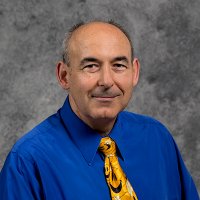
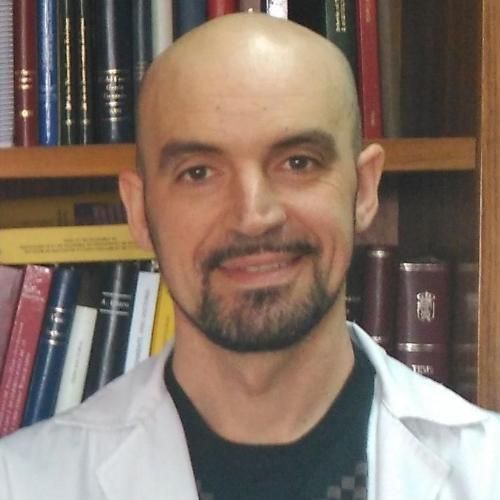
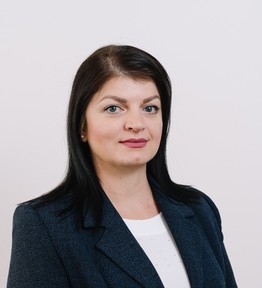
Professor Gordon Murdoch is the Department Chair of Animal Sciences at Washington State University. He holds a Professor rank within the College of Agricultural, Human, and Natural Resource Sciences. His research focuses on muscle growth mechanisms, meat quality in beef cattle, and interdisciplinary projects such as virtual fencing for livestock. He teaches courses including Anatomy & Physiology, Meat Science, and Endocrinology. His research spans applied and basic physiology, including pre-harvest influences on muscle development and satellite cell biology. He collaborates on projects like physiological constraints in mechanical ventilation and livestock management systems. His work integrates animal agriculture with biomedical and engineering approaches. Selected publications highlight studies on bovine satellite cell activation, porcine lung physiology, beef carcass quality, and dietary impacts on meat characteristics. He maintains an active research portfolio with a focus on enhancing livestock production efficiency and meat quality.
Lutz Grossmann is an Assistant Professor and Fergus Clydesdale Endowed Chair in Food Science at the University of Massachusetts Amherst. He directs the Honors Program and leads the Sustainable Food Materials Lab. His research focuses on sustainable ingredient processing using plant and microbial proteins, with emphasis on downstream processing, protein functionality, and food material science. Education: B.Sc. and M.Sc. in Food Science from the University of Hohenheim, Germany, followed by a Ph.D. on single cell proteins. His work aims to create sustainable food alternatives through innovations in protein structuring, extrusion processing, and microbial fermentation. Research Interests: Designing protein-rich materials for meat/dairy alternatives, optimizing extraction techniques for alternative proteins, and understanding protein behavior under processing conditions. Key areas include single-cell protein cultivation, functionalizing plant-based ingredients, and reducing fossil fuel use in food manufacturing. Lab Activities: The Grossmann Lab uses advanced processing equipment and analytical techniques, collaborating on projects funded by the Good Food Institute. Current studies include mycoprotein fermentation, pea protein fractionation, and tenderization of plant-based meat alternatives. Students and Collaborations: Supervises multiple graduate students (e.g., Kunjal Bhagat, Marissa Rizzi) working on topics like plant-based cheese, high-moisture meat analogs, and fungal protein valorization. The lab actively recruits MS/PhD candidates and hosts visiting scholars.
Michael Gonda is a Professor in the Department of Animal Science at South Dakota State University (SDSU), affiliated with the College of Agriculture and Biological Sciences. He holds a Ph.D. in Dairy Science from the University of Wisconsin-Madison (2006), an M.S. in Dairy Science (2003), and a B.S. in Animal Science from North Carolina State University (1999). His research focuses on animal genetics, breeding, and immunogenetics, particularly in livestock disease susceptibility and vaccine response. He teaches courses such as AS 332 (Livestock Breeding and Genetics) and AS 720 (Advanced Selection of Domestic Animals). Dr. Gonda has been recognized with multiple awards, including Teacher of the Year (2018) and the Walt McCarty Award for Academic Advising (2016). His grants include funding from the South Dakota Beef Industry Council and USDA-AFRI, supporting precision livestock production and student mentoring. He has contributed to over 50 peer-reviewed publications, spanning genetic mapping, vaccine efficacy, and genomic selection strategies. Research Themes: Animal genetics, disease resistance, livestock breeding, genomic selection, and vaccine response in cattle and swine. Recent Trends: Focus on biomarkers for reproductive development, nutritional impacts on meat quality, and genetic improvement in African cattle breeds. His advising and grants emphasize undergraduate mentorship in precision agriculture. He leads collaborative projects on beef cattle longevity and feed efficiency, often involving international partners in South Africa. Dr. Gonda is actively involved in SDSU’s academic governance, serving on committees like the Faculty Senate Executive Committee and Parking and Traffic Committee.
Clifford Hall is a Professor in the Department of Dairy and Food Science at South Dakota State University (SDSU), with a focus on food science and pulse ingredient utilization. His academic career includes roles as director of the Pulse Quality Program since 2014 and prior faculty experience at North Dakota State University (2002-2018). He holds a Ph.D. (1996), M.S. (1991), and B.S. (1988) in food science from the University of Nebraska-Lincoln and University of Wisconsin. Research interests span cereal grains, oilseed chemistry, and plant-based food development. He teaches courses like FS 251 (Food Safety) and FS 451 (Food Product Development). His work emphasizes improving pulse functionality through processing innovations like supercritical fluid extraction and optimizing storage conditions to preserve ingredient quality. He is a member of the Institute of Food Technologists. Key contributions include advancing gluten-free bread formulations, mitigating off-flavors in plant proteins, and analyzing the impact of storage on pulse quality. His research integrates sensory evaluation, material science, and food engineering to address challenges in sustainable food systems and nutritional product development. Labs/Teams: Directs the Pulse Quality Program at SDSU, focusing on interdisciplinary research in pulse crop utilization and food ingredient optimization.
Dr. Rodrigo Tarté is an Associate Professor in the Department of Animal Science at Iowa State University, specializing in Meat Science and Food Technology. He joined the faculty in 2015 after 19 years in the private sector working with major meat and food processing companies. His research focuses on meat product formulation, non-meat ingredient technology, and food safety. Ph.D. in Food Science and Technology (Meat Science), Iowa State University (1996) M.S. in Food Technology, Iowa State University (1990) B.S. in Food Technology and Science, Iowa State University (1987) Dr. Tarté's research investigates methods to improve the sensory, nutritional, and microbiological quality of processed meat products. He explores novel approaches to characterize meat raw materials, optimize processing technologies, and enhance food safety while maintaining product quality. Recent publications highlight his work on clean label ingredients as phosphate alternatives, nitrite-embedded packaging films for color stability, and the use of biphasic gel systems to replace animal fat. His research spans food chemistry, preservation technologies, and formulation optimization. American Meat Science Association American Society of Animal Science Council for Agricultural Science and Technology Institute of Food Technologists International Association for Food Protection Phi Tau Sigma, The Honor Society of Food Science and Technology As Director of Certificate Studies in Meat Science, Dr. Tarté bridges academic research with industry applications, maintaining a strong focus on translating scientific findings into practical solutions for meat processing challenges.
Dr. Corina Sägesser is a Researcher at ETH Zürich's Institute of Food, Nutrition and Health, specializing in Sustainable Food Processing. Her work focuses on developing innovative food processing techniques for alternative protein sources to advance sustainable food systems. She holds a BSc and MSc in Food Science from ETH Zürich, with an exchange at the University of Melbourne. Her research combines expertise in plant-based and microalgal proteins, particularly in high-moisture extrusion and fibrous structure formation for meat analogues. Education: BSc and MSc in Food Science (ETH Zürich), exchange at University of Melbourne. Key roles include master’s thesis research at Nestlé Product Technology Centre, product development at startup yamo, and a traineeship at Bühler focusing on alternative protein production. Since 2021, she has been embedded in ETH’s Sustainable Food Processing Lab. Research interests emphasize sustainable protein alternatives, extrusion technology, and texture engineering. Her articles explore fibrous structure mechanics, microalgal protein utilization, and high-moisture processing methods. While no awards are listed, her work contributes to pivotal advancements in plant-based and microbial protein applications. Her projects involve interdisciplinary collaborations, leveraging rheological analysis and in-situ studies to optimize food processing. Current work targets scalable solutions for transitioning to sustainable food systems through novel protein sources and processing innovations.
Dr. Smita Mohanty is a Professor of Chemistry at Oklahoma State University, with an adjunct appointment in Biochemistry & Molecular Biology. She holds a PhD in Chemistry from the University of Delhi (1988) and has been at OSU since 2017. Her research focuses on biochemical mechanisms, protein structure-function relationships, and NMR spectroscopy, particularly in the context of glycosylation pathways, pheromone-binding proteins, and microbial pathogenesis. Education: PhD in Chemistry, University of Delhi, India (1988) Research Interests: Dr. Mohanty’s work spans structural biology, enzymology, and biophysical chemistry. Key areas include: (1) Mechanisms of N-linked glycosylation using the yeast oligosaccharyltransferase (OST) complex, (2) Structural biology of pheromone-binding proteins in agricultural pests (e.g., Ostrinia species), linking protein dynamics to olfactory signaling, and (3) Calcium-binding proteins in bacterial virulence (e.g., Pseudomonas aeruginosa). Her studies employ advanced techniques like solid-state NMR, molecular dynamics simulations, and small-angle X-ray scattering. Recent Trends in Publications: Recent articles highlight advancements in understanding OST subunit interactions via mutagenesis and NMR, pheromone-binding protein structural transitions at different pH levels, and calcium-dependent protein regulation in pathogens. Her work bridges fundamental biochemistry with applied areas like pest control and infectious disease. Grants/Awards: Recipient of PECASE (2000) and NSF POWRE Award (2000). Active grants include studies on chemoreception mechanisms, NMR infrastructure development, and REU programs in interdisciplinary chemistry. Advising/Service: Mentors doctoral students like Sanjana Gautam and Pratikshya. Served as Chair of the American Chemical Society OK Section (2017). Editor for multiple journals including Biochemistry & Physiology: Open Access. Labs/Teams: Leads a research group focused on biochemical and structural studies, with collaborations in agricultural science and microbiology. Her lab utilizes state-of-the-art NMR facilities, including an 800 MHz spectrometer acquired through NSF funding.
Associate Professor Γκολιομύτης Μιχαήλ specializes in Animal Husbandry at the Department of Animal Science, Agricultural University of Athens. He holds a PhD from the same institution (2000) and teaches graduate/postgraduate courses. His research focuses on growth models, natural antioxidants in animal nutrition, and quality of animal products (meat, eggs). He has authored 26 peer-reviewed articles and participated in four EU/Greek-funded research projects. Education: PhD in Animal Science (2000), Agricultural University of Athens. Research interests include oxidative stability in poultry meat/eggs, immune response in broilers, and utilization of natural antioxidants like citrus flavonoids. Recent work explores agro-industrial byproducts in livestock feed and renewable energy integration in farms. Publications trends emphasize antioxidant applications in meat/ dairy products and sustainable farming practices. Key topics include yoghurt acid whey marination, mushroom waste in poultry diets, and renewable energy systems for farms. No scientific awards explicitly mentioned. Advising/grants: Collaborated on EU-funded projects focusing on livestock nutrition and sustainability. Lab affiliation: Laboratory of Animal Breeding & Husbandry at AUA. Future work likely involves extending antioxidant research to new animal products and optimizing circular economy approaches in Greek agriculture.
Klaus Dürrschmid is an Assistant Professor at the Institute of Food Science , Department of Biotechnology and Food Science, University of Natural Resources and Life Sciences, Vienna (BOKU). His work bridges sensory science and consumer behavior, focusing on implicit and explicit measurement techniques such as eye tracking and face reading. Education: Diploma (1992) and Doctoral Degree (1997) in Food Technology from BOKU. Research Interests : Dürrschmid’s research explores sensory perception, implicit emotional responses, and consumer decision-making. He investigates how factors like color, odor, and portion size influence food acceptance and develops methodologies for sensory quality assurance. Recent Trends in Publications : His 15 most recent works (2025–2022) emphasize sensory evaluation of meat alternatives, cross-cultural odor associations, implicit measurement in eye tracking, and psychological drivers of food choice. These align with his expertise in sensory science and nutritional psychology. Scientific Contributions : Dürrschmid has presented extensively on sensory science at international conferences, including Eurosense and Pangborn Symposia, covering topics like taste modulation, sensory quality management, and consumer behavior under emotional or cultural influences. Advisory & Collaborative Work : He supervises theses and collaborates on sensory projects, though specific student names and grants are not listed in the provided data. Labs & Networks : His research is conducted at BOKU’s Institute of Food Science, with involvement in the Austrian Sensory Network (SNÖ) and European sensory research initiatives.
Roxana Elena Gheorghiță serves as a Lecturer at Stefan cel Mare University of Suceava's Faculty of Medicine and Biological Sciences since 2021, following her University Assistant position at the Department of Health and Human Development (2020-2021). Her academic foundation includes a Doctorate in Materials Engineering (2019), Master's in Hygiene Management and Food Quality Control, and Bachelor's in Food Control and Expertise from Romanian institutions. Her educational background demonstrates progressive specialization: Bachelor: Food Science and Engineering, Dunărea de Jos University of Galați Master: Food Engineering, Stefan cel Mare University of Suceava Doctorate: Materials Engineering, Stefan cel Mare University of Suceava (2019) Gheorghiță's research integrates food science with biomedical applications, focusing on biopolymer development for edible packaging, food safety enhancement, and clinical solutions. Her work bridges green economy implementation through sustainable materials while addressing contemporary health challenges including SARS-CoV-2 sequencing and gut microbiota-diabetes interrelationships. This interdisciplinary approach spans food technology, microbiology, and public health domains with strong industrial applicability. Analysis of her 15 most recent publications reveals dominant trends in biopolymer innovation (73%), with significant emphasis on food packaging (40%), antimicrobial applications (27%), and clinical translation (20%). The research demonstrates consistent progression from fundamental material characterization (2022) toward complex biomedical implementations (2024), increasingly incorporating natural compounds like Moringa oleifera and essential oils while maintaining strong methodological rigor in material testing. Her project leadership includes the INnoMAT initiative for edible supplement packaging and contributions to SARS-CoV-2 genome sequencing (12Sol/2020), MatCARN biodegradable meat packaging, and microDIAB gut microbiota research. These efforts demonstrate substantial grant acquisition capability and cross-disciplinary collaboration across food science, virology, and metabolic disease fields. Gheorghiță teaches bacteriology, virology, parasitology, food hygiene, and scientific methodology while actively developing biodegradable materials through university research teams. Her current work focuses on translational applications of biopolymers in both industrial food systems and clinical settings, particularly wound dressings and drug delivery systems.
JAVIER MATEO OYAGÜE is a Professor at the Department of Food Hygiene and Technology, Faculty of Veterinary Science, Universidad de León. His work focuses on ovine nutrition , meat quality optimization , and food safety , with a particular emphasis on dietary interventions and analytical methodologies. Research Interests: Metabolic programming in livestock, application of near-infrared spectroscopy (NIR) for meat analysis, sustainable feed ingredients (e.g., broccoli, cauliflower), and lipid metabolism. Scientific Contributions: Pioneering studies on methionine supplementation long-term effects, sodium reduction in traditional meats using glasswort, and microbial safety through natural antimicrobials. Awards: Received the XI Premio Andrés Pintaluba (2023) for innovative research in dairy sheep feed.
Ainhoa Sarmiento Garcia is an Assistant Professor at the University of León, affiliated with the Faculty of Veterinary's Department of Animal Production. Her research focuses on poultry nutrition, mineral supplementation, meat quality, and sustainable feed strategies using agricultural byproducts. Education: PhD in Animal Production (2019, Universidad de Salamanca) with thesis on rearing conditions affecting organic chicken production and meat quality. Her work investigates nutritional interventions to improve egg quality and antioxidant capacity, optimize bone health, and reduce mineral excretion in quails. She also explores innovative feed additives like mushroom powder, lemon peel, and insect-based diets for poultry and pigs. Recent research trends include hydroxychloride mineral sources, phytogenic supplements (thyme, purple carrot), and cryopreservation techniques for Iberian pork. She has been recognized with the III Premio Grupo Omega de Nutrición Animal (2022). Scientific Awards: III Premio Grupo Omega de Nutrición Animal (2022) Her publications span meat science, feed optimization, and functional ingredient applications in livestock, with particular emphasis on quail and Iberian pig systems.
José María Rodríguez Calleja is an Associate Professor at the University of León within the College of Veterinary Medicine , affiliated with the Department of Food Hygiene and Technology . He is a member of the SAMA Food Safety and Food Microbiology research group and the Consolidated Research Unit UIC 223 recognized by Junta de Castilla y León. His research focuses on typification of foodborne pathogenic bacteria , antimicrobial resistance characterization , and application of novel microbiological control technologies . His work spans bacterial behavior in dairy and meat products, AMR detection methods, and bacteriophage-based preservation strategies. Articles highlight trends in antimicrobial resistance surveillance , non-thermal preservation , and microbiological safety of fresh produce . Scientific Awards: Extraordinary Doctorate Award (2007) He supervises academic planning at the University of León and teaches across Veterinary Medicine , Food Science and Technology , and Biotechnology programs. His international collaborations emphasize food preservation technologies and pathogen control.
Dr. Theodorou Georgios is an Associate Professor at the Laboratory of Animal Breeding & Husbandry within the Department of Animal Production at the Agricultural University of Athens. His academic journey includes a BSc in Biochemistry from King's College London (2001), an MSc in Molecular Life Sciences (2002), and a PhD in Agricultural Sciences (2009) from the Agricultural University of Athens. Postdoctoral research spans institutions such as Università degli Studi di Milano (2010), Agricultural University of Athens (2012-2015), and the Biomedical Research Foundation of the Academy of Athens (2012-2013). His research focuses on gene expression regulation and epigenetic effects in livestock, bioactive components in dairy products, and mammary gland molecular physiology. Recent work explores genomic selection for broiler traits, functional properties of dairy by-products, and antioxidant mechanisms in animal nutrition. Over 30 peer-reviewed publications demonstrate expertise in genomic technologies, food science, and animal health. Teaching responsibilities include courses on genetic technologies in animal husbandry. His lab investigates innovative applications of agricultural by-products in feed supplements and meat quality improvement. Collaboration with organizations like Hellenic Agricultural Organization (ELGO-DIMITRA) highlights applied research impact. Publications show strong contributions to dairy science (yogurt antioxidant profiles), poultry genetics (genome-wide association studies), and functional food development. Active in international journals like Antioxidants , Foods , and Animal Biotechnology , his work bridges basic genomics with applied agricultural solutions.
Prof. Danica Savanović is an Associate Professor at the Faculty of Technology, University of Banja Luka, specializing in Food Technology and Industrial Biotechnology. She leads research in meat science, food chemistry, and food preservation, focusing on antioxidants, essential oils, and protein functionality. Her work addresses quality improvement in meat products, fermented sausages, cheeses, and dairy innovations. She has authored over 50 peer-reviewed articles and co-authored books such as Biopolymers as Food Packaging Materials (2017). Prof. Savanović actively engages in projects funded by the Ministry of Science and Technology, including studies on spice additives in cheeses and sustainable meat processing. Her research bridges biochemical analysis (e.g., protein stability under freezing) with sensory evaluation, emphasizing practical applications in food safety and packaging. Education: Not explicitly stated in text, but inferred through academic rank and publications. Grants/Projects: "Poboljšanje funkcionalnih svojstava autohtonog proizvoda od mlijeka pomocu odabranih biljnih vrsta" (2025-2026) "Proizvodnja i karakterizacija novih proizvoda od mlijeka" (2022-2024) "Uticaj dodatka biljnog ekstrakta na svojstva prirodnog omotaca i odrzivost domace fermentisane kobasice" (2019-2021) Awards: None explicitly listed, though grant successes reflect recognition. Labs/Teams: Active in food chemistry and meat technology labs at Faculty of Technology, collaborating on projects involving sensory analysis and biochemical assays.