Florent Ginhoux is a Researcher at Gustave Roussy 's Tumor Immunology and Cancer Immunotherapy Program (U1015). He leads the Florent Ginhoux Laboratory (ginhouxlab.com), focusing on myeloid cell biology in cancer progression and immunotherapy development. His team integrates spatial transcriptomics (Visium HD, Xenium), single-cell RNA sequencing , and MACSIMA spatial proteomics to dissect tumor-immune interactions. His research spans pediatric oncology (brain tumors, neuroblastomas, sarcomas) and adult cancers (pancreatic, head/neck carcinomas). Key projects include Developing iPSC-derived macrophages for patient-specific tumor modeling Characterizing TREM2+ multinucleated macrophages as prognostic indicators Creating MoMac-VERSE and DC-VERSE compendiums for cross-tissue myeloid cell analysis His lab collaborates with pediatric oncologists and bioinformaticians on projects funded by 2024 Fight-Kid Cancer grant ( MiMiC-Kids ) 2024 ANR Excellence Chair ( MATCH ) 2024 Horizon HIT-GLIO grant 2021 INCa PEDIAHRG High-Risk/High-Gain program
Dr. Róbert Gábriel, a University Professor and Institute Director at the Institute of Biology, specializes in Neurobiology with a focus on retinal development, neurochemistry, and metabolic retinal disorders. His work spans techniques like enzyme histochemistry, in situ hybridization, and electrophysiology. Key Research Areas: Retinal neuroprotection in diabetic/hypertensive retinopathy Mechanisms of PACAP (pituitary adenylate cyclase-activating polypeptide) in retinal health MiRNA regulation during retinal development Peptide homeostasis and oxidative stress in degenerative diseases Microanatomy of retinal circuits and circadian rhythms Recent publications highlight therapeutic applications of PARP inhibitors, PACAP variants, and multi-target drugs in retinal degeneration models. His work bridges basic science and translational approaches for neuroprotective therapies.
Spencer Szczesny serves as Associate Professor in both the Department of Biomedical Engineering and Department of Orthopaedics and Rehabilitation at Pennsylvania State University, where he leads the Multiscale Biomechanics and Mechanobiology Lab. His research bridges engineering and clinical orthopaedics to investigate tendon pathology, repair mechanisms, and biomaterial design through interdisciplinary approaches. His academic credentials include: PhD in Biomedical Engineering from University of Pennsylvania (2015) MS from Massachusetts Institute of Technology (2005) BS from University of Pennsylvania (2003) Dr. Szczesny's research centers on tendon multiscale mechanics and mechanobiology, examining how mechanical forces influence tissue remodeling in degeneration, repair, and development. His lab integrates multiscale mechanical testing, computational modeling, cell/tissue culture, and biomaterial fabrication to identify pathological mechanisms and develop novel therapeutics. This work directly contributes to UN Sustainable Development Goals in health and well-being through advancements in musculoskeletal treatments. Recent publications reveal strong thematic continuity in tendon/ligament biomechanics, with emphasis on cyclic loading effects across biological scales—from embryonic development to clinical ACL reconstructions. Key trends include sex-specific mechanoresponses, oxygen regulation in tissue culture, and structural determinants of multiscale mechanics, reflecting his lab's focus on translating fundamental mechanobiology into clinical applications. His active research portfolio includes five major grants: NSF CAREER award (2022-2027) on tendon cell mechanobiology in native tissue environments US-Ireland R&D Partnership (2022-2026) for engineering load-bearing soft tissues U.S. Army project (2021-present) identifying mechanobiological deficits in allograft ACL reconstructions Congressionally Directed Medical Research Programs project (2020-present) on same topic National Institute of Arthritis grant (2022-2023) on gene expression-tissue strain colocalization The Multiscale Biomechanics and Mechanobiology Lab maintains cross-disciplinary collaborations spanning engineering, developmental biology, and orthopaedic surgery, with recent work highlighted by 6 news outlets and generating significant social media engagement among researchers.
Professor José Ramón Cobo is a faculty member at ESCP Business School, where he serves as Professor in Strategic and Innovation Project Management. He teaches across various Master Programs (MIM, MSc, MS, MBA, EMBA) and Executive Education programs with a focus on agile management, innovation, digital transformation, and change management. At ESCP Business School, Professor Cobo previously served as the scientific director for the MSc in Business Project Management and Consulting. He currently leads the Executive Master in International Business. In 2020, he was appointed Associate Dean for Learning Innovation, responsible for providing inclusive, stimulating, flexible, and adaptable learning experiences at the highest academic standards. His research focuses on Strategic and Innovation Project Management, including digital transformation, processes optimization, project management maturity models, organizational design of complex projects, development of management skills in cross-cultural contexts, and agile management. Professor Cobo's research outputs have been implemented through innovation and agile practices in major companies such as Atos, Amadeus, Indra, Repsol, L'Oreal, Airbus, IAG, BNP Paribas, Generali, and Axa. Before joining ESCP, in 2006 he began his academic career as an associate professor at the Department of Engineering Organization and Management Sciences at the Technical University of Madrid. As a practitioner, he has extensive experience in strategic and management consulting, implementing digital solutions in international companies, and leading more than twenty R&D international projects. Professor Cobo is certified as a Project Management Professional (PMP®) and Agile Certified Practitioner by the Project Management Institute.
Rutger Hermsen is an Assistant Professor in the Science Biology faculty at Utrecht University , leading the Hermsen lab under the Theoretical Biology and Bioinformatics group and the Institute for Biodynamics & Biocomplexity. His work focuses on mathematical and computational models of biological systems, particularly bacterial physiology and evolutionary biology. Email : r.hermsen@uu.nl Contact : Hugo R. Kruytgebouw, Padualaan 8, Kamer N602, 3584 CH Utrecht Research Interests span evolutionary theory, population dynamics, gene regulation, and bacterial physiology. He develops models to study eco-evolutionary interactions, such as antibiotic resistance development, and applies multiscale frameworks to analyze selection pressures in spatially structured populations. His work bridges theoretical biology with bioinformatics and computational methods. Publications highlight his expertise in analyzing spatial selection mechanisms (2024), cellular regulatory networks (2023), and evolutionary transitions (2022). These studies integrate mathematical models with experimental data to address fundamental biological questions. Supervision includes Bryan Verhoef, whose NWO-funded PhD project explores antibiotic resistance modeling, and Charlotte de Vries, a senior postdoc studying aging's role in evolutionary transitions. Collaborations extend to the Tans group at AMOLF for bacterial growth experiments. Laboratory combines computational approaches with interdisciplinary research, focusing on bacterial homeostasis, multilevel selection, and eco-evolutionary demography. The lab contributes to understanding cellular regulatory mechanisms and evolutionary processes through innovative theoretical frameworks.
Michel Meijer is an active neuroscience researcher contributing to UN Sustainable Development Goals through investigations of neurodegenerative and neuroinflammatory disorders. His work focuses on spinocerebellar ataxia, microglial biology, and multiple sclerosis, with 13 research outputs including peer-reviewed articles and datasets. He operates within collaborative academic networks across Dutch research institutions. Meijer's research centers on molecular mechanisms of spinocerebellar ataxia type 23, where he examines mutant dynorphin A-induced Purkinje cell loss, and neuroimmunology, particularly microglial transcriptomes in multiple sclerosis and fetal development. His fingerprint analysis shows dominant activity in spinocerebellar ataxia (100%), microglia (88%), and Purkinje cell research (60%), utilizing genomics, molecular biology, and neuropathology to dissect disease pathways. Analysis of his 2015-2022 publications reveals consistent focus on cerebellar disorders and neuroinflammation. The 2022 multiple sclerosis study demonstrates advanced transcriptomic profiling of macrophage heterogeneity, while his 2015 spinocerebellar ataxia work integrates genetic mutation analysis with functional outcomes. This trajectory highlights his interdisciplinary approach bridging neurogenetics, neuroimmunology, and clinical neurology. Meijer collaborates extensively with Dutch neuroscience experts including N. Brouwer, B.J.L. Eggen, and S.M. Kooistra, indicating strong institutional ties to neurology and neuroimmunology research groups. His work contributes to understanding disease mechanisms in ataxia and multiple sclerosis through molecular and cellular investigations.
Ditte Høgsgaard serves as Assistant Professor at the Department of Regional Health Research, University of Southern Denmark, with dual affiliation at IRS - Næstved, Slagelse, Ringsted Hospitals (NSR) and the Research Unit of Physiotherapy and Occupational Therapy in Slagelse. Her academic position focuses on bridging clinical practice and research in cross-sectoral healthcare systems. Her research centers on multimorbidity management through integrated care models, with emphasis on healthcare professional competencies in virtual consultations, stratification tools for elderly patients, and digital interventions for self-harm. Methodologically, she specializes in action research, scoping reviews, and reflexive thematic analysis to address systemic challenges in chronic disease management and emergency care. Analysis of her recent publications reveals a cohesive trajectory toward co-created solutions for cross-sectoral patient pathways, particularly examining how technology-mediated interventions transform clinical workflows. Key themes include maturity-onset diabetes of the young, mental illness comorbidities, and task-shifting dynamics between hospital and municipal healthcare sectors. Høgsgaard leads the 'Co-creation of models for user involvement in cross-sectoral patients’ pathways' project as Principal Investigator and contributes to the SAFE-App initiative for self-harm intervention. Her press engagements consistently advocate for municipal leadership in healthcare data platforms and warn against siloed implementation of chronic disease management programs.
Rachel Golub is a Professor of Immunology at Université Paris Diderot (Paris 7) and heads the Lymphopoiesis Unit at the Institut Pasteur, INSERM U668, in Paris. Her research centres on innate lymphoid cell (ILC) biology, Notch signalling, and their implications in liver cancer, inflammation, and tissue regeneration. Education: PhD in Developmental Biology, Université Paris 6, 1997 HDR (Habilitation), Université Paris 7, 2007 Research Interests: Professor Golub investigates how innate lymphoid cells develop from fetal and adult progenitors, the molecular circuits controlled by the Notch pathway that balance ILC subsets, and how these pathways influence hepatocellular carcinoma progression and inflammatory diseases. Her team combines single-cell approaches, genetically modified models, and human tissue analysis to dissect microenvironmental cues shaping ILC fate. Publication Trends: Between 2020 and 2024 her work has appeared in leading journals such as Cell Reports , Immunity , EMBO Journal , Blood , and Frontiers in Immunology . The studies cluster around four main axes: (1) ILC differentiation and ontogeny, (2) Notch-mediated regulation of ILC and NK cells, (3) tumour-immune interactions in hepatocellular carcinoma, and (4) inflammatory modulation of lymphocyte development in metabolic and wound-healing contexts. Scientific Awards & Recognition: Prime d’Excellence Scientifique (PES) 2012-2016 PEDR Award 2007-2011 INSERM CSS7 third-rank distinction 2014 Fellowships from Ligue Nationale contre le Cancer, MRC Canada, Ontario Cancer Institute, and French Ministry of Research Grants & Advising: She has served as coordinator or collaborator on >15 major grants (ANR, ARC, INCA, FACCTS, USPC, ABM, PTR), funding post-doctoral and doctoral students as well as collaborative international projects. She regularly sits on HDR and PhD juries, ANR panels, and foreign funding agencies (DFG). Labs & Teams: Her Lymphopoiesis Unit at Institut Pasteur hosts the “ILC Development and Inflammation” group, currently comprising PhD students, engineers, and technicians. The team is embedded within the wider Pasteur Immunology Department and benefits from institute-level platforms such as Single-Cell Biomarkers and advanced imaging core facilities.
Leonardo Banh is a Researcher at the University of Duisburg-Essen within the Faculty of Computer Science and its Chair of Business Information Systems and Software Engineering . M.Sc. in Business Information Systems (University of Duisburg-Essen, 2022) B.Sc. in Business Information Systems (University of Duisburg-Essen, 2020) Semester abroad at Instituto Superior Técnico, Lisbon (2021) His research focuses on Generative AI and its socio-technical implications, particularly in Machine Learning and Deep Learning applications. He explores intersections with NeuroIS , Smart Tourism , and E-commerce Ecosystems , emphasizing sustainability and digital transformation. Recent publications analyze Generative AI in Software Engineering , AI in Music Sentiment Analysis , and AI-Based Sign Language Translation . His work often involves design science research and grounded theory frameworks. Best Paper in Track Award (ICIS 2024) Nominated for Best Paper Award (ICIS 2024) Outstanding Reviewer (ICIS 2024) As advisor, he supervises theses on topics including AI-Based Mental Health Chatbots , Generative AI in HR , and Smart Tourism Applications . He also contributes to the Institute of Computer Science and Information Systems and serves on appointment/habilitation committees.
dr hab. inż. Piotr Cyplik is a senior researcher at the Institute of Logistics , Faculty of Engineering Management, Poznań University of Technology. He has been actively involved in research related to supply chain management, logistics optimization, and Industry 4.0 applications since at least 2003, with a focus on sustainable development and digital transformation. Fields of Interest : Supply Chain Management, Logistics, Industrial Engineering, Sustainable Development, Operations Research, Simulation Modeling, Fuzzy Systems Research Trends : His recent work explores eco-driving technologies, circular supply chains, warehouse automation, blockchain applications in logistics, and Industry 4.0 transformations. Supervision : He has supervised multiple doctoral dissertations, including studies on organizational resilience, operational excellence, and business decision-making in logistics. Publications : Author of over 50 scientific articles, with key contributions to sustainability in transportation, logistics process modeling, and supply chain digitalization. His 2024 work on sensor-based eco-driving systems and circular supply chain stimulators demonstrates ongoing leadership in these domains.
Mirka Kans is an Associate Professor in the Department of Mechanical Engineering at Linnaeus University (formerly Växjö University), where she has taught since 2000. Her academic journey includes an MSc in Computer Science (2003), a PhD (2008), and Associate Professorship (2013). She specializes in data and IT requirements for maintenance management, digital transformation in industry, and engineering education development. Education: MSc (2003), PhD (2008), Associate Professor (2013) Research Groups: Smart Industry Group (SIG), Mechanical Engineering Her research spans digital transformation , condition monitoring , and STEM education equity . She leads the HUG project on sustainable gravel road maintenance and has completed initiatives like the Future Industrial Services Management and STEM education projects. She actively applies the CDIO educational framework and focuses on student-centered learning. Mirka’s recent publications emphasize data-driven maintenance (2024), service business models in railways (2023), and cloud-based gravel road systems (2020). Her work integrates interdisciplinary approaches from computer science and mechanical engineering to address industry challenges. She contributes to pedagogical innovation through remote laboratories (2020), flipped classroom STEM education (2021), and interdisciplinary master's programs (2020). Her collaborations with industry and academic partners underscore a commitment to practical, sustainable solutions.
Kaomei Guan-Schmidt is a Full Professor at the Institute of Pharmacology and Toxicology within the School of Medicine at TU Dresden, where she leads cutting-edge research in cardiovascular regenerative medicine and stem cell biology. Her work primarily focuses on the maturation and functional assessment of induced pluripotent stem cell-derived cardiomyocytes (iPSC-CMs) for disease modeling and therapeutic applications. Her research interests include: Cardiovascular Regenerative Medicine Stem Cell Biology Cardiomyocyte Maturation Mechanisms Electrophysiological Characterization Mitochondrial Dynamics in Cardiac Cells Translational Cardiac Disease Modeling Recent publications demonstrate her innovative approaches to enhancing iPSC-CM maturation through integrated strategies involving electrostimulation, metabolic conditioning, and nanoscale engineering. Her work bridges fundamental stem cell biology with clinical cardiology, particularly in biomarker discovery for conditions like atrial fibrillation in stroke patients. Current research trends show strong emphasis on AI-driven analysis of cellular maturity and mitochondrial development in cardiac models. Dr. Guan-Schmidt maintains an active publication record in high-impact journals including Nature Communications and Stem Cells, reflecting her significant contributions to regenerative cardiology. Her collaborative network spans multiple disciplines within TU Dresden's medical and bioengineering research centers. She is affiliated with TU Dresden's Center for Regenerative Therapies Dresden (CRTD) and contributes to interdisciplinary initiatives in the Center for Molecular and Cellular Bioengineering (CMCB), focusing on translating stem cell research into clinical applications for cardiac repair and disease modeling.
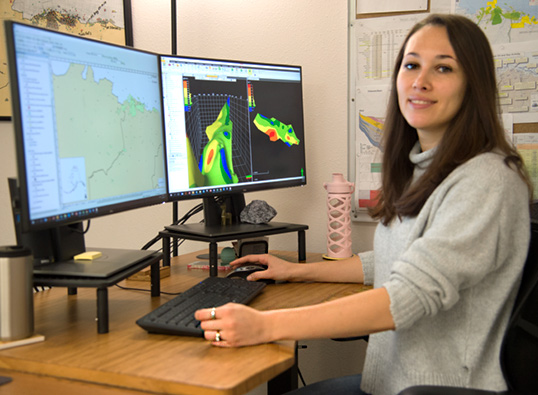
Inessa Yurchenko is a basin modeler and petroleum systems analyst at the University of Texas at Austin Bureau of Economic Geology, joining in July 2018. She holds a PhD from Stanford University (2017), where she worked with the Basin and Petroleum System Modeling Group, and completed postdoctoral research there. Her academic journey includes a master's degree from the University of Nevada, Las Vegas as an ExxonMobil Russian Scholar (2012) and undergraduate training in petroleum geology and geochemistry at Lomonosov Moscow State University (2009). Research Focus: Yurchenko specializes in integrating basin modeling with organic geochemistry to study hydrocarbon systems. Her work combines field observations, subsurface data, and laboratory analysis to understand source rock heterogeneity and its impact on unconventional resource evaluation. She explores molecular fossils (biomarkers, diamondoids) for paleoenvironmental reconstruction and hydrocarbon migration analysis across scales from individual molecules to whole-basin dynamics. Scientific Contributions: Her 2018 publications on the Shublik Formation in Arctic Alaska revealed how small-scale source-rock heterogeneity controls hydrocarbon expulsion and migration, with implications for resource assessment. She emphasizes multidisciplinary approaches to link petroleum exploration techniques with academic earth-history questions, particularly for reconstructing ancient ocean conditions through shale analysis. Statoil/Equinor PostDoctoral Research Fellowship (2017–18) Stanford University Great Bear Petroleum Scholarship (2012–15) Stanford University A. I. Levorsen Research Grant (2013–14) ExxonMobil Russia Scholarship Award (2010–12) Collaborative Goals: Yurchenko seeks partners who value both applied and academic research. Her work spans Permian Basin (Texas), Alaska North Slope, Basin and Range (Nevada), Denver Basin (Colorado), Umbria–Marche Basin (Italy), and Middle Magdalena Valley Basin (Colombia).
Edward Glasscock is a Professor and C. Vincent Prothro Distinguished Chair in the Department of Biological Sciences at Southern Methodist University (SMU), where he also serves as Director of Graduate Studies. His research focuses on the genetic and physiological mechanisms of epilepsy and sudden unexpected death in epilepsy (SUDEP). Dr. Glasscock earned his Ph.D. from the University of California at Berkeley and completed postdoctoral training at Baylor College of Medicine. Leading the Cardiorespiratory Neurogenetics Laboratory , his work investigates epilepsy and SUDEP through genetic mouse models. His team employs in vivo , ex vivo , and in vitro electrophysiological techniques alongside pharmacology, histology, and molecular analyses. Key research areas include: Neurogenetics of Kv1.1 channelopathies Sex-specific differences in SUDEP susceptibility Cardiorespiratory biomarkers of seizure-related mortality Brain-heart-lung interactions during epileptic events Analysis of Dr. Glasscock's recent publications reveals a concentrated focus on Kv1.1 channel dysfunction, SUDEP biomarker development, and translational mouse models bridging neuroscience and cardiology. His work demonstrates how ion channel mutations disrupt cardiorespiratory physiology during seizures, with significant implications for predicting and preventing epilepsy-related mortality. Dr. Glasscock mentors a multidisciplinary research team, with notable achievements including: PhD student Kelsey Paulhus-Halvorson's successful dissertation defense (April 2024) Postdoctoral fellow Dr. Man Si receiving the 2025 Cranefield Postdoctoral Fellow Award Multiple undergraduate award winners at SMU Research & Innovation Week In 2023, his lab secured a 5-year NIH R01 grant to identify brain-heart-lung dysfunction patterns as SUDEP biomarkers. The Cardiorespiratory Neurogenetics Laboratory operates within SMU's research infrastructure, featuring specialized facilities for electrophysiology and behavioral analysis while maintaining active collaborations with clinical researchers at Barrow Neurological Institute.
Sangsoo Kim is an Assistant Professor in the Department of Medicine, conducting neuroscience research focused on motor control systems and neural development mechanisms in mammalian models. His core research domains include: Motor Control Neural Development Neurophysiology Motor Map Organization Analysis of his publication record reveals concentrated investigation into rubrospinal and corticospinal pathways using microstimulation techniques in rodent models. His work establishes critical links between neural circuit maturation, forelimb motor pool connectivity, and feed-forward motor control mechanisms, with particular emphasis on red nucleus functionality and preshaping processes during development. These studies demonstrate how specific neural pathways govern motor map formation and functional recovery. His Scopus profile indicates an h-index of 40 with 40 total citations across two peer-reviewed publications, reflecting significant impact in specialized neuroscience subfields despite limited publication volume.