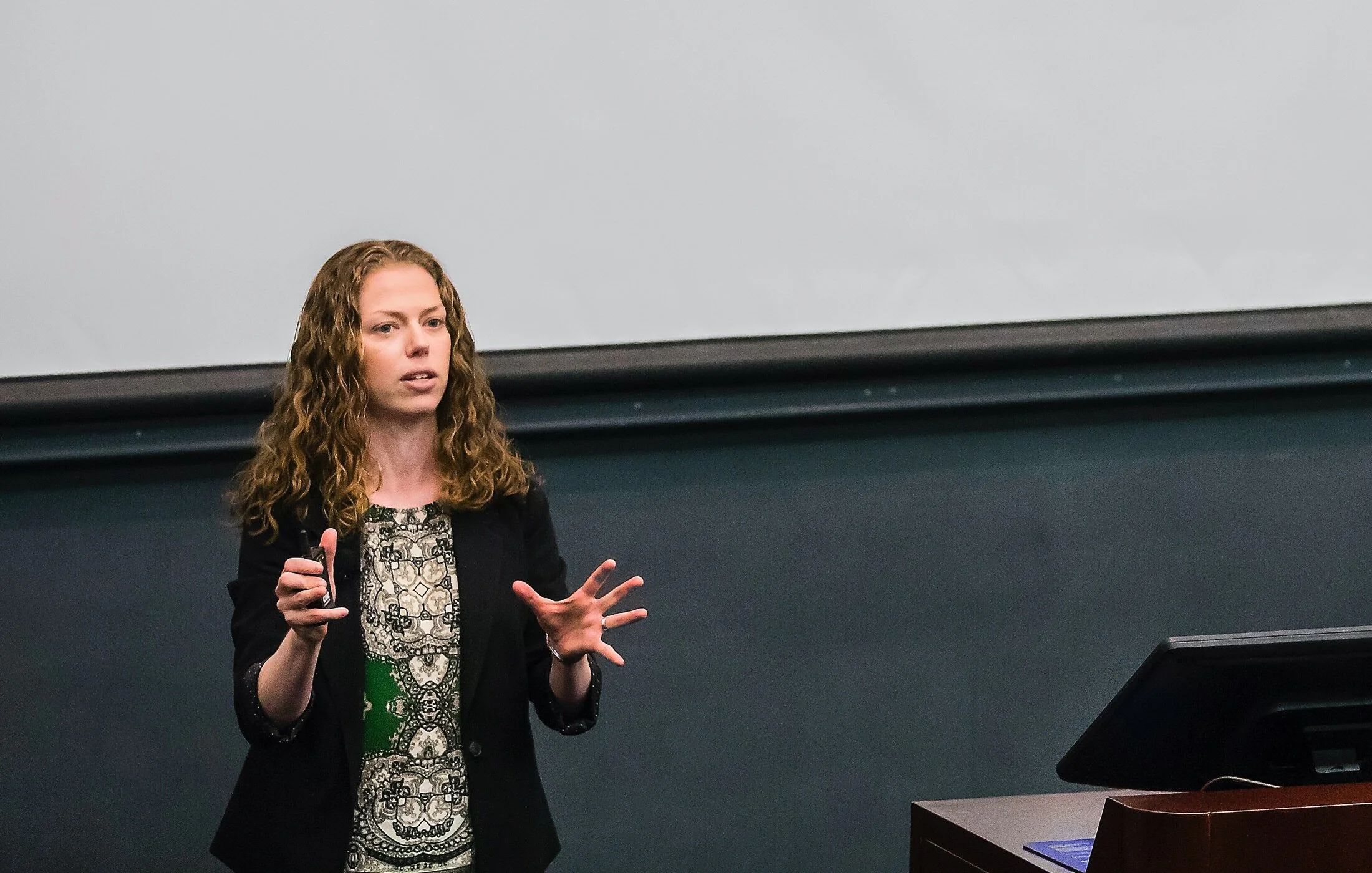
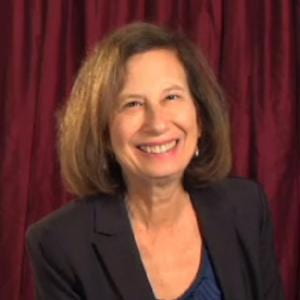
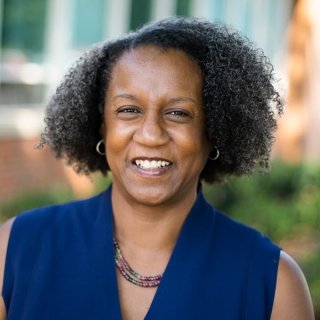
Katherine L. Milkman is the James G. Dinan Endowed Professor at The Wharton School of the University of Pennsylvania, with secondary appointments in the Perelman School of Medicine and School of Arts and Sciences. She co-founded and co-directs the Behavior Change for Good Initiative , focusing on harnessing behavioral economics and psychology for societal benefit. Education: PhD in Computer Science and Business, Harvard University Undergraduate degree (summa cum laude) in Operations Research and American Studies, Princeton University Her research bridges behavioral economics , decision-making , and health psychology , with applications in education, finance, and public health. Recent studies explore quantification fixation , streak incentives , and diversity interventions using megastudy methodologies. Scientific awards include Thinkers50 Top 50 Management Thinker (2021, 2023) APS Fellow (2020) FABBS Early Career Award (2015) Wyss Award (Harvard, 2008) She teaches courses in decision-making and judgment research , including OIDD9950 (Dissertation) and OIDD2990 (Judgment & Decision Making Research). Media outlets like The New York Times and Nature regularly feature her work, while her podcast Choiceology disseminates behavioral economics insights to a broader audience.
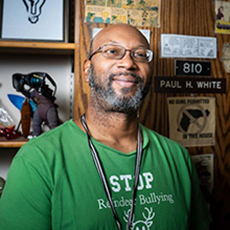
Paul H. White is an Associate Professor of Social Psychology in the Department of Psychology at the University of Utah, where his research centers on the three 'P's': persuasion, prejudice, and performance, investigating motivational drivers of human behavior. His educational background: B.A., Berea College (1989) Ph.D., Northeastern University (1993) Post-doctoral training, Ohio State University (1993-1995) Dr. White's persuasion research examines how source/target characteristics (race, gender, sexual orientation) impact message processing and attitude change, including 'stealing thunder' dynamics. His prejudice work investigates subtle bias through intergroup models incorporating stigmatized groups' perspectives, while his performance studies explore evaluation effects, social underachievement ('letting up'), and stereotype threat mitigation. Analysis of his publications reveals sustained focus on stereotype threat, intergroup relations, and environmental behavior across cross-cultural contexts, with consistent application of social psychological theory to real-world problems in education and sustainability. Dr. White currently mentors three graduate students: Logan Call (admitted 2020) Emma Franklin (2022) Brittany Clark (2022) He directs the Persuasion, Prejudice, and Performance (PPP) Lab, which serves as the primary research environment for experimental and applied investigations into his three core research areas.
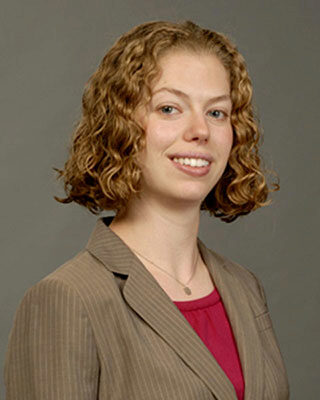
Katherine L. Milkman (Katy) is the James G. Dinan Professor at the Wharton School of the University of Pennsylvania, with secondary appointments in Penn's Perelman School of Medicine and School of Arts & Sciences. She co-founded and co-directs the Behavior Change for Good Initiative, a research center dedicated to advancing the science of lasting behavior change. Her work integrates economics and psychology to address challenges like savings, exercise adherence, vaccination rates, and discrimination through large-scale field experiments. Education: PhD in Computer Science and Business from Harvard University; Bachelor's degree (summa cum laude) in Operations Research and Financial Engineering from Princeton University. Research Focus: Milkman's research leverages big data and behavioral science to understand decision-making failures (e.g., self-control, discrimination) and design scalable interventions. Her recent work emphasizes: Nudge-based strategies for education, health, and finance Diversity enhancement in organizational settings Habit formation through incentive structures Publication Trends: Her 15 most recent articles (2022-2025) primarily involve megastudies testing behavioral interventions. Key themes include: leveraging email/reminders to improve math education and vaccination rates; addressing loan delinquency through nudges; and using stereotyping dynamics to increase diversity in hiring. Over 80% employ field experiments across healthcare, finance, and education sectors. Awards & Honors: Thinkers50 Top Management Thinker (2021, 2023) Schmidt Futures Innovation Fellow (2022) Fellow, Association for Psychological Science (2020) Multiple teaching awards from Wharton (2015, 2016) William F. O’Dell Award for impactful research (2017) Advisory & Grants: Milkman has advised major organizations including The White House, Google, Walmart, and the U.S. Department of Defense. Her Behavior Change for Good Initiative secures funding for large-scale social impact research. She hosts Schwab's behavioral economics podcast Choiceology and contributes to policy through op-eds in The New York Times and Scientific American . Labs & Teams: Co-directs the Behavior Change for Good Initiative, collaborating with interdisciplinary researchers (e.g., Angela Duckworth, Sendhil Mullainathan) on longitudinal studies. The initiative designs and tests interventions across health, education, and savings domains.
William Hall is an Assistant Professor in the Psychology Department at Brock University. His research focuses on social identity threat, diversity, and inclusion, particularly examining how interpersonal interactions and organizational norms affect marginalized groups in STEM fields. He holds a Ph.D. from the University of British Columbia (UBC). His research explores how workplace cultures and policies can mitigate social identity threat for women and other underrepresented groups. Key areas include gender dynamics in STEM, organizational inclusion strategies, and the psychological impacts of implicit biases. He has published extensively in journals like Journal of Personality and Social Psychology and Social Psychological and Personality Science . William’s work emphasizes the interplay between individual experiences and systemic structures, advocating for identity-safe environments that foster belonging and reduce burnout. His lab website highlights ongoing projects and collaborations. No scientific awards are explicitly listed, but his contributions to organizational psychology are notable. He advises no listed students but collaborates on grants exploring workplace inclusion and gender equity.
Maria Chiara Passolunghi is a Full Professor in Developmental and Educational Psychology (MPSI/04) at the University of Trieste's Department of Life Sciences. She serves as a member of the Department's Board, Boards of Studies, and multiple Doctoral Studies Boards for the Neural and Cognitive Sciences program across various cycles (XXVIII-XXXIX). She leads the Evolutivamente LAB research group focused on typical and atypical development during the lifespan within the Psychology research area. Her primary research interests center on developmental mathematics and mathematics learning disabilities in children, with particular focus on working memory and mathematical cognition. Her work spans five main research lines: precursors of mathematical learning and their training, math-gender stereotypes, the Approximate Number System and its relationship with mathematics, math anxiety, and Executive Functions in both typical and atypical development. She investigates cognitive and emotional aspects involved in mathematical learning, with emphasis on early identification of risk factors and development of intervention programs. Analysis of her recent publications reveals consistent focus on mathematical cognition, with particular attention to the intersection of cognitive and emotional factors in mathematical learning. Her work demonstrates strong emphasis on practical applications, including development of training programs for math anxiety, executive function interventions, and assessment tools for early identification of mathematical learning disabilities. The research spans diverse populations including typically developing children, those with mathematical learning disabilities, and children in highly deprived contexts such as Yazidi genocide survivors. Professor Passolunghi has secured significant research funding from multiple sources including A.B.C. Associazione per i Bambini Chirurgicos del Burlo Onlus, Auxilia Onlus, AIPD Associazione Italiana Persone Down, and Fondazione Beneficientia Stiftung. She also collaborates with institutional partners including Trieste Town Hall, Region FVG, and I.R.C.C.S. Burlo Garofolo of Trieste on various projects related to cognitive development, math learning, and interventions for at-risk populations. She leads the Evolutivamente LAB research group which includes Researcher Sandra Pellizzoni and PhD students Chiara De Vita, Martina Fontana, and Marjia Zivkovic. The lab focuses on exploring domain-specific and domain-general abilities involved in learning, with particular emphasis on precursors of mathematical ability and disability, working memory and number sense training, and emotional-motivational factors influencing learning disabilities. Current projects include studies on math anxiety in early primary school and development of specific training programs.
Katherine Thorson is an Assistant Professor at Barnard College , affiliated with the Department of Psychology . Her research focuses on interpersonal interactions , intergroup dynamics , and physiological responses in social contexts. B.A. in Psychology from Bates College M.A. and Ph.D. in Psychology from New York University Thorson’s work explores how stereotype threat affects gender dynamics in STEM, physiological synchrony in romantic and professional settings, and methodological innovations in dyadic and longitudinal data analysis. Her research often bridges social psychology and health outcomes . Recent trends in her publications include studies on intellectual humility in guided conversations, physiological linkage in diverse contexts (e.g., doctor-patient interactions, group therapy), and mindfulness in social engagement. Society for Experimental Social Psychology Dissertation Award finalist Funded by the Society for the Psychological Study of Social Issues She applies dyadic data analysis and multilevel modeling to examine how social environments shape psychological experiences and physiological outcomes .
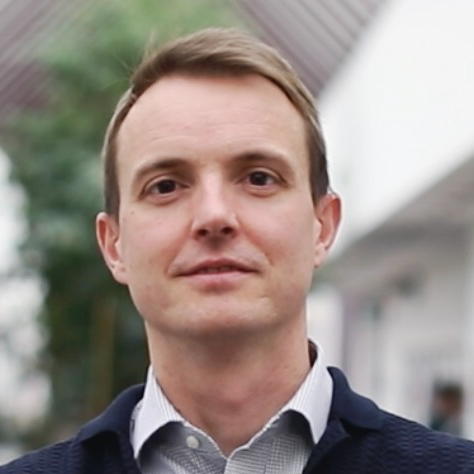
Matteo Ploner is a Full Professor at the Department of Economics and Management , University of Trento, and Deputy Coordinator of the Doctoral Programme in Economics and Management under the Doctoral School of Social Sciences. He also serves as Deputy Manager of the Cognitive and Experimental Economics Laboratory (CEEL) at the University of Trento. Academic Roles: Full Professor, Deputy Coordinator (Doctoral School), Deputy Manager (CEEL) Location: Via Inama, 5 - 38122 Trento Contact: matteo.ploner@unitn.it Research Interests: His work focuses on Behavioral Economics , Behavioral Finance , and Experimental Economics , examining human decision-making in economic environments. His research spans topics like cooperation in multicultural societies, information avoidance in climate decisions, algorithmic delegation, and welfare dynamics in advisory markets. Recent Publications highlight experimental analyses of skewness-seeking in finance, cognitive barriers to energy efficiency, and behavioral interventions in low-income contexts. He also explores mental accounting principles and the interplay between trust and innovation through experimental frameworks. Labs & Teams: He is actively involved in the Cognitive and Experimental Economics Laboratory (CEEL) , contributing to experimental market analysis and behavioral research.
Susan C. Levine is the Rebecca Anne Boylan Distinguished Service Professor of Education and Society in the Department of Psychology at the University of Chicago. Her research explores the interplay between early spatial and numerical thinking, focusing on how adult-child interactions shape mathematical development in home and school settings. Her work examines children's understanding of natural numbers and fractions, evaluates interventions to improve math skills, and investigates how parental and teacher math attitudes influence child outcomes. Key areas include math anxiety, gesture-based learning, and socioeconomic impacts on numeracy. Recent publications highlight gesture interventions for spatial misconceptions, math anxiety in college calculus, and the role of parental interactions in shaping children's mathematical beliefs. The Distinguished Service Professor award recognizes her contributions to educational psychology.
Max Planck Institute for Research on Collective GoodsGermany
Fani Lauermann is a Professor of Empirical Educational Research and Educational Psychology at the University of Bonn, where she is affiliated with the Bonn Center for Teacher Education (BZL). She also serves as a Co-opted Member of the Department of Psychology at the University of Bonn and maintains a research affiliation with the Institute for Research on Education and School Development (IFS) at TU Dortmund University. Her work bridges educational psychology and teacher education through empirical research on motivation and learning processes. Dr. Lauermann earned her Ph.D. from the Combined Program in Education and Psychology at the University of Michigan (2008-2013) following her Diplom-Psychologist degree at the University of Bonn, Germany (2001-2006). Her academic journey includes postdoctoral research in the Gender and Achievement Research Program (GARP) at the Institute for Social Research at Michigan. Her research program centers on three interconnected domains: academic motivation and achievement, educational trajectories and occupational choices, and teacher motivation and teaching quality. She frequently applies expectancy-value theory to understand motivational processes across educational contexts, with particular attention to gender differences in academic choices. Recent methodological approaches include longitudinal designs, multilevel analyses, and cross-cultural comparisons, often examining how students' and teachers' beliefs influence academic trajectories and outcomes in math-intensive study programs. Analysis of her recent publications (2022-2025) reveals a strong focus on gender disparities in educational choices, particularly in STEM fields, as well as the role of comparative processes in forming academic self-concepts. Her work increasingly examines teacher self-efficacy, responsibility beliefs, and their impact on classroom processes, with growing attention to online learning environments and their implications for student motivation and belonging. Dr. Lauermann has held significant editorial positions including Associate Editor for Learning and Instruction (2018-2021) and editorial board membership for Journal of Educational Psychology, Journal of Learning and Instruction, Contemporary Educational Psychology, and Educational Psychologist. She served as elected coordinator for EARLI SIG-08 "Motivation and Emotion" from 2017-2021, representing members from over 30 countries. Dr. Lauermann advises several graduate students who have received recognition for their work, including Daria Benden (Paul R. Pintrich Award winner) and Sirui Wan (Graduate Student Research Excellence Award recipient from Division C at AERA 2022). Her research group collaborates with international scholars, notably Eccles, Wigfield, and Bailey on expectancy-value theory research, and with German colleagues at TU Dortmund on the FAIR research profile area. Dr. Lauermann's research contributes to understanding how motivational processes operate across different educational contexts, with implications for teacher education and classroom practice. Her work continues to advance theoretical models of motivation while providing practical insights for educators seeking to support students' academic development across domains.
Stephanie J. Rowley is the William R. Kenan Jr. Professor of Education and Dean of the School of Education and Human Development at the University of Virginia. Previously, she served as Provost and Dean at Teachers College, Columbia University, and held leadership roles at the University of Michigan, including Interim Chair of Psychology and Associate Vice President for Research. Her research explores how parents, teachers, and peers shape adolescents' identities, with a focus on race, gender, and social class. Rowley’s work has been funded by NIH, NSF, and the Spencer Foundation. She lives in Charlottesville with her husband, Larry, whom she met while studying at UVA. Education: Ph.D., Developmental Psychology, University of Virginia (1997) M.A., University of Virginia (1995) B.A., The University of Michigan (1992) Research Interests: Dr. Rowley’s work examines the sociocultural factors influencing adolescents’ racial identity, gender socialization, and academic achievement. She investigates how systemic racism, media exposure, and family dynamics shape youth perspectives on inequality and self-worth. Her recent studies address racial stereotypes in education, the impact of social media on self-sexualization, and strategies to foster critical consciousness in Black families. Grants & Leadership: As Dean, she prioritizes interdisciplinary collaboration and graduate student support. Her grants include NIH-funded projects on STEM motivation and sociopolitical development in African American youth. She also leads initiatives like Youth-Nex and the Race and Public Education in the South project. Labs & Initiatives: Her work is associated with Youth-Nex and the Race and Public Education in the South initiative, focusing on equity in education and sociocultural development.
Tahsin Khalid is a Professor in the Department of Elementary, Early & Special Education at Southeast Missouri State University, where he teaches instructional technology and elementary education methods courses. His office is located in Scully Hall, Room 313B, and he can be contacted at (573) 651-2505 or tkhalid@semo.edu. His academic credentials include: Ph.D. in Science and Environmental Education from Indiana University, Bloomington M.S. in Science Education from the University of Karachi, Pakistan M.Sc. in Marine Zoology B.Sc. in Zoology Dr. Khalid's research critically examines gender stereotypes in pre-service teachers' perceptions of scientists, the democratization of education in developing nations, and technology integration in elementary classrooms. His work bridges science education with social justice frameworks, emphasizing how democratic principles manifest in pedagogical practices and curriculum design across cultural contexts. His scholarly output reveals consistent focus on equity-driven educational transformation, particularly through technology-enabled instruction and deconstructing gendered perceptions in STEM education. Conference presentations at NSTA and NAC:UE demonstrate applied research connecting classroom practices to broader societal democratization processes. Holding Master Advisor certification, Dr. Khalid supervises student teachers while teaching foundational courses including UI100 First Year Seminar, EL353 Teaching Mathematics (online/face-to-face), and EL608 remediation techniques. His course portfolio spans elementary science, math, and social studies methods across delivery formats including ITV and online platforms.
Channing Mathews serves as Assistant Professor in the Department of Psychology at the University of Virginia, specializing in Community Psychology. Her research examines how ethnic-racial identity and critical consciousness drive STEM engagement and activism among youth of color during adolescence and emerging adulthood. Her scholarship integrates theoretical frameworks from psychology, education, and African American studies with three central foci: (1) ethnic-racial identity and critical consciousness as dual promoters of positive development for Black and Latinx youth; (2) their influence on STEM orientation; and (3) the complexity of identity and critical action behaviors including STEM-based activism. This work employs mixed-methods approaches across diverse educational contexts. Dr. Mathews demonstrates significant publication impact in developmental psychology and STEM equity research, with recent articles examining identity-science intersections through latent class analyses, longitudinal designs, and intervention studies. Her work consistently addresses racialized barriers in STEM while highlighting youth agency and resistance strategies. She actively mentors future scholars, accepting postdoctoral fellows through the University of Virginia Rising Scholars Program and graduate students for the 2023-2024 cycle. Her research extends to collaborations with informal STEM learning sites and examination of digital activism among immigrant youth of color.
Anna-Sophia Dersch is a Researcher at the Professorship for Teaching and Learning with Media, part of the Faculty of Educational Psychology at Justus-Liebig-Universität Gießen. She teaches courses including Educational Psychology for B.Sc. Psychology students, Basic Concepts of Psychology for student teachers, and Scientific Writing for student teachers in German as a foreign language. Her research focuses on multimedia learning interventions, conceptual change, gender stereotypes in education, and adaptive learning technologies. She has been recognized with the Oral Presentation Award at the SIG 15 Conference (2024) and the Junior Researcher Award from DGPs (2022). Her work addresses teacher misconceptions about multimedia learning and math-gender stereotypes, emphasizing personalized refutation strategies and intercultural educational practices. Dr. Dersch collaborates internationally, including at the University of São Tomé and Príncipe, and actively engages in science communication through teacher trainings and workshops. She also serves as the local Equal Opportunities Officer for the Department of Psychology.
Signithia Fordham is a Professor of Anthropology at the University of Rochester, affiliated with the School of Arts & Sciences. She holds a PhD from The American University and previously held visiting fellowships at Yale University (1988-1989) and Princeton University (1991-1992). Her research focuses on race, gender, and identity politics with a North Americanist focus, particularly examining educational contexts. She conducted extensive fieldwork in Washington, DC's public schools, supported by grants from the Spencer Foundation, NSF, and OERI. Current projects include longitudinal studies on educational outcomes and manuscripts exploring race and gender dynamics within Black communities. Her notable publications include the ethnography Blacked Out (1996) and works analyzing 'acting white' phenomena and language practices in schools. Recent research projects address relational aggression among Black girls and the long-term impacts of high school experiences. Fordham’s work bridges anthropology, sociology, and education studies, emphasizing intersectional analysis of systemic inequities. Her academic career includes teaching roles at Rutgers, UMBC, and UCONN before joining Rochester. She currently advises ongoing studies on identity performance and Black communal kinship structures.
Dr. Danny Bernard Martin is a Professor of Education and Mathematics at the University of Illinois at Chicago (UIC), holding a joint appointment in the College of Education's Department of Curriculum and Instruction and the Department of Mathematics, Statistics, and Computer Science. He previously served as Department Chair of Curriculum and Instruction from 2006–2011 and 2013–2016. Prior to UIC, he was a Professor and Department Chair at Contra Costa College. His research focuses on race, identity, and the experiences of Black learners in mathematics education, challenging systemic inequities and advocating for antiracist pedagogies. Education: PhD in Mathematics Education from UC Berkeley, MA in Mathematics (UC Berkeley), BS in Mathematics and Physics (Carroll College). Research emphasizes the intersection of race and mathematics education, including racial justice in early math (RJEM project), antiblackness in educational systems, and the brilliance of Black children. Major grants include the Heising-Simons Foundation (RJEM) and NSF-funded projects. Key awards: 2018 Benjamin Banneker Association Lifetime Achievement Award and 2024 AERA Fellow. Active in professional organizations like NCTM and AERA. Recent work includes co-editing volumes on racial justice in mathematics education and global perspectives on race in STEM.