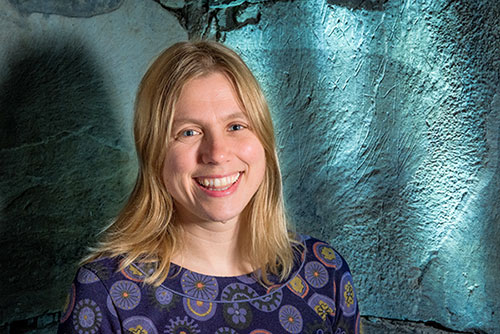
Dr. Ragnhild Ljosland is a sociolinguist and lecturer at the University of the Highlands and Islands (UHI), affiliated with the Archaeology Institute and Language Sciences Institute at Orkney College. She specializes in Orkney and Shetland dialects, runology, and Norse cultural heritage. Her research explores linguistic shifts, historical discourse, and the interplay between language and identity in the Northern Isles. Education: PhD in Sociolinguistics, Norwegian University of Science and Technology (NTNU), 2008 Cand. Philol. (Master’s equivalent) in Scandinavian Studies Research Interests: Discursive construction of cultural identity Norn to Scots language transition Runic inscriptions and modern rune use Scots language revitalization Orkney witchcraft trials narratives Publications & Media: Over 30 peer-reviewed articles, books, and chapters, including works on Orkney dialect grammar, modern rune carving, and historical linguistics. Featured in documentaries like Mystic Britain: The Monster of Maeshowe and media appearances on Scandinavian heritage. Awards: 2017 Highlands and Islands Student Association Award for Best Research Supervisor. Roles: Module leader for MLitt courses on Orkney dialects, runology, and Norse Studies Editorial board member, Scottish Language journal External examiner, University of Stavanger Labs/Teams: Collaborates on projects like the AHRC-funded Orkney and Shetland Dialect Corpus and community heritage initiatives.
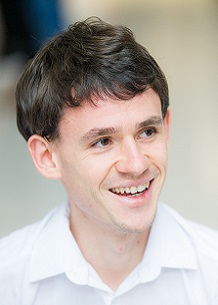
Dr. Jeremy Aroles is a Senior Lecturer in Organization Studies at the University of York's School for Business and Society, leading the Management and Organization Studies (MOS) group. He holds a PhD from the University of Manchester (2016) and has prior academic roles at Durham University. His research focuses on new work practices (e.g., digital nomadism, gig economy), cultural institution management, and intersections between fiction and organizational theory. Key contributions include studies on platform capitalism, museum commercialization, and qualitative methodologies. Research interests include: Emerging work practices and digital labor dynamics Cultural sector governance and institutional logics Interdisciplinary approaches using actor-network theory, Deleuzean philosophy, and phenomenology Recent publications address topics like algorithmic content creation (2025), digital nomad identity work (2023), and museum marketization (2024). He is a Fellow of the Higher Education Academy (2018). Supervisory expertise spans new work practices and qualitative research methods. Led a British Academy-funded project (2021-2023) exploring global coworking spaces. Active in editorial roles and international collaborations across Europe and Asia.
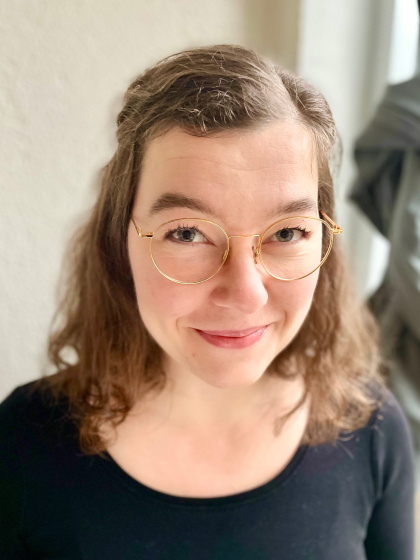
Sandra Banjac Sandra Banjac is an Assistant Professor at the Faculty of Arts within the Centre for Media and Journalism Studies at the University of Groningen, Netherlands. She holds a PhD in Journalism Studies from the University of Vienna and an MA in Journalism and Media within Globalisation from Aarhus, Amsterdam, and Hamburg Universities. Her research focuses on the evolving relationship between journalists and audiences, particularly exploring journalistic roles, audience expectations, and intersectional approaches to media inequality. Educational Background: PhD in Journalism Studies, University of Vienna MA in Journalism and Media within Globalisation (Aarhus, Amsterdam, Hamburg) BA in Broadcasting (Radio and Television), Edith Cowan University, Australia Research Interests: Her work critically examines boundaries of journalism, lifestyle journalism practices, and the application of intersectionality to address systemic inequities. She has conducted fieldwork in conflict societies (e.g., Egypt, Kenya, Serbia, South Africa) and explored media dynamics in transitional democracies. Professional Roles: Social Media Editor for Journalism Studies Chair of the YECREA Management Team Key Contributions: Her recent work includes editing the Routledge Companion to Digital Journalism Studies (2024) and publishing in journals like New Media & Society , Digital Journalism , and Poetics . She has also advised on media innovation projects and explored journalists' working conditions during the pandemic. Labs/Teams: Collaborates with interdisciplinary teams at the University of Groningen and global networks like YECREA.
Oliver Laasch serves as a Senior Lecturer in Entrepreneurship and Innovation at the University of Manchester and holds an Adjunct Associate Professor position in Strategy at the University of Nottingham Ningbo China. His academic career includes full-time roles at Steinbeis University Berlin, Tecnologico de Monterrey (Mexico), and Seoul National University (South Korea), along with visiting positions at the University of Tübingen’s Global Ethic Institute and Copenhagen Business School. His research centers on responsible management education , alternative business models , and sustainability innovation . Key areas include biomimetic management, performative practices, constitutive communication, and specialized business models for family enterprises, sports organizations (including e-sports), religious institutions, and social enterprises. His work directly contributes to UN Sustainable Development Goals through the Principles for Responsible Management Education (PRME) initiative. Laasch serves as Associate Editor for Academy of Management Learning and Education and sits on the editorial board of Long Range Planning . He has edited special issues for the Journal of Business Ethics and Journal of Management Education , while his textbook Principles of Responsible Management received commendation in Academy of Management Learning and Education . Scientific Recognition: Best Paper Award, Academy of Management (2016) Top 100 Global Sustainability Leaders (2014) Cloverleaf Best Conference Paper Award (2018) Best Professional Development Workshop Award (2014) As an active educator, Laasch has designed courses across bachelor's, master's, PhD, and executive levels, including the Coursera MOOC Managing Responsibly . He also provides extensive coaching and consulting for universities and corporations in faculty development. His research output spans 29 publications including books, articles, and editorial work, with recent focus on business model transformations during crises, responsible management frameworks, and sustainability pathways. Laasch founded the Center for Responsible Management Education (CRME) and coordinates UN working groups under the PRME initiative, demonstrating significant leadership in shaping global management education standards.
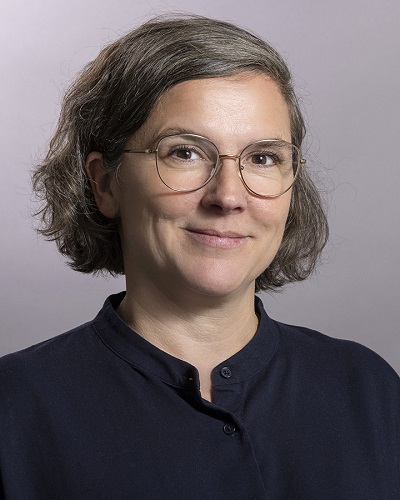
Britta Schneider is a Professor at the Faculty of Social and Cultural Sciences, European University Viadrina, where she holds the Chair of Language Use and Migration. She serves as Vice Dean and Dean of Studies, contributing to academic administration and curriculum development. PhD from Goethe Universität Frankfurt am Main and Macquarie University Sydney Her research focuses on language ideologies, multilingualism in digital societies, and posthumanist approaches to language. She examines how AI and digital cultures reshape linguistic norms, interrogate transnational language practices in public spaces, and analyze colonial continuities in technolinguistic systems. Recent publications explore the critical sociolinguistics of AI , emphasizing dataism critique, language bias in conversational technology, and the commodification of linguistic diversity. She leads the COST Network's working group on 'Language in the Human-Machine Era', addressing technolinguistic governance. Scientific Contributions Honorary Lecturer, University College London COST Action Management Committee (Germany) Member of the Council for Migration (Rat für Migration) Prof. Schneider advises PhD students in topics spanning digital language policies , transnational identity, and sociocultural impacts of AI. Her team includes postdocs and research assistants analyzing language-materiality intersections in multilingual Belize and digital capitalism.
Dr. phil. Nino Ferrin is a permanent research associate at the Didaktik Deutsch division within the Department of Education and Psychology at Free University Berlin . Holding a Marie Curie Fellowship and serving as Vice Dean for Studies and Teaching since 2018, he specializes in media education, educational anthropology, and practice theory. Freie Universität Berlin: 2011 PhD ( summa cum laude ), 2005-2008 Research Assistant, 2002-2005 Student Assistant University of Crete (2013): ERASMUS Teaching Mobility Marie Curie Alumni Association (since 2014) His research interests span media education, educational anthropology of the Anthropocene, performative learning cultures, and digital body practices. He employs reconstructive ethnography and praxeological methods to investigate how media technologies shape educational experiences. Recent publications focus on Anthropocene sustainability education, narrative spaces for possibility thinking, and digital game culture analysis. His scientific awards include Marie Curie Actions-Fellowship (2012-2016) International recognition through EU-funded DIGIT-M-ED project His teaching involves graduate seminars on primary education research (15+ semesters since 2007) and master's thesis supervision. Current projects examine Metasorge and media techniques (habilitation) 1000+ Concerts for social inclusion Visual metaphors in education
Ari Huhta is a Professor at the Centre for Applied Language Studies at the University of Jyväskylä. His research focuses on applied linguistics , language assessment , and second language acquisition , with particular emphasis on diagnostic and dynamic assessment frameworks in foreign language education. Active member of the Applied Language Studies and Language Campus follow-up groups Collaborates with institutions like the Finnish National Agency for Education and Research Council of Finland His work integrates language technology and educational evaluation to innovate assessments for L2 writing , reading , and speaking . Recent projects include AI-driven diagnostic tools and automatic speaking evaluation systems. Key collaborations span projects such as Dynamic Diagnostic Language Assessment and ‘Broken Finnish’ , examining societal gatekeeping in language proficiency. His publications address assessment validity , stakeholder involvement , and technological mediation in learning processes.
Nathaniel Rivers is a Professor of English at Saint Louis University's College of Arts and Sciences. His research reimagines rhetoric beyond traditional human-centric models, focusing on nonhuman actors and ecological systems. He explores how persuasion occurs through material and discursive interactions in environments, technology, and public discourse. Education: Ph.D. in English, Purdue University (2009) M.A. in English, Purdue University (2005) B.A. in English and Psychology, University of Southern Indiana (2003) Research Interests: Professor Rivers investigates new materialist frameworks to analyze ecological rhetorics, technology's role in communication, and the ethical implications of nonhuman agency. He critiques anthropocentric assumptions in rhetoric, advocating for inclusive systems that account for material and environmental interactions. His work bridges rhetoric with philosophy, environmental studies, and cognitive science. Publications & Media: His work includes co-editing Thinking with Bruno Latour in Rhetoric and Composition and authoring influential articles on ecological pedagogy, public rhetoric, and posthumanist ethics. Recent publications explore climate rhetorics, digital publics, and the ethics of nonhuman mattering. Awards: Innovative Teaching Fellowship (2012) for developing a New Media Science Writing course. Advising & Grants: While no formal students are listed, his collaborative projects highlight mentorship in interdisciplinary teams. He has secured institutional support for pedagogical innovation, emphasizing hands-on, technology-focused teaching. Labs/Teams: Active in rhetoric and composition research networks, particularly those exploring materialist and ecological turns in humanities disciplines.
Dide van Eck is an Assistant Professor at Utrecht University's Organisation Studies group within the School of Governance . Her work intersects with the Faculty of Law, Economics and Governance, focusing on organizational dynamics related to diversity , inclusion , and emerging technologies . Research Focus Social Inclusion : Analyzing exclusion mechanisms in low-wage labor and workplace equity. Diversity & Embodiment : Studying body politics, gender, race, and class through ethnographic fieldwork. Creative Methodologies : Experimenting with poetry and posthumanist theories (e.g., Barad) to reframe organizational research. Digital Society : Exploring human-centered AI and the future of work. Recent Publications Her 15 most recent articles (2021-2024) emphasize boundary work , fat embodiment , and creative methods in organizational contexts, often addressing policy citations and social media engagement . Key journals include Human Relations , Organization Studies , and Gender, Work and Organization . Skills & Methodologies She specializes in qualitative research , combining ethnographic fieldwork , interviews , and creative analytical practices to study organizational materials' role in inclusion/exclusion processes. Network & Impact Collaborations with scholars like Noortje van Amsterdam and L. Dobusch reflect her interdisciplinary approach. Her work garners attention in Open Access platforms, with metrics showing engagement in Mendeley and social media.
Winston Kwon is a Senior Lecturer in Strategy at the University of Edinburgh's Business School, with affiliations to the Centre for Business, Climate Change and Sustainability and Leadership, Organisations and Society. His research focuses on strategic change, social enterprises, and environmental sustainability, emphasizing the role of language and material practices in organizational dynamics. Education: PhD in Marketing (Lancaster University), BCom in Finance (University of British Columbia) Previous Affiliation: Chancellor’s Fellow at University of Edinburgh (2014–present), prior roles at Lancaster University and Fortune 500 firms/startups. His work intersects social and environmental concerns with strategic language practices. Micro-level studies examine discursive strategies in meetings and negotiations, while macro-level research explores long-term organizational and industry transformations. Recent projects include analyzing negotiated resource solutions, social innovation ecosystems, and historical responses to ecological crises like the Phylloxera epidemic. Key article trends: Focus on public health delivery (2024), mental health scaling challenges (2023), and crisis adaptation in civil society (2022). Awards include a Research Fellowship at the Advanced Institute of Management (AIM). Collaborations span institutions like Concordia University and projects addressing community empowerment, global mental health scaling, and cross-pollinating knowledge for sustainable practices. He actively participates in conferences such as EGOS Colloquium and PROS Symposium.
Siina Raskulla is a University Lecturer in Administrative Studies at the Faculty of Management and Business, Tampere University. She specializes in public law with a focus on constitutional law, European Union law, and the intersection of law with emerging technologies like artificial intelligence. Her academic work bridges traditional legal scholarship with contemporary societal challenges, particularly regarding corporate responsibility, human rights, and the rule of law. Dr. Raskulla's research interests span constitutional law, European Union legal frameworks, corporate social responsibility, discursive studies of law, artificial intelligence & law, fundamental rights, human rights, legal personhood & relations, rule of law, and legal history. Her work demonstrates a consistent focus on how legal systems adapt to technological change and evolving societal values, with particular attention to corporate governance and digital transformation of legal institutions. Her publication record shows a strong trajectory from traditional legal scholarship toward cutting-edge intersections of law and technology. Recent works focus heavily on artificial intelligence governance, corporate legal personhood in the digital age, and the adaptation of rule of law principles to automated decision-making systems. Her research demonstrates interdisciplinary engagement with computer science, political theory, and social sciences to address contemporary legal challenges. Scientific Awards: Diploma in Human Rights Law, European University Institute, Florence, Italy (2017) Dr. Raskulla serves as teacher responsible for legal research and methods courses for students in public law, tax law, and corporate law. She also teaches municipality law and supervises BA theses. Her academic activities include numerous conference presentations and invited lectures on topics ranging from corporate constitutional responsibility to gender and law. While specific grant information isn't detailed in the provided materials, her research output suggests active engagement with contemporary legal policy debates in Finland and the European Union. Her work indicates collaboration with researchers across disciplines, particularly in environmental law and technology governance, though specific lab or team structures aren't explicitly mentioned in the available information.
Ulla-Maija Sutinen serves as a University Instructor (Lecturer) in the Department of Business Studies at Tampere University's Faculty of Management and Business, based at the City Centre Campus. Her academic profile centers on interdisciplinary research bridging marketing, sustainability, and socio-cultural theory. Her research program critically examines sustainable consumption through key lenses: Food waste reduction strategies employing socio-cultural and discursive frameworks Critical analysis of food marketing discourses targeting adolescents via social media Consumer behavior in fashion e-commerce and return practices Cross-cultural sustainability concepts (e.g., Japanese Mottainai ) Social media's role in shaping food waste narratives and corporate responsibility Analysis of her 2019-2025 publications reveals evolving methodological sophistication, with recent work emphasizing digital ethnography, practice theory, and critical discourse analysis to address food systems sustainability. Her scholarship consistently challenges conventional marketing paradigms while developing community-centered interventions. No scientific awards were documented in the source materials. While her publication record indicates active research leadership, no details regarding student supervision, grant funding, or collaborative projects were provided in the available information. No affiliations with specific research labs or interdisciplinary teams were mentioned in the source text.
Ed Cornelius is a Teaching Assistant Professor in the Department of Sociology at the University of Minnesota Twin Cities. His work focuses on conceptual intersections between law, sociology, and institutional theory, with particular emphasis on Brazilian legal and penal systems. Specializes in analyzing legal discourse and institutional dynamics Conducts comparative studies on corruption frameworks Active in classical sociological theory reinterpretations Research trends show consistent engagement with Brazilian accountability networks, penal field structures, and globalization processes. His publications examine discursive mismatches in anticorruption efforts (2023), institutional multiplicity patterns (2020), and theoretical syntheses of legal coercion (2021). While specific awards aren't detailed in the provided materials, his scholarly contributions appear focused on advancing theoretical frameworks in legal sociology through empirical studies of Brazilian institutions and global governance mechanisms.
Chris Ingraham is an Associate Professor in the Department of Communication at the University of Utah, where he has been serving since July 2021. He is also on the core faculty of the Environmental Humanities Graduate Program. His academic career bridges communication studies, environmental humanities, and cultural theory, with a focus on how material, aesthetic, and affective practices shape our environments. Dr. Ingraham's educational background demonstrates a strong foundation in the humanities: BA in English from Amherst College MA in Humanities from the University of Chicago PhD in Communication from the University of Colorado - Boulder Before entering academia, Ingraham worked as a freelance writer, environmental journalist, and in publishing at the Knopf Group in New York. This professional background informs his interdisciplinary approach that brings together insights from across the humanities to address contemporary environmental and technological challenges. His research interests span communication and media studies, cultural studies, literary studies, philosophy, creative and professional writing, and environmental communication. His scholarly trajectory reveals a progression from examining digital media and social platforms to increasingly focusing on ecological and environmental concerns. His work connects rhetorical theory with contemporary environmental challenges, exploring how communication practices shape our relationship with the more-than-human world. A strong thread throughout his scholarship is the examination of non-discursive and affective dimensions of communication, particularly how material environments and objects participate in meaning-making processes. Dr. Ingraham has received recognition for his scholarly contributions: Rising Star in Humanities Award (2020) from the College of Humanities, University of Utah Top Paper Award (2020) from the Western States Communication Association Faculty Fellows Award (2020) from the University Research Council Fulbright Scholar in Digital Culture at the University of Bergen (2018) As an educator, Ingraham teaches courses including Environmental Communication: Critical Plant Studies, Foundations of Communication, Ecology of Residency, and Rhetorical Posthumanism. His teaching reflects his research interests, emphasizing critical approaches to environmental communication and the intersection of media, rhetoric, and ecological thought. While specific student advisees aren't listed in the available information, his courses suggest he mentors students interested in environmental humanities, media studies, and rhetorical theory. Institutionally, Ingraham serves on the Advisory Board of the Society for the Study of Affect (since 2023) and participates in the Rhetoric, Culture, and Advocacy Interest Group of the Western States Communication Association. He was also a member of the Legislative Assembly of the National Communication Association from 2021-2023, demonstrating his engagement with professional organizations in his field.
Dr. hab. Martyna Król-Kumor serves as a Professor at the Institute of Russian Studies, Jan Kochanowski University in Kielce. She has been continuously employed at the university since 2002, progressing from assistant to assistant professor before achieving full professorship in 2018. She currently manages academic operations and serves as editor of the scientific journal Studia Rusycystyczne UJK since 2017. Graduate of Russian Philology, Holy Cross Academy in Kielce (2002) Doctor of Humanities in Linguistics (2005): Polish-Russian Lexical Quasi-Analogy. Functional-Pragmatic Analysis Habilitation in Linguistics (2015): Typology of linguistic homonymy in the onomasiological and discursive aspect Her research spans theoretical linguistics with specialized focus on lexicology, discourse structures, and Polish-Russian contrastive semantics. She examines lexical quasi-analogy, linguistic homonymy typologies, and cross-linguistic discourse patterns through both onomasiological and pragmatic lenses. Her work reveals how semantic transformations reflect cultural worldviews, particularly in Russian-Polish comparative contexts. Analysis of her 15 most recent publications shows consistent exploration of lexical semantics across multiple dimensions: homonymy patterns (40% of works), discourse structures (30%), and contrastive Polish-Russian analysis (30%). Key methodological approaches include functional-pragmatic analysis, typological classification, and cognitive-semiotic frameworks applied to specialized domains like tourism business discourse and academic writing. No scientific awards or fellowships are documented in the available materials. Professor Król-Kumor provides academic supervision and consultations as evidenced by her listed contact information for "Credits/exams/consultations." While specific grant projects aren't detailed, her extensive monograph publications and journal editorship indicate sustained research activity. She contributes significantly to the Language Clinic at the university, supporting linguistic diagnostics and interventions. The Language Clinic and Russian Studies Institute represent her primary operational environments, where she integrates research with practical language applications including discourse analysis training and contrastive semantics instruction.