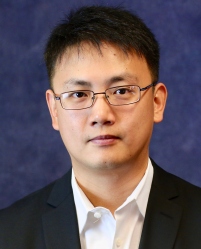
Alexis Battle is an Associate Professor at Johns Hopkins University with appointments in Biomedical Engineering , Computer Science , and Genetic Medicine (secondary). She directs the Malone Center for Engineering in Healthcare and serves as Deputy Director of the Data Science and AI Institute . Educated at Stanford University (PhD in Computer Science, 2013), Battle transitioned to academia after leadership roles at Google. Research Focus: Battle’s work bridges genomics and machine learning , emphasizing the impact of genetic variation on human health. Her lab develops tools like Watershed to predict functional effects of rare variants, aiming to enhance rare disease diagnosis. Key themes include non-coding DNA analysis , personalized genomics , and systems biology , with applications in cardiovascular disease and neurodegenerative disorders . Publications & Awards: Over 60 peer-reviewed articles in journals like Nature , Science , and Genome Biology , with recent emphasis on single-cell transcriptomics , multiomics integration , and telomere biology . Recipient of the President’s Frontier Award (2022), Microsoft Investigator Fellowship (2019), and Searle Scholar (2016). Scientific Awards: 2022 President’s Frontier Award 2019 Microsoft Investigator Fellowship 2019 Johns Hopkins Discovery Award 2017 Johns Hopkins Catalyst Award 2016 Searle Scholar Advising & Funding: Mentors 11 PhD students, 3 undergraduates, and postdoctoral fellows. Her research is funded by NIH, Searle Scholars, and institutional grants. The Battle Lab collaborates on projects like the GTEx Consortium , focusing on gene regulation and clinical genomics .
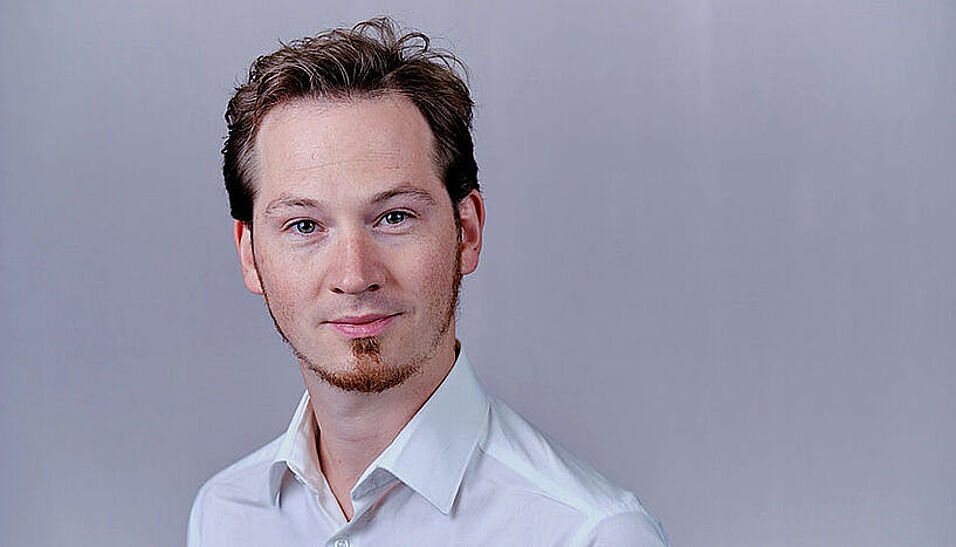
Professor Matthias Mann is a world-leading scientist serving as Director of the Proteomics and Signal Transduction department at the Max Planck Institute of Biochemistry in Martinsried, Germany, and Director of the Proteomics department at the Novo Nordisk Foundation Center for Protein Research, Faculty of Health Sciences, University of Copenhagen, Denmark. With an h-index exceeding 277 and over 350,000 citations, he is recognized as the highest cited German researcher and one of the most influential scientists globally in proteomics. His educational background includes: Ph.D. in Chemical Engineering from Yale University (1988) Master's Degree in Physics from Georg August University Göttingen (1984) Bachelor's of Arts in Mathematics from Georg August University Göttingen (1982) Professor Mann's research focuses on advancing mass spectrometry-based proteomics to understand biological systems at the protein level. His work spans technological developments in mass spectrometry, bioinformatics and computational analysis, signal transduction and posttranslational modifications, and clinical proteomics applications for disease diagnosis and treatment. The Mann lab has pioneered groundbreaking methods like SILAC for quantitative proteomics and MaxQuant for proteome data analysis. Their vision is to translate proteomics knowledge into clinical practice for predictive, diagnostic, and preventive medicine, with recent work focusing on AI-guided platforms for analyzing proteomes from minimal tissue samples. Analysis of Professor Mann's recent publications reveals a strong trend toward clinical applications of proteomics, particularly in cancer research, metabolic diseases, and neurodegenerative disorders. His work increasingly integrates spatial proteomics, single-cell resolution techniques, and artificial intelligence approaches to uncover disease mechanisms and identify potential biomarkers, with a clear shift from basic technology development toward direct clinical applications and personalized medicine. Professor Mann has received numerous prestigious awards throughout his career: 2025: Elected member of the American National Academy of Sciences 2024: Dr. H.P. Heineken Award for Biochemistry and Biophysics 2023: Otto Warburg Medal 2019: Nominated member of the Bavarian Academy of Sciences 2013: Elected member of Leopoldina German National Academy of Sciences 2012: Körber European Science Award, Louis-Jeantet Foundation Prize for Medicine, Ernst Schering Prize, and Leibniz Prize Professor Mann leads a highly collaborative research team involved in multiple international networks including the Bill & Melinda Gates Foundation, Michael J. Fox Foundation for Parkinson's Research, CLINSPECT-M, and Munich Heart Alliance. His lab has mentored numerous successful researchers, with several former postdocs receiving prestigious ERC Starting Grants. The Mann group has developed innovative clinical proteomics pipelines for analyzing archived tissue specimens and body fluids, aiming to identify protein markers for early detection of diseases such as diabetes and cancer. The Mann lab operates across two major research centers with state-of-the-art mass spectrometry facilities. Their Clinical Knowledge Graph platform integrates multi-omics data with extensive metadata, creating an ecosystem for machine learning applications in proteomics. Current research focuses on developing highly sensitive methods that can profile thousands of proteins from minimal cell samples, enabling the identification of critical disease-related proteins and supporting the development of individualized therapies.
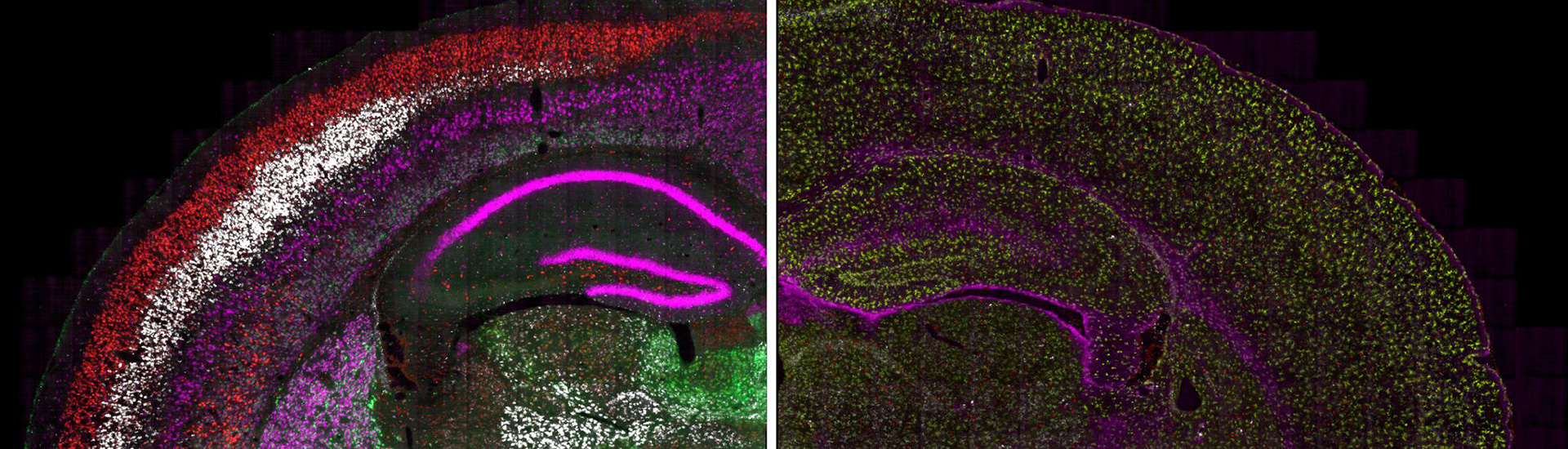
Omer Bayraktar is a Group Leader at the Wellcome Sanger Institute , leading research in the Cellular Genomics Programme. His work focuses on decoding human brain cellular diversity using spatial transcriptomics , imaging , and functional screening to study neural complexity in health and disease. Bayraktar's educational background includes a PhD from HHMI under Chris Doe, investigating neural diversity development in Drosophila , followed by postdoctoral work at University of California, San Francisco and University of Cambridge as a Life Sciences Research Foundation Fellow. He developed a spatial transcriptomic pipeline during his postdoc to analyze astrocyte heterogeneity in the cerebral cortex. His research explores neural cell type mapping , glial-neuronal interactions , and cellular pathways in neurodevelopmental disorders . Recent publications emphasize 3D tissue mapping , multi-omic integration , and computational tools like Cell2fate and WebAtlas. His work bridges neurogenetics and computational biology to advance understanding of human tissue ecosystems. Bayraktar's lab collaborates with the Human Cell Atlas initiative and develops technologies such as automated histology pipelines and highly-multiplexed smFISH for molecular cell typing. His team also investigates glia-based therapies and astrocyte functional heterogeneity in neurodevelopmental contexts. Key scientific contributions include: Discovering astrocyte layer patterns independent of neuronal laminae Developing cell2location for spatial cell mapping Characterizing Drosophila neural stem cell models with human relevance Notable awards include the Life Sciences Research Foundation Fellowship during his postdoctoral training. His current group includes a PhD student , Senior Data Scientists , and Bioinformaticians .
Laura Solt, Ph.D. is an Associate Professor in the Department of Immunology and Microbiology at the Herbert Wertheim UF Scripps Institute for Biomedical Innovation & Technology in Jupiter, Florida. She also serves as Associate Dean of the Skaggs Graduate School of Chemical and Biological Sciences. Dr. Solt began her independent research career at Scripps Florida in 2013 and has established herself as a leading researcher in nuclear receptor biology within the immune system. Her research focuses on understanding the biologically relevant roles of nuclear receptors, particularly RORα and REV-ERBs, in the immune system with emphasis on TH17 cell development and autoimmune disease. Her lab employs a multidisciplinary approach combining molecular biology, genetic techniques, and chemical biology coupled with mouse models of autoimmunity and chronic inflammation. Dr. Solt's laboratory has made significant contributions to understanding how nuclear receptors regulate immune cell function, particularly in TH17-mediated inflammation. Her work has demonstrated roles for RORα and REV-ERBs in TH17 cell development and has developed synthetic ligands to these receptors for potential therapeutic applications in autoimmune diseases. Her extensive publication record shows a clear trajectory of research focused on nuclear receptor signaling in immunity, with recent work expanding into applications for cancer immunotherapy, neuroimmunology, and metabolic aspects of immune cell function. Her articles demonstrate expertise in both basic nuclear receptor mechanisms and translational applications. Ruth L. Kirschstein National Research Service Awards (2010-2013) Dr. Solt actively mentors graduate students including Adrianna Wilson (recipient of NIDDK F31 and Scheller Graduate Student Fellowship) and Sarah Mosure (recipient of NIH NRSA F31 award and Wendy Havran award). Her laboratory receives substantial funding from multiple NIH institutes (NIDDK, NCI, NIAID, NIGMS) as well as the Crohn's & Colitis Foundation. Current research directions include investigating the roles of NR2F6 in TH17 cells, exploring RORα function in CD8 T cells, and developing novel nuclear receptor modulators for therapeutic applications.
Konstantinos Kalogeropoulos is an Assistant Professor at the Department of Biotechnology and Biomedicine, Technical University of Denmark (DTU), leading research at the Cell Diversity Lab. His work bridges proteomics, computational biology, and snake venom research. Current projects: "The Proteomic Landscape during Influenza Infection" (2022-2025) Supervisor for PhD projects on protease network rewiring in psoriasis and wound exudate degradomics Research interests include: Proteomic analysis of inflammatory diseases Snake venom toxin structure prediction Extracellular matrix biomechanics De novo peptide sequencing algorithms Computational modeling of protease networks Recent article trends demonstrate his work in • Database-free proteomics (InstaNovo/InstaNexus) • Snake venom pathophysiology (V-ToCs clustering) • Inflammatory disease biomarkers (psoriasis, impaired healing) • Extracellular matrix mechanics (fibronectin tension, gut inflammation) Advising: Supervises PhD students Polhaus, C. J. M. and Haack, A. M., focusing on protease networks and wound healing.
Prof. Dr.-Ing. Lars Linsen is a full Professor of Computer Science at the Westfälische Wilhelms-Universität (WWU) Münster, leading the VISualization & graphIX (VISIX) group. His primary affiliation is the Institute of Computer Science within the Faculty of Mathematics and Computer Science. He holds adjunct professorships at Jacobs University, Bremen, and has held previous academic roles including Full Professor at Jacobs University (2012–2017) and Associate/Assistant Professor roles in Germany and the U.S. His research focuses on interactive visual analysis, medical visualization, and scientific visualization, with applications in life sciences and engineering. Education: PhD (Dr.-Ing.) in Computer Science from Universität Karlsruhe (2001), M.Sc. (Diplom) in Computer Science (1997), B.Sc. (Vordiplom) in Computer Science (1994). Awards: IEEE Visualization Design Contest Winner (2008, 2022, 2018), Preis des Fördervereins des Forschungszentrum Informatik (2002). Research Highlights: Develops visualization tools for medical imaging (e.g., mass spectrometry imaging, MRI data analysis) and physical simulations (e.g., wildfire spread analysis, asteroid impact modeling). Active in EU-funded projects like Pig-Pro-QuO (surface coatings) and cells-in-motion initiatives. Supervised over 20 PhD/MS advisees, including notable graduates in medical visualization and simulation ensemble analysis. Publications: Over 100 peer-reviewed articles in top venues like IEEE Transactions on Visualization and Computer Graphics, Computers & Graphics, and EuroVis. Key works include SciVis contest-winning wildfire analysis frameworks and medical visualization tools for stenosis detection. Teaching: Offers courses on visualization, computer graphics, and computational science. Actively involved in thesis supervision and curriculum development at both WWU Münster and Jacobs University. Grants & Collaborations: Principal investigator on DFG-funded projects (e.g., hemodynamics simulations, ensemble visualization) and industry collaborations (e.g., Tascon GmbH for coating quality analysis). Member of the Cells-in-Motion Interfaculty Centre and CDH board at WWU.
Scott England is a Professor in the Department of Aerospace and Ocean Engineering at the College of Engineering, Virginia Polytechnic Institute and State University. He serves as the Project Scientist for NASA’s Ionospheric Connection Explorer (ICON), Co-Investigator for Global-scale Observations of the Limb and Disk (GOLD), and Participating Scientist for Mars Atmosphere and Volatile Evolution (MAVEN). Education PhD, University of Leicester (UK), 2005 MPhys First Class Honors, University of Leicester (UK), 2001 England’s research focuses on planetary atmosphere-space environment interactions, particularly gravity waves, atmospheric tides, and ionosphere-thermosphere coupling on Earth and Mars. His work integrates NASA mission data (ICON, GOLD, MAVEN) with numerical modeling to study thermal dynamics, wind systems, and solar flare impacts. Recent publications highlight his expertise in thermospheric gravity wave science, planetary wave-induced ionospheric variability, and Mars atmosphere studies using EMUS and IUVS instruments. Articles span topics like Seasonal variability of DE3/DE2 tides , Transient Martian hot oxygen corona , and Shock-induced plasma dynamics . Scientific Honors 2020 Dean's Award for Teaching Excellence 2016 RHG Exceptional Achievement for Mars Science As a professional leader, England served as Thermospheric Lead for the 2019 Planetary Mission Concept Studies Program and on the National Academy of Sciences Decadal Survey panel. He manages Virginia Tech’s participation in the Virginia Space Grant Consortium and has contributed to high-performance computing committees.
Joshua J. Coon is a Professor at the University of Wisconsin-Madison with appointments in the Department of Biomolecular Chemistry and the Department of Chemistry. He leads the Coon Group, focusing on advancing mass spectrometry technologies for proteomics, metabolomics, and lipidomics. His research addresses fundamental questions in cell biology, including stem cell differentiation, epigenetic regulation, and cancer biomarker discovery. Affiliations : Director of the NIGMS National Center for Quantitative Biology of Complex Systems. Research Emphasis : Instrumentation development, data analysis software, ion chemistry, and biological applications of proteomics. Laboratory : Located in the Genome Center of Wisconsin with a dozen hybrid mass spectrometers, including Orbitrap systems. Collaborations : Long-term partnership with Thermo Fisher Scientific and the Wisconsin Alumni Research Foundation (WARF) for technology commercialization. Training : Mentored 27 Ph.D. students since 2009, emphasizing interdisciplinary research and professional development.
Dr. Shawn Gomez is a Professor in the Lampe Joint Department of Biomedical Engineering at UNC-Chapel Hill and North Carolina State University and in the Department of Pharmacology at UNC-Chapel Hill. He serves as the Executive Director of FastTraCS, a component of the NC TraCS Institute funded through the NIH CTSA Program, and is a UNC Lineberger Comprehensive Cancer Center member. His educational background includes a PhD in Biomedical Engineering from Columbia University (1999), an MS in Aerospace Engineering Sciences from the University of Colorado, Boulder (1993), and a BS in Aerospace Engineering Sciences from the same institution (1990). He completed postdoctoral training in Bioinformatics and Computational Biology at the Judith P. Sulzberger Columbia Genome Center and Institut Pasteur in Paris. Dr. Gomez's research spans systems biology , network pharmacology , and translational AI , with a focus on understanding cell signaling architecture in human disease. His lab develops computational approaches for network pharmacology and targeted cancer therapies, along with machine learning methodologies to address clinical needs and enhance clinical decision making. The research integrates computational modeling with experimental approaches to improve diagnostic and therapeutic interventions. His recent publications reveal a strong focus on kinome research, particularly in pancreatic cancer and understudied kinases, with increasing integration of machine learning techniques for predicting clinical outcomes and kinase-substrate relationships. The work spans from fundamental systems biology to translational applications in cancer therapeutics and surgical outcomes prediction. Scientific Awards: Leadership Advanced Program, UNC-Chapel Hill 2017 Chancellor's Entrepreneurship Boot Camp 2015 ACCLAIM Scholar (Academic Career Leadership Academy in Medicine) 2013-2014 UNC Research Council Award 2011 Carl Storm URM Fellowship 2008 UNC Junior Faculty Development Award 2006 Florence Gould Scholar 2005 Pasteur Foundation Fellow 2002-2005 Dr. Gomez directs the Gomez Lab, which focuses on systems biology, network pharmacology, and translational AI. The lab maintains several key resources including Darkkinome.org, FAAS, and IAS servers for kinome research. His work bridges computational biology with clinical applications, particularly in cancer therapeutics and surgical outcomes prediction through machine learning approaches.
Dag Hanstorp is a Professor at the Department of Physics, University of Gothenburg. His office is located at Fysikgränd 3, Göteborg (Room F8032), and he can be contacted via email or telephone. His research focuses on experimental atomic/molecular physics and laser applications, including: Quantum phenomena in levitated droplets Ultraprecise spectroscopy of radioactive molecules (e.g., radium monofluoride) Laser-induced dynamics in fuels and aerosols Electron affinity measurements of alkali metals Vacuum laser particle acceleration techniques Spin Hall nano-oscillator characterization Recent publications (2023-2025) demonstrate interdisciplinary work combining atomic physics, fluid dynamics, quantum optics, and nanotechnology. Common themes include advanced laser spectroscopy, quantum system control, and novel imaging techniques applied to fundamental physical processes.
Dr. Tim Conrad is a researcher at the Zuse Institute Berlin in the Visual and data-centric computing department under the Mathematics of Complex Systems division. He leads projects at the intersection of computational biology, AI, and medical data analysis. Projects: Geometric Learning for Single-Cell RNA Velocity Modeling, MODAL MedLab, Sparse Compressed Sensing in -Omics Data, BIFOLD (Big Data and Machine Learning) Research Networks: Affiliated with MATH+ and MODAL Research Campus His research focuses on applying machine learning , network optimization , and sparse data analysis to biological and medical challenges including disease modeling, microbiome dynamics, and ECG classification. Recent work explores hybrid PDE-ODE epidemic models and federated learning in healthcare. 2023-2025 publications highlight trends in AI for biological networks , temporal community detection , and medical signal processing . He co-authored studies on SARS-CoV-2 simulations, proteomics feature selection, and multi-label ECG analysis. His 2004 doctoral thesis at Monash University laid foundations for later work in metabolic pathway analysis. Awarded as a Zuse Fellow , he contributes to open science initiatives like FAIR data sharing . Collaborations span institutions including Freie Universität Berlin and Charité in medical informatics and clinical applications.
Aaron Puri is an Assistant Professor of Chemistry at the University of Utah, specializing in chemical ecology and natural product discovery. His research focuses on bacterial interactions in methane-oxidizing communities and the biosynthesis of secondary metabolites. Education: B.S. from University of Chicago, Ph.D. from Stanford University School of Medicine Dr. Puri's work bridges microbiology and chemistry, with projects targeting: Chemical Ecology: Decoding interspecies signaling in methane-oxidizing bacteria Natural Products: Discovering therapeutics from underexplored bacterial genomes Biosynthesis: Activating cryptic gene clusters for novel compound production Recent publications highlight advancements in quorum sensing mechanisms (2025), inverse stable isotopic labeling techniques (2024), and methanotroph community dynamics. His research also explores spatially resolved model ecosystems for studying microbial phenotypes (2023-2024). Key methods include GNPS Dashboard for mass spectrometry analysis (2021-2022). Dr. Puri leads the CAREER-funded project on quorum sensing in methanotrophs (2024) and has developed genetic tools for industrial methanotrophs (2015). His lab maintains a strong focus on environmental microbiology and biotechnological applications.
Tao Huan is an Associate Professor in the Department of Chemistry , University of British Columbia , and holds the Canada Research Chair in Metabolomics and Exposomics . His research focuses on advancing mass spectrometry (MS) for metabolomics , integrating bioinformatics to address challenges in cancer metabolism , disease biomarker discovery , and exposome characterization . Education: Ph.D. in Analytical Chemistry (University of Alberta, 2015), Postdoctoral Research Associate (The Scripps Research Institute, 2015-2018). Dr. Huan’s work emphasizes systems biology , combining metabolomics with genomics and proteomics to decode complex biological mechanisms. He has pioneered methods for chemical isotope labeling and multimodal data integration , enhancing metabolite identification and pathway analysis. His recent publications (2020-2019) highlight innovations in LC-MS/MS workflows , freeze-thaw sample stability , and applications in colorectal cancer and Alzheimer’s disease . Dr. Huan’s lab actively recruits students and postdocs in analytical chemistry, metabolomics, and bioinformatics. Awards: Fred Beamish Award (2025), President’s Award, Metabolomics Society (2025), UBC Killam Faculty Research Award (2024), Michael Smith Health Research BC Scholar Award (2023). He serves as a faculty member in UBC’s Graduate Program in Bioinformatics , Genome Science and Technology , and the Cluster for Microplastics, Health and Environment . Lab alumni include Ph.D. and M.Sc. students now in academia and industry.
Benedikt Warth is a Full Professor for Food Chemistry and Exposome Research at the Department of Food Chemistry and Toxicology, Faculty of Chemistry, University of Vienna (since 2022). He coordinates the Austrian node of the ESFRI research infrastructure EIRENE and leads the 'Global Exposomics and Biomonitoring Laboratory' since 2017. His work bridges chemistry and toxicology, focusing on exposomics and metabolomics to assess chemical exposure and its health impacts. Education: PhD in Analytical Chemistry (2012), Master’s in Biotechnology (2009), Bachelor’s in Food Science and Biotechnology (2007) Research interests center on exposomics , metabolomics , and analytical chemistry , particularly for environmental and food-related toxicants. Recent articles highlight advancements in mass spectrometry for exposome-scale analysis, combining targeted and non-targeted approaches, and exploring chemical interactions (e.g., xenoestrogens, mycotoxins, flame retardants) in biological systems. Key trends in his publications include: Development of hybrid LC-MS methods (targeted/untargeted) for sensitive exposomics Integration of AI and cognitive computing for pathway analysis Global biomonitoring of mycotoxins and xenobiotics in vulnerable populations Standardization frameworks for non-targeted analysis (SRT) Notable awards include the 2025 Chemical Research in Toxicology Young Investigator Award , Brigitte Gedek-Science Award , and multiple grants (ERC Consolidator, Erwin-Schrödinger Fellowship). He has delivered over 20 invited talks on exposomics, including sessions at ACS Fall Meetings and international conferences. His laboratory's projects span: Breast cancer exposomics (linking environmental exposures to disease onset) High-throughput sample preparation for exposome-wide studies Systems toxicology of chemical mixtures (e.g., flame retardants, mycotoxins) Development of global metabolomic assays for toxicity prediction
Olga Vitek is a Professor at Northeastern University's Khoury College of Computer Sciences, with affiliated faculty status in the Department of Chemistry and Chemical Biology. Her research bridges statistical science and machine learning with mass spectrometry-based proteomics and systems biology, focusing on developing open-source software tools like MSstats and Cardinal for quantitative proteomic analyses and imaging. Education: PhD in Statistics (Purdue University), Postdoc at the Ruedi Aebersold Lab (Institute for Systems Biology) Leadership: Director of the Barnett Institute for Chemical and Biological Analysis Her work emphasizes: Statistical experimental design Signal detection in complex mass spectrometry data Causal inference in biomolecular networks Reproducible computational infrastructure Recent publications highlight advancements in quantitative proteomics , mass spectrometry imaging , and causal modeling , with applications spanning cancer research, immunology, and clinical diagnostics. Notable trends include deep learning integration for image analysis and open-source tool development for scalable, transparent workflows. Scientific accolades: Elected Fellow of the American Statistical Association 2021 Gilbert S. Omenn Computational Proteomics Award NSF CAREER award Chan-Zuckerberg Essential Open-source Software award Senior Member, International Society for Computational Biology