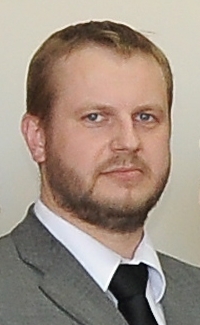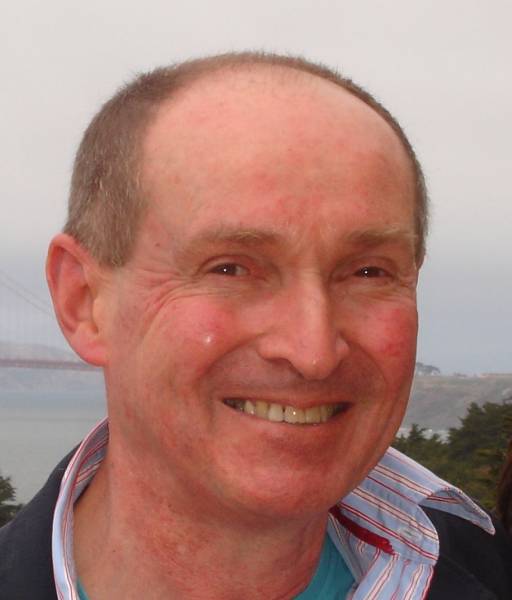
John Golding is a distinguished academic in psychology and neuroscience, currently affiliated with the Centre for Psychological Sciences and the Cognitive Clinical Neuroscience group at the University of Westminster. He holds prestigious honorary and visiting professorships at King's College London and Imperial College London, reflecting his significant contributions to the field. His research primarily focuses on motion sickness, spatial disorientation, vestibular function, and health psychology, with a strong emphasis on human factors and clinical applications. His research interests span motion sickness mechanisms and susceptibility , vestibular and autonomic responses , spatial cognition under disorientation , and neurofibromatosis-related quality of life . He has pioneered tools such as the Motion Sickness Susceptibility Questionnaire Short Form (MSSQ-Short) and its visually induced variant (VIMSSQ), which are widely used in research and clinical settings. His recent publications (2021–2025) reveal a consistent focus on motion sickness across domains—clinical, maritime, aerospace, and digital environments. Articles and book chapters highlight advancements in diagnosis, management, and understanding of visually induced motion sickness, vestibular disorders, and their intersections with migraine and trauma. Trends show a growing emphasis on questionnaire-based assessment tools, cross-modal sensory interactions, and clinical translation of findings. John Golding has secured competitive funding from major bodies including the NIHR, EPSRC, and British Academy for projects on group dance therapy, sedentary behaviour, and motion sickness. He actively supervises doctoral students and collaborates with leading clinicians and neuroscientists. His work is highly collaborative, often involving teams from King's College Hospital, Imperial College, and international institutions. He is a key contributor to clinical guidelines and consensus documents, including the Bárány Society’s diagnostic criteria for motion sickness. His leadership in funded research, supervision, and publication confirms his active and influential role in the academic and clinical neuroscience communities.