Reade Davis is Associate Professor of Anthropology at Nipissing University's Faculty of Arts and Science, specializing in environmental anthropology and political economy. Research examines: Fisheries management and aquaculture conflicts Neoliberal impacts on small-scale fisheries Protected area conservation politics Risk construction and commodity chains Historical memory in Eastern North America Publications critically analyze marine conservation in Newfoundland, industrial aquaculture resistance, and the socioeconomic effects of gambling in rural communities. His work employs ethnographic methods to document how coastal communities navigate environmental policy changes and economic restructuring. Regional expertise covers Newfoundland and Labrador and Eastern Ontario. Education includes: PhD and MA, Memorial University BA(Hons) and BA, Queen's University
Chris Darimont is a Professor and Raincoast Research Chair in Applied Conservation Science within the Department of Geography at the University of Victoria's Faculty of Social Sciences. His work bridges natural and social sciences to address urgent conservation challenges, with a geographic focus on British Columbia's Central Coast (Great Bear Rainforest) but designed for global relevance. His research spans three primary domains: landscape ecology at the marine-terrestrial interface, conservation biology of harvest management, and conservation ethics. Darimont maintains deep collaborations with First Nations communities and conservation organizations like the Raincoast Conservation Foundation (where he previously served as Science Director) and Hakai Institute. His work frequently integrates Indigenous Knowledge with scientific methods, exemplified by projects like the Nuxalk Sputc (Eulachon) initiative and Heiltsuk bear monitoring. Darimont's publication record shows consistent focus on human-wildlife interactions, particularly bear-salmon ecosystems, trophy hunting ethics, and Indigenous-led conservation. His highly cited 2009 PNAS paper "Human predators outpace other agents of trait change in the wild" and 2015 Science paper "The unique ecology of human predators" established foundational frameworks in conservation science. Recent work increasingly emphasizes decolonial approaches and Two-Eyed Seeing methodologies. As an educator, he teaches GEOG 391 (Contemporary Topics in Coastal Conservation) and GEOG 353 (Coastal and Marine Resources), prioritizing student mentorship as his "favourite form of outreach." His research is regularly featured in high-profile media including National Geographic and The New York Times, reflecting his commitment to science communication and public engagement.
Zaheer Baber is a Professor at the University of Toronto Mississauga in the Department of Sociology . His research bridges social theory , science and technology studies , and comparative/historical sociology , with a focus on race and racial projects , visual sociology , and environmental sociology . He is affiliated with the Institute of Communication, Culture and Information Technology , Munk School of Global Affairs and Public Policy , and Centre for South Asian Civilizations . University of Toronto Mississauga : 2023–present National University of Singapore : 1994–2001 University of Tokyo : 1996 (Japan Society for the Promotion of Science Fellow) University of Saskatchewan : 2001–05 (Canada Research Chair) University of Victoria : 1993 His work critically examines the intersections of science , colonialism , and environmental crisis , exemplified by his SSHRC-funded project on botanical gardens and colonial botany . Recent publications analyze climate politics , racialization in Japan , and neoliberal urbanism , often through interdisciplinary and transnational lenses. He contributes to public sociology via essays in Nature , Times Literary Supplement , and Economic and Political Weekly , blending visual media with critical theory . His methodological approach spans historical analysis , ethnography , and photo-essays . Scientific Awards Canada Research Chair (2001–05) Japan Society for the Promotion of Science Fellow (1997) As an active supervisor, Baber mentors graduate students in critical sociology , science studies , and transnational social theory . His research emphasizes decolonizing knowledge and environmental justice across South Asian and global contexts.
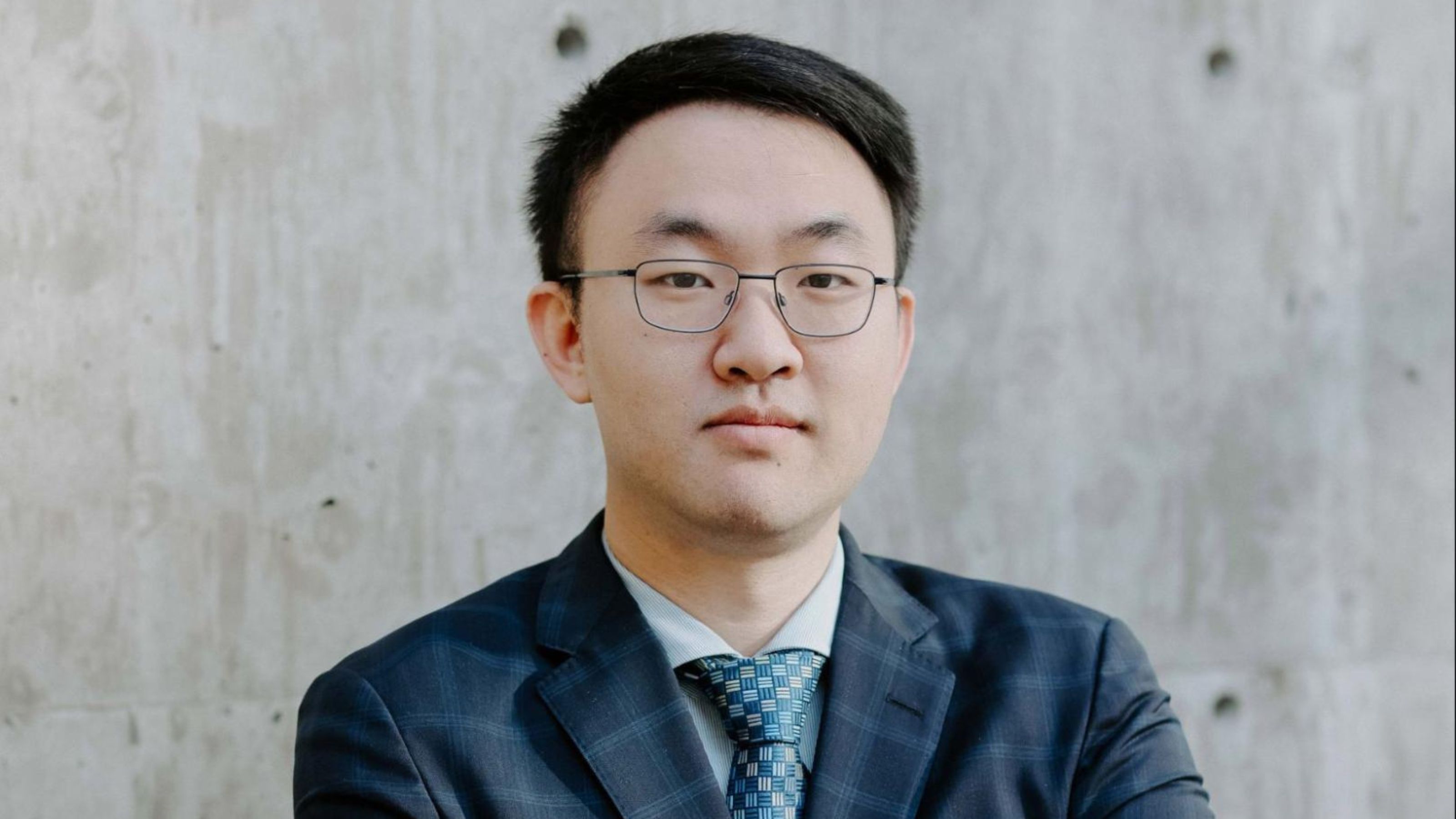
Tao Huan is an Associate Professor in the Department of Chemistry , University of British Columbia , and holds the Canada Research Chair in Metabolomics and Exposomics . His research focuses on advancing mass spectrometry (MS) for metabolomics , integrating bioinformatics to address challenges in cancer metabolism , disease biomarker discovery , and exposome characterization . Education: Ph.D. in Analytical Chemistry (University of Alberta, 2015), Postdoctoral Research Associate (The Scripps Research Institute, 2015-2018). Dr. Huan’s work emphasizes systems biology , combining metabolomics with genomics and proteomics to decode complex biological mechanisms. He has pioneered methods for chemical isotope labeling and multimodal data integration , enhancing metabolite identification and pathway analysis. His recent publications (2020-2019) highlight innovations in LC-MS/MS workflows , freeze-thaw sample stability , and applications in colorectal cancer and Alzheimer’s disease . Dr. Huan’s lab actively recruits students and postdocs in analytical chemistry, metabolomics, and bioinformatics. Awards: Fred Beamish Award (2025), President’s Award, Metabolomics Society (2025), UBC Killam Faculty Research Award (2024), Michael Smith Health Research BC Scholar Award (2023). He serves as a faculty member in UBC’s Graduate Program in Bioinformatics , Genome Science and Technology , and the Cluster for Microplastics, Health and Environment . Lab alumni include Ph.D. and M.Sc. students now in academia and industry.
Raymond Andersen is a Professor in the Faculty of Science at the University of British Columbia, affiliated with the Department of Earth, Ocean & Atmospheric Sciences and the Department of Chemistry . His research focuses on the isolation and structural elucidation of bioactive natural products from marine and terrestrial organisms, with applications in drug discovery and chemical ecology. He has contributed to breakthroughs in anticancer agents, antiviral compounds, and inhibitors of Mycobacterium tuberculosis. Education: B.Sc. (University of Alberta, 1969), M.Sc. (Berkeley University, 1970), Ph.D. (University of California San Diego, 1975), followed by postdoctoral training at MIT (1975-76). Awards include the Killam Research Prize (1987), Rutherford Medal in Chemistry (1988), and Fellow of the Chemical Institute of Canada. Research interests span marine invertebrate-derived metabolites, phytoplankton toxins, and plant defensive compounds. His lab investigates antitumor agents, HIV latency reversal, and novel pharmacophores for cancer and infectious diseases. Recent work includes antiviral agents targeting SARS-CoV-2 and inhibitors of androgen receptor signaling in prostate cancer. Co-developed clionamine B, an autophagy-stimulating compound effective against latent tuberculosis. Identified sintokamides as androgen receptor antagonists for prostate cancer therapy. Advanced genome-mining techniques for discovering nonribosomal peptides. Overseen numerous graduate students, including notable theses on natural product synthesis, SAR studies, and bioactivity screening. Active in collaborative drug discovery projects, with patents on androgen receptor modulators, SHIP1 activators, and antiviral agents. Labs/Teams: Leads the Andersen Research Group at UBC, focusing on marine natural products and chemical genetics. Collaborates with the Pacific Museum of Earth and Bamfield Marine Sciences Centre for field studies.
Dr. Sunil V. Pansare is a Professor in the Department of Chemistry at Memorial University, Canada. His research focuses on asymmetric organic synthesis using organocatalysis and metal-based catalysis, particularly for natural product synthesis and medicinal chemistry applications. Develops enantioselective synthetic routes for chiral biologically active molecules Specializes in organocatalytic conjugate addition, vinylogous aldol reactions, and C-H bond functionalization Applies methodologies to synthesize alkaloids, marine natural products, and functionalized heterocycles His group's recent work emphasizes organocatalyst design for carbon-carbon bond formation and multicomponent reactions for combinatorial chemistry. Key projects target asymmetric synthesis of pyrrolidines, quinolizidines, and hydroxy amino acid motifs. Scientific distinctions include: JACS Hot Paper (2007) for work on diamine catalysts Top 20 most cited minireview in Chemistry—A European Journal (2011) The Pansare Group has trained numerous researchers including Moorthy N.V.G., Rajender Dyapa, Rakesh Thorat, and Kaivalya Kulkarni. The group actively seeks new PhD candidates interested in organic synthesis and asymmetric catalysis.
Lisa Gieg is a Professor in the Department of Biological Sciences at the University of Calgary, where she leads research in environmental microbiology. She holds a B.S. in Microbiology from the University of Alberta (1991) and Ph.D. in Microbiology from the same institution (1996). Her laboratory investigates microbial processes in energy environments, focusing on anaerobic hydrocarbon biodegradation pathways and applications in bioremediation and energy recovery. Dr. Gieg's research examines how anaerobic microorganisms metabolize hydrocarbons and related compounds in contaminated environments and natural reservoirs. Her work elucidates novel biodegradation pathways under sulfate-reducing and methanogenic conditions through cultivation, analytical chemistry, and molecular biology approaches. Current applications include anaerobic bioremediation, enhanced methane recovery from marginal oilfields, biocorrosion mitigation, paraffin treatment, heavy oil recovery, oil sands tailings reclamation, and souring control. Her recent publications demonstrate advances in understanding microbiologically influenced corrosion mechanisms, naphthenic acid biodegradation, piezophile microbiology, and enzyme biotechnology for oilfield applications. This research bridges fundamental microbial ecology with practical solutions for energy industry challenges. Gieg teaches Microbial Physiology (CMMB 443) and Petroleum Microbiology (CMMB 545), training students in environmental microbiology concepts and techniques.
Anubhav Pratap-Singh is an Associate Professor in the Food, Nutrition and Health department within the Faculty of Land and Food Systems at the University of British Columbia, where he holds the Food and Beverage Innovation Professorship. He leads the UBC Food Process Engineering Laboratory and his research spans environmental and natural resources economics, food chemistry (including fermentation), and natural resource management. His primary research interests focus on agri-food transformation, cold plasma food engineering, food processing, functional foods, heat transfer, high pressure mass transfer, novel non-thermal processing, nutraceuticals, pasteurization, and pulsed light sterilization. Dr. Pratap-Singh's work addresses fundamental questions about the impact of food processing on food quality, how technology can maximize desirable effects while minimizing deleterious ones to feed the growing global population, and how to ensure food safety and nutrition for all socioeconomic groups. His research program is organized around three main pillars: developing novel processing technologies for food preservation, developing technologies for food fortification, and modeling the human GI tract to understand the interaction between food processing and human health. He has made significant contributions to sonic mixing technology for thermal processing and pulsed UV light processing for food surface decontamination, with particular expertise in processing of liquid particulate matter. Dr. Pratap-Singh has received numerous prestigious awards throughout his career, including the Banting Fellowship (2016) and Green College Leading Scholar award (2017). His work has been recognized with the Young Entrepreneur Award (2009), IFTPS Graduate Scholar designation (2014), and Gold Medal from the Institute for Thermal Processing Specialists (2014), among other fellowships and honors. He is affiliated with the BioProducts Institute and Materials and Manufacturing Research Institute at UBC, and supervises graduate students in Food Science (MSc and PhD programs). His laboratory focuses on interdisciplinary research that addresses critical challenges in food science, with implications for feeding the projected 10 billion people by 2050 while countering negative public perceptions around processed foods.
Professor Katja Grötzner Neves of Concordia University is a leading scholar in socio-environmental governance and decolonization studies. Her work bridges political ecology, transdisciplinary research, and biodiversity conservation frameworks through institutional analysis of botanic gardens and marine environments. Full Professor, Sociology and Anthropology SSHRC-funded research on postnormal conservation Decolonial pedagogy innovator Co-PI for FRQNT/FRQSC network initiatives Key research areas include: Botanic gardens as conservation governance actors Neoliberalism's impact on environmental practices Transdisciplinary approaches to socio-ecological challenges Historical analysis of technological and environmental intersections Publication trends show: 2013-2024 focus on biodiversity governance 2004-2015 marine conservation studies 2011-2014 institutional transformation analysis 2007-2011 environmental knowledge production Scientific recognition includes: Outstanding Service Award (2013, Canadian Sociological Association) SSHRC/FRQ competitive grants exceeding $3.5M Notable media engagements: The Guardian feature by Naomi Klein (2010), expert testimony on Azorean heritage (2011), and international documentary participation (2011).
Qipei Mei is an Assistant Professor in the Department of Civil and Environmental Engineering at the University of Alberta's Faculty of Engineering. With an MSc in Computer Science and a PhD in Structural Engineering, he bridges civil engineering with artificial intelligence to enhance infrastructure productivity and sustainability. His research spans AI-driven design automation, robotics for construction safety, and IoT-based condition assessment. PhD, Structural Engineering - University of Alberta (2020) MSc, Computer Science - Georgia Institute of Technology (2018) MSc, Structural Engineering - University of Alberta (2014) B.E., Civil Engineering - Huazhong University of Science and Technology (2011) Mei's work focuses on three key areas: leveraging data-driven methods for design automation, applying sensing/robotics to construction operations, and using digital twins for infrastructure assessment. His team explores generative AI for housing design, robotic construction in remote communities, and smart monitoring systems. Recent publications highlight advancements in: lateral capacity prediction for monopile foundations, transformer-based architectural layout analysis, large language models for building code compliance, vision-language models for safety hazard detection, and sensor networks for bridge monitoring. These works demonstrate interdisciplinary integration of AI, structural engineering, and IoT. Mei actively collaborates with diverse researchers and welcomes graduate students to his Smart Infrastructure Technologies (SITE) Research Group, part of the Infrastructure and Human Tech Lab (IHT-Lab). He teaches advanced topics in structural and civil engineering while pursuing industry-funded projects through NSERC, CFI, and Alberta Innovates.
Traci Warkentin is an Associate Professor in the Faculty of Environmental and Urban Change at York University, specializing in interdisciplinary research at the intersection of environmental education, feminist ethics, and human-animal relationships. PhD in Environmental Studies (York University) PBD in Environmental Sciences (Capilano University) MA in Values & the Environment (Lancaster University) BSc (Honours) in Biology & Marine Ecology (University of British Columbia) Her research focuses on experiential learning , place-based pedagogy , and ethical knowledge production . Key projects include integrating creative environmental activism and citizen science into teaching, alongside public engagement through the Urban Animal Advocacy Lab ( www.urban-animals.org ). Warkentin’s recent publications explore themes like interspecies ethics , pedagogical innovation , and critical environmental theory , with a consistent emphasis on feminist epistemology and social justice. Her work bridges academic scholarship with public advocacy, employing creative methods and digital platforms to foster accessible, non-confrontational environmental education.
Sarah Martin is an Associate Professor and Graduate Coordinator in the Department of Political Science at Memorial University of Newfoundland, located within the Faculty of Humanities and Social Sciences. Her research focuses on the global political economy of food and agriculture, environmental politics, and finance's role in shaping these systems. She holds a BA (Hons) and MA (with Distinction) from Carleton University and a PhD from the University of Waterloo. Her work integrates hands-on experiences in foodservice with academic rigor, examining topics such as food sovereignty movements, corporate influence in food governance, and the interplay between finance and agriculture. Recent studies include the dynamics of food, feed, and fuel in environmental politics, and the sustainability of agri-aquacultures. She emphasizes understanding food politics through everyday practices and analyzing the tensions within global political economies. Dr. Martin’s publications span interdisciplinary journals and media outlets, addressing issues like energy infrastructure, commodity storage, and the ethics of animal agriculture. While no scientific awards are listed, her contributions highlight critical perspectives on neoliberalism’s impact on food systems and resistance frameworks in social movements. She actively coordinates graduate programs and participates in collaborative networks like the Science and Technology Studies Food and Agriculture Network (STSFAN).
Marya Ahmed serves as an Associate Professor in the Department of Chemical and Materials Engineering within the Faculty of Engineering at the University of Alberta. Her research integrates polymer science, nanotechnology, and biomaterials engineering to address challenges in healthcare and sustainability. Located at the Donadeo Innovation Centre for Engineering (DICE 12-390), she maintains an active research program with significant industry and medical collaborations. Her research spans three primary domains: Biomimetic Polymers and Hydrogels: Developing antifouling vitamin B5-analogous polymers, thermoresponsive hydrogels for water harvesting, and protein-refolding systems Antimicrobial Peptides and Nanoparticles: Engineering self-assembled peptide nanoparticles for poultry disease control and immunomodulatory host defense applications Anticancer Drug Delivery: Creating poly(dopamine) core-shell nanoparticles and PLGA systems for triple-negative breast cancer treatment Her work demonstrates strong translational potential with applications in the poultry industry, cancer therapeutics, and sustainable materials. Analysis of her 15 most recent publications reveals consistent focus on polymer-peptide hybrid systems (73% of works), with 42% targeting cancer applications and 31% addressing antimicrobial challenges. Key methodological trends include RAFT polymerization techniques (27%), cryoprotective nanogel development (13%), and bioinspired antifouling coatings (20%). Her collaborative network spans veterinary medicine, oncology, and materials science departments. Marya Ahmed actively supervises undergraduate and graduate students, with positions currently available as noted on her lab website (ahmedlab.ca). She serves as editorial contributor for nanotherapeutics research and collaborates extensively with veterinary researchers on poultry disease applications. Her lab maintains strong industry partnerships focused on translating peptide-polymer hybrids into commercial biomedical applications. Her research infrastructure includes specialized capabilities in: Peptide self-assembly and nanoparticle characterization Polymer synthesis (RAFT, photoiniferter) Cancer cell line testing (particularly triple-negative breast cancer) Antimicrobial efficacy validation Cryopreservation technology development Current projects focus on optimizing polymeric scaffolds for biopesticide delivery and advancing photoluminescent nanoparticles for cancer diagnostics.
Derek A. Smith serves as an Associate Professor in the Department of Geography and Environmental Studies, specializing in cultural geography with a focus on human-environment interactions. His academic credentials include: B.A. from McGill University M.A. from Louisiana State University Ph.D. from the University of Kansas Smith's research centers on natural resources management and landscape conservation through participatory mapping methodologies that actively involve local communities. His work critically examines land tenure systems, local environmental knowledge production, and the political dimensions of cartography. Fieldwork spans Indigenous communities across Mexico, Panama, Honduras, and Newfoundland, documenting how traditional knowledge systems inform conservation practices and territorial governance. Analysis of his 15 most recent publications reveals consistent engagement with Indigenous territoriality, participatory GIS applications, and resource governance. Geographically, his research concentrates on Mesoamerican and Canadian coastal regions, employing mixed-method approaches that combine ethnographic fieldwork with spatial analysis. Recurring themes include the documentation of local geographic knowledge systems and their implications for sustainable resource management in communal territories. No scientific awards are documented in the provided materials. Regarding academic mentorship and research funding, the available documentation contains no information about student supervision or grant acquisitions. The materials do not reference any laboratories, research collectives, or collaborative teams associated with his work.
Emily Austen is an Assistant Professor in the Department of Biology at Mount Allison University. Her research focuses on plant ecology and evolutionary biology, with an emphasis on floral traits, pollinator interactions, and phenotypic plasticity. She investigates how environmental changes influence plant reproductive strategies and adaptation, particularly in urban ecosystems and pollinator-dependent systems. Her work integrates field experiments, quantitative genetics, and ecological modeling to understand selection pressures on flowering time, floral coloration, and plant-microbe interactions. Recent projects include studies on white clover adaptation to urban environments and the ecological significance of pollen color variation in Erythronium americanum. Dr. Austen has contributed to foundational reviews in plant sciences education and pioneered methodologies for estimating selection through male fitness in hermaphroditic plants. Her research bridges ecological and evolutionary perspectives, addressing questions about phenotypic variation, adaptation mechanisms, and the interplay between genotype and environment.