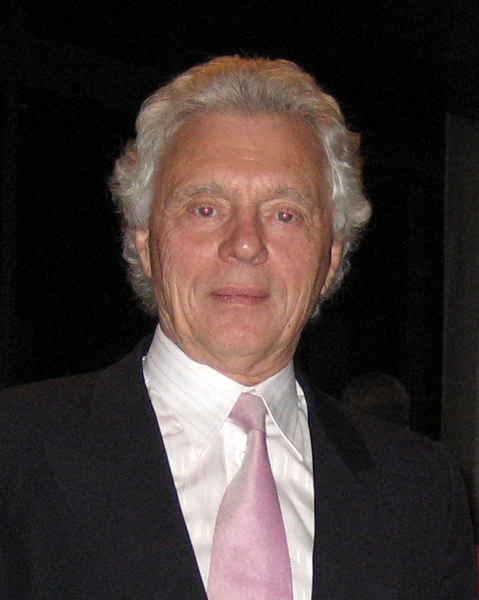
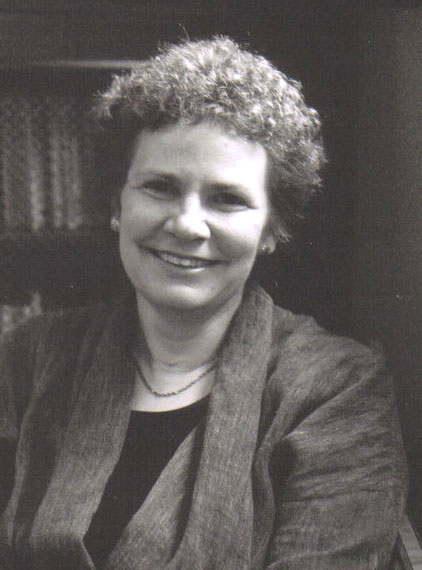
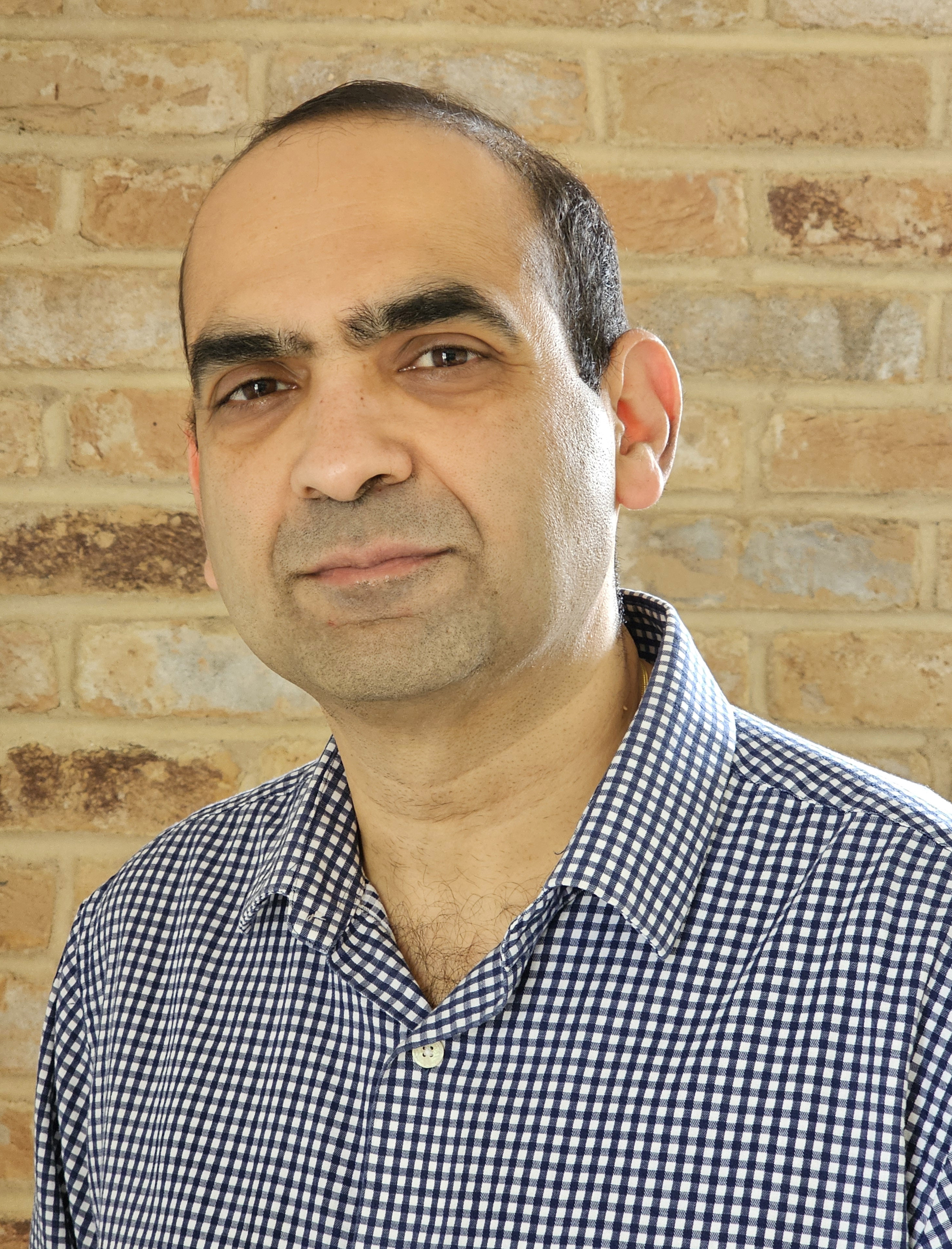
Allen J. Scott is a Distinguished Research Professor at the University of California, Los Angeles, with a joint appointment in the Department of Public Policy (School of Public Affairs) and Department of Geography. He has held prestigious positions at UCLA since 1994 and previously at the University of Toronto (1969–1994). His career spans over five decades, focusing on urban geography, regional development, and cultural economy. Education : BA (1961) from Oxford University; MA and PhD (1962, 1965) from Northwestern University. Research Interests include: Creative cities and cognitive-cultural capitalism Political economy of urbanization and globalization Industrial clusters and labor-intensive economies Human capital distribution in metropolitan areas Cultural landscapes and peripheral development Publication Trends (2005–2014) emphasize: Globalization's impact on low-technology industries Cognitive-cultural capitalism in urban contexts Human capital dynamics in metropolitan hierarchies Celebrity culture and urban glamour Creative field theories and urban policy implications Scientific Awards : 1986 Guggenheim Fellow 2003 Vautrin Lud Prize 2005 Meridian Book Prize 1999–2013: Chaires d’Excellence, Fellowships, and Doctor Honoris Causa 2008 Carol and Bruce Mallen Lifetime Achievement Award 2003 ISI Highly Cited Author
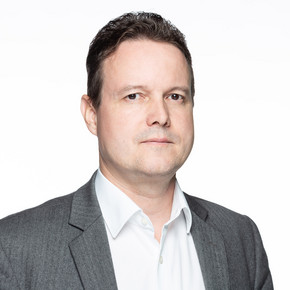
Gerald Reiner serves as Head of the Institute for Production Management at the Vienna University of Economics and Business (WU), within the Department of Information Systems and Operations Management. He holds a Magister Degree, doctorate, and Habilitation in Business Administration from WU. His academic career includes positions as full professor in Production Management and Logistics at the University of Neuchatel (Switzerland, 2007-2014) and Universitaet Klagenfurt (Austria, 2014-2018), where he also served as head of the department of Operations, Energy, and Environmental Management. Dr. Reiner has held visiting professorships at Aston Business School (UK), HEC Lausanne (Switzerland), University of Bergamo, and Università Cattolica del Sacro Cuore in Milan (Italy). His research spans several critical areas including Industry 4.0 implementation, integrated capacity and inventory management, humanitarian logistics operations, circular supply chains, and operations management for base of the pyramid contexts. His work particularly focuses on practical applications addressing food waste reduction, sustainable manufacturing, and blockchain technology in supply chains. His publication portfolio demonstrates a clear evolution toward digital transformation in operations, with recent focus on hydrogen production systems, AI integration in manufacturing, and blockchain applications for food supply chain transparency. The research shows increasing emphasis on sustainability integration within traditional operations management frameworks, particularly addressing European manufacturing challenges and food system inefficiencies. Publication Excellence Award 2021 (2023) Researcher of the month (January 2023) Highly Commended paper in the 2017 Emerald Literati Network Awards for Excellence ISIR Service Award (2014) Emerald Outstanding Paper Award (2013) Dr. Reiner coordinates multiple significant international research projects including EU-project 'Keeping Jobs in EU', EU/Ecsel-project 'Power Semiconductor and Electronics Manufacturing 4.0', 'Integrated Development 4.0', and 'Artificial Intelligence in Manufacturing leading to Sustainability and Industry 5.0'. His current projects focus on FOODIS (cross-border ecosystem for innovation in food supply chains), Circular Design implementation, and blockchain applications for banana supply chains. He actively supervises research teams working on food waste reduction, sustainable packaging systems, and AI applications in operations management.
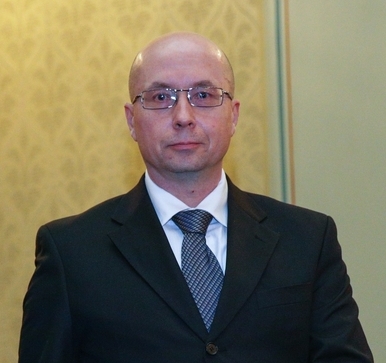
Philipp Eichmeir is a Researcher at the Research Center Wels within the Upper Austria University of Applied Sciences . His work focuses on optimal control , multibody dynamics , and adjoint methods applied to robotics and automotive systems. Expertise in adjoint gradient computation for extremal value optimization Active in automotive/mobility and smart production domains Philipp's research spans computational mathematics , robotics , and mechanical engineering , utilizing advanced numerical methods and simulation modeling for complex dynamic systems. His recent publications focus on multibody dynamics , adjoint optimization , and inequality constraint handling in control systems. Collaborative projects include IOMMS (Innovative Optimization Methods for Multibody Systems) and JR-Centre for Thermal NDE of Composites . Scientific Awards Best Paper Award (2020) Automatisierte Körperschallauswertung (2015)
Julian Jauk is a Researcher at the Institute for Architecture and Media, TU Graz. His work focuses on innovative material systems, digital fabrication, and sustainable architectural design. He explores the integration of clay composites, mycelium-based materials, and knitted structures with advanced manufacturing techniques like 3D printing. Key research themes include lightweight ceramic structures, biocomposite materials, and computational design methodologies. His research emphasizes material-driven innovation, structural optimization, and environmental sustainability. Notable projects include MyCera (clay-mycelium composites) and ClayKnit (3D-printed clay-knitted hybrids). He also investigates mixed reality tools for architectural sketching and kinetic architectural prototypes. Publications from 2021–2024 highlight trends in bio-based materials, additive manufacturing, and material-property analysis. His work bridges traditional craftsmanship with cutting-edge digital fabrication, aiming to redefine sustainable building practices.
Uwe Zdun is a Professor at the Faculty of Computer Science, University of Vienna, where he serves as Vice-Director of Studies for Computer Science and Head of the Research Group Software Architecture. His teaching portfolio includes core courses such as Software Engineering 2, Advanced Software Engineering, and Practical Software Courses for Bachelor's and Master's theses across multiple semesters (2024W-2025S). His research spans software architecture with emphasis on microservices, cloud computing, and DevOps. Key focus areas include architectural design decisions, infrastructure-as-code conformance, security in distributed systems, and the integration of machine learning operations (MLOps/RLOps). He investigates cognitive aspects of architecture practices through controlled experiments and develops model-driven approaches for quality assessment in complex systems. Recent publications (2024-2026) reveal three dominant trends: (1) Security and coupling analysis in infrastructure-as-code deployments, (2) MLOps/RLOps integration for Industry 4.0 cyber-physical systems, and (3) Performance optimization patterns for CI/CD pipelines and autoscaling. His work bridges theoretical architecture models with industrial practice, particularly in microservice ecosystems and reinforcement learning applications. Professor Zdun leads the Research Group Software Architecture at the University of Vienna's Faculty of Computer Science. The group focuses on empirical validation of architectural patterns, tool development for conformance checking, and advancing design decision methodologies in cloud-native and AI-driven systems.
Kostya (Ken) Ostrikov is Professor of Nanotechnology and Molecular Science at the Queensland University of Technology (QUT), Faculty of Science and Engineering, Australia, and concurrently serves as CEO Science Leader and Chief Research Scientist (Plasma- and Nano- Technologies) at CSIRO Manufacturing Flagship. Beyond his primary appointments, he holds visiting or honorary professorships at more than a dozen institutions across six countries, including Peking University, Zhejiang University, the University of Sydney, University of Technology Sydney, University of Wollongong, Huazhong University of Science and Technology, Shanghai Jiao Tong University, Jiangnan University, Kharkiv National University, Nanyang Technological University, and the Jožef Stefan Institute. Education & Fellowships: Distinguished Doctor of Sciences, Kharkiv National University, Ukraine (2009) Alexander von Humboldt Research Fellowship, Germany (1997–1999) Royal Society Postdoctoral Research Fellowship, United Kingdom (1997) Japan Society for the Promotion of Science Invitation Fellowship (2000–2001) Lee Kuan Yew Research Fellowship, Singapore (2002) Australian Research Council (ARC) Queen Elizabeth II Fellowship (2004–2009) ARC Future Fellowship – Level FT3 (2011–2015) Research Interests: Professor Ostrikov is globally recognized as the pioneer of Plasma Nanoscience , a field he established and advanced through seminal reviews in Reviews of Modern Physics (2005) and Advances in Physics (2013). His research targets the fundamental challenge of controlling energy and matter at the nanoscale, translating insights into sustainable technologies. Core themes include: plasma-aided nanofabrication, functional nanomaterials synthesis, plasma catalysis, low-temperature plasmas for energy and environmental applications, plasma medicine and healthcare, and nano-plasmonics. The work bridges physics, chemistry, materials science and biotechnology, aiming at renewable-energy devices, environmental remediation, and next-generation health-care solutions. Grants & Funding: He has secured over AU $15 million in competitive research funding during the last six years alone, including flagship and centre-level grants from the Australian Research Council and CSIRO. Advising & Mentoring: Ostrikov has supervised approximately 65 PhD graduates and more than 92 research students (post-doctoral fellows, master’s and honours students). Alumni hold prestigious fellowships and faculty positions worldwide, attesting to the global impact of his mentoring. Leadership & Community: He is the Convenor of the annual iPlasmaNano international conference series (since 2009) and chairs the Executive Committee of the International Plasma Nanoscience Collaborative Research Network. These roles coordinate a vibrant community of >250 active collaborators, ensuring rapid dissemination of breakthroughs and fostering cross-disciplinary partnerships.
Marco Di Renzo is a CNRS Professor (Directeur de Recherche Titulaire) at University of Paris-Saclay, affiliated with CentraleSupelec and the Signals and Systems Laboratory (L2S). He serves as Coordinator of the Communications Networks Area at the DigiCosme Laboratory of Excellence and Editor-in-Chief of IEEE Communications Letters. His academic leadership includes membership in the Ph.D. School on ICT Admission Committee at Paris-Saclay University. His educational background includes a Laurea (cum laude) and Ph.D. in Electrical Engineering from University of L'Aquila, Italy (2003, 2007), and a Habilitation à Diriger des Recherches from University Paris-Sud (2013). Laurea (cum laude), Electrical Engineering, University of L'Aquila (2003) Ph.D., Electrical Engineering, University of L'Aquila (2007) Habilitation à Diriger des Recherches, University Paris-Sud (2013) Di Renzo's research focuses on next-generation wireless communications, particularly reconfigurable intelligent surfaces (RIS), 6G technologies, and stochastic geometry modeling. His work bridges theoretical communication theory with practical implementations in cellular networks, millimeter-wave communications, and ultra-wide band systems. Recent publications demonstrate leadership in holographic metasurfaces, integrated sensing and communication (ISAC), and AI-empowered network design, establishing him as a pioneer in electromagnetic wave manipulation for future networks. His award-winning publications span RIS-aided communications, channel modeling, and security frameworks. Analysis of his recent work reveals consistent focus on three pillars: (1) fundamental electromagnetic theory for wave manipulation, (2) practical RIS implementations across frequency bands, and (3) integration with AI for network optimization. His articles frequently address industrial applications including factory automation and space-air-ground networks. Di Renzo's scientific recognition includes: IEEE Fellow (2020) and IET Fellow (2020) Highly Cited Researcher (Web of Science, 2019) SEE-IEEE Alain Glavieux Award (2017) Multiple Best Paper Awards (IEEE ICC, EURASIP) Nokia Foundation Visiting Professorship (2020) As Principal Investigator for CNRS, he coordinates multiple Horizon 2020 projects including SURFER, PathFinder, and MetaWireless. His leadership extends to serving as Project Coordinator for H2020 5Gwireless, 5Gaura, MAPNET, and REDESIGN. With over 350 publications, 17,000+ citations, and h-index of 66+, his research group maintains strong industry partnerships with Nokia and other telecommunications leaders. Di Renzo directs the Signals and Systems Laboratory (L2S) at Paris-Saclay and coordinates the DigiCosme Excellence Lab's Communications Networks Area. His team specializes in electromagnetic modeling for wireless networks and has pioneered the European Telecommunications Standards Institute (ETSI) Industry Specification Group on RIS. The group maintains active collaborations with Aalto University (Finland), University of Technology Sydney (Australia), and University of L'Aquila (Italy).
Professor Robert Eason is a leading academic at the University of Southampton, specializing in photonics and laser technology. His research spans interdisciplinary areas combining Machine Learning , Medical Diagnostics , and Microfluidics . Research Interests : Eason focuses on AI-driven laser applications, including deep learning for phototherapy , autonomous laser machining , and low-cost paper-based diagnostic devices . His work bridges photonics with biomedicine and advanced manufacturing. Recent Publications : His 2025 article in Scientific Reports explores AI simulations for psoriasis treatment, while 2024-2022 works address laser-controlled microfluidics, deep learning in microscopy, and reinforcement learning for laser machining. Supervision : He supervises PhD student Georgia Mourkioti in laser-based research projects. External Roles : Eason has served as a speaker at international conferences including the International Symposium on Laser Precision Microfabrication (2018), LAISER (2019), and Deep Learning for Control of Light-Matter Interactions (2022).
Alois Jungbauer is a full Professor and Head of the Institute of Biochemical Engineering at the University of Natural Resources and Life Sciences Vienna (BOKU), within the Department für Biotechnologie und Lebensmittelwissenschaften. He is a leading expert in bioprocess engineering, with a focus on downstream processing, continuous manufacturing, and sustainable biopharmaceutical production. Doctorate, University of Natural Resources and Life Sciences Vienna Habilitation, 1991 His research interests center on advanced purification technologies for biologics, including monoclonal antibodies, viral vectors, virus-like particles (VLPs), and gene therapy products. He is a pioneer in continuous integrated biomanufacturing, real-time process monitoring, and the development of platform processes for non-mAb proteins. His work integrates computational modeling, digital twins, and process intensification to improve efficiency and reduce environmental impact. He has made significant contributions to affinity chromatography, membrane adsorbers, and non-chromatographic separation methods. Recent publications highlight trends in continuous downstream processing, water conservation, in-situ buffer preparation, and the purification of complex biomolecules like secretory IgA and VLPs. His work spans both fundamental biophysical studies and industrial applications, reflecting a strong industry-academia interface. His scientific awards include: ISMR Thermo Fischer Award for Affinity Technologies (2011) Bia Separations Award (2000) Fulbright Award, Austrian-American Fulbright Commission (1996) Award of Japanese Society for Promotion of Science (1994) Golden Award 93 Professor Jungbauer actively supervises university theses and leads a dynamic research group. He has delivered numerous lectures and keynotes worldwide, indicating active engagement in knowledge transfer. His research is supported by ongoing projects and collaborations, with a strong emphasis on environmental and economic modeling of bioprocesses. He is affiliated with the Institute of Biochemical Engineering at BOKU, a hub for innovation in bioprocessing and industrial biotechnology.
Professor Maxine Berg is a distinguished historian at the University of Warwick, where she has served as Professor of History since 1998. She is the Founding Director of both the Global History and Culture Centre (2006-2010) and the Warwick Eighteenth Century Centre (1998-2007), and directed the Luxury Project from 1998-2002. Her academic journey began in the Department of Economics at Warwick (1978-1993) before moving to the Department of History. Her educational background includes: BA Hons, Simon Fraser University, Canada (1967-71) MA, University of Sussex (1971-72) DPhil, Oxford (1972-76) Professor Berg specializes in global and world history, economic and social history, and historiography. Her research has significantly shaped our understanding of global trade networks, the development of consumer culture in the eighteenth century, and the connections between luxury goods, economic development, and cultural exchange. She has pioneered interdisciplinary approaches that connect economic history with cultural studies, examining how material culture and consumption patterns have shaped historical developments across national boundaries. Her work on the 'Cultures of Consumption' has been particularly influential in reframing historical narratives around economic development. Her scholarly output demonstrates a clear trajectory from examining British economic history toward increasingly global perspectives, culminating in her leadership of the Global History and Culture Centre. The publications reveal a consistent focus on how material culture, particularly luxury goods, served as conduits for cultural exchange and economic development across national boundaries during the eighteenth century. Her contributions to the field have been recognized through prestigious awards including: ERC Advanced Researcher Fellowship Honorary Fellow of Balliol College, Oxford (2007-present) Fellow of the British Academy (2004-present) Guggenheim Fellowship (2003-2004) Professor Berg has supervised 12 postdoctoral fellows, including one Marie Curie Fellow, and 10 PhD students (3 completed in 2010), and currently supervises 3 postdoctoral fellows, a Museum fellow, and 4 PhD students. She has been instrumental in organizing international scholarly exchange through 15 international conferences and workshops funded by the Leverhulme Research Interchange and the AHRC Global Arts Research Network (2002-2009), and 5 international conferences on Luxury and Consumption (1998-2003). She served on the Standing Committee and Grants Board of the British Academy, where she played a key role in shaping research funding priorities in historical studies. Her leadership extends to directing major research centers, serving on editorial boards, and participating in professorial appointments committees for universities across the UK, US, and France. She was instrumental in framing and setting up the ESRC Cultures of Consumption Programme and has served on funding panels of major research councils including the ESRC and AHRC.
Vikram Deshpande is a Professor in the Department of Engineering at the University of Cambridge, UK, where he has been employed since 2010. He also maintains significant international connections, having served as a Visiting Professor at the Technical University of Eindhoven (2009-2017) and previously holding positions at the University of California, Santa Barbara and Brown University. His research spans multiple disciplines within solid mechanics and materials science, focusing on fundamental mechanisms that govern material behavior across different scales. His research interests encompass Mechanobiology , where he explores cellular organization mechanisms; Solid mechanics with applications to impact and failure; Data-driven mechanics approaches; Microarchitectured solids including mechanical metamaterials; Fluid-structure interaction in impact scenarios; Chemo-mechanics of battery materials; and Dislocation mechanics for understanding material deformation. His work uniquely bridges fundamental physics with practical engineering applications, particularly in developing materials with tailored mechanical properties. The analysis of his recent publications reveals a strong focus on mechanical metamaterials, cellular mechanics, and electro-chemo-mechanical phenomena in energy storage systems. His research demonstrates a consistent pattern of addressing fundamental scientific questions while maintaining strong connections to practical engineering applications, particularly in materials design, protective systems, and energy technologies. His publications frequently combine experimental approaches with sophisticated modeling techniques across multiple scales. 2024 Zdeněk P. Bažant Medal for Failure and Damage Prevention 2023 Fellow, Royal Academy of Engineering and International Member US National Academy of Engineering 2022 Warner T. Koiter Medal and William Prager Medal 2022 European Research Council (ERC) Advanced Grant 2021 Gili Agostinelli Prize and IIT Bombay Distinguished Alumnus Award 2020 Fellow, Royal Society of London and Rodney Hill Prize Professor Deshpande has served on numerous editorial boards including the Journal of the Mechanics and Physics of Solids (current Associate Editor), Modelling and Simulation in Materials Science and Engineering, and Proceedings of the Royal Society A. He chairs the Royal Society Sectional Committee 4 and serves on the Advisory Board of the European Mechanics Society EUROMECH. His leadership extends to directing the International Conference on Fracture and chairing the EUROMECH Mechanics of Materials Conference committee. His research group at Cambridge, accessible through cambridgesolidmechanics.co.uk, focuses on developing fundamental understanding of material behavior to enable the design of next-generation engineering materials.
Hubert Zangl is a Professor at the University of Klagenfurt and Head of the Institute for Intelligent System Technologies . He serves as Chairman of the Information Technology Curricular Commission and participates in the Faculty Conference of the Faculty of Technical Sciences. Key research areas include: Sensor technology Electrical measurement technology Robotics Signal processing Electronics Recent research trends focus on: High-fidelity FMCW radar simulation frameworks Energy-efficient sensor systems Printed electronics for structural health monitoring Uncertainty propagation in measurement science Modular robotics with secure transducer identification Capacitive tactile sensing for robotic grasping Contact: Hubert.Zangl@aau.at
Dr. Alexander Engelmann is an Assistant Professor at the Institute for Strategy and Innovation Management (ISM) at WU Vienna University of Economics and Business. His research focuses on firm adaptation to environmental dynamics, particularly in mature industries transitioning to digital ecosystems. He examines strategy processes (dynamic capabilities, business model adaptation) and practices (framing, communication) to understand organizational resilience. Before academia, he worked in management consulting and as a certified Work & Organization psychologist. Education: PhD in Strategy and Innovation Management from WU Vienna University of Economics and Business Mag. rer. nat. (Master of Science equivalent) in Psychology from the University of Vienna Research Interests: Dynamic capabilities and SME innovation Ecosystem governance and platform strategies Sustainability-oriented business models Strategic framing in mature industries Recent work explores how automotive firms navigate platform-based transitions and how high-status OEMs maintain competitive edges. His 2025 Journal of Management Studies paper addresses innovation in politicized ecosystems, while 2024 Research Policy research introduced the 'slipstream strategy' concept. Team affiliations include collaboration with Prof. Werner H. Hoffmann, Dr. Georg Reischauer, and others in the ISM research group. Current projects focus on ecosystem resilience and stakeholder integration in sustainability innovation.
Peter Homolka is an Associate Professor at the Center for Medical Physics and Biomedical Engineering, Medical University of Vienna. His work focuses on medical imaging optimization, radiation dosimetry, and the application of additive manufacturing in developing advanced phantoms for radiology and ultrasound. He has contributed extensively to CT imaging, mammography, and pediatric radiology. University: Medical University of Vienna Department: Center for Medical Physics and Biomedical Engineering Homolka's research spans X-ray attenuation analysis, image quality assessment, and the development of tissue-mimicking materials for phantoms. He has explored dual-energy mammography, ultra-low-dose CT applications, and techniques for enhancing diagnostic accuracy while minimizing radiation exposure. His recent publications highlight trends in 3D printing for anthropomorphic phantoms, dose optimization in CT and mammography, and comparative studies in emergency radiology. These works emphasize radiation safety, material science, and clinical imaging protocols. Homolka's projects include collaborations with international bodies like the IAEA, focusing on pediatric imaging standards and multi-center studies. His contributions to phantom design and dosimetry metrics have advanced quality assurance in radiology.
Jasmin Grosinger is an Associate Professor at Graz University of Technology's Institute of Microwave and Photonic Engineering, specializing in wireless systems and RF engineering. Her research advances sustainable wireless technologies through innovations in energy harvesting and communication systems. Primary research areas include: Radio Frequency Identification (RFID), antenna design for IoT applications, wireless power transfer efficiency, and development of batteryless sensor systems. Recent work emphasizes miniaturization challenges in metal environments and radiation-hardened space applications. Publication analysis reveals strong focus on: impedance measurement methodologies, NFC/WPT interoperability solutions, ultra-low power circuit design, and robust wireless systems. Research consistently addresses energy efficiency in passive electronics. Awards recognize contributions to microwave theory and practical implementations: Administrative Committee Member of IEEE MTT-S, Distinguished Microwave Lecturer award, and multiple best paper contest awards. Current projects investigate electromagnetic compatibility in challenging environments and next-generation wireless standards.