Prof. Waldemar Kolanus leads the Molecular Immunology and Cell Biology department at the University of Bonn's Life & Medical Sciences Institute (LIMES) . His research bridges immunoregulation , stem cell dynamics , and metabolic stress responses in immune cells. Unit 2 member at LIMES Principal investigator in SFB 704 and ImmunoSensation Cluster Leads a multidisciplinary lab with postdocs, PhD students, and technical staff His work focuses on intracellular signaling pathways connecting immune activation to tissue homeostasis, particularly through: Cytohesin proteins in integrin-mediated adhesion and migration TRIM71 in stem cell regulation and congenital hydrocephalus High-salt environments affecting macrophage function Publication trends show expertise in immune cell migration , genetic models , and chemical inhibition , with frequent use of mice and zebrafish for in vivo studies. Key articles explore: TRIM71's dual role in auditory development and germ cell maintenance Cytohesin family's Golgi regulation and insulin signaling Ruxolitinib's off-target migration inhibition of dendritic cells Contact details: Address: LIMES Institute, Carl-Troll-Straße 31, Bonn Email: kolanus.sekretariat@uni-bonn.de Phone: +49 228 73-62788
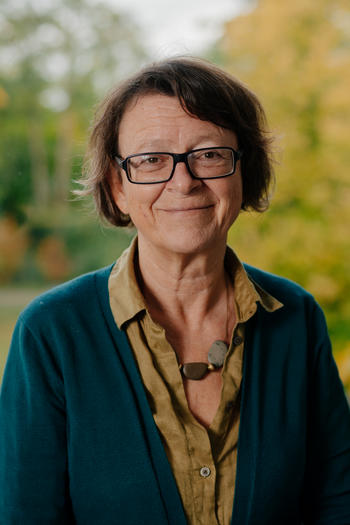
Montserrat Anguera, Ph.D. is an Associate Professor in the Department of Biomedical Sciences at the University of Pennsylvania's School of Veterinary Medicine. Her research focuses on epigenetic mechanisms of gene regulation underlying sex differences in development and disease, with particular emphasis on X-chromosome inactivation (XCI) and its implications for female-biased autoimmune disorders. Dr. Anguera investigates how gene expression from the X-chromosome is regulated to ensure dosage compensation between males and females, and how these mechanisms become altered in diseases exhibiting sex-bias. Her laboratory has established novel epigenetic pathways involving the X-chromosome that impact human development, immune responses, and lymphocyte function. She employs advanced techniques including RNA/DNA fluorescence in situ hybridization, immunofluorescence, and allele-specific RNA sequencing to achieve single-cell resolution of epigenetic characteristics of the inactive X chromosome. Her research reveals a consistent focus on the intersection of X-chromosome biology and immunology, particularly regarding sex-biased autoimmune diseases like systemic lupus erythematosus. Key findings include the discovery that lymphocytes maintain X-chromosome inactivation differently than other somatic cells, with the inactive X exhibiting euchromatic features in female lymphocytes that may underlie female bias in autoimmune disorders. She coined the term 'dynamic XCI maintenance' to describe how T and B cells relocalize Xist RNA and heterochromatic marks to the inactive X chromosome following antigen-mediated stimulation. Dr. Anguera's laboratory includes postdocs Katherine Forsyth and Nikhil Jiwrajka, research specialist Zowie Searcy, graduate students Isabel Sierra and Natalie Toothacre, postdoctoral researcher Nuriban Valero-Pacheco, and PhD student Emma Welter. Together, they investigate epigenetic regulation of X-linked genes in development and disease contexts. She is an active member of multiple prestigious research institutes at Penn, including the Epigenetics Institute, Institute for Immunology, Center for Research on Reproduction & Women's Health, and Institute for Regenerative Medicine. Her work bridges epigenetics, immunology, and developmental biology, providing novel insights into mechanisms underlying female-biased autoimmune disorders.
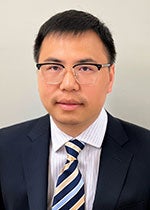
Xian Wu, Ph.D., serves as a Research Assistant Professor in the Department of Pharmacology & Toxicology at East Carolina University's Brody School of Medicine. Her research leverages human stem cell models to investigate developmental vulnerabilities to environmental contaminants in cardiovascular and neural systems, with emphasis on epigenetic mechanisms and disease modeling. Dr. Wu's academic credentials include: Ph.D. in Toxicology from the University of Georgia M.S. in Biomedicine from East China Normal University B.S. in Biotechnology from Anhui University Her postdoctoral training comprised a Fellowship at the National Institute of Environmental Health Sciences and an ORISE Fellowship at the U.S. Food and Drug Administration. Research focuses on creating human stem cell-derived organoid systems to model developmental toxicology, particularly examining cardiac and neural development under chemical exposure. The laboratory employs fluorescence reporter systems and RNA-seq to identify critical vulnerability windows during early development, with recent work targeting Parkinson's disease mechanisms through dopaminergic neuron models and cardiac fibrosis via advanced organoids. Methodological innovations include high-content imaging for neurogenesis quantification and epigenetic pathway analysis. Publication trends (2016-2025) demonstrate consistent advancement in stem cell-based toxicology testing, with increasing emphasis on micro/nanoplastics risk assessment, arsenic neurotoxicity mechanisms, and doxorubicin cardiotoxicity modeling. The work bridges environmental health, epigenetics, and regenerative medicine through interdisciplinary approaches. Scientific recognition includes: 2025 SPARC Award (ECU) 2024 Top Abstract Award (Developmental Origins of Health and Disease Society) 2024 NIEHS P30 Center Travel Award 2023 ECU Research and Creative Activity Award Dr. Wu actively mentors graduate researchers including Ph.D. candidate Cate Duncan and M.S. students Kamilah Muhammad and Bailey Skeen, alongside undergraduate Bryce Tilghman. Former trainees McKyrah Brown and Monica Cross completed honors theses in the laboratory. Current grants include ECU's SPARC Award funding stem cell model development for environmental contaminant testing. The BSOM 6S-11 laboratory maintains specialized capabilities in cardiac and cerebral organoid generation, fluorescence-based toxicity screening, and RNA-seq epigenetic analysis. Collaborative networks include the National Institute of Environmental Health Sciences and ECU's Center for Human Health and the Environment, supporting translational research on developmental vulnerability periods.
Dr. Jennifer Evans is a Senior Lecturer in History within the School of Creative Arts at the University of Hertfordshire. Her academic career spans over a decade since completing her PhD at the University of Exeter in 2011, followed by two years of teaching there before joining Hertfordshire. She serves as the founding editor of the Early Modern Medicine blog and co-directs the Perceptions of Pregnancy research network with colleagues Leanne Calvert, Sarah Fox, and Chelsea Phillips. Her research focuses on the history of the body, medicine, and gender during 1550-1750, with particular emphasis on reproductive health, infertility, and miscarriage. Her scholarly work demonstrates deep engagement with both male and female experiences of health and sexuality in early modern England. Current projects include 'Wounded Wombs and Empty Cradles: Miscarriage and Pregnancy Loss in Early Modern England c.1600-1780' (Folger Shakespeare Library, 2025-2026) and 'Foraging for Early Modern Medicines 1600-1750' (AHRC-funded). Analysis of her recent publications reveals consistent thematic concentration on bodily experiences, particularly reproductive health across genders. Her work bridges medical history with gender studies, examining how bodily functions and dysfunctions intersected with social structures. The scholarship shows increasing attention to male experiences of reproductive health alongside traditional focus on women's histories, reflecting broader historiographical shifts toward more inclusive medical history. Dr. Evans actively supervises postgraduate students including Kiran Seera (PhD: 'Domestic Disorder: Crime, Kinship, and Space in Bedfordshire, c. 1650-1790') and has completed supervision of three PhD and two MA students. Her research has received substantial external funding including AHRC Early Stage Impact Accelerator Award funding for her foraging project that explores historical medicinal plant knowledge. She directs the Perceptions of Pregnancy researchers' network which has published two major collections and hosted multiple conferences. The network brings together scholars examining all aspects of fertility, pregnancy, childbirth and early parenthood from the seventeenth to twentieth century. Her public engagement includes numerous media appearances including BBC Radio 4's 'The Food Programme' (February 2024), BBC World Service's 'The Food Chain', and multiple television appearances.
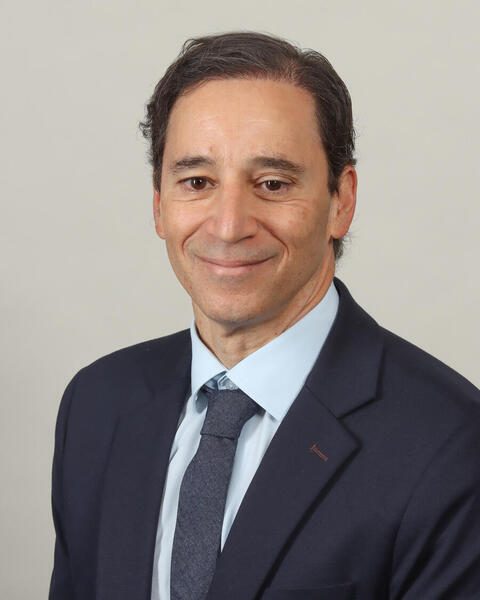
Lonny R. Levin is a Professor of Pharmacology at Weill Cornell Medical College , where he has worked since 2009. Collaborating extensively with Dr. Jochen Buck, he pioneered research on bicarbonate-regulated soluble adenylyl cyclase (sAC) , a critical enzyme in cAMP signaling. Education : B.S. from Cornell University (1983), Ph.D. from State University of New York at Stony Brook (1989) His research focuses on: cAMP signaling microdomains in mammalian cells Mitochondrial metabolism and pH sensing Sperm capacitation and energy regulation Nonhormonal contraceptive development via sAC inhibition Recent publications (2025-2023) highlight: Structural insights into sAC activation Metabolic adaptations during sperm capacitation Emerging role in corneal endothelium signaling Drug discovery for on-demand male contraception Grants from NIH (NIAID, NICHD) support his work on: Intravaginal rings for dual HIV/herpes prevention and contraception Metabolic communication in reproductive systems Signalosome regulation in mitochondria He maintains collaborations with institutions like EMD Millipore Corporation and co-founded Sacyl Pharmaceuticals, Inc. , holding proprietary interests in sAC-related intellectual property.
Rachel Ruderman is a Clinical Associate Professor in the Department of Obstetrics and Gynecology-Generalists at the University of Chicago. Her research focuses on maternal health, postpartum care, and reproductive medicine, particularly addressing disparities in low-income populations and clinical outcomes in pregnancy-related interventions. Her recent work includes validation of patient-reported outcome measures for medication adherence in pregnant patients (2024) and analyses of postpartum care barriers in underserved communities (2023). She has contributed to studies on COVID-19 vaccination safety during pregnancy (2022), paternal genetic influences on embryonic aneuploidy (2022), and mental health impacts of recurrent pregnancy loss (2020). Her research spans Maternal Health Reproductive Medicine Public Health Equity Clinical Diagnostics Behavioral Sciences . Her collaborative publications highlight partnerships with researchers such as Premkumar, Ashish and McQueen, DB, addressing challenges in obstetric care delivery and translational genetics. Current projects explore patient navigation systems and equitable access to postpartum services.
Eduardo N. Chini, M.D., Ph.D., is a Professor at Mayo Clinic with primary and joint appointments in the Department of Anesthesiology and Perioperative Medicine and the Department of Cancer Biology. He is based in Rochester, Minnesota, and leads a research program focused on NAD metabolism, aging, and their roles in diseases such as cancer, obesity, and kidney disease. Education: BS in Biology, Centro Educacional de Niteroi-RJ MD, Universidade do Rio de Janeiro PhD in Biological Chemistry, Universidade do Rio de Janeiro Fellow, Department of Physiology and Biophysics, Mayo Clinic Resident in Anesthesiology, Mayo Clinic College of Medicine Research Interests: Eduardo N. Chini's research investigates the central role of nicotinamide adenine dinucleotide (NAD) in cellular metabolism, aging, and disease. His lab has made foundational discoveries in NAD catabolism, identifying CD38 as the primary enzyme regulating NAD levels in mammals. His work explores SIRT1 regulation via CD38 and DBC1, NAD metabolism in cancer, and its implications in polycystic kidney disease. He is particularly interested in how NAD signaling influences aging, metabolic syndrome, and organ dysfunction. Recent Research Trends: His recent publications (2023–2025) reveal a strong focus on the role of CD38 in aging, immune function, and tissue metabolism. Key themes include NAD+ depletion triggering inflammatory responses, CD38 inhibition as a therapeutic strategy for cardiotoxicity and metabolic aging, and the interplay between senescence, stem cell function, and mitochondrial health. His work increasingly integrates translational models with molecular mechanisms in aging and cancer. Scientific Awards: Florida Investigator of the Year, Mayo Clinic (2024) Glenn/AFAR Breakthroughs in Gerontology Award (2007) Edward C. Kendall Award, Mayo Clinic Alumni Association (2002) Directors Award for Aging Research, Kogod Center on Aging (2018) Distinguished Scientist Seminar Series, Georgetown Medical School (2022) Grants and Leadership: Dr. Chini is a co-Principal Investigator on multiple NIH-funded grants, including projects on CD38 in scleroderma, CLL, and male reproductive aging. He is Co-Director of the Mayo Clinic Mitochondrial Care Center and Associate Director of the Robert and Arlene Kogod Center on Aging. He has served on numerous national review panels and advisory councils, including the NIH Hepatobiliary Pathophysiology Study Section and AFAR's National Scientific Advisory Council. Labs and Teams: Dr. Chini leads a research laboratory at Mayo Clinic focused on NAD metabolism and aging. His team collaborates extensively with experts in cancer biology, mitochondrial medicine, and aging research. He is affiliated with the Mayo Clinic Comprehensive Cancer Center, the Kogod Center on Aging, and the Robert M. and Billie Kelley Pirnie Translational PKD Center.
Jeffrey Weiss is a Research Professor at the Department of Medicine (Endocrinology, Metabolism and Molecular Medicine) within Northwestern University Feinberg School of Medicine. His work bridges genetic research and core facilities management , focusing on reproductive biology and organizational efficiency in academic settings. Education: BS from The Pennsylvania State University (1982), PhD from University of Virginia (1987), and postdoctoral training at Harvard Medical School (1990) and Massachusetts General Hospital (1991). Dr. Weiss's research spans gonadal development , pituitary function , and reproductive genetics , with a focus on hormones like activin, LH, and FSH. He also contributes to core facilities infrastructure , including software solutions for research management. His recent publications highlight trends in bioinformatics systems for core facilities and genetic models for studying reproductive disorders. Key subfields include mouse mutagenesis , gene expression , and research portfolio sustainability . Scientific Awards: Member, Association of Biomolecular Research Facilities (2013 - Present) Dr. Weiss is affiliated with the Center for Genetic Medicine and Center for Reproductive Science at Feinberg. While no current grants are listed, his work emphasizes interdisciplinary collaboration and efficient research infrastructure.
Dr. Mohamed Mostafa Arafa is a prominent academic and clinician in the field of andrology and male reproductive health. He is affiliated with the Faculty of Medicine at Cairo University, Hamad Medical Corporation, Weill Cornell Medicine-Qatar, and the Cleveland Clinic Foundation, reflecting a strong international presence in research and clinical practice. His research interests are centered on male infertility , sexual dysfunction , varicocele management , and the impact of metabolic factors like BMI on reproductive outcomes. He has led global surveys on clinical practices and contributed significantly to understanding patient perceptions in sexual health, particularly in the Middle East. The most recent articles highlight trends in clinical andrology, with a focus on evidence-based urology, surgical outcomes, and methodological rigor in systematic reviews. His work bridges patient care, epidemiological research, and global clinical guidelines. Scientific Sponsorships: National Institutes of Health (NIH) European Commission American Center for Reproductive Medicine, Cleveland Clinic National Research Foundation National Science Foundation Dr. Arafa has secured funding from leading international bodies, underscoring the global relevance of his research. While no formal students are listed, his leadership in multi-center studies suggests active mentorship and collaboration. He is involved in advancing patient support systems, especially during public health crises like the COVID-19 pandemic. He is associated with key organizations including the Global Andrology Forum , Egyptian Society of Andrology , and the Cleveland Clinic Lerner College of Medicine , indicating deep integration into both regional and global andrology networks.
Dr. Steven Jacobsen is a Professor in the Molecular, Cell, and Developmental Biology Department at the University of California, Los Angeles (UCLA), where he leads the Jacobsen Lab. His work focuses on epigenetic inheritance and gene regulation in Arabidopsis thaliana and mammalian stem cells, utilizing genetic screens, genomics, epigenomics, and biochemical approaches. The lab also pioneers CRISPR-mediated genome editing techniques. University: University of California, Los Angeles Department: Molecular, Cell, and Developmental Biology Research Interests: Jacobsen's research spans multiple interconnected domains in epigenetics, including DNA methylation patterning, histone modification interplay, and transposable element silencing. His team investigates how chromatin structure influences gene expression and epigenetic inheritance, with applications from plant development to human health. Key areas include: CRISPR-based epigenetic modifications RNA-directed DNA methylation (RdDM) mechanisms Chromatin compaction via MORC proteins Histone variant functions in methylation Transposon control in plant genomes Comparative epigenomics across species Advising Legacy: Over two decades, Dr. Jacobsen has mentored 21 former lab members who now hold academic and industry positions globally, including professors at Chinese Academy of Sciences, University of Georgia, and Southern University of Science & Technology. His lab's publications reveal a consistent focus on DNA methylation dynamics, chromatin remodeling, and small RNA pathways, with recent work emphasizing CRISPR innovations and structural insights into epigenetic regulators.
Tandra R. Chakraborty is a tenured Professor in the Department of Biology at Adelphi University’s College of Arts and Sciences, where she has served since 2006. She earned her Ph.D. from Calcutta University in 2000 and completed a postdoctoral fellowship at Mount Sinai School of Medicine. She has held leadership roles including Chair of the Biology Department (2020–2024), Director of the Biology Graduate Program (2014–2020), and Interim Associate Dean of Student Success and Strategic Initiatives. Ph.D., Calcutta University, India (2000) Postdoctoral Fellow, Mount Sinai School of Medicine (2006) Her research lies at the intersection of Endocrinology and Neurobiology, focusing on the role of estrogen in neuroprotection, obesity, metabolic syndrome, and reproductive health. She investigates hormonal changes in aging and high-fat diet models, neuroprotective effects of estrogen in Alzheimer’s and hypoglycemic injury, and the impact of endocrine-disrupting chemicals on development and pregnancy. Her work combines molecular, cellular, and animal model approaches to understand the interplay between metabolism and neural function. Her recent publications reflect a strong trend in biomedical research involving hormonal regulation, neuroprotection, and metabolic disease. Key themes include estrogen’s protective role in neurodegenerative models, the effects of high-fat diets on endocrine and reproductive systems, and environmental impacts on human health. Her work spans both basic science and public health, with applications in obesity, diabetes, and neurodegenerative disorders. She has received multiple scientific recognitions, including: Frederick Bettelheim Research Award Adelphi Faculty Development Grant (2007, 2008) CASHE Award for innovative academic support (2023) Multiple ASBMB Travel Awards for student mentors Nominations for Teaching and Service Excellence Awards (2019) She has advised numerous graduate and undergraduate theses, mentoring students in research on obesity, diabetes, neuroprotection, and environmental health. Many of her students have co-authored publications, presented at national conferences, and won awards. She has secured internal funding and led curriculum development, including the BS in Neuroscience program. She is also an active journal reviewer and science fair judge, contributing significantly to academic service and community outreach. Dr. Chakraborty leads a vibrant research lab focused on endocrine and neurobiological mechanisms in disease. Her team includes undergraduate and graduate students trained in animal care, cell culture, immunocytochemistry, and molecular techniques. She is involved in the Collegiate Science and Technology Entry Program (CSTEP) and promotes diversity in STEM through mentoring and outreach.
Ralph G. Meyer is a Professor and Department Head at the College of Veterinary Medicine , Utah State University (USU). He holds a PhD in Molecular Cell Biology (University of Kaiserslautern, 1998) and completed postdoctoral training in Molecular Toxicology at University of Tuebingen and University of Arizona. Education : PhD (1998), MS (1994) in Molecular Cell Biology Academic Roles : Faculty at University of Pennsylvania, Interim Head at USU CVM’s VCLS department Research Interests focus on: Reproductive toxicology and developmental biology Epigenetic regulation of sperm chromatin NAD+ metabolism in aging and disease Scientific Awards : Biology of Reproduction Top Reviewing Editor (2017, 2018) NIH Ruth-Kirschstein-NRSA Fellowship (T32, 2002-2004) Edward A. Smuckler Memorial AACR Poster Award (2004) Teaching : Course director for Fundamentals of Pharmacology (VM7522) and Veterinary Toxicology (VM7523) since 2013. Mentored graduate students including Renata Hoskova and Chelsea Ketchum.
Professor Julian Savulescu serves as the Uehiro Professor of Practical Ethics and Director of the Oxford Uehiro Centre for Practical Ethics at the University of Oxford, where he is also a Fellow of St Cross College within the Faculty of Philosophy. His career centers on resolving complex ethical dilemmas emerging from scientific and medical advancements, particularly in human enhancement technologies and reproductive medicine. Savulescu's research spans practical ethics, medical ethics, and bioethics with specialized focus on genetic enhancement, neuroethics, reproductive ethics, and research ethics. His expertise includes predictive genetic testing, cloning, performance-enhancing drugs, global health risks, human dignity frameworks, abortion ethics, and stem cell research controversies, often examining the tension between individual autonomy and societal implications. His 2017 publications reveal concentrated neuroethical inquiry, analyzing moral implications of cognitive enhancement through neuroscience, ethical access to experimental treatments in pediatric crises like the Charlie Gard case, and methodological ethics in surgical placebo trials for severe psychiatric conditions. These works demonstrate his commitment to resolving practical ethical conflicts in cutting-edge medical interventions. While no specific awards are documented, Savulescu maintains extensive global media engagement as an ethics commentator, addressing topics from male pregnancy possibilities to comparative societal debates on marriage equality versus assisted dying. His leadership in major research initiatives spans geoengineering ethics and vaccine distribution frameworks. The Oxford Uehiro Centre for Practical Ethics operates as his primary research hub, fostering interdisciplinary collaboration among philosophers, physicians, and scientists to address urgent moral questions arising from technological progress in medicine and science.
Anja Kretschmer is a Lecturer at the Institute of Journalism and Communication Studies, Department of Political and Social Sciences, Freie Universität Berlin. She holds teaching responsibilities with a focus on practical journalism skills and has established herself as both an educator and professional journalist. Education: M.A. in German Studies, Philosophy, and Journalism, Freie Universität Berlin (1988) Professional Background: Founded Berliner Journalistenbüros (1989), completed editorial traineeship at SFB (1990/91) Current Position: Lecturer with permanent teaching tasks at FU Berlin Office: Garystr. 55, Room 273, 14195 Berlin Consultation Hours: Wednesdays by appointment via email Her research and professional interests center on journalism practices, media representation of social issues, documentary production, and the intersection of media with social policy. Kretschmer's work particularly examines family dynamics, migration issues, gender representation, and social inequality through documentary filmmaking and journalistic reporting. Her teaching emphasizes the practical application of journalism in contemporary media environments, focusing on television, radio, and digital production techniques. Her documentary work shows a consistent focus on social issues, with particular attention to family structures, social inequality, and the human impact of policy decisions. Over her career, she has produced numerous award-winning documentaries for major German broadcasters including ARD, ZDF, and rbb, covering topics ranging from patchwork families to elder care in international contexts. 1999: 1. Medienpreis der Ideal-Versicherung für die Reportage "Anonym bestatten", SFB 2002: Geisendörfer-Preis für die Dokumentation "Lehrer - ungeliebt und ausgelaugt?" SFB 2003: Journalistenstipendium der Rias-Kommission, Duke Universität, USA 2015: Karl Kübel Medienpreis für die Reportage "Meine, deine, unsere Kinder – Herausforderung Patchwork-Familie", ZDF 2018: Medienpreis der Deutschen Kinder- und Jugendhilfe für den Film "Krieg um's Kind - Wenn Eltern Betreuung brauchen", WDR "Menschen hautnah" As an educator, Kretschmer has taught various iterations of "Methods and Structures of Journalistic Practice" and specialized seminars in television, radio, and podcast production. She is actively involved in research projects related to media representation of migration, gender issues in journalism, and emotional repertoires in media, collaborating with colleagues at the Institute on various research initiatives examining contemporary media landscapes.
David Puts is a Professor of Anthropology at Pennsylvania State University, specializing in evolutionary approaches to human behavior. His research focuses on sexual selection, hormonal influences on behavior, and reproductive strategies. He holds a B.A. from Kenyon College (1995), M.A. (1998), and Ph.D. (2004) from the University of Pittsburgh. Puts’ work bridges anthropology, biology, and psychology, emphasizing topics like voice pitch as an evolutionary signal, pubertal timing effects, and the biological basis of gendered behavior. His lab (https://beel.la.psu.edu/) investigates human evolution and sexual selection mechanisms. Research interests include vocal communication, hormonal endocrinology, and the evolutionary origins of sexual dimorphism. His studies often address how traits like voice pitch or facial features signal health, dominance, or fertility. Recent work examines cross-cultural variations in social perception and the role of hormones in shaping sexual motivation. Puts frequently collaborates across disciplines, integrating data from primatology, endocrinology, and behavioral ecology. Publications highlight themes such as sexual orientation’s biological underpinnings, the relationship between vocal parameters and health, and the societal implications of evolutionary adaptations. His research has been featured in high-impact journals, emphasizing methodological rigor and interdisciplinary synthesis.