Jaapna Dhillonمشاهده پروفایل
استادیار
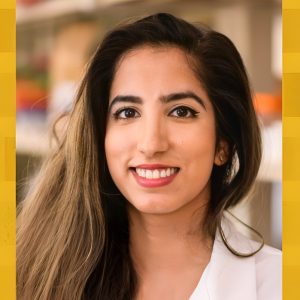
Jaapna Dhillon serves as Assistant Professor in the Department of Nutrition and Exercise Physiology at the University of Missouri-Columbia, holding dual appointments in the College of Agriculture, Food and Natural Resources (CAFNR) and the School of Medicine . Her laboratory operates within Gwynn Hall (Room 312) on the Columbia campus, focusing on translational research at the intersection of nutrition, exercise physiology, and systems biology. Dr. Dhillon's research program centers on cardiometabolic health , gut microbiome dynamics , and omics-driven clinical interventions . Key themes include: Personalized nutrition approaches incorporating phenotype, genotype, and socioecological factors Addressing racial/ethnic disparities in nutrition outcomes through NIH-NIMHD funded research Investigating pre-ingestive controls of food intake and cephalic phase responses Examining exercise-microbiome interactions in obesity Her work integrates multi-omics data with clinical interventions to develop computational models predicting metabolic responses to dietary patterns. Analysis of her 15 most recent publications reveals consistent focus on almond-based interventions , gut microbiome-cardiometabolic interactions , and methodological innovations in nutritional assessment. Key trends include rigorous clinical trial design, emphasis on health disparities research, and application of metabolomics/proteomics to nutritional science. Dr. Dhillon maintains an active mentorship program with clear career development frameworks. Her lab philosophy emphasizes: Anti-secrecy research practices and preprint dissemination Individual Development Plans for all trainees Work-life fulfillment as foundational to scientific success Transparent communication through structured one-on-ones and Slack channels Current NIH-NIMHD funded work examines functional-food based personalized diets in young adults, with specific attention to racial/ethnic minority populations often underrepresented in clinical nutrition research. The lab actively recruits graduate students through structured onboarding aligned with individual career goals.