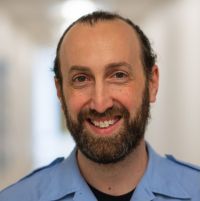
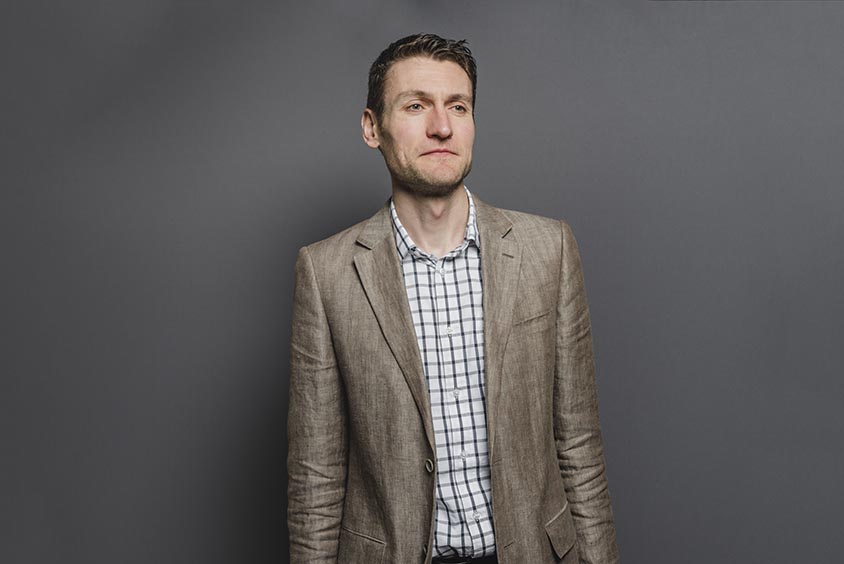
Prof. Volker Steuber heads the Biocomputation Research Group at University of Hertfordshire's Centre for AI and Robotics Research. With a PhD in Computational Neuroscience from University of Edinburgh, his work develops biologically realistic models of neural systems and applies neuromorphic algorithms to real-world problems. Research combines multi-level neural simulations with experimental collaborations, focusing on cerebellar function, olfactory processing, and spiking neural networks. Current projects include NeuroNex initiatives on olfactory-guided behavior and adaptive robot controllers using synaptic plasticity principles. Recent publications demonstrate advances in olfactory receptor modeling, cerebellar-inspired robotics, and eye movement prediction. His group's interdisciplinary approach bridges computational neuroscience, machine learning, and robotics. President, Organization for Computational Neurosciences (2019-2022) NeuroNex Grant: From Odor to Action (2020-2025) FWF Project: Neuronal mechanisms of odor identification Steuber has supervised multiple PhD students and leads international collaborations across 15+ countries. He serves on editorial boards and has organized major computational neuroscience conferences.
Albrecht Haase is an Associate Professor in the Department of Physics at the University of Trento, Italy, and Head of the Neurophysics and Biophotonics Laboratory within the Center of Mind/Brain Sciences (CIMeC). His research focuses on neurophysics, quantum biology, and advanced imaging techniques applied to insect models. He holds habilitations in Experimental Physics (2016) and Applied Physics (2018). Education: PhD in Physics (2005), University of Heidelberg, Germany Diploma in Physics (2000), Freie Universität Berlin, Germany External Diploma Thesis at University of Innsbruck, Austria (1999–2000) Research Interests: Neurophysics, quantum biology, neural network dynamics, multiphoton microscopy, olfaction, magnetoreception, and insect sensory systems. He uses cutting-edge imaging tools to study odor coding, neuroplasticity, and the effects of pesticides on insect brains. Key Projects: Development of bioimaging facilities at CIMeC’s Manifattura campus, optogenetic manipulation of olfactory networks, and investigations into magnetic field perception in insects. His work bridges physics, neuroscience, and ecology. Professional Affiliations: German Physical Society (DPG), Italian Physical Society (SIF), Italian Society of Neuroscience (SINS), and bee research associations EurBee and COLOSS.
Brice Bathellier is a Research Director and team leader at the Institut Pasteur in Paris, where he heads the Neural Code in the Auditory System group within the Hearing Institute – Pasteur Institute Center . His research integrates advanced experimental and computational approaches to investigate auditory perception and neural coding in the mammalian brain. He is also a co-organizer of the international Pasteur Course Hearing: from mechanisms to restoration technologies (HeaR) , aimed at Master’s and PhD students, clinicians, and hearing professionals. His research interests lie at the intersection of systems neuroscience , neurophysiology , and sensory systems , with a primary focus on the auditory system. His team uses two-photon calcium imaging , multichannel electrophysiology , optogenetics , and behavioral analysis to study how sound representations are formed, manipulated, and integrated with other sensory modalities in the brain. Key projects include decoding nonlinear operations in auditory perception, generating artificial auditory percepts via optogenetic stimulation, modeling reinforcement learning in sensory discrimination, and exploring multisensory interactions between auditory, visual, tactile, and olfactory systems. The team's recent publications reveal a strong interdisciplinary trend, combining in vivo neuroscience , computational modeling , and behavioral neuroscience . Themes include neural coding of sensory identity, cortical dynamics during learning and memory, cross-modal integration, and the impact of network architecture on perception. The work spans molecular, cellular, and systems levels, with applications in understanding brain function and potential neuroprosthetic technologies. Brice Bathellier supervises several PhD students and postdoctoral researchers, indicating an active mentoring role. His team is part of broader institutional initiatives on brain connectivity and neurodegenerative diseases, suggesting involvement in collaborative, cross-functional research projects. While specific grant details are not mentioned, the scope and technical sophistication of the work imply significant research funding. The team is embedded within the Hearing Institute, a multidisciplinary center focused on progressive sensory deficits, pathophysiology, and therapy.
Dr. Nicolaas Bohnen serves as Professor of Radiology and Neurology at the University of Michigan Medical School, holding clinical appointments across Radiology (Division of Nuclear Medicine), Neurology, and the Ann Arbor VA movement disorders clinic. His research leverages advanced neuroimaging to explore critical intersections between brain function, cognition, and mobility in neurodegenerative conditions and aging. His educational journey includes: MD from Rabdoud University Nijmegen Medical Centre (1987) PhD in Neuropsychology from University of Limburg, Maastricht (1991) Neurology Residency at Mayo Clinic (1996) Nuclear Medicine Residency at University of Michigan (1998) Research focuses on PET/MRI applications for Parkinson's disease and aging, with particular emphasis on cholinergic systems, gait/postural control mechanisms, and multisensory integration. The FNICOMO Lab investigates how brain architecture determines cognitive-motor performance through innovative paradigms like retro-walking analysis and dual-task walking studies. As director of the Functional Neuroimaging, Cognitive and Mobility Laboratory, Dr. Bohnen leads multidisciplinary research bridging radiology, neurology, and geriatrics. His lab actively recruits mentees for projects examining neurobiological correlates of mobility disorders and developing imaging-based differentiation tools for parkinsonism. Dr. Bohnen maintains active clinical engagement in movement disorders while producing high-impact publications in journals like Nature Communications and JAMA Neurology, with recent work spanning cholinergic subgroups in Parkinson's, automated imaging diagnostics, and striatal-muscle metabolic relationships in aging.
Brian DePasquale is an Assistant Professor in the Department of Biomedical Engineering at Boston University. He holds additional affiliations with the Neuroscience & Neuroengineering program as a Primary & Affiliated Faculty member. His research bridges computational neuroscience and machine learning, focusing on understanding neural computations through mathematical modeling of biological systems. Dr. DePasquale received his PhD from Columbia University followed by postdoctoral training at the Princeton Neuroscience Institute. His educational background has positioned him at the intersection of engineering, neuroscience, and computational methods, creating a unique approach to studying neural computation. DePasquale's research employs two complementary approaches: a data-driven method involving collaboration with experimental neuroscientists to develop machine learning models of neural activity, particularly for decision-making and movement behaviors; and a theoretical approach constructing artificial neural network models to understand how structure gives rise to functional features in biological circuits. Recent projects include applying graph neural networks to olfaction research, developing the StateSpaceDynamics.jl package for neuroscience time series analysis, and creating methods for training biophysically detailed spiking neural networks. His publication record reveals a consistent focus on neural dynamics across multiple scales, from single neuron properties to population-level computations underlying decision-making. The work spans theoretical models to practical applications, with growing emphasis on machine learning approaches to analyze complex neural datasets, particularly in understanding evidence accumulation processes and developing more biologically plausible artificial intelligence systems. Among his professional recognitions, DePasquale was awarded the prestigious NSF Graduate Research Fellowship (NSF-GRF). His research is supported by grants enabling his lab to pursue innovative projects at the intersection of neuroscience and machine learning. DePasquale leads the Artificial and Biological Intelligence Laboratory at Boston University, where his team develops open-source computational tools and fosters collaboration between computer scientists, neuroscientists, and engineers. The lab's emphasis on open science is exemplified by publicly available software implementations like StateSpaceDynamics.jl and full-FORCE demos on GitHub.
Meg Younger is an Assistant Professor in the Department of Biology at Boston University, with an affiliated appointment in Biomedical Engineering. She leads the Younger Lab, which focuses on understanding mosquito olfaction, particularly how Aedes aegypti mosquitoes detect and encode human odors to locate hosts for blood meals. This research aims to reduce mosquito-borne diseases by uncovering mechanisms underlying biting behavior. Dr. Younger holds a BS in Neural Science from New York University and a PhD in Neuroscience from the University of California, San Francisco. Her work integrates cutting-edge techniques, including CRISPR-based gene editing, functional imaging, electrophysiology, and electron microscopy to study mosquito neural circuits. Research interests center on olfactory neuroscience in non-model species, with a focus on chemosensory systems, neural coding, and the evolution of sensory-driven behaviors. Her lab’s interdisciplinary approach bridges basic science and applied strategies to combat mosquito-borne diseases. Awards: Klingenstein-Simons Fellowship Award in Neuroscience (2022) Searle Scholar Teaching: Sensory Neurobiology (BI520/NE520) in Fall 2022. Labs/Teams: The Younger Lab at Boston University, specializing in mosquito neurobiology and chemosensory systems.
Friedrich Rainer is a Professor of Neurobiology at the University of Basel, Switzerland (since 2011), and a Senior Group Leader (tenured) at the Friedrich Miescher Institute for Biomedical Research in Basel. His research focuses on neuronal computation, olfaction, neurophysiology, and optogenetics, with expertise in zebrafish neurogenetics and high-resolution imaging techniques. He holds an MSc from the University of Freiburg and Brock University (1989–1995), followed by a PhD in Biology from the Max Planck Institute for Developmental Biology (1995–1998). Postdoctoral training at Caltech (USA) and the Max Planck Society preceded his leadership roles at the Max Planck Institute for Medical Research (2001–2007) and current institute. Awards: Otto Hahn Medal (1998), James Heinemann Award (2003), EMBO membership (2014), and Academia Europaea membership (2014). Research Themes: Olfactory coding, neuronal circuit dynamics, optogenetic modulation, and sensory information processing. His publications (e.g., Nature Neuroscience, Nature) reveal a focus on odor representation optimization, recurrent network mechanisms, and neuronal population coding. Ongoing work integrates high-resolution imaging with optogenetic tools to dissect neural circuits in zebrafish models.
Seokhyun Chung is an Assistant Professor at the University of Virginia, located in Lab 257 of Olsson Hall. His research focuses on IoT-enabled systems, leveraging data-driven methods such as federated learning, multi-task learning, and Bayesian probabilistic modeling to address challenges in statistical heterogeneity, scalability, and personalization in connected systems. Applications span smart healthcare and manufacturing systems, emphasizing reliability and efficiency. Research Interests: Chung's work integrates IoT, machine learning, and systems engineering to develop collaborative analytics frameworks. He explores federated learning architectures for distributed data fusion, probabilistic modeling for uncertainty-aware predictions, and optimization techniques for resource allocation in edge computing environments. His healthcare focus includes gait analysis and load estimation for wearable devices, while manufacturing applications involve job scheduling and additive manufacturing quality control. Key Contributions: Recent work highlights include federated multi-output Gaussian processes for heterogeneous systems, real-time adaptation of time-series predictions, and fairness-aware machine learning for load carriage tasks. His interdisciplinary projects address both technical and operational challenges, such as emergency department layout optimization and toxic gas monitoring networks. Labs & Infrastructure: Chung's research is conducted in Olsson Hall's advanced labs, leveraging IoT sensor networks, edge computing setups, and collaborative simulation environments to prototype innovative smart systems solutions.
Thomas Nowotny is a Professor of Informatics at the University of Sussex, School of Engineering and Informatics. He is Co-Director of Sussex AI and Head of the AI Research Group, with a research focus on computational neuroscience and bio-inspired artificial intelligence. His work bridges theoretical neuroscience with practical applications in machine learning, neuromorphic computing, and robotics. His primary research interests include: Spiking Neural Networks and neuromorphic computing GPU acceleration of brain simulations (GeNN framework) Information processing in insect olfactory systems Machine learning for electronic noses Bio-mimetic controllers for autonomous robots Hybrid computer-brain experimentation His recent publications demonstrate a strong trend in developing and applying advanced computational methods to model biological neural systems, particularly in insects, and leveraging these models to advance energy-efficient AI. Key themes include gradient learning in spiking networks, neural mechanisms of navigation and olfaction, and high-performance simulation tools. His work frequently appears in top journals such as Nature Machine Intelligence , Nature Communications , and Frontiers in Computational Neuroscience . Nowotny has secured significant research funding from major bodies including EPSRC, BBSRC, the European Union (Human Brain Project), Leverhulme Trust, and HFSP. His grants support projects on embodied cognition, neuromorphic computing, insect-inspired navigation, and memory consolidation. He leads a research group, supervises students, and is actively involved in the global computational neuroscience community as President of the Organization for Computational Neuroscience (OCNS). His technical contributions include the development of the GeNN simulation framework and associated tools like PyGeNN and Brian2GeNN, which enable efficient GPU-accelerated neural network simulations.
Jacob Karl Rosenstein is an Associate Professor of Engineering at Brown University , specializing in mixed-signal electronic design and bioelectronics . His research focuses on developing high-resolution, low-power interfaces to biological systems using integrated circuits and materials. Education : PhD (2012), MS (2009) in Electrical Engineering from Columbia University; ScB (2005) from Brown University. Research Interests : Bioelectronics, biosensor arrays, nanopore technology, electrochemical imaging, and molecular computation. Teaching : Courses include Digital Computing Systems (ENGN 0500), Electrical Circuits and Signals (ENGN 0520), Mixed-Signal Electronic Design (ENGN 2912K), and Topics in Bioelectronics (ENGN 2912L). Scientific Contributions include advancements in CMOS-integrated nanopore sensors, high-speed bioelectronic interfaces, and electrochemical imaging systems. His recent work involves machine olfaction, capacitance tomography, and ultrafast thermal cameras. Awards : Best Paper Award at BioCAS 2021, Best Paper Nomination at ISCAS 2025, Halpin Capstone Prize 2023. Students advised include Kangping Hu (PhD 2022), Steven (PhD candidate), Manar Incandela (extended paper 2024), and Yutong (Master’s thesis 2024). The Rosenstein Laboratory for Embedded Bioelectronics fosters interdisciplinary research between electronic systems and biological applications.
Jacob Reimer is an Assistant Professor of Neuroscience at Baylor College of Medicine, where he leads the Reimer Lab. His research focuses on understanding brain state changes, neuromodulation, and their effects on sensory processing and behavior. He has established important methodologies for monitoring brain states through pupillometry in mice and conducts cutting-edge research on neuromodulatory systems using advanced imaging techniques. Dr. Reimer received his PhD in Neuroscience from the University of Chicago in 2009. Dr. Reimer's research spans multiple areas of systems and computational neuroscience. His lab investigates the mechanisms underlying fast brain state changes and their downstream effects on sensory processing. A key focus is on neuromodulation, particularly studying acetylcholine, norepinephrine, dopamine, and serotonin dynamics in the cortex. His work employs high-resolution two-photon imaging to examine how these neuromodulators function across different behavioral states, during aging, and in Alzheimer's disease models. The lab also develops computational tools for connectomics analysis and investigates the relationship between neural structure and function in visual and olfactory systems. Analysis of Dr. Reimer's recent publications reveals a strong focus on neuromodulation dynamics, particularly acetylcholine and norepinephrine, using advanced imaging techniques. His work bridges multiple scales from molecular and cellular dynamics to systems-level brain function, with significant contributions to understanding brain state transitions through pupillometry. The research spans diverse model systems including mouse, primate, and cross-species comparisons, with growing emphasis on translational applications in aging and Alzheimer's disease. Dr. Reimer's lab receives substantial funding from multiple NIH grants including R01 NS128901 (The Spatial and Temporal Scale of Neuromodulation), R56 AG080735 (The Dynamic Neuromodulome in Alzheimer's Disease and Aging), R34 NS137454 (Cross-Species comparison of cholinergic neuromodulation), and U01 NS137250 (BRAIN CONNECTS: A Scalable Automated Proofreading Framework for Connectomics). He also secured an S10 OD038398-01 grant for a $1M+ Femtonics microscope for the Neuroscience department. The Reimer Lab consists of a multidisciplinary team including graduate students, postdoctoral associates, research technicians, and scientific programmers. Current lab members include Mario A. Galdamez, Noura Z. Hakam, Ming Hu, Andre Mwangi Kirunda, Ryan J. Kroeger, Rob George Law, Erin Neyhart, Yu-Yau Shan, Cameron Lewis Smith, and Elizabeth Straley (Lab Manager). The lab collaborates extensively with other researchers at Baylor College of Medicine and beyond, including Jeannie Chin, Valentin Dragoi, Andreas Tolias, and Francois St-Pierre.
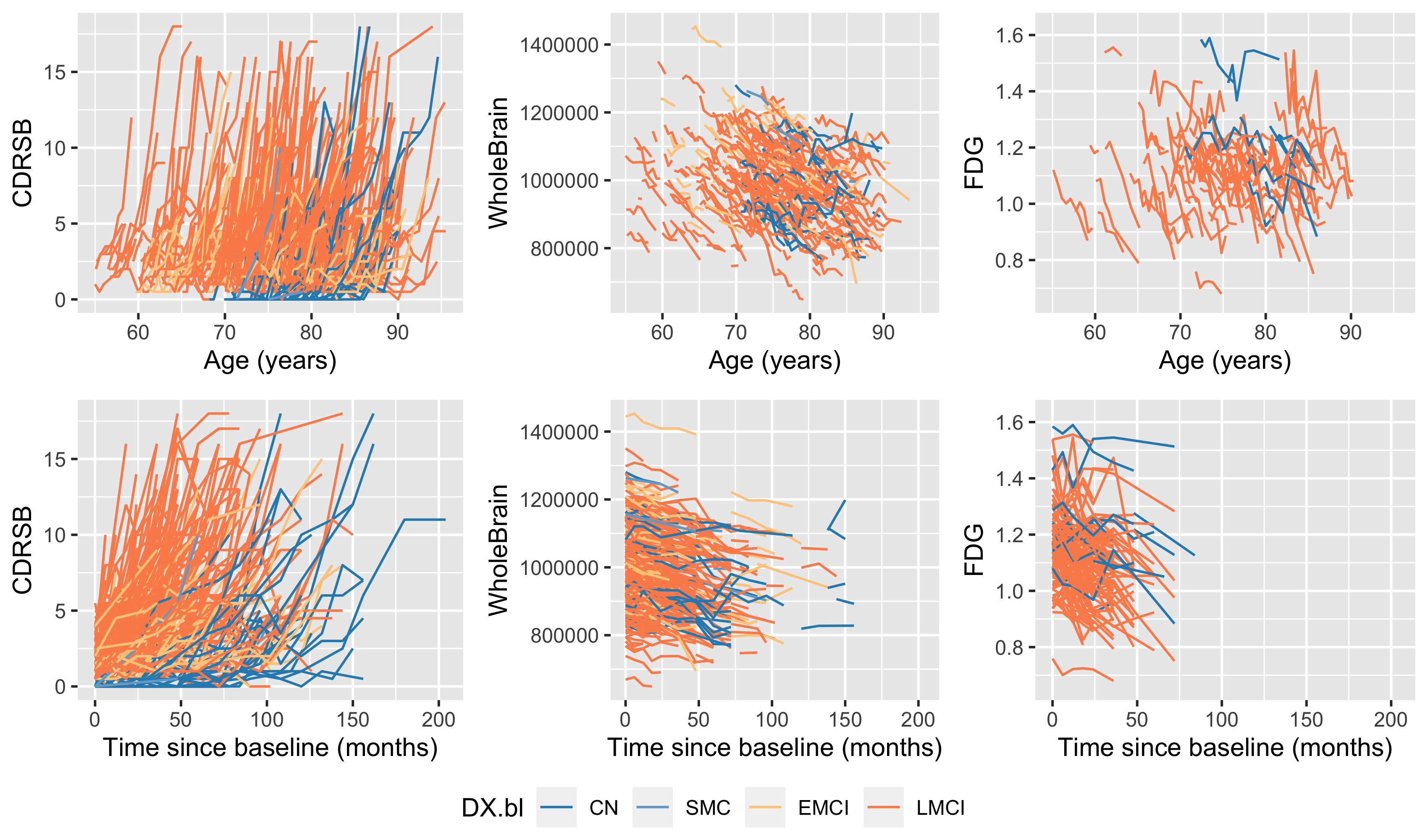
Aaron Scheffler is an Assistant Professor in the Department of Epidemiology & Biostatistics at the University of California, San Francisco (UCSF) School of Medicine. His research program addresses statistical challenges arising from highly structured biomedical data, particularly in neuroimaging and wearable technologies. As a core statistician for the UCSF Memory and Aging Center, including the Alzheimer's Disease Research Center and ALBA Language Neurobiology laboratory, he collaborates extensively with clinical researchers across multiple disciplines. Dr. Scheffler received his PhD and MS in Biostatistics from the University of California, Los Angeles and his BA in Biochemistry from Columbia University. His methodological expertise spans functional data analysis, disease progression modeling, and multi-modal brain imaging data integration. His research focuses on developing computationally efficient statistical methods for complex biomedical data that maintain information across multiple dimensions while providing interpretable components. His work addresses challenges in disease progression modeling for neurodegenerative disorders, joint analysis of multi-modal brain imaging data, and functional data analysis of electroencephalography (EEG) data. Current projects include Bayesian generalized nonlinear mixed effects models for disease progression, joint modeling of structural and network brain imaging data, and advanced methods for EEG analysis in developmental disorders. Analysis of his recent publications reveals a strong interdisciplinary focus spanning neurology, orthopedics, and neonatology. His work demonstrates expertise in analyzing complex data structures including longitudinal imaging, EEG, and biomechanical measurements. Key methodological themes include Bayesian modeling, functional data analysis, and machine learning applications to biomedical problems. His research consistently bridges advanced statistical methodology with clinically relevant questions. Dr. Scheffler's research is supported by extramural grants from the National Institutes of Health Institute of Neurological Disorders and Stroke and the National Science Foundation (Division of Mathematical Sciences). His recent NIH/NINDS R01 grant titled 'Bayesian Object-Oriented Modeling of Multi-Modal Imaging Data' and NSF DMS grant 'Use of Random Compression Matrices For Scalable Inference in High Dimensional Structured Regressions' demonstrate his leadership in methodological innovation for complex biomedical data. He maintains active collaborations with researchers at UCSF in neurology, orthopedics, and HIV/AIDS research, contributing statistical expertise to diverse clinical investigations. His work with the Memory and Aging Center and ALBA Language Neurobiology laboratory positions him at the forefront of statistical methods development for neurodegenerative disease research.
Dr Alan Holloway is Deputy Head of the School of Engineering & Built Environment at Sheffield Hallam University, overseeing teaching, student experience, and academic outcomes. He holds a PhD (2005) and BEng (2001) from SHU, with professional affiliations as MIET and FHEA. His research focuses on electronic sensors, robotics, and machine olfaction systems, with involvement in EU/EPSRC projects like REINS and Guardians. He actively supervises PhD students and collaborates on industrial projects through Knowledge Transfer Partnerships. Education: PhD: Advanced Quartz Crystal Microbalance Techniques Applied to Calixarene Sensing Membranes (SHU 2005) BEng (Hons): Electronic Systems & Information Engineering (SHU 2001) Research Interests: Development of embedded systems, robotics control, electronic-nose sensors, and sensor coatings. Current projects include Industry 4.0 IoT automation and sensor lab innovations for education. His work bridges academia-industry through device prototyping for healthcare and environmental monitoring. Awards: Fellow Higher Education Academy (FHEA) Teaching & Leadership: Teaches microprocessor systems modules and leads pedagogical reforms like Project-Based Learning assessment models. Presented at conferences on engineering education and remote laboratory solutions. Serves as External Examiner in Electrical/Electronic/Mechatronic Engineering.
Dr. Martin K. Schwarz is a Research Professor and Principal Investigator (PI) at the Institute for Experimental Epileptology and Cognition Research, University of Bonn. His research focuses on structural and functional characterization of neuronal networks in the mammalian brain, particularly in the context of epilepsy and olfactory-driven behaviors. He holds a PhD from the Max-Planck Institute and has held academic positions since 1998, including leadership in the Viral Vector Core Facility and editorial roles in prominent journals. Education: 1989–1995: Diploma/Mag. Rer. Nat., University of Vienna and Institute of Molecular Pathology (IMP), Austria 1995–1998: Doctoral thesis (Dr. Rer. Nat.), Max-Planck Institute for Biophysical Chemistry, Germany Research Interests: His group develops novel techniques like recombinant rabies virus tools and light-sheet microscopy to map neuronal circuits. Key areas include synaptic architecture, optogenetic modulation, and behavioral paradigms linked to epilepsy and olfaction. They also investigate circuit alterations in epilepsy and functional specializations of neuroglia. Awards: 1999 OTTO-HAHN-MEDAILLE (Max-Planck Society) 2000–2002 EMBO Long-term Fellowship Grants & Leadership: Notable grants include NIH R01 (2016) and DFG Priority programs (2016–2017). He co-leads the Viral Vector Core Facility and serves on microscopy and nanobody steering committees. His lab collaborates with the Bonn Technology Campus for advanced resources like transgenic mice and viral vectors. Lab & Teams: The Schwarz Group (Functional Neuroconnectomics) includes PhD students (e.g., Joyce Jayakumar), MSc students (Sharon Innocent Gnanasekar), and postdocs. They utilize cutting-edge facilities for 3D circuit analysis, behavioral experiments, and optogenetic tools.
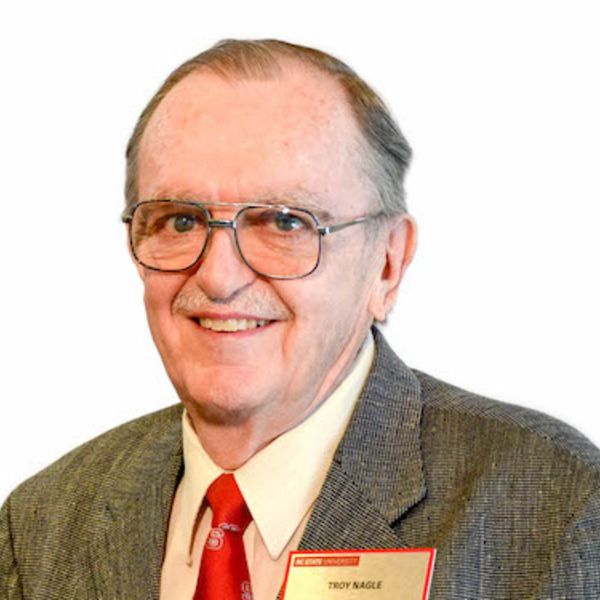
Dr. Troy Nagle is a Distinguished Professor in the Department of Electrical and Computer Engineering at North Carolina State University (NC State). He holds an M.D. from the University of Miami (1981) and multiple degrees in Electrical Engineering from Auburn University and the University of Alabama. His research focuses on biomedical sensors, medical devices, and machine olfaction. He has authored influential books like Handbook of Machine Olfaction and contributed to IEEE standards development. Education: M.D., University of Miami, 1981 Ph.D., Electrical Engineering, Auburn University, 1968 Master's & Bachelor's, Electrical Engineering, University of Alabama, 1964–1966 Research Interests: Biomedical sensor design Machine olfaction systems Environmental odor analysis His awards include the Alexander Quarles Holladay Medal (2008), IEEE TAB Hall of Honor (2019), and IEEE President (1994). He has led IEEE initiatives, including as Editor-in-Chief of the IEEE Sensors Journal (2003–2009). His recent work explores sucralose’s role in SARS-CoV-2 severity and E-nose standardization for health complaints. Dr. Nagle’s grants and advisement span biomedical engineering and sensor innovation. He collaborates with industry on automotive air quality and medical device development, leading NC State’s iBionics Lab. His contributions bridge electrical engineering with healthcare and environmental monitoring.