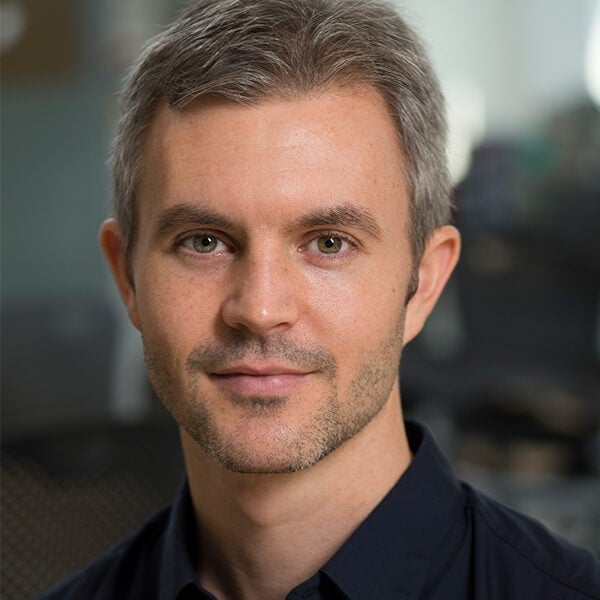
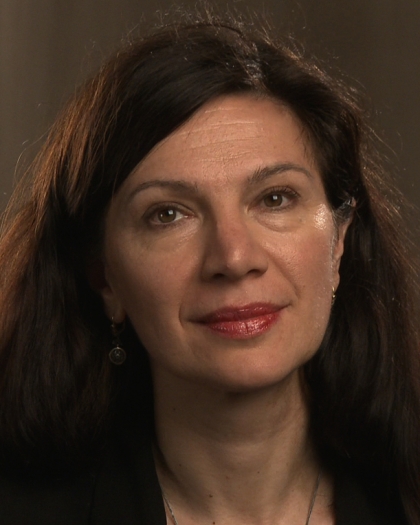
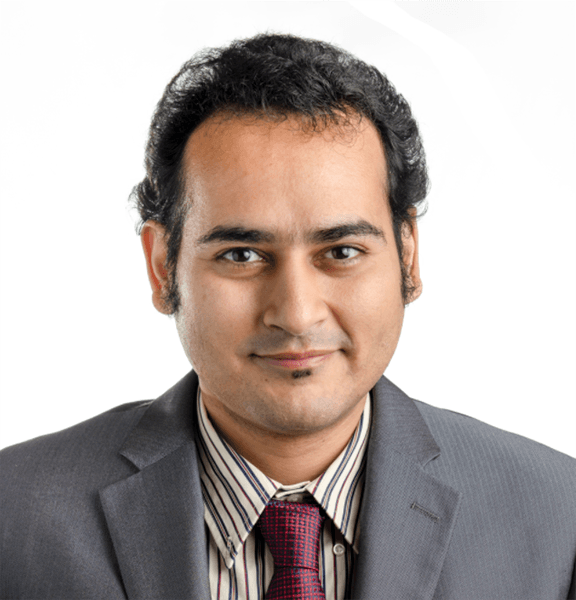
Clifford Woolf, MB, BCh, PhD, is Director of the F.M. Kirby Neurobiology Center at Boston Children's Hospital and Professor in Neurobiology at Harvard Medical School. His research focuses on neuronal plasticity mechanisms underlying pain, regeneration, neurodegenerative disorders, and developmental neurobiology using multidisciplinary approaches including genetics, electrophysiology, and stem cell technology. Research interests include neuro-immune interactions, transcriptional control of neuronal function, and targeted therapies for chronic pain and neural injuries. His lab uses bioinformatics and human stem cell models to identify novel analgesic targets. Awards include the Javits Neuroscience Investigator Award, Bristol-Myers Squibb Pain Research Award, and election to the American Academy of Arts and Sciences (2020). Recent work explores tetrahydrobiopterin pathways in pain, genetic pain phenotyping, and optogenetic modulation of inflammation.
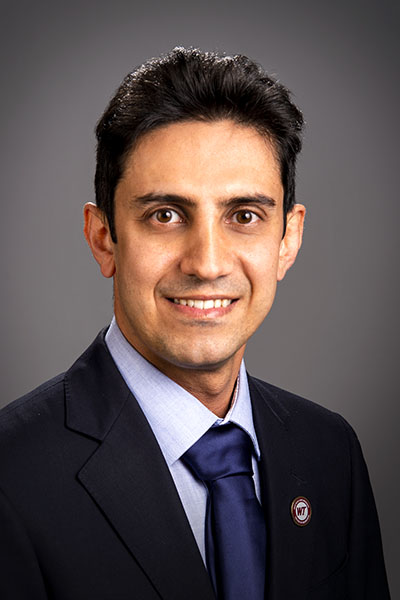
Dr. Behnam Askarian is an Assistant Professor of Electrical Engineering at West Texas A&M University's College of Engineering, joining in Fall 2021. He holds a B.S. and first M.S. in Electrical Engineering from Shiraz University (Iran), followed by a second M.S. and Ph.D. from Texas Tech University (2020 and 2021, respectively). His research focuses on renewable energy, machine learning, biomedical engineering, IoT, and image/signal processing , with notable contributions to smartphone-based diagnostic tools for eye diseases and arrhythmia detection. He has authored two books on multimedia and learning technologies. **Education**: B.S. & M.S. in Electrical Engineering, Shiraz University, Iran M.S. & Ph.D. in Electrical Engineering, Texas Tech University **Research Highlights**: Dr. Askarian’s work bridges engineering and healthcare, particularly in developing affordable diagnostic tools. His IoT-enabled solutions address challenges in telemedicine, such as keratoconus detection via smartphones and arrhythmia monitoring. He also explores AI-driven precision agriculture and sustainable energy systems. Two patents reflect his innovations in smartphone-integrated medical sensors. **Teaching**: He teaches core electrical engineering courses, including Digital Design, Wind Energy Turbines, and Linear Integrated Circuits , emphasizing hands-on learning in electronics and renewable energy. **Labs & Collaborations**: Affiliated with the College’s engineering research groups, including the ECORE Lab and Human-Machine Teaming Laboratory, where he contributes to interdisciplinary projects in robotics and sensor networks.
Linying Zhang, PhD, is an Assistant Professor of Biostatistics, Statistics and Data Science, and Medicine at Washington University School of Medicine in St. Louis. She holds affiliations with the Institute for Informatics, Data Science, and Biostatistics (I2DB), the Roy and Diana Vagelos Division of Biology & Biomedical Sciences (DBBS), and the Center for Biostatistics and Data Science (CBDS). Her research focuses on causal inference and machine learning applied to large-scale healthcare databases, particularly addressing treatment disparities and developing federated causal machine learning frameworks. Education: PhD in Biomedical Informatics, Columbia University MS in Computational Biology, Harvard University BA in Biochemistry and Molecular Biology, Boston University Her research interests include improving healthcare equity through algorithmic fairness, personalized treatment planning via heterogeneous treatment effect estimation, and federated learning across multiple databases. She mentors PhD/MSTP students and postdoctoral fellows. Recent publications explore topics like semaglutide-associated optic neuropathy risks, causal fairness in treatment allocation, and machine learning for fall risk prediction in older adults. Her work has been recognized in journals such as JAMA Ophthalmology and the Journal of Biomedical Informatics. She leads efforts in labs focused on biomedical informatics and data science, emphasizing reproducible research and interdisciplinary collaboration.
Ruiwen Zhou is an Assistant Professor of Biostatistics at Washington University in St. Louis School of Medicine, affiliated with the Institute for Informatics, Data Science and Biostatistics (I2DB) and Center for Biostatistics and Data Science (CBDS) . With 25 citations and 13 total research outputs, their work focuses on integrating advanced statistical methods with clinical applications. Institute for Informatics, Data Science and Biostatistics (I2DB) Center for Biostatistics and Data Science (CBDS) Research Interests span three main domains: Medical Imaging Analysis : Applying transformer-based models to longitudinal imaging data for eye disease prognosis (e.g., primary open-angle glaucoma) Cardiac Diagnostics : Developing machine learning algorithms for automated differentiation of cardiac arrhythmias using ECG data Behavioral Biostatistics : Investigating non-motor decision making patterns in human reach-to-grasp tasks Publication Trends show increasing output intensity, with 8 publications in 2024 alone. Their work combines computer vision with clinical medicine , emphasizing sequence modeling and diagnostic applications across ophthalmology and cardiology. Laboratory Affiliation : Conducts research within the Institute for Informatics, Data Science and Biostatistics (I2DB) , a multidisciplinary center focusing on health data science.
Fuhai Li, PhD, is an Associate Professor of Pediatrics at the Washington University School of Medicine. He holds dual affiliations with the Roy and Diana Vagelos Division and the Division of Biology & Biomedical Sciences (DBBS) in the areas of Biomedical Informatics, Cancer Biology, and Computational and Systems Biology. His research spans multiple institutions including the Institute of Clinical and Translational Sciences (ICTS), Institute for Informatics, Data Science and Biostatistics (I2DB), Center for Translational Bioinformatics (CTBI), and Siteman Cancer Center. Biomedical Informatics and Data Science Cancer Biology Computational and Systems Biology Dr. Li specializes in integrating pharmacogenomics data through statistical and machine learning approaches. His work focuses on three key areas: 1) identifying driver genetics in diseases, 2) developing novel drug combinations to combat resistance with reduced toxicity, and 3) analyzing tumor-stroma interactions to understand microenvironment roles in disease progression. His research employs advanced techniques like multi-scale graph AI models, deep learning for disease prediction, and tools for multi-omics signaling network generation. Recent publications demonstrate expertise in graph neural networks for multi-omic data analysis, deep learning applications in glaucoma prediction, and integrative computational approaches in cancer research. His work aligns with precision medicine and translational bioinformatics paradigms. Dr. Li is actively involved in mentoring PhD and MSTP students, with over 4,000 citations to his research output spanning 2005-2025. He has published extensively in computational biomedicine, including editorials in Computational and Structural Biotechnology Journal and Cancers . Key collaborations include the Roy and Diana Vagelos Division, ICTS, I2DB, and Siteman Cancer Center. His research tools like mosGraphGen demonstrate commitment to developing interpretable AI frameworks for biomedical discovery.
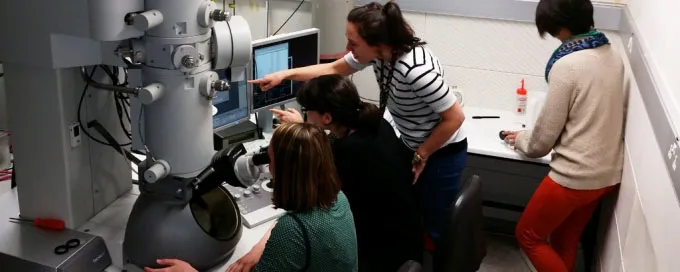
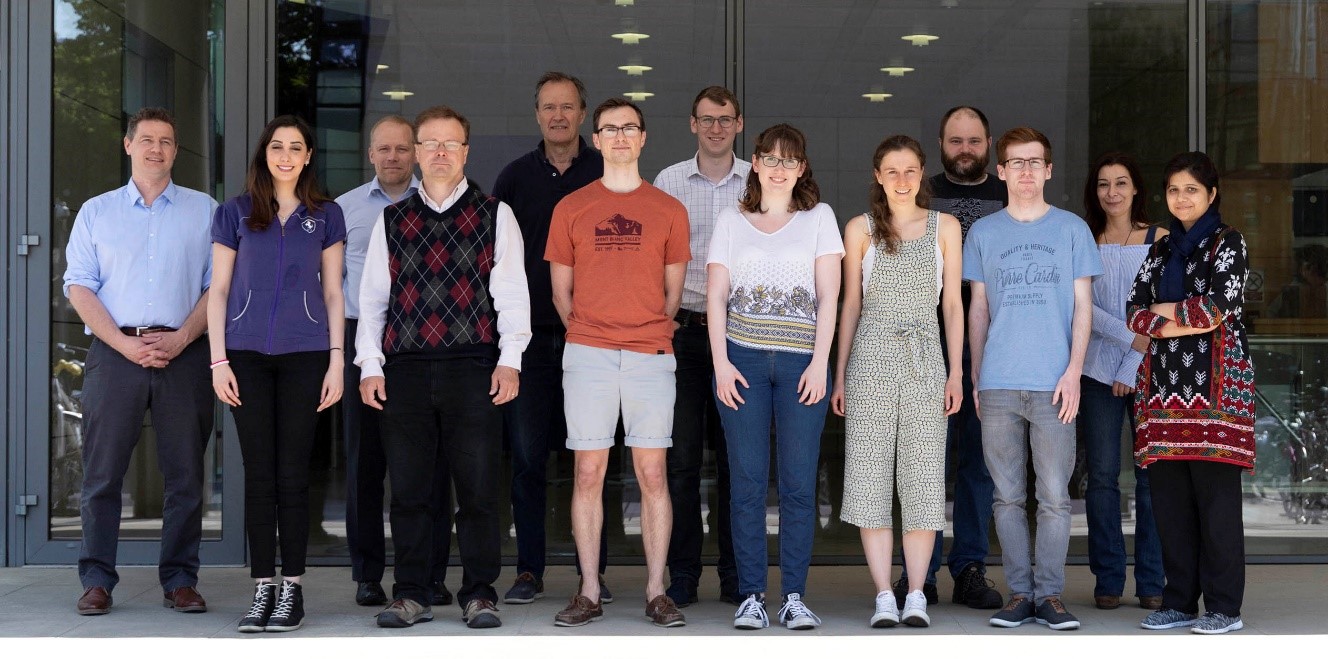
Professor Doryen Bubeck is a structural immunologist at Imperial College London and a satellite group leader at the Francis Crick Institute. She leads a team of 10 researchers focusing on molecular mechanisms of host-pathogen interactions, complement system regulation, and membrane biophysics. Her academic journey includes a B.Sc. from Rensselaer Polytechnic Institute (1999), a Ph.D. in Biophysics from Harvard University (2005), and postdoctoral training at the University of Oxford under EMBO and Cancer Research Institute fellowships. She joined Imperial College London in 2012 as a Lecturer, progressing through Senior Lecturer (2017), Reader (2021), and full Professor (2023). She has held leadership roles as Director of the Centre for Structural Biology (2021–2024) and currently serves as Director of Research for the Department of Life Sciences. Education: B.Sc. Biochemistry/Biophysics, Rensselaer Polytechnic Institute (1996–1999) Ph.D. in Biophysics, Harvard University (1999–2005) EMBO Postdoctoral Fellowship, University of Oxford (2005–2010) Research Interests: Structural immunology, complement membrane attack complex (MAC), pore-forming toxins, host-pathogen interactions, and membrane biophysics. Her research has been supported by prestigious grants including the ERC Consolidator Grant, CRUK Career Establishment Award, and Wellcome Trust Investigator Award. Notable achievements include uncovering the 3D structure of the MAC and its inhibition mechanism, as well as elucidating roles of CD59 in immune regulation. She is a Fellow of the Royal Society of Biology and serves on multiple scientific advisory boards. Awards: GlaxoSmithKline Award (Biochemical Society) ERC Consolidator Grant CRUK Career Establishment Award Fellow of the Royal Society of Biology Her work bridges structural biology and immunology, with applications in therapeutic design for infectious diseases and cancer. She oversees the Centre for Structural Biology and collaborates widely through Imperial College and the Francis Crick Institute.
Tsu-Chin Tsao is a Distinguished Professor in the Department of Mechanical and Aerospace Engineering at the University of California, Los Angeles (UCLA), where he maintains his office in room 46-147J of Engineering IV. Contactable via ttsao@seas.ucla.edu or (310) 206-2819, he operates within one of the nation's premier public research institutions with significant contributions to engineering disciplines. His educational foundation was established at: University of California, Berkeley (1988) Professor Tsao's research program centers on advanced control methodologies with cross-domain applications. His work integrates theoretical frameworks in dynamic systems modeling with practical implementations across mechanical engineering, manufacturing automation, automotive technology, and sustainable energy infrastructure. Core technical specialties include precision control algorithms, adaptive system optimization, and mechatronic system design, driving innovation in both industrial processes and next-generation technologies. Recognition for scholarly excellence includes these major accolades: NSF Research Initiation Award ASME Journal of Dynamic Systems, Measurement and Control Best Paper Award American Automatic Control Council O. Hugo Shuck Best Paper Award University of Illinois Senior Xerox Faculty Research Award ASME Dynamic Systems and Control Division Outstanding Young Investigator ASME Fellow designation IFAC Mechatronics Systems Award (2016) While specific details about graduate student mentorship and research funding portfolios aren't documented in the source material, Professor Tsao's scholarly impact is evidenced through his extensive publication record accessible via Google Scholar and notable industry applications such as the retina machine vision technology featured in Review of Ophthalmology (July 2022).
James McCullagh is a Professor of Biological Chemistry at the University of Oxford's Department of Chemistry, where he directs the Mass Spectrometry Research Facility. His research bridges chemistry, biology, and medicine to investigate small molecule functions in biochemical systems through metabolomics and proteomics approaches. 20 years of expertise in (bio)analytical chemistry Develops advanced mass spectrometry techniques (LC-MS/MS, GC-MS/MS, ion-mobility MS) Manages £10M+ analytical infrastructure with 20 mass spectrometer systems Active in teaching, supervision, and editorial roles Research focuses on: Metabolomics of disease states and genetic mutations Environmental biomarker discovery Method development for polar metabolite analysis Compound-specific radiocarbon dating applications Pharmacometabolomics and palaeodietary reconstruction His work combines mass spectrometry, NMR, and fluorescence detection to explore molecular phenotyping at systems level. Current projects investigate ion-mobility MS for metabolite identification and host-microbiome metabolic interactions. Contact: james.mccullagh@chem.ox.ac.uk
Prof. Dr. Thomas Schultz is a Professor at the University of Bonn's Department of Computer Science, where he leads the Visualization and Medical Image Analysis Group. His research focuses on developing computational tools for quantitative image analysis, machine learning, and interactive visualization, with applications in neuroimaging and ophthalmology. He holds an MSc and PhD in Computer Science from Saarland University and MPI Informatik, with postdoctoral experience at the University of Chicago and Max Planck Institute for Intelligent Systems. His work integrates techniques from computer vision, machine learning, and medical imaging to analyze complex biological data. Recent publications demonstrate a strong focus on AI applications in healthcare, particularly in medical image segmentation, surgical phase recognition, and diffusion MRI tractography. His research shows consistent innovation in adapting deep learning approaches to clinical challenges in ophthalmology and neurology. Dr. Schultz has supervised doctoral students working on diverse topics including drusen segmentation, tractography algorithms, and adversarial robustness in medical imaging. As head of his research group, he fosters collaborations between computer scientists and medical researchers to advance diagnostic and analytical techniques.
Michel Frising is a Postdoctoral Researcher at the Autonomous University of Madrid (UAM), affiliated with the Nanophotonics Group within the Faculty of Sciences. His primary appointment is in the Department of Theoretical Condensed Matter Physics. He completed his PhD in 2022 at UAM, focusing on machine learning applications in nanophotonics, under co-advisors Ferry Prins and Jorge Bravo Abad. Prior to UAM, he conducted MSc research at ETH Zurich and the University of Wisconsin-Madison. His research interests center on developing generative modeling techniques using neural networks to enable inverse design of photonic structures and explore complex parameter spaces. Education: PhD in Condensed Matter Physics, Nanoscience, and Biophysics (UAM, 2022) MSc in Micro and Nanosystems (ETH Zurich, focus: photonics/nano-optics) MSc thesis at University of Wisconsin-Madison with Prof. Mikhail Kats on color vision enhancement devices Research Trends: His publications highlight advancements in machine learning for photonic design, exciton dynamics in perovskites, and biomedical optics innovations. Key areas include invertible neural networks for multimodal device optimization, hyperspectral imaging of biomaterials, and passive frequency conversion using nanocrystals. Awards: Cum Laude distinction for PhD thesis LaCaixa INPhINIT Fellowship Advising/Grants: No formal advisees listed. His work is supported through institutional funding and collaborations within IFIMAC and EU projects like MIRAQLS. Labs/Teams: Core member of the Nanophotonics Group, contributing to interdisciplinary projects at the interface of materials science and computational photonics.
John P Wikswo is a University Distinguished Professor of Biomedical Engineering, Molecular Physiology and Biophysics, and Physics at Vanderbilt University’s School of Engineering. He also holds the A. B. Learned Professorship in Living State Physics and serves as Founding Director of the Vanderbilt Institute for Integrative Biosystems Research and Education (VIIBRE). His research focuses on biological physics, systems biology, and biomedical engineering, emphasizing microfluidic systems, organs-on-chips, and automated biology. Wikswo earned his Ph.D., M.S., and B.A. in Physics from Stanford University and the University of Virginia, respectively. His work integrates engineering, physics, and biology to advance medical technologies and disease modeling. Research interests include cellular instrumentation, microfabrication, and applications of SQUID magnetometry. He pioneered organ-on-chip platforms to study complex biological systems, such as the blood-brain barrier and neurovascular units. Wikswo’s lab develops automated systems for high-throughput experimentation, such as CAPCAS and microfluidic multitrap nanophysiometers. Recent work explores AI-robotic systems for scientific discovery and multi-omics approaches to drug mechanism analysis. Publications span microfluidic bioreactor design, organ-on-chip integration, and predictive toxicology. His interdisciplinary projects bridge engineering, biology, and medicine, addressing challenges in drug development, disease modeling, and personalized healthcare. VIIBRE, under his leadership, focuses on systems biology and translational research, emphasizing quantitative methods and technology development. Wikswo’s contributions include over 100 patents and seminal papers in Nature Biomedical Engineering, Lab on a Chip, and Analytical Chemistry. His work has advanced in vitro models for drug testing and disease mechanisms, with applications in neuroscience, cardiology, and infectious diseases such as SARS-CoV-2. Ongoing efforts aim to create integrated human-on-a-chip systems for predictive toxicology and systems pharmacology.
Nicholas Durr is an Associate Professor in the Department of Biomedical Engineering at Johns Hopkins University's Whiting School of Engineering, with secondary appointments in Electrical and Computer Engineering and Ophthalmology at the Wilmer Eye Institute. He co-directs the undergraduate Design Team program and leads the Durr Computational Biophotonics Lab, focusing on creating optical technologies to improve diagnostics and healthcare accessibility. His work integrates optical engineering, machine learning, and biodesign to develop tools like QuickSee (via his co-founded company PlenOptika), smart endoscopy systems, and non-invasive blood analysis devices. Education: B.S. in Electrical Engineering and Computer Science from UC Berkeley (2003), M.S. and Ph.D. in Biomedical Engineering from UT Austin (2007, 2010). Postdoctoral training at Harvard Medical School and MIT's M+Visión program. Joined Johns Hopkins faculty in 2016. Research interests include computational biophotonics, medical imaging, and accessible healthcare technologies. His lab emphasizes low-cost innovations for global health, such as diffuser-based fundus cameras and carbon dioxide cryotherapy systems. Awards include the NIH Trailblazer Award and Johns Hopkins mentoring accolades. Collaborations span industry partners like Google, Olympus, and Under Armour, and he actively mentors via MedHacks and the FLI Network for first-generation students. His work has been published in journals like Nature BME and IEEE Transactions on Medical Imaging.
Aaron Lee is the Assistant Director of Health & Imaging at the CVBRU (Advanced Cardiovascular Imaging) Centre within the William Harvey Research Institute at Queen Mary University of London. His work focuses on advancing cardiovascular imaging technologies, particularly in the application of artificial intelligence and machine learning to improve diagnostic accuracy and patient outcomes. He leads efforts in large-scale population imaging studies, such as the Healthy Hearts Consortium, to establish reference standards for cardiac function and structure. His research integrates clinical cardiology with computational methods, emphasizing automated image analysis and quality control in cardiovascular magnetic resonance (CMR) imaging. Lee’s expertise spans the development and validation of AI-driven tools for cardiovascular risk stratification, federated learning frameworks for biomedical data sharing, and the exploration of genetic and psychosocial factors influencing cardiovascular health. He has contributed to over 50 peer-reviewed publications, focusing on topics such as myocardial fibrosis assessment, AI ethics in healthcare, and the impact of adverse childhood experiences on adult cardiac morphology. His work often leverages the UK Biobank dataset to investigate population-level cardiovascular phenotypes and genetic associations. In his role at CVBRU, Lee oversees imaging pipelines, collaborates with interdisciplinary teams, and advocates for responsible AI implementation in clinical practice. His research aims to bridge gaps between advanced imaging techniques and real-world clinical applications, with a focus on improving early detection and prevention strategies for cardiovascular diseases.
Ankica Babic is a Professor in the Department of Information Science and Media Studies at the University of Bergen, where she conducts research and teaching in medical informatics. Her academic work bridges information science and healthcare, focusing on the development and evaluation of information systems to improve healthcare delivery and patient outcomes. Professor Babic's research centers on Medical Informatics, with specific expertise in developing information systems for healthcare settings. Her work includes web-based systems, databases, and mobile applications designed to gather knowledge from medical data and improve information flow in healthcare systems. She has made significant contributions to areas including intelligent phonocardiography, HIV data reporting systems, mobile applications for chronic disease management, and digital twin technology for personalized healthcare. Her research is characterized by close collaboration with healthcare professionals and medical experts, ensuring practical applicability of her work. Analysis of her recent publications reveals a strong focus on digital innovation in healthcare, particularly in the areas of digital twins for heart care, AI applications in cognitive decline diagnosis, and mobile platforms for patient self-monitoring. Her research shows an evolving trajectory from foundational work in electronic medical records and data management toward more sophisticated applications of artificial intelligence and personalized health technologies. The interdisciplinary nature of her work spans computer science, healthcare delivery, and patient-centered design. Professor Babic has supervised numerous students and collaborated on various application development projects including Cherry (a mobile application for children with cancer), self-reporting tools for bipolar patients, safety reporting applications for postoperative care, and multiple sclerosis management applications. Her teaching portfolio includes courses on information science, data management, and artificial intelligence at both bachelor's and master's levels. Her research group appears to focus on medical informatics with particular strength in mobile health applications, data visualization, and AI applications in cardiology and chronic disease management. The team frequently collaborates with healthcare institutions in Norway and internationally, particularly on projects related to HIV data reporting in Kenya and other low-resource settings.
Dr. Arko Barman is an Assistant Teaching Professor at Rice University's D2K Lab, affiliated with Rice University in Houston, Texas. He joined the D2K Lab in July 2020. Previously, he was a postdoctoral research fellow at the University of Texas Health Science Center at Houston (UTHealth). His academic journey includes a B.E. in Electrical Engineering from Jadavpur University (2009), an M.E. in Signal Processing from the Indian Institute of Science (2011), and a Ph.D. in Computer Science from the University of Houston (2018). Dr. Barman's research focuses on Medical Image Computing, Deep Learning, Computer Vision, Machine Learning, Data Mining, and Heuristic Optimization Algorithms. He also contributes to curriculum design and has extensive teaching experience across various academic levels. His work bridges computational techniques with healthcare applications, including tumor segmentation, biomarker discovery, and neurodegenerative disease analysis. His recent research highlights include studies on Alzheimer's biomarkers, macular degeneration mechanisms, and AI-driven solutions for medical imaging challenges. He has also explored educational innovations such as team-based project learning and client-facing consulting courses, emphasizing interdisciplinary collaboration and mentorship. Dr. Barman's work spans diverse domains, from wildlife monitoring using aerial imagery to uncovering systemic racial biases in traffic stops, demonstrating a commitment to applying computational methods to real-world problems. His contributions to the D2K Lab reflect a focus on translational research and education.