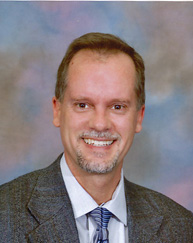
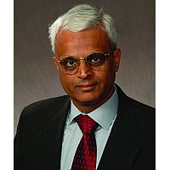
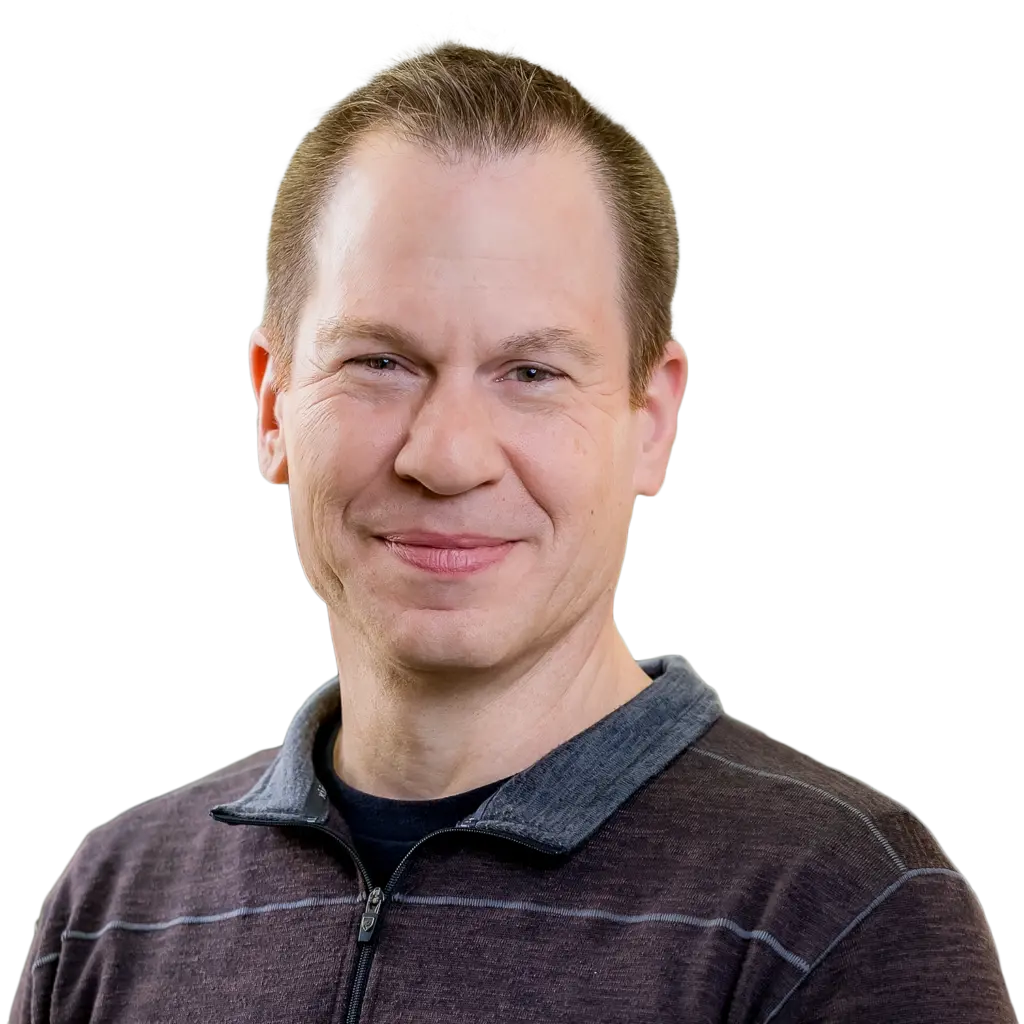
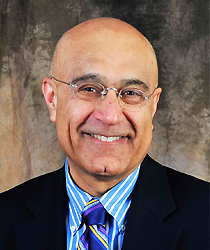
Steven L. Manly is a Professor of Physics at the University of Rochester within the College of Arts, Sciences and Engineering. He has been affiliated with the University of Rochester since 1998, following a decade at Yale University as both a postdoc and faculty member. Professor Manly received his BA in chemistry, mathematics, and physics from Pfeiffer College in 1982 and his PhD in experimental high-energy physics from Columbia University in 1989 under Charles Baltay. His research spans high energy, nuclear, and gravitational physics, with a current focus on neutrino physics across multiple major experiments. His primary research interests include neutrino interactions and oscillations, with significant contributions to the T2K experiment (for which he shared the 2016 Breakthrough Prize in Fundamental Physics), the MINERvA experiment at Fermilab, and the Deep Underground Neutrino Experiment (DUNE). His work aims to understand neutrino properties, measure oscillation parameters, and investigate potential connections to matter-antimatter asymmetry in the universe. The recent publications reflect a strong focus on neutrino cross-section measurements, detector calibration techniques, and data analysis methods for the T2K and DUNE experiments. His research group contributes significantly to advancing our understanding of neutrino properties and interactions through precision measurements. NY State Professor of the Year (2003) Mercer Brugler Distinguished Teaching Professor (2002-2005) American Association of Physics Teachers (AAPT) Award for Excellence in Undergraduate Teaching (2007) Breakthrough Prize in Fundamental Physics (2016, shared as member of T2K) Professor Manly has authored or co-authored numerous publications in leading physics journals, with recent work focusing on neutrino interaction measurements, detector development, and data analysis techniques. His research has involved collaborations with major international facilities including Fermilab, J-PARC in Japan, and Brookhaven National Laboratory. While specific grant information isn't detailed in the provided text, his participation in large-scale international collaborations suggests significant research funding support.
Edoardo Charbon is a Full Professor at École Polytechnique Fédérale de Lausanne (EPFL) in the School of Engineering, where he leads the Advanced Quantum Architecture Lab (AQUA). He also serves on the School Council STI and is Co-Director of STI-SSIQ Administration. Previously, he was a full professor and chair at Delft University of Technology from 2008 to 2016. Charbon received his Elektrotechnik Diploma from ETH Zurich, M.S. from UC San Diego, and Ph.D. from UC Berkeley, all in electrical engineering. His career spans industry experience at Cadence Design Systems and Canesta Inc. before joining EPFL in 2002. His research focuses on ultra high-speed and 3D optical sensors, with applications in LiDAR, FLIM (Fluorescence Lifetime Imaging Microscopy), PET (Positron Emission Tomography), FCS (Fluorescence Correlation Spectroscopy), and NIROT (Near-Infrared Optical Tomography). He has pioneered deep-submicron CMOS SPAD technology, which is now mass-produced and used in smartphones, telemeters, and medical diagnostics. His recent work bridges cryo-CMOS circuits for quantum computing with advanced optical sensing techniques. Analysis of his recent publications reveals a strong trend toward integrating quantum technologies with practical imaging applications. His work spans from fundamental device development (SPAD sensors, cryo-CMOS circuits) to applied systems (LiDAR engines, medical imaging devices), with increasing integration of machine learning techniques for real-time processing. 2023 IISS Pioneering Achievement Award Fellow of the IEEE Distinguished visiting scholar, W. M. Keck Institute for Space at Caltech Fellow, Kavli Institute of Nanoscience Delft Distinguished lecturer, IEEE Photonics Society Professor Charbon has authored or co-authored over 500 papers and two books, and holds 27 patents. His research has been supported by collaborations with organizations including Bosch, X-Fab, Texas Instruments, Maxim, Sony, Agilent, and the Carlyle Group. He has driven significant innovation in CMOS SPAD technology, which is now commercially deployed in various applications. He leads the Advanced Quantum Architecture Lab (AQUA) at EPFL, which focuses on the development of advanced sensor systems combining quantum technologies with conventional electronics. The lab has been instrumental in creating SPAD-based imaging systems that push the boundaries of time-resolved optical detection.
N.K. Anand is a Distinguished Professor of Mechanical Engineering at Texas A&M University, holding the James J. Cain III Regents Professorship. He leads research in advanced computational methods and thermal-hydraulic systems, with affiliations to Multidisciplinary Engineering and Nuclear Engineering programs. His work focuses on physics-informed machine learning, finite volume methods, and aerosol transport in nuclear reactor contexts. Education: PhD (Mechanical Engineering, Purdue University, 1983), M.S. (Kansas State University, 1979), and B.E. (Bangalore University, 1978). Awards include the ASME James Harry Potter Gold Medal (2020) and multiple teaching/administrative excellence awards from Texas A&M. Research emphasizes fluid dynamics modeling (e.g., PINNs for periodic flows, turbulent deposition studies), heat pipe systems, and nuclear reactor thermal-hydraulics. His Versatile Test Reactor (VTR) contributions include cartridge loop designs and aerosol transport experiments. Active in high-temperature reactor safety, with facilities studying pebble beds, helical coil exchangers, and HTGR upper plenum dynamics. Publications span physics-informed ML applications, finite volume techniques, and nuclear thermal systems. Grants supported development of advanced CFD tools and reactor safety infrastructure. His lab collaborates on international nuclear energy projects and emerging AI-driven simulation methodologies.
Dane Morgan is a Professor in the Department of Materials Science & Engineering at the University of Wisconsin-Madison, College of Engineering. His research focuses on computational materials science for materials design, including ab initio electronic structure modeling, multiscale methods, and machine learning applications in materials discovery. His work spans nuclear materials, battery and fuel cell electrodes, and electronic materials. Education : PhD, 1998, University of California, Berkeley MS, 1994, University of California, Berkeley BA, 1992, Swarthmore College Research Interests : Computational materials science, ab initio methods for electronic structure and thermokinetics, machine learning for materials discovery, electrochemical systems modeling, and applications in nuclear materials, batteries, and electronic materials. His work integrates advanced computational techniques with experimental validation. Scientific Awards : 2024 APL Materials, Editors Pick 2023 Microscopy and Microanalysis Best Paper Award (Instrumentation and Software category) 2023 IEEE Transactions on Plasma Science Best Paper Award 2023 Kellet Mid-Career Award 2015 TMS Materials Genome Initiative Ambassador 2006 3M Technical Nontenured Faculty Grant
Anne E. White is the School of Engineering Distinguished Professor of Engineering and associate vice president for research administration at the Massachusetts Institute of Technology (MIT). She serves in the Department of Nuclear Science and Engineering within MIT's School of Engineering and is a key researcher at the Plasma Science and Fusion Center (PSFC). White has held significant leadership roles including NSE department head from 2019 to 2023 and co-chair of the MIT Climate Nucleus from 2021 to 2024. She currently chairs the Fusion Energy Sciences Advisory Committee (FESAC), providing federal advisory input to the U.S. Department of Energy Office of Science. White received her PhD in physics from UCLA, where she conducted research at the Electric Tokamak. Her early career included research positions at the National Spherical Torus Experiment at Princeton Plasma Physics Laboratory and the DIII-D National Fusion Facility at General Atomics before joining MIT as a faculty member. Her educational background laid the foundation for her expertise in plasma physics and fusion energy research. Professor White's research focuses on magnetic fusion energy, specifically on understanding turbulent transport in magnetically confined fusion plasmas. Her work spans diagnostic development, novel experimentation, and validation of nonlinear gyrokinetic codes. She aims to demonstrate nuclear fusion as a practical part of the world's sustainable energy future. Her group develops and uses radiometers, reflectometers, and interferometers to measure fluctuations in plasma density, temperature, and flows in tokamaks. This research is critical for improving predictive capabilities of turbulent transport models, which is essential for developing viable fusion reactors. Analysis of Professor White's recent publications reveals a strong focus on plasma diagnostics and turbulence measurements across multiple tokamak facilities. Her work spans experimental measurements on ASDEX Upgrade, Alcator C-Mod, NSTX, and DIII-D tokamaks, with particular emphasis on electron temperature fluctuations, turbulence characterization, and transport model validation. A significant theme is the development and application of novel diagnostic techniques for simultaneous measurements of multiple plasma parameters. Her research increasingly incorporates computational approaches, including gyrokinetic simulations and machine learning methods, to interpret experimental data and advance predictive capabilities in fusion plasma physics. Professor White has received numerous prestigious awards throughout her career: Fellow, American Physical Society Division of Plasma Physics (2019) Cecil and Ida Green Career Development Professor, MIT (2014) American Physical Society Katherine E. Weimer Award (2014) Fusion Power Associates Excellence in Fusion Engineering Award (2014) Junior Bose Award for Excellence in Teaching, MIT (2014) PAI Outstanding Faculty Award from MIT student chapter of the American Nuclear Society (2013) Norman C. Rosenbluth Career Development Professor, MIT (2012-2014) Department of Energy Early Career Award (2011-2016) Marshall N. Rosenbluth Outstanding Doctoral Thesis Award (2009) As an educator and mentor, Professor White has advised numerous students through MIT's Department of Nuclear Science and Engineering. She has taught courses including Principles of Plasma Diagnostics, Seminar in Fusion & Plasma Physics, and Introduction to Plasma Physics. Her leadership extends to developing educational resources, notably leading a team in 2018 to create a free MITx MOOC focused on nuclear science and engineering for global high school learners. Professor White has secured significant research funding through Department of Energy awards, including the Early Career Award (2011-2016) and various fusion energy fellowships throughout her career. Her research group at MIT's Plasma Science and Fusion Center has contributed to multiple major fusion facilities and has been instrumental in advancing understanding of plasma turbulence and transport. Professor White leads the Fusion and Plasmas Lab at MIT, which focuses on diagnostic development and turbulence measurements in fusion plasmas. Her team has made significant contributions to research on four major tokamaks: Alcator C-Mod, ASDEX Upgrade, DIII-D, and National Spherical Torus Experiment Upgrade. At MIT's Plasma Science and Fusion Center, she previously served as assistant division head for magnetic fusion energy collaborations and ran the Gyrokinetic Simulation Working Group and the Alcator C-Mod Transport Group. Her lab maintains close collaboration between experimental work, theoretical modeling, and computational simulation to advance the understanding of plasma turbulence and transport phenomena critical for fusion energy development.
Mats Danielsson is a Professor at KTH Royal Institute of Technology, leading the Medical Imaging research group within the Department of Particle Astrophysics and Medical Imaging. He has coordinated major projects like the ERC Advanced Grant for the Si3 project (starting 2024) and the EIC Pathfinder's 1MICRON project (starting 2025). His work focuses on advancing photon-counting detectors, X-ray technologies, and medical imaging systems. Notable recognitions include the 2024 KTH Innovation Award and the 2022 Hans Wigzell Science Prize. Danielsson has co-founded companies such as Sectra Mamea AB and C-RAD AB, and holds 135 patents with over 150 scientific publications. Education: MSc (1990) and PhD (1996) from KTH, followed by postdoctoral research at Lawrence Berkeley National Lab (1996–1998). He joined KTH in 1999, where he has held his current professorship since then. His research spans medical imaging, detector innovation, and radiation physics applications in healthcare. Research Interests: Development of high-resolution CT detectors, photon-counting technologies, compact X-ray sources, and AI-driven image processing. His recent work emphasizes minimizing radiation exposure while enhancing diagnostic precision through novel detector designs and machine learning algorithms. Key Projects: ERC Si3 project (3D detector for nuclear medicine), EIC 1MICRON (micrometer-scale imaging), and MedTechLabs collaboration with Karolinska Institutet. He has pioneered innovations such as MicroDose mammography and advanced photon-counting spectral CT systems. Awards: KTH Innovation Award (2024), Hans Wigzell Prize (2022), IVA membership (2017), Polhem finalist (2014), and INGVAR Award (2004). Advising & Grants: Over 150 scientific publications, 135 patents, and leadership in multi-institutional projects. Teaches courses on medical imaging and modern physics at KTH. Labs/Teams: Director of the Medical Imaging Group at KTH, co-founder of MedTechLabs, and collaborator across academia and industry in medical imaging innovation.
Mohammad Modarres is the Nicole J. Kim Eminent Professor at the University of Maryland within the A.J. Clark School of Engineering. He serves as Director of the Center for Risk and Reliability (CRR) and is a Professor of Nuclear Engineering in the Department of Mechanical Engineering. Dr. Modarres co-founded the world's first degree-granting graduate curriculum in reliability engineering at the University of Maryland and has established himself as an international expert in reliability and risk analysis. Dr. Modarres received his educational credentials from prestigious institutions: B.S. in Mechanical Engineering from Tehran Polytechnic M.S. in Mechanical Engineering from MIT M.S. and Ph.D. in Nuclear Engineering from MIT Dr. Modarres' research spans multiple critical areas in engineering risk and reliability. His primary interests include probabilistic risk assessment, uncertainty analysis, probabilistic physics of failure, and probabilistic fracture mechanics. His work encompasses both experimental investigations and sophisticated probabilistic model development. He has made significant contributions to materials degradation science, prognosis and health management systems, and nuclear safety analysis. His research bridges theoretical developments with practical applications in complex engineering systems, particularly in nuclear power and aerospace sectors. Analysis of Dr. Modarres' recent publications reveals a strong trend toward integrating advanced data science techniques with traditional reliability engineering. His work increasingly incorporates machine learning, deep learning, and entropy-based approaches to solve complex problems in prognostics and health management. There's a clear focus on multi-unit systems, particularly in nuclear power applications, and a growing emphasis on data-driven methodologies for remaining useful life estimation and failure prediction. His research maintains a strong foundation in probabilistic methods while embracing cutting-edge computational approaches. Dr. Modarres has received numerous prestigious honors and awards throughout his distinguished career: Nicole Y. Kim Eminent Professorship in Engineering Minta Martin Professorship in A.J. Clark School of Engineering University of Maryland Distinguished Scholar-Teacher (2019) Tommy Thompson Award for outstanding lifetime contributions to nuclear safety (American Nuclear Society) Fellow, American Nuclear Society Fellow, Institute of Electrical and Electronics Engineers (IEEE) Life Fellow of IEEE 1996 Maryland Inventor of the Year Award (in Information Sciences) FDA Commissioner Special Citation for Contributions to Risk Assessment Methods (2004) 2008 International Research Leadership Award (Society for Reliability Engineering, Quality and Operations Management) Honorary Doctorate from Universidad Da Vinci de Guatemala As the founding director of the Center for Risk and Reliability, Dr. Modarres has built a world-renowned program that has awarded over 500 Ph.D. and master's degrees. His research has been supported by significant grants from government agencies and industry partners, particularly in nuclear safety, aerospace reliability, and critical infrastructure protection. He has mentored numerous students who have gone on to become leaders in reliability engineering across various industries. His center collaborates extensively with the International Atomic Energy Agency (IAEA) and other international organizations on risk assessment methodologies. The Center for Risk and Reliability (CRR), which Dr. Modarres directs, serves as a hub for multidisciplinary research in risk and reliability engineering. The center has recently renovated its facilities to enhance collaboration among researchers from different engineering disciplines. CRR maintains strong partnerships with industry leaders including Amazon Lab126 (as evidenced by their collaboration on device durability research) and has been instrumental in advancing probabilistic risk assessment tools used in nuclear power plant safety analysis. The center hosts regular seminars, workshops, and international conferences, positioning itself at the forefront of risk and reliability research globally.
Gautham Narayan is an Associate Professor in the Department of Astronomy at the University of Illinois at Urbana-Champaign (UIUC), with affiliations in Physics and the National Center for Supercomputing Applications (NCSA). He holds roles as Deputy Director for Astrophysics Research at the NSF-Simons SkAI Institute and Deputy Director of the Center for AstroPhysical Surveys. His research focuses on multi-messenger and time-domain astrophysics, cosmology, and machine learning applications in astronomy. Education: PhD in Physics from Harvard University (2013) and BS (Hons) in Physics from Illinois Wesleyan University (2005). His work includes pioneering AI methods for transient detection, leading collaborations like the Young Supernova Experiment (YSE), and developing standards for LSST and WFIRST. He is a Simonyi NSF-CAREER Fellow and Analysis Coordinator for the LSST Dark Energy Science Collaboration. Research interests span cosmology, supernovae, and survey science. Key projects include establishing spectrophotometric standards via HST observations and advancing real-time analysis pipelines like ANTARES. Recent work emphasizes Bayesian models for supernova cosmology and multi-messenger astrophysics. Awards: Simonyi NSF-CAREER Fellowship. Collaborations include DESC, SCiMMA, and the KEGS team. Teaching includes courses on astrophysics and data science, with mentorship of students across undergraduate and graduate levels. Public outreach efforts include Astronomy on Tap events and science communication initiatives.
Angela Di Fulvio is an Associate Professor and Donald Biggar Willett Faculty Scholar at the University of Illinois at Urbana-Champaign, holding joint appointments in the Department of Nuclear, Plasma, and Radiological Engineering and the Center for Digital Agriculture at NCSA. She leads the Nuclear Measurement Laboratory (NML), focusing on radiation detection technologies for nonproliferation, medical physics, and nuclear security. Her academic journey includes a Ph.D. in Nuclear Engineering and Industrial Safety from the University of Pisa (2012), preceded by M.Sc. and B.Sc. degrees in Bioengineering. Her research emphasizes neutron detection instrumentation, radiation protection in therapy, and safeguards applications. Key areas include next-generation thermal neutron detectors, boron neutron capture therapy dosimetry, and spent nuclear fuel imaging. She has pioneered work on pulse shape discrimination using commercial ASICs and developed algorithms for neutron-gamma discrimination in harsh environments. Di Fulvio’s 15+ peer-reviewed articles span advanced detection systems, Monte Carlo modeling, and machine learning for radiation imaging. Notable contributions include a physics-based forward model for spent fuel imaging and variational autoencoder-based pulse discrimination. Her work has been recognized with the Dean’s Award for Excellence in Research. Professional roles include Associate Editor of Radiation Measurements and editorial board member of Nature Scientific Reports . She chairs APS’s Instrumentation and Measurement Science group and ANS’s Nuclear Nonproliferation Policy Division. Recent courses taught include NPRE 451-452 labs, Nuclear Safeguards, and Student Research Seminars.
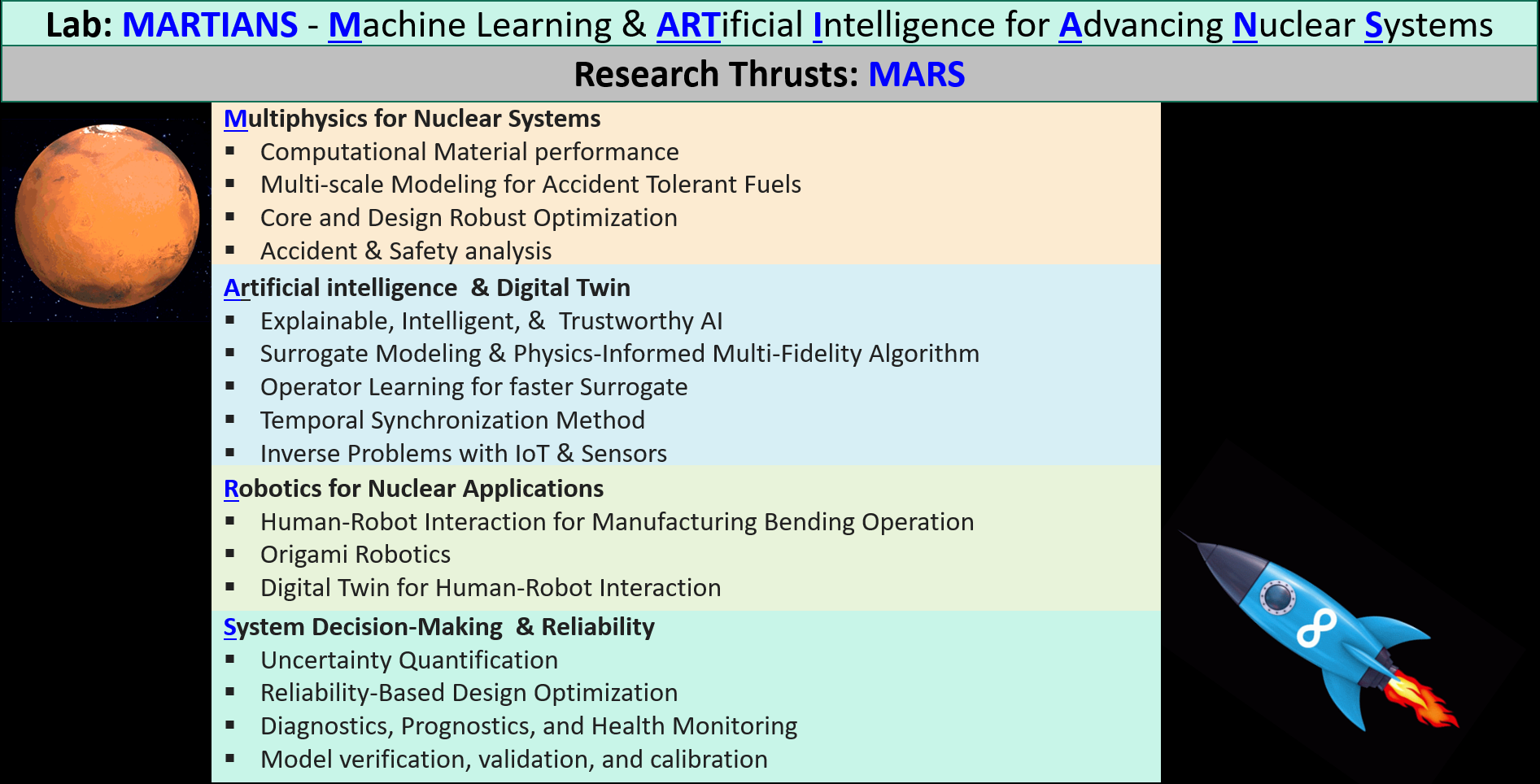
Syed Bahauddin Alam is an Assistant Professor at the University of Illinois Urbana-Champaign (UIUC) in the Nuclear, Plasma & Radiological Engineering department. He holds appointments in the Grainger College of Engineering and the National Center for Supercomputing Applications (NCSA). His research focuses on AI-driven digital twins, uncertainty quantification, and cybersecurity for nuclear systems. Education: B.Sc. in Electrical and Electronics Engineering, Bangladesh University of Engineering and Technology (BUET), 2011 MPhil in Nuclear Energy, University of Cambridge, 2013 PhD in Nuclear Engineering, University of Cambridge, 2018 Research Interests: AI and Digital Twins for Nuclear Energy Multiscale Modeling with Uncertainty Quantification Cybersecurity for Nuclear Systems Sensors and Instrumentation for Reactor Monitoring His work emphasizes explainable AI (XAI), physics-informed machine learning, and robust design optimization. Key contributions include AI-powered digital twins for nuclear systems, which received global media coverage and top 5% Altmetric scores. Awards & Honors: 2025 Dean’s Award for Excellence in Research (UIUC) 2024 Illinois Innovation Award Finalist 2022-2021 Outstanding Teaching Award (Missouri S&T) 2017 Cambridge Philosophical Society Research Studentship Award Grants & Funding: $700,000 U.S. Nuclear Regulatory Commission (NRC) Distinguished Faculty Development Award (2024) $2 million DOE grant for nuclear fuel storage solutions (2023) $500,000 NRC R&D Grant (2024) Labs & Teams: Leads the MARTIANS Lab (Machine Learning and ARTificial Intelligence for Advancing Nuclear Systems), focusing on hybrid data-physics-driven AI and explainable machine learning for nuclear engineering challenges.
Allen Husker is a Research Professor of Geophysics at the California Institute of Technology (Caltech), affiliated with the Seismological Laboratory. He manages the Southern California Seismic Network (SCSN) and the Southern California Earthquake Data Center. Previously, he was a professor at the National Autonomous University of Mexico (UNAM), chairing the Seismology Department, and served as Station Manager for the Comprehensive Nuclear-Test-Ban Treaty Organization (CTBTO) seismic stations in Mexico. His academic journey includes a B.S. from the University of Washington (1998), an M.S. from UCLA (2003), and a Ph.D. from Caltech (2008). Research Interests : Husker focuses on geophysical observations of crustal structure, slow-slip events, and seismic network analysis. His work bridges subduction zones (e.g., Mexico) and transform boundaries (e.g., Southern California). He explores planetary seismology, comparing Earth with the Moon and Mars. Recent studies include DAS technology for moonquake detection and seismic monitoring in the Guerrero seismic gap. Publications Trends : His 2024 work emphasizes DAS applications, Mexico’s San Andreas Fault dynamics, and socio-technical aspects of earthquake early warning (EEW) in Mexico. Earlier research (2020s) delves into slow-slip mechanisms, crustal anisotropy, and fault system dynamics in Mexico. He also investigates moonquake behavior and lunar regolith effects. Awards : No explicit scientific awards listed. Advising & Grants : Advises graduate students like Guillermo González (UNAM) and Yuri Tamama (Caltech). Former students include Francesco Civilini (Research Space Scientist) and Jiuxun Yin (Research Geophysicist). Collaborates widely, including with Jennifer Jackson on lunar seismology. Labs/Teams : Leads the SCSN and collaborates with UNAM’s Seismology Department. Engaged with the CTBTO and international seismological networks.
Nicholas Antipa is an Assistant Professor at the University of California San Diego's Jacobs School of Engineering, in the Electrical and Computer Engineering department. His research focuses on the co-design of optical systems and algorithms to develop advanced computational imaging systems, leveraging innovations in 3D printing, sensors, machine learning, and AI. He holds a PhD in Computational Imaging from UC Berkeley and previously worked at the Lawrence Livermore National Lab on optical metrology for the National Ignition Facility. His work includes pioneering projects like the DiffuserCam and Miniscope3D, which enable high-dimensional optical signal capture and 3D microscopy. Education: PhD in Computational Imaging, UC Berkeley (2020) MS in Optics, University of Rochester Institute of Optics BS in Optical Science and Engineering, UC Davis Research Interests: Computational imaging systems, single-shot high-dimensional optical capture, lensless imaging, and applications in neuroscience and marine science. His lab explores novel optical designs, compressed sensing, and AI-driven imaging techniques to push the boundaries of conventional systems. Scientific Awards: Best Paper at ICCP 2019, 2016 Best Demo at ICCP 2017 No. 2 in Optica 15 Top-Cited Articles (2020) Affiliations: Director of the Computational Imaging Systems Lab at UCSD. Collaborates with institutions like Lawrence Livermore National Lab and the Scripps Institution of Oceanography for projects in marine sediment mapping and underwater object detection. His lab emphasizes open-source tools, such as the DiffuserCam Raspberry Pi tutorial.
Rafael Brüschweiler is a Professor and Ohio Research Scholar at The Ohio State University, holding joint appointments in the Department of Chemistry and Biochemistry and the Department of Biological Chemistry and Pharmacology. He serves as the NMR Executive Director for the Ohio State Campus Chemical Instrument Center and the NSF-funded National Gateway Ultrahigh Field NMR Center. His research focuses on biophysical chemistry, analytical chemistry, and computational modeling, emphasizing protein dynamics, metabolomics, and NMR method development. He received his Ph.D. from ETH Zurich and completed a postdoc at the Scripps Research Institute. His research integrates experimental NMR, molecular dynamics simulations, and machine learning to study protein structure-function relationships, metabolic pathways, and biomolecular interactions. Key areas include the dynamics of oncogenic K-Ras, glucokinase glucose sensing, and nanoparticle-assisted NMR techniques. His work is funded by the NIH and NSF, with applications in biomedical diagnostics and drug discovery. Dr. Brüschweiler leads a multidisciplinary lab training students and postdocs in NMR spectroscopy, computational methods, and metabolomics. His lab developed tools like DEEP picker and COLMAR for automated NMR data analysis, contributing to the SECIM metabolomics center. He actively recruits students interested in protein dynamics, computational modeling, or metabolomics.
Ralph Jimenez is an Adjunct Professor of Chemistry and Institute Fellow at JILA, University of Colorado Boulder. He holds a Ph.D. from the University of Chicago (1996) and completed postdoctoral work at the University of California, San Diego (1997-1998), followed by research at The Scripps Research Institute (1998-2003). His research focuses on quantum spectroscopy and photophysics of fluorescent proteins, leveraging quantum optics to enhance spectroscopic sensitivity and developing genetically encoded biomarkers with improved photophysical properties. Key achievements include fluorescence-lifetime-based methods to engineer brighter fluorescent proteins and machine-learning approaches to improve photostability. His awards include the Arthur S. Flemming Award (2017) and U.S. Department of Commerce Gold Medal (2017). His group's work integrates quantum engineering with biophysical studies, targeting real-world applications in molecular imaging and materials science. The Jimenez Group operates labs at JILA (B117, B119, B121) and collaborates on projects involving entangled photons, two-photon absorption, and ultrafast spectroscopy. Research themes include quantum-enhanced spectroscopy for complex systems and overcoming limitations in fluorescent protein imaging through physical chemistry strategies. His lab develops novel instrumentation, including microfluidic sorting systems and tabletop X-ray spectroscopy platforms, to advance biomarker engineering and environmental monitoring.
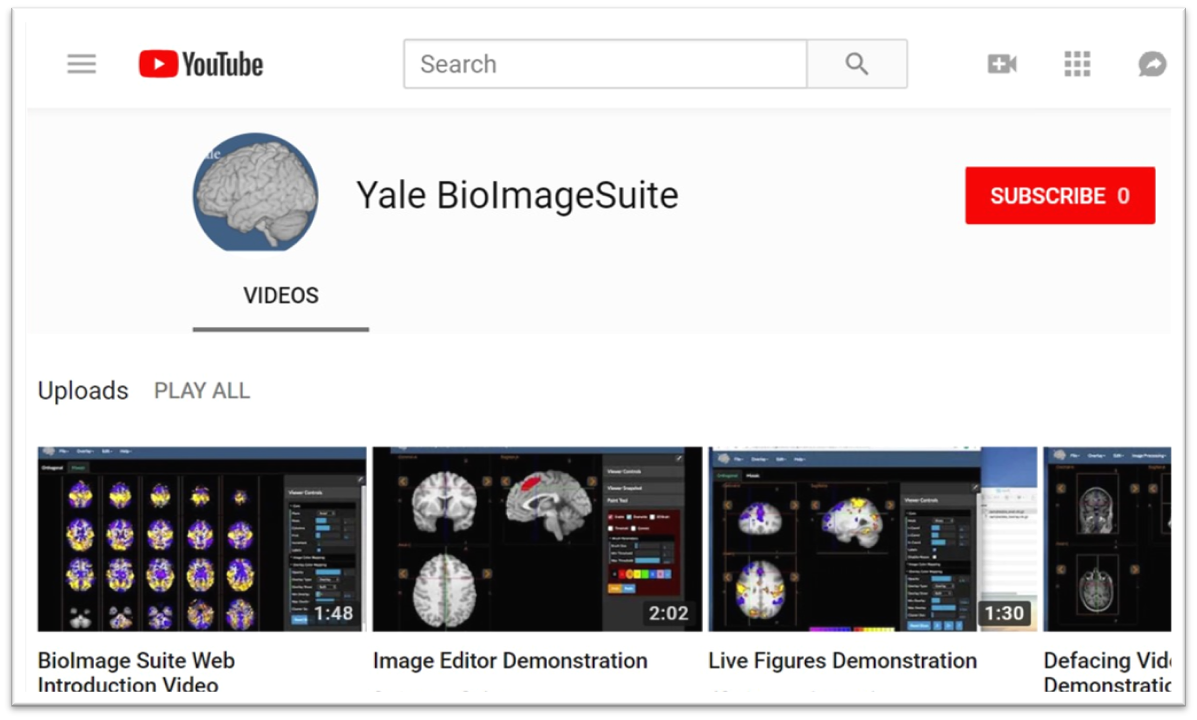
Xenophon Papademetris is a Professor of Biomedical Informatics & Data Science and Radiology & Biomedical Imaging at Yale School of Medicine. He serves as Associate Director of Biomedical Imaging Data Sciences at Yale Biomedical Imaging Institute and directs the Medical Software and Medical Artificial Intelligence Certificate Program. PhD in Electrical and Information Sciences from Yale University (2000) BA from Cambridge University (1994) Postdoctoral Fellowship at Yale University (2002) His research focuses on medical image analysis, machine learning, and biomedical software development. He has developed tools like BioImage Suite Web and contributed to standards committees at the Association for the Advancement of Medical Instrumentation (AAMI). His work spans modalities including MRI, CT, PET, and optical imaging. Recent publications emphasize neuroimaging analysis, explainable AI in healthcare, and multimodal data integration across species. He leads NIH-funded research under the BRAIN Initiative (R24 MH114805) and has authored a textbook on Medical Software published by Cambridge University Press. IEEE Senior Member Yale Brown-Coxe Postdoctoral Fellowship Harding Bliss Prize for Excellence in Engineering He directs the BioImage Suite Project, creating web-based image analysis tools using JavaScript and WebAssembly. His teaching includes both academic courses and a Coursera program on Medical Software with over 14,000 enrollments.