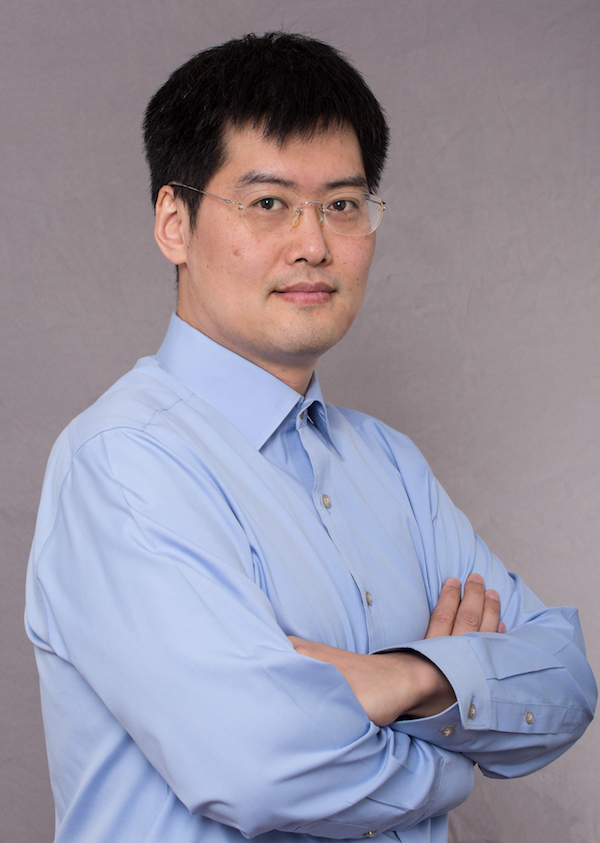
Xuming He is an Associate Professor at the School of Information Science and Technology (SIST), ShanghaiTech University, where he leads the PLUS Lab. His research spans computer vision and machine learning with a focus on developing algorithms that operate effectively under limited supervision and evolving data conditions. His core research interests include weakly-supervised and few-shot learning for scenarios with sparse annotations, continual learning frameworks for knowledge retention during sequential task acquisition, semantic segmentation techniques for scene understanding, and multimodal vision-language representations. He emphasizes interpretable machine learning to build transparent AI systems capable of human-understandable reasoning, addressing critical challenges in model trustworthiness and deployment reliability. Recent publications reveal strong trends toward novel class discovery in long-tailed recognition scenarios, physics-informed generative modeling for scientific applications, and robust segmentation under distribution shifts. His work increasingly integrates large language models for multimodal reasoning while maintaining focus on efficiency in resource-constrained environments like robotic grasping and medical imaging analysis. He actively mentors students, having supervised Qian He to PhD completion and Chuanyang Hu to Master's degree in 2023. He welcomes prospective graduate students through ShanghaiTech's Computer Science & Technology program and offers undergraduate research projects requiring minimum six-month commitments. The PLUS Lab under his direction drives innovation in learning under supervision constraints, with recent work spanning medical tumor analysis, cross-view geolocation, photonic computing, and semiconductor design verification. The lab's research bridges theoretical advances with practical applications across healthcare, robotics, and scientific discovery domains.
Dr. Jennifer Ahjin Kim is an Assistant Professor in the Department of Neurology at Yale School of Medicine. She specializes in neurocritical care, focusing on quantitative analysis of electroencephalography (EEG) and neuroimaging for early diagnosis and treatment optimization in patients with severe neurologic injuries. Her clinical interests include traumatic brain injury, subarachnoid hemorrhage, stroke, and post-traumatic epilepsy. PhD in Neuroscience, Brown University (2012) MD from Brown University (2012) Neurology Residency, Massachusetts General Hospital/Brigham & Women's Hospital (2016) Neurocritical Care Fellowship, Massachusetts General Hospital/Brigham & Women's Hospital (2019) Dr. Kim’s research integrates multimodal data (EEG, MRI, CT) with machine learning to predict secondary complications after brain injuries. She actively contributes to clinical trials like BOOST3 and ASPIRE, aiming to improve outcomes for patients with traumatic brain injury, stroke, and hemorrhage. Her recent work emphasizes automated detection of epileptiform discharges, predictive modeling for delayed cerebral ischemia, and application of NLP to CT reports. Collaborations include frequent partnerships with Guido Falcone, Lawrence Hirsch, and Emily Gilmore. Dr. Kim leads the Kim Laboratory, which focuses on bedside monitoring technologies and secondary prevention strategies.
Dr. Ram Bajpai is a Lecturer in Epidemiology/Applied Statistics at Keele University's School of Medicine. He joined in 2019 as part of the Research Institute for Primary Care and Health Sciences, combining active research and teaching roles. Previously, he worked at the Lee Kong Chian School of Medicine (Nanyang Technological University, Singapore) and the Army College of Medical Sciences (India). Education: BSc in Statistics/Mathematics (University of Lucknow), MSc Health Statistics (Banaras Hindu University), PhD in Medical Statistics (Guru Gobind Singh Indraprastha University). Research focuses on cross-domain applications of statistical/epidemiological methods, including survival analysis, Bayesian methods, risk prediction modelling, and evidence synthesis. Teaching experience includes biostatistics modules for medical students at multiple institutions. Current research interests span prognostic studies, meta-analysis, complex data analysis, and design of epidemiological studies. Key contributions include systematic reviews on gout prophylaxis safety, dementia prognostic factors, and long-term outcomes of pediatric COVID-19. Active in collaborative projects on aging populations, musculoskeletal health, and public health interventions.
Professor Danilo Mandic is a leading academic in Machine Intelligence and Signal Processing at Imperial College London's Department of Electrical and Electronic Engineering. He holds roles including President of the International Neural Network Society and Distinguished Lecturer for IEEE Computational Intelligence and Signal Processing Societies. His research spans Statistical Learning, Wearable Sensing (Hearables), Financial Signal Processing, and Tensor Networks for Big Data. Key contributions include pioneering in-ear physiological sensing and developing quaternion-based adaptive filters. He has authored over 600 publications, including seminal monographs on neural networks and complex-valued signal processing. Education: PhD in Nonlinear Adaptive Signal Processing from Imperial College (1999). Professional accolades include the 2019 Dennis Gabor Award and multiple IEEE Best Paper Awards. His labs include the Financial Signal Processing & Machine Learning Lab and collaborations with the Centre for Neurotechnology. He advises numerous students and leads projects on AI ethics, graph signal processing, and biomedical applications. His work emphasizes translating research into educational curricula via participatory sensor-based learning.
Dr. Farhad Maleki is an Assistant Professor in the Department of Computer Science at the University of Calgary, Faculty of Science. He holds a PhD in Computer Science from the University of Saskatchewan (2019). His postdoctoral research at McGill University’s Augmented Intelligence & Precision Health Laboratory focused on machine learning for medical image analysis. He has held leadership roles, including President of the Association of Postdoctoral Fellows at McGill and President of the Computer Science Graduate Council at the University of Saskatchewan. Currently, he serves on the Machine Learning Education Sub-Committee of the Society for Imaging Informatics in Medicine and as a guest editor for journals in medical data analysis. Dr. Maleki’s research spans Artificial Intelligence , Machine Learning , Biomedical Data Analysis , and Computer Vision . His work emphasizes medical applications, including tumor segmentation, clinical outcome prediction, and AI-driven diagnostics in oncology and cardiology. He also explores agricultural challenges, such as wheat head segmentation using generative models and domain adaptation. Key contributions include developing robust medical imaging tools (e.g., Rel-UNet for tumor segmentation) and frameworks for evaluating AI model reliability ( RIDGE ). His work bridges clinical needs with computational innovation, addressing issues like reproducibility, generalizability, and low-annotation learning across healthcare and agriculture domains. Dr. Maleki’s articles focus on advancing AI methods for precision health and agriculture. His recent work highlights interdisciplinary applications, such as integrating clinical and pathology data for cancer survival prediction, optimizing radiation therapy using Bayesian methods, and leveraging synthetic data for crop phenotyping. These studies emphasize practical deployment and ethical considerations in AI adoption.
Marco Ghislieri is an Assistant Professor at the Department of Electronics and Telecommunications (DET) of Politecnico di Torino, Italy. He is a member of the Interdepartmental Center PolitoBIOMed Lab and teaches in the Biomedical Engineering program, including courses like Neuroengineering and Design of Programmable Biomedical Devices . His research spans Artificial Intelligence, Biomedical Signal Processing, Neuroscience, and Rehabilitation Engineering . PhD in Bioengineering and Medical-Surgical Sciences (2017-2021) at Politecnico di Torino Thesis: Muscle Synergy Assessment during Cyclic and Non-Cyclic Movements His research focuses on muscle synergy analysis in Parkinson’s Disease (PD) patients post- Deep Brain Stimulation (DBS) , AI-driven gait analysis for fall prevention, and wearable sensor applications for stress-cognitive decline monitoring. He leads the S-CoDe and OMNIA-PARK projects, and contributes to PRIN as a team member. Recent publications highlight advancements in machine learning for intraoperative DBS targeting , statistical gait analysis , and neurorehabilitation tools . He serves as Associate Editor for Scientific Reports and Applied Bionics and Biomechanics , and Guest Editor for Frontiers in Neural Circuits . Awards include the Carlo J. De Luca Award (2022) , GNB Doctoral Award (2022) , and the Best Poster Award at M. Grattarola Summer School (2022) . He supervises Fabrizio Sciscenti (PhD candidate) and collaborates on neuroengineering and biomedical device design courses. His work addresses Goal 3 (Good Health) and Goal 4 (Quality Education) of the UN SDGs.
Niklas Mattsson-Carlgren serves as an Associate Professor and Senior Lecturer at Lund University's Faculty of Medicine, Department of Clinical Sciences. He holds multiple significant roles including Deputy Research Team Manager and Principal Investigator for several major research projects. His affiliations extend to the Wallenberg Centre for Molecular Medicine (WCMM), LU Profile Area: Proactive Ageing, and MultiPark: Multidisciplinary Research Focused on Parkinson's Disease. Dr. Mattsson-Carlgren's research primarily focuses on Alzheimer's disease and other neurodegenerative conditions, with additional work on acute brain injuries such as those following cardiac arrest. His expertise spans neurochemistry, including the regulation of pain and sleep. He employs biochemical measurements, neuroimaging, and cognitive testing to study disease processes in vivo across the spectrum from preclinical disease to advanced dementia. His work aims to improve diagnostic and prognostic methods in clinical practice, enhance clinical trial design for novel therapies, and deepen understanding of disease mechanisms. His recent publications demonstrate a strong emphasis on plasma biomarkers for Alzheimer's disease detection and monitoring, with particular focus on tau and amyloid pathology. The research shows increasing integration of machine learning approaches with traditional biomarker analysis, reflecting a trend toward more sophisticated diagnostic tools that combine multiple data sources for improved accuracy in predicting disease progression. As Principal Investigator for multiple significant projects including 'Longitudinal plasma biomarkers, cognitive data and amyloid PET to improve early prevention of Alzheimer's disease' and 'Validation of an MTBR tau immunoassay for CSF and plasma,' he leads substantial research efforts funded by organizations including Familjen Rönströms stiftelse, Eli Lilly and Company, and the Knut and Alice Wallenberg Foundation. He also serves as supervisor for PhD students, notably for 'Studies of induced neuronal cells in Alzheimer's disease.' Dr. Mattsson-Carlgren is actively involved in the neuroscience community, serving on the program committee for Neuroscience Day 2025. His research contributes to UN Sustainable Development Goals related to health and wellbeing. His work has gained significant attention, with multiple papers being picked up by news outlets and referenced across social media platforms including X (Twitter) and Bluesky.
Dr. Sasan Mahmoodi is an Associate Professor at the School of Electronic and Computer Science , University of Southampton. His research focuses on Medical Image Analysis , Biometrics , and Computer Vision , with applications in healthcare and security systems. Research Groups: Vision, Learning and Control; Institute for Life Sciences; Centre for Machine Intelligence His work spans deep learning , rule-based AI , and pattern recognition in medical imaging, including applications for neonatal brain injury prognosis and radiographic knee osteoarthritis classification. He also contributes to biometric technologies like facial profile recognition and gait analysis. Recent publications highlight his expertise in: Domain adaptation for biometric systems Infrared gait recognition databases Motion artefact correction in HRpQCT imaging Histopathology image segmentation using U-Net variants Dr. Mahmoodi supervises PhD students in computer science and human health development and collaborates on interdisciplinary projects involving machine learning and medical imaging.
Dr Guillaume Meric is an Associate Professor and Senior Lecturer in the Department of Life Sciences at the University of Bath, UK. He is also a group leader in clinical microbiology, microbial (meta)genomics, and bioinformatics. He holds a clinical affiliate appointment with the Cambridge-Baker Systems Genomics Initiative, a joint program between the Baker Heart & Diabetes Institute (Australia) and the University of Cambridge (UK). Additionally, he has honorary appointments at Uppsala University (Sweden), the University of Melbourne, La Trobe University, and Monash University (Australia). His research focuses on the bioinformatic analysis of large-scale human population cohort datasets with microbial components, particularly metagenomic sequences from the gut. His work explores host-microbe interactions, the role of the microbiome in diseases like diabetes and cardiovascular conditions, the impact of medications on the gut resistome, and the genetic basis of pathogen variation. Key interests include: Ecology of bacterial pathogens in the human gut Genetic basis of pathogenic variation Effects of antibiotics and non-antibiotic drugs on the microbiome Links between gut microbiota, host genetics, diet, and disease Human gut archaeome and lifestyle associations His recent publications (2024–2025) demonstrate a strong trend in analyzing population-level microbiome data, particularly from the FINRISK cohort, to understand how diet, alcohol, and antimicrobials influence gut microbial communities and disease risk. These studies employ advanced metagenomic and computational techniques, contributing to precision medicine and public health. Dr Meric contributes to UN Sustainable Development Goals related to good health and well-being. His work has been cited in scientific literature and picked up by news outlets and social media platforms. He is accepting doctoral students and leads the MericLab research group. He is actively engaged in interdisciplinary collaborations across the UK, Australia, and Sweden, particularly in systems genomics and microbiome research. His work is supported by data from large population cohorts and involves extensive computational and statistical modeling.
Mateo Valero Cortés is a renowned Professor of Computer Architecture at the Polytechnic University of Catalonia and Director of the Barcelona Supercomputing Center (BSC). He has held academic and leadership roles since 1974, advancing high-performance computing (HPC) and computer architecture research. His work includes pioneering contributions to vector architectures, multithreading, and instruction-level parallelism. Education includes a Telecommunications Engineering degree from the Polytechnic University of Madrid (1974) and a PhD in Telecommunications Engineering from the Polytechnic University of Catalonia (1980). His research spans over 700 publications, focusing on HPC systems, parallel computing, and supercomputing infrastructure. Key research interests include vector processing, super-scalar processors, and task-based programming models. Recent work emphasizes scalable architectures for exascale computing and energy-efficient hardware-software co-design. Notable achievements include the Eckert-Mauchly Prize (highest in computer architecture), Seymour Cray Award, and Charles Babbage Prize. He has led initiatives like the Spanish Supercomputing Network (RES) and PRACE (European HPC partnership). Academic affiliations include the Royal Academy of Engineering of Spain, ACM Fellow, and IEEE Fellow. He has received 13 honorary doctorates and awards such as Mexico’s Order of the Aztec Eagle. Current projects include the Mont-Blanc HPC prototype and ERC-funded research on multi-core chip design. His BSC oversees over 300 researchers and manages MareNostrum supercomputers.
Arnoldo Frigessi is Professor of Statistics at the University of Oslo, where he leads the Oslo Center for Biostatistics and Epidemiology and serves as director of BigInsight—a Centre of Excellence for Research-Based Innovation. This consortium unites industry, business, public actors, and academia to develop model-based machine learning methodologies for big data, with strong emphasis on health applications. His research centers on statistical methodology driven by real-world scientific challenges, specializing in stochastic models for complex dependence structures and computationally intensive inference algorithms. Core application domains include: Genomics and personalized cancer therapy (particularly breast and lung cancer) Infectious disease modeling (including pandemic response) eHealth, sensor data analysis, and recommender systems Personalized marketing and viral diffusion dynamics Analysis of his 15 most recent publications (2024-2025) reveals dominant themes in cancer systems biology , where he integrates multi-omics, single-cell transcriptomics, and computational modeling to decode tumor evolution under therapy. Parallel work advances infectious disease epidemiology through time-varying reproduction number estimation and mobility-based transmission modeling, while methodological innovations span synthetic data generation (TVineSynth), causal inference via target trial emulation, and Bayesian ranking models for recommender systems. Scientific Awards: No specific awards mentioned in source materials Frigessi actively supervises graduate students, including a Department of Informatics project on "Utilizing covariate information in recommender systems." His leadership of BigInsight—funded as a Research-Based Innovation Centre by the Research Council of Norway—secures major grants supporting interdisciplinary collaborations with industrial partners (e.g., Telenor, DNB) and public health institutions. Current projects integrate real-world clinical data with mechanistic models for treatment optimization. He directs BigInsight's multidisciplinary team of statisticians, computer scientists, and domain experts, while leading the Oslo Center for Biostatistics and Epidemiology's efforts in developing statistical frameworks for complex health data. These initiatives drive Norway's national strategy for data-driven health innovation.
Dr. Nai-Ching Chi is a tenured Associate Professor at the University of Iowa College of Nursing. She is a nurse scientist and informaticist conducting pioneering research at the intersection of data science, technology, and health, focusing on dementia care, multimorbidity management, pain management, family caregiving, and healthy aging. PhD in Biobehavioral Nursing and Health Informatics (University of Washington) MS in Clinical Informatics and Patient-Centered Technologies (University of Washington) MSN (University of California, San Francisco) BSN (Tzu Chi University, Taiwan) Dr. Chi's research integrates advanced data science and AI to develop digital interventions for vulnerable populations. Notable projects include the PACE-app for dementia caregiver pain management, AI-powered nursing communication tools, and NIH-funded studies on multimorbidity patterns in Alzheimer's patients. Her work informs clinical guidelines and leverages predictive modeling for early risk detection. Recent publications focus on AI-driven pain assessment, machine learning in multimorbidity analysis, usability of caregiving apps, and rural age-friendly ecosystems. Her work spans comorbidity indices, geriatric pain, and health informatics innovations. National Academy of Medicine Emerging Leader Forum nomination NIA Butler-Williams Scholar NIA Aging Initiative MCCs Scholar Hospice and Palliative Nurses Association Emerging Leader Award Dr. Chi mentors students in aging research and technology-driven healthcare. She serves on editorial boards, grant review panels, and university committees, while volunteering in nursing homes and international medical missions.
Daniel Groos is a Researcher at the Department of Computer Science, NTNU, specializing in the development of machine learning models for medical and sports-related motion analysis. His work focuses on applying deep learning techniques to video-based movement analysis for early detection of cerebral palsy in infants and performance analysis in elite sports. Education: PhD in Medical Technology (NTNU, 2018-2022), MSc in Computer Science with specialization in AI (NTNU, 2013-2018). Research interests include interdisciplinary collaborations with St. Olavs Hospital and Norwegian Open AI Lab. Key topics are deep learning applications in healthcare, computer vision for movement analysis, and sports biomechanics. Publications emphasize automated clinical analysis, video-based diagnostics, and human pose estimation. Notable projects include a deep learning method for cerebral palsy prediction and motion tracking systems for elite ski jumpers. Collaborations with institutions like the Centre for Elite Sports Research and Olympiatoppen highlight his work in sports performance analysis. No formal scientific awards listed but active in academic outreach with lectures at European conferences on childhood disability and movement analysis.
Matthew A. Franchek is a Professor in the Department of Mechanical and Aerospace Engineering at the University of Houston, where he has served since 2002. His career spans over three decades, including prior roles as Professor and Chair at the University of Houston (2002–2009), Director of the Biomedical Engineering Program (2002–2009), and faculty positions at Purdue University from 1992 to 2002. He earned his Ph.D. (1991), M.S. (1988), and B.S. (1987) in Mechanical Engineering from Texas A&M University and the University of Texas at Arlington, respectively. Dr. Franchek’s research focuses on Dynamic Systems, Measurement and Control , with expertise in linear/nonlinear system identification, multivariable control theory, diagnostics/prognostics, and adaptive control. His engineering applications span internal combustion engines , exhaust after-treatment , noise/vibration control , and health prognostics for cardiovascular/respiratory systems . His recent publications highlight applications in superconductor manufacturing, aeroelastic stability, magnetic actuators, and subsea engineering. 2002 Best Paper Award, ASME Journal of Dynamic Systems, Measurement and Control 2001 ASME Dynamic Systems and Control Division Young Investigator Award 1997 CASA/SME University Lead Award 1997 Feddersen Faculty Fellow, Purdue University Multiple teaching awards at Purdue University (1994–2001) and Texas A&M University (1991) He has served as an Associate Editor for the ASME Journal of Dynamic Systems, Measurement and Control, held leadership roles in ASME and IEEE, and organized symposia on nonlinear control and robust control at international conferences. His professional activities include advisory roles at Cummins Incorporated and reviewing for NSF and numerous journals.
Julie K. Schwarz, MD, PhD, FASTRO is a tenured Professor of Radiation Oncology at Washington University School of Medicine, where she serves as Vice-Chair of Research and Director of the Cancer Biology Division. She also holds appointments as Professor of Cell Biology and Physiology and is affiliated with the Roy and Diana Vagelos Division of Biology & Biomedical Sciences, specifically within the Cancer Biology and Molecular Cell Biology programs. Dr. Schwarz is a key member of the Siteman Cancer Center and co-leads one of only five centers comprising the NIH's Radiation Oncology-Biology Integration Network (ROBIN). Dr. Schwarz completed her BS in Biology at Duke University (1995) followed by an MD/PhD in Cell and Molecular Biology at Washington University School of Medicine (2004) through the Medical Scientist Training Program. She completed her Internal Medicine internship (2005) and Radiation Oncology residency (2009) at Barnes-Jewish Hospital, becoming board-certified by the American Board of Radiology in Radiation Oncology (2010). Her research program focuses on translational studies of gynecologic cancers, particularly cervical cancer, with emphasis on tumor metabolism, biomarker discovery, and treatment resistance mechanisms. Dr. Schwarz's laboratory maintains one of the largest tumor repositories for cervical cancer, which includes specimens collected before and during chemoradiation treatment. Her work has demonstrated the critical role of pretreatment and post-treatment FDG-PET scanning for cervical cancer patients and has identified alterations in PI3K/Akt pathway genes associated with treatment response. Recent research directions include studying obesity's paradoxical favorable impact on cervical cancer outcomes, glucose and glutamine metabolism as targets for cancer therapy, and the role of tumor immunology in therapy resistance. Analysis of Dr. Schwarz's most recent publications reveals a strong focus on cervical cancer biology, tumor metabolism, and novel therapeutic approaches. Her work integrates clinical data with laboratory research to identify biomarkers and develop improved treatment strategies. Current research emphasizes the interface between tumor metabolism, the microenvironment, and response to therapy, with particular attention to HPV-related cancers, tumor imaging, and metabolic targets for radiosensitization. Fellow of American Society for Radiation Oncology (ASTRO) (2024) Danforth WashU Physician-Scientist Scholar Award (2024) Elected into American Society for Clinical Investigation (2022) Michael Fry Research Award for Outstanding Junior Investigator: Radiation Research Society (2012) Fellow: National Cancer Care Network (2008) RSNA Roentgen Resident/Fellow Research Award (2008) As a dedicated mentor, Dr. Schwarz has guided numerous trainees across all levels including undergraduates, graduate students, medical students, residents, fellows, and postdoctoral researchers. Her Schwarz Lab is highly collaborative and actively recruits students and researchers, with recent successes including Leahan Castillo receiving an Honorable Mention at AACR and Brett Tortelli developing significant research on the vaginal microbiome's relationship to cervical cancer treatment response. Dr. Schwarz is R01-funded and leads multiple research projects, including work on the TARGET Center which focuses on understanding the biologic effects of radiation therapy in cancer treatment. She actively participates in national organizations including the ASTRO/NCI Radiobiology Consensus Workshop, AACR Radiation Oncology Think Tank, and the ASTRO Community of Radiation Oncology Physician Scientists. Dr. Schwarz directs the Schwarz Lab, which is growing and actively recruiting postdocs, staff scientists, and graduate students. The lab employs a multidisciplinary approach combining well-annotated clinical databases, prospectively collected patient tumor banks, and state-of-the-art sequencing technologies. Current research directions include single-cell sequencing approaches to study treatment effects on tumor cells and immune cells within the tumor microenvironment, glucose and glutamine metabolism as targets for cancer therapy, and targeting myeloid-derived cells to improve anti-tumor immunity. The lab is highly collaborative and studies multiple tumor types including cervical, pancreatic, and ovarian cancers.