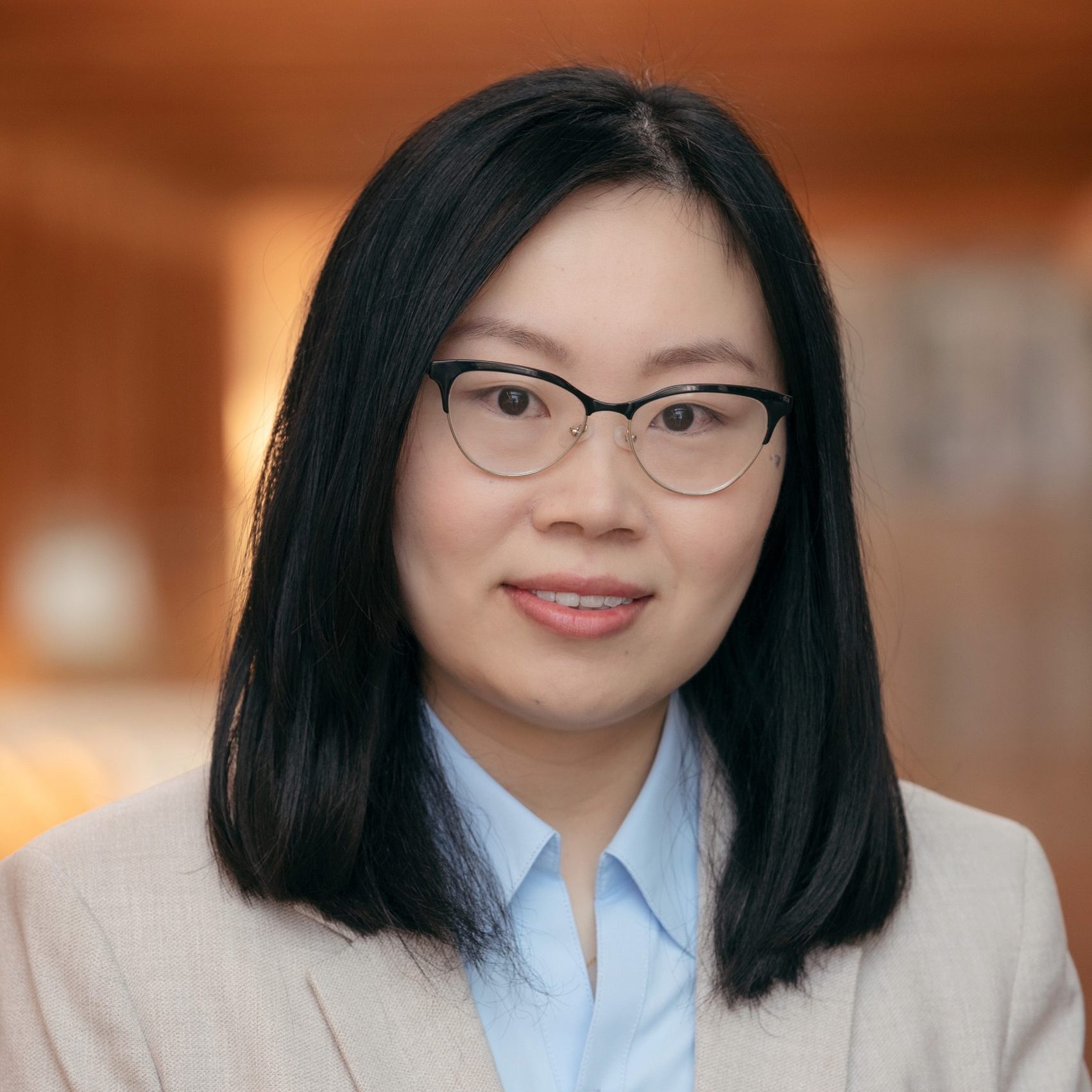
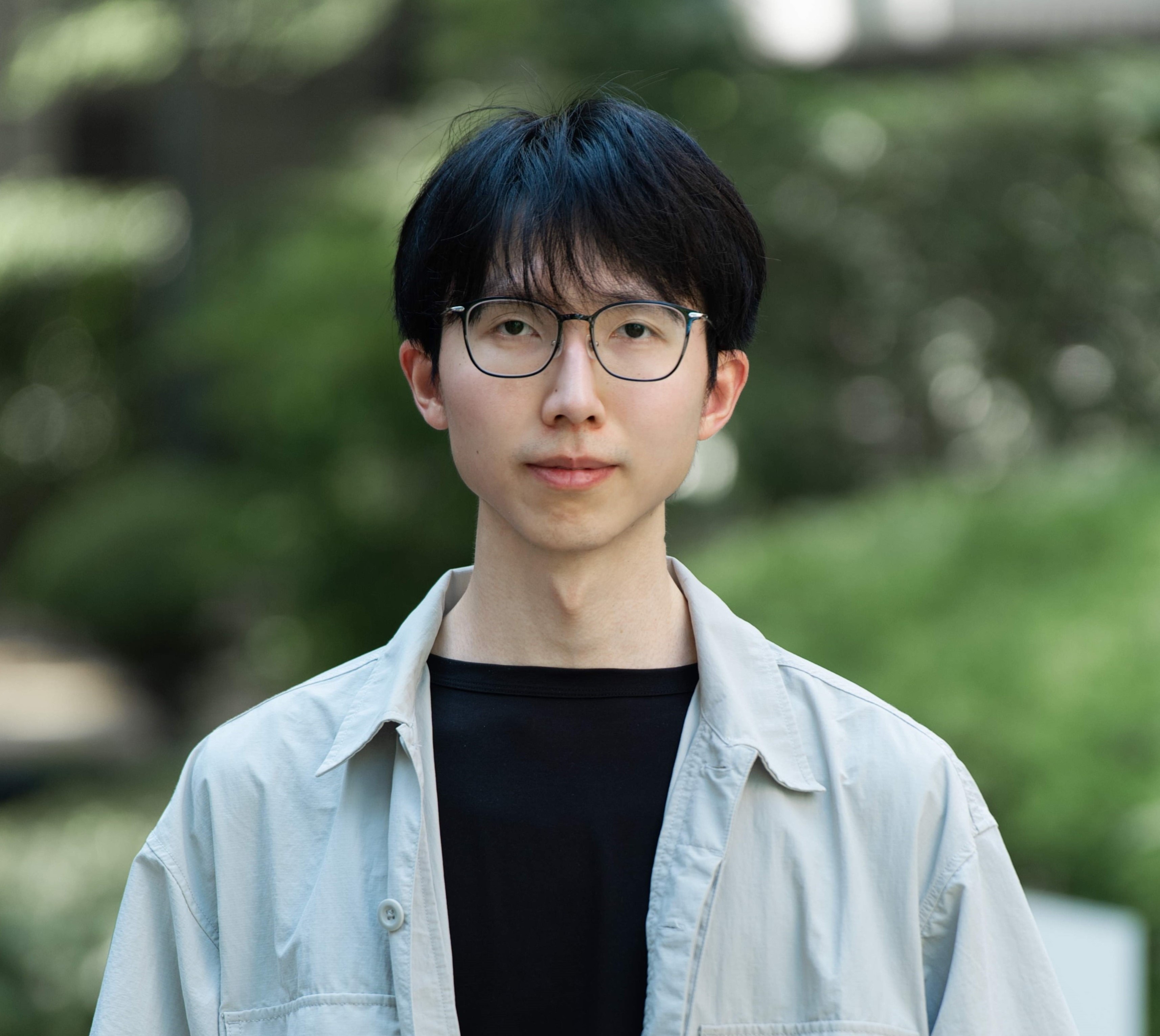
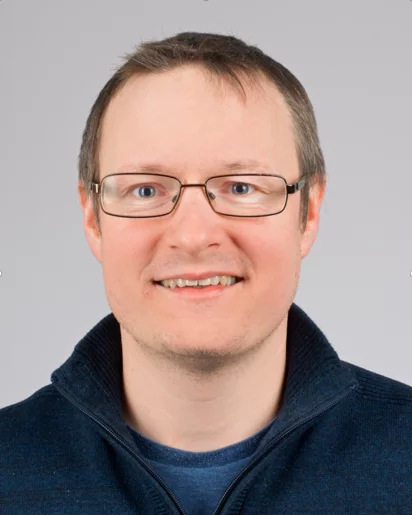
Prof. Dr. Thomas Schlichthärle is a Tenure Track Assistant Professor at the Technical University of Munich (TUM) , holding the Professorship for AI-Guided Protein Design within the TUM School of Natural Sciences and Department of Bioscience . His research bridges machine learning, structural biology, and synthetic biology to develop synthetic proteins that modulate cellular signaling pathways. Education: B.Sc. in Molecular Medicine, University of Tübingen M.Sc. in Molecular Bioengineering, TU Dresden Research at Wyss Institute (Boston) and Max Planck Institute of Biochemistry (Munich) Research Focus: AI-assisted protein design for controlling cellular decision-making processes, with applications in biomedicine and synthetic biology. His lab develops novel protein design methods validated in cell-based systems, centered on creating synthetic proteins that can detect, modulate, or reprogram signaling pathways through oligomeric assemblies. Scientific Awards: Wübben Foundation Fellow (2025) EMBO Postdoctoral Fellowship (2021) Roland Ernst Scholarship (2014) Germany Scholarship (2013) Ferry Porsche Prize (2007) Collaborations & Grants: Collaborated with Prof. David Baker's lab at the University of Washington and participated in high-impact interdisciplinary projects involving DNA-PAINT microscopy and quantitative protein imaging. His work has been supported by competitive fellowships and institutional grants.
Stuti Shroff, MBBS, PhD, is an Assistant Professor of Pathology at Harvard Medical School and Assistant Pathologist in Anatomic and Molecular Pathology at Massachusetts General Hospital. Her clinical expertise spans gastrointestinal (GI) pathology, head and neck pathology, liver pathology, molecular pathology, and pancreatic cancer, with multilingual proficiency in Gujarati, Hindi, and Marathi. Education & Training: MBBS: Padmashree Dr. D.Y. Patil Medical College PhD: University of Illinois Chicago Residency: State University of New York at Buffalo Fellowship: MD Anderson Cancer Center (dual fellowships) Research Focus: Dr. Shroff investigates molecular alterations in GI/pancreaticobiliary neoplasia and immune-mediated GI injury. Her work bridges translational pathology with clinical oncology, emphasizing biomarker discovery and diagnostic refinement for gastrointestinal cancers. Key projects include profiling neoplastic proliferations and immune-related adverse events in the GI tract. Publication Trends: Her recent articles (2018–2025) demonstrate a focus on molecular mechanisms in gastrointestinal and hepatic malignancies, with recurring themes in cancer signaling pathways (e.g., Notch), tumor microenvironments, and diagnostic innovations. Studies frequently incorporate genomic, transcriptomic, and imaging approaches to advance precision oncology.
Harry Hongyu Guo is an Adjunct Professor at the School of Electrical Engineering and Computer Science, University of Ottawa, and a Senior Researcher Officer at the National Research Council Canada (NRC). He holds a BEng and a PhD in Computer Science from Shanghai Jiao Tong University and the University of Ottawa, respectively. Education BEng, Computer Science, Shanghai Jiao Tong University PhD, Computer Science, University of Ottawa His research focuses on advancing machine learning and deep learning for transformative applications in scientific discovery, natural language processing, and computer vision, with a strong emphasis on molecular design for health and climate solutions in collaboration with Yoshua Bengio at Mila. Key areas include protein design, drug discovery, geometric representation learning, and crystalline material modeling. Recent publications highlight work on structure-based drug design using denoising diffusion models (PNAS 2025), protein conformation generation (ICLR 2025), and molecular assembly frameworks (ICLR 2025). His projects also explore AI-driven battery discovery (arXiv 2025) and neural operating system simulations (arXiv 2025). Scientific Awards Excellence in Research Award at NRC-DT (2024) Best Paper Award at Canadian AI (2021) Best Paper Awards at *SEM (2015), MLDM (2012), NRC-IIT (2011) Distinguished Papers Award at ECML-PKDD (2006) Guo serves on program committees for major conferences (ICLR, NeurIPS, ICML) and contributes to interdisciplinary research at the intersection of AI, biology, and materials science.
Dmitry Vetrov serves as a Professor of Computer Science at Constructor University in Bremen, where he founded and leads the Bayesian Methods Research Group. His academic foundation includes graduation from Moscow State University in 2003 and completion of his PhD in 2006, establishing a career centered on advancing probabilistic machine learning methodologies. His educational trajectory features: Undergraduate studies at Moscow State University (2003) Doctoral degree (PhD, 2006) Vetrov's research program critically bridges Bayesian statistics with deep learning architectures, with his group pioneering efficient diffusion model algorithms, loss landscape characterization in neural networks, scalable stochastic optimization tools, tensor decomposition applications for large-scale ML systems, and enhanced conditional text generation frameworks. This work manifests practical implementations across generative AI domains while maintaining theoretical rigor in probabilistic modeling. Analysis of his 2024-2025 publications reveals a concentrated research thrust toward diffusion model innovation, spanning text generation (token embedding smoothing, language model encoding properties), image synthesis (hair transfer, gesture generation), and scientific applications (protein modeling, genetic fine-mapping). Key thematic threads include sampler acceleration, theoretical property analysis of diffusion processes, and robust evaluation frameworks for generative systems. No scientific awards were documented in the source materials. Mentorship outcomes demonstrate significant impact, with three recent PhD students securing research positions at DeepMind. While specific grant details remain undisclosed, the group's prolific output across NeurIPS, ICML, and CVPR indicates sustained research funding. The Bayesian Methods Research Group operates as an integrated innovation hub within Constructor University's academic ecosystem. The research collective he directs maintains active development of Bayesian-deep learning fusion techniques, with current projects emphasizing diffusion model efficiency, theoretical foundations of optimization landscapes, and cross-domain applications in computational biology and multimodal generation.
Kathleen Fisher is an Adjunct Professor in the Computer Science Department at Tufts University and currently serves as the Director of the Information Innovation Office at DARPA. She previously held roles as Professor and Department Chair at Tufts (2016-2021), Program Manager at DARPA, and Principal Member of Technical Staff at AT&T Labs Research. Her academic journey began with a PhD in Computer Science from Stanford University. Kathleen’s research focuses on advancing programming languages through domain-specific languages (DSLs), program synthesis, and formal methods. Her work addresses challenges in ad hoc data management, secure systems, and integrating machine learning with programming language design. Notable projects include the Hancock and PADS systems for data processing, Forest for filestore management, and verified parser generators. She has received prestigious accolades, including ACM Fellow, Hertz Foundation Fellow, and SIGPLAN Distinguished Service Award. Her service includes leadership roles in ACM SIGPLAN, CRA-W, and as General Chair for ICFP 2015. Kathleen has advised PhD student Matt Ahrens and led impactful DARPA programs like HACMS and PPAML. As co-founder of the Programming Language Mentoring Workshop (PLMW), she actively contributes to diversity initiatives in computer science. Her research group, TuPL, explores DSLs, program synthesis, and language-based security, maintaining projects such as Autobahn and PADS.
Prof. Dr. Mathias Wilhelm is a Professor of Computational Mass Spectrometry at the Chair of Proteomics and Bioanalytics at the Technische Universität München (TUM) . His research focuses on computational proteomics , machine learning applications in mass spectrometry , and multi-omics data integration , particularly through projects like ProteomicsDB and Prosit . He leads a multidisciplinary team developing open-source software for proteomics data analysis and co-founded MSAID and OmicScouts . His teaching includes advanced bioinformatics courses and problem-based learning modules at TUM. He serves on the scientific advisory board of Momentum Biotechnologies and collaborates extensively in quantitative proteomics , phosphoproteomics , and immunopeptidomics . His work emphasizes FAIR data principles and high-throughput experimental frameworks .
Jihoon Kim, PhD is an Assistant Professor of Biomedical Informatics and Data Science at Yale School of Medicine. As a founding faculty member of the Section of Biomedical Informatics and Data Science, Dr. Kim leads innovative research at the intersection of bioinformatics, data science, and pediatric medicine. His work focuses on applying multi-omics approaches to understand complex diseases, particularly Kawasaki Disease (KD). Assistant Professor of Biomedical Informatics and Data Science (Primary Appointment) Faculty member of the Yale Combined Program in the Biological and Biomedical Sciences (BBS) Researcher at Human Genome Sciences Dr. Kim earned his PhD from the University of California San Diego, an MS from the University of Wisconsin, and another MS from Seoul National University. His educational background provided the foundation for his expertise in bioinformatics and computational approaches to biomedical problems. Dr. Kim's research interests center on developing and applying bioinformatics tools to understand the genetic and molecular basis of diseases, with particular focus on Kawasaki Disease. His work integrates DNA, RNA-Seq, microRNA, proteome, and metabolome data from the same patients, linked with electronic health records. He has developed several bioinformatics software tools and analysis pipelines using KD omics datasets, including the first whole genome sequencing of African KD families. His expertise extends to distributed computing environments, secure genomic data analysis, and federated learning approaches for multi-institutional studies. Dr. Kim also contributes to cancer research, inflammatory bowel disease studies, and COVID-19 data analysis through collaborative projects. His publication record demonstrates expertise across multiple domains including bioinformatics tool development, multi-omics integration, genetic studies of rare diseases, and clinical applications of machine learning. Recent work shows increasing focus on privacy-preserving analytics, blockchain applications in healthcare, and addressing health disparities through data science approaches. His research spans pediatric diseases, cardiovascular conditions, and inflammatory disorders, with strong emphasis on translational applications. Rising Star Award at the 14th International Kawasaki Disease Symposium (February 2025) Dr. Kim's research is supported by multiple NIH grants, The Gordon and Marilyn Macklin Foundation, and resources from Illumina. He collaborates extensively with clinicians and researchers across institutions, particularly with Dr. Jane Burns on Kawasaki Disease research and with Dr. Lucila Ohno-Machado on multiple projects including the All of Us research program. His work demonstrates successful translation of bioinformatics methods to address clinical challenges in rare diseases where patient samples are scarce and analysis methods are not well established. As a founding faculty member of Yale's Section of Biomedical Informatics and Data Science, Dr. Kim contributes to building research infrastructure and collaborative networks focused on applying data science to biomedical challenges. His work bridges computational methods development with direct clinical applications, particularly in pediatric vasculitis research.
Tianxi Yang is an Assistant Professor of Food Science in the Faculty of Land and Food Systems at the University of British Columbia (UBC) in Vancouver, Canada. Dr. Yang leads the Yang Research Group, which focuses on developing innovative analytical technologies and advanced materials to improve food safety, sustainability, and resilience of agricultural and food systems. Dr. Yang received her PhD in Food Science from the University of Massachusetts Amherst in 2018, followed by a Postdoctoral Research Associate position at BASF's North American Center for Research on Advanced Materials at the same institution in 2019. In 2021, she served as a Research Chemist/ORISE Research Fellow at the U.S. Food and Drug Administration's Center for Food Safety and Applied Nutrition. Dr. Yang's research spans interdisciplinary approaches from Food Science, Analytical Chemistry, Material Science, and Nanotechnology. Her work primarily focuses on three major themes: (1) Nanosensors in food, developing Point-of-Care tools for rapid, on-site food safety testing; (2) Nano-enabled agriculture, creating smart nanomaterials for sustainable farming practices; and (3) Sustainable food packaging, designing biodegradable and intelligent packaging solutions. Her recent publications demonstrate growing expertise in nanoplastic detection, intelligent food packaging, and machine learning applications in food safety monitoring. Applied Sciences 2022 Early Career Investigator Award (2023) U.S. Oak Ridge Institute for Science and Education (ORISE) Fellowship (2019) Institute of Food Technologists (IFT) Tanner Award for most-cited paper (2019) Multiple scholarships including Phi Tau Sigma Student Achievement Scholarship (2018) and North America BASF Science Competition Award (2018) Dr. Yang teaches courses including FNH 200: Exploring Our Food, FNH 302: Food Analysis, and FOOD 520: Advances in Food Analysis. She actively mentors graduate students in her research group and serves in various professional capacities, including as Chair of the Food Bioengineering Subdivision of the American Chemical Society Division of Agricultural and Food Chemistry (2022-2023). Her research is supported by multiple grants focusing on developing innovative solutions for food safety challenges, with recent work on portable devices for microplastic detection gaining international attention through coverage in over 100 news outlets. The Yang Research Group at UBC operates state-of-the-art laboratories equipped for nanomaterial synthesis, food analysis, and sensor development. The team consists of graduate students, postdoctoral fellows, and research associates working collaboratively on interdisciplinary projects at the intersection of food science and nanotechnology.
Andi Han is a Lecturer in Data Science at the School of Mathematics and Statistics, University of Sydney . He earned his PhD in Business Analytics from the University of Sydney Business School in 2023 and served as a postdoctoral researcher at RIKEN AIP’s Continuous Optimization Team until 2025. Research Interests: Large generative models (diffusion models, large language models) Optimization on manifolds Efficiency of foundation models Graph neural networks for biology and chemistry Awards: DAAD AInet Fellowship (2025) PhD Completion Award (USYD, 2023) Best Paper Award (IEEE SCCI, 2022) University Medal (USYD, 2019) Business Analytics Prize (USYD, 2018) Teaching: STAT5002: Introduction to Statistics (Unit Coordinator & Lecturer, S2 2025) MATH1061: Mathematics 1A (Lecturer, S2 2025) His recent publications focus on Riemannian optimization techniques, diffusion models, and graph neural networks (GNNs), with applications in protein sequence generation, transformer optimization, and AI for science. Collaborative work spans institutions like RIKEN, Zhejiang Lab, and A*STAR. He actively organizes workshops, including Deep Generative Model in Machine Learning: Theory, Principle and Efficacy at ICLR 2025.
Dr. Tobias Weinert is a Senior Scientist and Principal Investigator (PI) at the Paul Scherrer Institute (PSI) in Switzerland, affiliated with the Laboratory of Biomolecular Research . His work focuses on advancing time-resolved serial crystallography at synchrotrons and X-ray free-electron lasers (XFELs) to study protein structural dynamics, particularly enzymes. He integrates computational tools like dimensionality reduction and machine learning with experimental methods to resolve transient structural states under functionally relevant conditions. Senior Scientist & PI at PSI Active in serial crystallography and method development His research emphasizes designing triggering strategies for non-photoactive proteins, enabling controlled molecular process initiation. He also supports serial crystallography activities at PSI’s Laboratory of Biomolecular Research (LBR), contributing expertise in experimental design, data acquisition, and processing. Key publications highlight applications in enzyme mechanisms , photoreceptors , and time-resolved structural analysis , with a focus on bridging experimental and computational approaches. Recent articles demonstrate trends in serial synchrotron crystallography , light-activated proteins , and X-ray free-electron laser applications , often addressing conformational changes and kinetic modeling.
Jessica McArt, DVM, PhD, DABVP (Dairy Practice) serves as Professor and Department Chair of the Department of Population Medicine and Diagnostic Sciences at Cornell University's College of Veterinary Medicine. Previously holding positions as Associate Professor (2020-present), Interim Department Chair (2022-2023), and Assistant Professor at Cornell and Colorado State University, she directs the McArt Dairy Cow Lab while maintaining active clinical roles as Section Chief of the Ambulatory and Production Medicine Clinic. Her educational background includes a PhD in Comparative Biomedical Sciences (2009-2013), Doctor of Veterinary Medicine (2003-2007), and BA in Biochemistry and Molecular Biology with Engineering minor (1995-1999), all from Cornell University and Dartmouth College respectively. She achieved Diplomate status with the American Board of Veterinary Practitioners (Dairy Practice) in 2020. Research in the McArt Dairy Cow Lab centers on periparturient diseases in dairy cows, with dual focus on epidemiological patterns and economic impacts. Her team develops 'cow side' diagnostic methods for energy-related metabolites and macrominerals while investigating hyperketonemia and hypocalcemia management. Recent work integrates deterministic and stochastic modeling to evaluate cost-benefit relationships of transition cow disease interventions, bridging clinical findings with farm profitability considerations. Analysis of her 15 most recent publications (2024-2025) reveals three dominant research trajectories: 1) Advanced monitoring systems using milk constituent analysis and wearable sensors for early disease detection, 2) Epidemiological investigations of metabolic disorders in diverse production systems including grazing operations, and 3) Development of evidence-based treatment protocols with economic modeling components. Her work increasingly incorporates machine learning approaches for health prediction while maintaining strong field applicability. American Dairy Science Association Foundation Scholar Award in Dairy Production (2023) Zoetis Award for Veterinary Research Excellence (2020) SCAVMA Teaching Excellence Award (2018) Multiple student presentation awards (2005-2012) As Editor in Chief of JDS Communications (2024-present) and former Section Editor for Journal of Dairy Science, she actively shapes scientific discourse in dairy science. Her professional affiliations include continuous membership in the American Association of Bovine Practitioners (2004-present) and other major veterinary organizations. Current USDA Category II accreditation and New York state veterinary licensure support her integrated clinical-research practice. The McArt Dairy Cow Lab maintains strong industry connections through on-farm research collaborations, particularly with New York State dairy operations. Her team's work directly informs evidence-based management practices that optimize both cow health and farm economics, with recent expansion into international collaborations including her 2023-2024 Visiting Scientist position with Agriculture Victoria and La Trobe University in Australia.
Sean O'Donoghue is a Conjoint Professor at the School of Biotechnology and Biomolecular Science, University of New South Wales (UNSW). He concurrently serves as a Laboratory Head and Senior Faculty Member at the Garvan Institute of Medical Research and a Visiting Scientist at CSIRO Data61. He holds a B.Sc. (Hons) and Ph.D. in Biophysics from the University of Sydney. His research integrates bioinformatics, structural biology, and data visualization to decode complex biological systems. Key interests include: Development of computational tools for protein structure/function analysis Visual analytics for genomics and multiomics data Mechanisms of viral protein assembly (e.g., SARS-CoV-2) Epigenetic dynamics and cancer transcriptomics Recent publications (2018–2022) demonstrate a strong focus on: Protein annotation frameworks and dark proteome characterization SARS-CoV-2 structural mechanisms Single-cell transcriptomics in breast cancer Innovations in biological data visualization tools He leads the VIZBI initiative (advancing bioinformatics visualization) and VizbiPlus (public science outreach). No awards or student advisories are detailed in the source material.
Prof. Beining Chen is a Professor of Medicinal Chemistry at the School of Mathematical and Physical Sciences , University of Sheffield. Holding a PhD in Chemistry from the University of Glasgow (1991), she has pioneered research in computer-aided molecular design and combinatorial chemistry for drug discovery targeting prion diseases (TSEs) and neurodegenerative disorders like Alzheimer’s. Education: BSc (1984), MSc (1987) - China; PhD (1991) - University of Glasgow Appointments: Research Fellow (Oxford), Lecturer (Cranfield), Lecturer (Sheffield), Professor (Sheffield, 2014) Her research focuses on stabilizing prion protein conformations and targeting amyloid pathways , securing over £1.15M in Department of Health funding. She also explores natural product chemistry for lead compounds in cardiovascular, CNS, and antiviral research. Recent publications emphasize de novo drug design , computational proteomics , and structure-activity relationship studies for neurodegenerative diseases. Teaching areas include Medicinal Chemistry , Chemical Biology , and molecular modeling across undergraduate and postgraduate levels.
Lei Li is an Associate Professor in the Department of Computer Science at the University of California, Santa Barbara (UCSB), where they serve as Co-Director of the UCSB NLP Group. Their research focuses on developing algorithms and systems for machine learning, natural language processing, machine translation, reasoning, and AI-powered drug discovery. Dr. Li received their PhD from Carnegie Mellon University and completed their undergraduate studies at Shanghai Jiao Tong University. Dr. Li's research spans multiple critical areas in artificial intelligence and machine learning. Their work in natural language processing encompasses machine translation, speech translation, multilingual NLP, large language models, text generation, program synthesis, reasoning, privacy, and watermarking. Additionally, they have made significant contributions to AI applications in drug design and efficient machine learning techniques. Their research bridges theoretical foundations with practical applications, particularly in the emerging field of AI for biological discovery. Analysis of Dr. Li's recent publications reveals a strong focus on advancing natural language processing capabilities while addressing critical challenges in model efficiency, security, and evaluation. Their work spans machine translation systems that handle hundreds of languages, techniques for improving large language model capabilities in zero-shot settings, methods for evaluating text generation quality, and novel approaches for protecting intellectual property in language models. Notably, they've also made significant contributions to applying AI to biological problems, particularly in antimicrobial peptide discovery and protein sequence design. Dr. Li has received notable recognition for their research, including: Best Paper Award at ACL 2021 for "Vocabulary Learning via Optimal Transport for Neural Machine Translation" Dr. Li actively advises PhD and Master's students in computer science at UCSB, with recent advisees working on topics including antimicrobial peptide discovery, protein sequence design, diffusion models, speech translation, and language model watermarking. Their research group, the UCSB NLP Group, appears to be well-funded and productive, with consistent publications in top-tier conferences including ACL, EMNLP, ICML, KDD, and NeurIPS. The group has developed several influential frameworks and benchmarks, including MTG (Multilingual Text Generation benchmark) and SEScore2 (text generation evaluation metric). The UCSB NLP Group, co-directed by Dr. Li, maintains an active research agenda with multiple ongoing projects spanning natural language processing, machine learning, and their applications to scientific discovery. The group collaborates with researchers across disciplines, particularly in the biological sciences for drug discovery applications.
Professor Arvind Patel is a distinguished virologist at the University of Glasgow, holding the position of Professor of Viral Vaccinology. Based at the Centre for Virus Research in the Sir Michael Stoker Building, he leads groundbreaking research on hepatitis C virus (HCV) and emerging viral pathogens including SARS-CoV-2 and Zika virus. His work spans molecular virology, vaccine development, and host-pathogen interactions, with significant contributions to understanding viral entry mechanisms and immune evasion strategies. Professor Patel's research program focuses on several critical areas of viral pathogenesis and control. His laboratory investigates the molecular aspects of virus infection and replication, with particular emphasis on virus entry and morphogenesis mechanisms. A major component of his work examines virus-host interactions and viral pathogenesis, especially factors involved in progression to liver disease in HCV infection. His team studies host immunity in HCV-infected patient cohorts, with specific attention to B-cell and antibody responses and their links with extrahepatic disorders. Additionally, Professor Patel leads innovative vaccine development efforts using structural and antibody-based approaches, and conducts high-throughput screening of compound libraries to identify novel viral inhibitors. Analysis of Professor Patel's recent publications reveals a strategic expansion of his research focus from traditional HCV studies to include emerging viral threats such as SARS-CoV-2 and Zika virus. His work demonstrates consistent expertise in viral entry mechanisms, immune evasion, and structural virology across multiple viral families. The research shows strong translational potential, with applications in vaccine design, antiviral development, and understanding viral evolution during pandemics. His interdisciplinary approach integrates molecular virology, structural biology, and clinical research to address pressing public health challenges. Professor Patel maintains strong collaborative networks through the Glasgow HCV Network, a local consortium of clinicians and scientists focused on improving outcomes for HCV-infected individuals, and HCV Research UK, a national consortium establishing clinical databases and biobanks to advance HCV research. His laboratory at the Centre for Virus Research serves as a hub for virology research, bringing together expertise in viral structure, pathogenesis, and therapeutic development to tackle some of the most challenging viral diseases affecting global health.