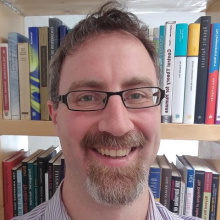
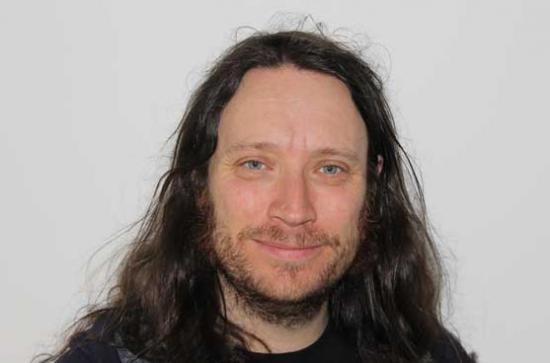
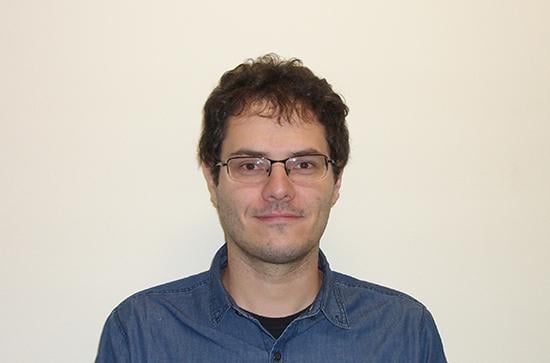
Rajat Nag is an Assistant Professor in the School of Biosystems and Food Engineering at University College Dublin (UCD), Ireland. He holds a PhD in Biosystems and Food Engineering and is a Chartered Engineer (CEng) specializing in Civil, Structural, and Environmental Engineering. His research focuses on environmental risk assessment, sustainability (LCA), and the health impacts of climate change. He investigates quantitative microbial risk assessment (QMRA) across air, water, and food pathways, chemical risks from micro/nano-plastics, and integrates LCA with Disability-Adjusted Life Years (DALY) to assess chemical benefits/risk under climate scenarios. Education: BEng in Engineering from IIEST Shibpur, India MSc from University College Dublin PhD in Biosystems and Food Engineering (UCD) Research & Leadership: Dr. Nag leads COST Action CA22160 (BioAQuA) as Ireland’s representative and working group leader. He co-supervises four PhD students and mentors over ten master’s students. As an editorial board member of Science of the Total Environment , he contributes to peer review and policy-relevant research. Expertise: His work spans statistical/mathematical modelling, environmental policy support (e.g., antimicrobial resistance risk frameworks), and interdisciplinary collaborations. He has contributed to policy documents on climate change, food waste, and environmental health in Ireland and globally.
Dr. Marek McGann is a Lecturer in the Department of Psychology at Mary Immaculate College since 2005. His research focuses on enactive and ecological approaches to cognitive science, emphasizing embodied cognition and the interplay between mind, body, and environment. He co-convenes the ENSO Seminars series and co-founded T-REX (Teachers' Research Exchange), an online platform bridging academic education research with classroom practice. Additionally, he contributes to FACiLiTATE, Ireland's network for problem-based learning in higher education. Education: BA, M Litt, MA (UCD); DPhil (Sussex) Affiliations: Department of Psychology, Faculty of Arts Key Projects: T-REX, FACiLiTATE, ENSO Seminars Research interests include moral judgment categorization (MJAC), critiques of psychological research methodologies, and the application of enactive theory to education. His work challenges conventional cognitive science paradigms by prioritizing situated, embodied understanding over abstract mental models. Publications span topics from ecological psychology to moral dumbfounding, emphasizing interdisciplinary approaches. He actively engages in infrastructural projects to enhance research-practice collaboration in education.
Dr. Amirreza Kandiri is a Postdoctoral Research Fellow at the School of Civil Engineering, University College Dublin (UCD), where he conducts advanced research in transportation engineering, intelligent transportation systems (ITS), and infrastructure resilience. He earned his PhD at UCD, focusing on AI-driven traffic prediction and optimization under variable speed limits. He also holds an MSc in Construction Management and a BSc in Civil Engineering. Education: PhD, University College Dublin MSc, Islamic Azad University BSc, Buali Sina University His research centers on the application of machine learning and data analytics to solve critical challenges in civil and transportation engineering. He specializes in real-time traffic management, smart mobility, structural materials modeling, and remote sensing for infrastructure monitoring. His work integrates predictive modeling, optimization, and uncertainty analysis to enhance safety, efficiency, and sustainability in urban systems. The recent publications of Dr. Kandiri reflect a strong interdisciplinary trend combining civil engineering with artificial intelligence. His work spans intelligent traffic control using autonomous agents, deep learning for InSAR data analysis, and machine learning models for predicting concrete properties. These studies highlight a consistent focus on optimization, model accuracy, and real-world applicability across transportation and construction domains. Scientific Awards: 2024 Dean’s Award, UCD STEM Early Career Researchers’ Symposium Recognized for one of the most cited papers in Applied Sciences Dr. Kandiri has been actively involved in academic service, including peer reviewing for journals and serving on the UTSG 2025 organizing committee. He has contributed to teaching at both University College Dublin and Chang’an University in China. While no formal students are listed, his collaborative research involves multiple co-authors across disciplines. He has not received mention of grants, but his research output suggests involvement in funded projects related to smart infrastructure and sustainable materials. His work is closely tied to real-world applications, particularly on the M50 motorway in Dublin, and leverages platforms like Google Scholar, ResearchGate, and ORCID (0000-0001-8683-7984) for dissemination. He is part of a growing collaboration network in transportation and structural engineering research.
Amir Jalali is an Associate Professor of Biostatistics at the School of Medicine, University of Limerick. He specializes in applying Statistical Modelling and Machine Learning to cancer research, focusing on developing risk prediction models for clinical decision-making. He has contributed to tools like the DynNom R package to enhance statistical communication in biomedical contexts. PhD in Biostatistics, National University of Ireland, Galway MSc. in Mathematical Statistics, University of Tehran BSc in Statistics, University of Tehran His research spans Biostatistics, Machine Learning, and Cancer Research, with recent work on capacity assessment in medical practice, genomic analysis of tumors, and health communication strategies. Key trends include applications in clinical decision-making, network meta-analysis, and patient engagement via visual tools. Amir has co-authored studies on P53 genetic markers in leiomyosarcoma (2024), capacity assessment frameworks (2024), and systematic reviews on carotid artery stenosis (2023). His work integrates Biostatistics, Genetics, and Health Policy, aligning with UN Sustainable Development Goals for health equity. He actively collaborates with institutions like the Limerick Digital Cancer Research Centre and serves as secretary of the Young Statisticians Section of the Irish Statistical Association. Amir mentors PhD students and engages in interdisciplinary projects bridging biostatistics, oncology, and public health.
Rachel Mary Mc Loughlin is a Professor in Immunology and Biochemistry at Trinity College Dublin . Her research focuses on Staphylococcus aureus pathogenesis, T cell biology , neutrophil responses , and vaccine development . She has led numerous projects funded by institutions such as Science Foundation Ireland , Wellcome Trust , and GlaxoSmithKline . Education : Not explicitly detailed in the text. Research Interests include: Host-Pathogen Interactions with Staphylococcus aureus Immunomodulation via cytokines (IL-10, IL-6, Type I IFN) Vaccine Design targeting skin and respiratory immunity Neutrophil Apoptosis and autophagy during infections T Cell Memory in bacterial infections Her peer-reviewed publications (over 90) span immunology, microbiology, and vaccinology , with recent work on Staphylococcus aureus immune evasion mechanisms and IL-22 regulation. She has received multiple honors, including the TCD Faculty of STEM Award (2023) and Science Foundation Ireland Early Career Researcher of the Year (2017) . Grants and Projects : Skin delivery and tissue-resident T cell responses (GSK, 2021–2025) Characterisation of skin resident memory CD4 T cells (GSK, 2019–2024) Vaccination: Knowledge is Power (HRB, 2018–2022) Staphylococcus aureus immunosuppressive memory (Wellcome Trust, 2017–2021)
Professor Oliver Blacque is an Associate Professor at University College Dublin's School of Biomolecular and Biomedical Science, where he leads research on primary cilia biology and related human diseases. Based at the Conway Institute, he has established himself as a leading researcher in the field of cilia biology and ciliopathies, combining molecular, cellular, and genetic approaches to understand fundamental mechanisms of ciliary function and dysfunction. Professor Blacque's educational background includes: BSc, MSc, PhD from University College Dublin PhD in Biochemistry supervised by Worrall M (1996-2001) Postdoctoral training at Simon Fraser University, Canada under Prof. Michel Leroux (2002-2005) His research focuses on understanding the molecular basis of primary cilia assembly, function, and their links to human disease. Primary cilia are microtubule-based cellular organelles that serve critical sensory functions across many cell types. His laboratory uses Caenorhabditis elegans as a powerful model system to dissect ciliary biology through genetics and cell biology approaches. His work has significant implications for understanding and treating ciliopathies - genetic disorders including Bardet-Biedl syndrome, Joubert syndrome, and various organ-specific diseases affecting the retina, kidneys, and brain. His research spans intraflagellar transport mechanisms, ciliary membrane dynamics, protein targeting to cilia, and functional characterization of ciliopathy-associated genes. His recent publications reveal a strong translational focus on ciliopathies, with particular emphasis on disease mechanisms through model organisms like C. elegans and zebrafish. His work bridges basic cilia biology with clinical applications, especially in retinal diseases and genetic variant interpretation. A significant portion of his research investigates how specific proteins (particularly RAB GTPases like RAB28) regulate ciliary structure and function, with direct relevance to human diseases including cone-rod dystrophy. His lab has developed innovative bioinformatics approaches like CilioGenics to predict novel ciliary genes and improve genetic diagnosis of ciliopathies. Professor Blacque has received several prestigious awards: SFI Principal Investigator Award (2011) SFI President of Ireland Young Researcher Award (2006) Professor Blacque actively mentors students and researchers in his laboratory at the Conway Institute. He has secured substantial research funding from Science Foundation Ireland (SFI), Health Research Board (HRB), and international collaborations to support his research program. His current grants include projects on cilia-related inherited retinal dystrophy, interpreting human genetic variation in cilia disease using C. elegans , and rare disease modeling and drug discovery. He serves on various committees including the SBBS Research & Innovation committee and has been involved in numerous peer review activities for major scientific journals. Professor Blacque leads a research team at the Conway Institute's imaging facility, where he utilizes advanced microscopy techniques to study cilia structure and function. His laboratory combines genetic, cell biological, and biochemical approaches with model organisms to investigate fundamental questions in cilia biology. The lab maintains strong collaborations with clinical researchers and international consortia focused on ciliopathies, creating a translational research environment that bridges basic science and patient care.
Assoc Professor Gerard Cagney serves as Associate Professor and Director of the Mass Spectrometry Core at the University College Dublin in the School of Biomolecular and Biomedical Science. His research spans proteomics, epigenetics, and systems biology with applications in psychiatric biomarker discovery, plant biochemistry, and microbial biotechnology. He leads the BiOrbic Bioeconomy Research Center's WP2 and has secured major grants from Wellcome Trust and Science Foundation Ireland. Current roles: Director, Mass Spectrometry Core (2018-present); Head of Research, Impact, Innovation, SBBS (2018-present) Education: BSc (UCD), PhD (Queen's University Belfast) Research interests include: Proteomic biomarker development for psychosis risk prediction Epigenetic regulation through histone modifications and chromatin remodeling Plant protein extraction and bioactivity characterization (e.g., bitter gourd antidiabetic proteins) Microbial bioplastic (PHA) system proteomics in Pseudomonas putida Nanoscale shape-dependent epigenetic responses Recent grants include: Wellcome Trust IMPETUS grant (2021-2023) for proteomic psychosis markers Science Foundation Ireland BiOrbic grant (2019-2027) as Principal Investigator UCD Equip Scheme (2019-2020) for technology acquisition Previous SFI grants (2008-2013) for functional food research Professional activities involve: College Research Innovation Impact Board membership (2018-2020) Leadership in mass spectrometry core facility Collaborations with University of Nottingham and EU-GEI consortia
Associate Professor Chandralal Hewage is a structural biologist at the School of Biomolecular and Biomedical Science, University College Dublin, with over 30 years of expertise in NMR spectroscopy. His research focuses on biologically active peptides for diabetes therapy, antimicrobial drug development, and liver disease metabolic studies. Research Interests: Structural analysis of diabetes-related peptides Design of GIP and endothelin receptor drugs NMR-based antimicrobial peptide studies Liver cell metabolic profiling in disease states Development of computational peptide modeling tools Scientific Contributions: Organizer of international conferences EUROMAR 2012 and ICMRBS 2018. Author of >100 publications. Developer of bioinformatics tools APPTEST and ENNAVIA for peptide structure/activity prediction. Professional Affiliations: ICMRBS Council Member European Peptide Society Council Member Chairman of Irish Peptide Society
Associate Professor Yan Yan is a leading researcher at University College Dublin's School of Biomolecular and Biomedical Science, where she currently holds the position of Associate Professor (since July 2024) after serving as Assistant Professor from 2018-2024. Her research program focuses on understanding nanoscale interactions with the immune system to develop novel immunotherapies for cancer and infectious diseases. PhD in Biochemistry and Molecular Biology from Peking University, China Postdoctoral training at the University of Melbourne Science Foundation Ireland SIRG Fellow Marie Curie Fellow Australian Research Council DECRA Fellow Professor Yan's research interests center on nanoscale shape biology and its applications in immunotherapy development. She has pioneered work on how nanoparticle architecture influences immune responses, particularly through the study of nanostructure shape effects on T cell receptor repertoires and histone modifications. Her interdisciplinary approach combines nanotechnology, immunology, and biointerface science to develop novel therapeutic strategies. Her laboratory investigates protein corona formation, nanoparticle translocation across biological barriers, and the development of shape-dependent immunomodulatory therapies. Analysis of Professor Yan's publication record reveals a strong focus on systematic investigation of nanoscale shape effects on biological systems. Her work has evolved from fundamental studies of protein corona formation to more recent applications in immunotherapy development, with increasing emphasis on translation to clinical applications. Her research demonstrates consistent innovation in methodology, particularly in developing frameworks for systematic nanoscale shape discovery and evaluation. 1st Prize Interstellar Initiate at New York Academy of Sciences (2017) Starting Investigator Research Grant from SFI (2016) Australian Eureka Prize for Excellence in Interdisciplinary Scientific Research (2013) Discovery Early Career Research Award from ARC (2013) Reviewer Excellence Award (top 1% reviewers, 2017) Professor Yan has successfully secured numerous research grants including HEA Covid-19 funding, the NANOSCAPE project, EXOTRAIN, and multiple UCD Equip Scheme awards. She supervises PhD students and coordinates modules including Biochemist's Toolkit, Bioprocessing, and Enzyme Technology & Protein Engineering. Her laboratory is part of the Conway Institute at University College Dublin, where she leads an interdisciplinary team working at the interface between nanostructures and the immune system. Her research group maintains active collaborations across multiple disciplines, focusing on translating nanoscale discoveries into therapeutic applications for cancer and infectious diseases.
Professor Brian Rodriguez is a full-time faculty member in the School of Physics at University College Dublin, based at the Conway Institute in Belfield, Dublin 4. His research bridges nanoscale materials physics and biomedical applications, with expertise in scanning probe microscopy techniques. He maintains an active teaching schedule across multiple modules and can be contacted via brian.rodriguez@ucd.ie or phone at 01 716 6744. His academic credentials include: BS from University of North Carolina MS from North Carolina State University, USA PhD in Physics from North Carolina State University, USA (2003) Professional Certificate in University Teaching & Learning from University College Dublin Rodriguez specializes in piezoresponse force microscopy (PFM) and atomic force microscopy (AFM) for characterizing ferroelectric materials, polar nitride semiconductors, and biological systems. His work has expanded into bio-inspired nanomaterials development, including sustainable peptide semiconductors for sensing, amorphous alloys for antibacterial implants, and electrocatalysts for green hydrogen. He actively integrates machine learning with AFM data to advance cancer diagnostics, emphasizing translational applications in biomedicine and energy. Recent publications (2024-2025) demonstrate interdisciplinary momentum toward sustainable nanomaterials for energy conversion and biomedical sensing. Key trends include seawater electrolysis catalysts using MBenes/borides, metal-free SERS platforms with peptide semiconductors, and electric-field-activated pathogen detection. His group pioneers techniques like fluid-phase 3D printing for hydrogel patterning and high-voltage KPFM adaptations, with consistent focus on fundamental electromechanical property characterization. Award highlights include: UCD College of Science Women in Science Mentoring Award (2024) Alexander von Humboldt Fellowship (2007) RMIT Foundation International Research Exchange Fellowship (2010) Two UT Battelle Team Awards (2006) Rodriguez coordinates core modules including Bio-inspired Technologies (2016-2025), AFM for Bionano (2016-2025), and Nanomechanics (2017-2025), using active-learning pedagogies. His research is funded through Science Foundation Ireland's GROW Supplement (2017), the OBRSS Research Support Scheme (2016-2023), and the Resolve-NP project grant (2023-2025) targeting lipid nanomedicine characterization at single-particle resolution. He leads the NanoFunction research group (nanofunction.org) within UCD's Conway Institute, focusing on nanoscale functional materials. Current projects involve peptide-based sensors, antimicrobial coatings, and electrocatalyst engineering, supported by collaborations with Zhang, Bao, and Brennan on the Resolve-NP grant. Rodriguez also contributes to SIMUFER (Single- and Multiphase Ferroics with Restricted Geometries) and maintains active professional society memberships.
Brendan McCarthy is an Assistant Professor in the Department of Accounting & Finance at the University of Limerick's Kemmy Business School. His work bridges practical experience with academic research, focusing on employee voice in tax and professional services, AI's impact on taxation, and pedagogical innovation in higher education. Education: Ph.D. in Taxation (University of Limerick), MSc in Taxation (University of Limerick), BA in Law and Accounting (University of Limerick) McCarthy's research explores employee voice mechanisms in Big 4 accounting firms, the rhetoric versus reality of professional practice, and AI's transformative potential in tax careers. His pedagogical work addresses co-creation of content and its impact on academic achievement. His recent publications highlight trends in AI integration, employee engagement in professional firms, and educational co-creation. These works span subfields like tax compliance, AI ethics, learning analytics, and workplace communication. McCarthy contributes to university governance as UL Kemmy Business School representative to the UL Student Retention Working Group and UL representative to the Irish Accounting and Finance council. He actively supervises student research projects and incorporates his decade of tax practice into teaching.
Dr. Joan O'Keeffe is a Lecturer in Medical Science at the Department of Biopharmaceutical & Medical Science and a Principal Investigator at the Marine and Freshwater Research Centre (MFRC) in Galway, Ireland. Her dual roles bridge academic instruction and cutting-edge research in marine biomedicine. Research Focus Her work spans immunology, microbiology, and computational biology, with emphasis on: Antimicrobial Peptides : Discovery from marine sources like macroalgae using machine learning Neuroimmunology : Mechanisms of multiple sclerosis and neurodegeneration Translational Applications : Developing bioactive compounds for nutraceuticals and aquaculture health Publication Trends Recent outputs (2021-2023) cluster in two domains: computational identification of marine-derived antimicrobial peptides and neuroinflammatory pathways in MS. Methodologies combine wet-lab validation with bioinformatics, reflecting interdisciplinary collaboration. Affiliations Principal Investigator at Marine and Freshwater Research Centre (MFRC) Department of Biopharmaceutical & Medical Science
David Malone is a Professor and Director of the Hamilton Institute at Maynooth University, affiliated with the Department of Mathematics & Statistics. His research focuses on networking security, wireless network modeling (802.11 and IPv6), power line communications, and password security analysis. Education: B.A.(mod), M.Sc., Ph.D. in Mathematics from Trinity College Dublin Research Interests: Mathematical modeling of networks, WiFi/PLC measurement, password security, IPv6 administration, and wireless network optimization Email: david.malone@mu.ie Recent publications analyze non-cryptographic hash functions, password guessing algorithms, and network security protocols. He has supervised numerous Ph.D. and M.Sc. students in networking and security domains.
Rafael de Andrade Moral is a Professor of Statistics at Maynooth University's Faculty of Science & Engineering (since 2025), with prior roles as Associate Professor (2023-2025) and Assistant Professor (2018-2023). He holds a PhD in Statistics (University of São Paulo, 2014-2017) and dual bachelor's degrees in Biology and Education. His work bridges Statistical Ecology , Computational Biology , and Data Science , focusing on modeling ecological systems, agricultural pest dynamics, and biodiversity-ecosystem function relationships. Key research themes include Bayesian modeling , multivariate ecological forecasting , and machine learning applications . He founded the Theoretical and Statistical Ecology Research Group and serves on committees like the Young-ISA Chair . His recent articles span topics like insect abundance forecasting , weed-crop competition under climate change , and neuroinformatics-based learning analysis , reflecting interdisciplinary engagement. Scientific accolades include the Young Statistician Showcase Prize (2018), A-mu-sing Competition First Place (2021), and Maths Week Award (2022). He has advised three PhD students and contributed to over 50 peer-reviewed publications. Active in teaching innovation (e.g., Teaching Statistics through Music ), he also provides statistical consultancy to organizations like NIBIO and Jomakol .
Dr. Edgar Galván is an Associate Professor in the Department of Computer Science at Maynooth University's Faculty of Science & Engineering. He is a leading expert in Genetic Programming (GP) and Evolutionary Algorithms, with a focus on semantic-based approaches, neutrality, and multi-objective optimization. His work spans applications in combinatorial optimization, gaming (e.g., Carcassonne), and software engineering, including neuroevolution for deep learning architectures. Current Affiliation: Maynooth University Previous Roles: Senior Researcher at University College Dublin, Trinity College Dublin, and INRIA Paris-Saclay Research interests include: Semantic-based Genetic Programming Multi-objective Evolutionary Algorithms Monte Carlo Tree Search Circular Economy Applications Privacy-Preserving Optimization Neuroevolution in Autonomous Systems His recent publications analyze semantic diversity in GP, neural architecture search, and privacy-aware swarm optimization. Key awards include being ranked among the top 1% of GP researchers by University College London (2020), a Marie Curie Fellowship (2014), and a Best Paper Award at ECTA 2015. Current Projects: REBUILD (Circular Economy Buildings, 2024-2027), VISION (Circular Business Models, 2023-2026) Previous Grants: Stochastic Bio-inspired Algorithms (2014-2017, €267k), circAI (2022-2023, €142k) Dr. Galván serves on program committees for IEEE, ACM, and Springer conferences, and as Scientific Adviser for institutions in Ireland, France, and Mexico. His work bridges theoretical GP analysis with real-world applications in energy optimization and AI.