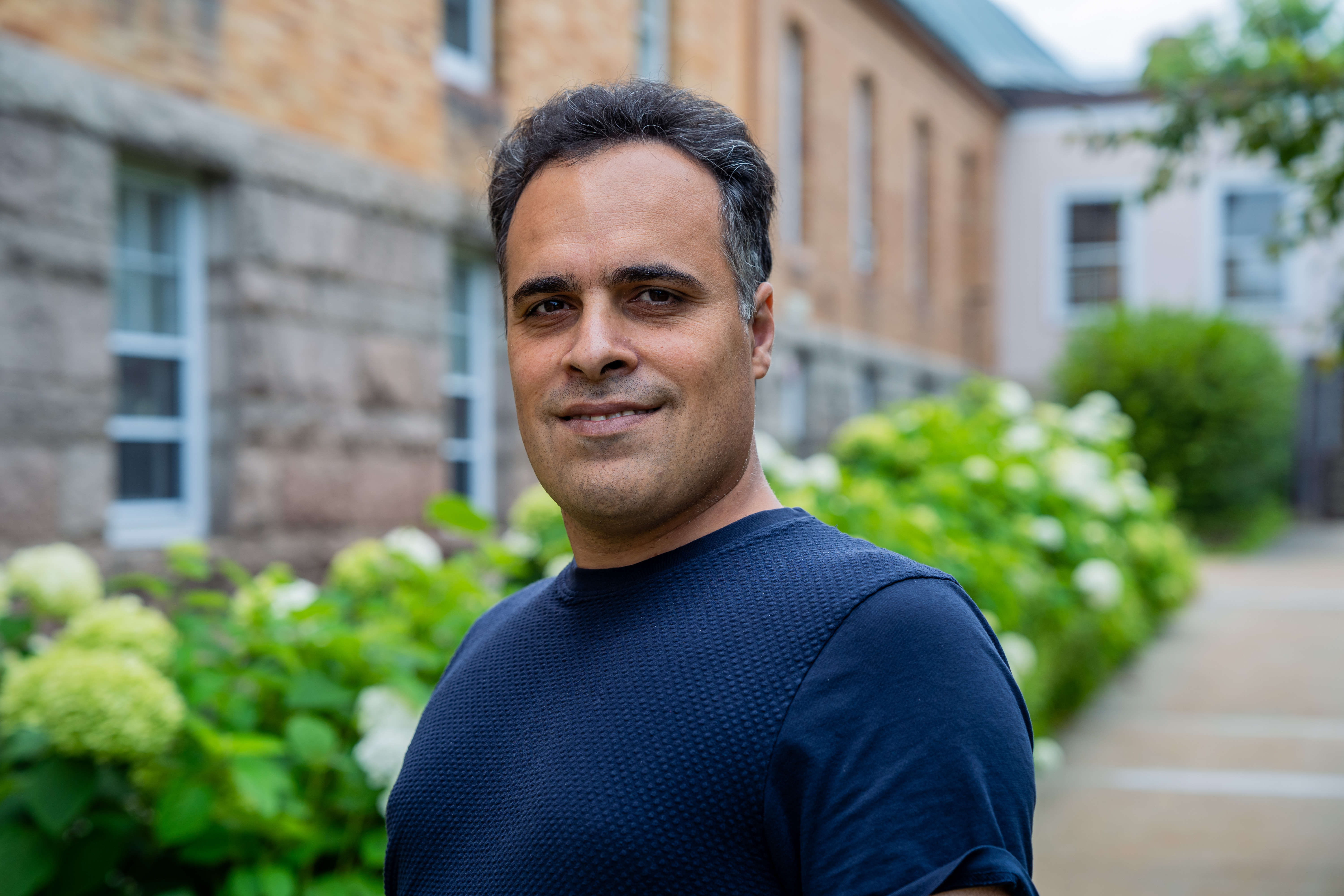
Stéphane BORDAS is a Full Professor in Computational Mechanics at the University of Luxembourg's Faculty of Science, Technology and Medicine (FSTM), leading the Computational Mechanics (Legato) research group. His work focuses on free boundary problems, method development for complex geometries, and applications in fracture mechanics, biomechanics, and computational engineering. He previously held roles at Cardiff University and the Swiss Federal Institute of Technology in Lausanne (EPFL). His research integrates computational methods like XFEM, isogeometric analysis, and meshfree techniques to address challenges in engineering and medicine. Education: Ph.D. in Theoretical and Applied Mechanics, Northwestern University (2003) M.Sc. in Civil Engineering, École Spéciale des Travaux Publics and Northwestern University (1999) Research Interests: Computational Mechanics, Biomechanics, Finite Element Methods, Fracture Mechanics, High-Performance Computing, Isogeometric Analysis. Grants & Projects: ERC Starting Grant (RealTCut) for surgical simulation and material cutting FP7 ITN INSIST for meshless methods Labs/Teams: Computational Mechanics (Legato) Group at the University of Luxembourg. His work bridges academia and industry, with applications in aerospace, biomedical engineering, and materials science. He is active in open-source software development, including codes for XFEM, isogeometric analysis, and meshfree methods.
Baishakhi Mazumder is an Associate Professor in the Department of Materials Design and Innovation at the University at Buffalo. She specializes in materials science with a focus on advanced characterization techniques like atom probe tomography (APT) and machine learning-driven materials design. Her work spans semiconductor technologies, thin films, and quantum materials. Education: PhD in Physics and Materials Science, University of Rouen, France (2010) MS in Physics, University of Pune, India (2005) BS in Physics, University of Calcutta, India (2002) Research Interests: Dr. Mazumder explores atomic-scale dynamics in ultrawide bandgap semiconductors, machine learning for materials optimization, and structural-chemical evolution in thin films. Her group studies novel materials for energy applications, quantum devices, and advanced electronics. Techniques include APT, chemical vapor deposition (CVD), and computational modeling. Articles Trends: Recent work emphasizes data-driven approaches to superconductors, quantum materials, and thin film growth. Key themes include optimizing coercive fields in AlScN, enhancing NbN superconductivity, and unraveling phase transformations in AlGaO₃ films. Awards/Grants: No specific honors listed, but her CAREER award highlights sustained research impact. Labs/Teams: The Mazumder Group focuses on interdisciplinary materials innovation, combining experimental and computational methods.
Katharina Pfaff is a Research Associate Professor in the Department of Geology and Geological Engineering at the Colorado School of Mines. Her research focuses on mineral chemistry, geochemistry of hydrothermal ore deposits, and economic geology. She holds a Ph.D. in Economic Geology from the University of Tübingen, Germany (2010), and an M.Sc. in Mineralogy (2007). Her research interests include thermodynamic modeling of element solubility and fluid-rock interaction, igneous petrology in peralkaline systems, rare earth element systematics, and radiogenic/stable isotope geochemistry. She leads the Katharina's Research Group, advancing studies in automated mineralogy and its applications in resource exploration and environmental assessment. Notable contributions include work on the Schwarzwald ore district in Germany, mineralogical controls on acid mine drainage, and hydrothermal processes in porphyry systems. Her recent studies emphasize the use of advanced analytical techniques like SEM-based automated mineralogy and hyperspectral imaging for geological exploration and environmental monitoring.
Mohammad Javad Latifi is a Researcher at Dartmouth College's Department of Mathematics. He holds a PhD in Mathematics from the University of Arizona and focuses on Mathematical Physics, Geometry, Applied Mathematics, and Data Science. His research bridges theoretical work in quantum field theory and dynamical systems with applied areas like machine learning and numerical modeling of physical systems. Research Highlights: Developed kernel smoothing techniques for sea-ice dynamics modeling. Advanced the theory of star transforms and V-line tomography in imaging and inverse problems. Contributed to tensor network approximations of Koopman operators in nonlinear dynamics. Collaborated on multi-level graph spanners and optimization algorithms. Teaching: Taught undergraduate courses including Differential Equations (Math 23) and Linear Algebra (Math 22). Designed visualizations for vector calculus and ODEs, emphasizing conceptual understanding and real-world applications. Software & Projects: Developed KSPoly , a Python package for smooth field approximations in polygonal geometries. Created a sound visualization tool exploring numerical sequences as musical patterns. Contributed to Lunewave's radar and autonomous vehicle software, implementing C++ algorithms for object tracking and data analysis.
Ethan K. Murphy is an Assistant Professor of Engineering at Dartmouth College's Thayer School of Engineering. His research focuses on electrical impedance tomography (EIT), finite element method (FEM) modeling, and data fusion for biomedical applications such as stroke monitoring, hemorrhage detection, and cancer imaging. He holds a PhD in Mathematics from Colorado State University (2007) and has been recognized with awards including the Society of Critical Care Medicine’s Gold Snapshot Award (2021) and the Clinical Poster Award at the Northeast ALS Conference (2019). His work integrates computational methods with medical technologies, such as developing smartphone-based 3D scanning for EEG electrode localization and EIT systems for real-time tissue characterization. He collaborates on devices like EIT-coupled surgical staplers and non-invasive biomarker systems for hypovolemic cardiovascular instability. His labs and projects emphasize interdisciplinary approaches to biomedical engineering challenges. Key contributions include advancements in fused-data EIT for breast and prostate cancer imaging, phantom studies for validation, and algorithms for rapid FEM mesh generation from 3D scans. Current initiatives aim to improve early detection of internal bleeding and enhance medical imaging accuracy through machine learning and multi-modal data integration.
Gabriele Bertagnoli is an Associate Professor in the Department of Structural, Building and Geotechnical Engineering (DISEG) at Politecnico di Torino, Italy. His research and teaching focus on civil and structural engineering, particularly in bridge design, composite and concrete structures, finite element analysis, and structural health monitoring. His research interests include: Structural Engineering Bridge and Composite Structures Finite Element and Nonlinear Analysis Structural Health Monitoring (SHM) Optimization of Reinforced and Prestressed Concrete Seismic Retrofitting and Safety Assessment Bertagnoli's recent publications reveal a strong trend in developing and applying advanced computational models for the safety assessment of existing bridges and buildings, especially under damage and seismic loading. His work integrates innovative sensor technologies for SHM, genetic algorithms for structural optimization, and nonlinear finite element simulations to evaluate structural performance and reliability. His scientific awards include: Best Ph.D. Thesis of 2006 in the field of concrete structures – fib (Fédération Internationale du béton) CTE Congress 2018 Memorial Award – CTE (Italy, 2020) He is actively involved in research supervision and grant leadership: Supervises PhD students: Mario Ferrara and Sofia Villar Principal Investigator on multiple national and international projects (e.g., PRIN, PNRR, DECORI, Ri-REVERSE) Leads commercial and applied research contracts in structural consultancy and monitoring His laboratory and research group are engaged in developing intelligent monitoring systems for urban infrastructure (e.g., INSIST, Smart Concrete) and innovative retrofitting solutions using steel exoskeletons, composite connections, and sensor-embedded materials.
Valerio De Biagi is an Associate Professor in the Department of Structural, Geotechnical and Building Engineering (DISEG) at the Polytechnic University of Turin, Italy. He is a member of the Interdepartmental Center SISCON (Safety of Infrastructures and Constructions) and serves as Vice Coordinator of the PhD program in Civil and Environmental Engineering. He also acts as the Partnership Agreement Coordinator with STRADA DEI PARCHI, reflecting his strong engagement with industry and infrastructure safety. Research Interests: Structural robustness and progressive collapse Natural hazards (rockfalls, avalanches, debris flows) Structural health monitoring and damage modeling Reliability and risk assessment of civil infrastructure Mechanics of granular materials (snow) His recent research output shows a strong trend toward probabilistic risk assessment, experimental and numerical modeling of impact events, and the development of resilient structural systems. He frequently applies advanced computational methods, including finite element analysis and generative AI, to simulate extreme loading scenarios and infrastructure response. Scientific Roles: Effective Member, SISCO - Italian Society of Building Science (2019–present) Guest Editor, Applied Sciences (2020–present) Evaluator for Swiss National Science Foundation (MINT 2023, COST 2022) Advising and Grants: He actively supervises multiple PhD students across several cycles and leads numerous funded research projects, including competitive national grants (PRIN), PNRR initiatives, and commercial research contracts with public infrastructure agencies. His projects focus on structural safety assessment, development of monitoring protocols, and risk mitigation strategies for bridges, tunnels, and rockfall-prone areas. Labs and Teams: He leads research teams focused on structural complexity, natural hazard interaction, and granular material mechanics. His work involves experimental campaigns, field surveys, and back-analyses of real-world structural failures.
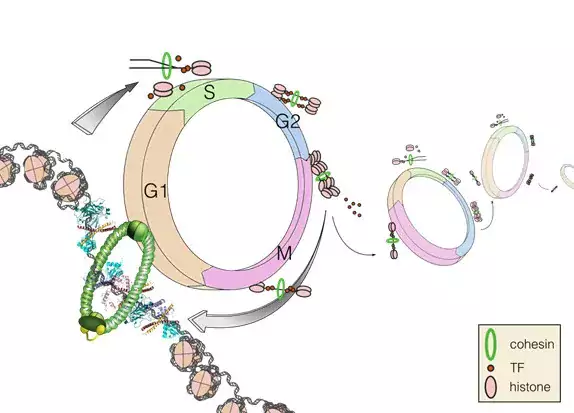
Jussi Taipale is a Professor of Medical Systems Biology at Karolinska Institutet and holds professorships at University of Helsinki. His research focuses on transcription factor binding mechanisms , cancer genomics , and gene regulatory networks . The interdisciplinary Taipale Lab operates across three international locations: Wellcome Sanger Institute (UK), Karolinska Institutet (Sweden), and University of Helsinki (Finland), with over 20 members including senior scientists, postdoctoral fellows, and graduate students. Ph.D., University of Helsinki (1996) Postdoctoral training: University of Helsinki, Johns Hopkins University Research spans transcription factor cooperativity , epigenetic regulation , chromatin accessibility , and noncoding mutation analysis . Key methodologies include HT-SELEX , CUT&RUN , ATI assays , and CRISPR-based functional genomics . The lab has significantly advanced understanding of Myc-driven oncogenesis , TF-nucleosome interactions , and dinucleotide specificity mechanisms . Notable discoveries include chromatin context-dependent enhancers , water-mediated DNA recognition , and novel composite transcription factor motifs . The group maintains active collaborations across Europe and has trained numerous alumni now leading academic and industry positions worldwide.
Harald Köstler is an Associate Professor and Head of Research at the Erlangen National High Performance Computing Center (NHR@FAU) within the Department of Computer Science at Friedrich-Alexander-Universität Erlangen-Nürnberg (FAU). He leads the research group on HPC Software Design at the Chair of Computer Science 10 (System Simulation), focusing on software engineering for high-performance computing and data analytics. His research interests include: Software Engineering for HPC Code Generation for Numerical Solvers Performance Engineering on Hybrid Architectures Discontinuous Galerkin and Lattice Boltzmann Methods Multigrid Solvers and Parallel Algorithms Performance Portability across CPUs, GPUs, and FPGAs The recent publications highlight a strong trend in developing efficient, scalable, and portable simulation frameworks for complex physical systems. His work emphasizes code generation, performance optimization, and the integration of classical model-driven and data-driven approaches. Key application areas include computational fluid dynamics, geotechnical engineering, and climate modeling, often leveraging the waLBerla and ExaStencils frameworks. Harald Köstler has no listed scientific awards in the provided text. He advises students in the areas of high-performance computing, numerical methods, and software engineering for scientific applications. His research is supported by collaborations within the FAU HPC ecosystem and likely involves grants related to national high-performance computing initiatives. He is a key contributor to the waLBerla framework, a block-structured, high-performance software for multiphysics simulations, and is involved with the ExaStencils project, which focuses on advanced multigrid solver generation. These frameworks form the core of his research team's efforts in scalable scientific computing.
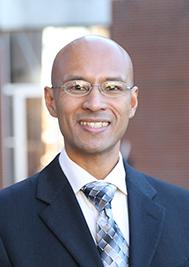
Dr. Enrique Blair is an Associate Professor in the Department of Electrical and Computer Engineering at Baylor University, where he has served since 2015, advancing to his current rank in 2021. His academic journey includes prior roles as a Military Instructor at the U.S. Naval Academy and service in the U.S. Navy submarine force. He is actively engaged in research, teaching, and mentoring within the College of Engineering. His research focuses on the theoretical and computational aspects of quantum engineering, particularly in quantum-dot cellular automata (QCA), open quantum systems, and quantum information sciences. He explores molecular computing paradigms, quantum decoherence, and the quantum mechanical basis of olfaction, aiming to develop ultra-dense, low-power nanoelectronic devices and novel quantum technologies. His interdisciplinary work bridges electrical engineering, physics, chemistry, and materials science. The recent articles highlight a strong trend in molecular QCA design, quantum simulation for NISQ devices, and the application of ab initio methods to understand counterion effects and molecular stability. His research increasingly integrates machine learning for material discovery and emphasizes robustness in quantum circuits against environmental noise and external fields. The publications reflect a consistent focus on foundational quantum phenomena with practical applications in computing, sensing, and security. Research Grant, Office of Naval Research, Code 312 Nanoscale Computing Devices and Systems (May 2020 - May 2023) Summer Sabbatical, Baylor University (Summer 2019) Senior Member, IEEE (2019) Outstanding Faculty Award (untenured, tenure-track faculty), Baylor University (2018) Proposal Development Award, Office of the Vice Provost for Research, Baylor University (2017) Rising Star Program, Baylor University (2017-2018) Undergraduate Research and Scholarly Achievement Award, Office of the Vice Provost for Research, Baylor University (2017-2018) Rising Star Program, Baylor University (2016-2017) Graduate Research Fellowship Program, National Science Foundation (2010-2015) National Defense Science and Engineering Graduate Fellowship, American Society for Engineering Education (2010-2013) Dr. Blair has advised multiple Ph.D. and Master’s students, including Colin Burdine, Nischal Gautam, and Nishat Liza, and has mentored numerous undergraduate researchers. His research is supported by competitive grants, particularly from the Office of Naval Research, reflecting the strategic importance of his work in nanoscale computing. He integrates teaching and research, offering courses such as Quantum Mechanics for Engineers and Introduction to Quantum Computing, and promotes scholarly productivity through tools like Emacs Org Mode and LyX. He leads an active research team focused on molecular QCA and quantum information, with current members including Ph.D. students and undergraduates. The team conducts simulations, theoretical modeling, and design of quantum devices, contributing to advancements in nanoelectronics and quantum computing. Collaborations with experts in chemistry, physics, and computer science further extend the impact of the research.
Mirana Ramialison is a Professor at Monash University, affiliated with both the Australian Regenerative Medicine Institute and Victorian Heart Institute (VHI). She maintains an active research program with significant contributions to cardiovascular development and regenerative medicine. Her research interests focus on understanding the role of non-coding DNA regulatory elements in heart development and disease, formation of boundaries in developing embryos, and molecular mechanisms underlying cardiac function. She employs cutting-edge genomic, computational, and imaging approaches to investigate gene regulatory networks that govern cardiovascular development. Her recent publications demonstrate expertise in spatial transcriptomics, machine learning applications in epigenomics, and the use of vertebrate models like the African killifish to study aging processes. Her work spans developmental biology, genomics, and computational approaches to understand heart development and disease mechanisms. Professor Ramialison leads multiple significant research projects including 'Role of human non-coding DNA regulatory elements (REs) in heart development and disease' as Primary Chief Investigator, and collaborates on projects related to chemotherapy-induced heart damage prevention and bone growth mechanisms. She has produced 71 research outputs with notable recent publications in high-impact journals including Nature Cardiovascular Research, Genome Biology, and Communications Biology, demonstrating sustained scholarly productivity and impact in her field.
Weihua Zhou is a Tenured Associate Professor at Michigan Technological University in the College of Computing, with affiliations in Applied Computing, Biomedical Engineering, Computer Science, Electrical and Computer Engineering, and Mathematical Sciences. He holds a PhD from Southern Illinois University Carbondale, an MS and B.Eng. from Wuhan University, and completed postdoctoral research at Emory University. Academic Positions : Tenured Associate Professor (2025–present), Tenure-Track Assistant Professor (2019–2025) at Michigan Tech; Nina Bell Suggs Endowed Professorship (2015–2019) at the University of Southern Mississippi. Research Interests : Focuses on medical imaging and health informatics , particularly machine learning applications in cardiovascular diagnosis , osteoporosis risk stratification , and senile dementia early detection . Additional work includes radiomics for COVID-19 severity assessment , federated learning in medical segmentation , and deep learning for proximal femur strength prediction . Scientific Awards : USM Nina Bell Suggs Endowed Professorship, USM College of Arts and Sciences Scholarly Research Award, American Heart Association Research Leaders Academy (2017, 2018), USM Butch Oustalet Distinguished Professorship Research Award. Lab & Tools : Leads the Medical Imaging & Informatics Lab (MIILab-MTU) and contributes to the NSF/MRI GPU Cluster. Open-sourced tools include KD4COVID19 for radiomics analysis and ECGTools for ECG classification.
Prof. Julija Zavadlav is an Assistant Professor of Multiscale Modeling of Liquid Materials at the Technische Universität München (TUM), affiliated with the TUM School of Engineering and Design. Her research integrates physical modeling with machine learning and Bayesian techniques to develop multi-scale simulation frameworks for diverse applications in bioinformatics and engineering. Education: She earned her PhD in Physics from the University of Ljubljana (2015) and conducted postdoctoral research at ETH Zurich (2016–2019), where she received an ETH Postdoctoral Fellowship. Since 2019, she has held her current position at TUM. Research Interests: Her work focuses on advancing machine learning potentials, Bayesian uncertainty quantification, and multi-scale modeling for complex systems like ionic liquids, metal-organic frameworks, and biomolecules. Her ERC Starting Grant (2022) supports the SupraModel project, emphasizing scalable and interpretable models. Awards: Golden Teaching Award 2022 (Best Lecture), ERC Starting Grant 2022, and ETH Postdoctoral Fellowship. Her recent publications emphasize neural network potentials, transfer learning, and computational tools like JaxSGMC for Bayesian analysis. Grants and Labs: While specific lab names are not mentioned, her ERC grant underscores active funding. No formal student advisee list is provided, but her collaborative work suggests involvement in training next-generation computational scientists.
Lionel Pichon is a leading researcher at the Laboratory of Electrical and Electronic Engineering of the University of Paris. His primary affiliations include the Department of Electrical and Electronic Engineering of Paris, where he specializes in advanced electromagnetic research. His work focuses on Electromagnetics , Electromagnetic Compatibility (EMC) , and Wireless Power Transfer , with particular emphasis on composite materials, biomedical applications, and automotive systems. Expertise in numerical methods (FDTD, FIT, DGTD) for electromagnetic simulations Pioneer in shielding effectiveness analysis for composite materials Developer of AI-driven approaches for dielectric property characterization Over 70 publications since 2017 highlight his contributions to fields like inductive power transfer systems, medical device EMC, and GPR imaging techniques. Collaborates extensively with institutions globally, including research on antenna design for implantable medical devices and electromagnetic compatibility in healthcare facilities. Current research trends emphasize machine learning integration with traditional electromagnetic analysis to optimize system performance and safety standards.
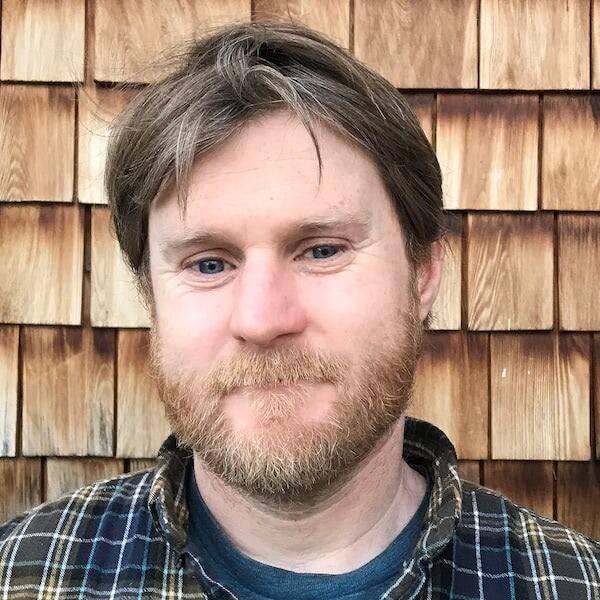
Brendan Meade is a Professor of Earth & Planetary Sciences at Harvard University and a Faculty Affiliate of the Kempner Institute. His research focuses on earthquake cycle mechanics, topographic evolution, and computational geosciences, utilizing mathematical and machine learning approaches. He holds a BA in History of Science from Johns Hopkins University (1998) and a PhD in Earth, Atmospheric, and Planetary Sciences from MIT (2004). After a postdoc at Harvard, he advanced to full professorship, with visiting roles at Google Research and DeepMind. Research interests include geodetic imaging of fault systems, statistical earthquake modeling, and climate-tectonic interactions. Notable methods involve regional/global computational models constrained by GNSS and InSAR data to forecast seismic activity and quantify tectonic processes. Recent work integrates machine learning for aftershock prediction and fault behavior analysis. Publications span seismic deformation, viscoelastic rheology, and tectonic dynamics, emphasizing interdisciplinary approaches. Current openings exist for graduate students and postdocs in computational geosciences and machine learning applications. The Meade Group collaborates across academia and industry, leveraging advanced computational frameworks like Bem2d.jl for boundary element modeling.