Michael J. Ragusa is an Associate Professor of Chemistry at the Department of Chemistry, College of Arts and Sciences, Dartmouth College , specializing in molecular mechanisms of selective autophagy . His research integrates structural biology , biochemical reconstitution , and cell biology to understand how cells degrade toxic components like damaged organelles. Education: B.S. in Chemistry from Siena College, Ph.D. in Biochemistry from Brown University His work focuses on autophagy , particularly the role of Atg proteins in membrane tethering and cargo selection. His lab has published extensively on mitophagy , ALFY , and Atg11 , linking defects in these pathways to cancer , neurodegeneration , and infectious diseases . Recent studies highlight mechanisms of vesicle clustering and dimerization-dependent membrane interactions . Dr. Ragusa teaches courses such as CHEM 5: General Chemistry , CHEM 42: Biological Chemistry II , and CHEM 95.05: Protein Crystallography . His lab employs techniques like X-ray crystallography , NMR spectroscopy , and membrane reconstitution to dissect protein-lipid interactions.
Owen Skinner is an Assistant Professor in the Department of Chemistry and Chemical Biology at Northeastern University, affiliated with the Barnett Institute of Chemical and Biological Analysis. He leads the Skinner Lab, which specializes in high-resolution mass spectrometry to study protein-metabolite interactions in health and disease. Skinner earned his Ph.D. from Northwestern University and conducted postdoctoral research at Massachusetts General Hospital. His research focuses on thiol redox regulation, vitamin cofactor metabolism, and oxidative phosphorylation dynamics. Education: Ph.D. in Chemistry (Northwestern University), Postdoctoral Fellowship in Analytical Chemistry (Massachusetts General Hospital). Research interests include proteomics, metabolomics, mitochondrial dysfunction, and metabolic signaling. The lab actively recruits graduate students, undergraduates, and postdoctoral researchers across Northeastern's scientific community. Affiliations: Barnett Institute, College of Science Lab Members: PhD students Yifan Liu, Michael Xiao, Angela Rojas-Merchan; Undergraduates Helena Rittenhouse, Ridha Shah; High School collaborator Helen Loango Techniques: Native mass spectrometry, proteomics, metabolomics, redox biology Publications span mitochondrial metabolism, metabolic biomarkers in septic shock, and enzyme engineering. The lab emphasizes interdisciplinary collaboration and supports students through Northeastern's experiential learning programs.
Dr. Junfang Wu is a Professor in the Department of Anesthesiology and holds a secondary appointment in Neurobiology at the University of Maryland School of Medicine. She serves as Associate Director of UM-MIND (University of Maryland - Medicine Institute for Neuroscience Discovery), Director of the Anesthesiology Center for Neuroscience Research, and Vice-Chair for Translational Research in the Department of Anesthesiology. Her academic journey includes a BM in Medicine, MS in Pharmacology from Jiangxi Medical College, and PhD in Neuropharmacology from Nanjing Medical University, followed by postdoctoral training at China's Institute of Materia Medica and NIH. Research Focus: Neurotrauma, neuroinflammation, autophagy-lysosomal pathway, extracellular vesicles, Hv1/NOX2/ROS, TrkB.T1 Key Techniques: Rodent models of SCI/TBI, behavioral evaluations, EV characterization, quantitative imaging, molecular/cellular biology Dr. Wu's research explores the cellular and molecular mechanisms of neurological dysfunction following CNS trauma, with emphasis on autophagy-lysosomal disruption, microglial Hv1 channels, and EV-mediated neuroinflammatory signaling. Her 2025 Aging and disease study reveals age-dependent transcriptional changes post-anesthesia, while 2024 Brain, Behavior, and Immunity work demonstrates how SCI alters EV cargoes to drive brain neuroinflammation. Her team recently discovered that Hv1 proton channel ablation in microglia provides neuroprotection in SCI models. Her scientific contributions are recognized through the 2025 Matjasko Professorship in Anesthesiology Research. She has secured multiple NIH grants including: R01 NS145443 (2025-2030): cGAS signaling in brain trauma-induced neuroinflammation R01 AG077541 (2022-2027): TBI olfactory dysfunction and dementia progression 2RF1 NS094527 (2016-2027): Autophagy mechanisms in SCI R01 NS110825 (2020-2026): Hv1 channel in SCI/TBI Dr. Wu's laboratory personnel include Research Associates Yun Li and Zhuofan Lei, Post-doctoral Fellows Balaji Krishnamachary and Zihui Wang, Research Assistant Hui Li, and medical student Ruth Park. Her work spans from bench research on lysosomal damage to clinical implications for Alzheimer's disease-related dementia (AD/ADRD) and potential therapeutic strategies.
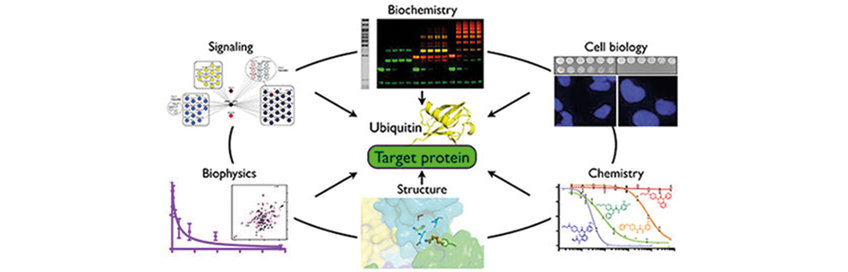
Brenda Schulman is a Professor and Director of the Molecular Machines and Signaling Pathways department at the Max Planck Institute of Biochemistry in Martinsried, Germany. She also holds an honorary professorship at the Technical University of Munich's Department of Chemistry and serves as Adjunct Faculty at St. Jude Children's Research Hospital in Memphis, TN, USA. Her research focuses on understanding how ubiquitin and ubiquitin-like proteins regulate cellular processes through protein modification. Dr. Schulman's research interests center on structural biology of the ubiquitin-proteasome system and ubiquitin-like proteins. Her work has shown that hundreds of dynamic multiprotein complexes are transiently converted into different conformations by specialized regulatory factors that control ubiquitin and ubiquitin-like proteins, thereby monitoring virtually all processes in cell biology. She combines biochemical reconstitution, structural analysis, enzymology, protein design, cell biology, and genetics to understand how these molecular machines function. Her research has significant implications for understanding diseases such as cancer, neurodegenerative disorders, and viral infections where defects in ubiquitin pathways are implicated. Her extensive publication record demonstrates expertise in ubiquitin signaling, protein degradation mechanisms, structural biology of E3 ligases, and molecular machines. Her work spans from fundamental mechanisms of ubiquitin chain formation to therapeutic applications in targeted protein degradation. Among her numerous scientific accolades are the Feldberg Prize for Anglo-German Scientific Exchange (2025), ERC Advanced Grant (2023), Louis-Jeantet Prize for Medicine (2023), Gottfried Wilhelm Leibniz Prize (2019), and election to the National Academy of Sciences (2014). She has also received the Dorothy Crowfoot Hodgkin Award from The Protein Society and has been an Investigator of the Howard Hughes Medical Institute. Dr. Schulman leads an active research group that has produced numerous high-impact publications in top journals including Nature, Cell, and Nature Structural & Molecular Biology. Her team has made significant contributions to understanding the structural mechanisms of ubiquitin transfer, E3 ligase specificity, and the role of ubiquitin in cellular quality control pathways. Current research in her lab focuses on deciphering the ubiquitin code and developing novel approaches for targeted protein degradation.
Jia Min Chin is an Associate Professor at the Faculty of Chemistry , affiliated with the Institute of Functional Materials and Catalysis . Her research focuses on advanced materials, particularly Metal-Organic Frameworks (MOFs), Gold nanoparticles, and N-Heterocyclic Carbene (NHC) chemistry, with applications in catalysis, environmental remediation, and sustainable technology. Her scientific work contributes to United Nations Sustainable Development Goals (SDGs) through innovations in functional materials and catalytic systems. Key projects include Breaking the ice – novel energy efficient hybrid de-icing systems and DYNAMOF: Electric Field Assisted Dynamic MOF Alignment , funded by major research grants. She received the prestigious ERC Grant in 2020 for her contributions to materials science. Chin's research spans MOF-based nanocomposites, photonic assemblies, and biomedical applications. Her publications highlight trends in Stimuli-responsive materials (electric/magnetic fields) Green catalytic systems Anti-icing and humidity-sensing coatings Cancer therapy platforms Scientific Awards ERC Grant (2020) She collaborates globally on cutting-edge topics like MOF alignment, nerve agent decomposition, and CO2 reduction, with recent activities including lectures at international conferences and workshops on material structuring.
Professor Dario Alessi is a leading academic at the University of Dundee's School of Life Sciences, serving as the Director of the MRC Protein Phosphorylation Unit (MRC PPU) and Professor of Signal Transduction. He earned his BSc (1988) and PhD (1991) from the University of Birmingham. His research focuses on protein phosphorylation and ubiquitylation pathways, particularly the LRRK2 kinase pathway linked to Parkinson's disease. He has made groundbreaking contributions to understanding LRRK2's role in neurodegeneration, including its interaction with Rab proteins and scaffolding molecules like RILPL1. School of Life Sciences, University of Dundee MRC PPU Director since 2012 Signal Transduction Therapy Unit Director His work combines molecular biology, biochemistry, and collaborative industry partnerships to advance therapeutic strategies for Parkinson's disease. Key research areas include LRRK2 activation mechanisms, Rab protein phosphorylation, and lysosomal dysfunction. Alessi has trained over 30 graduate students and 40 postdocs, many now in academic and industry leadership roles. Notable awards include the EMBO Gold Medal (2005), the Robert A. Pritzker Prize for Leadership in Parkinson’s Research (2023), and an OBE (2023) for contributions to medical science. His lab promotes open science, sharing reagents and protocols globally through platforms like MRC Pure Agents and LRRK2.bio. Current projects include investigating novel mitochondrial and organelle biology in Parkinson’s, developing biomarkers, and advancing LRRK2 inhibitors through clinical trials. Collaborations span the Michael J. Fox Foundation, Aligning Science Across Parkinson’s, and the UK Dementia Research Initiative.
Dr. Mercedes Taylor is an Assistant Professor in the Department of Chemistry and Biochemistry at the University of Maryland, College Park. She holds the Nathan Drake Faculty Fellowship. Previously, she was a Jill Hruby Fellow in National Security Science and Engineering at Sandia National Labs (2018–2021) and a Post-Baccalaureate Intramural Research Training Awardee at the NIH (2011–2013). She earned her Ph.D. in Chemistry from UC Berkeley (2018) and a B.A. in Chemistry from Amherst College (2011). Her research focuses on synthesizing novel materials like supramolecular cages, covalent organic frameworks, and porous polymers for applications in water purification and critical metal capture. Her lab emphasizes controlling material structure to achieve selectivity for target molecules and enhance aqueous stability. Key projects include ion separations, environmental remediation, and energy storage solutions. Dr. Taylor’s work has been recognized through awards such as the 2024 Doctoral New Investigator Award (ACS), 2023 DOE Separation Science Core Award, and the 2023 Moore Inventor Fellowship. She mentors a dynamic research group, including graduate students and post-baccalaureate researchers, and actively engages in interdisciplinary collaborations. Her lab is part of the Taylor Group at UMD, which develops advanced materials for ion capture and water treatment. Alumni of her group include researchers at Sandia National Labs and academic institutions, contributing to both industry and academia.
Xinxin Song, M.D., Ph.D., is an Assistant Professor in the Department of Surgery at the University of Texas Southwestern Medical Center. She holds a medical degree from Peking University Health Science Center and a Ph.D. from Peking Union Medical College. After post-doctoral training at the University of Pittsburgh, she became a Research Assistant Professor at Northwestern University's Feinberg School of Medicine before joining UT Southwestern in 2020. Her lab focuses on understanding mechanisms of cell death (apoptosis, ferroptosis, pH-dependent death, immunogenic cell death) and their interplay with drug resistance, tumor microenvironment, and cancer immunogenicity. Education: M.D., Health Science Center, Peking University Ph.D., Peking Union Medical College Post-doctoral Training, University of Pittsburgh School of Medicine Research Interests: Mechanisms of programmed cell death (apoptosis, ferroptosis) Drug resistance in cancer Tumor microenvironment dynamics Immunogenic cell death pathways Labs/Teams: Established her independent lab in the Department of Surgery at UT Southwestern in 2023
William Balch, PhD, is a Professor in the Department of Molecular and Cellular Biology at Scripps Research. His research focuses on linking genetic variation in human populations to protein function using machine learning tools like Gaussian Process (GP) modeling. He pioneered concepts in proteostasis and spatial covariance, exploring how genetic and environmental factors influence protein folding and disease. Education: Ph.D. in Microbiology from University of Illinois (1979) Research interests include inherited diseases (e.g., CFTR, AATD, NPC1), aging-related proteostasis collapse, and host-pathogen interactions in SARS-CoV-2. His lab develops computational platforms to model protein design and discover therapeutic interventions. Key projects involve GP-based analysis of genetic diversity, small molecule therapeutics targeting chaperone systems, and understanding viral evolution via spatial covariance. His work bridges genomics and phenomics to address disease mechanisms at atomic resolution. Grants and collaborations focus on protein-folding correction, with applications in precision medicine and climate change mitigation through RuBisCo optimization in plants.
Associate Professor Alex Clarke is a Wellcome Trust-funded researcher and Honorary Consultant Rheumatologist at the Nuffield Orthopaedic Centre, affiliated with the University of Oxford. He leads the Clarke Group at the Kennedy Institute of Rheumatology, focusing on the intersection of metabolism and immunity. PhD in Medicine (2013), King’s College London MBBS in Medicine (2001), University College London (UCL) Dr. Clarke's research explores how metabolic pathways regulate immune cell function and disease progression. His work spans autophagy mechanisms, mitochondrial dynamics in B cells, and metabolic dysregulation in autoimmune disorders like lupus. Recent studies investigate germinal center B cell metabolism and glycogen synthase kinase-3's role in Treg development. His recent publications (2025-2024) highlight trends in immunometabolism, autophagy, and genetic testing applications. Awards include prestigious Wellcome Trust Clinical Research fellowships. Wellcome Trust Clinical Research Training Fellowship (2013) Wellcome Trust Clinical Research Career Development Fellowship (2018) Dr. Clarke's lab investigates metabolic regulation in immune cell differentiation and autoimmune disease pathogenesis.
Régis Pomès is a Professor in the Department of Biochemistry at the University of Toronto, where he leads an active research program since 1999. His work focuses on computational biophysics, studying the structure-dynamics-function relationships of biomolecules. Canada Research Chair (Tier 2) in Physical Chemistry (2001-2011) Teaches courses: BCH 2107H: Introduction to Biomolecular Simulations BCH 2105H: Cystic Fibrosis: The Cause, The Treatment BCH 2024H: Introduction to Biomolecular Simulations JBB2026H: Protein Structure, Folding and Design BCH473Y: Advanced Research Project in Biochemistry BCH422H: Membrane Proteins: Structure and Function Research Interests: The Pomès Lab specializes in computational methods development and their application to biomolecular systems, particularly: Membrane proteins and ion channels Protein-lipid interactions Protein folding and aggregation Statistical mechanics of biomolecular systems Molecular dynamics simulations across multiple scales Structural biology of disordered proteins Awards: Canada Research Chair (Tier 2) in Physical Chemistry (2001-2011)
David A. Hood is a Full Professor and former Canada Research Chair in Cell Physiology (2003–2024) at York University, affiliated with the School of Kinesiology and Health Science. He is the Founding Director of the Muscle Health Research Centre (MHRC) and supervises graduate students in the Biology Graduate Program. Research Interests: His research focuses on mitochondrial biogenesis, turnover, and function in skeletal muscle. He investigates how exercise, aging, and muscle disuse affect mitochondrial health, with a particular interest in mitophagy, lysosomal function, and cellular signaling. His work spans human, animal, and cellular models, integrating physiological, biochemical, and molecular biology approaches. Recent Publication Trends: Recent publications emphasize transcriptional regulation (e.g., TFEB, TFE3, ATF4, p53), organelle crosstalk (mitochondria-lysosome interactions), and the role of exercise as 'mitochondrial medicine.' His lab explores therapeutic interventions like mitochondrial transplantation and nutrient signaling in muscle health. Scientific Awards: Canada Research Chair in Cell Physiology (2003–2024) Finalist for a prestigious national award Advising and Grants: Dr. Hood actively mentors graduate students and postdoctoral fellows. He has secured significant funding, including a $1 million CIHR grant to study mitochondria and lysosomes in muscle. His lab fosters interdisciplinary collaboration and contributes to major reviews in the field. Labs and Teams: He leads the Hood Lab at York University and co-founded the Muscle Health Research Centre (MHRC), a multidisciplinary hub promoting research on muscle function, exercise, and aging. The MHRC facilitates collaboration across departments and institutions.
Michael Grabe is a Professor in the Cardiovascular Research Institute (CVRI) at the University of California San Francisco (UCSF). He holds a joint appointment in the Department of Pharmaceutical Chemistry. His work focuses on computational methods to study biological phenomena, particularly ion transport across membranes and the molecular mechanisms of ion channels/transporters. He has pioneered theoretical approaches to understand membrane protein function and organelle acidity regulation. Education: PhD in Physics, University of California, Berkeley (2002) ScB in Mathematics-Physics, Brown University (1996) Research Interests: Dr. Grabe’s lab investigates ion channel function, membrane remodeling by TMEM16 proteins, lysosomal pH regulation, and computational modeling of membrane-associated processes. Key themes include: Mechanics of ion transport and lipid flipping Protein-induced membrane deformations Simulations of organelle microphysiology Development of computational tools for membrane protein analysis Recent Research Trends: Recent work emphasizes dynamic protein design using AI (e.g., Science 2025), structural studies of K2P channels, and functional insights into TMEM16 scramblases. His team also explores SARS-CoV-2 protein interactions and mitochondrial uncoupling mechanisms. Awards: NSF CAREER Award (2009-2014) Alfred P. Sloan Research Fellowship (2009-2011) Shining Star Community Service Award (2012) Grants & Advising: Principal Investigator of NIH grants studying TMEM16 proteins (R01GM137109) and lysosomal physiology (R21GM100224). His lab trains graduate students and postdocs in computational biophysics and membrane biology. Labs/Teams: Leads the Grabe Lab at UCSF, which collaborates with experimental groups to bridge theory and experiment in membrane systems. Active in developing open-source tools like APBSmem for electrostatic calculations.
Prof. Dr. Christian Ungermann is a Professor in the Department of Biochemistry at the University of Osnabrück, Germany. His research focuses on the molecular mechanisms underlying endosome, lysosome, and autophagosome biogenesis. He combines cell biological methods with in vitro reconstitution assays to study protein complexes involved in these processes. His work is critical for understanding disease-related mechanisms linked to organelle dysfunction. Research topics include endosomal maturation, autophagosome/lysosome biogenesis, and endosomal signal transduction. Model systems include Saccharomyces cerevisiae, insect cells, and Drosophila melanogaster. Key methods are protein purification, fluorescence microscopy, membrane fusion assays, and enzymatic activity assays. Recent publications highlight studies on Rab GTPase regulation, endosomal Rab transitions, and CORVET tethering complex structure, reflecting expertise in membrane trafficking and organelle dynamics.
Dr. Phyllis I. Hanson is the Minor J. Coon Professor and Chair of Biological Chemistry at the University of Michigan Medical School. She also holds secondary appointments in Neurology and Cell and Developmental Biology, with affiliations to the Rogel Cancer Center and Precision Health Initiative. Research Interests: Her lab investigates mechanisms of cellular membrane stress sensing and repair, focusing on lysosomes and the ESCRT pathway. Her work integrates biochemical, cell biological, and advanced imaging techniques to study organelle membrane dynamics in health and disease. Recent Publications highlight her contributions to understanding ESCRT function in endolysosomal trafficking, membrane resilience under osmotic stress, and protein degradation pathways. These studies intersect with neurodegeneration, cancer biology, and infectious disease. Scientific Awards: AAAS Fellow Keck Scholar Searle Scholar Sloan Scholar McKnight Scholar Grants from NIH and disease-focused foundations since 2018 support her work on ESCRT pathway analysis, HSC70 AMPylation, and signal relay during cell migration. Leadership: She co-chairs Michigan Medicine’s Endowment for the Basic Sciences and chaired the 2024 Gordon Research Conference on Lysosomes & Endocytosis. She serves as Associate Editor of the Journal of Biological Chemistry .