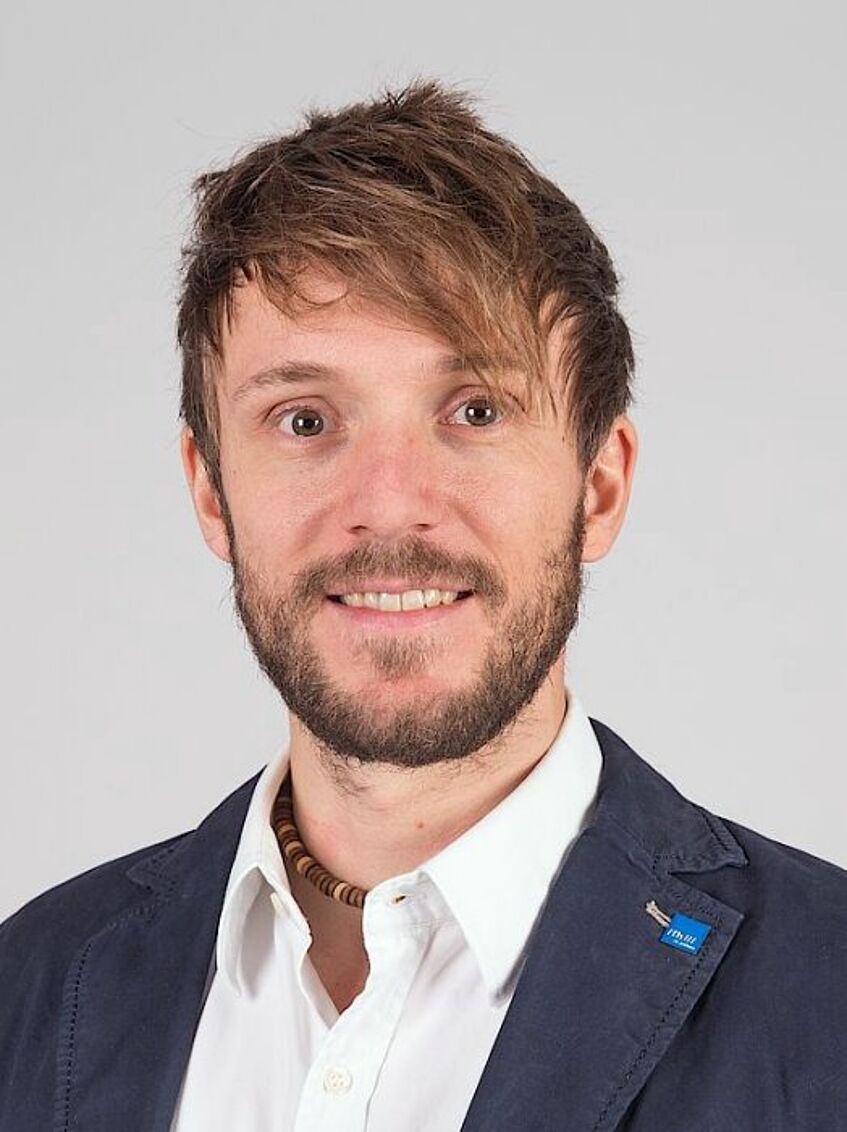
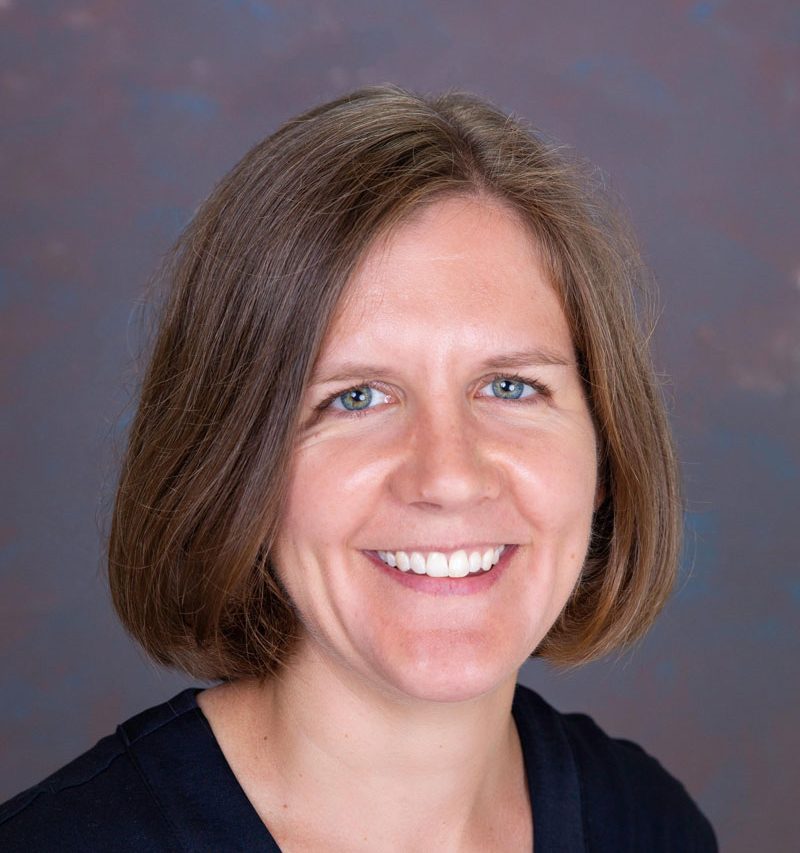
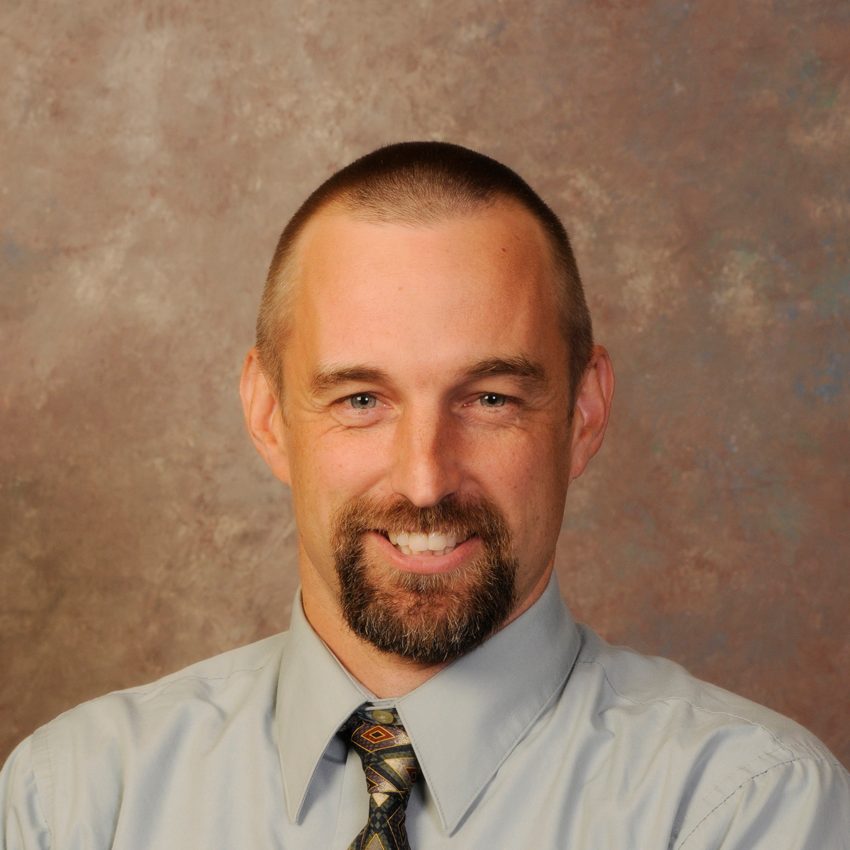
David A. Jamadar is a Clinical Professor in the Department of Radiology at the University of Michigan Medical School. His academic and clinical work focuses on diagnostic radiology with emphasis on musculoskeletal imaging, ultrasound applications, and cross-sectional imaging techniques. Research Interests: Dr. Jamadar's work spans multiple subfields in radiology, including: Musculoskeletal imaging and postoperative assessment Ultrasound-guided interventions and diagnostic accuracy CT/MRI evaluation of abdominal and pelvic pathologies Incidental findings interpretation in imaging Academic writing and faculty development initiatives Publications Trends: His recent work emphasizes diagnostic imaging applications in hernia detection, tendon pathologies, and post-reconstructive surgery assessment, with a focus on correlating imaging findings with surgical outcomes. Mentorship: Dr. Jamadar is explicitly listed as being available to mentor.
Eva Swinnen is a researcher at the Vrije Universiteit Brussel within the Brubotics Rehabilitation Research Center, focusing on physiotherapy, human physiology, and anatomy. Her work bridges robotics and rehabilitation medicine. Key research areas: Walking (100%), Gait Analysis (86%), Systematic Reviews (59%), Orthotic Devices (51%) Recent Publications (2025): Explore AI applications in stroke rehabilitation, virtual twin technology, and electrotherapy effects on muscle recovery. Notable collaborations include projects with KU Leuven and Radboud University Medical Center. 2022 Kuka Innovation Award Finalist 2019 Phase I & II App Development Competition Winner Supervision: Guided master's theses on topics like Kinect™ system validation, volleyball spike biomechanics, and EMG patterning in motor tasks. Currently involved in EU-funded TARGET consortium initiatives for stroke management.
Dr. Rosanna Wustrack is a Professor of Orthopaedic Surgery at the University of California, San Francisco (UCSF) School of Medicine, where she serves as the Chief of Orthopedic Oncology. She specializes in the surgical diagnosis and treatment of musculoskeletal tumors and fragility fractures, with a focus on limb salvage procedures and complex reconstructive surgery. Her educational background includes a BA in Biology from Yale University (1999), an MD from Washington University School of Medicine in St. Louis (2006), residency in Orthopedic Surgery at UCSF (2012), fellowship in Musculoskeletal Oncology at Memorial Sloan Kettering Cancer Center (2013), and Advanced Training in Clinical Research from UCSF (2014). She also completed Diversity, Equity, and Inclusion Champion Training at UCSF in 2018. Dr. Wustrack's research focuses on immunotherapy for sarcomas, functional outcomes in cancer patients, osseointegration, and optimizing treatment for metastatic disease. Her work also extends to global health initiatives and addressing osteoporosis in cancer survivors. She has made significant contributions to understanding tumor immunology, developing innovative reconstructive techniques, and improving outcomes for patients with musculoskeletal tumors. Her extensive publication record demonstrates expertise across sarcoma biology, orthopedic oncology, and innovative reconstructive techniques. The articles reveal a strong emphasis on translational research, with particular focus on sarcoma immunology, osseointegration technology, and outcomes research in musculoskeletal oncology. Her work bridges basic science with clinical applications, particularly in developing novel approaches to sarcoma treatment and improving prosthetic integration. UCSF Department of Orthopedic Surgery 2012 Mauer Chief Resident of the Year UCSF Department of Orthopedic Surgery 2016 James O. Johnston Resident Teaching Award UCSF Academy of Medical Educators 2018 Excellence in Teaching Award Musculoskeletal Research Society 2019-2020 Mentored Research Award UCSF Department of Orthopedic Surgery 2020 Compassionate Physician Award UCSF Health 2020 Exceptional Physician Award Dr. Wustrack serves as Principal Investigator on the Musculoskeletal Tumor Society grant "Identifying and enhancing the host immune response in adult soft tissue sarcoma" and as Co-Investigator on Department of Defense-funded research on osseointegration and neural-controlled prosthetics. Her work with the UCSF Sarcoma Center and Osseointegration Program (iCORES) demonstrates her commitment to multidisciplinary approaches to complex oncologic problems. She is actively involved in global health initiatives through the Institute for Global Health Sciences, focusing on improving surgical care access worldwide.
Brian Horsak is a Privatdozent (equivalent to Associate Professor) at the University of Vienna, affiliated with the Department of Sport and Human Movement Science within the Faculty of Sports Sciences. He serves as a member of the PI Panel/Supervisors for the Sport Science program at the Vienna Doctoral School of Pharmaceutical, Nutritional and Sport Sciences (VDS PhaNuSpo). His research group is located at the St. Pölten University of Applied Sciences with strong collaboration to the Centre for Sport Science and University Sports at the University of Vienna. Dr. Horsak's primary research interests focus on clinical (gait) biomechanics and interdisciplinary approaches between therapy and technology. His work is dedicated to understanding musculoskeletal loading of the lower extremities during locomotion and exercise, and developing assistive technologies such as machine learning algorithms and virtual reality applications to support patients and therapists during rehabilitation. Specific areas include: Clinical gait analysis and biomechanics Musculoskeletal loading in lower extremities Patellofemoral instability and joint biomechanics Machine learning applications for gait classification Virtual reality for rehabilitation Biomechanics of obesity and pediatric movement disorders 3D motion capture and markerless technology His recent publications demonstrate a strong trend toward integrating advanced computational methods with clinical biomechanics. Over the past five years, his work has increasingly focused on smartphone-based motion capture systems, deep learning applications for gait analysis, and virtual reality environments. His research bridges engineering technology and clinical rehabilitation, with particular attention to knee biomechanics, patellofemoral disorders, and movement analysis in pediatric obesity. Dr. Horsak teaches courses including 'Methods and Concepts of Biomechanics and Sports Informatics' and serves as supervisor for PhD students Bernhard Dumphart and Mark Simonlehner. His research group maintains strong collaborations with the St. Pölten University of Applied Sciences and appears to be involved in multiple interdisciplinary projects combining sports science, engineering, and clinical rehabilitation.
Joseph F. Levy, PhD, is an Assistant Professor in the Department of Health Policy and Management at the Johns Hopkins Bloomberg School of Public Health. He is affiliated with the Center for Health Services and Outcomes Research (CHSOR), the Center for Drug Safety and Effectiveness, and the Hopkins Economics of Alzheimer’s Disease & Services Center, reflecting his interdisciplinary engagement in health economics and policy research. PhD, University of Wisconsin, 2018 BS, University of Wisconsin, 2010 Levy’s research centers on health economics, with a focus on cost-effectiveness analysis, drug pricing, orthopedic trauma outcomes, and value-based healthcare decision-making. His work bridges methodological rigor with real-world policy implications, particularly in pharmaceutical economics and healthcare financing. He investigates how economic evaluations can inform equitable and efficient healthcare delivery, especially in trauma care, cancer therapy, and chronic disease management. His recent publications span high-impact journals such as JAMA , Value in Health , and Health Affairs , covering topics including biosimilar market dynamics, Medicare coverage expansion, and economic impacts of trauma. The body of his work demonstrates a consistent trend toward evaluating healthcare interventions through economic modeling and policy analysis, with increasing attention to equity and patient-centered outcomes. Levy has no listed scientific awards in the provided materials. He is actively involved in teaching, including the course Economic Evaluation II , and collaborates with large multidisciplinary research teams, such as the Major Extremity Trauma Research Consortium (METRC). While no formal advisees are listed, his leadership in research projects suggests mentorship roles. He has contributed to significant studies on healthcare costs, drug safety, and health system performance during crises like the pandemic. Levy is part of active research networks focused on health services and outcomes, with collaborations spanning public health, clinical medicine, and policy institutions. His recent work includes exploring equity in healthcare procurement and the economic burden of chronic conditions.
Dr. David Strosberg is an Assistant Professor of Surgery in the Division of Vascular and Endovascular Surgery at Yale School of Medicine and practices at Yale New Haven Hospital. He specializes in open, endovascular, and hybrid treatments for complex vascular conditions, including aortic disease, carotid stenosis, critical limb ischemia, and thoracic outlet syndrome, with a focus on patients with connective tissue disorders. Assistant Professor of Surgery, Yale School of Medicine Division of Vascular and Endovascular Surgery Yale New Haven Hospital VA Connecticut Healthcare, West Haven Education: MD, Upstate Medical University - State University of New York MS in Medical Science, Ohio State University Residency: The Ohio State University Wexner Medical Center (Administrative Chief Resident) Vascular Surgical Fellowship: Johns Hopkins Hospital Dr. Strosberg's research interests center on medical education, particularly simulation and curriculum development for medical students and residents. He has been recognized with multiple teaching awards at institutional, regional, and national levels, reflecting his commitment to surgical training excellence. His recent publications span vascular surgery and biomedical engineering, with a focus on hemodynamic modeling, revascularization outcomes, and innovations in dialysis access. These works reflect a strong interdisciplinary approach involving computational modeling, clinical outcomes analysis, and surgical innovation. Scientific Awards and Honors: Finalist, Distinguished Teaching Society (2020) Resident and Fellows Case Competition Winner, Johns Hopkins (2019) Resident of the Year Award, The Ohio State University (2018) Resident Teacher Award, The Ohio State University (2018) Robyn D. Howson Housestaff Humanism Award, The Ohio State University (2018) Dr. Strosberg is actively involved in clinical teaching and has received grant support for surgical education initiatives, including the Surgical Education Solutions grant. He collaborates extensively with vascular researchers at Yale, including Dr. Alan Dardik and Dr. Cassius Iyad Ochoa Chaar. He is part of the Thoracic Outlet Syndrome Program and contributes to advancing vascular care through both clinical innovation and educational leadership.
Chantal Beijersbergen is an academic researcher affiliated with the University of Groningen, focusing on gait biomechanics and musculoskeletal rehabilitation. Her work spans post-surgical outcomes in orthopedics, aging biomechanics, and sports injury recovery. She completed her PhD in 2017 with a thesis on power training effects in older adults' gait mechanics. Research interests include: - Gait abnormalities in neurological conditions - Biomechanical analysis of hip and knee kinematics - Exercise interventions for mobility enhancement in aging populations - Surgical outcomes after acetabular fractures and ACL reconstructions Recent studies highlight her focus on: Longitudinal cohort analysis of post-fracture gait recovery Mechanical differences in landing techniques post-ACL surgery Impact of hip mechanics in aging populations Her collaborative network includes institutions like the Potsdam Gait Study group and frequent publications in journals like Gait & Posture . Research has garnered significant academic visibility with over 1,700 downloads and Mendeley readership.
Dr. Emma C. Koesters is an Assistant Professor of Clinical Surgery at the Keck School of Medicine of the University of Southern California. She specializes in Plastic and Reconstructive Surgery with a focus on breast reconstruction, extremity reconstruction, and lymphatic surgery. As Co-director of Keck Medicine's Lymphedema Program, she offers specialized surgical interventions for lymphedema, a common complication of breast cancer treatment. Dr. Koesters received her medical degree from the Weill Cornell College of Medicine, where she was first exposed to reconstructive surgery. She completed an integrated plastic surgery residency at the Keck School of Medicine of USC and pursued additional fellowship training in supermicrosurgery at the University of Chicago Medical Center to focus on physiologic surgery for lymphedema. Her research interests span multiple areas of reconstructive surgery: Breast Reconstruction: Including DIEP flap surgery, immediate device reconstruction, and sensory restoration through neurotization Lymphedema Surgery: Focusing on immediate lymphatic reconstruction and developing effective resources for patients Abdominal Wall Reconstruction: Investigating outcomes predictors and free flap techniques Microsurgical Considerations: Studying vascular steal phenomenon, effects of preoperative hemoglobin, and timing of radiation therapy Autoimmune Disease Management: Exploring flap-based reconstruction in patients with autoimmune conditions Dr. Koesters' publication record demonstrates a strong focus on practical clinical applications that improve patient outcomes. Her recent work examines the role of GLP-1 agonists in surgical patients, insurance coverage impacts on lymphatic reconstruction, and the development of prognostic tools like the Smile Index for cleft palate severity. She emphasizes a comprehensive approach to women's health and breast cancer reconstruction, using advanced microsurgical techniques to tailor procedures to individual patient needs. Her scientific contributions include: Developing the Smile Index as a prognostic severity scale for unilateral cleft palate Investigating the relationship between preoperative hemoglobin levels and microsurgical outcomes Examining the optimal timing for free flap reconstruction following radiation therapy Advocating for the value of reconstructive surgeons in academic medical centers Dr. Koesters believes in working closely with patients to understand their individual goals and optimize postoperative outcomes. She states: "I believe in a comprehensive approach to women's health and breast cancer reconstruction. I use the latest tools available in microsurgery to tailor surgery to each patient's needs and not only restore, but enhance quality of life. Every patient's journey is unique, and I strive to be a long-term partner and advocate for all my patients."
Dr. Lecturer Yusuf TOPAL is a full-time academic at Ahi Evran University, School of Physical Therapy and Rehabilitation , Department of Physical Therapy and Rehabilitation. He holds a PhD in Physical Therapy and Rehabilitation from Hacettepe University (2018–2023) and a Master’s in the same field (2016–2018). Education: PhD: Physical Therapy and Rehabilitation, Hacettepe University (2018–2023) MSc: Physical Therapy and Rehabilitation, Hacettepe University (2016–2018) BSc: Physiotherapy and Rehabilitation, Dumlupınar University (2003–2007) His research focuses on pediatric physical therapy , particularly developmental outcomes in preterm infants and those born to mothers with gestational diabetes or pre-eclampsia . He investigates spatiotemporal gait characteristics , dynamic balance , and lower extremity muscle strength in both pediatric and orthopedic populations. Recent publications highlight collaborations on knee osteoarthritis rehabilitation , hip arthroplasty recovery , and geriatric rehabilitation challenges. His work has been cited in SCI/SSCI/ESCI journals and international conferences like the European Academy of Childhood Disability (2020). He collaborates extensively with researchers such as Gizem İrem Kınıklı (Karabük University), Akmer Mutlu (Hacettepe University), and Bilge Nur Yardımcı Lokmanoğlu (Hacettepe University), reflecting interdisciplinary efforts in pediatric and orthopedic rehabilitation .
Dr. Kelly P. Westlake serves as Professor in the Department of Physical Therapy and Rehabilitation Science at the University of Maryland School of Medicine, with secondary appointments in Diagnostic Radiology Nuclear Medicine and Neurology. As Director of the PhD and DPT/PhD program in Physical Rehabilitation Science, she leads advanced training initiatives while maintaining thirty years of clinical and research expertise focused on neurological disorders and age-related mobility decline. Her educational foundation includes a Physical Therapy degree from McGill University, M.Sc. and Ph.D. degrees in Rehabilitation Sciences from Queen's University, followed by postdoctoral training at Stanford University/Palo Alto VA (CIHR Clinical Research fellowship) and University of California, San Francisco (American Heart Association Fellowship). This trajectory established her dual expertise in clinical neurorehabilitation and advanced neuroscience methodology. Dr. Westlake's research program investigates sensorimotor-cognitive mechanisms underlying movement impairments in stroke, Parkinson's disease, and mild cognitive impairment through an integrative approach combining biomechanics (kinematics/kinetics), neuroimaging (fMRI/EEG/MEG), and psychophysiological assessments (HRV/GSC). Her distinctive work explores sleep-based motor learning consolidation via targeted memory reactivation and cognitive-motor interactions in reactive fall recovery, driving development of task-oriented robotic rehabilitation devices for clinical translation. Recent publications reveal strong trends toward home-based and self-managed rehabilitation solutions for stroke recovery, with growing emphasis on cognitive-motor interactions in aging populations and biomechanical analysis of perturbation responses for fall prevention. These studies consistently prioritize patient-centered, evidence-based interventions leveraging technological innovation to enhance accessibility and efficacy. Her scientific recognition includes: CIHR Clinical Research fellowship American Heart Association Fellowship Dr. Westlake currently leads $10+ million in grant funding including a 2025-2026 Maryland Industrial Partnerships Grant for FES treatment of shoulder adhesive capsulitis and multiple NIH awards (NIDILRR, NIA, NINDS) focused on stroke rehabilitation, fall prevention in older adults, and neuromotor training. She mentors PhD candidates and postdoctoral fellows through the Physical Rehabilitation Science PhD Program and UMANRRT fellowship, while developing clinical practice guidelines as Leader of the Balance and Falls in Neurological Conditions group for the APTA Academy of Neurologic Rehabilitation. The Neuromechanisms of Movement and Learning (NeuMo) Laboratory, directed by Dr. Westlake, features state-of-the-art capabilities including fMRI/EEG/MEG neuromonitoring, Vicon kinematics, Bertek force platforms, ActiveStep balance perturbation system, custom Balance boardwalk (patent pending), and Kinereach virtual reality systems. The lab maintains active collaborations with the UM Sleep Lab and UM Rehab for clinical-home integration studies, supported by academic-industry partnerships advancing rehabilitation technology development.
Dr. Garrick Forman serves as a Senior Lecturer in the Department of Kinesiology within Brock University's Faculty of Applied Health Sciences, where he conducts pioneering research in esports biomechanics and ergonomics. Holding a PhD in Neuromechanics and Ergonomics from Brock, he focuses on optimizing gamer performance while mitigating injury risks through industry partnerships with GM Canada, NotionMedical, and Waterloo Regional Police. His educational background includes: PhD in Neuromechanics and Ergonomics, Brock University Forman's research centers on esports biomechanics, neuromuscular control of the distal upper limb, and fatigue-induced motor performance degradation. His work integrates advanced biomechanical analysis with practical ergonomic solutions, particularly addressing repetitive strain in gaming contexts. Recent studies employ robotics for precise movement quantification and examine sex-specific responses to physical demands, reflecting a multidisciplinary approach to human performance optimization. Analysis of his 15 most recent publications (2025-2020) reveals a dominant focus on upper extremity biomechanics in gaming and occupational settings, with emerging trends in corticospinal excitability assessment and robotic movement analysis. His research consistently bridges laboratory findings with real-world applications through industry collaborations, emphasizing injury prevention and performance enhancement in both esports and traditional athletic domains. Dr. Forman's scholarly contributions have earned significant recognition: ISEK John V. Basmajian Memorial Award NSERC Canada Graduate Scholarship – Doctoral CIHR Banting & Best Scholarship In academic service, he teaches Clinical Biomechanics, Motor Control, Motor Learning, and Balance and Gait courses. While specific grant funding details aren't publicized, his industry partnerships indicate applied research support. His mentorship extends to laboratory instruction though formal graduate student supervision isn't documented. Current research leverages wrist robotics and electromyography to develop evidence-based ergonomic guidelines for gamers and professionals. His laboratory work operates at the intersection of sports science and human-computer interaction, utilizing motion capture and robotic systems to translate biomechanical insights into practical interventions for pain reduction and performance optimization in high-demand motor tasks.
Ramzi Moucharafieh is an Adjunct Professor in the Department of Orthopaedic Surgery at European University Cyprus. He has held academic positions at St Georges University Hospital and Clemenceau Medical Center in Beirut, Lebanon, and previously served as Associate Professor of Orthopaedics at American University of Beirut (1991-2005). Orthopedic Surgery Hand and Microvascular Surgery Hip Fracture Research His research focuses on reconstructive techniques for extremities, including nerve transfers, free tissue transfer, and microsurgical approaches to diabetic foot salvage. Recent work examines hip joint morphology and femoroacetabular impingement through computed tomography. Moucharafieh has published extensively on lower extremity reconstruction, bone fracture risk assessment, and surgical innovations. His 2021 study on hip joint space analysis and 2020 review on nerve transfers highlight his clinical expertise. Professor's Medal Lecture (1991), Robert Jones & Agnes Hunt Orthopaedic Hospital G.K. Rose Award for Biomechanics (1991), Robert Jones & Agnes Hunt Orthopaedic Hospital As an editorial reviewer for journals like Injury and The Journal of Hand Surgery European , he contributes to orthopedic research evaluation. He has also served as a lecturer at international microsurgery and orthopedic conferences since 2000.
Jocelyn F. Hafer is an Assistant Professor in the Department of Kinesiology & Applied Physiology at the University of Delaware . She serves as the Director of the Gait Biomechanics Lab, focusing on age-related, pathological, and exercise-induced changes in gait. Her research integrates wearable sensor technology to quantify real-world mobility patterns and joint loading. Education : Postdoctoral Fellowship in Kinesiology at the University of Michigan, PhD in Kinesiology-Biomechanics at the University of Massachusetts Amherst, MA in Applied Exercise Physiology at Columbia University Teacher’s College, BS in Physiology at Michigan State University. Her work explores gait adaptations in aging, post-concussion recovery, and knee osteoarthritis, emphasizing muscle function and sensor-derived data. Recent studies examine joint mechanics in cerebral palsy, varus thrust detection, and dual-task impacts on gait stability.
Christopher A. Knight serves as an Associate Professor in the Department of Kinesiology & Applied Physiology at the University of Delaware's College of Health Sciences, where he investigates neural control mechanisms in movement disorders and aging populations. Education Ph.D. in Kinesiology, University of Massachusetts, Amherst M.S. in Kinesiology, University of Massachusetts, Amherst B.S. in Biology, University of Connecticut, Storrs Research Focus : Dr. Knight's work centers on Parkinson's disease and aging effects on neuromuscular control, with emphasis on motor unit dynamics , exercise interventions for mobility improvement , and methodological innovations in force control measurement . His laboratory develops scientific foundations for exercise protocols targeting mechanical power enhancement in neurological populations through advanced biomechanical and neurophysiological approaches. Publication Trends : Recent work (2020-2024) demonstrates consistent focus on Parkinson's disease mechanisms, with recurring themes in motor segmentation analysis, force control deficits, and exercise-based interventions. His research bridges fMRI neuroimaging, biomechanical gait analysis, and neuromuscular electrophysiology across diverse populations including athletes, concussion patients, and aging adults. Awards No specific scientific awards documented in source materials Academic Leadership : Directs the Exercise Neuroscience Research Laboratory focused on neural control of powerful muscle contractions. Though not recruiting graduate students until Fall 2022, his mentorship extends through courses including KAAP 400 (Research Methods) and KAAP 651 (Neurophysiological Basis of Human Movement). Current research examines Parkinson's disease interventions through cycling protocols and motor control segmentation. Research Infrastructure : The Exercise Neuroscience Research Laboratory operates from the Tower at STAR facility, conducting studies on neuromuscular excitation patterns, force development dynamics, and exercise adaptations in neurological populations with emphasis on translating findings into clinical mobility interventions.
Tapan Mehta is a tenured Professor and Vice Chair for Research in the Department of Family and Community Medicine at the University of Alabama at Birmingham (UAB). He also holds appointments in the School of Health Professions - Health Services Administration and multiple research centers including the Comprehensive Arthritis, Musculoskeletal, Bone and Autoimmunity Center (CAMBAC), Center for Clinical and Translational Science (CCTS), and Center for Outcomes and Effectiveness Research and Education (COERE). His research spans health services, biostatistics, and data analytics with a focus on obesity, cardiometabolic conditions, disability, and rehabilitation. Dr. Mehta earned his PhD in Biostatistics and Masters in Electrical Engineering from the University of Alabama at Birmingham. His educational background combines engineering principles with statistical methodology, providing a unique foundation for his research in health services and outcomes. His research interests center on health services and outcomes research related to cardiometabolic conditions (diabetes and obesity), disability, and rehabilitation. He specializes in pragmatic study design application and development, population health initiatives, and analytics for large datasets. His work often involves developing and testing interventions for weight management, diabetes care, and physical activity promotion in diverse populations, including those with mobility disabilities. He has particular expertise in telehealth interventions, adaptive trial designs, and analyzing large existing datasets to answer critical health services questions. Analysis of Dr. Mehta's recent publications reveals a strong focus on adaptive intervention strategies for obesity and cardiometabolic conditions, telehealth delivery of care for people with disabilities, and innovative methods for improving healthcare quality. His work spans clinical trials, machine learning applications, and qualitative studies to understand patient experiences. A consistent theme across his research is the development of personalized, accessible interventions that can be implemented in real-world settings, particularly for underserved populations. Creativity is a Decision Faculty Contest Award (2016) Dr. Mehta serves as a PI and/or co-investigator on numerous research studies funded by NIH, NIDILRR, and PCORI. His grants portfolio includes the NIH-funded Nutrition Obesity Research Center Behavioral Science and Analytics Core and the CDC-funded Data Coordinating Center for the National Center on Health Physical Activity and Disability. He has mentored multiple PhD students, serving as committee chair for several dissertations in rehabilitation science and health services administration. His collaborative approach is evident in his numerous multi-institutional projects focused on improving health outcomes for people with disabilities and chronic conditions. Dr. Mehta leads several research initiatives including the Research Collaborative in the School of Health Professions and co-leads the NORC Behavioral Science and Analytics Core. His work often involves interdisciplinary teams spanning medicine, public health, engineering, and computer science. He has developed and tested numerous telehealth interventions including Movement-to-Music programs, digital coaching platforms, and AI-powered diabetes management tools designed specifically for rural and underserved populations.