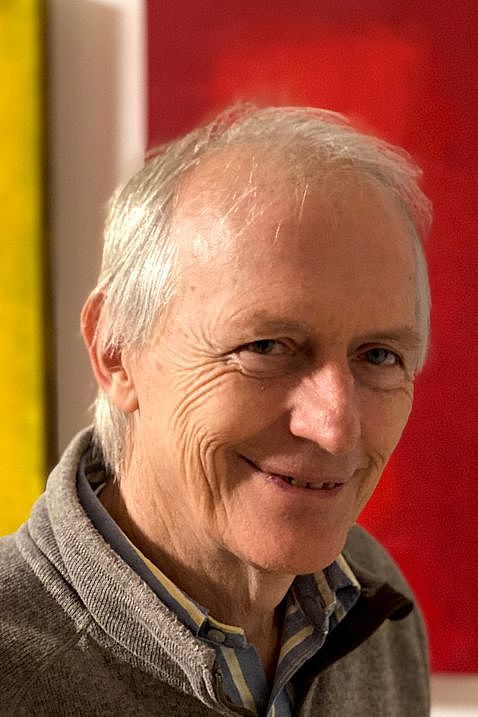
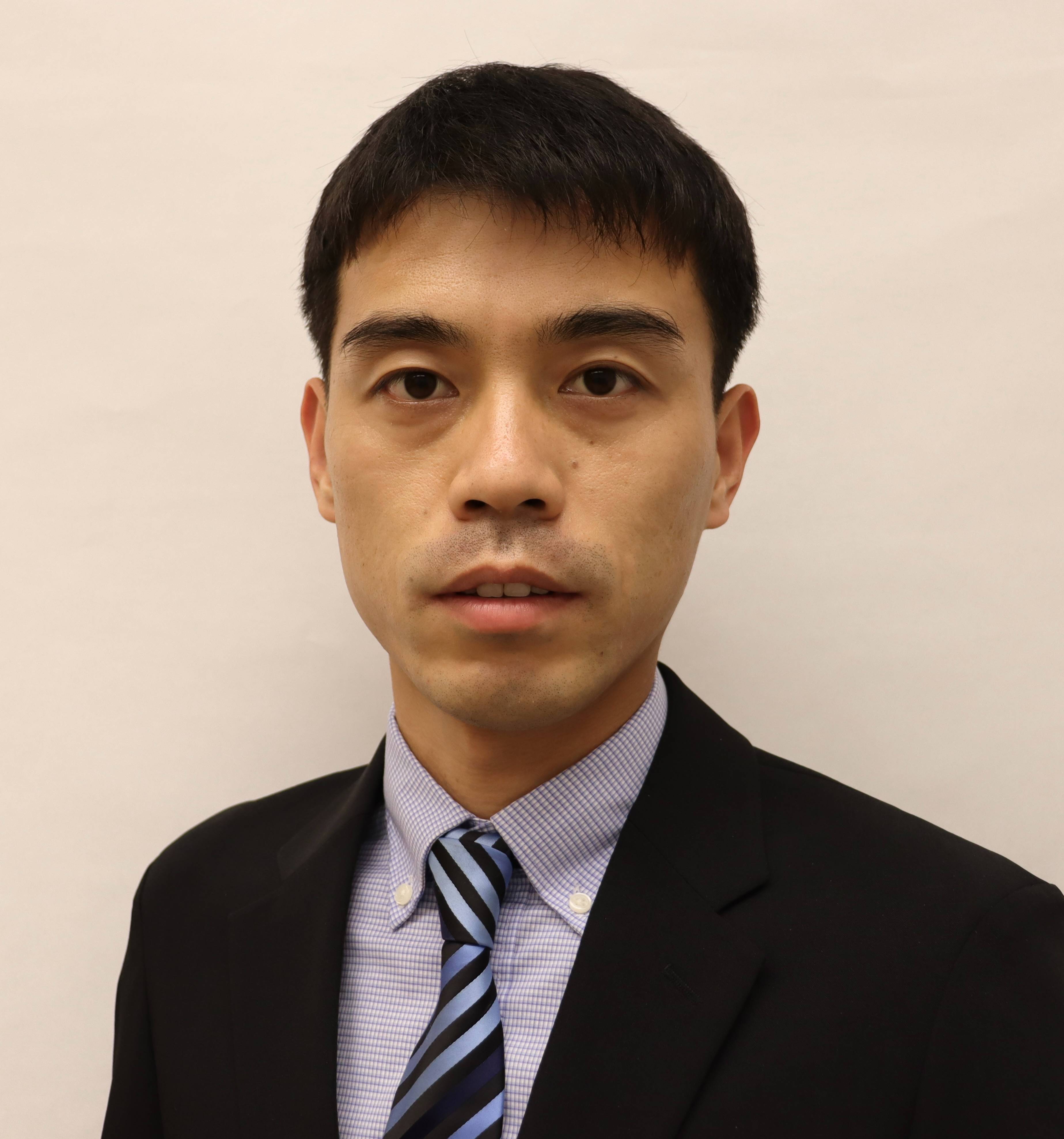
Professor Hongdong Li is a Tenured Professor at the School of Computing, Australian National University (ANU), within the College of Engineering and Computer Science. His research focuses on 3D Computer Vision, Machine Learning, and their applications in dynamic environments. He has held visiting roles at Carnegie Mellon University and has contributed to significant projects like the Australia Bionic Eyes initiative. Education: PhD (Electrical Engineering). Research Interests : 3D Computer Vision fundamentals and applied AI systems Learning-based 3D perception for plant sciences Robot navigation in unfamiliar environments Awards : Marr Prize Honourable Mention CVPR Best Paper Award Advising & Grants : Supervised 40+ PhD students, with funding from ARC, CSIRO, Microsoft, and firms like OPPO/Tencent. Active in projects such as bushfire detection via video analytics and sign language translation systems. Labs/Teams : Co-founder of the Australian Centre for Robotic Vision (ACRV). Collaborates globally on cross-view localization and autonomous systems.
Achuta Kadambi, Ph.D., is an Associate Professor at UCLA in Electrical Engineering and Computer Science, leading an interdisciplinary research group focused on AI, computational imaging, and bias mitigation in medical technologies. He recruits PhD students from EE, CS, and Bioengineering departments and has commercialized research through two California-based companies. His research investigates the intersection of physics and artificial intelligence, with a focus on unbiased low-level vision systems. Current projects explore how light transport interacts with human skin variations to identify and correct imaging biases in facial recognition and medical devices. His work has produced over 70 patents, with 30+ issued, and a textbook Computational Imaging (MIT Press, 2022). NSF CAREER Award (2021) for light transport bias research DARPA Young Faculty Award (2021) for AI and medical imaging innovations ARO Young Investigator Program (2021) for computational sensing IEEE-HKN Under 35 Award (2022) for inclusive EECS inventions Forbes 30 Under 30 recognition His recent publications focus on polarization imaging, 3D Gaussian splatting, synthetic data generation for healthcare, and bias mitigation in machine learning. Collaborations with UCLA medical school faculty, including Dr. Laleh Jalilian, aim to deploy these innovations in clinical settings. Current teaching includes ECE 149: Foundations of Computer Vision (Fall 2024, Spring 2025) and ECE 102: Signals and Systems (Winter 2024).
Prof. Matthias Nießner is a Professor at the Technical University of Munich , where he leads the Visual Computing Lab . Prior to this, he held a Visiting Assistant Professor position at Stanford University . His work bridges computer vision , graphics , and machine learning , focusing on 3D reconstruction , semantic scene understanding , and AI-driven video synthesis . Prof. Nießner has published over 150 works in top venues like SIGGRAPH , CVPR , and ECCV , with several receiving best paper awards (SIGCHI’14, HPG’15, SPG’18, SIGGRAPH’16 Emerging Tech). His research has garnered international media attention, including features in the New York Times , Wall Street Journal , and MIT Technological Review , as well as TV demonstrations (e.g., Jimmy Kimmel Live for Face2Face technology). Awards : TUM-IAS Rudolph Moessbauer Fellowship (2017–ongoing) Google Faculty Award (2017) Nvidia Professor Partnership Award (2018) ERC Starting Grant (2018, €1.5M) Eurographics Young Researcher Award (2019) Research Trends : 3D Gaussian Splatting for real-time rendering Neural Radiance Fields (NeRF) with mesh supervision Audio-driven facial animation via diffusion models Latent space diffusion for 3D scenes Self-supervised and zero-shot methods for 3D and image analysis As a co-founder and director of Synthesia Inc. , he drives democratization of synthetic media. His YouTube channel has over 5 million views, reflecting his impact beyond academia.
Erkut Erdem is a Professor in the Department of Computer Engineering at Hacettepe University, where he leads the Computer Vision Laboratory (HUCVL). His research focuses on computer vision and machine learning, particularly on incorporating different kinds of context (spatial, temporal and cross-modal) into visual processing across all levels from low to high-level vision. He received his Ph.D. (2008), M.Sc. (2003), and B.Sc. (2001) from Middle East Technical University. Prior to joining Hacettepe University in 2010, he completed a post-doctoral fellowship at Ecole Nationale Supérieure des Télécommunications (2009-2010) and held visiting researcher positions at UCLA (2007) and Virginia Tech (2004). His current research interests include Visual Saliency Prediction, Automatic Image Description, Video/Photoset Summarization, Image Filtering, and Image Editing. Recent work has focused on multimodal learning with video-language models, diffusion-based image editing, and event-based vision for low-light conditions. His research has been published in top venues including NeurIPS, ICLR, ICCV, SIGGRAPH, and ACL. He has received significant recognition including The Young Researcher Award from Turkish Academy of Sciences and being named a 2022 Outstanding Associate Editor of IEEE Transactions on Multimedia. He has secured multiple research projects funded by TUBITAK and received gift funds from Adobe Research for text-guided image synthesis work. Current Teaching: BBM202: Algorithms, AIN434/BBM444: Fundamentals of Computational Photography Graduate Supervision: 6 current Ph.D. students, numerous recent graduates including Burak Ercan (2024) and Aysun Kocak (2023) Professional Affiliations: Co-affiliated with Koç University and İş Bank AI Center (KUIS AI)
Dr. Xiaopeng Li is the Harvey D. Spangler Professor in the Department of Civil and Environmental Engineering at the University of Wisconsin-Madison, with an affiliation in the Department of Electrical and Computer Engineering. He leads the USDOT Rural Autonomous Vehicle Program and previously directed the National Institute for Congestion Reduction. He earned his B.S. in Civil Engineering from Tsinghua University (2006), M.S. in Civil Engineering (2007), M.S. in Applied Mathematics (2010), and Ph.D. in Civil Engineering (2011) from the University of Illinois at Urbana-Champaign. His research focuses on modeling and field experiments for connected, electric, and automated vehicles (CAVs), infrastructure systems analysis, and interdependent network modeling. He has pioneered physics-enhanced machine learning frameworks for vehicle control and developed simulation tools for CAV deployment. His 2025-2024 publications highlight advancements in Connected vehicle trajectory modeling Energy consumption optimization Edge computing for autonomous operations Residual learning control systems Equity analysis in AV deployment Communication technologies for V2X Awards include: TRB Best Paper Award (2025) NSF CAREER (2015) ASCE Fellow (2024) IEEE Senior Member (2022) Multiple institution-specific fellowships He has advised 15+ graduate students, secured $35M+ in grants from NSF, USDOT, and industry partners, and chairs the IEEE ITSS Emerging Transportation Technology Testing committee. His work addresses real-world AV implementation, safety validation, and sustainable transportation systems.
Albert H. Titus is a Professor in the Department of Biomedical Engineering and an Adjunct Professor in the Department of Electrical Engineering at the University at Buffalo, State University of New York. He serves as Associate Vice President for Regulatory Support in the Office of the Vice President for Research and Economic Development. His research focuses on analog VLSI design for neuromorphic visual processing, biosensors, wearable devices, optoelectronic systems, and neural networks. Education: PhD in Electrical and Computer Engineering, Georgia Institute of Technology (1997) MS in Electrical Engineering, University at Buffalo (1991) BS in Electrical Engineering, University at Buffalo (1989) Research Interests: His work spans wearable and implantable sensors, bioinstrumentation, neural network-based visual processing, analog VLSI implementations, optoelectronics, and electronic packaging. He pioneered CMOS-based neuromorphic systems and developed patented technologies for glare sensing and RF power calorimetry. Publication Trends: His recent articles emphasize CMOS-integrated sensors, machine learning for bioimpedance analysis, implantable medical devices, and xerogel-based optical biosensors. These works bridge biomedical engineering and microelectronics. Scientific Recognition: He is a Fellow of the National Academy of Inventors and has received the SUNY Chancellor’s Award for Excellence in Service (2017), NSF CAREER award, and Western New York Inventor of the Year (2010). His inventions include a patented low-power glare sensor (U.S. Patent 7,586,079) featured in Popular Science’s 2011 Top Ten Inventions. Academic Leadership: As a faculty member, he has supervised nearly 20 PhD and over 40 MS students, while teaching courses in circuits, IC design, sensors, and signal processing across electrical and biomedical engineering disciplines.
Will Smith is a Professor in Computer Vision at the University of York, leading the Vision, Graphics and Learning (VGL) research group. He previously held a Royal Academy of Engineering/The Leverhulme Trust Senior Research Fellow (2019-2020) and serves as Associate Editor of Pattern Recognition . PhD in Computer Vision (2007) and BSc in Computer Science (2002), both from University of York His research bridges computer vision, graphics, and machine learning, focusing on physics-based 3D vision , shape/appearance modeling , and statistical/machine learning applications in areas like face/body analysis, surveying, object capture, and inverse rendering. Methodologically, he works with convex/nonlinear optimization, manifold learning, and computational geometry. Recent publications emphasize neural rendering (ECCV 2024), document symbol detection (ICDAR 2023), and rotation-equivariant spherical neural fields (NeurIPS 2022). These works reflect trends in 3D-aware machine learning, outdoor scene modeling, and geometrically constrained optimization. Royal Academy of Engineering/The Leverhulme Trust Senior Research Fellow (2019-2020) Associate Editor, Pattern Recognition (2019–Present) Smith supervises nine PhD students including Evgenii Kashin, James Gardner, and Tejas Pandey. He has participated in numerous service roles: Area Chair for ICCV 2023, Programme Chair for BMVC 2020, and long-term reviewer for CVPR/ICCV/ECCV conferences since 2008. His lab engages in projects like Branching Out (historic tree mapping) and Google Daydream collaborations on VR/AR head modeling.
Rynson W.H. Lau is a Professor of Computer Science at City University of Hong Kong (CityU), leading research in Computer Graphics, Computer Vision, and Deep Learning. He holds an Honorary Professorship at Swansea University. Previously, he served on faculties at Durham University and The Hong Kong Polytechnic University. His work focuses on advancing graphics and vision techniques, including deep learning applications for graphics/vision problems, with publications in top venues like SIGGRAPH, CVPR, and NeurIPS. He has received the Adobe Research Gift (2023) and the Springer Nature Editorial Contribution Award (2025) for his editorial contributions to the International Journal of Computer Vision . Education: B.Sc. (First-class Honors) in Computer Systems Engineering from University of Kent Ph.D. in Computer Science from University of Cambridge Research Interests: Computer Graphics: Focused on 3D reconstruction, rendering, and real-time performance capture. Computer Vision: Specializing in saliency detection, object recognition, and low-light scene enhancement. Deep Learning: Developing generative models and diffusion-based frameworks for graphics and vision tasks. Editorial Roles: Editorial Board Member, International Journal of Computer Vision and IET Computer Vision . Guest Editor for special issues in journals like ACM Transactions on Internet Technology and IEEE Transactions on Multimedia. Teaching: 2024/25 Academic Year: CS4185: Multimedia Technologies and Applications CS4188/CS5188: Virtual Reality Technologies and Applications Research Team: Advises over 20+ students and collaborates internationally. Recent projects include AI-driven VR systems for healthcare and advanced 3D content generation using diffusion models.
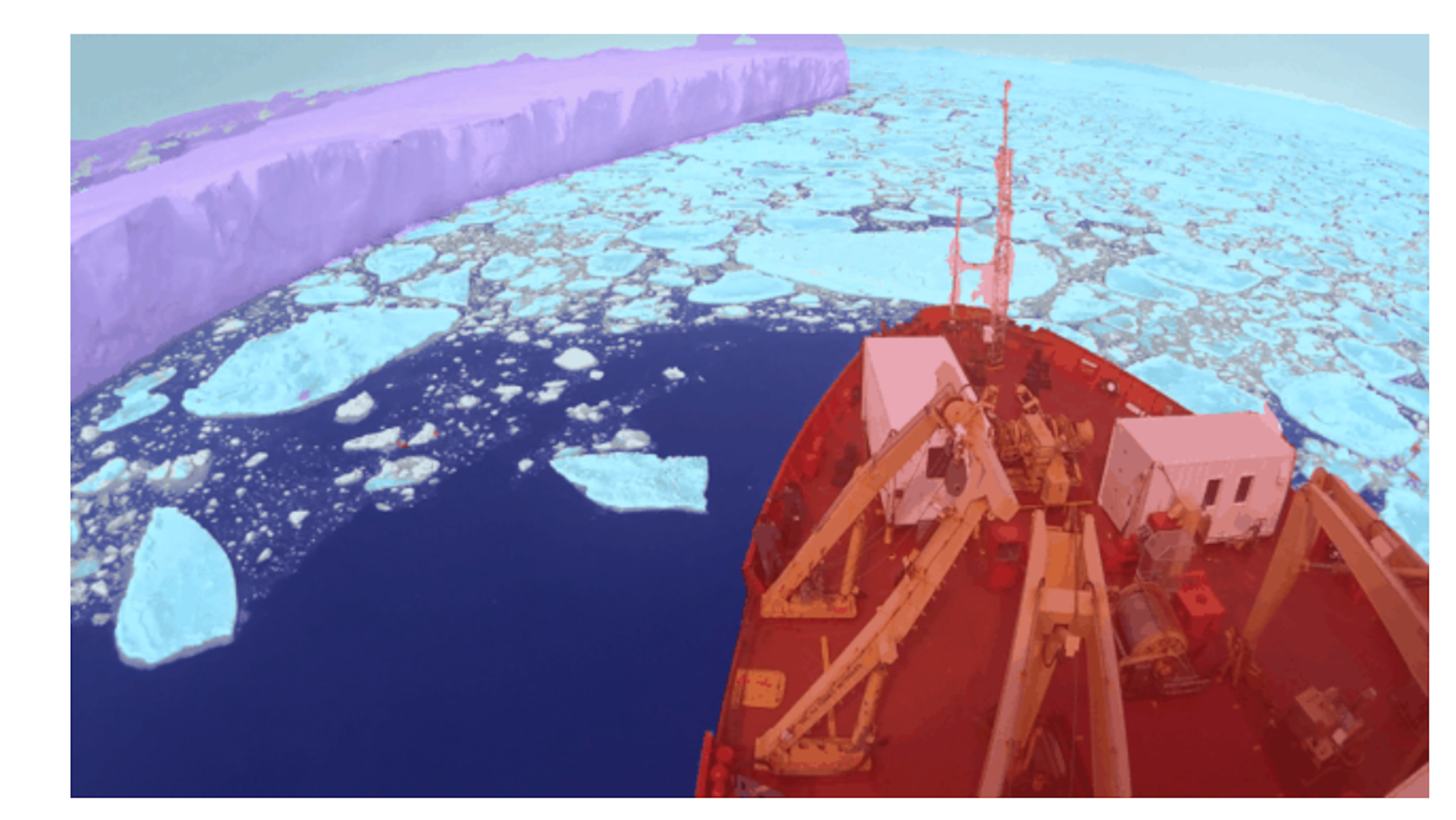
Andrea Scott is an Associate Professor in the Department of Mechanical and Mechatronics Engineering at the University of Waterloo, Faculty of Engineering. Her research focuses on fluid dynamics, remote sensing, and machine learning applications in environmental systems. She holds a Doctorate in Mechanical Engineering from the University of Waterloo (2008) and has taught courses such as ME 351 (Fluid Mechanics) and SYDE 621 (Numerical Methods). Notable awards include the 2022 Outstanding Performance Award and 2021 Distinguished Performance Award from the University of Waterloo. Research interests span turbulence modeling, data-driven approaches, and physically inspired neural networks. Her work includes developing algorithms for sea ice concentration estimation, SAR imagery analysis, and fluid flow simulations. She collaborates with groups like the Vision and Image Processing Lab and the Remote Sensing of Environmental Change group. Current projects involve small object detection in remote sensing and graph neural networks for unstructured grid problems. Education: PhD, Mechanical Engineering, University of Waterloo, Canada (2008) MASc, Mechanical Engineering, McMaster University, Canada (2001) BASc, Mechanical Engineering, University of Waterloo, Canada (1999) Teaching responsibilities include undergraduate and graduate courses in fluid mechanics and systems engineering. She actively mentors students through the IEEE GRSS Women-to-Women Mentorship program and serves as an Associate Editor for the AGU Journal of Machine Learning and Computation. Her lab oversees over 20 current and past graduate students, focusing on topics like space debris tracking, AI-driven environmental modeling, and sea ice dynamics. Research outputs include over 40 publications in journals such as Physical Review Fluids and IEEE Transactions on Geoscience and Remote Sensing .
Karl R. Gegenfurtner is a Professor of General Psychology at the Department of Psychology, Justus Liebig University Giessen. His research focuses on information processing in the visual system, particularly the interplay between low-level sensory processes, high-level visual cognition, and sensorimotor integration. He investigates how complex scenes are perceived, represented in the brain, and used to drive motor systems, with a specialization in color perception, material property recognition, and eye movement dynamics. Ph.D. in Experimental Psychology, New York University (1990) Diploma in Psychology, University of Regensburg (1986) Habilitation in Medical Psychology and Behavioral Neurobiology, University of Tübingen (1998) His work bridges visual neuroscience with computational modeling, examining color categorization in neural networks, cortical mechanisms of color vision, and dynamic recalibration of visual perception during eye movements. Recent projects include Color 3.0: An object-oriented approach to color (ERC Advanced Grant) and Dynamics in Vision and Touch (Marie Curie Actions). Publications highlight advancements in understanding saccadic suppression, predictive eye movements, and chromatic adaptation timelines. Scientific awards include the Wilhelm Wundt Medal (2016), Rank Prize Funds Lecture (2014), and ERC Advanced Grant (2020–2025). He has served on editorial boards of Journal of Vision , Vision Research , and Perception , and led initiatives like the Neuroscientific Workflow Assistance (NOWA) project. Collaborations span institutions in Germany, the U.S., Australia, and the U.K., with a focus on perception-action loops and neural mechanisms underlying visual stability.
Denny Yu is an Associate Professor at the Edwardson School of Industrial Engineering, Purdue University. His work bridges human factors, neuroergonomics, and healthcare safety through advanced sensor systems and AI. Primary Affiliation : Edwardson School of Industrial Engineering, Purdue University Research Themes : Surgical ergonomics, autonomous vehicle human factors, cognitive workload assessment, multimodal physiological sensing Dr. Yu's research focuses on neuroergonomics and human-robot interaction , particularly in surgical and transportation contexts. His team develops sensor-based systems for workload monitoring, including: EEG-eye tracking fusion for situation awareness Wearable exoskeletons for surgical posture support Computer vision tools for lifting task risk analysis Smart infusion pump usability frameworks AI-driven surgical coaching systems Recent publications emphasize deep learning applications in soft tissue deformation estimation and real-time adaptive systems for robotic surgery augmentation. His work spans both occupational health (veterinary surgeons, airport workers) and medical device innovation domains.
Fabian-Xosé Fernandez serves as Associate Professor in the Department of Psychology within the College of Science at the University of Arizona, where he directs the Circadian Trends Laboratory. His research program bridges neuroscience, clinical psychology, and public health through investigations of circadian biology and sleep-wake patterns. His primary research interests focus on circadian fluctuations in real-world data , psychology of nighttime wakefulness , and suicide risk mechanisms . Key investigations explore how nocturnal wakefulness correlates with suicidal ideation, homicide risk, and metabolic dysregulation. His work employs National Violent Death Reporting System analyses Controlled circadian phase-shifting experiments Population-level sleep surveys Translational rodent models Recent publications reveal strong temporal patterns in behavioral health outcomes, with suicide risk peaking during circadian night across diverse populations. His lab develops chronotherapeutic interventions including spectral filtering devices and lighting protocols to optimize circadian alignment. Current work examines how blue-light modifiers affect phase-shifting responses and how sleep disruption mediates psychiatric outcomes in bipolar disorder. Fernandez teaches graduate and undergraduate courses including PSY 350 (Sleep/Wake, Time Cycles, & Life) and PSY 578 (Sleep & Sleep Disorders), with recent instruction through 2025. His academic service includes editorial review for journals like Clocks & Sleep and Neuropsychopharmacology.
Prof. Dr. Karl R. Gegenfurtner is a full Professor for General Psychology at the Department of Psychology, Faculty of Psychology and Sports Science, Justus-Liebig-University Giessen. He has held this position since 2001 and leads a prominent research group on visual perception. His work bridges low-level sensory processing with higher cognitive functions and motor control. Education: Psychology Student at the University of Regensburg, Diploma in Psychology, 1986 Ph.D. in Experimental Psychology, New York University, 1990 Postdoc at Howard Hughes Medical Institute and Center for Neural Science, NYU, 1990–1993 Research Scientist at Max Planck Institute for Biological Cybernetics, Tübingen, 1993–2000 Habilitation in Medical Psychology and Behavioral Neurobiology, 1998 Professor for Biological Psychology, Otto-von-Guericke University Magdeburg, 2000–2001 His research focuses on the neural and cognitive mechanisms of visual perception, particularly color vision, object recognition, eye movements, and sensorimotor integration. He investigates how humans perceive complex scenes and objects in natural environments, how these are represented in the brain, and how visual information guides motor actions. His recent work explores topics such as color categorization in neural networks, lightness perception, dynamic size recalibration, and the role of eye movements in perceptual decisions. The 15 most recent articles reflect a strong trend toward understanding perception in real-world contexts, integrating computational modeling, psychophysics, and neuroscientific methods. Key themes include color and shape perception, attention, eye movement control, and the interplay between perception and action. Scientific Awards: Member, German National Academy of Sciences Leopoldina (2015) Wilhelm Wundt Medal, German Society for Psychology (2016) Palmer Lecture, Colour Group (UK) (2019) Turrell Lecture Berlin (2019) Russell Devalois Memorial Lecture, UC Berkeley (2024) ICVS Verriest Medal (2024) Pineapple Science Award (2024) Prof. Gegenfurtner has supervised numerous research projects and training networks, including the DFG Collaborative Research Center TRR 135 on 'Cardinal mechanisms of perception' and the International Research Training Group BrainAct. He has received major funding, including an ERC Advanced Grant (2020) for 'Color 3.0'. He has served on editorial boards of top journals such as Journal of Vision , Vision Research , and Psychological Review , and was President of the Vision Science Society (2012–2013). He is actively involved in academic service, including the Alexander von Humboldt Foundation’s fellowship selection committee. He leads the Visual Perception research group at Giessen, which investigates cortical mechanisms of vision, perception of natural scenes, and the integration of sensory and motor information. The lab employs psychophysical experiments, eye tracking, computational modeling, and neuroimaging to study perception in ecologically valid settings.
Yang Cao is a Professor at the University of Science and Technology of China , Department of Automation, Hefei, China. He holds a PhD from Northeastern University (2004, Shenyang, China) and has active affiliations with institutions like Virginia Tech and Huazhong University of Science and Technology. Research Focus: Spatiotemporal modeling, event-based vision, 3D human-object interaction, and industrial defect detection. Publications: 15 recent articles highlight his work in diffusion models, transformers, and state-space networks for tasks like traffic emission imputation, eye tracking, and PCB defect detection. Collaborative Work: Co-authored with Zheng-Jun Zha, Wei Zhai, Yu Kang, and others in journals like IEEE Transactions on Neural Networks and CVPR Workshops. Scientific Contributions: His research bridges computer vision, machine learning, and industrial applications, emphasizing real-world challenges such as low-light enhancement and sensor fusion.
Chenchen Kang serves as Assistant Professor of Precision Agriculture in Tennessee State University's College of Agriculture, Department of Agricultural Science and Engineering, based at the Otis L. Floyd Nursery Research Center in McMinnville, TN. His work integrates cutting-edge technology with agricultural engineering to solve field-level production challenges. Education: Postdoctoral Scholar, The Pennsylvania State University (2023-2025) Ph.D., Biological and Agricultural Engineering, Washington State University (2018-2023) M.S., Agricultural Mechanization Engineering, China Agricultural University (2016-2018) B.S., Agricultural Engineering (Outstanding Graduate), China Agricultural University (2012-2016) Dr. Kang's research pioneers autonomous agricultural machinery and AI-driven field solutions , with core expertise in computer vision for crop monitoring, precision irrigation systems, and robotic harvesting. His work bridges electrohydraulic control systems and data science to optimize resource use in specialty crops, particularly viticulture and vegetable production. Key innovations include hyperspectral imaging for water stress detection and low-cost sensor networks for orchard management. Analysis of his 9 publications (2022-2025) reveals dominant trends in sensor fusion (hyperspectral/thermal/3D imaging) for real-time vineyard monitoring, robotic thinning/spraying systems, and IoT-based decision support. The research consistently targets practical implementation in controlled environments and open-field agriculture, with strong emphasis on cost-effective solutions for small-scale growers. Dr. Kang actively secures external funding as Co-PI on State Horticultural Association of Pennsylvania projects ($20,964 total) for orchard sensor systems. He has contributed to USDA proposals including AgShred robotic harvesting ($601,250) and precision crop load management. His research infrastructure leverages the Otis L. Floyd Nursery Research Center for field validation of agricultural robotics and sensor technologies.