

Emily Hannum is a Professor of Sociology and Education at the University of Pennsylvania's College of Arts & Sciences, where she also serves as Associate Dean for Social Sciences. She is affiliated with the Population Studies Center, Center for the Study of Contemporary China, Graduate School of Education, and Penn Development Research Initiative. Education: PhD in Sociology from University of Michigan (1998) Research Focus: Poverty and child welfare, gender and ethnic stratification, sociology of education Projects: Gansu Survey of Children and Families, climate-environment-childhood inequalities in LMICs Workshops: Co-organizer of Penn Education and Inequality Workshop Her research explores childhood poverty in China, demographic impacts on education systems, and climate risks affecting children's welfare. She investigates environmental hazards, educational disparities, and family separation effects across China, India, and low/middle-income countries. Recent publications analyze educational expansion in East Asia, climate crisis impacts on child health, and gender disparities in Latin America. She directs longitudinal studies on rural poverty and collaborates on cross-national projects related to environmental and educational equity. Scientific awards include the Stanley I. Sheerr Term Professorship in Social Sciences.
جستجوی استاد راهنمای دانشگاهی
برای مسیر پژوهشیتان، استاد راهنما، استاد دانشگاه و پژوهشگر مناسب را پیدا کنید و با آنها ارتباط بگیرید.
نمایش ۱-۱۵ از ۱٬۵۷۷ استاد راهنما
اطلاعات پروفایلها از صفحات عمومی دانشگاهها گرفته شده و ممکن است بهروز نباشد.
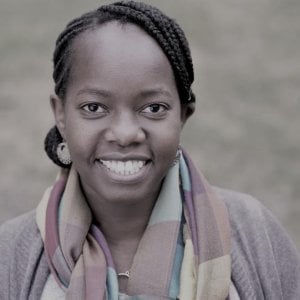
Peninah Murageمشاهده پروفایل
استادیار
Dr Peninah Murage is an Assistant Professor at the London School of Hygiene & Tropical Medicine in the Department of Public Health, Environments and Society under the Faculty of Public Health and Policy. She specializes in environmental epidemiology with a PhD in Health Geography and focuses on health impacts of environmental changes, particularly climate change mitigation and adaptation strategies. Affiliation: Centre on Climate Change and Planetary Health Her research explores climate change effects on health outcomes like heat-related mortality, cardiovascular diseases, and cognitive development in children. She integrates GIS/spatial analysis with public health and policy frameworks to identify nature-based solutions for sustainable development. Current work examines systemic inequalities in heat risk exposure and interventions such as tree-based strategies in low-income settings. Key grants include: Health Protection Research Unit on Climate Change and Health Security (2025-2030, NIHR) Climate Change and Non-Communicable Diseases in Senegal (2024-2027) Pathfinder 2: Accelerating Climate Action for Health (2023-2026) She actively contributes to the Lancet Pathfinder Commission and serves on the Executive Committee of the International Society of Environmental Epidemiology (African Chapter).

Zaw Myo TUNمشاهده پروفایل
پژوهشگر ارشد
- Epidemiology
- Global Health
- Tuberculosis Vaccines
- +۳ مورد دیگر
Zaw Myo TUN is a Research Fellow (Adjunct) at the Saw Swee Hock School of Public Health, National University of Singapore, and serves as Senior Manager (Research and Evaluation) at IRD Global Singapore. His academic career includes roles such as Postdoctoral Fellow (2022) and Research Associate (2013–2021) at the same school. He holds a PhD from NUS (2016–2021), an MSc in Epidemiology from the London School of Hygiene & Tropical Medicine (2011–2012), and an MBBS from the University of Medicine, Mandalay, Myanmar (2003–2008). His research focuses on epidemiology, global health, tuberculosis vaccines, and public health policy. Key interests include maternal vaccination coverage in low-resource settings, hospital-acquired infections (e.g., MRSA), antibiotic resistance, and the ethical implications of pandemic control measures. He has contributed to studies on SARS-CoV-2 transmission dynamics, road traffic injury patterns in Bhutan, and malaria drug policy compliance in India. His publications analyze public perceptions of health policies, such as during the COVID-19 pandemic, and explore factors influencing healthcare behaviors in diverse populations. His work bridges clinical data (e.g., electronic medical records) and population-level health surveillance to inform evidence-based interventions. While no awards are explicitly mentioned, his research has addressed critical global health challenges like tuberculosis control in Myanmar and antimicrobial stewardship in Singapore primary care settings. Zaw Myo TUN’s career emphasizes translational research, linking academic findings to real-world health system improvements. His roles span academia and non-profit sectors, reflecting a commitment to addressing public health disparities through collaborative, policy-driven solutions.
Tim G. J. Rudnerمشاهده پروفایل
استادیار
- Machine Learning
- Deep Learning
- AI Safety
- +۱۲ مورد دیگر
Tim G. J. Rudner is an Assistant Professor in the Department of Statistical Sciences at the University of Toronto, a Faculty Member at the Vector Institute, and a Title A Fellow at Trinity College, University of Cambridge. He was previously an Assistant Professor and Faculty Fellow at New York University. University: University of Toronto School: Faculty of Arts and Science Department: Department of Statistical Sciences Affiliation: Vector Institute, Trinity College (Cambridge) He holds a PhD in Computer Science and an MSc in Statistics from the University of Oxford, where he was advised by Yee Whye Teh and Yarin Gal, and a BS in Applied Mathematics and Economics from Yale University. PhD: Computer Science, University of Oxford MSc: Statistics, University of Oxford BS: Applied Mathematics and Economics, Yale University His research focuses on building robust, transparent, and trustworthy machine learning systems, particularly for high-stakes applications. He develops probabilistic models that improve generalization under distribution shifts, provide reliable uncertainty estimates, and enable fair and interpretable predictions. His work spans generative models, large language models, healthcare, and biomedical discovery. The recent publications highlight a strong trend toward function-space modeling, Bayesian regularization, and AI safety. Tim's work emphasizes principled uncertainty quantification, robustness to subpopulation and semantic shifts, and the development of frameworks for AI governance and specification. His research bridges theoretical advances with real-world applications, especially in safety-critical domains like medicine and defense. Tim has received numerous accolades including being named a Rhodes Scholar, Qualcomm Innovation Fellow, and 2024 Rising Star in Generative AI. He was awarded a $700,000 Foundational Research Grant and a $30,000 Apple Seed Grant for improving LLM trustworthiness. Rhodes Scholar Qualcomm Innovation Fellow AISTATS Notable Paper Award (2024) Outstanding Paper Award, ICLR GenAI4DM Workshop (2024) Apple Seed Grant ($30,000) Foundational Research Grant ($700,000) NeurIPS Spotlight Talk 2024 Rising Star in Generative AI He actively mentors students, particularly first-generation and low-income scholars, and has contributed to major policy frameworks including the OECD AI Classification Framework and a series of CSET issue briefs on AI safety. His work demonstrates a strong commitment to responsible AI development, combining technical rigor with societal impact. Tim leads research efforts at the intersection of machine learning theory and practical deployment, with ongoing projects in generative modeling, reliable LLMs, and AI governance. His lab produces high-impact work regularly published at top-tier conferences such as NeurIPS, ICML, and AISTATS.

Susan Bradleyمشاهده پروفایل
پژوهشگر ارشد
- Equitable access to maternity care
- Interdisciplinary research
- Power dynamics in healthcare
- +۵ مورد دیگر
Susan Bradley is a Research Fellow at the Centre for Maternal and Child Health Research at City St George's, University of London . Her work focuses on equitable access to maternity care in low-income contexts, particularly sub-Saharan Africa, using interdisciplinary approaches integrating postcolonial theory and organizational studies. Education: PhD in Health Services Research (2018), City, University of London MSc in Global Health (2007), Trinity College Dublin PGCE in Secondary Science (University of Reading) BSc (Hons) in Biology (University of Sussex) Professional Experience: Research Fellow at City St George's (2018–present) Researcher at Trinity College Dublin (2007–2014) Researcher/writer at Columbia University Mailman School of Public Health (2010) Her research examines power dynamics, organizational culture, and community-based care models in maternal health. She has extensive fieldwork experience in Malawi, Tanzania, and Mozambique, specializing in qualitative data analysis and capacity-building initiatives. Recent publications focus on group antenatal care, respectful maternity practices, and health workforce dynamics in low-resource settings. Key findings from her work include: Community-making in group care enhances health literacy and belonging Socio-spatial dynamics influencing maternal care access Structural barriers affecting midwives' ability to provide quality care

- Mental Health
- Behavioral Science
- Trauma
- +۶ مورد دیگر
Ashli Owen-Smith is a behavioral scientist affiliated with the School of Public Health at Georgia State University , where her research focuses on mental health disparities, suicide prevention, and integrative/complementary approaches for complex mental-physical health conditions. She works with underserved populations including refugees/immigrants, incarcerated individuals, and LGBTQ+ communities through community-based participatory research and mixed-methods frameworks. Her current projects are funded by CDC , DBHDD , and DPH . Education: Ph.D. in Behavioral Sciences (Emory, 2009), S.M. in Public Health (Harvard, 2005), B.A. in Psychology (Smith College, 2001) Her research spans mental health , trauma , suicide prevention , and mindfulness-based interventions . Recent work examines telehealth adaptations for chronic pain and mental health, vaccine hesitancy in refugee communities, and social determinants of suicide . She leads studies on gender-affirming care and health disparities in LGBTQ+ populations. Key article trends include epidemiological analysis of suicide risk factors, COVID-19 impacts on mental health, ICD-10 coding for autism, and complementary medicine in trauma recovery. Subfields span telehealth , health equity , mental-physical comorbidity , and community engagement . Students she has mentored include C.A. Scarlett , T. Griner , and M.M. Sesay . Her work integrates public health policy , clinical research , and health systems analysis .
Dr Adam Ritchie serves as a Senior Vaccinologist at the University of Oxford's Jenner Institute and Lecturer in Human Science at St Catherine's College. His work focuses on translating academic vaccine research into real-world impact through the development, manufacture, and clinical testing of candidates for rabies, Epstein-Barr virus (EBV), and SARS-CoV-2. Education: Holds a BSc, PhD, and Fellow of the Higher Education Academy (FHEA) qualification. His research spans vaccine development, clinical trial design, regulatory affairs, and public policy through Vax-Hub Global. Key interests include adenovirus-vectored platforms, scalable manufacturing processes, and addressing global health challenges in resource-limited settings. Analysis of his 2020-2025 publications reveals a cohesive research trajectory centered on ChAdOx1-vectored vaccines. Dominant themes include prime-boost regimens, intranasal delivery systems, cost-effectiveness modeling for low-income countries, and material science applications for vaccine stabilization. His work bridges laboratory innovation with implementation science, particularly in rabies prophylaxis and pandemic response. Ritchie actively contributes to the Douglas Research Group at the Jenner Institute and global vaccine initiatives through Vax-Hub. His collaborative work appears in high-impact journals including The Lancet, Nature Medicine, and Vaccine, with emphasis on clinical translation and equitable vaccine access.
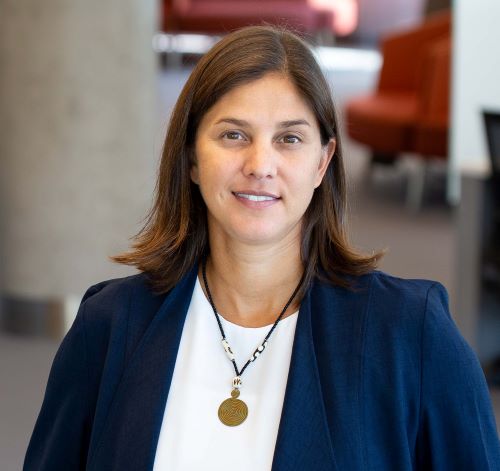
Dr. Manisha Kulkarni is a Professor at the School of Epidemiology and Public Health, University of Ottawa, where she holds the University Research Chair in Climate Change and Emerging Diseases. She is also the Director of the INSIGHT (Interdisciplinary Spatial Informatics for Global Health) research lab and serves as Scientific Director of the Canadian Lyme Disease Research Network (TickNet Canada). Her work spans global public health, with a focus on vector-borne and zoonotic diseases. PhD in Medical Entomology, McGill University (2006) BSc in Environmental Biology, McGill University (2001) Dr. Kulkarni's research centers on the socio-ecological determinants of infectious disease emergence, particularly malaria, Lyme disease, and West Nile virus. She applies population surveys, entomological field sampling, molecular diagnostics, and GIS to study spatio-temporal patterns and the impacts of climate change and landscape transformation on disease transmission. Her work emphasizes One Health approaches and capacity building in low-resource settings. Her recent research trends show a strong focus on geospatial modeling of vector-borne diseases, climate change adaptation, urban tick surveillance, and international collaborations in Tanzania, Benin, and Latin America. She leads interdisciplinary projects integrating drone mapping, citizen science (e.g., eTick.ca), and community participation to identify disease risk factors. Scientific awards and recognitions include: University Research Chair in Climate Change and Emerging Diseases Ontario Early Researcher Award Faculty of Medicine Award for Leadership in Global Health (2023) Researcher of the Year, Faculty of Medicine (2019) Member, College of New Scholars, Royal Society of Canada NSERC Discovery Grant and CIHR funding Dr. Kulkarni has successfully advised multiple PhD and Master’s students and leads major funded projects supported by CIHR, PHAC, CFI, IDRC, and NSERC. She has held leadership roles as Associate Dean of Global Health (2021–2024) and currently serves on the CIHR Institute of Infection and Immunity advisory board. Her lab, INSIGHT, fosters an interdisciplinary training environment combining field, lab, and analytical methods for global health research. Key research teams and collaborations include: INSIGHT Lab, University of Ottawa Pan-African Malaria Vector Research Consortium (PAMVERC) Canadian Lyme Disease Research Network (TickNet Canada) London School of Hygiene & Tropical Medicine (LSHTM) National Microbiology Lab, PHAC Centre de Recherche Entomologique de Cotonou (CREC), Benin

Professor Ruchi Choudhary is a Professor in Architectural Engineering at the University of Cambridge, Department of Engineering, within the School of Technology. She leads the Energy Efficient Cities initiative (EECi), a cross-disciplinary research project focused on strengthening the UK's capacity to address energy demand reduction and environmental impact in cities through research in building and transport technologies, district power systems, and urban planning. Her research interests span urban energy systems, building energy modeling, sustainable cities, geothermal energy systems, and data-driven energy modeling . She has pioneered work in digital twins for energy systems, urban subsurface thermal modeling, and building-integrated agriculture. Her research group develops numerical tools to improve energy efficiency of cities, with particular focus on modeling energy consumption of large building sets at multiple time and spatial resolutions. Analysis of her recent publications reveals a strong trend toward integrating machine learning with physics-based modeling for energy systems, with increasing emphasis on uncertainty quantification, digital twins, and value of information analysis for decision-making. Her work bridges the gap between theoretical modeling and practical urban implementation, with significant focus on city-scale geothermal potential, underground climate change impacts, and energy equity considerations. Professor Choudhary has supervised numerous PhD students who have gone on to prominent positions at institutions including UCL, University of Cambridge, BEIS, Arup, and various international universities. Her research group includes faculty members, research associates, graduate students, and international collaborators from institutions worldwide. Her current research focuses on two parallel investigations: one on using multi-scale multidisciplinary models to address energy use questions in the built environment, and second, on quantifying uncertainties in model outcomes. Current projects include integration of food production in urban environments, analysis of underground transport systems as energy sources, large-scale integration of ground source heat pumps, and distributed energy networks.

Supreet Kaurمشاهده پروفایل
دانشیار
Supreet Kaur is an Associate Professor in the Department of Economics at the University of California, Berkeley. Her research focuses on labor markets in developing countries, behavioral economics, and labor economics. She earned her PhD from Harvard University and is particularly known for her work on the psychology of poverty, cognitive endurance, and the impact of financial stress on labor productivity. Her research explores how behavioral factors influence labor supply, wage dynamics, and productivity in low-income settings. Notable themes include habit formation in labor decisions, the role of social norms in aggregate labor participation, and the effects of redistributive policies on worker morale. She has conducted field experiments analyzing seasonal poverty and consumption smoothing mechanisms in developing economies. While no formal awards are listed, her work has been supported by grants such as the National Science Foundation CAREER award for studying labor productivity in poor countries. Her research bridges theoretical models with empirical evidence from real-world labor markets, often emphasizing policy-relevant insights for poverty reduction strategies. Her research portfolio includes collaborations on labor rationing, wage rigidity in village economies, and the morale impacts of pay inequality. She has advised no listed students but has contributed to shaping academic discourse through publications on behavioral labor economics and development policy.
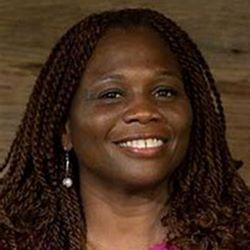
Dr. Michelle J. Johnson is an Associate Professor at the University of Pennsylvania, affiliated with the Perelman School of Medicine in the Department of Physical Medicine and Rehabilitation. She holds secondary appointments in Bioengineering and Mechanical Engineering and Applied Mechanics at the School of Engineering and Applied Science (SEAS). She directs the Rehabilitation Robotic Lab and is actively involved in global health initiatives, particularly in Botswana, focusing on neurorehabilitation for stroke and HIV-related impairments. Bachelor of Science in Mechanical Engineering and Applied Mechanics, University of Pennsylvania PhD in Mechanical Engineering, Stanford University Her research centers on rehabilitation robotics, neurorehabilitation, and the application of technology to address motor and cognitive impairments after brain injury. She is particularly committed to making robotic rehabilitation accessible in low- and middle-income countries. Her work bridges engineering, clinical medicine, and global health equity. The recent publications highlight a strong trend in inclusive, globally applicable rehabilitation robotics. Her work spans clinical trials in Mexico, theoretical frameworks for inclusive design, and comprehensive analyses of global disparities in access to robotic therapy. The focus is on stroke, HIV-related neurological impairments, and technological solutions that are affordable and scalable in resource-limited settings. Dr. Johnson has received significant recognition for her work, including: Fulbright Scholar IEEE Distinguished Lecturer She leads the Rehabilitation Robotic Lab, where she mentors students and develops innovative technologies. She has secured funding and collaborative support for international projects, including data collection in Botswana and the development of a global webinar series (GPMRR) with Elsevier to disseminate knowledge in rehabilitation robotics. Her work includes grant-funded research on characterizing impairment in populations with HIV, stroke, or both, and designing robot-assisted strategies tailored to these needs. Dr. Johnson leads the Rehabilitation Robotic Lab, which focuses on developing and testing robotic systems for neurorehabilitation. The lab emphasizes inclusive design, global applicability, and clinical validation across diverse populations and healthcare settings.
Virginia Pitzer is a Professor of Epidemiology (Microbial Diseases) at Yale School of Public Health, where she joined as an assistant professor in 2012. She serves as Co-Director of the Public Health Modeling concentration and is an Affiliated Faculty member at the Yale Institute for Global Health. Dr. Pitzer is also a member of the Graduate Studies Executive Committee overseeing the PhD program and currently serves as Co-Editor-in-Chief for PLOS Computational Biology. She has contributed to World Health Organization advisory groups, including the Immunization and Vaccine-related Implementation Research Advisory Committee (WHO IVIR-AC). Dr. Pitzer's research focuses on mathematical and statistical modeling of infectious disease transmission dynamics, with special emphasis on rotavirus, typhoid fever, and Respiratory Syncytial Virus (RSV). Her work examines how interventions such as vaccination, improved treatment of cases, and improvements in sanitation affect disease transmission at the population level. She has published extensively on vaccine effectiveness, transmission patterns across age groups, and the impact of vaccination programs in both high and low-income countries. Her research has significant implications for public health policy and vaccine implementation strategies globally. Dr. Pitzer has received recognition for her scholarly contributions through her editorial role at PLOS Computational Biology and her participation in WHO advisory committees. Her work bridges mathematical modeling with practical public health applications, particularly in global contexts where infectious diseases pose significant challenges. As Co-Director of the Public Health Modeling concentration, Dr. Pitzer plays a key role in training the next generation of researchers in mathematical epidemiology. Her collaborative approach is evident through her numerous co-authored publications with researchers across Yale and international institutions. The Pitzer Lab continues to advance methodologies for modeling infectious disease transmission and evaluating public health interventions.

Dr. Susana Castro-Kemp is an Associate Professor in Psychology and Human Development at University College London's Institute of Education (IOE), where she serves as Director of the Centre for Inclusive Education (CIE) since September 2023. Previously, she was a Reader in Education at the University of Roehampton for eight years. Her work focuses on inclusive education policy and practice globally, with particular expertise in special educational needs and disabilities (SEND), early childhood intervention, and mental health in schools. The IOE has been ranked number one in the world for Education for several consecutive years, providing an ideal environment for her impactful research. Dr. Castro-Kemp holds a PhD in Psychology jointly awarded in 2012 by the University of Porto (Portugal) and the University of North Carolina at Chapel Hill (USA). Her doctoral research was fully funded by the Foundation for Science and Technology/European Commission and the Global Education and Development Studies scholarships. She is a Chartered Psychologist with the British Psychological Society, a Senior Fellow of Advance HE, and a Recognised Research Supervisor by the UK Council for Graduate Education. Dr. Castro-Kemp's research centers on policy regulating education, health, and welfare services for children, particularly those with support needs. She examines inclusive education practices from users' perspectives, policy models leading to effective inclusive pedagogy, and country-level policy impacts on outcomes for children with special educational needs. Her work moves away from diagnostic labels toward engagement and civic participation as educational outcomes. She also investigates inclusion and early intervention in low- and middle-income countries, mental health in schools, and quality of early childhood education. Her recent publications reveal several key trends in inclusive education research. There's growing emphasis on understanding educational experiences through the voices of children and families rather than diagnostic labels. Much of her work examines the implementation gap between inclusive education policy and classroom practice. She has conducted significant research on how children with special educational needs experienced the pandemic, revealing both challenges and unexpected "silver linings" for some groups. Her corpus analysis of Ofsted reports shows narrow focus in early childhood education inspections, while her work on SEND policy increasingly takes an international comparative approach. Dr. Castro-Kemp has received recognition for her impactful work, including: Best Digital Humanities Project for Community Engagement Prize (2023) from the National Institute of Humanities and Social Sciences of South Africa for her project "Optimising collaborations and reducing inequalities of Early Childhood Intervention in post-Covid-19 South Africa" Dr. Castro-Kemp has secured approximately £1.3 million in research funding from various sources including ESRC, British Academy/Leverhulme Trust, European Commission, and private sponsors. Her current major project is 'ScopeSEND' (2024-2026), funded by the Nuffield Foundation (£250,000), examining international SEND policies. She has led numerous projects including "Transdisciplinary provision for children with disabilities in the Global South" (£3,500), "Optimising collaborations in South Africa" (£47,200), and "Froebel meets Ofsted" (£19,185). As a supervisor, she mentors MA/MSc and PhD students in education policy, early childhood, and inclusive education, having been nominated for student choice awards for excellent feedback and outstanding research supervision. As Director of the UCL Centre for Inclusive Education since 2023, Dr. Castro-Kemp leads a team focused on advancing knowledge exchange and research in inclusion and special needs. The Centre works with schools, educators, parents, and early years settings to translate research into practice. Her international collaborations include work with the World Health Organization as a technical advisor on the use of the International Classification of Functioning, Disability and Health (ICF) system in educational contexts. She also serves on the SEN Policy Research Forum and has provided oral evidence to the House of Commons Education Select Committee.
Silvia Baioccoمشاهده پروفایل
استادیار
Dr. Silvia Baiocco serves as Assistant Professor at University of Rome Tor Vergata, teaching entrepreneurship, tourism management, and marketing courses across Bachelor and Master programs including 'Creation of Enterprises and Entrepreneurship' (Master), 'Fundamentals of Service Management' (Bachelor), and 'Tourism and Cultural Management for Sustainability' (Bachelor). Her institutional affiliation centers on Business Economics (sector ECON-07/A) with research rooted in co-evolutionary theory. Her research critically examines sustainable business model innovation through three interconnected lenses: (1) tourism-destination co-evolution in historic villages and Alberghi Diffusi, (2) university-industry knowledge exchange for sustainable spin-offs via PNICube Observatory frameworks, and (3) technology integration in smart tourism through AI-driven destination management. She emphasizes context-specific adaptation in both high-income (Italy) and low/middle-income settings (Ghana), with strong focus on social impact and heritage preservation. Analysis of her 2023-2025 publications reveals accelerating focus on digital tourism transformation (AI applications, smart city integration) and resilience-building in accommodation firms. Her work consistently applies co-evolutionary frameworks to decode organizational adaptation, particularly in sustainable entrepreneurship contexts. The PNICube Observatory reports highlight her policy-relevant contributions to university research valorization. As educator, Dr. Baiocco actively shapes future business leaders through courses spanning startup creation to sustainable destination management. Her research trajectory indicates deepening engagement with technology-mediated sustainability solutions and cross-sectoral innovation ecosystems, particularly through ongoing PNICube Observatory initiatives.
Rafael Pérez-Escamilla is a Professor of Public Health (Social and Behavioral Sciences) and serves as Director of the Office of Public Health Practice, the Global Health Concentration, and the Maternal and Child Health Promotion Track at the Yale School of Public Health. He leads the Yale-Griffin CDC Prevention Research Center with over $70 million in extramural funding, focusing on improving breastfeeding outcomes, maternal-child nutrition, food security, and early childhood development through community health worker interventions. He holds a BS in Chemical Engineering from Universidad Iberoamericana (Mexico City), an MS in Food Science, and a PhD in Nutrition from the University of California, Davis. His postdoctoral training at UC Davis explored the link between nutrition and early childhood development. His research interests emphasize breastfeeding promotion , maternal and child health equity , food security measurement , and implementation science . He co-leads studies in vulnerable communities, including U.S. communities of color, and has published over 340 articles, three books, and numerous technical reports. Key publications from 2024–2025 highlight innovations in addressing food insecurity, hypertension disparities, and the evaluation of global nutrition programs. His work bridges research and practice, advocating for scalable interventions. Awards: Lifetime Achievements Award in Global Nutrition (2020) Elected to U.S. National Academy of Medicine (2019) Doctor Honoris Causa from Universidad de Guadalajara (2016) Patricia Martens Award for Excellence in Breastfeeding Research (2015) As a senior advisor to WHO, UNICEF, and U.S. federal agencies, he collaborates on global nutrition policies and measurement frameworks. His grants fund programs like the FOOD4MOMS initiative and the Criança Feliz Program in Brazil. He mentors students through the Maternal and Child Health Promotion Track and oversees Yale’s Global Health and Public Health Practice initiatives. Active in interdisciplinary teams such as the Becoming Breastfeeding Friendly (BBF) initiative and the Center for Methods in Implementation and Prevention Science (CMIPS), he promotes collaboration between academia, communities, and policymakers.
نمایش نتایج تا ۷۵۰ مورد اول. برای یافتن نتایج دقیقتر، جستجوی خود را با فیلترها محدود کنید.