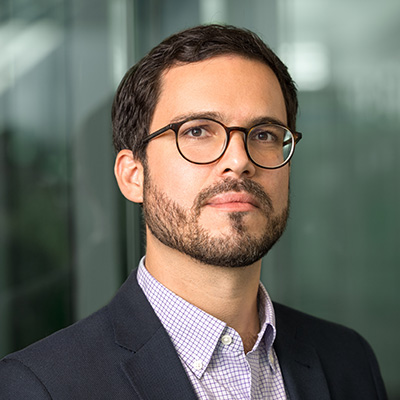
Prof. Dr. Poldi Kuhl is a Professor of Educational Psychology at Leuphana University , Lüneburg, since 2021. Affiliated with the Institute of Psychology in Education (IPE) and the Center for Empirical Research on Language and Education (ERLE) , Kuhl specializes in educational psychology, developmental psychology, and inclusive education. Their research focuses on data-driven decision-making, digital learning platforms, academic language demands, and teacher professional development. Education: Diploma in Psychology (2003) and PhD in Philosophy (2008) from Freie Universität Berlin. Kuhl’s recent work examines how academic language features affect learning outcomes, digital data utilization in primary education, and mental health literacy among teachers. Their publications span topics from virtual reality training tools to inclusive teaching strategies in mathematics. Kuhl’s career includes leadership roles at the Research Data Center (FDZ) at the Institute for Quality Improvement in Education (IQB) and a Junior Professorship at Leuphana University. They have collaborated with institutions like the Universitat Oberta de Catalunya and the Max Planck Institute for Human Development .
Peter X. K. Song is a Professor in the Department of Biostatistics at the University of Michigan School of Public Health. With expertise spanning statistical methodology development and interdisciplinary applications, Dr. Song maintains active collaborations across Nutritional Sciences, Environmental Health Sciences, Chronic Disease research, and Nephrology. His work bridges theoretical statistics with practical healthcare solutions, focusing on innovative approaches to complex data challenges in public health and medicine. Based at the M4140 SPH II building in Ann Arbor, he leads the Song Lab and contributes significantly to the academic community through teaching, research mentorship, and scholarly publications. PhD, University of British Columbia, Vancouver, 1996 BS, Jilin University, Changchun, 1985 Dr. Song's research focuses on the statistical foundation of big data analytics, with particular emphasis on data integration, distributed inference, high-dimensional data analysis, longitudinal data analysis, mediation analysis, and spatiotemporal modeling. His methodological innovations address critical challenges in smart health applications, including organ exchange programs, children's health, chronic disease management, environmental health assessment, and nutritional sciences. His approach combines statistical theory, integer optimization, and algorithm development to create practical tools that help researchers understand complex relationships between environmental exposures and health outcomes. Dr. Song's publication record demonstrates a consistent trajectory of methodological innovation applied to pressing health challenges. His recent work shows increasing focus on sleep classification using AI techniques, personalized treatment effect analysis, distributed statistical methods for high-dimensional data, and epigenetic applications in adolescent health. The interdisciplinary nature of his research is evident in publications spanning biostatistics journals, computer science venues, and domain-specific medical publications. His work increasingly addresses the challenges of integrating diverse data sources while maintaining statistical rigor in the era of big data. IMS Fellow ASA Fellow Elected Member of the International Statistical Institute 2017 ENAR John Van Ryzin Award Dr. Song has mentored an impressive 22 PhD students and 6 postdoctoral trainees throughout his career, with many now holding faculty positions at prestigious institutions or working as data scientists in leading technology companies. His lab, the Song Lab, currently supports two postdoctoral research fellows and eight doctoral students working on cutting-edge statistical methodology development. His collaborative research extends across numerous grants that support interdisciplinary projects in kidney paired donation programs, environmental health studies, nutritional sciences, and chronic disease research, demonstrating his commitment to translating statistical innovation into practical health solutions. The Song Lab serves as a hub for interdisciplinary statistical research at the University of Michigan, bringing together experts from statistics, operations research, and machine learning to address complex challenges in medical and public health sciences. Current lab members include eight doctoral students and three postdoctoral fellows working on projects related to optimal organ matching strategies, causal mediation pathways of omics biomarkers, and statistical methods for big data integration. The lab maintains strong connections with clinical researchers across nephrology, pediatrics, environmental health sciences, and nutritional sciences, ensuring that methodological developments remain grounded in real-world applications.
Daniel Vogler is a Senior Research and Teaching Associate and Head of Research at the University of Zurich , affiliated with the Institute of Communication Science and Media Research (IKMZ) . He serves as Deputy Director of the fög – Research Center for Public Opinion and Society , with a career spanning over 15 years in academic communication research. Education: Communication Science, Political Science, and Ethnology at University of Zurich (2003-2013), culminating in a 2020 PhD on Media Reputation of Universities . His research focuses on Journalism Research, Public Relations, Online Communication, Crisis Communication, and Computational Social Science , with notable work on media reputation dynamics, AI's impact on journalism, and crisis-driven norm formation. Recent publications analyze Swiss media ecosystems using automated content analysis and longitudinal studies. Key awards include the 2023 ICA Health Communication Top Paper Award and the 2020 ICA Best Student Paper Award . He contributes to editorial boards of journals like the International Journal of Crisis and Risk Communication Research and co-edits the Yearbook Quality of the Media – Switzerland .
Dr. Fan Xia is an Assistant Professor in the Department of Epidemiology and Biostatistics at the University of California, San Francisco (UCSF) School of Medicine. She earned her PhD in Biostatistics from the University of Washington, Seattle in June 2020. Dr. Xia's research focuses on methodological developments in causal inference, particularly causal mediation analysis, and she has made significant contributions to the field with numerous publications in high-impact statistical and medical journals. PhD in Biostatistics, University of Washington, Seattle (June 2020) Dr. Xia's research is primarily oriented around causal mediation analysis. Her work provides comprehensive guidance for applied statisticians and epidemiologists navigating the philosophical subtleties and abundant methodology in causal inference. She develops methodologies for complex causal mediation structures, including mediation analysis with treatment-induced confounding, mediation analysis with multiple mediation pathways, and mediation analysis for longitudinal data, using rigorous statistical theories for semiparametric inference. Additionally, her research involves causal discovery and cluster randomized trials with stepped wedge designs, which are related to model-based causal inference with longitudinal data. Dr. Xia has demonstrated a steady publication record with increasing productivity since completing her PhD. Her publications span from 2017 to 2025, with a notable increase in output from 2021 onward. Her work appears in top statistical journals like Biometrika, Journal of the American Statistical Association, and Biometrics, as well as medical journals including JAMA Network Open and Clinical Infectious Diseases. The publications reflect her dual focus on methodological advancements in statistics and applications to important health issues, particularly in HIV research, clinical trials methodology, and chronic disease epidemiology. No specific awards mentioned in the provided information Dr. Xia appears to be actively involved in collaborative research across multiple domains. Her publications indicate collaborations with researchers in epidemiology, medicine, and public health. While specific grant information is not provided, her research on stepped wedge cluster randomized trials suggests involvement in methodological grant-funded research. She has served as a co-investigator on studies related to HIV, hypertension, tobacco use, and chronic kidney disease, demonstrating the breadth of her research impact. Dr. Xia appears to be part of the broader biostatistics and epidemiology research community at UCSF. Her publications indicate collaborations with researchers across different departments and institutions. While specific lab information is not provided, her work on stepped wedge designs suggests she may be part of or collaborate with teams focused on clinical trial methodology. Her research on HIV and women's health also suggests connections with relevant research groups at UCSF, contributing to the university's mission of advancing health worldwide.
Prof. Dr. Patrick Cichy is an affiliated professor at the Institute for Technology and Innovation Management (TIM) of RWTH Aachen University and also associated with Bern University of Applied Sciences. His research agenda lies at the intersection of information systems, innovation management, and data science, with a core focus on privacy & cybersecurity, service and business-model innovation, IoT ecosystems, and text mining/visual analytics. Research Interests: Privacy & Cybersecurity: Investigating how individuals and organizations balance privacy concerns with data sharing incentives, especially in emerging technology contexts. Service & Business Model Innovation: Examining how firms create and capture value from digitally enabled services and personal data. IoT Ecosystems: Studying the dynamics of value creation, legitimacy, and privacy within interconnected Internet-of-Things environments. Text Mining & Visual Analytics: Leveraging advanced computational techniques to map and analyze large-scale discourse and innovation patterns. Across his latest publications (2014–2024), a clear thematic trajectory emerges: an evolving exploration of privacy calculus and data-sharing behavior, methodological advances in text mining for innovation studies, and longitudinal analyses of privacy discourse spanning three decades. These works collectively contribute to both theoretical development and practical guidance for policymakers and managers navigating digital transformation. Contact: Email: cichy@time.rwth-aachen.de Office hours: By appointment
Joshua Camins , Ph.D., ABPP, is a Clinical Assistant Professor at the University of Illinois, Urbana-Champaign , affiliated with the Department of Educational Psychology and the Department of Clinical Sciences . He also serves as an Affiliate at the Disability Resources and Educational Services (DRES) within the College of Applied Health Sciences . Education: B.A. in Psychology, University of New Haven (2011) B.S. in Criminal Justice, University of New Haven (2011) M.A. in Clinical Psychology, Towson University (2013) Ph.D. in Clinical Psychology, Sam Houston State University (2020) ABPP Board Certification in Forensic Psychology (2024) Research Focus: Camins specializes in forensic psychology , competence to stand trial , and violence risk assessment . His neuroscience work on childhood adversity and brain structure, particularly hippocampal volume reduction due to maltreatment, has been published in PLoS ONE and other journals. Publication Trends: His recent articles explore telesupervision during the pandemic, PTSD in veterans , maternal influences on delinquency , and school-based mental health for immigrant youth . Scientific Awards: ABPP Board Certification in Forensic Psychology (2024) Postdoctoral Fellowship in Forensic Psychology, Mendota Mental Health Institute (2021) Grants & Collaborations: Co-authored a NIH-funded study on childhood socioeconomic status and brain structure (2017) and contributed to research on financial strain and neurodevelopmental outcomes.
Professor Isabella Dobrescu is Head of the School of Economics at the University of New South Wales (UNSW) Business School and co-chair of the STEP UP initiative in Education. She serves as an editor for the Journal of Pension Economics & Finance and maintains an active research program spanning labor economics, public finance, health economics, and applied econometrics. Her educational background includes a Ph.D. in Economics with Honors from the University of Padua (2009), an M.Sc. in Economic Mathematical Modeling Summa cum Laude from West University of Timisoara (2005), and dual bachelor's degrees in Economics from Nottingham Trent University and Finance Summa cum Laude from West University of Timisoara (2003). Dobrescu's research has evolved from structural work on consumption and saving dynamics to pioneering applications combining theory, empirical analysis, and randomized controlled trials to improve educational outcomes through technology. Her recent work focuses on financial literacy interventions for high school students through the STEP UP program, while maintaining her longstanding research on aging populations, retirement decision-making, and risk behavior. Her publication portfolio demonstrates consistent output across labor economics, health economics, and applied econometrics, with recent emphasis on educational technology interventions and financial decision-making in retirement contexts. The research shows methodological diversity spanning structural modeling, nonparametric partial identification techniques, and experimental approaches. UNSW Business School Research Impact Award (2021) UNSW President's Award for Building Collaborations (2019) UNSW Scientia Education Fellowship (2017) Australian Government Office of Learning & Teaching Citation (2016) ARC Early Career Research Fellowship (2012) Dobrescu has secured over AU$2.5 million in competitive research funding since 2010, including major ARC Linkage grants and substantial UNSW strategic investments. She leads the STEP UP initiative which has received over AU$650,000 in funding for financial literacy outreach programs. Her collaborative approach is evident in numerous multi-investigator projects with colleagues including Bateman, Thorp, Motta, and Newell across economics, finance, and education domains. As Head of the School of Economics and co-chair of STEP UP, Dobrescu leads research teams focused on educational interventions using technology, retirement decision-making, and the economics of aging. Her Playconomics platform represents a significant innovation in experiential economics education, receiving media coverage from major outlets including The Sydney Morning Herald and The Australian.
Joseph Madaus is a Professor in the Department of Educational Psychology at the University of Connecticut and Director of the Collaborative on Postsecondary Education and Disability. His expertise spans Special Education , Post-Secondary Transition , Assessment , and Learning Disabilities . He has held leadership roles such as Past President of the Division on Career Development and Transition (Council for Exceptional Children) and serves on the editorial boards of nine journals, including the Journal of Postsecondary Education and Disability and Career Development and Transition for Exceptional Individuals . Education: Ph.D., Special Education, University of Connecticut (1996) M.A., Counseling Psychology, Boston College (1991) B.A., Elementary Education/Moderate Special Education, Boston College (1988) Research Focus: Dr. Madaus investigates postsecondary transition , universal design for learning , and self-determination for students with disabilities . His work includes studies on twice-exceptional students with autism , disability documentation requirements , and remote learning during the pandemic . Recent publications analyze international perspectives on higher education and disability and ethical frameworks in disability services . Scientific Awards: 2018 Oliver P. Kolstoe Award (lifetime contributions) 2019 Neag School Distinguished Scholar award 2008-2009 University Teaching Fellow 2007 Teaching Promise and Innovation Awards 2003-2004 Mary Switzer Distinguished Research Fellow Reviewer of the Year (2008, 2011) Grants and Leadership: Dr. Madaus has secured grants from the Office for Postsecondary Education, Office for Special Education Programs, and the Jacob K. Javits Program. He co-edited the Handbook of Higher Education and Disability and Preparing Students with Disabilities for College . His media appearances include features in The Atlantic and The Wall Street Journal , and he advocates for disability documentation reform and policy changes under the ADA Amendments Act.
Ximena Arriaga is a Professor in the Department of Psychological Sciences at Purdue University. Her research focuses on intimate partner violence, adult attachment dynamics, and social psychological factors in interpersonal relationships. She teaches courses in experimental methods and social psychology, and leads the ARCC Lab (Aggression, Relationships, and Coping Collaborative). Ph.D. from University of North Carolina at Chapel Hill Research interests span three domains: Intimate Partner Violence : Examines victim/perpetrator justification mechanisms, social support responses, and longitudinal impacts. Attachment Theory : Studies relationship security during life transitions (e.g., parenthood) and contextual influences like the COVID-19 pandemic. Social Dynamics : Investigates confrontation scenarios, trust mechanisms, and interdependence theory applications. Her 2019-2025 publications reveal methodological diversity, combining experimental designs, longitudinal analysis, and machine learning techniques to study relational patterns. Themes include violence normalization, coping trajectories, and contextual factors shaping relationship outcomes.
Dr. Barbara E. Jones serves as an Associate Professor in the Department of Internal Medicine at the University of Utah School of Medicine, with dual appointments in Pulmonary and Critical Care Medicine. Her clinical practice spans diverse healthcare settings within the Veterans Affairs system and academic medical centers, focusing on evidence-based adaptation of care to varied patient populations. Her educational background includes: M.D. from University of Washington School of Medicine B.A. in Philosophy from Dartmouth College Master of Science in Clinical Investigation (M.S.C.I) from University of Utah Postdoctoral Fellowship in Pulmonary and Critical Care Medicine at University of Utah Residency in Internal Medicine at University of Utah Dr. Jones' research centers on decision-making processes in pneumonia diagnosis and treatment, employing a tripartite informatics approach combining population analytics, cognitive behavior analysis, and clinical decision support systems. Her work specifically targets reducing diagnostic uncertainty and treatment variation across healthcare systems, with emphasis on equitable care delivery for diverse patient populations. Current projects investigate diagnostic discordance in community-acquired pneumonia, electronic surveillance for hospital-acquired infections, and machine learning applications for diagnostic error detection. Analysis of her 15 most recent publications reveals consistent focus on pneumonia management systems, with emerging emphasis on pandemic impacts on diagnostic practices and AI-driven quality improvement. Her work predominantly utilizes large VA healthcare datasets spanning 100+ medical centers, featuring mixed-methods approaches that integrate quantitative analytics with qualitative clinician experience assessment. Dr. Jones actively contributes to clinical guideline development and medical education through editorial work in major journals including Chest and Annals of Internal Medicine , where she frequently addresses controversies in pneumonia diagnosis and antibiotic stewardship. Her research program operates at the intersection of the University of Utah Health system and the Veterans Affairs national healthcare network, leveraging electronic clinical decision support implementations across diverse hospital settings including rural and critical access facilities. Current initiatives focus on real-time feedback systems for diagnostic performance improvement and automated surveillance for healthcare-associated infections.
Dr. Matteo Fasiolo is a Senior Lecturer in the School of Mathematics at the University of Bristol, specializing in Statistical Science. His research focuses on advanced statistical modeling with significant applications in electricity demand forecasting and medical statistics, leveraging Generalized Additive Models (GAMs) as a core methodology. His primary research interests span: Generalized Additive Models and their extensions for complex data structures Covariance matrix modeling for high-dimensional energy forecasting Probabilistic forecasting techniques for uncertainty quantification Statistical machine learning including variational inference and contrastive learning Applications in electricity grid management and medical diagnostics Recent publications (2023-2025) reveal a dual focus: developing scalable statistical methods for electricity net-demand prediction in Great Britain using additive covariance models, and applying distributional regression to medical challenges like kidney function decline and cardiovascular risk prediction. His work on SoftCVI demonstrates innovation in variational inference, while extensions to GAMs address both mean modeling and full distributional forecasting. Dr. Fasiolo has supervised at least one student as indicated by university records. His research outputs include 16 publications and 2 publicly available datasets, reflecting active contributions to methodological statistics and domain-specific applications in energy systems.
Prof. Dr. Katja Scharenberg is a faculty member at the Ludwig-Maximilians-Universität München (LMU) , affiliated with the Faculty of Psychology and Education. Her research focuses on inclusive education, heterogeneity in classrooms, teacher training, science education, and sustainability education. She leads and collaborates on multiple projects funded by the German Federal Ministry of Education and Research (BMBF) and the European Union’s Horizon 2020 program. Her work examines how heterogeneous learning environments impact student outcomes, particularly in science and sustainability education. She investigates teacher diagnostic competence in inclusive settings and develops digital learning environments to support accessible experimentation. Current projects include evidence-based modular continuing education programs for teachers and studies on ethnic school segregation’s effects on educational attainment in Germany and Switzerland. Key publications include empirical analyses of sustainability competencies in schools, inclusive pedagogy in primary and vocational education, and classroom dynamics affecting students with special educational needs. She serves on editorial boards and collaborates with networks like the European Association for Research on Learning and Instruction (EARLI) and the Deutsche Gesellschaft für Erziehungswissenschaft (DGfE) . Her research is supported by grants from the BMBF and EU Horizon 2020 . She supervises students in inclusive education and teacher training, and her work integrates research-based learning with practical school reforms in the Freiburg region.
Deepa Camenga, MD, MHS, FAAP is an Associate Professor of Emergency Medicine at Yale School of Medicine with secondary appointments in Chronic Disease Epidemiology and General Pediatrics. She serves as the Associate Director of Pediatric Programs for the Yale Program in Addiction Medicine, where she leads clinical, educational, and policy efforts to improve healthcare for children impacted by substance use. As a board-certified physician in pediatrics and addiction medicine, Dr. Camenga specializes in adolescent addiction and is one of the few clinicians in Connecticut who prescribes medication treatment for adolescents with opioid use disorder. Dr. Camenga's educational background includes: BA from Yale University (2000) MD from University of Rochester School of Medicine & Dentistry (2005) Residency at University of Rochester Golisano Children Hospital (2008) Chief Resident at Children's Strong Hospital, Rochester (2009) Postdoctoral Fellowship and MHS in Health Services Research through the Robert Wood Johnson Foundation Clinical Scholars Program at Yale (2012) Dr. Camenga's research focuses on reducing the morbidity and mortality associated with adolescent substance use and substance use disorders. Her work specifically aims to improve identification and treatment of drug and tobacco use in healthcare settings, with a particular interest in developing technology-enhanced interventions to reduce substance use among adolescents and young adults. She employs both quantitative and qualitative methodologies to examine adolescent substance use patterns, cessation motivations, and the effectiveness of interventions in clinical and community settings. Her research has significant implications for public health policy and clinical practice guidelines related to youth substance use. Dr. Camenga's recent publications demonstrate a strong focus on adolescent vaping behaviors, impaired driving among youth, and digital interventions for substance use prevention. Her work spans multiple methodologies including longitudinal studies, system dynamics modeling, and mixed-methods approaches. Key themes in her research include the impact of flavored products on youth nicotine dependence, the social and environmental factors influencing risky behaviors, and the development of evidence-based approaches to substance use prevention and treatment for adolescents. Dr. Camenga is actively involved in national professional organizations and committees: Member of the American Academy of Pediatrics Committee on Substance Use and Prevention (since 2016) Member of the American Academy of Pediatrics Meeting Planning and Participation Committee (since 2018) Former Committee Member of the Academic Pediatric Association (2013-2015) Dr. Camenga has developed several innovative clinical programs, including a school-based health center tele-consult program and an inpatient adolescent addiction medicine consult service. She treats adolescents and young adults at the APT Foundation and leads an addiction medicine tele-consult service for local school-based health centers. Her work extends to the Yale DrivSim Lab, where she collaborates on studies examining the neurocognitive aspects of risky driving and substance use among youth. Dr. Camenga also chairs the American Academy of Pediatrics Committee on Substance Use and Prevention, positioning her as a national expert in pediatric addiction medicine.
Dubravko Radic serves as Professor of Service Management at the University of Leipzig's Faculty of Business and Economics since 2009, while simultaneously holding the position of Deputy Head of the Price and Service Management group at the Fraunhofer Center for International Management and Knowledge Economics IMW since 2013. His academic career spans multiple institutions including the University of Wuppertal where he completed his habilitation, and the University of Frankfurt am Main where he earned his doctorate in statistics and econometrics. Doctorate (Dr. rer. pol. summa cum laude): Johann Wolfgang Goethe-Universität Frankfurt a.M. (2004) Habilitation: Bergische Universität Wuppertal (2009) Diplom-Volkswirt: Johann Wolfgang Goethe-Universität Frankfurt a.M. (1999) Research Stay: University of California Davis (2008) Professor Radic's research centers on the intersection of empirical methods and business management, with particular emphasis on service pricing modeling, applied microeconometrics, and social interactions in service contexts. His work bridges theoretical econometric approaches with practical business applications, especially in the healthcare sector where he has led multiple Fraunhofer IMW projects including ASARob, NurMut, and ATMoSPHÄRE. His research methodology combines quantitative modeling with real-world case studies to address strategic and operational decisions in service organizations. His recent publications demonstrate a consistent focus on discrete choice modeling, game theory applications in marketing, and service innovation frameworks. The 2025 paper "Discrete Games in Marketing Research" presented at the Global Marketing Conference in Hong Kong exemplifies his approach of applying advanced econometric techniques to practical marketing problems, particularly in digital service contexts. His work shows an evolving trajectory from foundational service management concepts toward increasingly sophisticated modeling of strategic interactions in service markets. Professor Radic has extensive experience advising major corporations including Metro AG, Lilly Deutschland, IMS Health, Berlin Chemie, and Augustinum gGmbH. His practical projects at Fraunhofer IMW focus on translating academic research into actionable business solutions, particularly in healthcare digitization and service innovation. He has led the TRAIN@MINE project developing training tools for Vietnam's mining sector and contributed to studies on Big Data applications in health insurance. At the University of Leipzig, he leads research activities through the Institute for Service and Relationship Management, supervising multiple research projects that connect academic inquiry with industry applications. His team collaborates with international partners including the University of California Davis, University of Maryland, Northwestern University, and the Technion Israel Institute of Technology, creating a robust research ecosystem focused on service management innovation.
Torgeir Dingsøyr is an Adjunct Chief Research Scientist and Research Professor in the Department of IT Management at Simula Metropolitan, a leading Norwegian research institute specializing in software engineering and digital technologies. His role encompasses both strategic research leadership and active empirical investigation into large-scale agile software development and software process improvement. Research Interests Large-scale agile software development methods and governance. Coordination and communication challenges in very large development programmes. Software process improvement (SPI) with emphasis on practical, evidence-based approaches. Teamwork effectiveness and autonomous teams in continuous deployment environments. Digital transformation project organization, particularly within Scandinavian contexts. Across more than two decades, Dingsøyr has produced influential handbooks and empirical studies that bridge the gap between SPI theory and industrial practice. His work increasingly addresses second-generation agile methods, emphasizing safety nets for high-risk development and autonomy at scale. Scientific Awards No specific awards listed in the provided text. Advising & Grants Dingsøyr collaborates extensively with industry and academic partners to secure funding for longitudinal case studies and improvement initiatives. While individual student names are not provided, his publications demonstrate active supervision and mentoring within multi-partner projects. Laboratory & Teams He operates within Simula Metropolitan’s research environment, contributing to interdisciplinary teams that unite software engineering researchers, data scientists, and industrial practitioners to advance empirical software engineering and agile transformation.