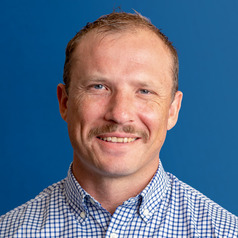
Erik Teske is an Associate Professor at Utrecht University's Faculty of Veterinary Medicine , leading the Department of Clinical Sciences of Companion Animals and conducting research in Medical Oncology . He also holds a part-time professorship at the University of Liège, Belgium. Specializes in canine and feline oncology with focus on non-Hodgkin lymphoma and prostate cancer Extensive experience in clinical cytology and epidemiology Co-organizer of ESAVS courses for over 30 years With 160+ refereed publications and 160+ international presentations , his work bridges veterinary oncology and comparative medicine . Key trends include drug resistance mechanisms , epidemiological studies , and cytological diagnostics . WSAVA Hill's Excellence in Veterinary Healthcare Award (2006) WSAVA International Award for Scientific Achievement (2016) EBVS Award for veterinary specialization contributions (2016) FECAVA Prize (2009) Honorary Doctorate from Swedish University of Agricultural Sciences (2017) He has supervised numerous veterinary specialists and served as president in multiple veterinary organizations. His research collaborations span institutions like the Netherlands Cancer Institute and SUNY Utrecht .
Letizia Scola is an Associate Professor at the Department of Biopathology and Medical Biotechnologies, School of Medicine and Surgery, University of Palermo (Italy). Her research focuses on genetic polymorphisms, inflammation, and their roles in age-related diseases, cancer susceptibility, and immunosenescence. Key research areas include: cytokine gene variants in viral infections, biomarkers for neurodegenerative diseases, and genetic modifiers of cardiovascular and metabolic disorders. Her work integrates precision medicine approaches with geriatric and gender-specific analyses. Recent publications span molecular diagnostics of heart failure, immunogenetic markers in Mediterranean Spotted Fever, and polymorphism studies in non-melanocytic skin cancer. Her clinical interests bridge biomarker development with practical applications in age-related pathologies.
Brendon Hyndman serves as Associate Professor and Associate Dean (Academic) within the Faculty of Arts and Education at Charles Sturt University. His research focuses on the critical intersection of play, wellbeing, and school environments in shaping student learning and behavior. With extensive publications on outdoor play, school recess, and innovative learning spaces, his work has influenced national and international debates on educational environments. Hyndman frequently bridges academic research with practical applications for educators, policymakers, and school communities. Doctor of Philosophy, RMIT University (2013) Graduate Certificate in University Leadership and Management, Charles Sturt University (2019) Bachelor of Education (Physical Education) Upper Class Honours, Federation University Australia (2008) Hyndman's research examines how physical environments impact student development, with particular emphasis on play as a fundamental learning mechanism. His work explores the decline of unstructured outdoor play, the design of school playgrounds that promote positive social interactions, and the relationship between physical activity and academic outcomes. He advocates for evidence-based approaches to school design that support both wellbeing and learning. His recent publications reveal a cohesive research trajectory examining the physical and social dimensions of educational environments. From analyzing weight considerations in endurance sports to investigating bullying prevention through playground design, Hyndman consistently connects theoretical insights with practical applications. His work demonstrates how environmental factors - from playground layouts to classroom spaces - significantly influence student behavior, social dynamics, and learning outcomes. As an academic leader, Hyndman has held progressive administrative roles including Associate Dean Research and Sub-Dean (Graduate Studies). He contributes to professional organizations including ACHPER, Play Australia, and the Global Recess Alliance. His TEDx presentation in 2025 highlighted his commitment to translating research into actionable strategies for educators. Hyndman's leadership extends to advising on education policy and consulting with school systems on implementing play-based approaches to enhance student engagement and wellbeing.
John Kauwe serves as University President of Brigham Young University–Hawaii while maintaining his professorship in the Department of Biology at Brigham Young University's College of Life Sciences. An internationally recognized Alzheimer's disease genetics researcher, he directs a high-impact lab with over 120 publications and $6+ million in extramural funding. His educational background includes: Bachelor's and Master's degrees from Brigham Young University (Provo) Ph.D. from Washington University in St. Louis (2007) Postdoctoral fellowship at Washington University School of Medicine (2008) Dr. Kauwe's research employs genomic approaches to unravel Alzheimer's disease mechanisms, focusing on genetic risk factors, prevention strategies, and diagnostic biomarkers. His lab uniquely bridges human disease research with evolutionary genomics in marine species, investigating: Multi-ancestry genome-wide association studies for novel risk loci Genetic basis of rheumatic heart disease in Pacific populations Evolutionary adaptations in fish and reptiles through comparative genomics Polygenic risk score development for clinical applications Analysis of his 15 most recent publications reveals dominant themes in cross-population Alzheimer's genetics (73%), biomarker validation (13%), and marine genomics (14%), with increasing emphasis on health disparities in Native Hawaiian communities. His honors include: BYU Sponsored Research Award (2015) Dr. Kauwe mentors undergraduate researchers who have co-authored over three dozen manuscripts, securing major grants from NIH and other agencies for his Alzheimer's disease resilience and genetic epidemiology projects. His Kauwe Lab ( kauwelab.byu.edu ) integrates wet-lab genomics with computational biology through interdisciplinary collaborations with neurologists, evolutionary biologists, and Pacific Islander health specialists.
Lasse Koskinen is Professor of Insurance Science at Tampere University's Faculty of Management and Business, holding a docent title in quantitative methods at Aalto University School of Business. He heads the Insurance and Risk Management Group and maintains affiliations with Rochester University's Center of Imaging Sciences and Finnish regulatory bodies including the Financial Supervisory Authority. Academic Background: PhD in Mathematics Postdoctoral Researcher, Center of Imaging Sciences, Rochester University His research spans Insurance and Pension systems, Solvency Regulation, Investments, and Risk Management with recent work analyzing Finnish pension schemes, solvency capital requirements, and behavioral aspects of incentive-based insurance. Methodologically, he employs advanced statistical modeling including semiparametric regression and Bayesian analysis for longitudinal data. Analysis of his 2024-2018 publications reveals consistent focus on Finnish social security systems, particularly solvency regulation for self-employed workers, integration of health metrics in life assurance, and consumer perceptions of health-tracking technologies. His work bridges actuarial science with behavioral economics and public policy analysis. Professional engagements include: Actuarial Society of Finland (Associate member since 2001) International Actuarial Association (Pension section since 2007) Finnish Risk Management Association (since 2017) Associate Editor, Scandinavian Actuarial Journal As head of Tampere University's Insurance and Risk Management Group, he directs research on contemporary challenges including demographic shifts, economic volatility, and technological disruption in insurance regulation and risk assessment.
Ernesto TAPIA MOORE is an Associate Professor of International Management at KEDGE Business School, France. With a career spanning over two decades in international trade and management consulting prior to academia, his research focuses on risk perception and tolerance in SME internationalization. He co-founded the Observatoire du Développement International des PME and co-established the Rotary Leadership Institute in France. Key Research Areas: SME internationalization, risk management, audit fees, and globalization. Recent Publications: Explores auditor-auditee dynamics (2024), pre-internationalization conditions (2021), and challenges in SME internationalization (2020). Scientific Awards: Paul Harris Fellow. His work bridges theoretical models with practical insights, particularly in post-COVID-19 business strategies. Articles reflect interdisciplinary interests spanning business, finance, and computational mathematics.
Brian D. Earp is an Associate Professor of Biomedical Ethics within the Yong Loo Lin School of Medicine at the National University of Singapore (NUS) and by courtesy, Associate Professor of Philosophy and of Psychology. He also serves as a Research Associate of the Uehiro Oxford Institute at the University of Oxford, Director of the Oxford-NUS Centre for Neuroethics and Society, and Associate Director of the Yale-Hastings Program in Ethics and Health Policy. In 2022, he was elected to the UK Young Academy under the auspices of the British Academy and the Royal Society. Dr. Earp holds a Master of Philosophy in Philosophy of Science from the University of Cambridge (2014), a Master of Science in Experimental Psychology from the University of Oxford (2011), and a Bachelor of Arts in Cognitive Science from Yale University (2010). His academic journey reflects an interdisciplinary approach spanning cognitive science, psychology, and philosophy. Brian Earp's research spans multiple domains of ethics, with particular focus on AI ethics, neuroethics, and biomedical ethics. His work examines the ethical implications of emerging technologies, especially large language models and AI systems in healthcare settings. He has made significant contributions to understanding digital identity, surrogate decision-making, and the ethics of personalized AI applications in medicine. His research also extends to bioethics topics including genital autonomy, gender and sexuality, and the philosophy of science. Analysis of Dr. Earp's recent publications reveals a strong emphasis on the intersection of artificial intelligence and medical ethics, with particular attention to consent processes, decision-making in healthcare, and the implications of digital identity. His work demonstrates a consistent pattern of exploring how emerging technologies challenge traditional ethical frameworks while proposing novel conceptual approaches to address these challenges. The publications show increasing focus on cross-cultural perspectives, as evidenced by multi-country studies examining ethical perceptions of AI. Elected to the UK Young Academy under the auspices of the British Academy and the Royal Society (2022) Dr. Earp directs the Oxford-NUS Centre for Neuroethics and Society and serves as Associate Director of the Yale-Hastings Program in Ethics and Health Policy, indicating substantial leadership in collaborative research initiatives. His work on the Personalized Patient Preference Predictor (P4) represents a significant contribution to advancing surrogate decision-making in medical contexts. The collaborative nature of his research is evident through numerous co-authored publications addressing complex ethical questions at the intersection of technology and healthcare. As Director of the Oxford-NUS Centre for Neuroethics and Society and HOPE (Hub at Oxford for Psychedelic Ethics), Dr. Earp leads interdisciplinary teams examining the ethical dimensions of neurotechnology and psychedelic medicine. His work bridges academic institutions across Singapore, the UK, and the US, fostering international collaboration on pressing ethical challenges in emerging medical technologies.
Prof. Dr. Heiko Nathues serves as Professor and Head of the Swine Clinic within the Department of Clinical Veterinary Medicine (DKV) at the Vetsuisse Faculty, University of Bern. He leads research initiatives at the Multidisciplinary Center for Infectious Diseases (MCID) with a focus on translating clinical findings into practical herd health management for Swiss and European pig producers. His research centers on swine infectious diseases and reproductive health, particularly investigating risk factors for dysentery, uterine involution disorders, and tail necrosis in free farrowing systems. Current work emphasizes biomarker discovery (e.g., progesterone in colostrum for farrowing prediction), epidemiological modeling of Brachyspira transmission, and development of the Pig Health Info System for national disease monitoring. His studies consistently integrate clinical observation with quantitative analysis of sow-piglet interactions and environmental factors. Prof. Nathues actively contributes to veterinary continuing education through the MCID, developing diagnostic frameworks for respiratory diseases and herd-level eradication programs. His leadership in the Diagnostikzentrum für Nutztiergesundheit (DZ NTG) bridges academic research with on-farm applications, focusing on practical solutions for swine dysentery and circovirus management. He also pioneers digital tools like 360° farm videos for herd health management training.
Florence Bodeau-Livinec is a full Professor at EHESP - School of Advanced Studies in Public Health , where she leads the Department of Quantitative Methods in Public Health (METIS) since 2015. She also holds an Adjunct Professor appointment at the Department of Epidemiology, University of North Carolina, Chapel Hill since 2024. Her academic career spans roles at the National Perinatal Epidemiology Unit (University of Oxford) , INSERM U149 (CRESS EPOPé) , and as an Instructor at NYU Medical Center .
Jan Calissendorff is an Associate Professor at Karolinska Institutet's Department of Molecular Medicine and Surgery, affiliated with the Growth and Metabolism research group led by Sergiu-Bogdan Catrina. His research focuses on adrenal/thyroid disorders, hyponatremia, and neuroendocrine tumors. Education: He earned his doctoral degree in 2008 and became Associate Professor in Endocrinology in 2020, both from Karolinska Institutet. Research Focus: Dr. Calissendorff investigates clinical endocrinology with emphasis on Graves' disease, pheochromocytoma, and medication-induced electrolyte imbalances. His work combines population registries, molecular diagnostics, and clinical outcomes research to advance treatment protocols for endocrine disorders. Publication Trends: His recent articles (2022–2025) reveal three key themes: (1) adrenal/thyroid tumor diagnostics and genetics, (2) epidemiological studies on hyponatremia triggers, and (3) long-term outcomes of endocrine therapies. Methodologically, he favors register-based cohort designs with translational applications. Awards: No scientific awards are documented in available sources. Laboratory Affiliations: He conducts research within the Growth and Metabolism group, which specializes in molecular mechanisms of endocrine diseases and metabolic regulation.
Dr. Aidin Eslam Pour is an Associate Professor of Orthopaedics and Rehabilitation at Yale School of Medicine and serves as Chief of Orthopaedic Surgery at West Haven Veterans Affairs Hospital. With extensive expertise in hip and knee orthopaedic surgery, he specializes in primary and revision total hip and knee arthroplasty, utilizing robotic and computer navigation techniques to restore mobility and alleviate pain for his patients, including Veterans. Dr. Eslam Pour's educational background includes: Medical degree from Oroumieh University of Medical Sciences (2001) Orthopaedic Surgery Residency at Thomas Jefferson University Adult Reconstruction Fellowship at Emory University (2012) Multiple European Traveling Fellowships (2012-2013) MS in Health and Health System Research from University of Michigan (2018) His research focuses on the intricate relationship between the hip and spine, employing advanced computer simulations to understand human motion and improve surgical outcomes. Dr. Eslam Pour investigates how pelvic tilt changes during daily activities affect hip implant stability and how personalized surgical planning can optimize outcomes based on individual anatomy. His work has significant implications for reducing dislocation rates and improving patient satisfaction following total hip arthroplasty. Dr. Eslam Pour's extensive publication record demonstrates consistent contributions to understanding hip-spine biomechanics, surgical planning, and implant design. His research has evolved from foundational work on acetabular and femoral anteversion to more sophisticated computer modeling of patient-specific movement patterns. Recent work focuses on personalized medicine approaches in orthopaedics, leveraging 3D imaging and simulation to tailor surgical interventions to individual patient anatomy and functional needs. His scientific contributions have been recognized through prestigious awards including: Mentored Clinician Scientist Award (K08) from NIAMS (2019) Multiple grants from Orthopaedic Research and Education Foundation (OREF) (2022, 2023) American Association of Hip and Knee Surgeons (AAHKS) Clinical Research Award Eastern Orthopaedic Association's Resident and Fellow Award As an active member of the orthopaedic community, Dr. Eslam Pour serves as an Associate Editor for Arthroplasty Today and as a reviewer for multiple prestigious journals including Journal of Arthroplasty and Bone and Joint Journal. He has been an abstract reviewer for the American Association of Hip and Knee Surgeons since 2017 and is a member of the American Academy of Orthopaedic Surgeons. Dr. Eslam Pour leads research efforts within Yale's Orthopaedics & Rehabilitation department, collaborating with colleagues like Dr. Daniel Wiznia and Dr. Steven Tommasini. His work bridges clinical practice and biomechanical research, with a strong emphasis on translating findings into improved patient care. His laboratory work utilizes advanced 3D modeling and simulation techniques to study hip biomechanics in various positions and activities, with the goal of developing personalized surgical approaches that account for individual anatomical variations.
Matthew D. Riedel, MD is an Assistant Professor of Orthopaedics & Rehabilitation at Yale School of Medicine. He serves as the Yale Orthopaedic Hip Fracture Program Committee Surgical Chair and Co-Director of Yale Department of Orthopaedics and Rehabilitation Resident Research. Dr. Riedel is a board-certified orthopaedic surgeon specializing in orthopaedic trauma surgery, treating injuries from car crashes, industrial accidents, and falls across all age groups from children to geriatric patients. Dr. Riedel's educational background includes: MD from Columbia University College of Physicians & Surgeons (2013) Residency in Orthopaedic Surgery at Harvard Combined Orthopaedic Residency Program (2014-2018) Chief Resident at Harvard Combined Orthopaedic Residency Program (2018) Post-Doctoral Clinical Fellowship in Orthopaedic Traumatology at R. Adams Cowley Shock Trauma Center/University of Maryland Medical Center (2019) BA in Biology & Psychology from Washington University in St. Louis (2008) Dr. Riedel's research focuses on clinical outcomes for patients with bone fractures, both operatively and nonoperatively treated, with particular interest in improving the biomechanics of surgical implants. His work examines how material properties of implants can better match bone to enhance healing and patient comfort. His research is driven by daily clinical experiences, where he constantly seeks to improve patient outcomes through better implants and surgical techniques. Dr. Riedel has published extensively in prestigious journals including Injury and The Journal of American Academy of Orthopaedic Surgeons, with recent work focusing on hip fracture fixation, infection prevention in orthopaedic trauma, and biomechanical analysis of fracture fixation techniques. Dr. Riedel's recent publications demonstrate a strong focus on orthopaedic trauma, particularly in hip and femur fractures, surgical techniques, and infection prevention. His research spans clinical outcomes studies, biomechanical analyses, and innovative approaches to fracture management. Key trends in his work include optimizing surgical techniques for hip fracture fixation, developing better methods for assessing fracture healing, and improving infection prevention strategies in orthopaedic trauma cases. Dr. Riedel has received numerous honors and recognitions: Fellow, American Academy of Orthopaedic Surgeons (2023) Finalist Nominee for Leonard Tow Humanism in Medicine Award (2021) Finalist Nominee for Charles W. Bohmfalk Faculty Teaching Award (2020) Best Clinical Paper and Best Clinical Research Paper (2018) Kilfoyle Award, 2nd Place (2018) and 3rd Place (2016) As an educator, Dr. Riedel serves as Co-Director of Yale Department of Orthopaedics and Rehabilitation Resident Research and as Department of Orthopaedics & Rehabilitation Representative on the Yale Graduate Medical Education Resident Well-Being Committee. He is actively involved in mentoring residents and has served on the Harvard Combined Orthopaedic Residency Program New Resident Selection Committee (2017-2018). His commitment to teaching has been recognized with multiple awards including finalist nominations for teaching awards at Yale. Dr. Riedel is a member of several professional organizations including the American Academy of Orthopaedic Surgeons, AOTrauma North America, and the Orthopaedic Trauma Association. He serves on the Orthopaedic Trauma Association - Practice Management Committee and is a reviewer for Injury – International Journal of the Care of the Injured and BMJ Open.
José Manuel Aburto is a demographer affiliated with the Leverhulme Centre for Demographic Science and the Department of Sociology at the University of Oxford. He also holds the Brass Blacker Associate Professorship of Demography at the London School of Hygiene & Tropical Medicine (LSHTM). Education: MA in Demography, El Colegio de México PhD in Demography, University of Southern Denmark and Max Planck Institute for Demographic Research (2020) His research focuses on population health inequalities, social determinants of health, and lifespan variation. He develops formal demographic methods to analyze how structural shocks (e.g., violence, pandemics) impact mortality and fertility, with a particular emphasis on Mexico, Denmark, and global trends. His recent publications highlight the interplay between pandemics, violence, and climate factors on life expectancy and lifespan inequality. He explores socioeconomic disparities, maternal health risks, and historical mortality patterns using cross-country and subnational data. Scientific Awards: Marie Sklodowska-Curie Fellow Newton International Fellow Aburto’s work bridges theoretical and applied demography, addressing global health challenges through innovative methodological approaches. He collaborates with institutions worldwide and contributes to databases like COVerAGE-DB for pandemic analysis.
Clemens Wittenbecher is an Assistant Professor at the Department of Food and Nutrition Science at Chalmers University of Technology. His research focuses on applying novel omics approaches to predict cardiometabolic risk and understand how diet composition influences future disease risk. He works with large observational cohorts including the Harvard cohorts, EPIC study, PREDIMED trial, and Swedish SCAPIS and SIMPLER cohorts. Dr. Wittenbecher's research centers on metabolomic profiling and its links with dietary patterns and disease risk. He has effectively utilized methodologies in causal modeling and metabolic network analysis to explore the complexities of nutritional epidemiology. His work has revealed specific metabolic signatures that respond to dietary components, contributing to our understanding of how these components modulate cardiometabolic risk. His research spans precision nutrition, cardiometabolic diseases, and biomarker discovery. His recent publications demonstrate a strong focus on precision nutrition approaches for cardiometabolic diseases, with particular emphasis on lipidomics and metabolomics. The research spans from biomarker discovery to dietary interventions across diverse populations, with consistent application of advanced statistical methods to large cohort data. His work bridges nutritional science with clinical outcomes, particularly in diabetes, cardiovascular disease, and metabolic syndrome. Wallenberg data-driven life science fellowship VR starting grant in health and medicine Dr. Wittenbecher has profound experience in leading and supervising precision nutrition research projects and is centrally involved in major US and Scandinavian precision nutrition research networks. He initiated the Precision Nutrition Forum in Gothenburg, which attracts seminal nutrition and multi-omics researchers from the US and Europe. His work involves extensive collaboration across international research teams working with large-scale cohort data. His research is conducted within the context of major international collaborative networks focused on precision nutrition. He works closely with researchers from Harvard, European institutions involved in the EPIC study, and Scandinavian research groups. His work leverages data from multiple large-scale cohorts to identify metabolic signatures that respond to dietary components and influence disease risk.
Dr. Juan Manuel García González is a full-time Professor in the Department of Sociology at Universidad Pablo de Olavide. His research focuses on demography, social research in health, and life expectancy analysis. Institution: Universidad Pablo de Olavide Department: Sociology Research Groups: DeIS (Demography and Social Research in Health), DEMOSPAIN His work examines mortality patterns, gender differences in longevity, migration-related health outcomes, and social policy challenges in aging populations. Recent publications analyze premature cancer mortality disparities, pandemic demographic dynamics, and obesity epidemic trends in Spain. His research methodology includes epidemiological decomposition, burden of disease assessments, and critical discourse analysis. He supervises doctoral programs in Education, Social Change, and Cohesion.