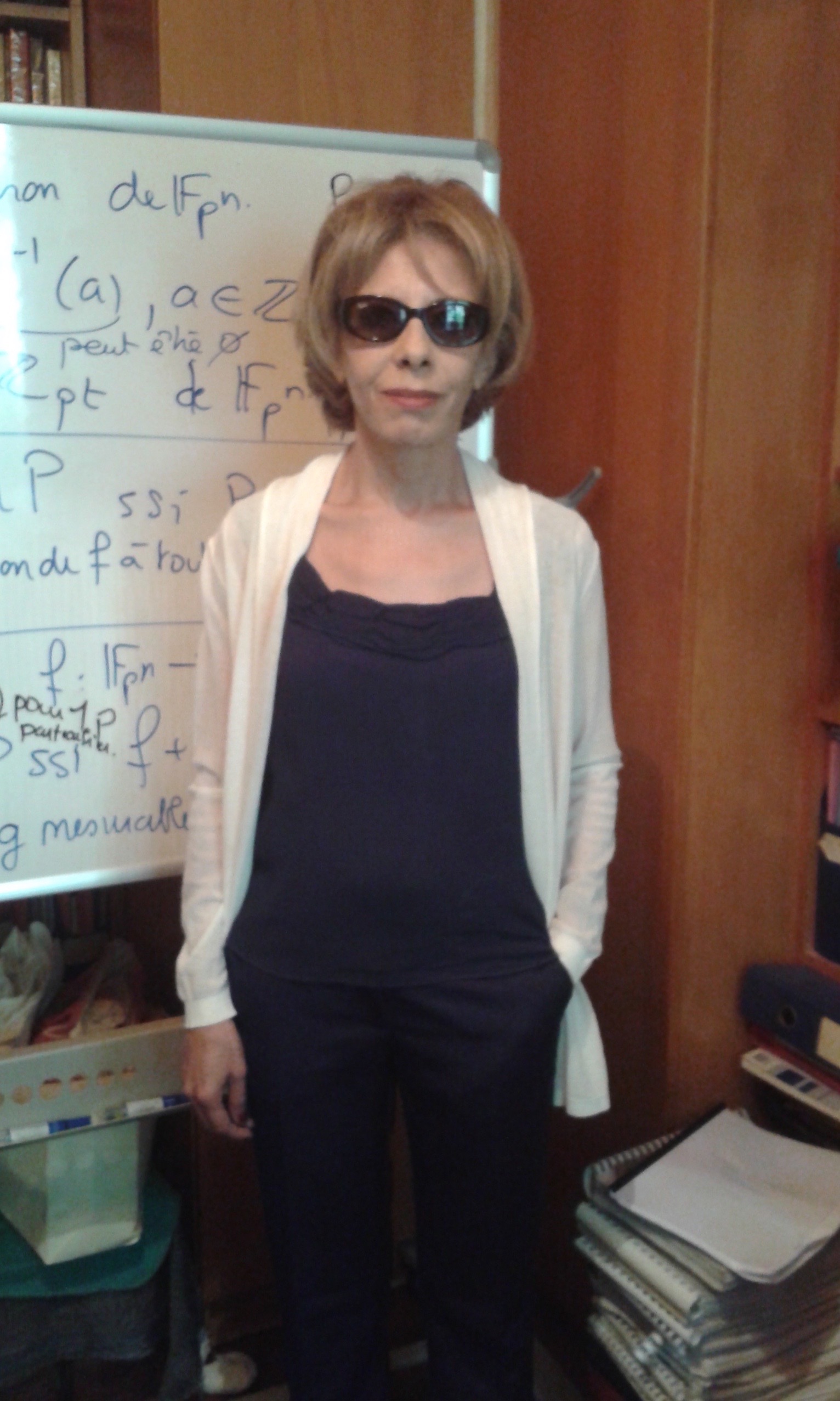
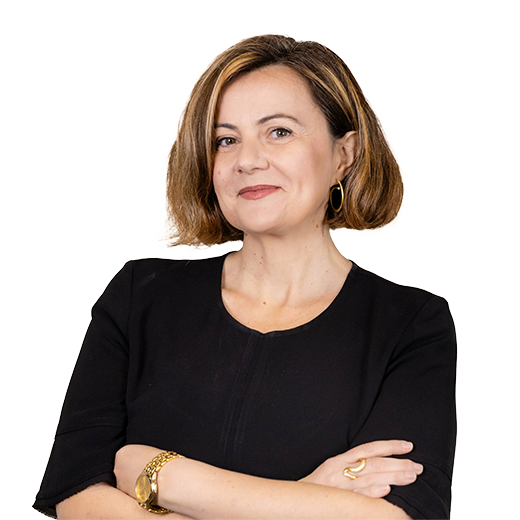
Sonia Fliss is a Full Professor at ENSTA Paris , affiliated with the Department of Applied Mathematics and the POEMS laboratory (UMR CNRS-INRIA-ENSTA) . She teaches applied mathematics courses on partial differential equations (PDEs) , finite element methods , and periodic homogenization to undergraduate and graduate students. Doctor in Applied Mathematics (2009) Authorized to supervise research (2019) Research Interests : Sonia Fliss specializes in the modeling and numerical analysis of wave propagation in periodic, quasi-periodic, and random media . Her work includes transparent boundary conditions , guided waves , and asymptotic methods for acoustic, electromagnetic, and elastic wave phenomena . Recent Publications highlight her contributions to the Half-Space Matching Method , edge states in honeycomb structures , and scattering problems in unbounded domains . Her numerical techniques address multi-scale waveguides and time-harmonic propagation . Laboratory : As a member of the POEMS team, she collaborates on interdisciplinary projects involving mathematical analysis , computational physics , and engineering applications in domains like defence, energy, and transport .
Dr. Tim Pagella is a Senior Lecturer in Forestry at Bangor University's School of Environmental and Natural Sciences. He serves as Programme Lead for three undergraduate forestry programs and Module Leader for DXX-1003 (Forestry in the 21st Century) and DXX 4505 (Natural Resource Management). His teaching contributes to modules including DDL-4004, DXX1001, and others. As a systems scientist, Pagella specializes in agroforestry systems, focusing on trees outside woodlands delivering ecosystem services and livelihood resilience. His research spans tropical and temperate regions, emphasizing local knowledge integration, socio-ecological dynamics, and gender-transformative land restoration. Collaborations include World Agroforestry (ICRAF), Natural Resources Wales, and international projects in Rwanda, Vietnam, and Indonesia. Current projects: Trilateral Agroforestry Network (2024-2025), Landscape Resilience in Comoros (2022), Climate-Smart Woodlands in Wales (2018-2023) PhD supervision: 5 current students researching topics like farmer extension models, agricultural change management, and food security metrics Key contributions: Polyscape GIS tool for ecosystem valuation, RHoMIS survey framework for smallholder analysis
Sihem Mesnager is a University Professor of Mathematics at the University of Paris VIII, affiliated with the Laboratory of Analysis, Geometry and Applications (LAGA) at Paris XIII (CNRS) and the AGC3 research group (Algebra, Geometry, Combinatorics) . She holds an adjunct professorship at Télécom Paris within the MIC2 Mathematics team of the Computer Science and Networks department (INFRES). Her work bridges pure mathematics and applied cryptography, focusing on Boolean functions, bent functions, and coding theory for secure communication and data protection. PhD in Mathematics, University of Pierre and Marie Curie (Paris VI), Sorbonne University (2002) Habilitation (HDR) in Mathematics, University of Paris VIII (2012) Research Interests Dr. Mesnager specializes in symmetric cryptography and coding theory , particularly their applications to secure digital communication, error correction, and post-quantum cryptographic protocols. Her algebraic approach employs finite fields, exponential sums, algebraic geometry, and finite geometry to analyze and construct cryptographic primitives like S-boxes, APN functions, and optimal linear codes. She also investigates algorithmic aspects of computer algebra in these domains. Scientific Awards George Boole International Prize (2020) PEDR Excellence Scientific Award (2019-2022) PEDR Excellence Scientific Award (2014-2017) Publications & Projects Her recent work includes constructing weightwise perfectly balanced Boolean functions for the FLIP cipher, optimizing Inner Product Masking schemes via coding theory, and developing post-quantum secure functional encryption using multivariate cryptography. She has contributed to Reed-Muller codes, BCH codes, and Gaussian sum-based linear codes with one-dimensional hulls, emphasizing their applications in side-channel attack resistance and quantum error correction.
Francisco Manuel Alonso Chaves is a Professor in the Department of Earth Sciences at the Faculty of Experimental Sciences, University of Huelva, Spain. He is affiliated with the Huelva Scientific and Technological Center and leads the research group RNM276 APPLIED GEOSCIENCES. His academic focus lies in Internal Geodynamics, contributing significantly to the understanding of tectonic processes in the Betic Cordillera and surrounding regions. Education: PhD in Geology, University of Granada (1995). Thesis: "Tectonic evolution of Sierra Tejeda and its relationship with processes of crustal thickening and thinning in the Betic mountain ranges", supervised by Dr. Miguel Orozco Fernández. His primary research interests encompass Tectonics, Geodynamics, Seismology, and Structural Geology. He investigates crustal deformation, seismic activity, and the evolution of mountain belts, with a regional focus on the Betic Cordillera and the Iberian Peninsula. His work integrates field studies, geophysical methods, and advanced data analysis to unravel complex tectonic histories and assess seismic hazards. Analysis of his recent publications reveals a strong emphasis on tectonic processes, particularly in the Guadalquivir Basin and the Betic Cordillera. His work utilizes seismic noise recording, kernel density estimation, and passive seismic techniques to study basin architecture, fault reactivation, and crustal structure. There is a consistent focus on Neogene extension, earthquake analysis (including the Türkiye-Syria events), and the application of geospatial tools like QGIS for tectonic interpretation. Scientific Awards: No scientific awards mentioned in available information. Advising and Grants: No details provided regarding students supervised or research grants secured. Labs and Teams: Dr. Alonso Chaves is a key member of the RNM276 APPLIED GEOSCIENCES research group and conducts his work at the Huelva Scientific and Technological Center. His team focuses on applied geological research, including seismic microzonation, tectonic modeling, and environmental geology, contributing to both academic knowledge and practical applications in the region.
Joline Fan, MD, MS is an Assistant Professor at the University of California, San Francisco (UCSF) in the Departments of Neurology (Division of Epilepsy) and Psychiatry & Behavioral Sciences. She is affiliated with the UCSF Weill Institute for Neurosciences, where she conducts cutting-edge research at the intersection of neurology, psychiatry, and neurotechnology. Dr. Fan completed her education at prestigious institutions: B.S.E. in Chemical and Biological Engineering from Princeton University, M.S. in Bioengineering from Stanford University, and M.D. from UCSF. She furthered her training with a Neurology Residency and Epilepsy Fellowship at UCSF, establishing her expertise in clinical neurology and epilepsy management. Her research program focuses on developing innovative neurostimulation technologies for neuropsychiatric disorders and exploring the complex relationship between sleep and epilepsy through multimodal neuroimaging. As an epileptologist, Dr. Fan specializes in invasive recording methods including intracranial responsive neurostimulation and stimulation mapping. She is pioneering personalized, non-invasive, low-intensity focused ultrasound methods for treating conditions like depression and epilepsy, bridging engineering approaches with clinical neuroscience. Analysis of Dr. Fan's recent publications reveals a strong focus on intracranial neurophysiology, brain network mapping, and closed-loop neuromodulation systems. Her work integrates multiple disciplines including neurology, psychiatry, neuroengineering, and data science to develop personalized treatments for treatment-resistant depression, obsessive-compulsive disorder, and epilepsy. The research demonstrates increasing translational impact with growing clinical applications of neuromodulation technologies. Dr. Fan has received significant recognition for her work: American Epilepsy Society (AES) 2022 Young Investigator Award University of California San Francisco 2024 Chen Scholar Award Dr. Fan actively mentors residents, fellows, and UCSF students on research projects. Her research is supported by multiple significant grants including a Brain & Behavior Research Foundation NARSAD Young Investigator Grant for 'Mapping Corticolimbic Circuitry of Arousal Using Intracranial Electrophysiology' (2023-2025), an NIH/NINDS K23 award for 'Network dynamics of sleep-wake states in epilepsy' (2023-2027), and previously a Doris Duke Charitable Foundation Physician Scientist Fellowship (2021-2023). Working within the UCSF Weill Institute for Neurosciences, Dr. Fan collaborates with multidisciplinary teams across neurology, psychiatry, neurosurgery, and engineering to advance understanding of brain circuitry and develop novel neuromodulation approaches for complex neuropsychiatric conditions.
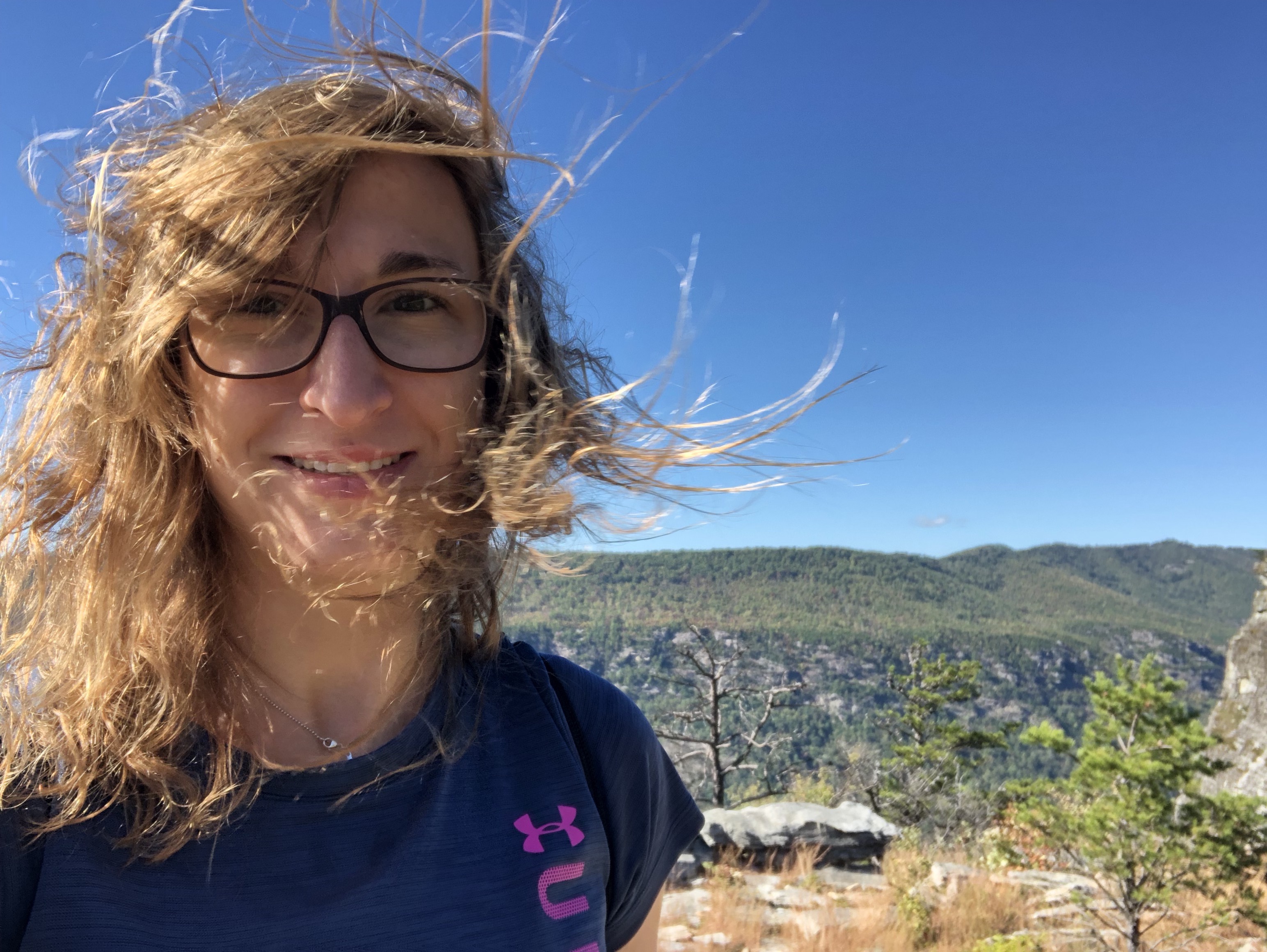
Marie-Christine Düker is an Assistant Professor in the Department of Statistics and Data Science at Friedrich-Alexander University (Germany). Her research focuses on high-dimensional statistics, time series analysis, functional data analysis, and extreme value theory with applications in economics, psychology, chemistry, and ecology. Previously, she was a postdoctoral associate at Cornell University's Department of Statistics and Data Science under David Matteson. She earned her PhD in Mathematics from Ruhr-University Bochum under Herold Dehling and spent part of her doctoral studies at the University of North Carolina at Chapel Hill with Vladas Pipiras. Current Position: Assistant Professor, Department of Statistics and Data Science, Friedrich-Alexander University Previous Academic Affiliation: Postdoctoral Associate, Cornell University Education: PhD in Mathematics, Ruhr-University Bochum; Part-time research at University of North Carolina Research Interests: Her work spans high-dimensional time series under long-range dependence and nonstationarity, discrete data modeling, nonlinear dynamics, dimension reduction, and change-point analysis. Applications include econometrics, neuroscience, chemical data analysis, and ecological forecasting. Recent Publications: Her 2025-2024 work covers Hilbert space-valued linear processes, kernel estimation for nonlinear dynamics, confidence interval approximations, and latent Gaussian count time series. Earlier papers address simultaneous diagonalization, long-run variance matrices, and transition rate estimation challenges. Contact: marie.dueker@fau.de
Marianna Cavada is a Senior Lecturer at the Manchester School of Architecture (MSA), where she leads the MA Architecture & Urbanism program as the Prototype Urbanism Lab Lead and serves as the Department International Lead. Her research focuses on AI-driven urbanism, smart and liveable cities, and policy design for sustainable urban transformation. Education: PhD in Civil Engineering (2019, University of Birmingham) PG Dip Architecture (International) RIBA II (2008, Huddersfield University) BA Hons Architecture RIBA I (2005, Huddersfield University) BA Hons Interior Design (2001, De Montfort University) Marianna bridges theoretical and practical urbanism through collaborations with local policymakers (Lancaster City Council, Karystos Municipality) and international bodies like the WHO. Her work addresses inequality, climate emergency, and global health within the UN Sustainable Development Goals framework. She contributed to the British Academy-funded 'Caring-with Cities' project and EPSRC initiatives including Liveable Cities and the Green Infrastructure Corridors program. Her research outputs include the book The Little Book of Smart Cities and publications on topics ranging from CO2 emissions in smart cities to gamification in post-pandemic urban evaluation. Marianna has presented at institutions such as the University of Birmingham, Donghua University, and Xi’an Jiaotong University, and has led workshops like the Smart Cities Alliance in Birmingham. Key Scientific Awards: First Prize – Peter Stead Award (2008) Higher Commendation in PG Dip Architecture (2008) Marianna supervises PhD projects in AI Urbanism, Smart Cities, Liveable Cities, and Urban Engineering. Her professional background includes architectural practice in the UK (ATKINS), UAE (Al Falah project), and China (GDG Ltd, Twin Cities), alongside academic roles at the University of Birmingham and Lancaster School of Architecture. She operates from the Manchester Technology Centre and maintains memberships in the International Society for Urban Health and the Royal Institution of Chartered Surveyors (RICS).
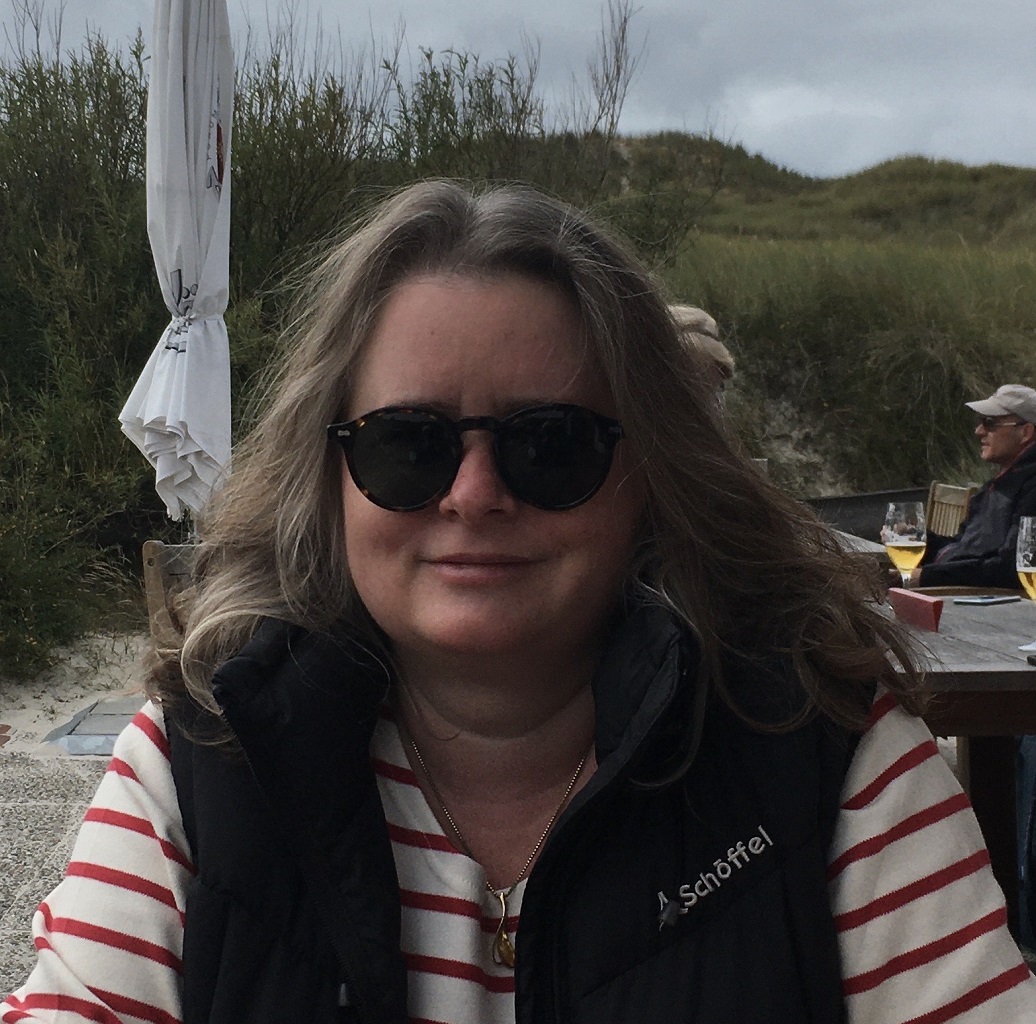
Susanne Lachenicht is a Professor of Early Modern History at the University of Bayreuth since 2009. She holds the Chair of Early Modern History within the Faculty of Cultural Studies . Her academic journey includes a Habilitation at the University of Hamburg (2009), a PhD from Ruprecht-Karls-Universität Heidelberg (2002), and studies at Université Paris 1 Panthéon-Sorbonne (1995). She has held visiting professorships at institutions in France, the UK, and the USA. Education 2009: Habilitation in Early Modern and Modern History, University of Hamburg 2002: PhD, Early Modern and Modern History, Heidelberg 1996: Magister Artium in Medieval, Early Modern, and Modern History/German Literatures, Heidelberg 1995: Maîtrise d'Histoire in Modern History, Université Paris 1 Research Interests focus on knowledge transfer in the Atlantic World , clash of knowledge systems , and formation of colonial discourse through natural histories. She examines how early modern media (e.g., periodicals, books ) facilitated cultural exchange, particularly among Huguenots, Sephardi Jews , and other diasporic groups. Her work bridges confessional boundaries , transnationalism , and historical globalization . Academic Leadership includes co-editing series like Anthem Intercultural Transfer Studies , Forum historische Forschung – Frühe Neuzeit , and Humanities . She serves on the European Research Council (ERC) Advanced Grant Review Panel SH6 and advisory boards for institutions in Paris, Berlin, and Heidelberg. Key Contributions Founded the Summer Academy of Atlantic History (SAAH) (2009) Spokesperson for the Emerging Field 'Cultural Encounters and Transcultural Processes' (2012-2023) Member of the Bayreuth Institute for American Studies (BIFAS)
Dr. Ricardo Assis Rosa is a Senior Lecturer in Architecture specializing in Design and Technology at Oxford Brookes University's School of Architecture. As both an alumnus and current faculty member, he brings extensive professional experience as a RIBA Qualified Architect to his academic role. His teaching and research adopt a multidisciplinary approach that integrates Architecture, Interior Design, Product Design, and Fine Arts with technological innovation. His research focuses on the intersection of traditional craftsmanship and digital fabrication, particularly exploring bamboo (Guadua) as a sustainable building material. Rosa's PhD by Design research, titled "Mind, Tool and Matter - Synergies in Digital Fabrication and Bamboo Craftsmanship," investigates how digital technologies can enhance traditional bamboo craftsmanship while maintaining cultural relevance and sustainability. His work addresses critical challenges in bamboo construction including material standardization, connection techniques, and developing practical digital fabrication solutions accessible to communities where bamboo grows abundantly. Rosa has presented significant research at RIBA conferences on material studies in architectural education and has developed numerous architectural projects spanning from campus installations like the Rain Pavilion to international collaborations including the Sino-UK initiative hosted by Tsinghua University. His publications explore digital craft in masonry, material perception, and the cultural implications of design processes. Senior Fellow of the Higher Education Academy Regular presenter at RIBA (Royal Institute of British Architects) conferences Invited lecturer for the Sino-UK collaboration organized by the Architectural Association of China and British Council With a background spanning theater design, building site experience, and historical restoration of vernacular architecture in Portugal, Rosa brings unique perspective to architectural education. His approach emphasizes the importance of material knowledge, spatial experience, and narrative in design practice. He has coordinated student live projects including Pavilion Design Competitions and developed collaborative workshops between Arts and Architecture departments. His design portfolio includes international projects across Colombia, China, India, Greece, and the UK, demonstrating his commitment to culturally sensitive and contextually appropriate architecture.
Carla Bellamy is a Professor of Anthropology and Religious Studies at Baruch College, City University of New York (CUNY), and Chair of the Columbia University Seminar on South Asia. She holds a PhD and MPhil in South Asian Religion from Columbia University and an MTS in World Religion from Harvard Divinity School. Education: PhD, South Asian Religion, Columbia University MPhil, South Asian Religion, Columbia University MTS, World Religion, Harvard University B.A., Religion and English, St. Olaf College Her research examines how economic liberalization in India reshapes caste identity and religious practices, focusing on Islamic shrines, Hindu devotionalism, and interfaith dynamics. Key themes include neoliberalism’s impact on religious autonomy, ritual healing, and the politics of religious diversity. Her 15 most recent publications span religious anthropology, Islamic healing, and neoliberalism’s cultural effects. They include analyses of dargah cosmopolitanism, temple rituals addressing misfortune, and interfaith pilgrimage sites. Scientific Awards Visiting Professor, L'École des Hautes Études en Sciences Sociales (2018) Mid-Career Faculty Fellowship, CUNY Grad Center (2014) Rubin Fellow, Rubin Museum of Himalayan Art (2011) Whiting Research Awards (2010, 2009) New Scholar of the Year, Journal of Feminist Studies in Religion (2008) Bellamy has held leadership roles at Baruch College, including Chair of the Department of Sociology and Anthropology and Chair of the Asian and Asian American Studies Committee. She contributes to university governance as a member of the Faculty Senate Executive Committee and curriculum development initiatives.
Jie Deng, Ph.D., is a Professor in the Department of Radiation Oncology at UT Southwestern Medical Center, where she serves as faculty in the Division of Medical Physics & Engineering. She is a certified MRI and MRI for radiation therapy medical physicist by the American Board of Medical Physics and holds a leadership role as a magnetic resonance safety officer. Dr. Deng is actively involved in both clinical and research aspects of medical imaging and radiotherapy, with a strong emphasis on integrating advanced imaging technologies into therapeutic workflows. Dr. Deng earned her academic degrees from prestigious institutions: a Bachelor of Science in Biomedical Engineering from Southeast University in China, a Master’s in Bioengineering from the University of Illinois at Chicago, and a Ph.D. in Biomedical Engineering from Northwestern University. She further enhanced her expertise by obtaining a Master of Science in Law from the Northwestern Pritzker School of Law, reflecting a multidisciplinary approach to her scientific work. Her research interests center on MRI physics , quantitative imaging , oncological imaging , and the application of artificial intelligence in medical imaging. She has pioneered work in MRI-guided radiation therapy, imaging biomarkers for therapeutic response, and AI-driven image reconstruction and artifact reduction. Her recent publications demonstrate a consistent focus on improving imaging accuracy, speed, and clinical utility, particularly in liver, pediatric, and oncological applications. The analysis of her 15 most recent articles reveals a strong trend toward deep learning-based image reconstruction , quantitative MRI biomarkers , and synthetic image generation for radiotherapy planning. Topics such as 4D-MRI, synthetic CT, motion artifact reduction, and AI fusion models dominate her scholarly output, indicating a forward-looking research trajectory centered on intelligent, fast, and precise imaging for personalized cancer therapy. Dr. Deng actively contributes to the scientific community through presentations at major conferences including the International Society for Magnetic Resonance in Medicine (ISMRM) and the American Association of Physics in Medicine (AAPM), where she shares innovations in MRI, adaptive radiotherapy, and AI integration. As an educator, Dr. Deng mentors medical physics residents and graduate students, delivering lectures on MR-only simulation, MR-linear accelerator practices, and medical imaging fundamentals. While no specific grants are mentioned in the text, her extensive publication record in high-impact journals suggests active research funding and collaborative projects. She is affiliated with key professional organizations and serves on UT Southwestern’s MRI Safety Committee, ensuring safe and effective use of MRI in clinical and research settings. Her work bridges the gap between engineering innovation and clinical application, making significant contributions to the field of radiation oncology and medical physics.
Dr. Jed Pitera is an Adjunct Assistant Professor at the University of California, San Francisco (UCSF) Department of Pharmaceutical Chemistry and currently serves as the strategy co-lead for Accelerated Discovery in Sustainable Materials at IBM Research - Almaden. He has spent over two decades at IBM Research, applying computational tools and machine learning to materials R&D challenges. Caltech (Biology, Chemistry) University of California, San Francisco (Ph.D. in Biophysics) ETH Zurich (Postdoctoral work in computational physical chemistry) His research focuses on leveraging AI, machine learning, high-performance computing, and quantum computing for advanced materials discovery, particularly in sustainability applications such as carbon capture, energy storage, and PFAS replacement. He also works on improving the sustainability of existing materials in semiconductor manufacturing and directed self-assembly techniques. His work spans computational physical chemistry, polymer science, and AI-driven approaches to material design. His publications demonstrate a focus on AI-driven materials discovery (6 papers), directed self-assembly applications (4 papers), semiconductor manufacturing (4 papers), computational modeling (4 papers), and sustainability-focused research (5 papers). Notable trends include integrating robotics with AI for materials discovery and developing lifecycle assessment tools for sustainable design. Dr. Pitera leads the Accelerator Technologies project at IBM and contributes to the IBM Safer Materials Advisor initiative. He has collaborated with researchers across multiple institutions, including Dan Sanders, Brandi Ransom, Seiji Takeda, and Teodoro Laino.
David Serfass is a Lecturer at the National Institute of Oriental Languages and Civilizations (INALCO) specializing in Chinese studies. He serves as Co-manager of international mobility, Tutoring Manager, and Referent to the Cross-functional Commission at the institution. His teaching portfolio includes courses on the History of East Asia (19th-20th centuries), Communication and Media in East Asia, Introduction to Ancient Chinese History, Sinological Culture and Practice, Republican China through Texts and Media, and History of Taiwan. Dr. Serfass's research focuses on the History of the Japanese Occupation of China (1931-1945), the History of the Modern Chinese State, Sino-Japanese Relations, and the History of the Sino-Japanese War. His work examines state-building processes during wartime, particularly through the lens of the Wang Jingwei regime and collaboration governments in occupied China. He approaches these topics through spatial history, bureaucratic documentation, and memory studies, revealing how territorial control, administrative practices, and historical narratives shaped wartime China. His scholarly contributions demonstrate a consistent focus on the complexities of political authority during periods of fragmentation and occupation. Rather than viewing the Wang Jingwei regime as merely a Japanese puppet government, Serfass's research reveals the regime's internal dynamics, state-building efforts, and complex negotiations of sovereignty. His work challenges teleological narratives of central state formation in Republican China, highlighting instead the fragmented and contested nature of political authority during this period. Member of editorial board, Études chinoises (2014-2024) Member of editorial board, Terrains de Taiwan Member, ERC project Elites, Networks and Power in Modern China Member, French Taiwan Studies Project Member, Occupation Studies Research Network Dr. Serfass is an active contributor to academic discourse through conference presentations, editorial work, and collaborative research projects. His approach combines traditional historical research with spatial analysis and attention to bureaucratic practices, drawing on Chinese, Japanese, and Western archival sources to provide multi-perspective understanding of wartime China. His work has established him as a significant voice in the field of modern Chinese history, particularly regarding the complex dynamics of occupation, collaboration, and state formation during the Sino-Japanese War period.
Bill Sullivan is the Whipple-Coddington Associate Professor of Geology at Colby College, specializing in structural geology and tectonics. Colby College (2020–Present) Chair of the Geology Department (2015–2022; 2024–2025) Education: Ph.D. in Geology, University of Wyoming, 2007 M.S. in Geology, Virginia Tech, 2003 B.S. in Interdisciplinary Studies, Concord University, 2001 Dr. Sullivan’s research focuses on deformation mechanisms, strain localization, and the structural geology of western North America. He investigates fault processes at the brittle-viscous transition and microstructural evolution in tectonic settings. His publications span topics such as hydrothermal electrochemical gradients, strike-slip fault rheology, and transpressional deformation. These works often involve field studies in the Cheyenne belt, Klamath Mountains, and Great Basin. Scientific Awards: Whipple-Coddington Associate Professorship Dr. Sullivan has collaborated with undergraduate researchers and published extensively in journals like the Journal of Structural Geology and the Geological Society of America Bulletin .
Sean Hanna is a Professor of Design Computing at The Bartlett School of Architecture , University College London , and a member of the UCL Space Syntax Laboratory . His interdisciplinary work bridges architecture, computational modeling, and machine learning.